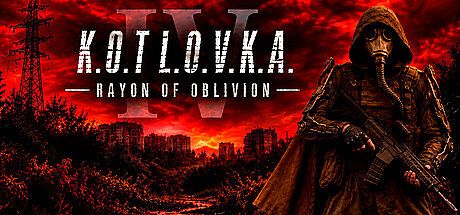


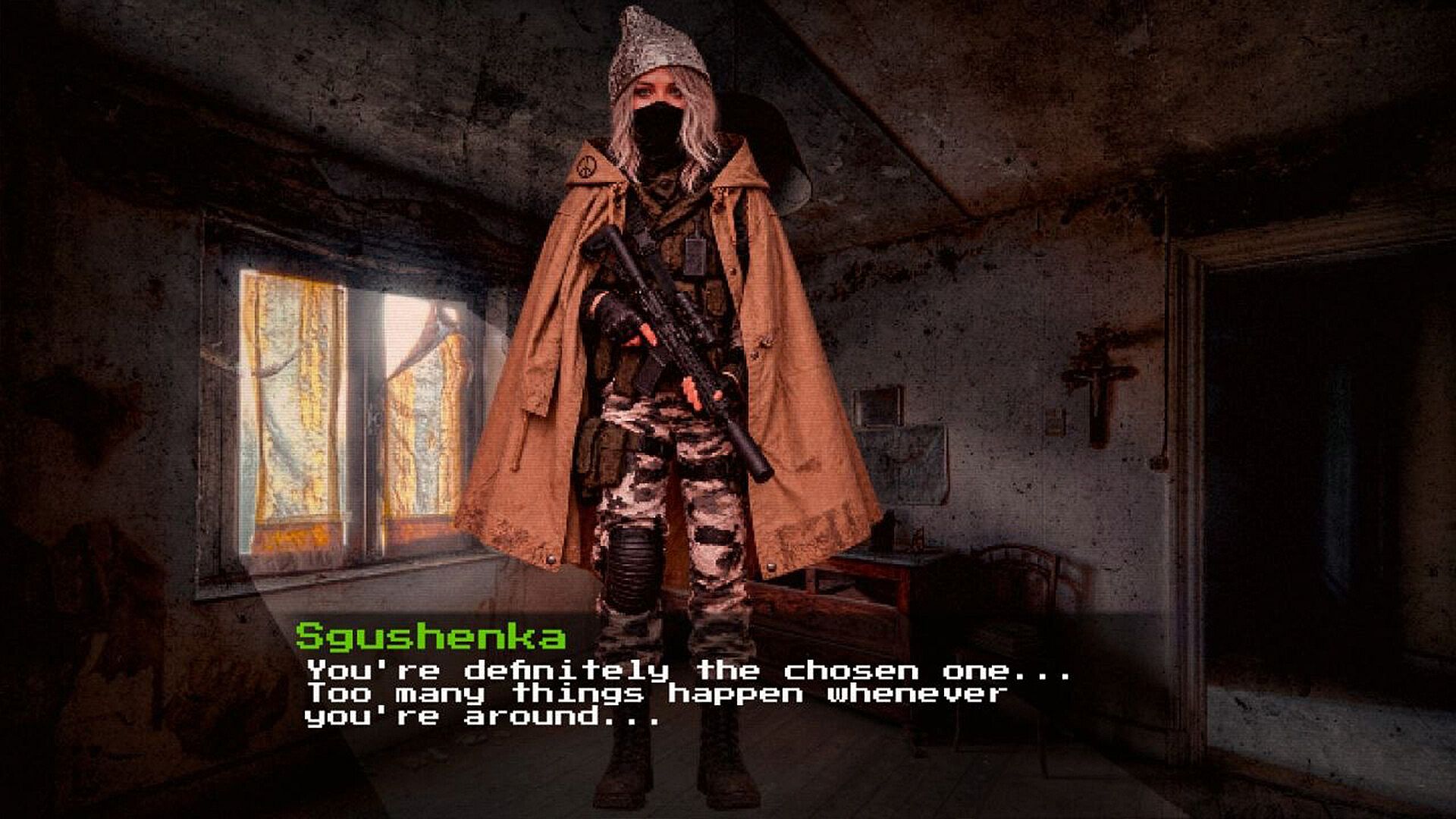
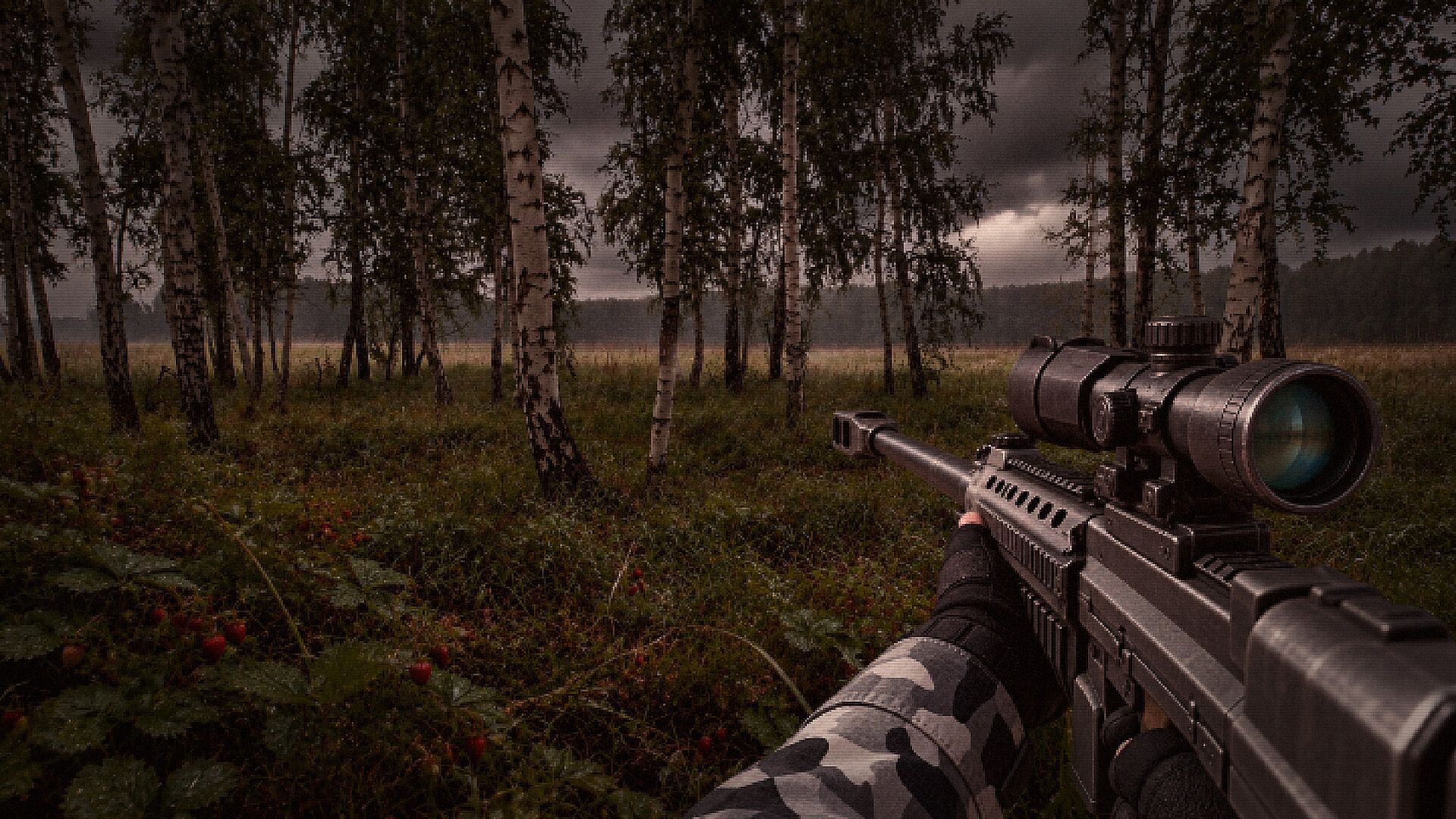
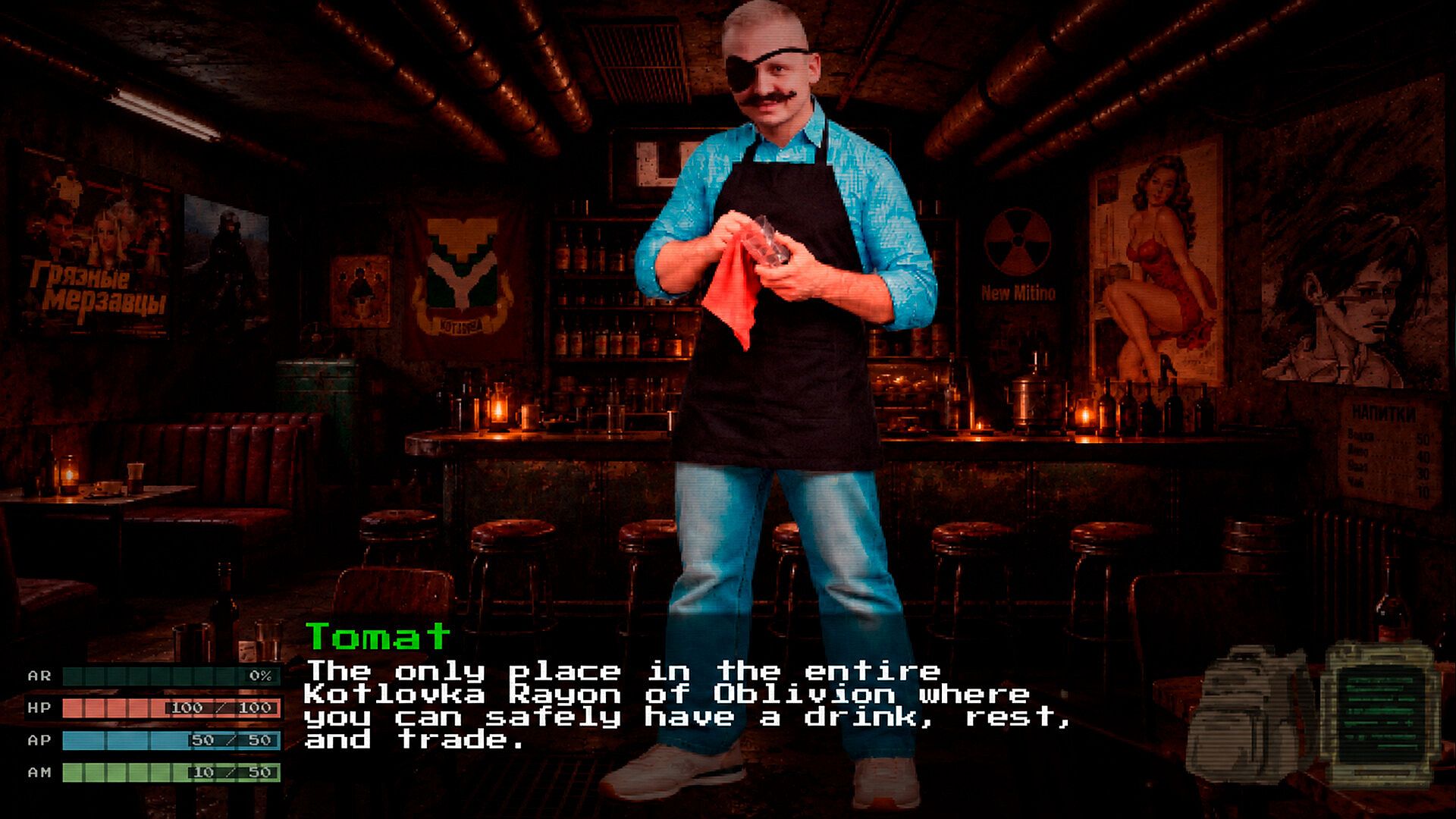
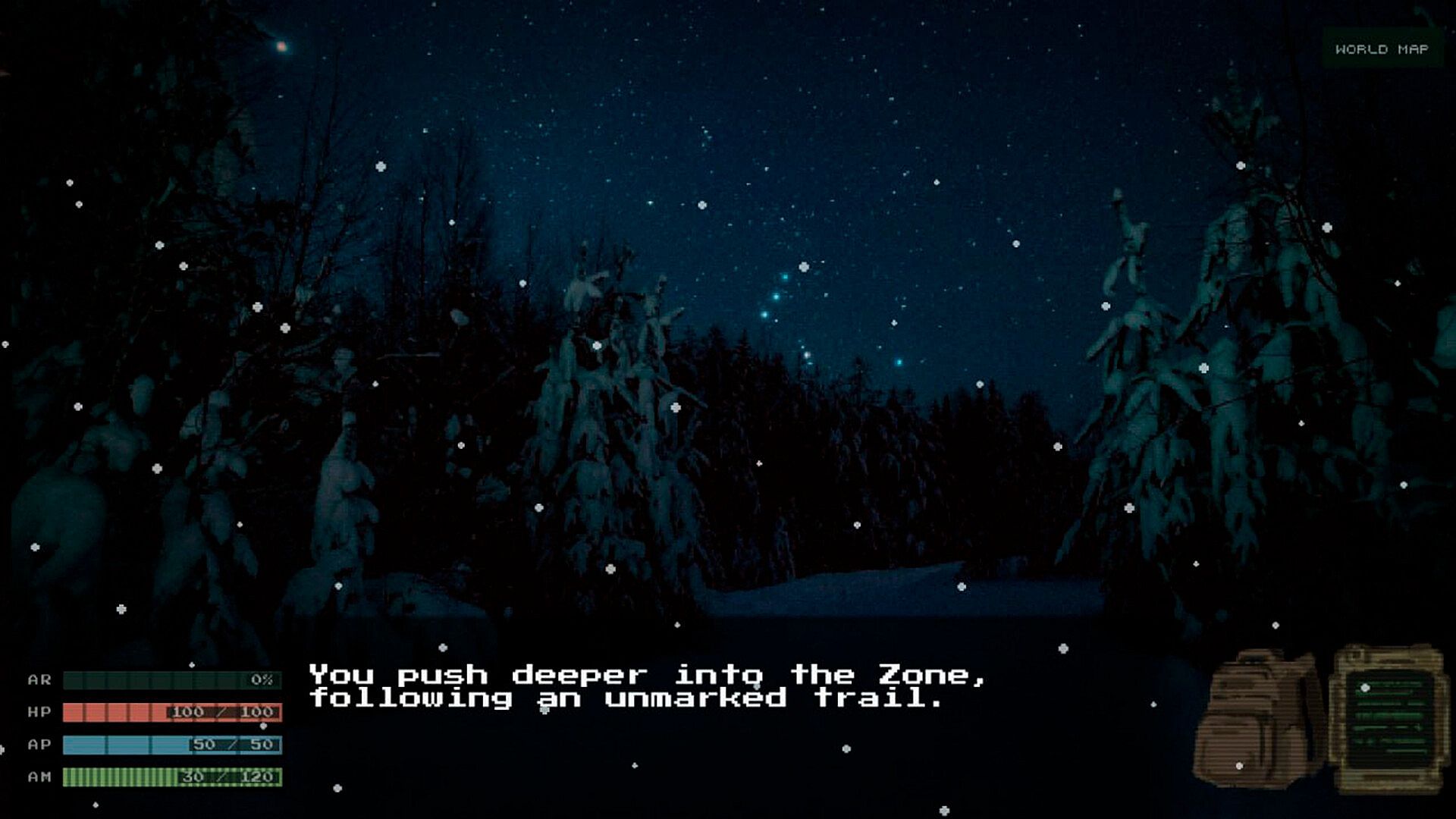
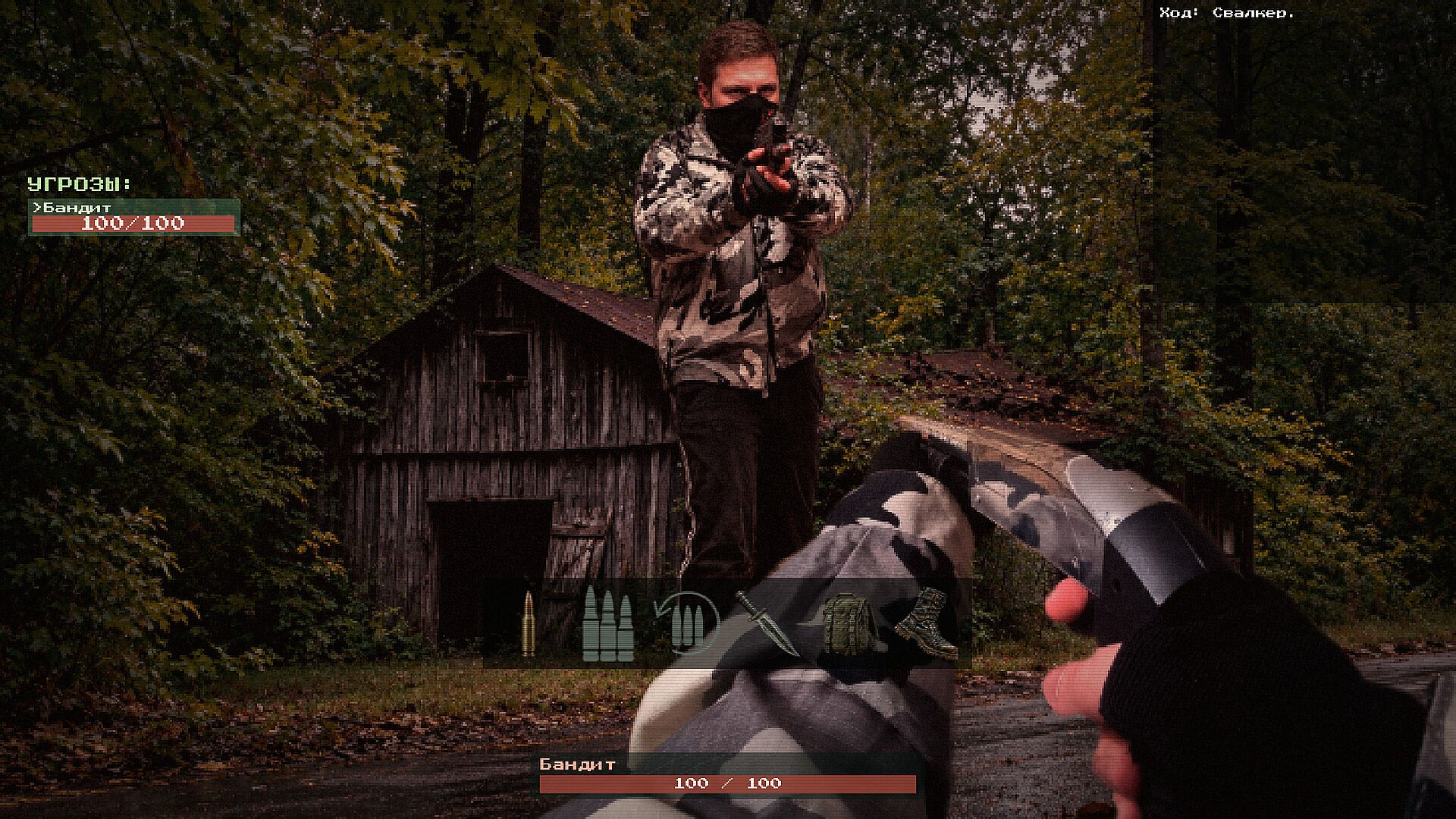
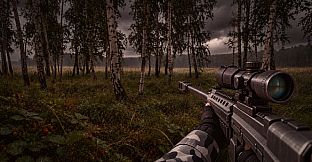
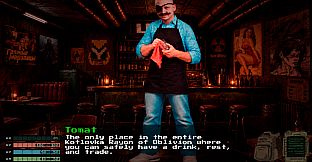
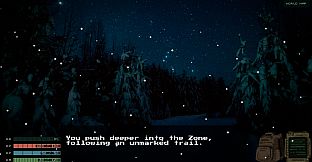
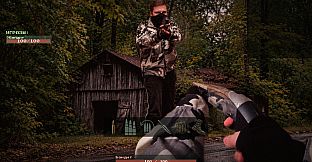
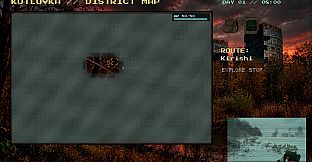
K.O.T.L.O.V.K.A.: Rayon of Oblivion is a first-person turn-based RPG set in a post-Soviet zone known as the Rayon of Oblivion. Players awaken without memories among corpses, equipped only with a pistol and coordinates to the nearest settlement. The world blends abandoned laboratories, shifting forest paths, and creatures drawn from Slavic folklore, all wrapped in dark humor and sinister mysteries.
Gameplay
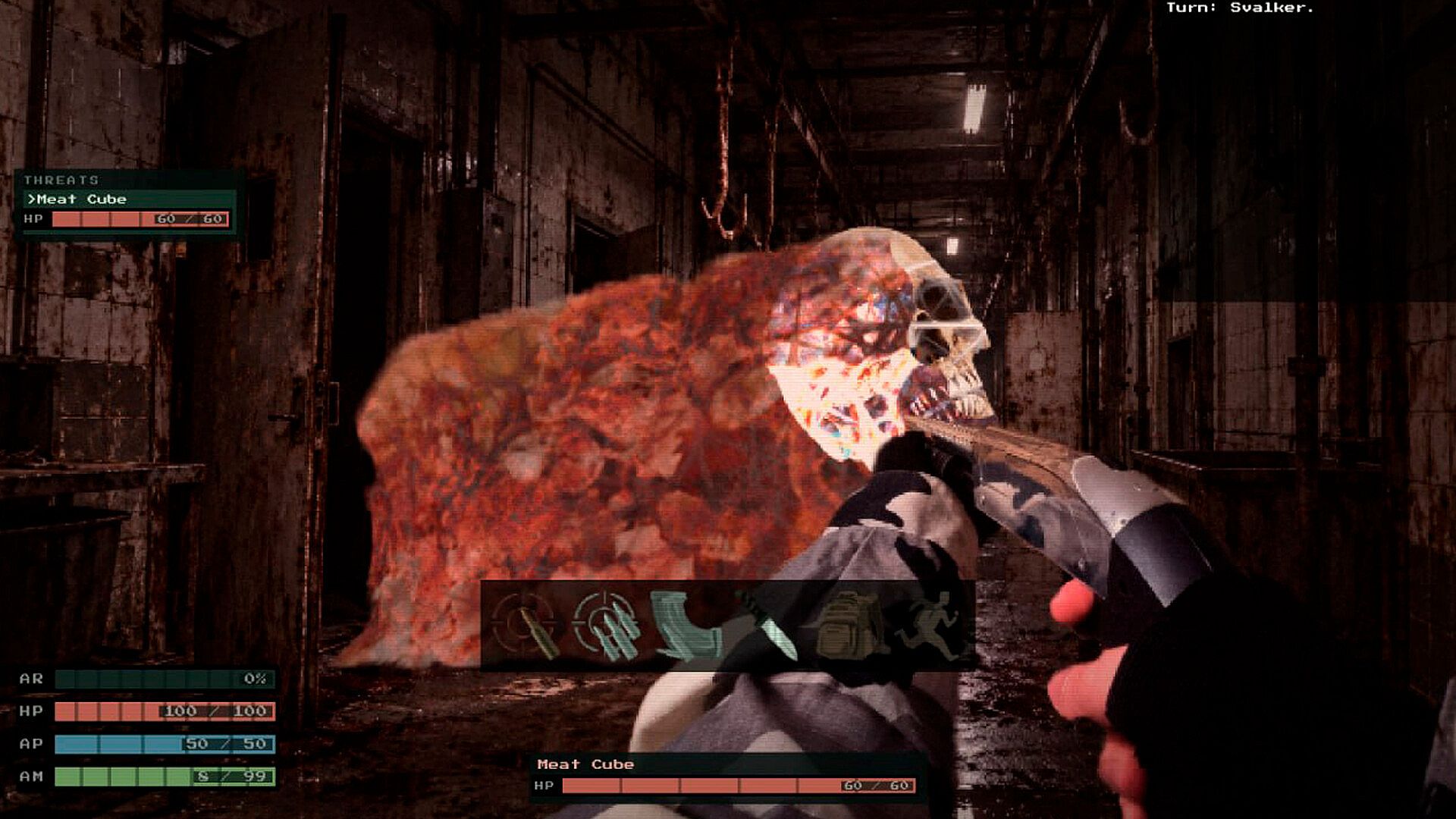
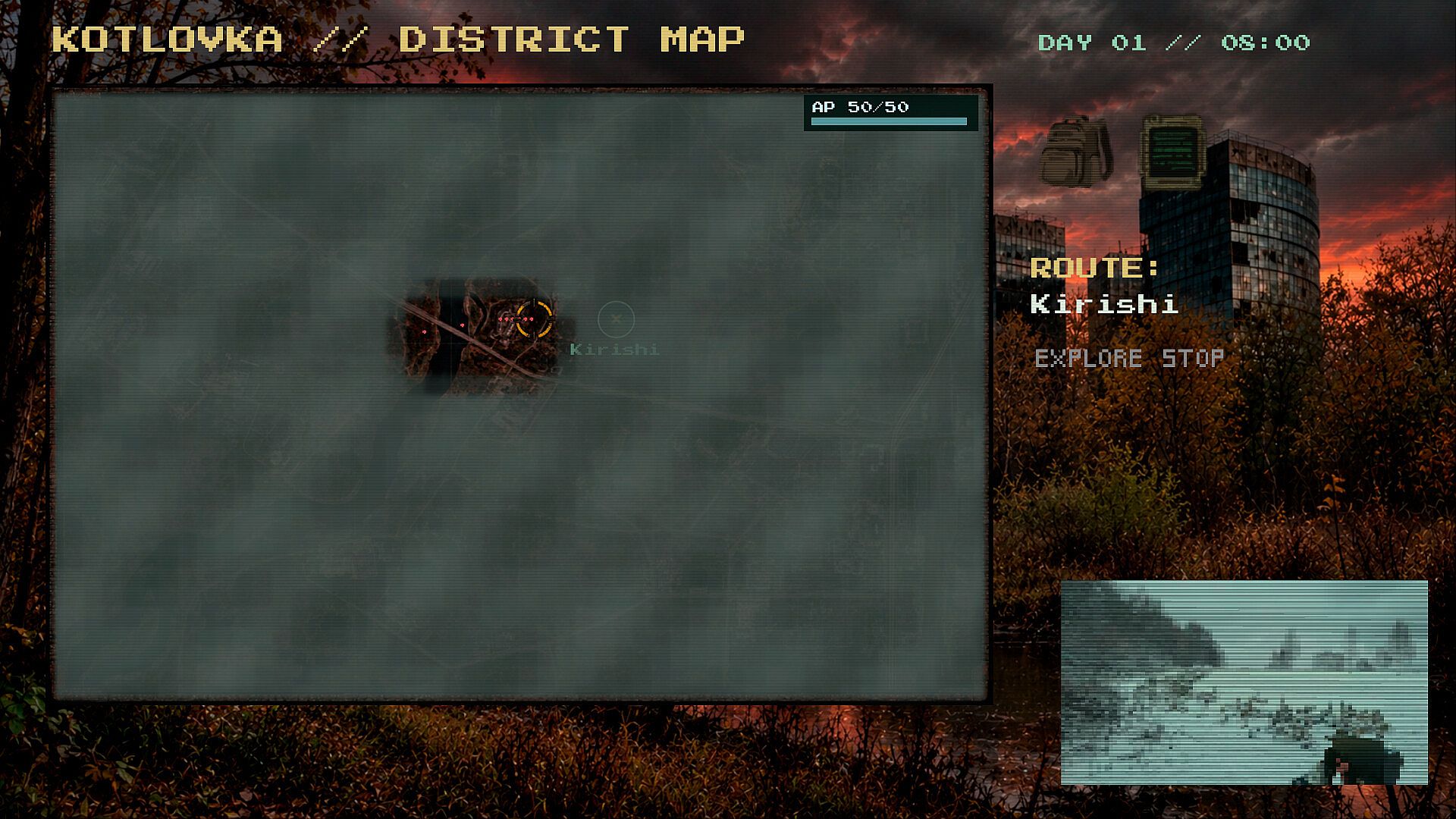
The core loop centers on exploration and scavenging as a svalker. Routes can be chosen freely on foot or by car, leading to jobs, relic hunts, or hidden locations. Turn-based combat requires careful management of action points, weapon selection, and timing shots based on accuracy and reflexes. Outside expeditions, players establish a home, recruit companions, invest in businesses, or test luck at card tables. Simulated svalker lives add depth, as other scavengers pursue their own goals, trade relics, fight, or perish independently. PDA messages enable coordination, distress responses, and campfire storytelling that can build alliances or secure aid in combat. Anomalies, relics, and traces of horrific experiments create an atmosphere where trust decisions carry weight, potentially altering settlement life or individual fates.
Game Modes
The experience unfolds as a single-player RPG without separate multiplayer or competitive modes. Progression ties directly to personal choices in exploration, negotiation versus force, and involvement in local conflicts. Branching quests and relationships develop through repeated interactions, while the simulated world of other scavengers operates continuously in the background. No distinct seasonal events or ranked systems appear in available details, keeping focus on the ongoing narrative of survival and discovery within the Rayon.
Setting and Atmosphere
The Rayon of Oblivion draws from post-Soviet aesthetics with environments based on real locations. Forest paths shift unpredictably, laboratories hold evidence of experiments, and the Black Church servants guard undisclosed knowledge. Relics and anomalies mix with folklore-inspired creatures, creating opportunities for fortune or peril. Dark humor surfaces in daily svalker routines and campfire tales, contrasting the constant threat of death from hostile entities or poor decisions.
Is It Worth Playing?
This title suits players who enjoy deliberate, choice-driven RPGs with turn-based combat and atmospheric world-building. The emphasis on freedom in routes, consequences from alliances, and interactions with a living cast of scavengers offers a focused single-player experience. Those drawn to post-apocalyptic scavenging, moral ambiguity, and uncovering layered mysteries will find the described systems align with that preference. As an upcoming release, its appeal rests on how well the turn-based encounters and simulated elements deliver on the outlined freedom and consequence mechanics.