


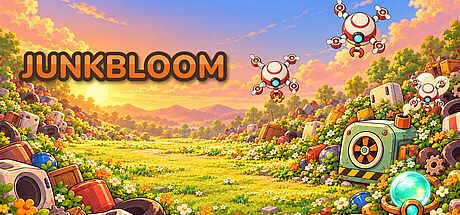


Junkbloom is a casual indie simulation game built around incremental progression and relaxed junkyard management on PC. Players begin with basic tools in a small clearing and gradually expand a personal workshop by clearing scrap and setting up automated systems. The experience emphasizes steady advancement without timers or competitive pressure, making it a fit for those seeking a low-stress simulation title focused on resource transformation and discovery.
Gameplay
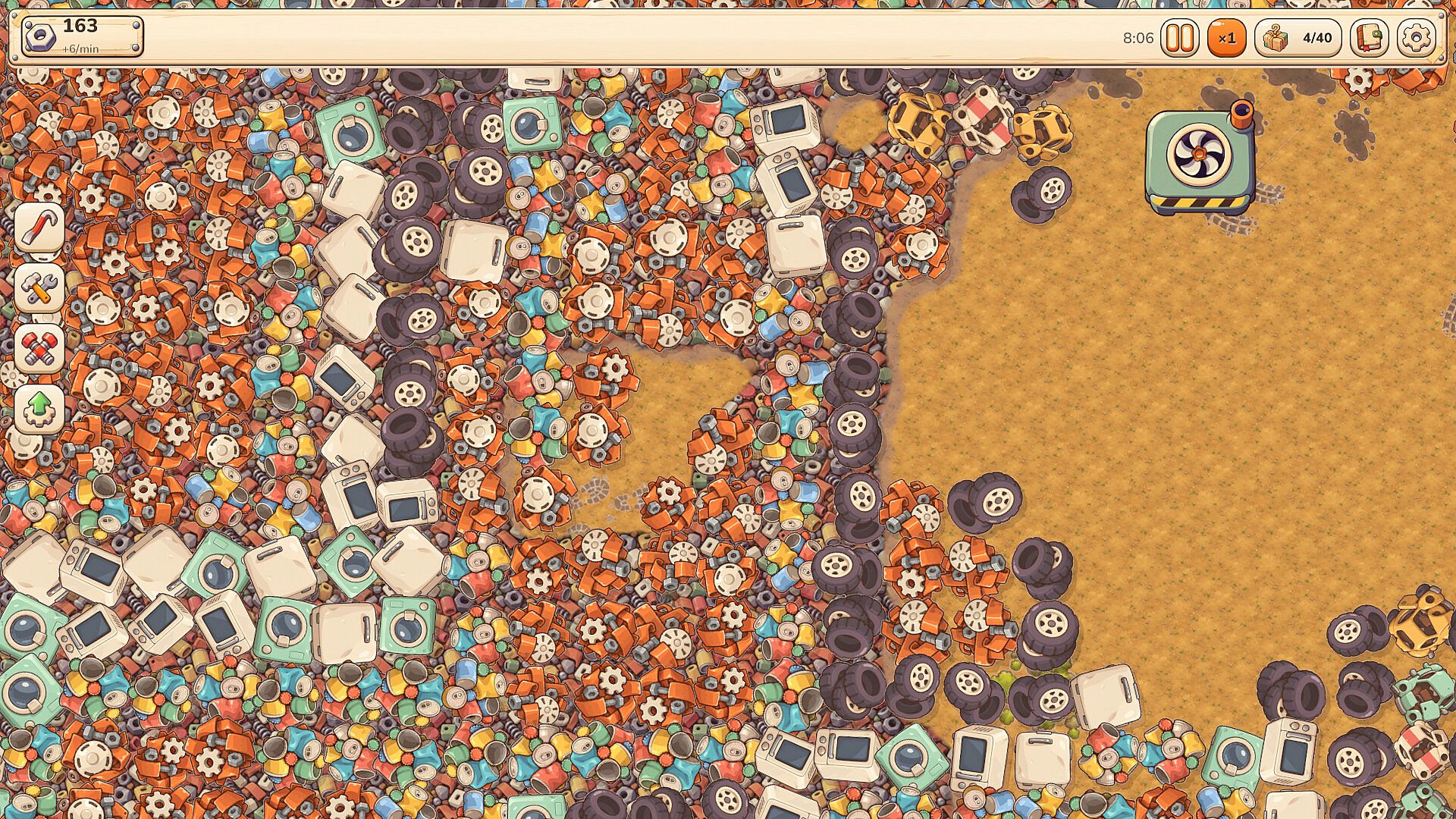
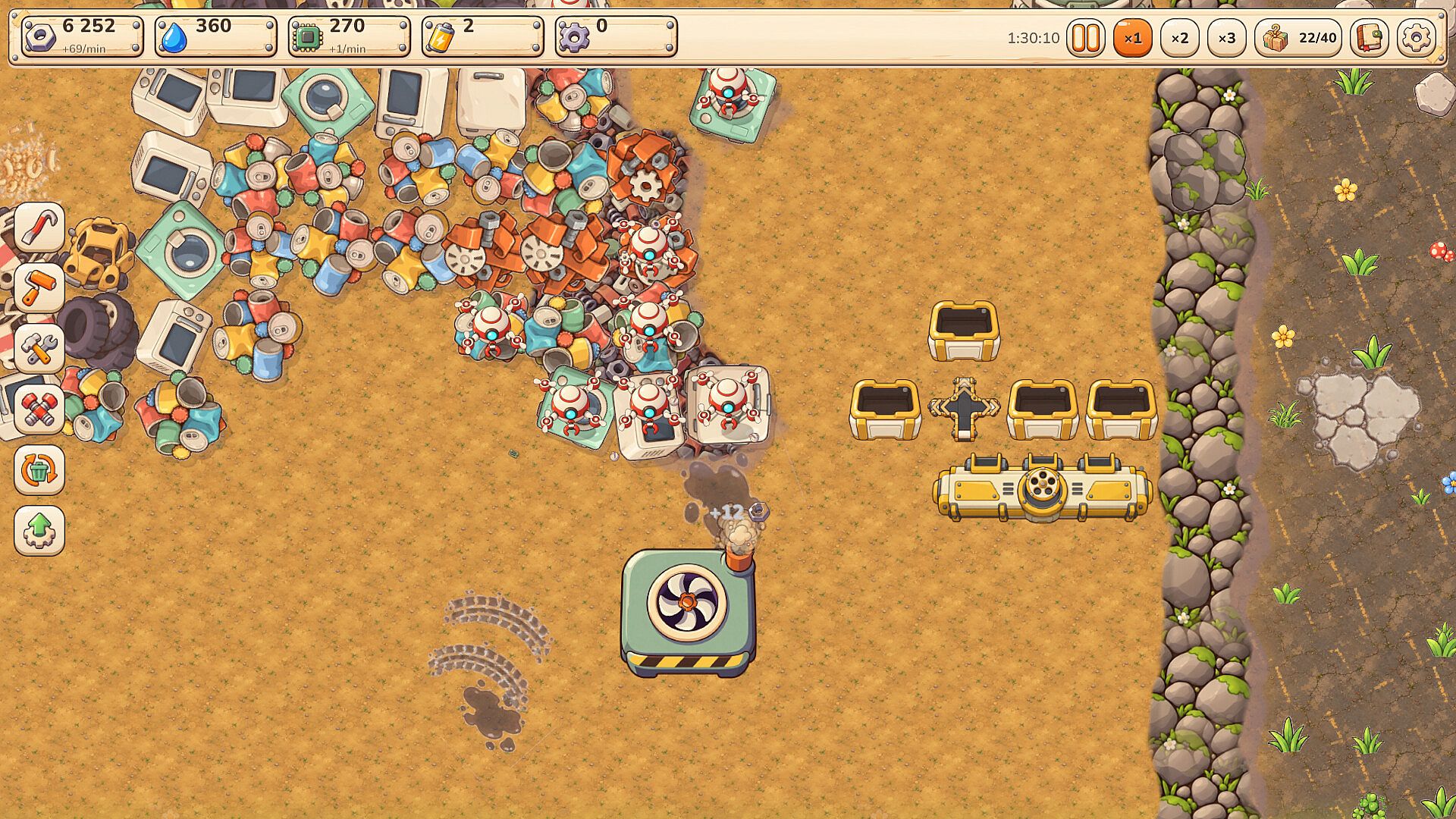
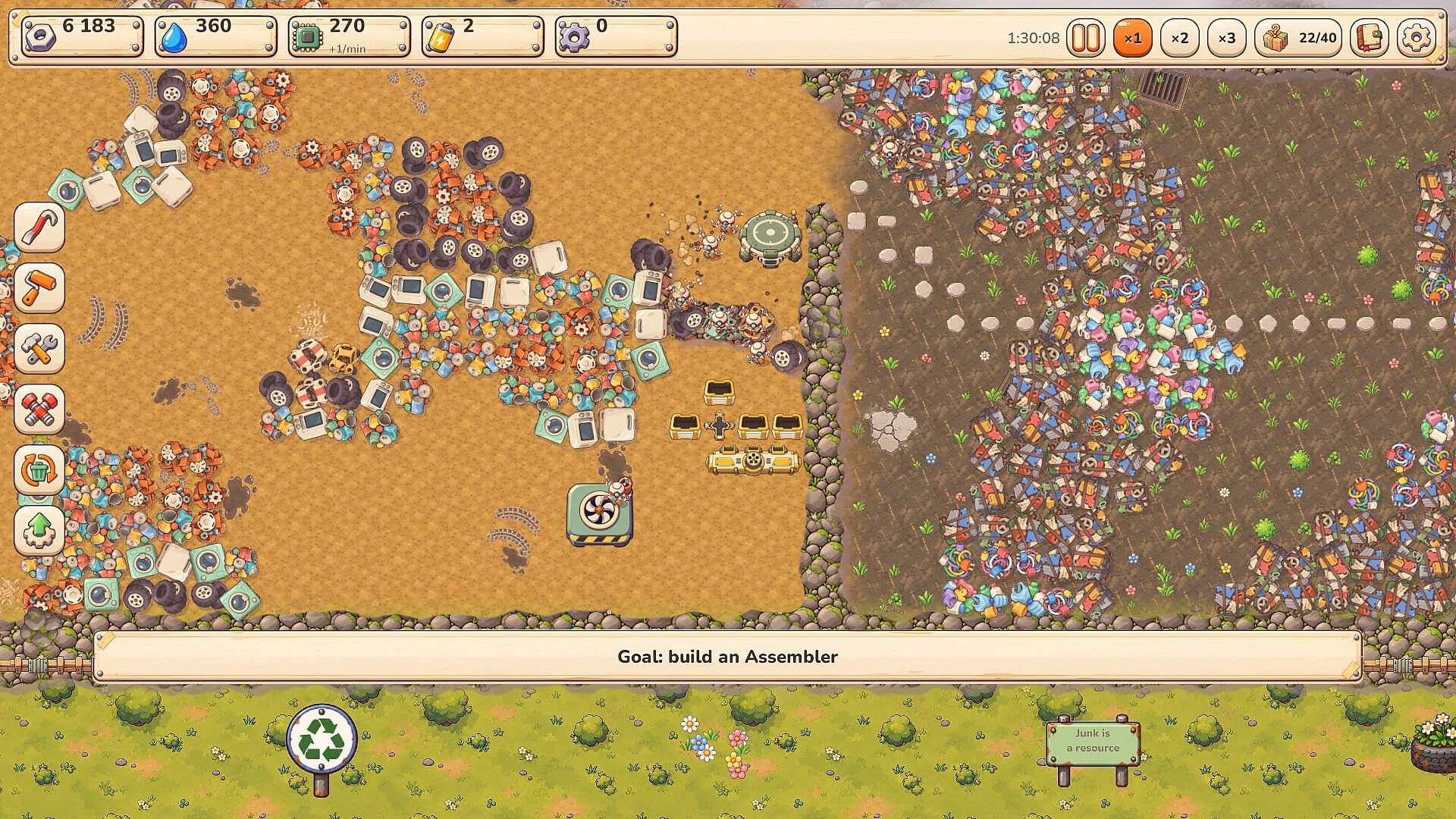
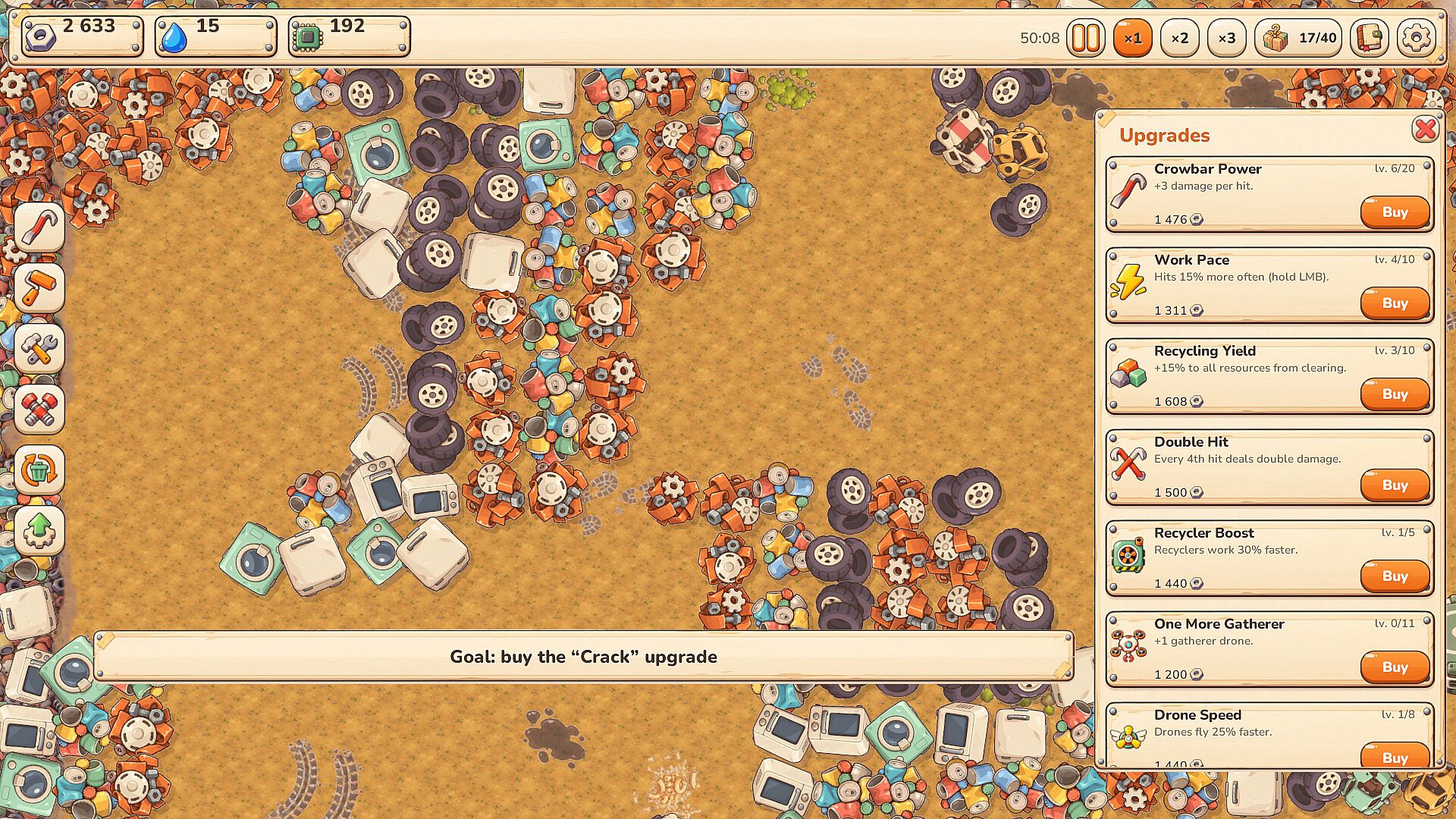
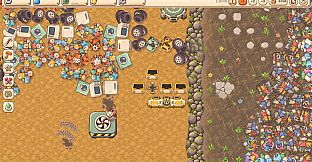
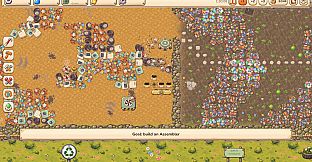
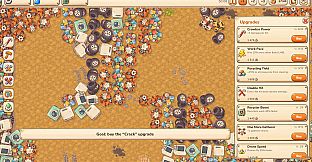
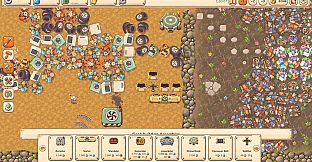
The core loop centers on clearing heaps of discarded items using a crowbar to smash objects such as washing machines, tires, cans, and old refrigerators. Each type of junk produces distinct audio feedback during the process. As the area opens up, players mark zones for helper drones that transport material to storage and processing facilities. These drones operate independently once assigned, allowing the player to focus on expansion or exploration.
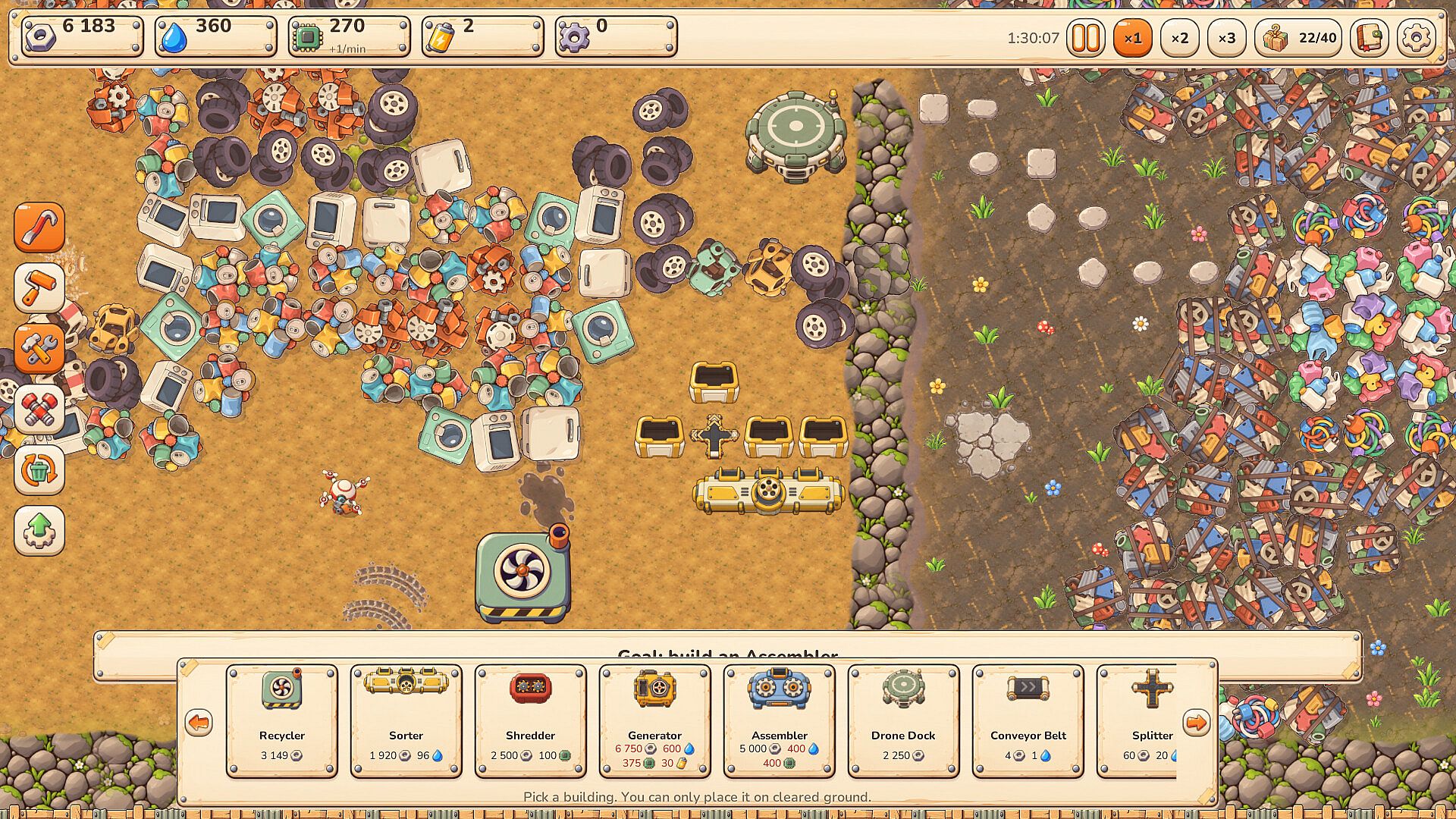
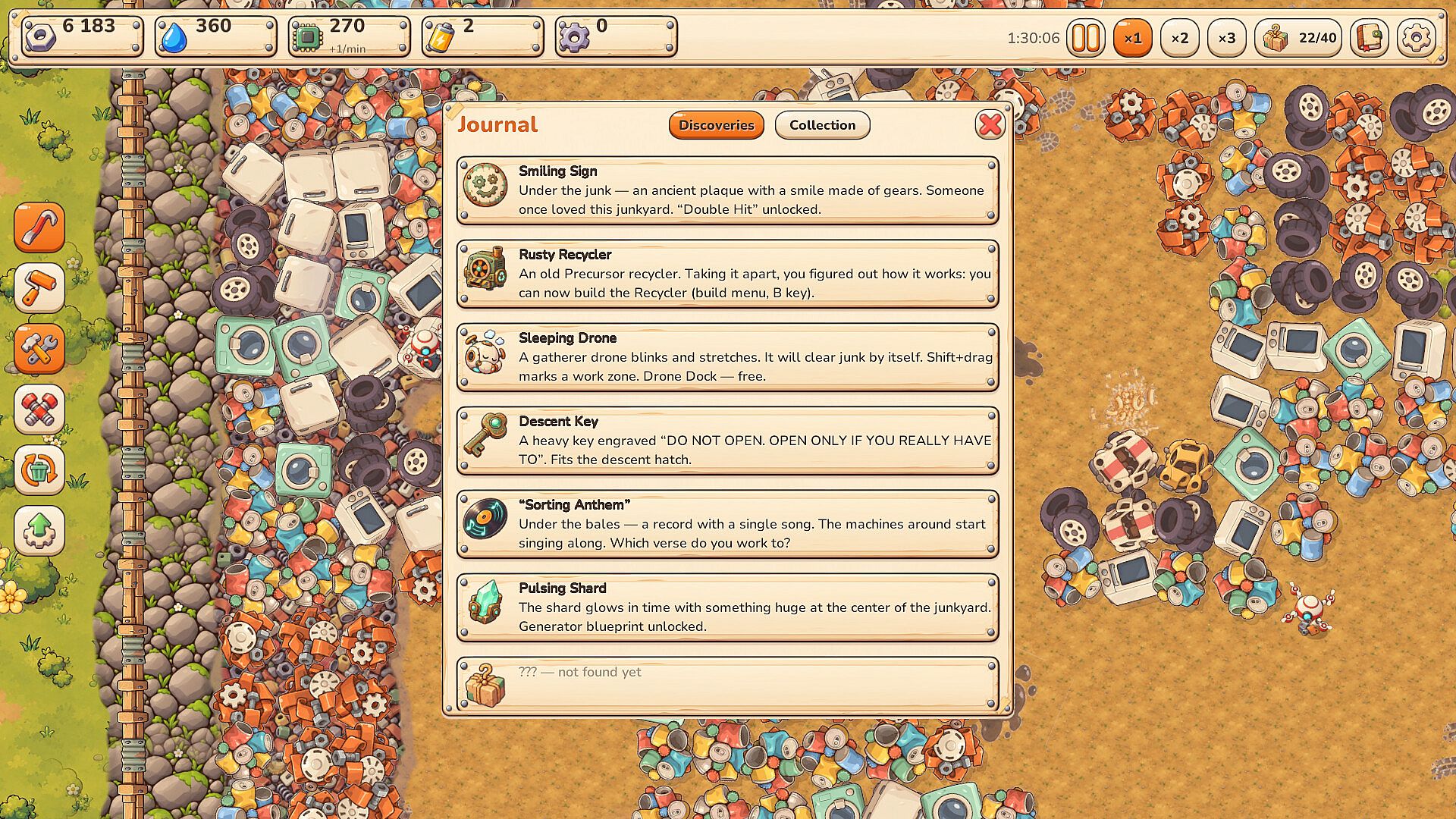
Recycling forms the next layer of progression. Players construct and upgrade machines including sorters, shredders, generators, and assemblers that convert collected junk into usable resources like metal, polymers, and parts. These materials support further construction and automation. Under cleared ground, hidden items sometimes appear, adding layers of curiosity to the steady workflow.
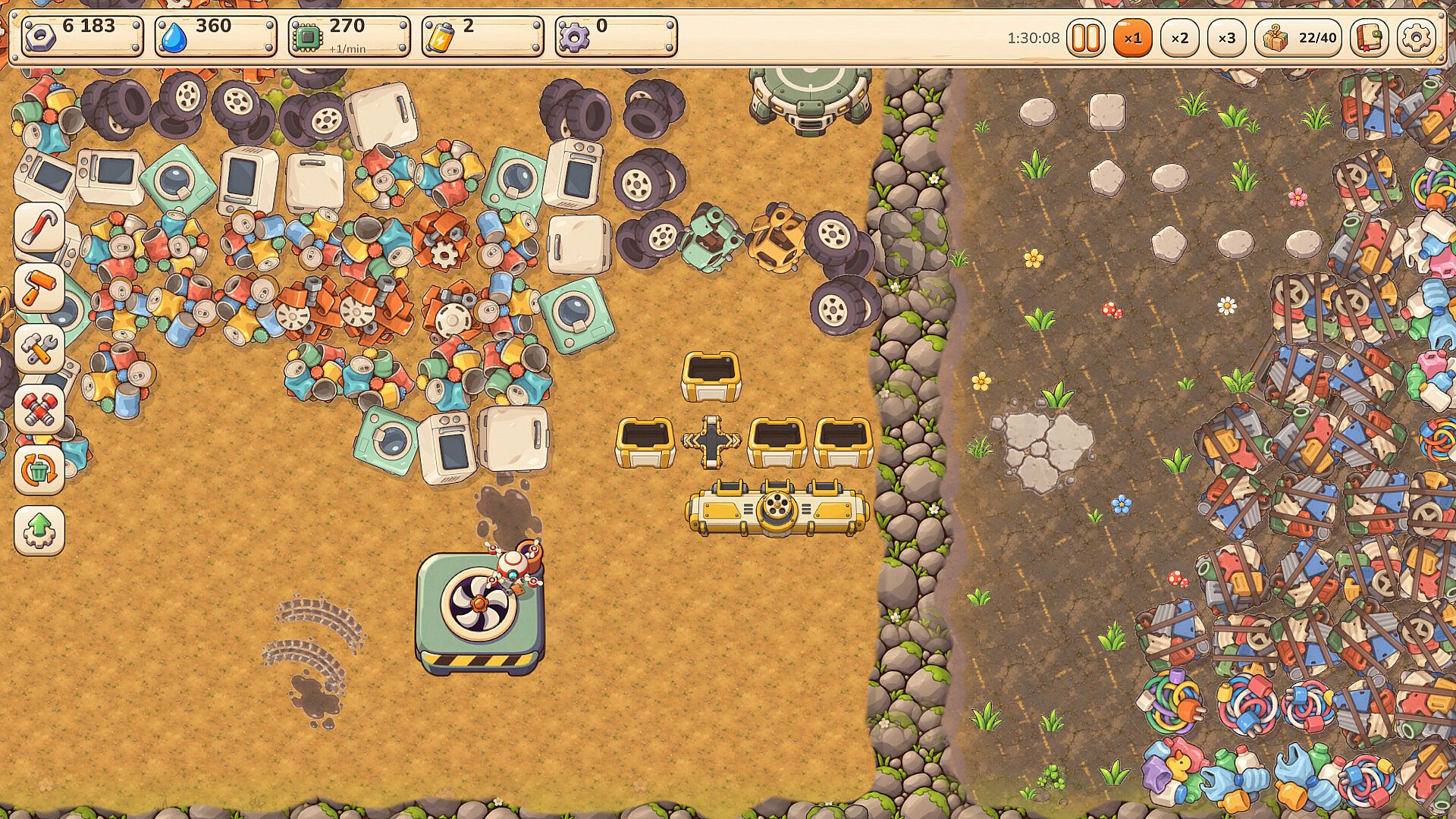
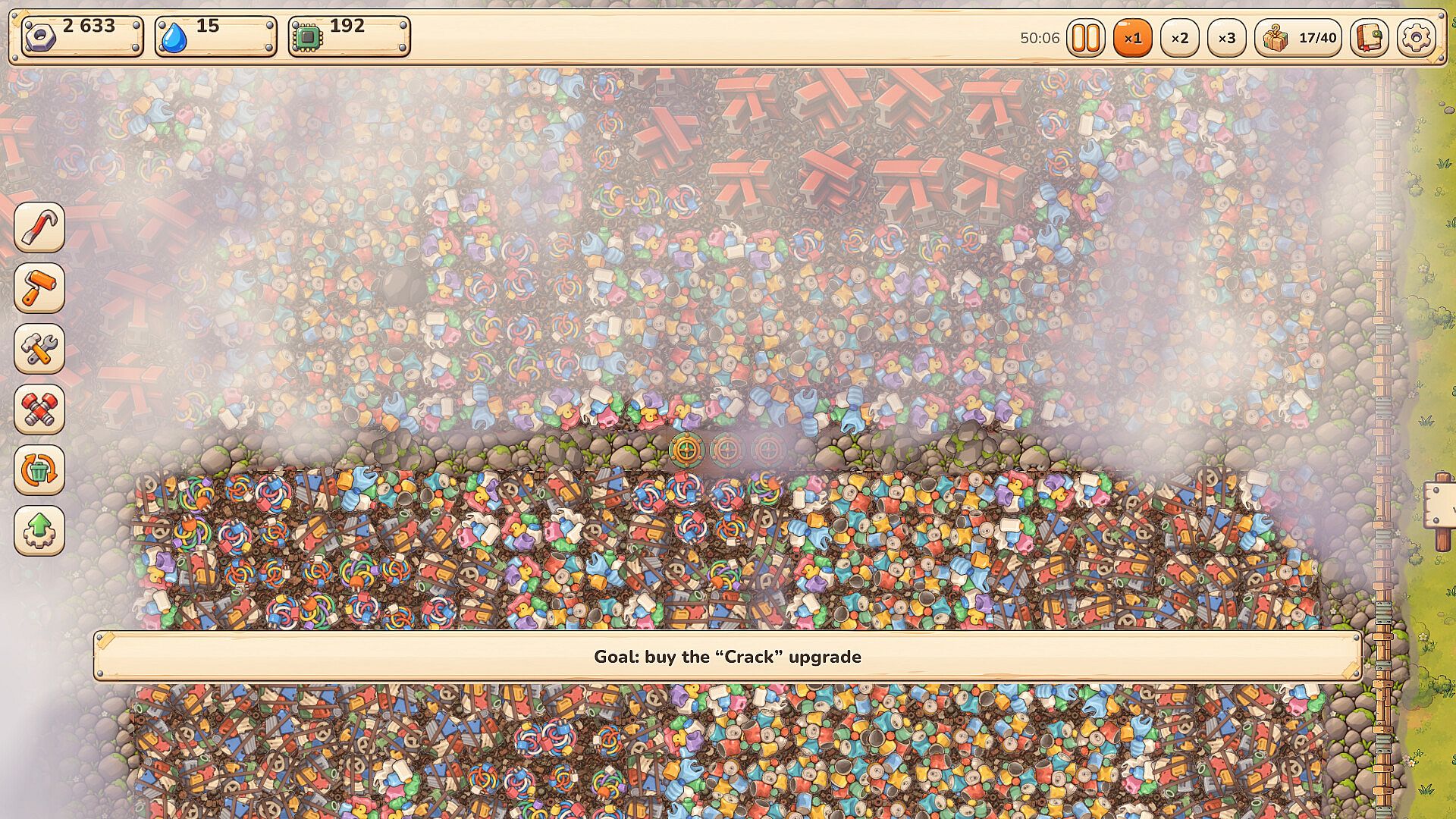
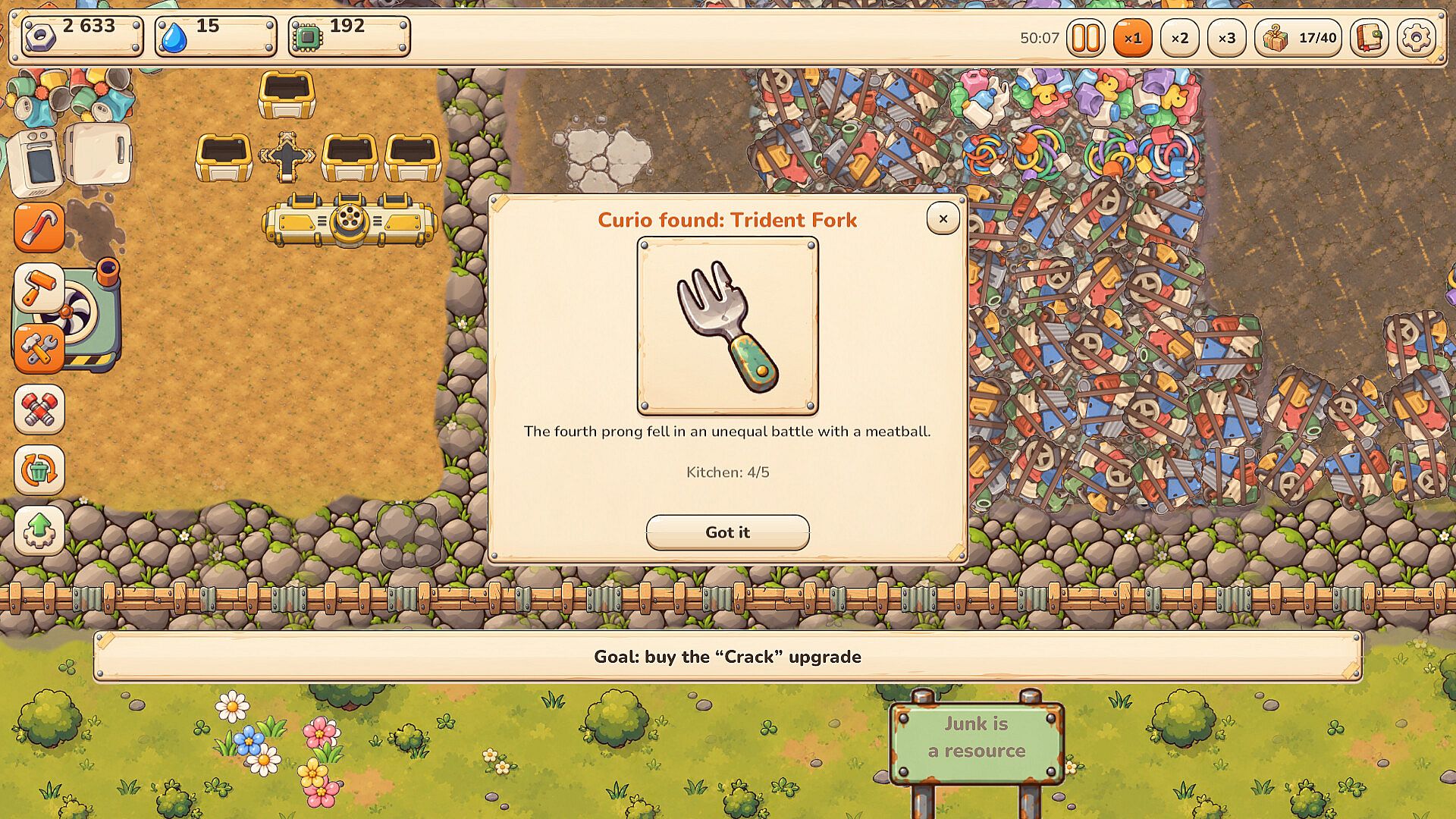
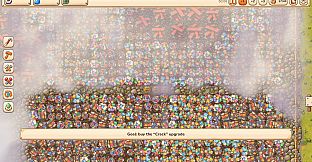
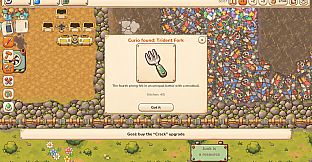
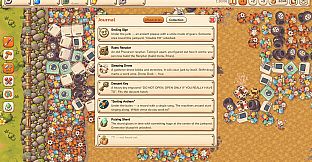
New areas become accessible as clouds disperse, revealing additional heaps and potential secrets. The game includes 40 curios that can be collected and displayed in a museum, each carrying its own short story. Progression feels deliberate, with automation handling repetitive tasks while the player directs overall growth through strategic placement of machines and drones.
Game Modes
Junkbloom operates as a single-player incremental experience with no separate competitive or multiplayer modes. All activity takes place in one continuous world where players advance through successive zones at their own pace. The structure supports both active smashing sessions and periods of passive automation as drones and machines handle ongoing work.
Progression unfolds through unlocking new land sections and building a more efficient workshop. There are no branching campaigns or alternate scenarios; instead, the game encourages repeated playthroughs via its 16 achievements, which track milestones such as resource totals, curios collected, and automation scale. The design keeps focus on the steady rhythm of clearing, recycling, and expanding rather than varied rule sets.
Atmosphere and Features
The presentation creates a consistently cozy environment with a warm lounge soundtrack that shifts between day and night cycles. Visual details like fireflies add to the tranquil setting, reinforcing the absence of any rush or stress. The soundtrack and lighting changes provide subtle variety without demanding constant attention.
Additional features include support for 14 languages and a collection system for the 40 curios. These odd finds range from practical relics to whimsical objects, each contributing narrative flavor through short descriptions. The overall package stays grounded in simulation mechanics while offering light discovery elements through the curios and expanding zones.
Is It Worth Playing?
Junkbloom suits players who enjoy calm incremental simulation games centered on automation and resource management. Its single-player structure and lack of time pressure make it accessible for short sessions or longer relaxed play. The combination of manual clearing, drone assistance, and machine building creates a satisfying loop for those drawn to cozy management titles.
With a release scheduled for November 2026, the game arrives as a complete experience featuring the full set of mechanics described. Individuals who appreciate steady progression, visual and audio calm, and light collection elements will likely find the gameplay loop engaging. Those seeking fast-paced action or multiplayer interaction may prefer other genres, as the title prioritizes deliberate pacing and personal workshop growth.












