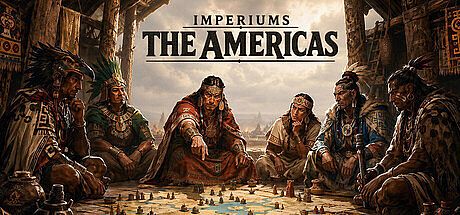


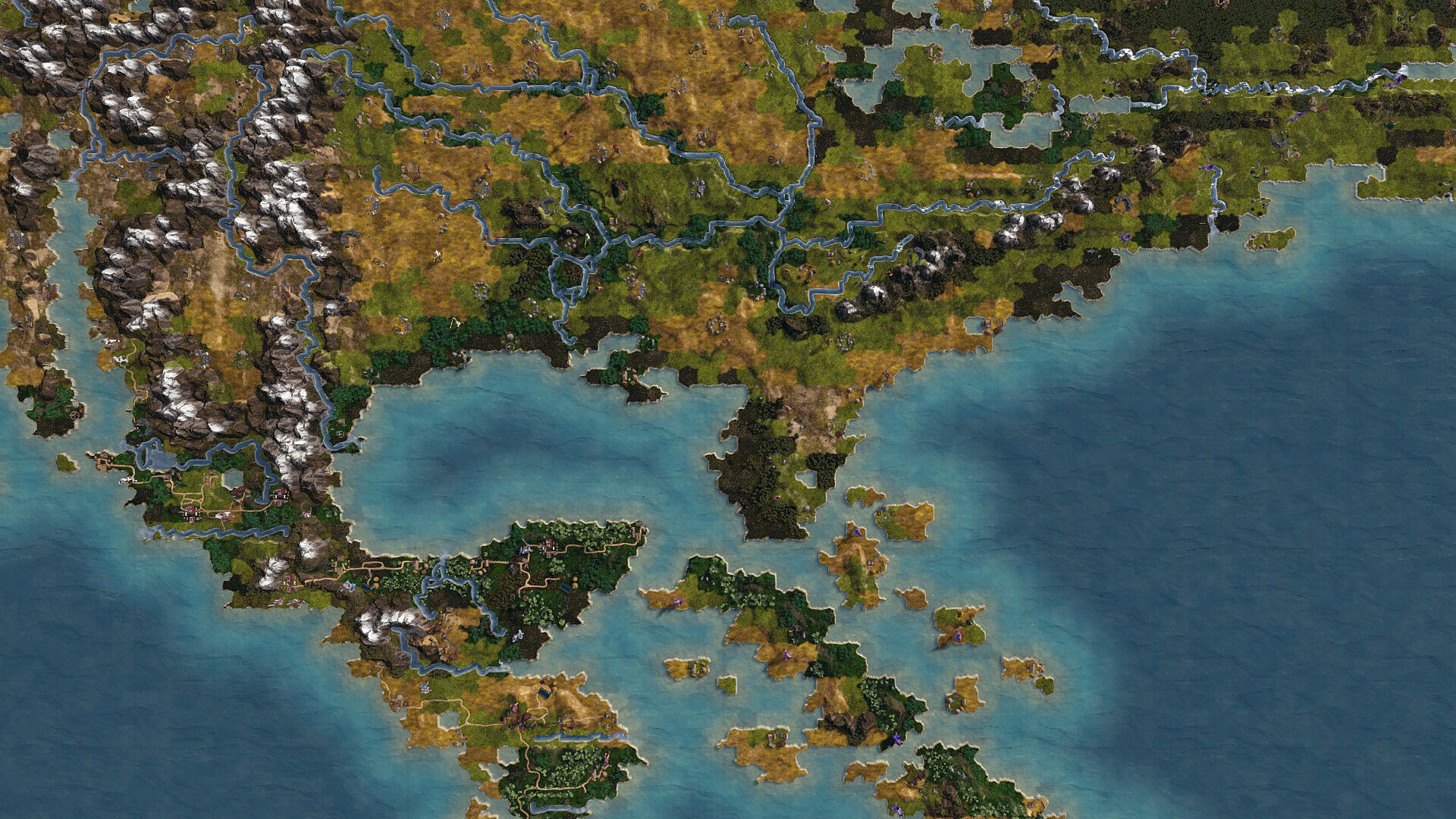
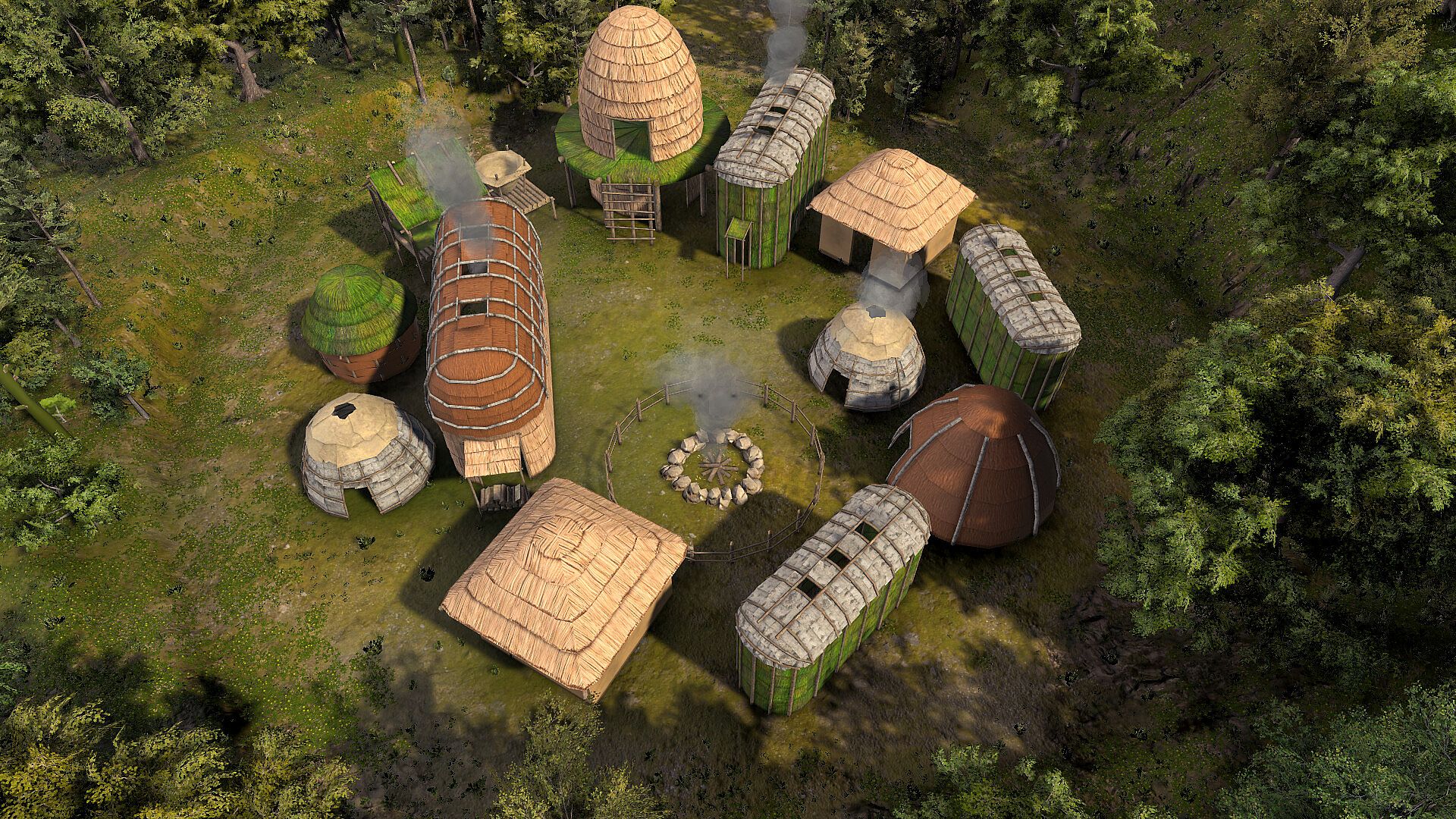
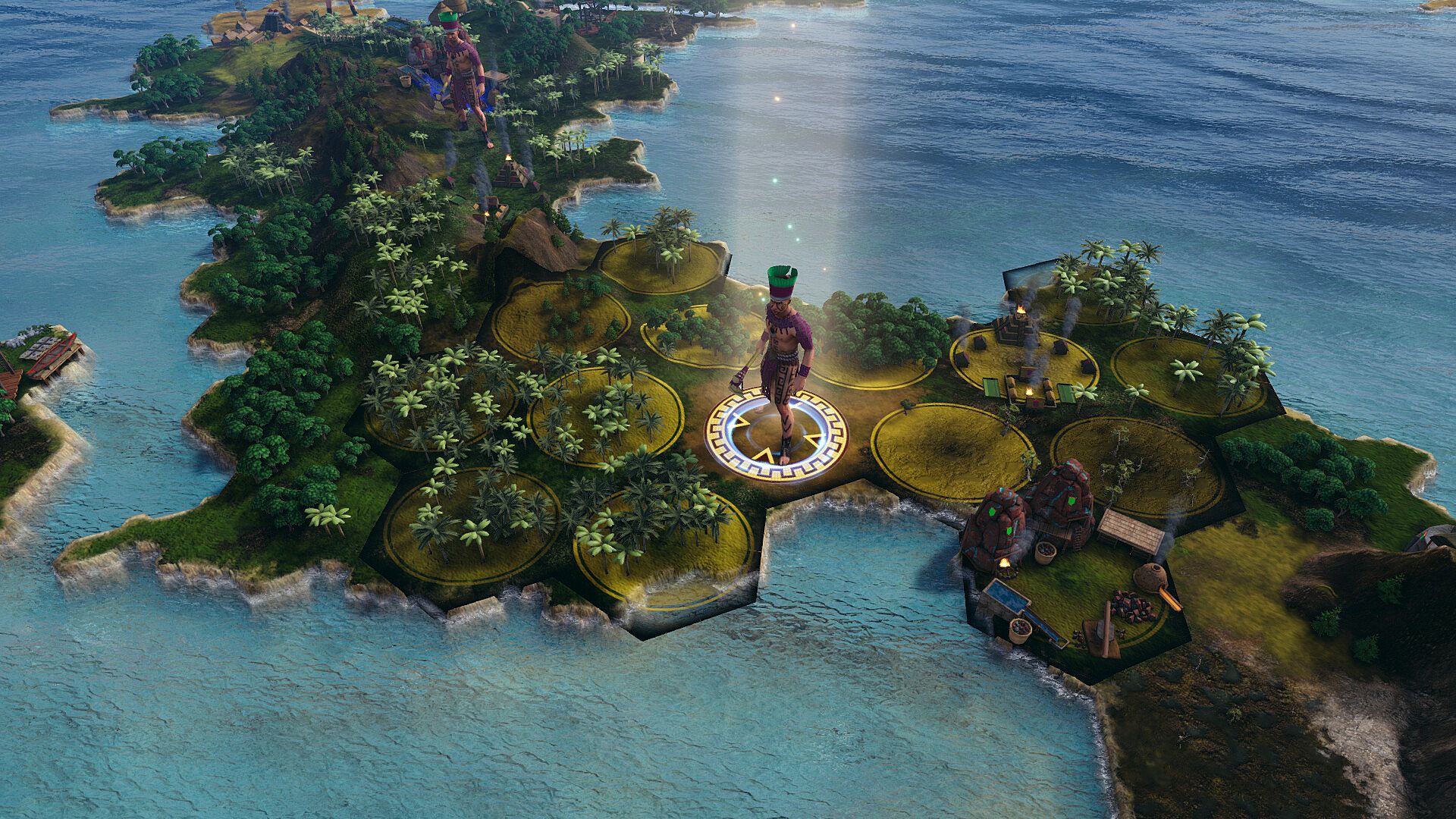
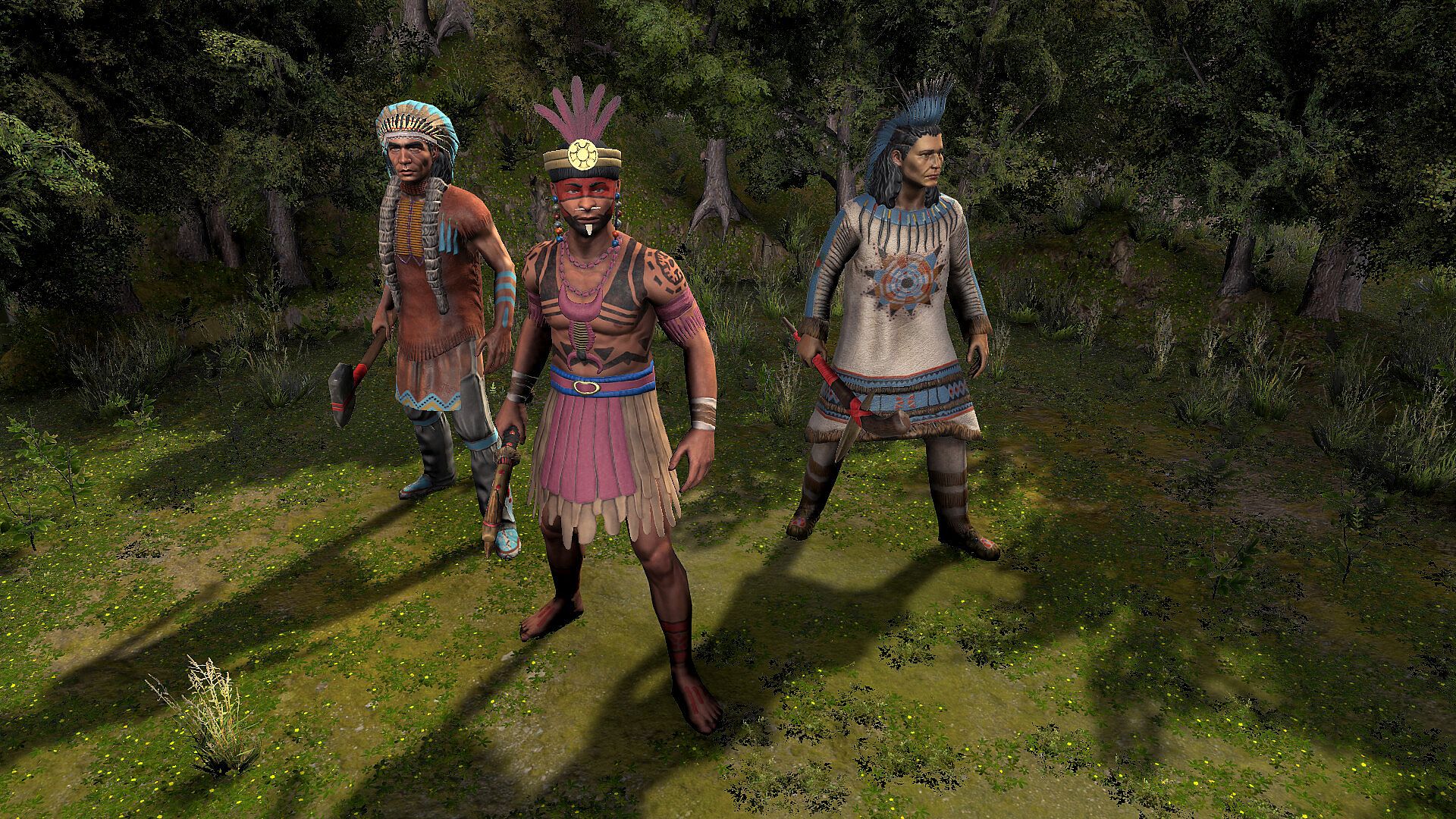
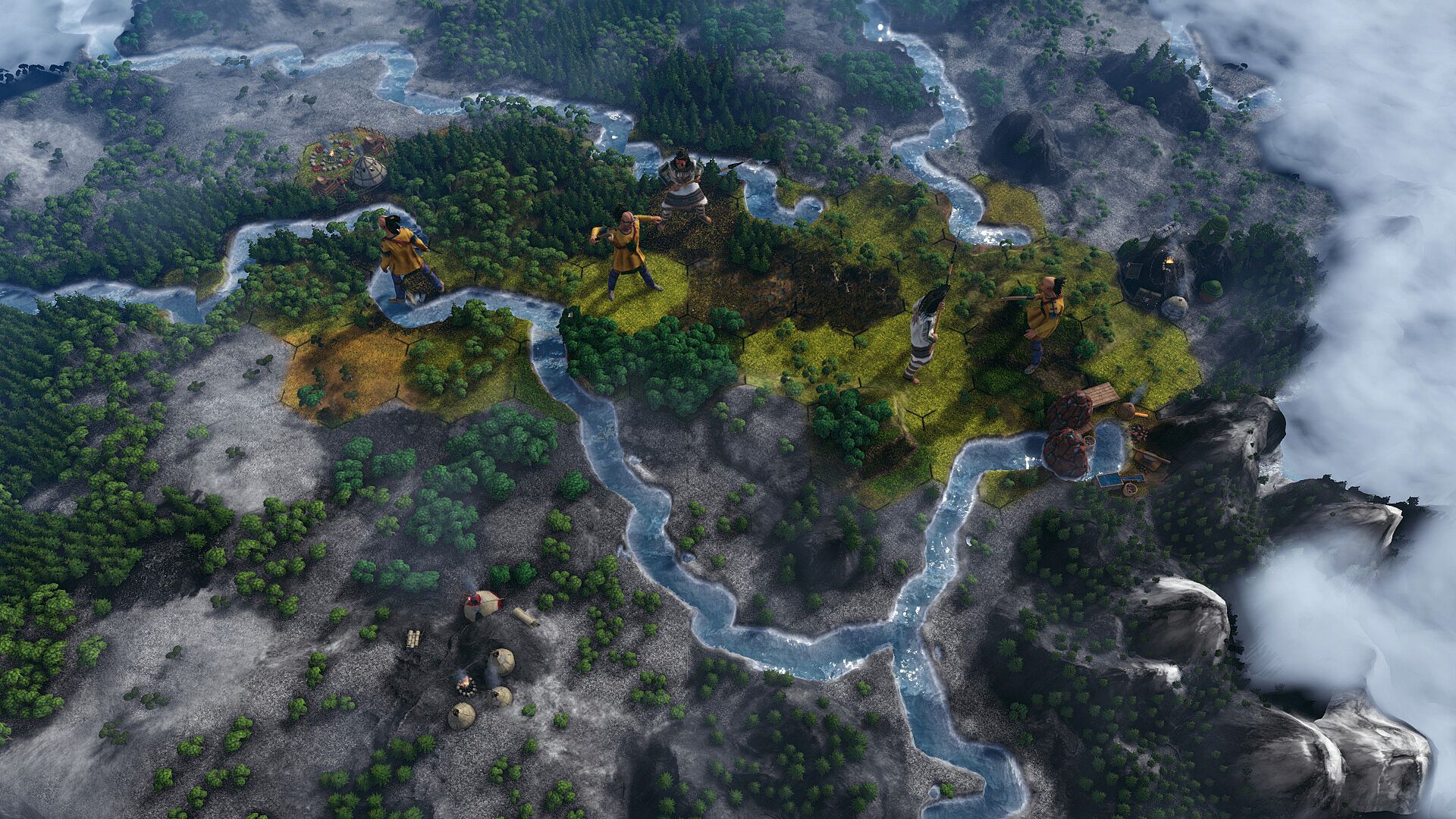
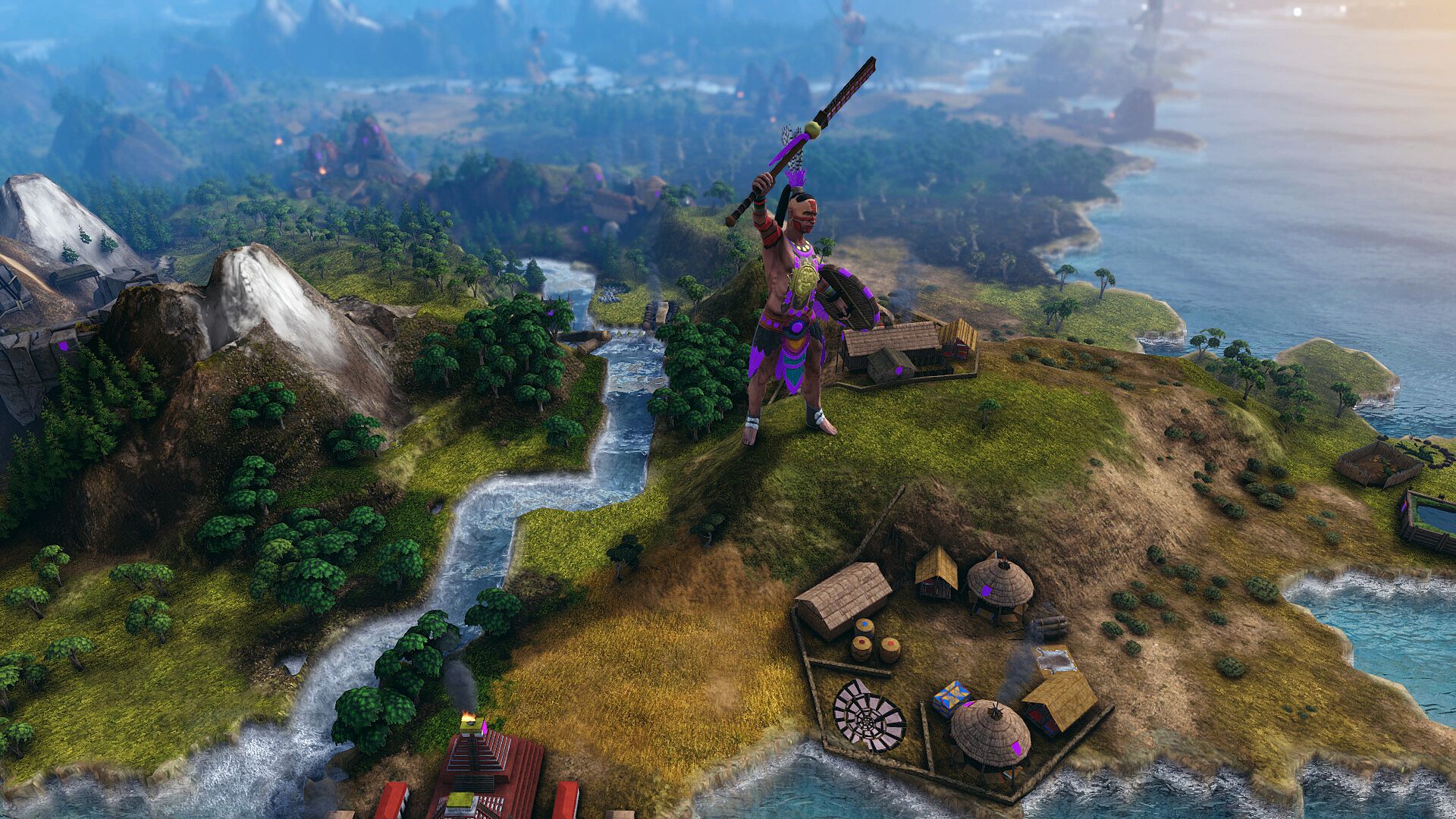
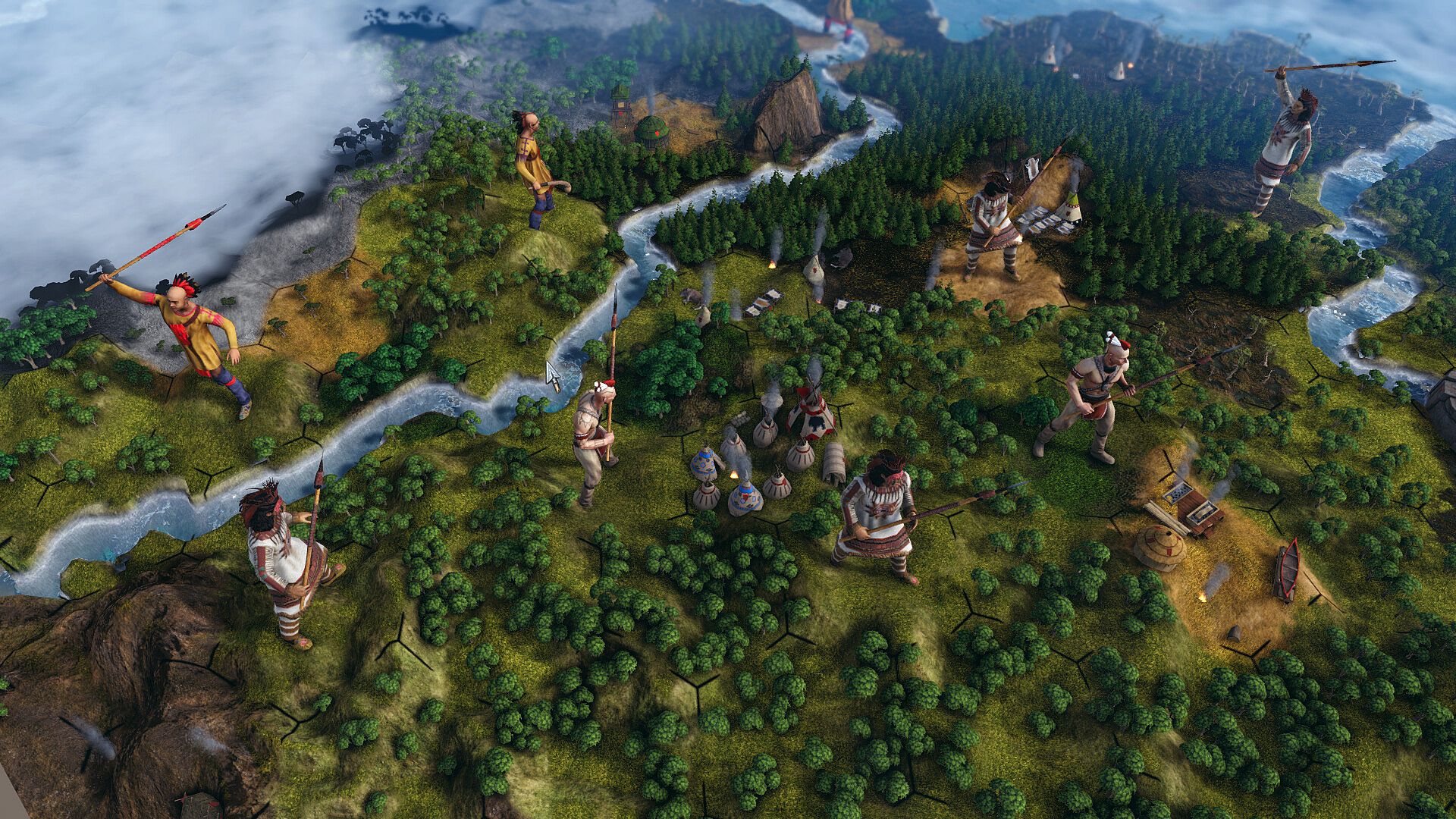
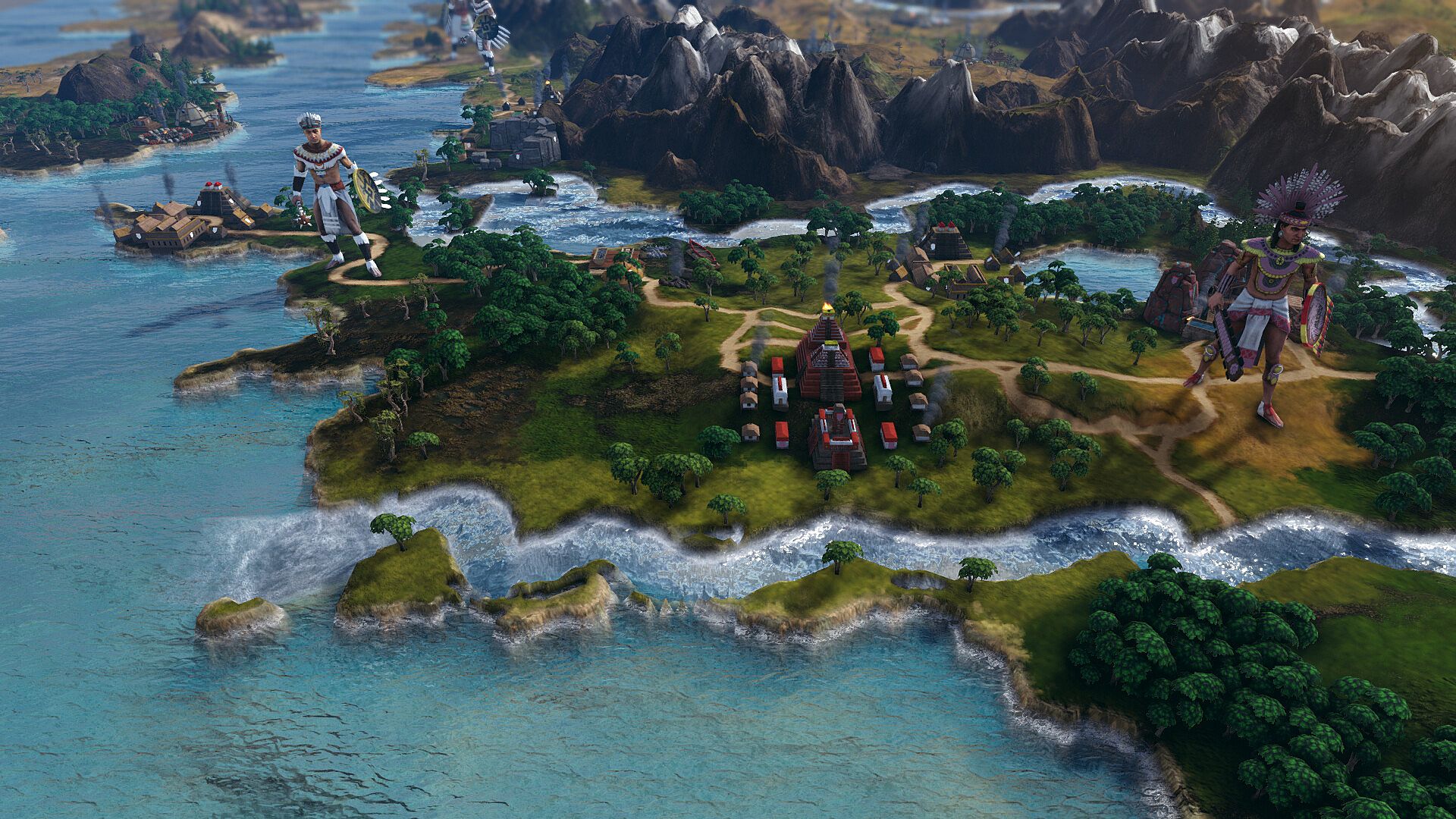
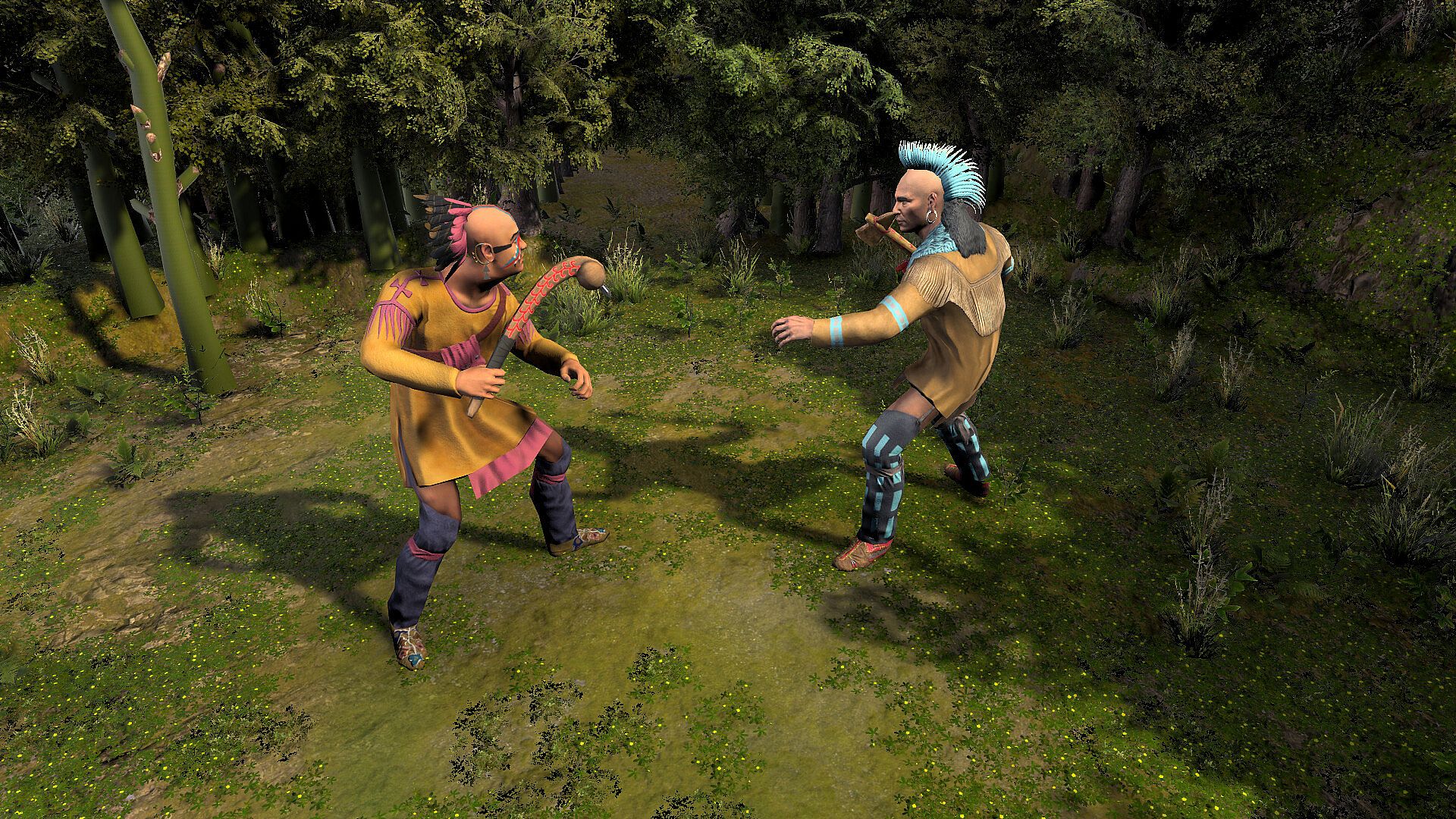
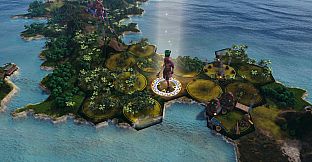
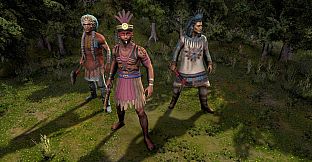
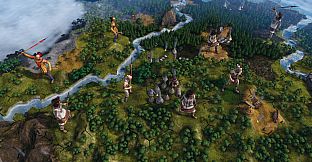
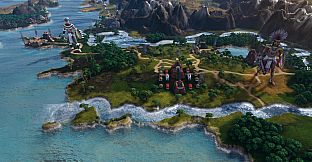
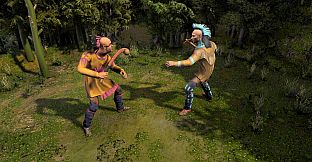
Imperiums: The Americas is a turn-based 4X grand strategy game set on PC in the early 1400s. Players lead one of 20 Indigenous civilizations through generations in a world defined by geography, culture, diplomacy, and survival demands. The focus shifts from standard empire expansion to state-building that accounts for terrain, environment, and connecting networks across settlements.
Gameplay
The core loop centers on guiding a civilization across multiple generations while managing interconnected systems. Growth depends on building infrastructure between settlements to form linked economies and cultural areas. Each of the 20 playable groups carries distinct identities and starting challenges, with other societies able to emerge, split, or gain prominence during a campaign. Historical research informs trade routes, migration patterns, cultural practices, traditions, and environmental interactions.
Economy operates through distance-based mechanics. Local stockpiles must balance against central reserves, with transfers suffering losses tied to infrastructure quality, terrain difficulty, security levels, and available technology. Diplomacy functions only in established contact zones. Extending reach requires dispatching Chiefs or Envoys into unexplored territory to open relations with distant groups.
Research follows a dynamic, non-linear invention tree. New branches appear and adapt according to player choices and shifting conditions. Warfare incorporates multiple factors including unit strength, morale, terrain advantages, supply status, loyalty, and specific battle modifiers. Stability requires ongoing attention to morale, loyalty, and cultural cohesion via effective leadership, governance, and supply management.
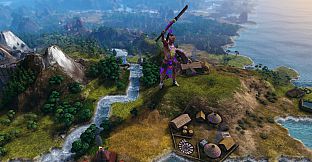
Spiritual elements integrate with political authority. Players shape cultural priorities and spiritual policies through Mandates that provide strengths alongside strategic constraints and long-term guidance. Chiefs extend authority across the map while Shamans handle exploration, knowledge gathering, and rituals to address disasters. Sacred quests and encounters with mythic forces draw from Indigenous traditions. During crises such as famine, war, or environmental strain, emergency councils allow decisions to maintain societal unity.
Game Modes
Single-player campaigns form the main experience, supported by an adaptive AI that responds to actions and tests long-term planning. An in-game historical log automatically tracks major events and accepts player notes for personal chronicles. Hotseat, online, and asynchronous multiplayer options allow shared campaigns with others. Full modding support enables creation and sharing of entirely new worlds and custom scenarios.
Setting and Atmosphere
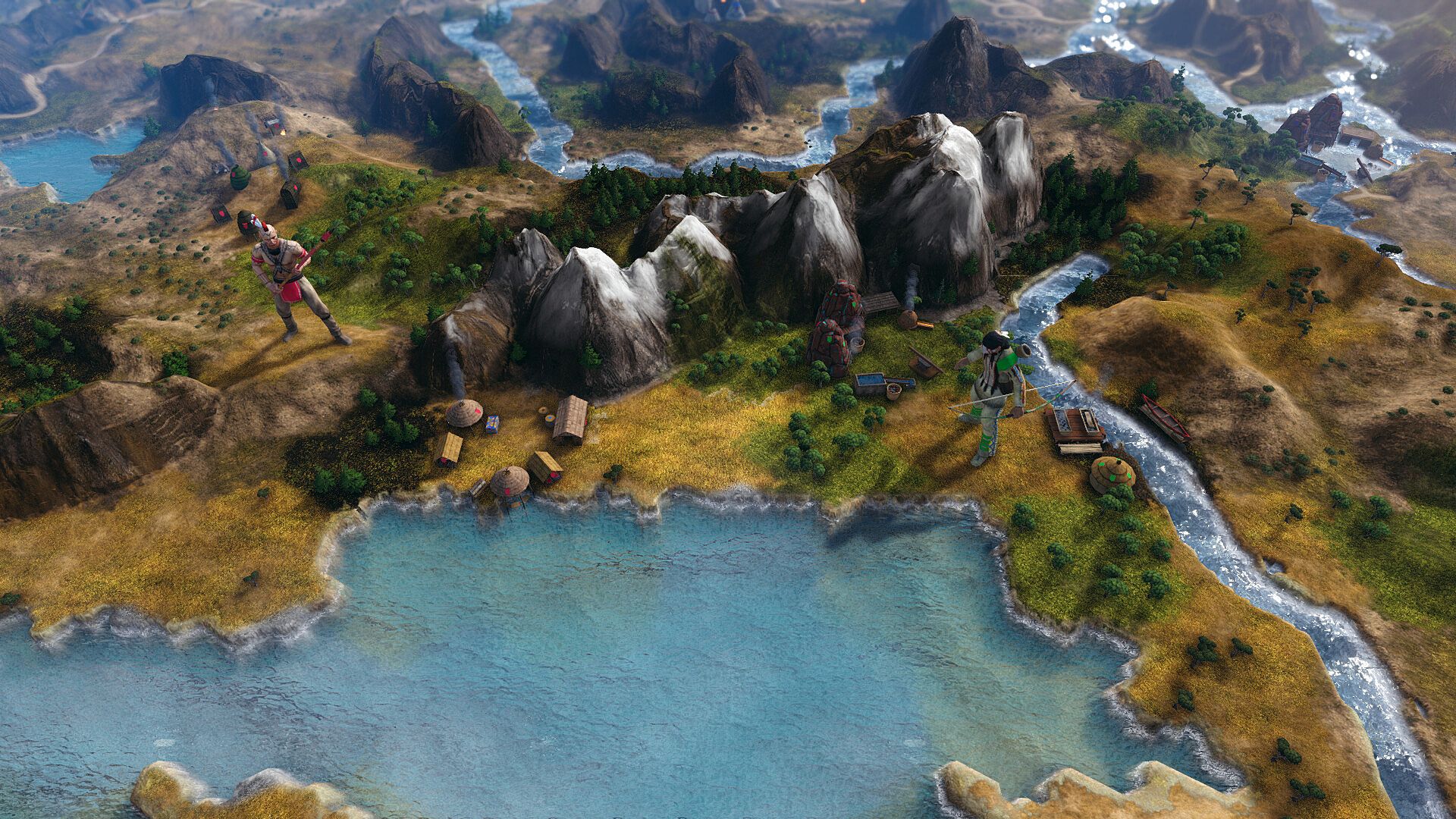
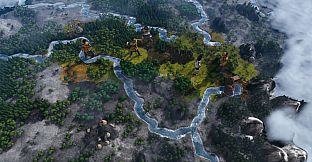
The game presents a living world where myths, legends, and daily realities coexist. An original atmospheric soundtrack draws from the cultures and landscapes of the Americas to support immersion during extended play sessions. Terrain and environmental details directly influence settlement placement, resource flows, and movement costs, encouraging careful consideration of geography when expanding networks.
Is It Worth Playing?
This title suits players who enjoy detailed historical strategy games that emphasize authentic cultural and environmental context over conventional conquest. The combination of distance-based logistics, contact-limited diplomacy, adaptive technology paths, and integrated spiritual systems rewards thoughtful planning across generations. Multiplayer modes and modding tools extend replay value for those who prefer cooperative or competitive sessions or wish to explore alternate scenarios. Those seeking a fresh take on 4X mechanics grounded in Indigenous perspectives will find the systems challenging and distinct from standard empire builders.