





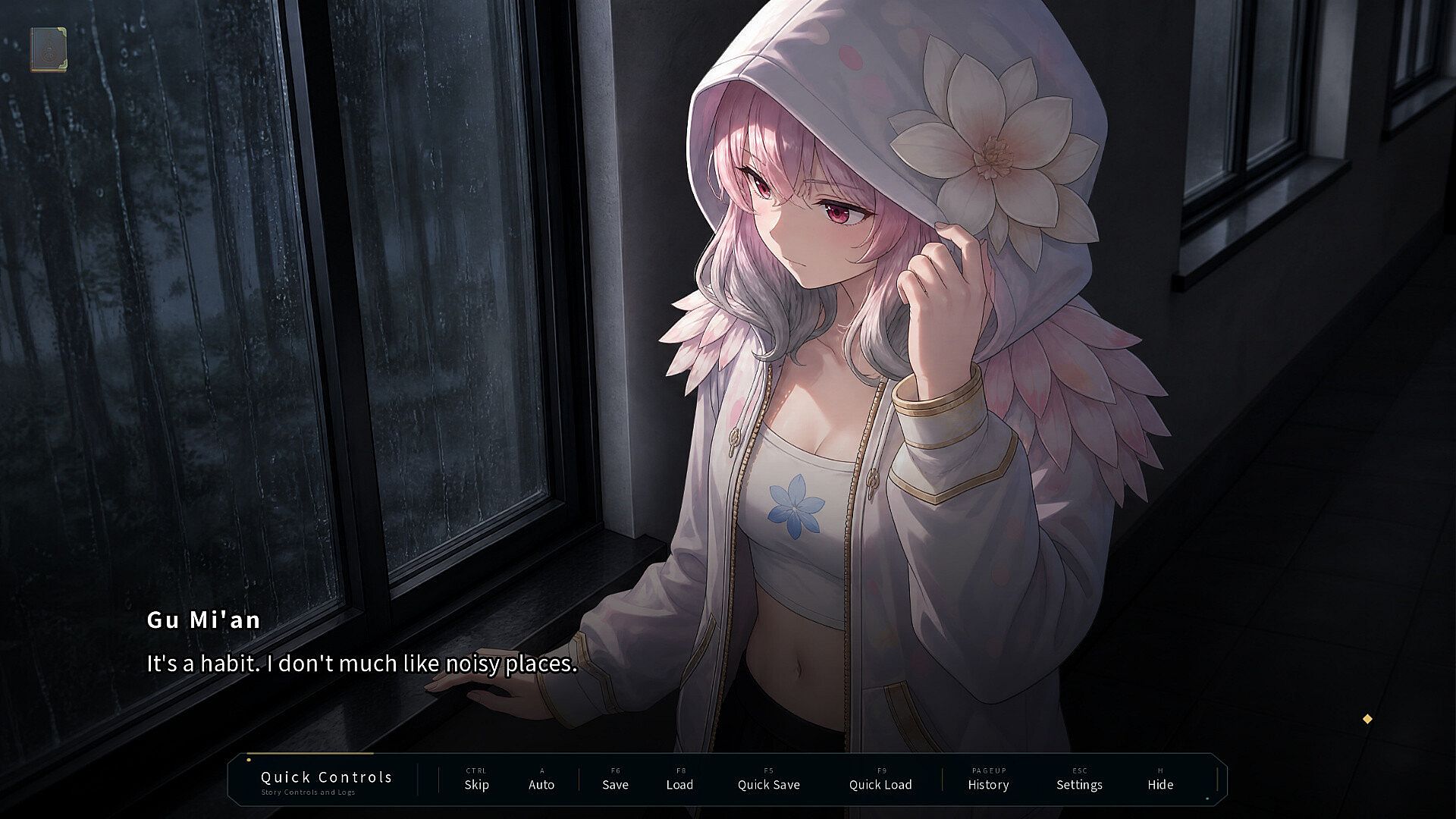







Happy Sunny Doll is an indie supernatural horror text adventure with RPG elements, available on PC as a single-player experience. Players take on the role of university student Zhou Yu'an, trapped with nine others in a folklore museum during a relentless storm. Survival depends on interpreting and navigating a set of unsettling rules centered on a life-sized Sunny Doll that hangs in the atrium, while investigating the environment, conversing with companions, and making choices that shape the outcome.
Gameplay
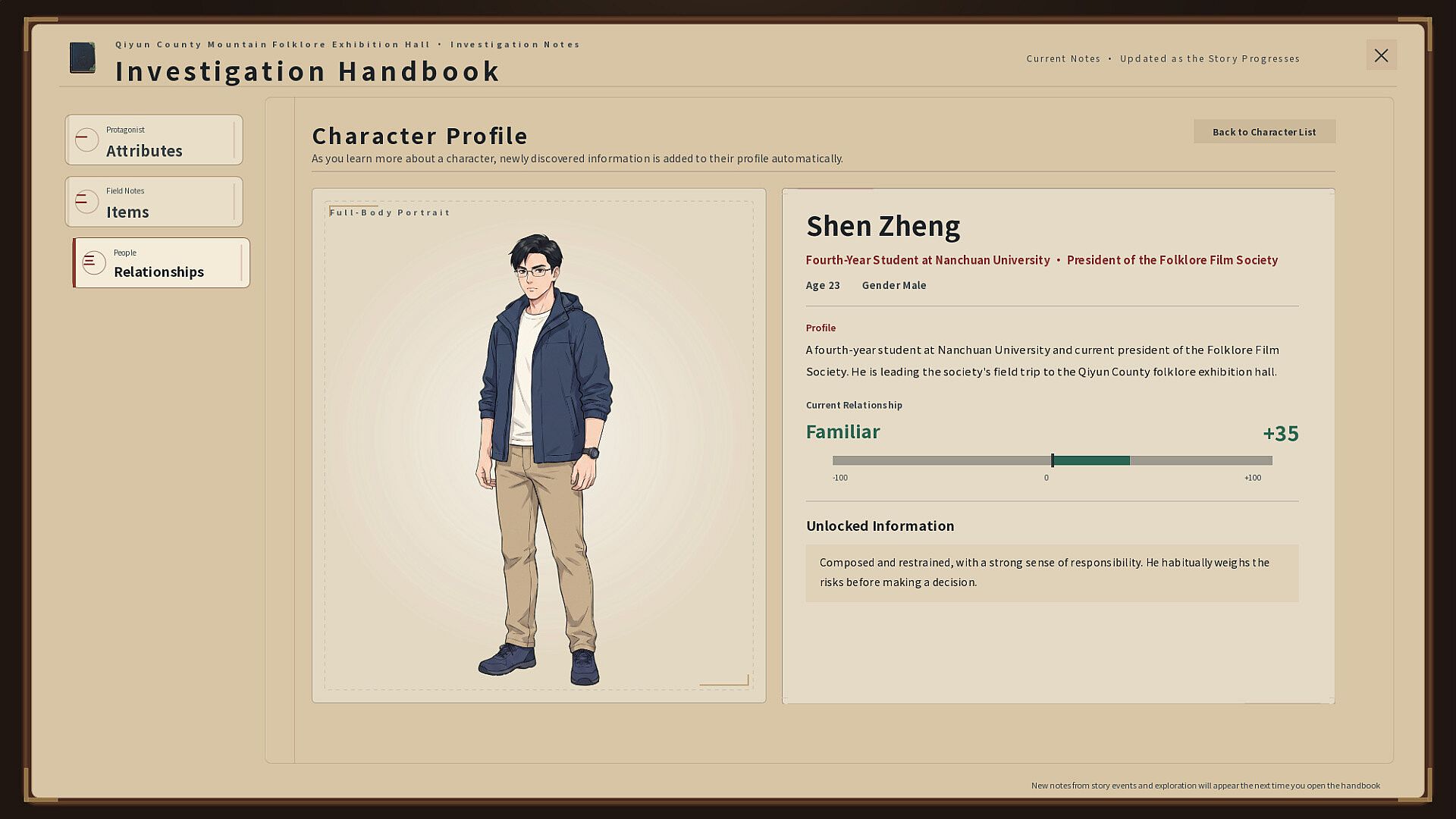
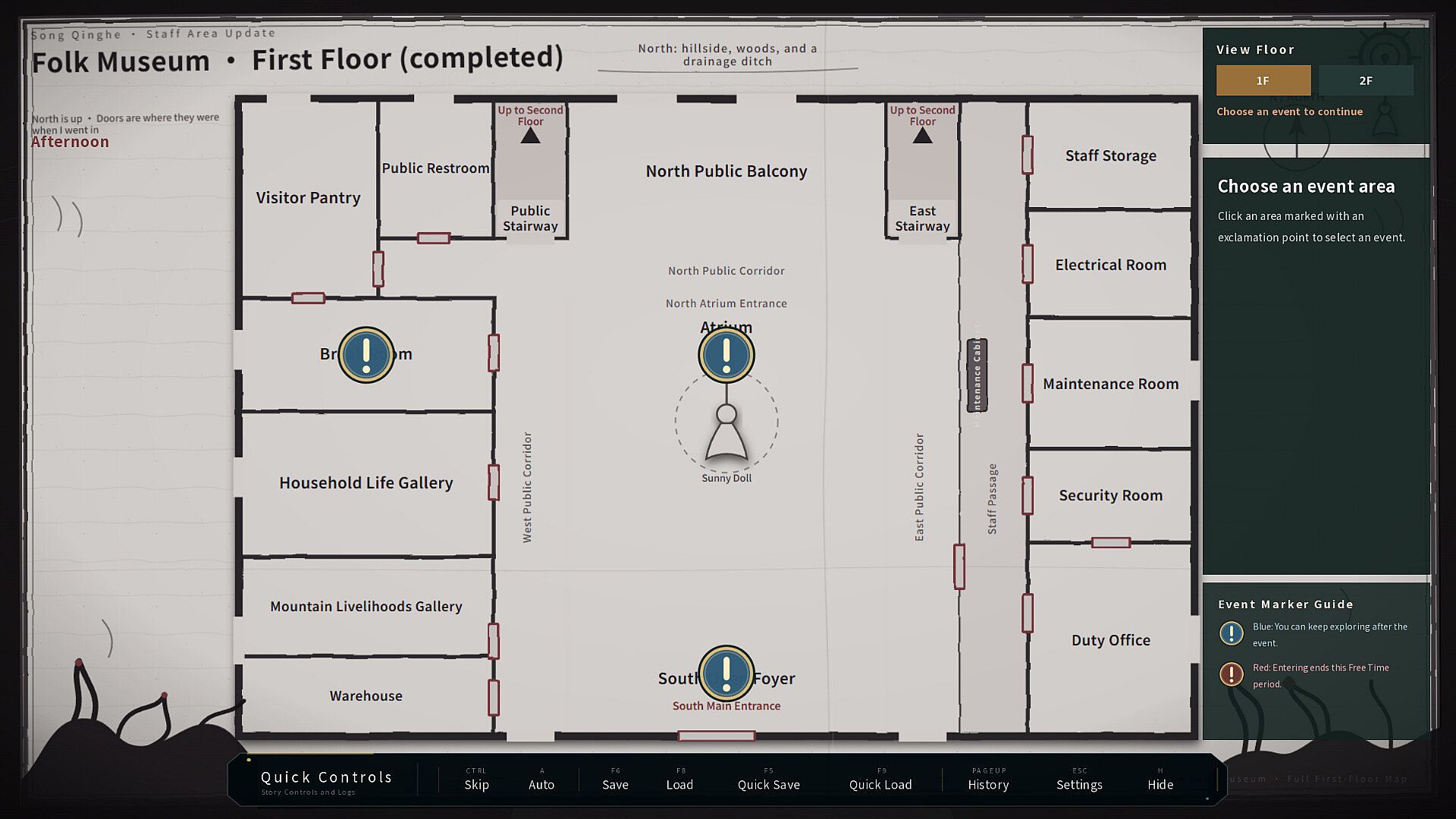
The core loop revolves around free exploration of the museum using a map during periods of downtime. Players move between locations to examine scenes for clues, locate companions for private conversations, or trigger special encounters that reveal new information. An Investigation Handbook tracks attributes, collected items, character profiles, and shifting relationships at any time, helping players manage the growing tension as companions disappear each night.
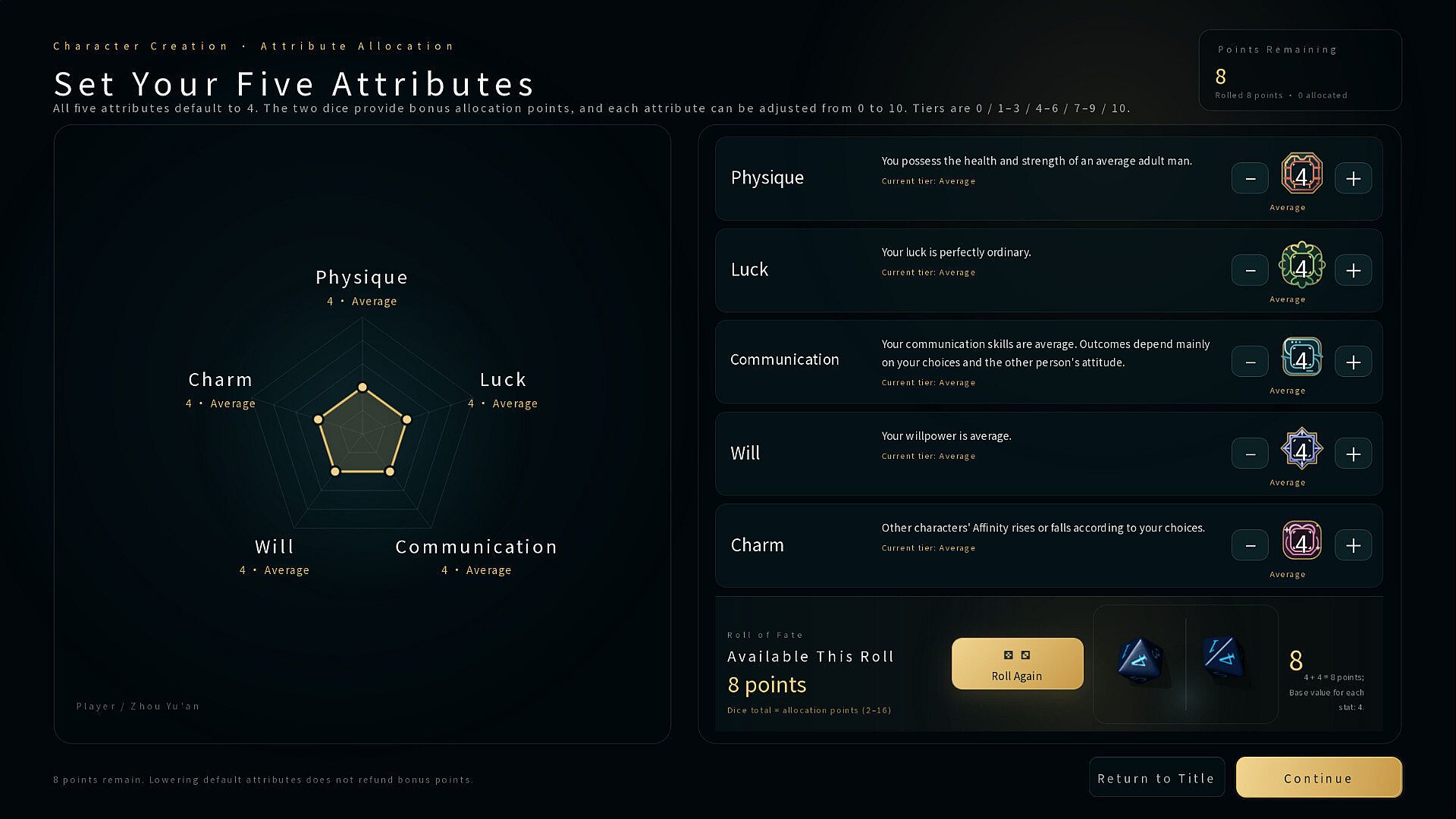
Five attributes define Zhou Yu'an's capabilities: Physique, Luck, Communication, Will, and Charm. Points are allocated at the start of a playthrough, influencing dialogue options, event resolutions, and affinity changes with others. Some branches require minimum values in certain stats, while zeroing out an attribute unlocks a distinct opening sequence and reactions from the group. Character traits add further variety, with options like Ordinary Protagonist for balanced play, Dating Sim Master for expanded interactions with female characters, or Tempting Fate for riskier decisions. An optional objective can be selected alongside survival, such as pursuing romance or aiding companions, though the main story advances independently.
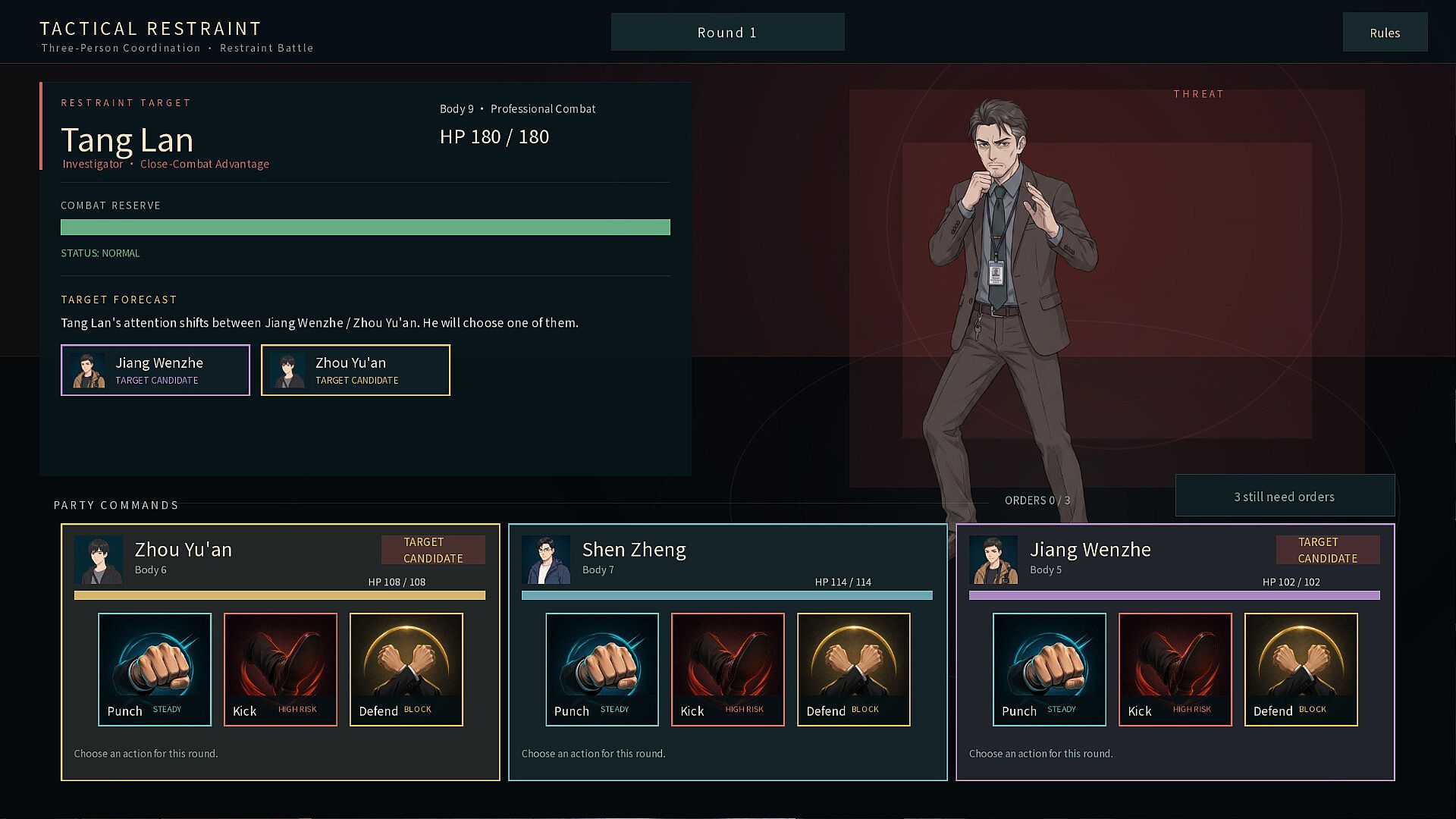
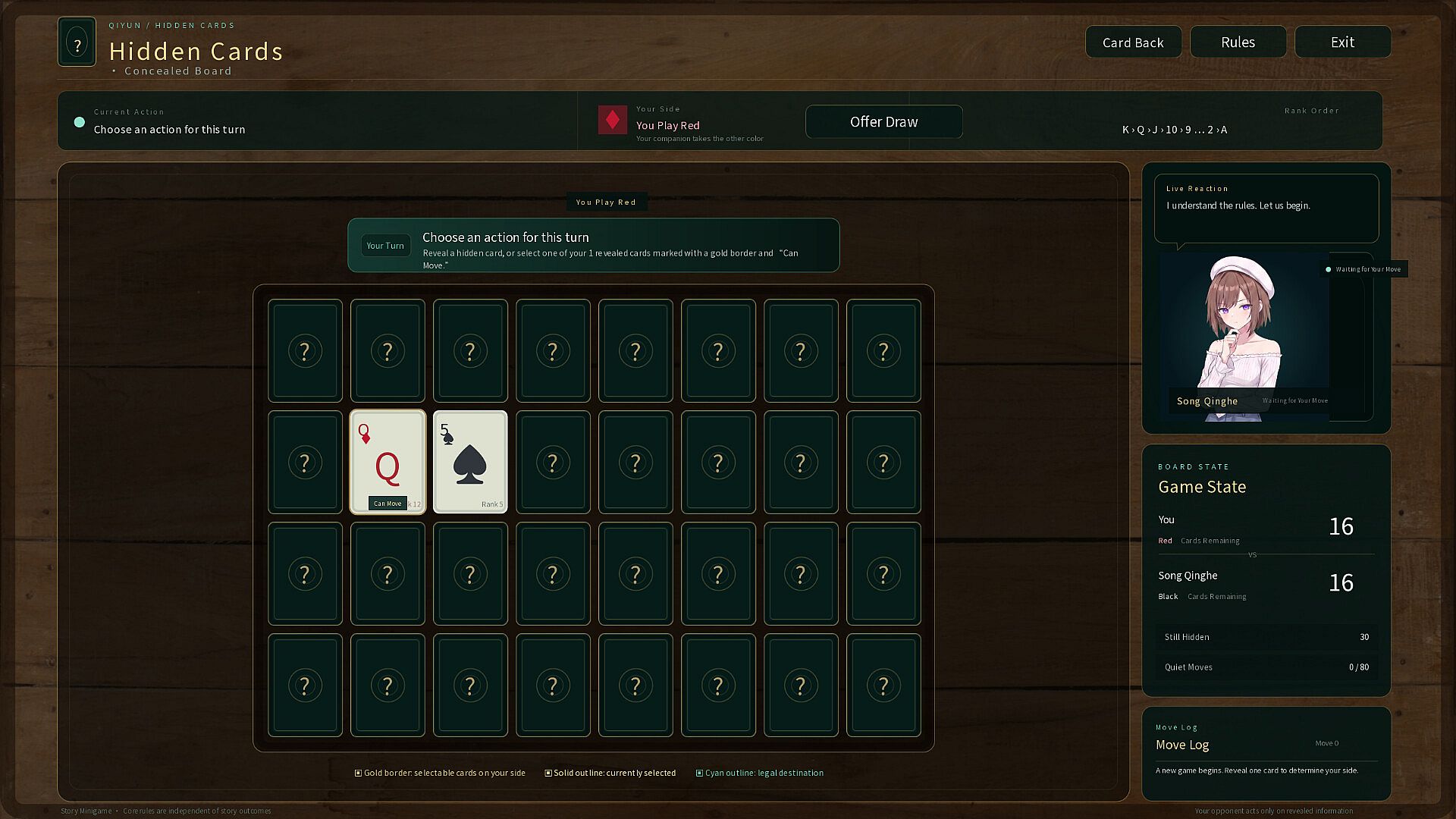
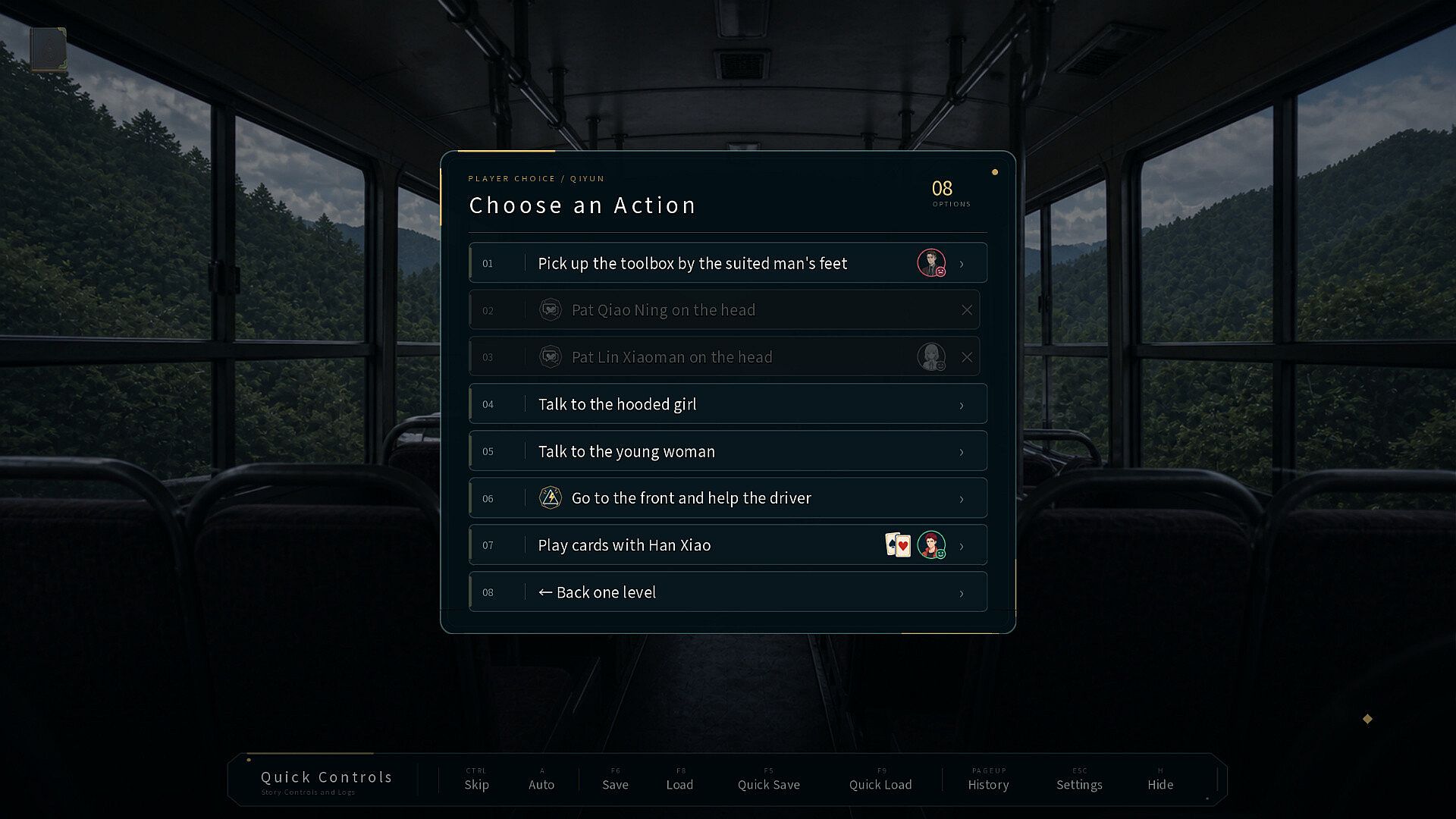
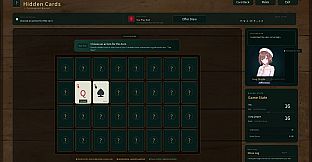
Minigames integrate directly into quieter moments or confrontations. Blackjack involves deciding on hits or stands to approach 21 without busting, while Hidden Cards requires strategic reveals and captures using card values. In group crises, players coordinate timing to restrain threats alongside allies. Outcomes from these activities can influence relationships or subsequent events, blending casual interaction with narrative consequences.
Game Modes
The game operates entirely in single-player mode, emphasizing a branching narrative driven by investigation, dialogue, and decisions rather than competitive or cooperative elements. Players progress through the story via the museum map for exploration, the Investigation Handbook for management, and repeated playthroughs to test different attribute distributions, traits, and choices. Multiple endings, including BAD ENDs, encourage experimentation, with higher attribute values opening additional paths without guaranteeing safety from every threat.
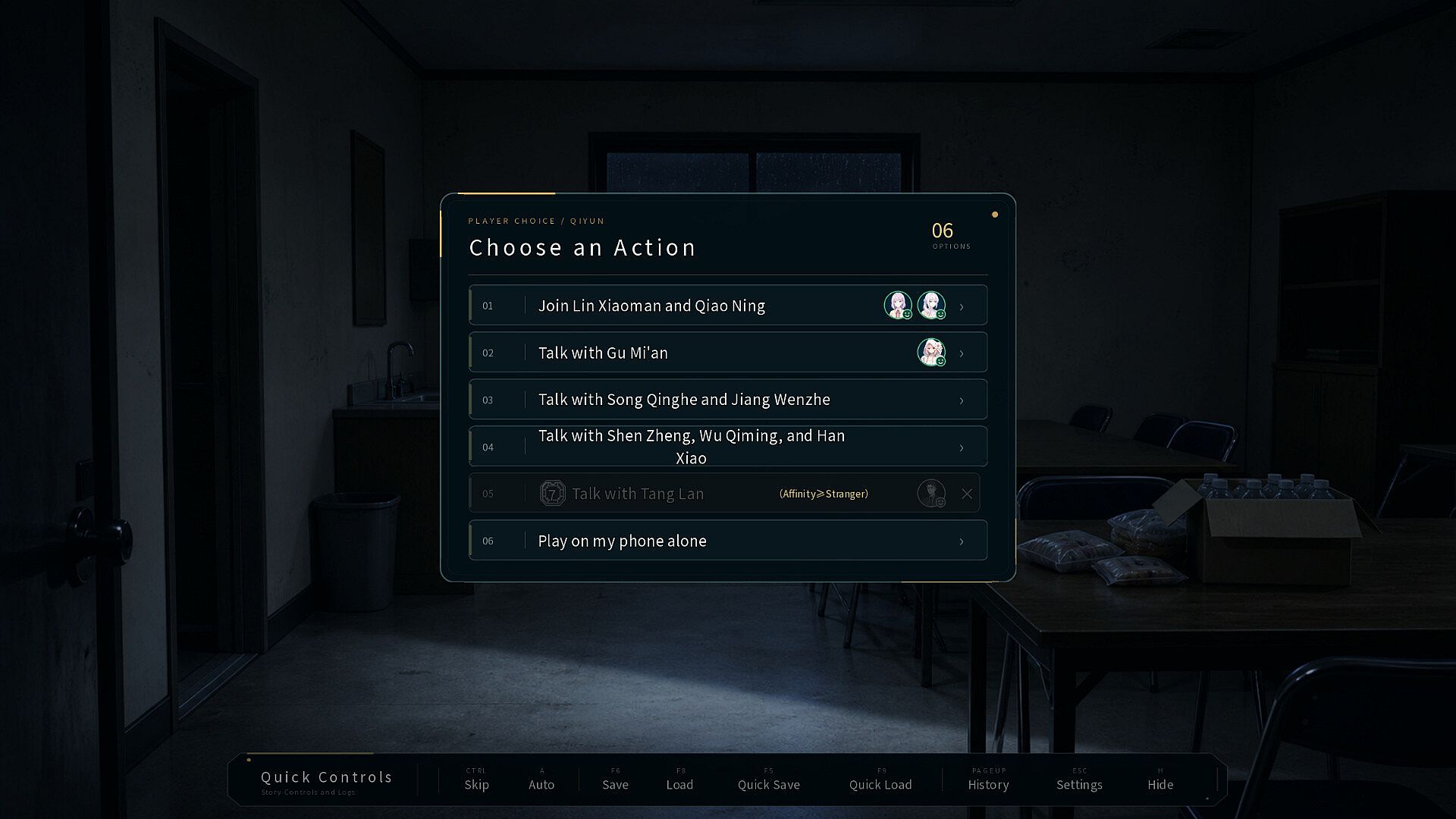
Relationships develop organically through shared activities like meals or watches, potentially leading to mutual attraction or bonds of trust. These changes affect available conversations and group dynamics as fear and suspicion mount among the trapped individuals. Items such as playing cards or a Clothing Change Talisman enable new interactions when conditions align, adding layers to the single-player experience without altering the fundamental structure.
Story and Atmosphere
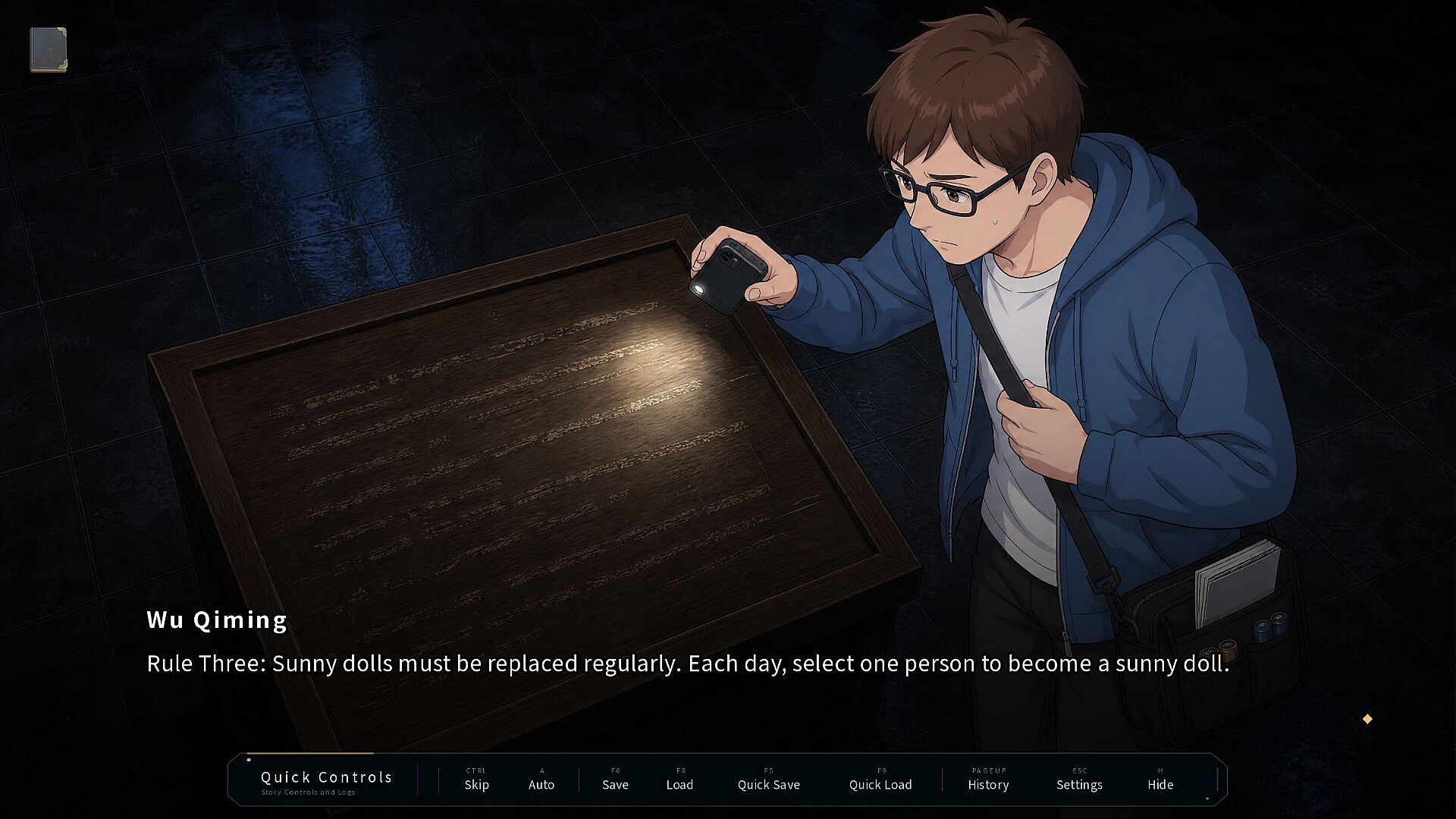
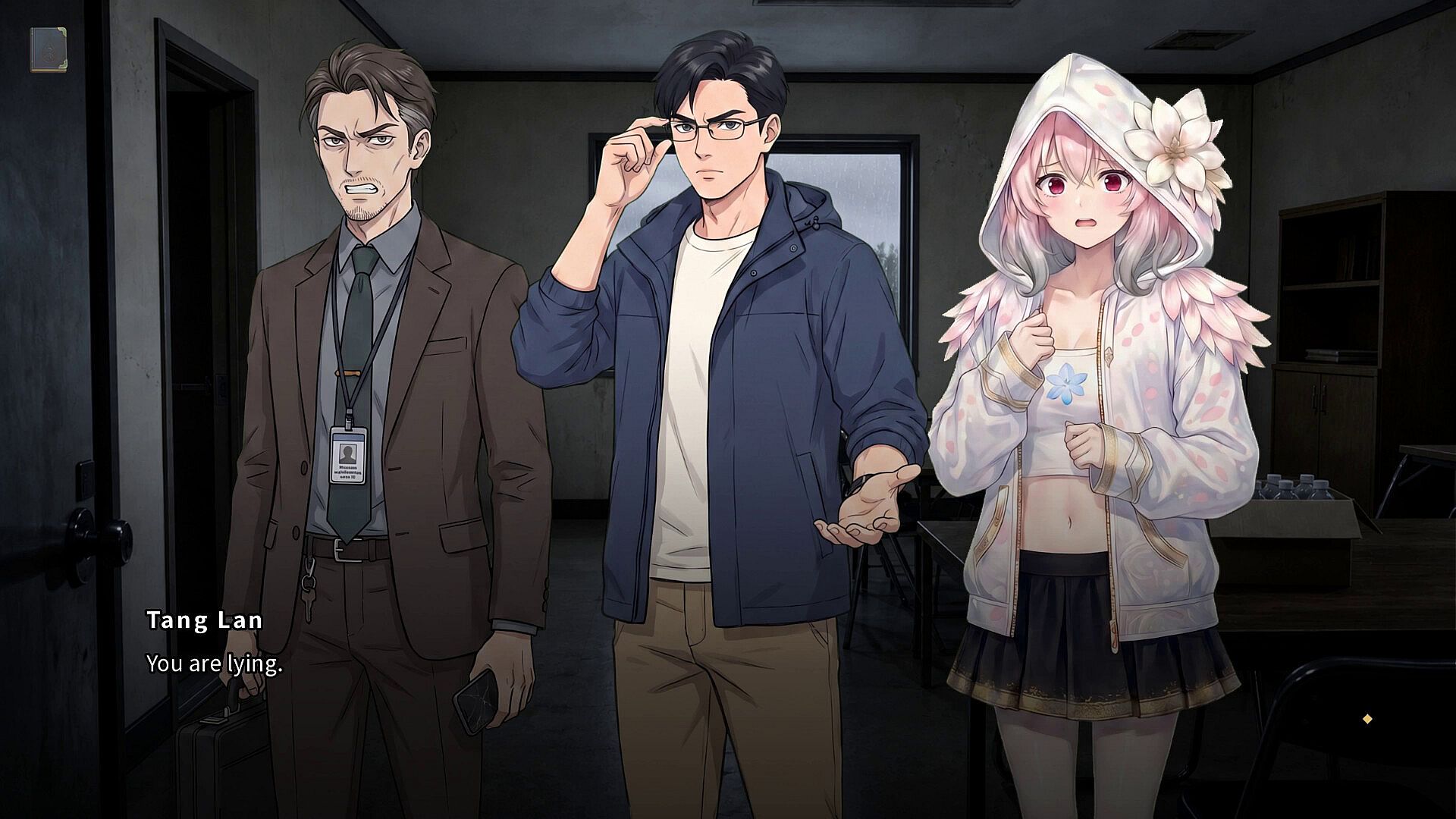
The narrative unfolds against seven explicit rules displayed beneath the Sunny Doll, dictating behavior around the artifact that supposedly protects the museum. The rain never stops, and each night claims another companion as the next Sunny Doll, forcing players to weigh trust, hidden motives, and conflicting accounts among the group. Exploration reveals unexplained traces and personal backstories that complicate alliances, while choices in conversations can escalate conflicts or foster temporary alliances.
Branching paths arise from how players respond to the crisis, with some companions pushing for control, others demanding answers, and still others paralyzed by loss. The text-based format highlights psychological tension through dialogue and internal reflections, supported by voice acting in select languages for non-protagonist lines.
Is It Worth Playing?
Happy Sunny Doll suits players who enjoy choice-driven horror narratives blended with light RPG mechanics and integrated minigames. The free demo provides the full Prologue and Chapter 1, allowing a substantial taste of the exploration, attribute system, relationships, and early story branches before committing to the full release. With its focus on investigation and interpersonal dynamics in a confined setting, it appeals to those seeking deliberate pacing and replayability through different starting builds rather than fast action or multiplayer competition. The game remains in development, with later chapters and expanded character arcs in progress, and supports text and subtitles across 13 languages. Those drawn to supernatural rules-based horror with meaningful decisions will find a distinctive experience here.











