


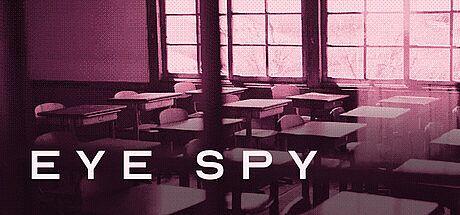


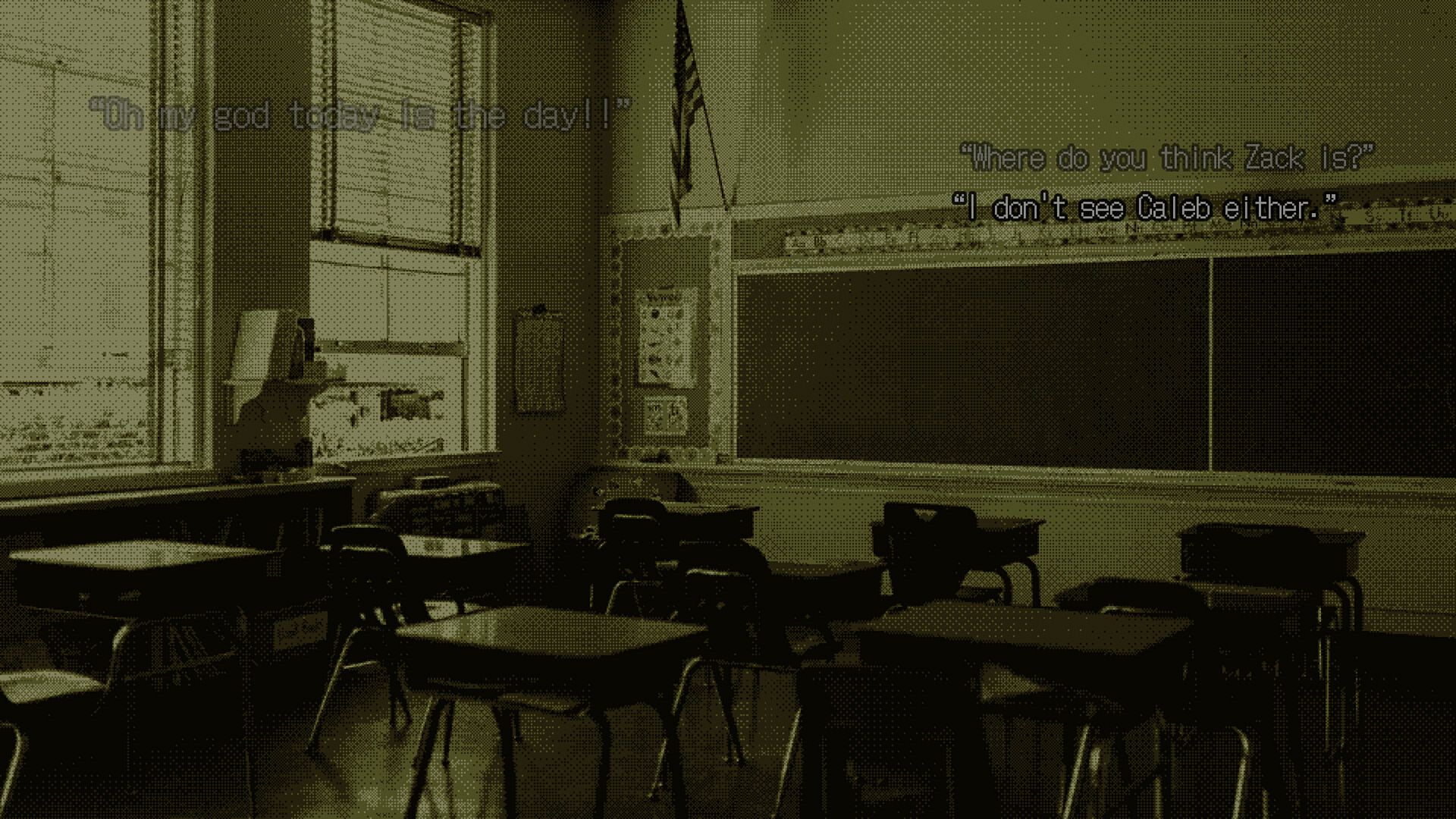
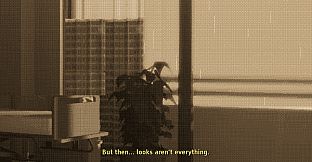
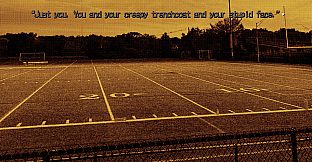
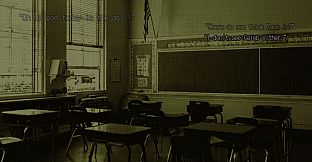
EYE SPY is an indie adventure visual novel set in the spring of 1999. Players follow August, a new transfer student with six weeks left in eighth grade, as he navigates the final stretch of the school year. The story unfolds day by day from April 25 through the last day of classes, capturing school mornings, empty hallways, rooftop encounters, and solitary nights in a bedroom lit by blue light. August wears black and his father's old Navy peacoat, details that immediately shape how others perceive him and how the narrative progresses.
Gameplay
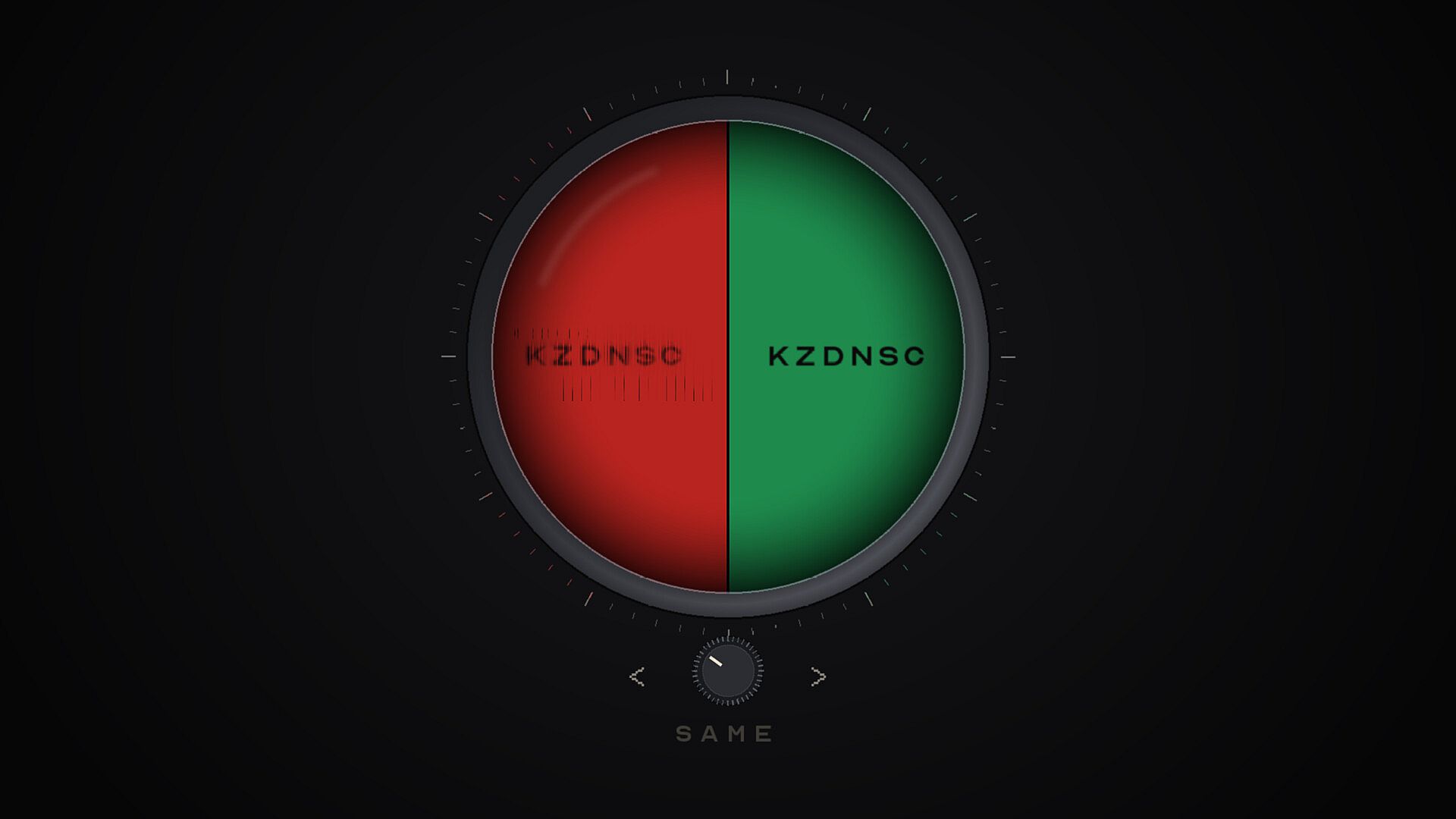
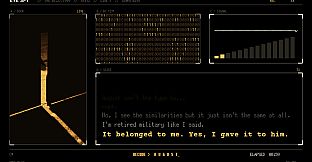
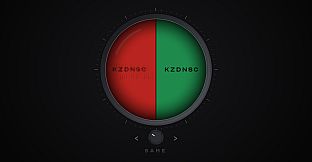
The core loop centers on experiencing a compressed school year through a series of daily scenes and interactions. Players move through routine moments such as classroom time and hallway encounters while making choices that influence what comes into focus. A recurring element involves actual eye exams where players read charts, select between red and green options, and adjust lenses, with each response feeding into the story's progression. These mechanics tie directly into the central motif of vision and perception, turning routine medical checks into narrative turning points.
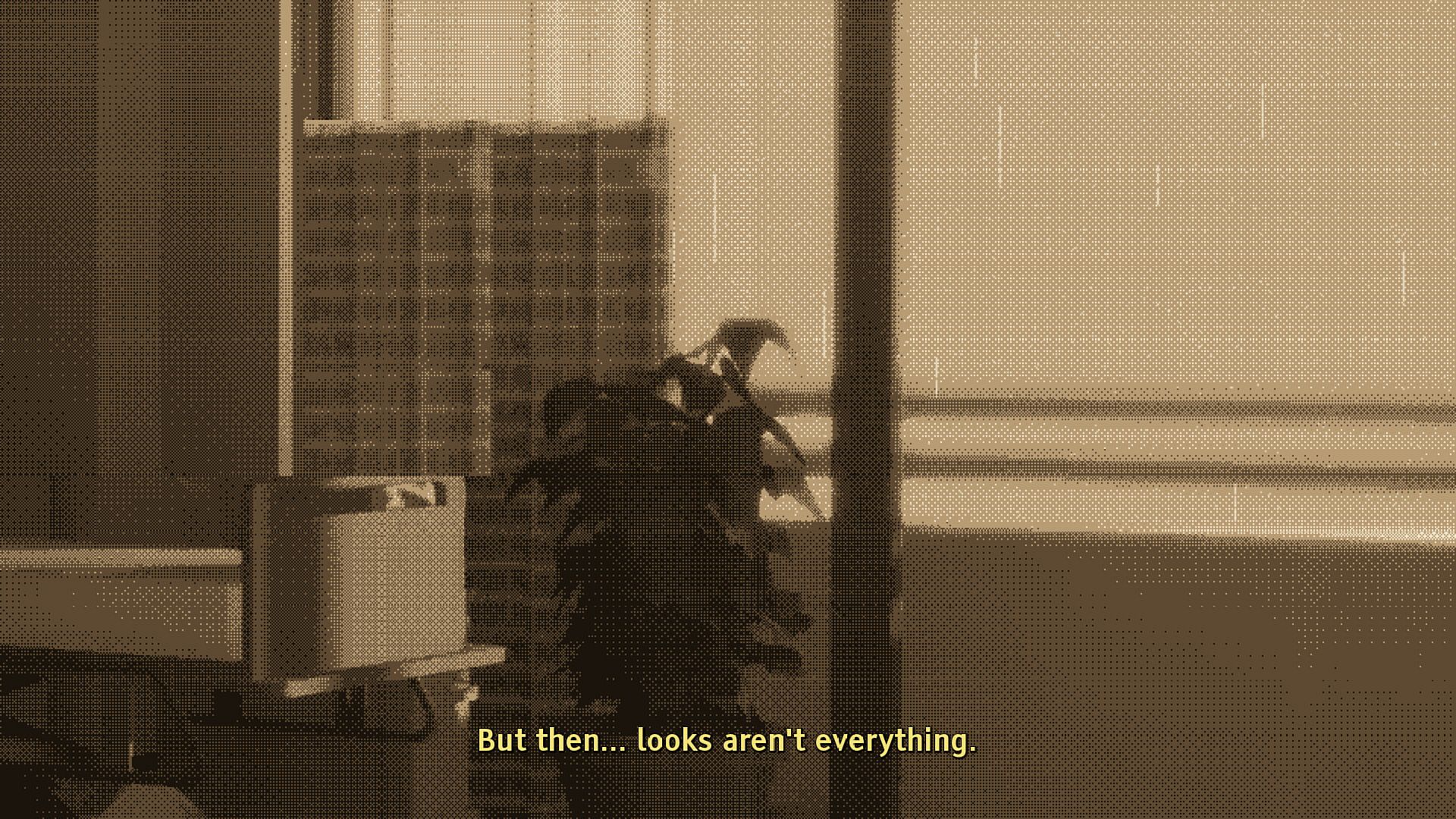
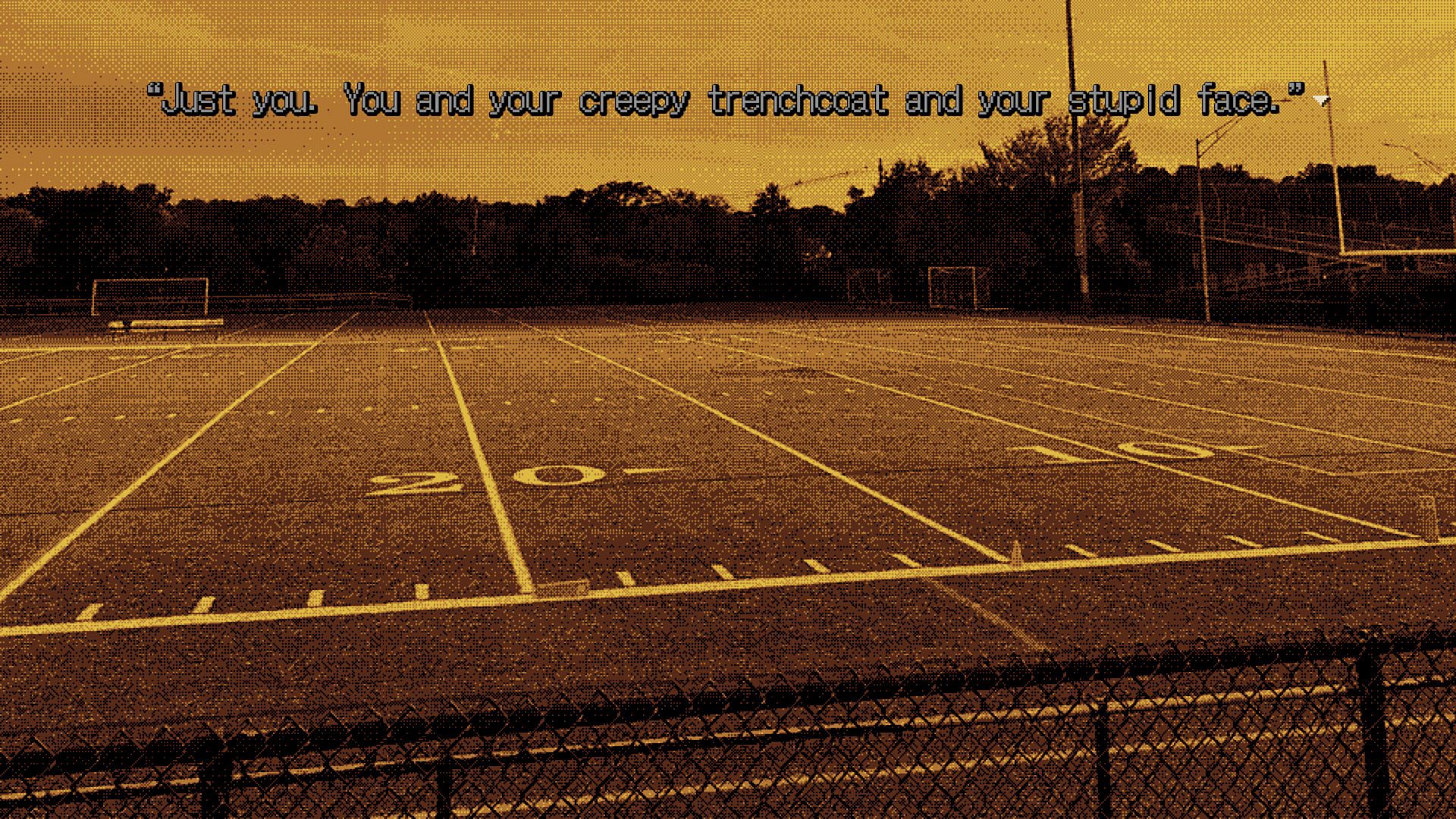
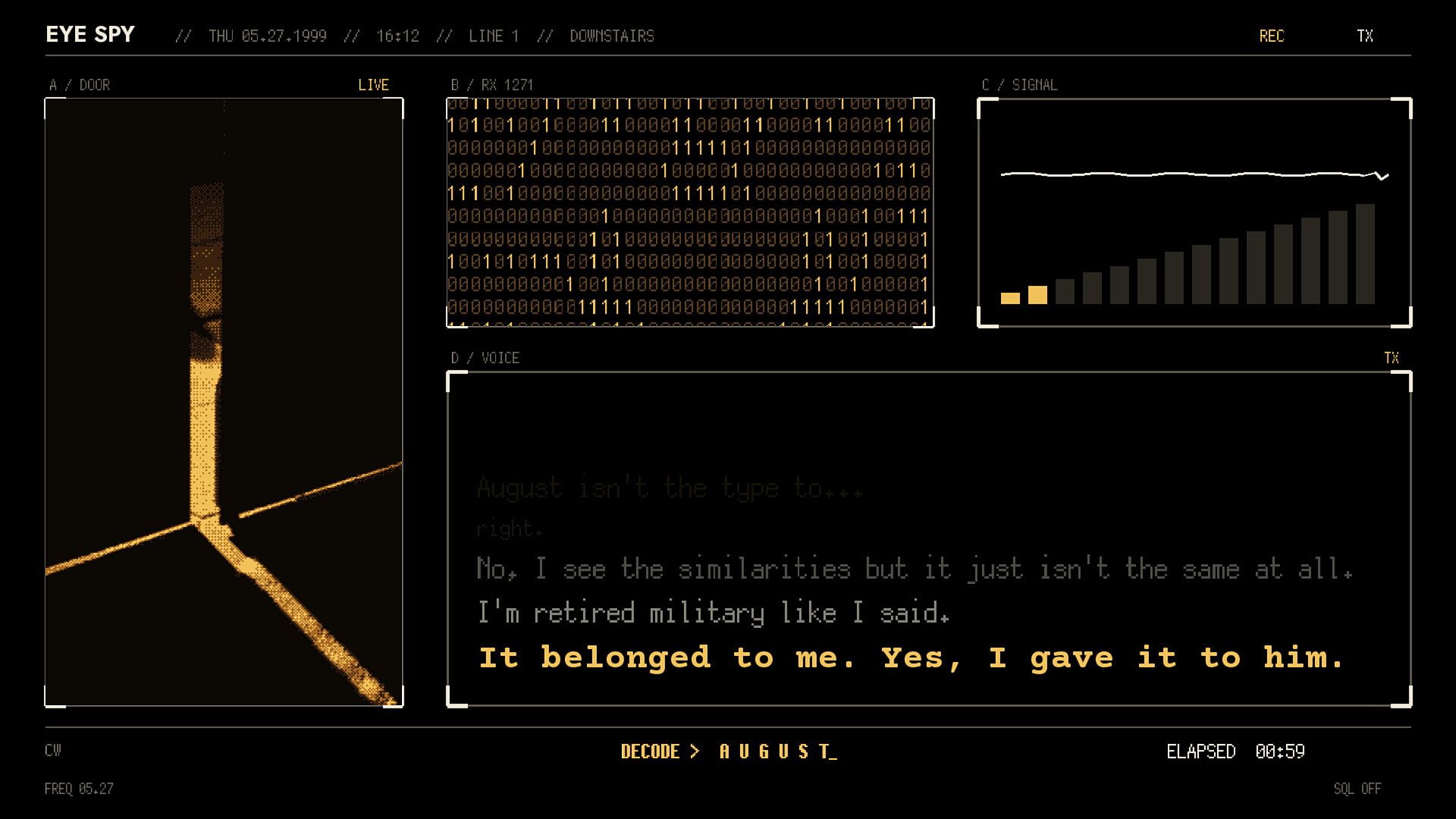
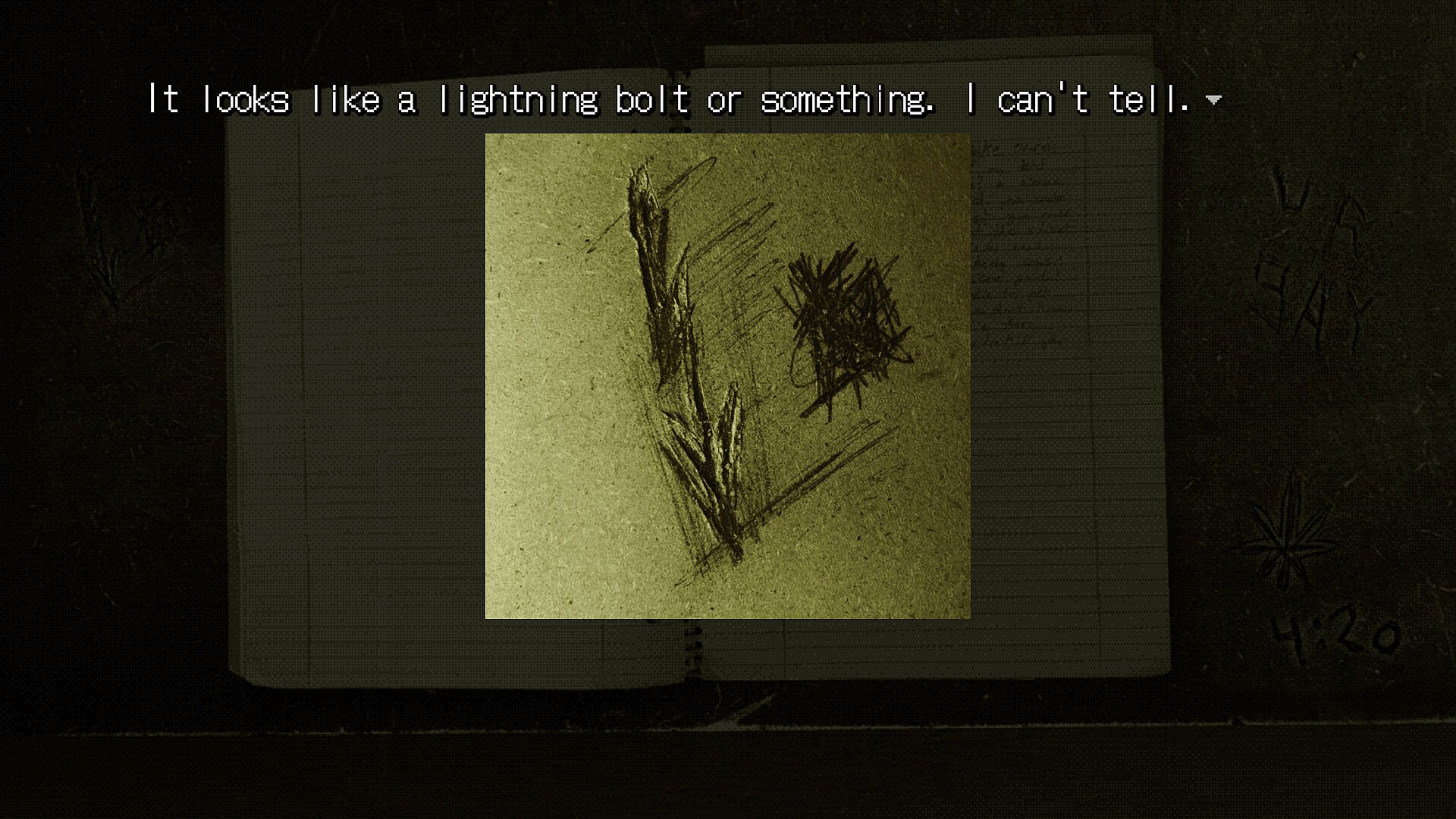
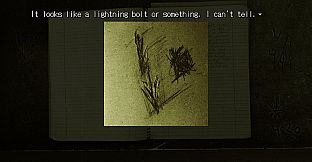
Decisions occur through a distorted lens system. Every choice sharpens certain details while allowing others to blur or recede, creating a sense of selective memory and shifting perspectives. The EYE SPY machine lets players examine the people around August more closely and access his internal thoughts about them. Photographs appear throughout, rendered from real images that receive dithering and color tints: olive tones for ordinary moments, pink for encounters with a particular girl, and blue for nighttime solitude. All artwork, writing, and music were created without generative AI tools.
Game Modes
EYE SPY functions as a singleplayer narrative experience with no separate multiplayer or competitive modes. The structure follows a linear calendar of dates that players advance through sequentially, with branching paths determined by choices made during scenes and eye exam sequences. There are no additional game modes such as free play, challenge variants, or alternate scenarios beyond the core story progression from the first day of the transfer through the end of the school year.
Story and Setting
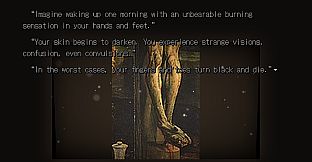
The narrative captures the social dynamics of a late-1990s middle school through subtle details rather than overt exposition. Whispers begin on August's first day, teachers linger on him, and a brief period of support arrives when a girl allows him to carry her books. These elements build an atmosphere of quiet unease without relying on jump scares or high-stakes action. The calendar alignment between 1999 and 2027 means every in-game date falls on the same weekday in both years, allowing the story to mirror real historical timing while remaining self-contained.
Memory filters the visuals and audio, emphasizing isolation and fleeting connections. Rooftop meetings and bedroom reflections punctuate the school routine, giving weight to small moments that might otherwise pass unnoticed. The absence of AI generation extends to every asset, resulting in hand-crafted elements that reinforce the personal, handmade quality of the experience.
Is It Worth Playing?
EYE SPY suits players who prefer introspective visual novels built around atmosphere, subtle social observation, and mechanics that reinforce thematic elements like perception and memory. The eye exam sequences and choice-based focus shifts provide a distinct interactive layer within the narrative format. Those drawn to short, focused stories set in everyday environments with an undercurrent of unease will find the day-by-day structure engaging. The game emphasizes personal interpretation over explicit outcomes, making it a fit for readers who value quiet tension and selective revelation in their interactive fiction. Availability on PC keeps the experience accessible for those interested in this style of indie adventure.











