


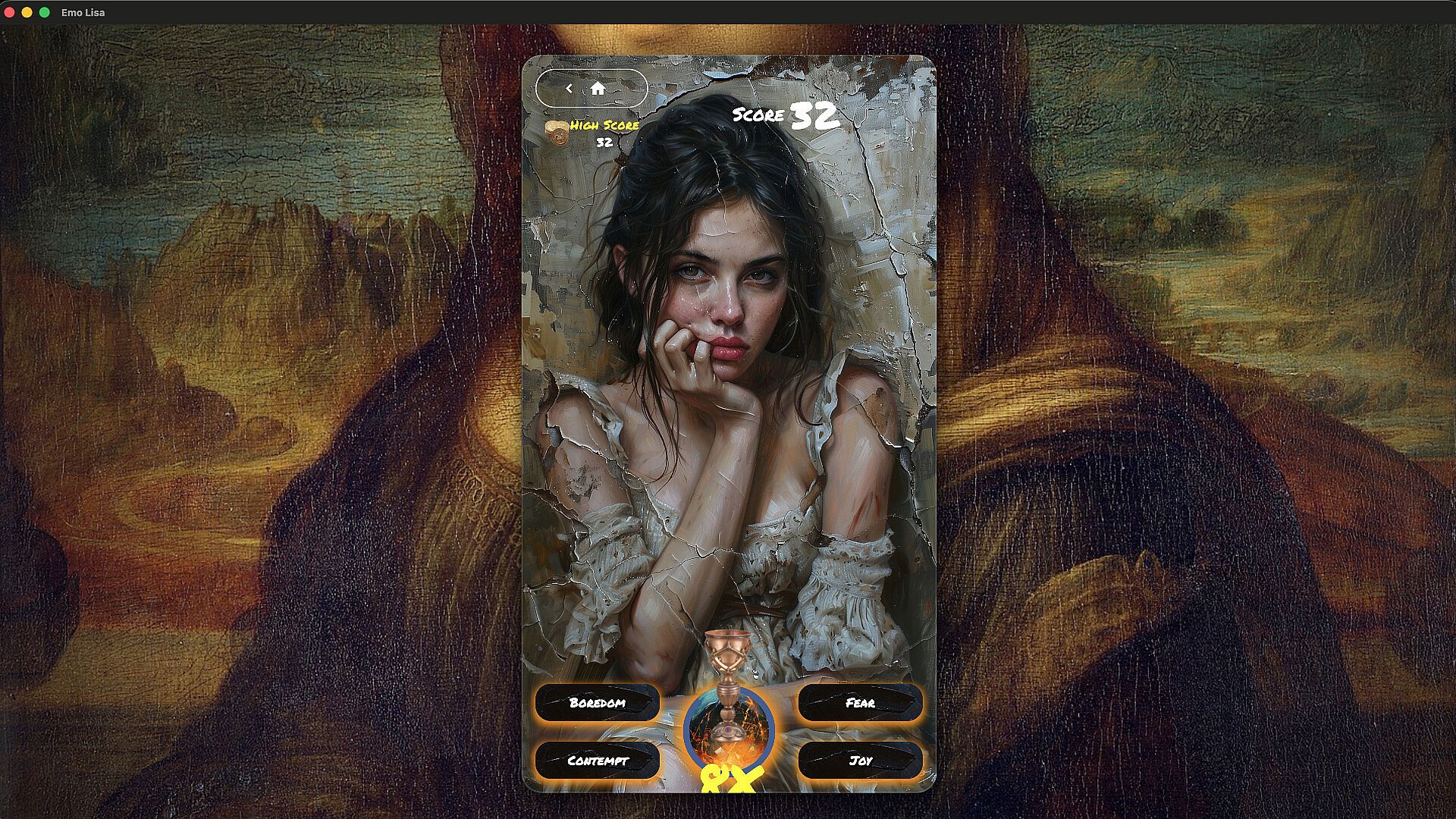
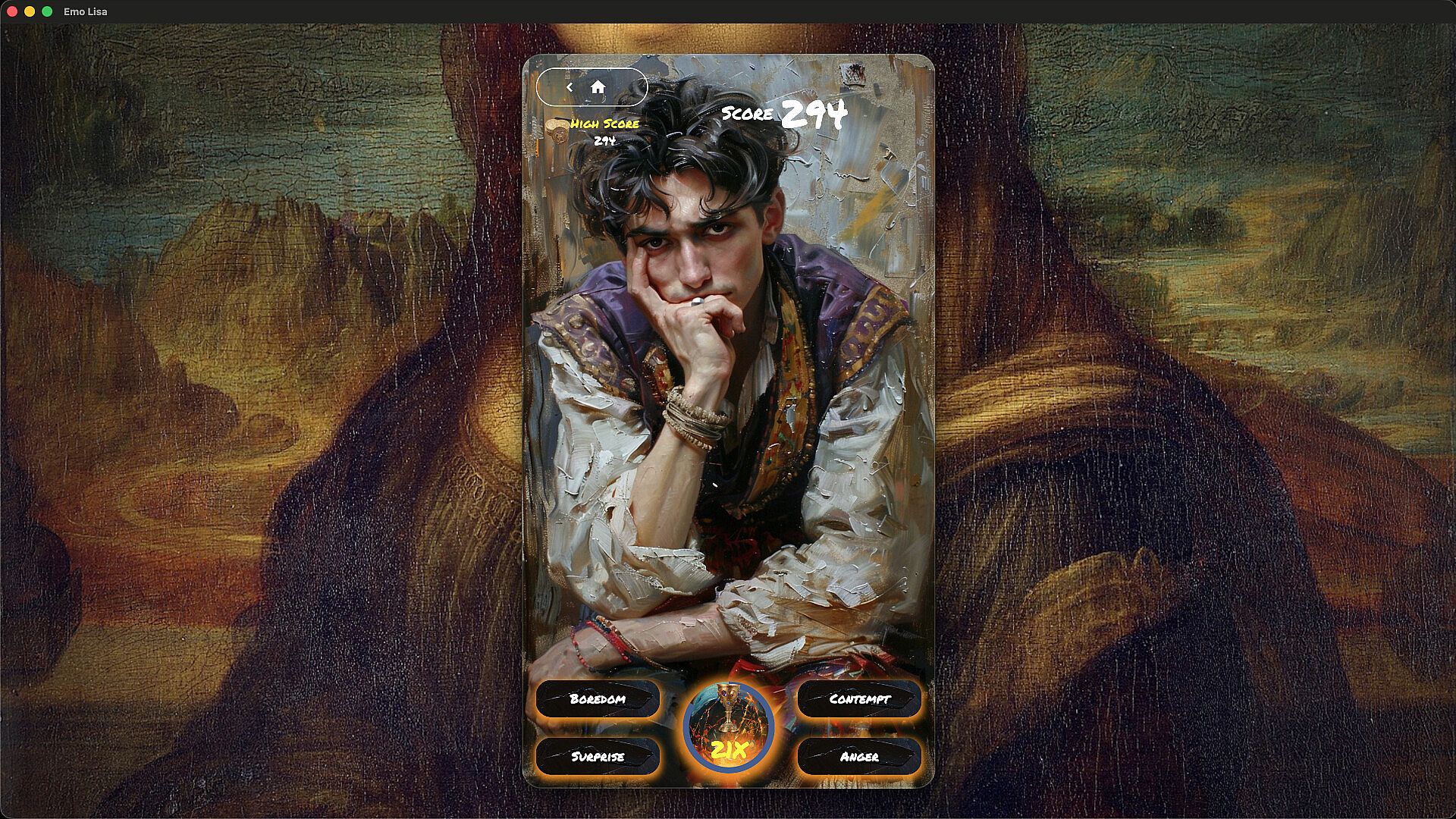
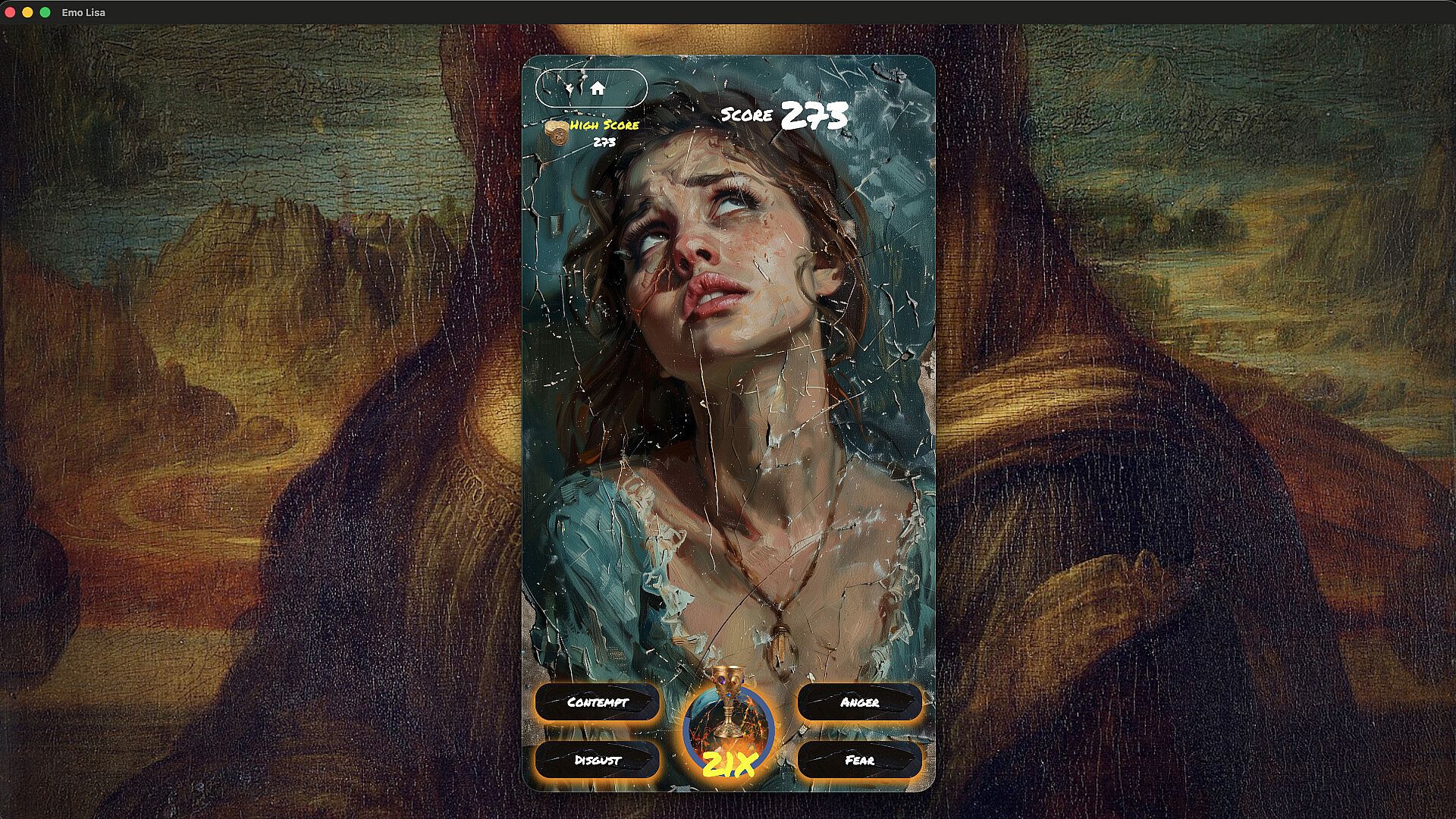
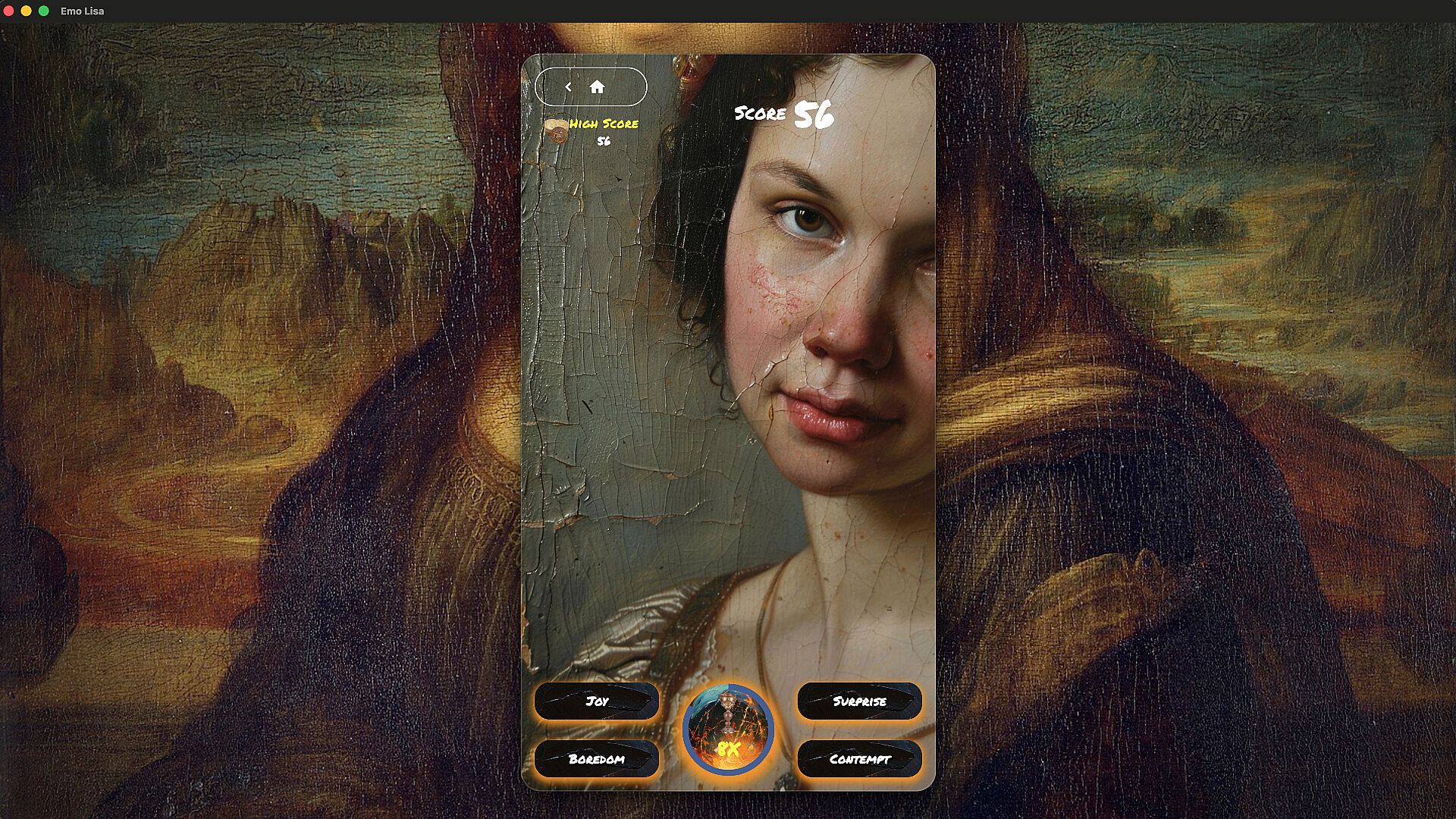
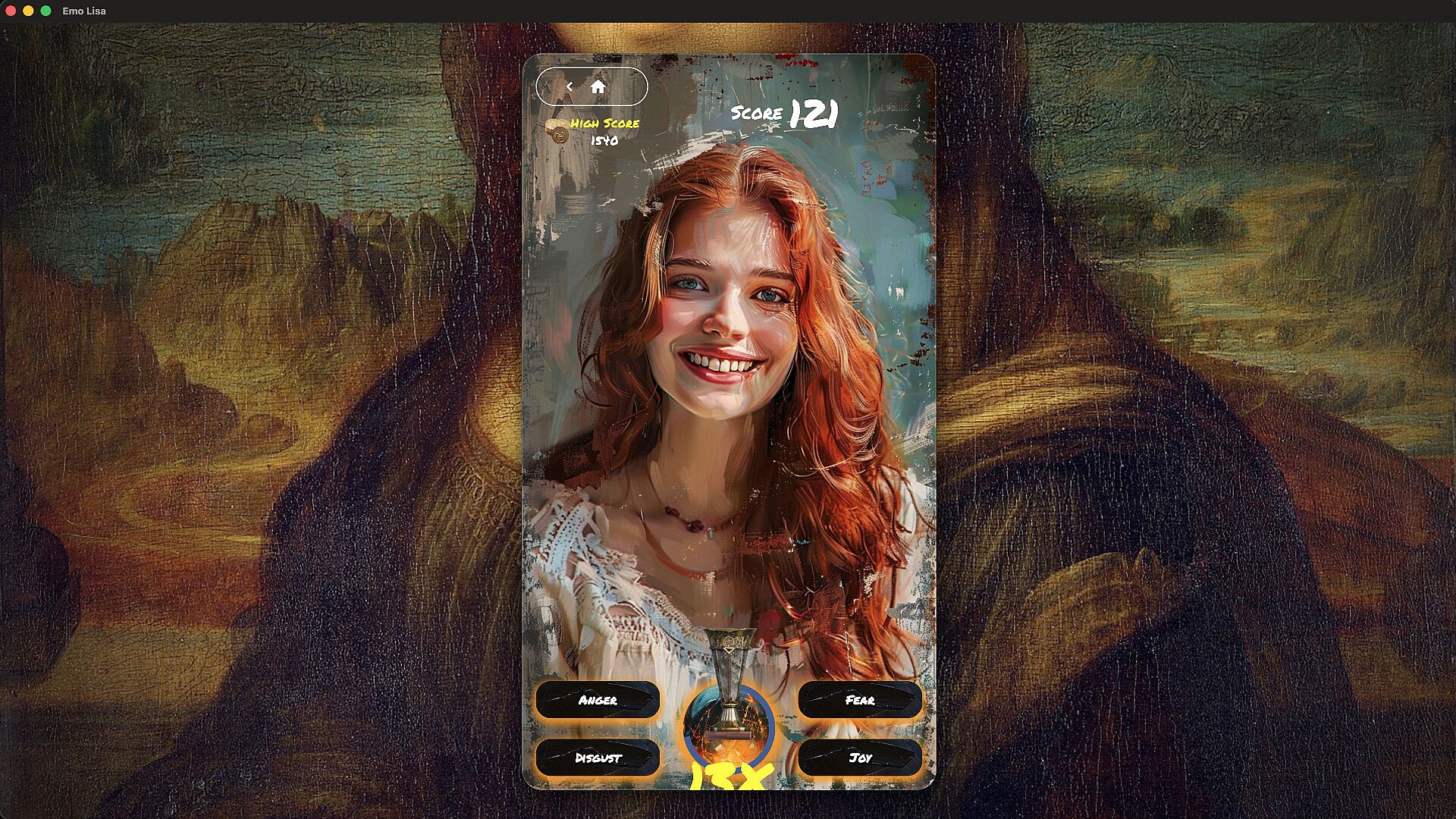





Emo Lisa is a casual simulation game for PC that focuses on training players to recognize and interpret human emotions through facial expressions and non-verbal cues. Developed as a practical tool for improving social awareness, the title draws directly from the Japanese concept of kuuki wo yomu, or reading the atmosphere in a room. Players engage with core mechanics centered on the eight fundamental emotions: happiness, sadness, anger, fear, surprise, contempt, boredom, and disgust. The experience emphasizes daily short sessions to build skills that transfer to real-life interactions, including detecting inconsistencies between spoken words and displayed feelings.
Gameplay
The core loop revolves around structured learning and repeated practice sessions. Players first study the characteristics of each emotion and how they appear on the face. Daily training modules guide attention to subtle details in expressions, helping users identify emotions even when the conversation topic does not match the underlying feeling. Sessions are designed to last around five minutes, encouraging consistent use without requiring long commitments. Progress builds through repeated exposure, allowing players to refine their ability to read group dynamics or individual states. The simulation supports single-player progression on PC, with mechanics that reward careful observation over speed or reflexes.
Game Modes
Emo Lisa operates as a single-player experience with no multiplayer components. The primary activity consists of guided training exercises that combine educational content with interactive practice. Players move through lessons on emotion recognition and then apply that knowledge in simulated scenarios focused on real-world application. There are no separate competitive or cooperative modes, keeping the focus on personal skill development through consistent daily routines.
Key Features and Mechanics
Central to the design is the emphasis on mismatch detection, where players learn to spot when verbal statements contradict visible emotional signals such as a fake smile or signs of contempt. Relationship evaluation forms another layer, highlighting how repeated expressions of negative emotions like disgust can indicate unhealthy dynamics. The system encourages transferring in-game insights directly into everyday encounters, adjusting communication styles based on the emotional atmosphere observed. All content stays grounded in the eight core emotions, avoiding additional layers or expansions beyond the verified training structure.
Is It Worth Playing?
Emo Lisa suits individuals interested in developing stronger social perception and communication skills through a focused simulation format. The single-player training approach provides a straightforward method for daily practice without distractions from other systems. With a planned release on September 14, 2026, and no user reviews available yet, the value depends on personal interest in emotion recognition tools. Those seeking a practical, low-time-commitment experience on PC may find the structured lessons and real-world transfer emphasis worthwhile for building observational habits over time.