

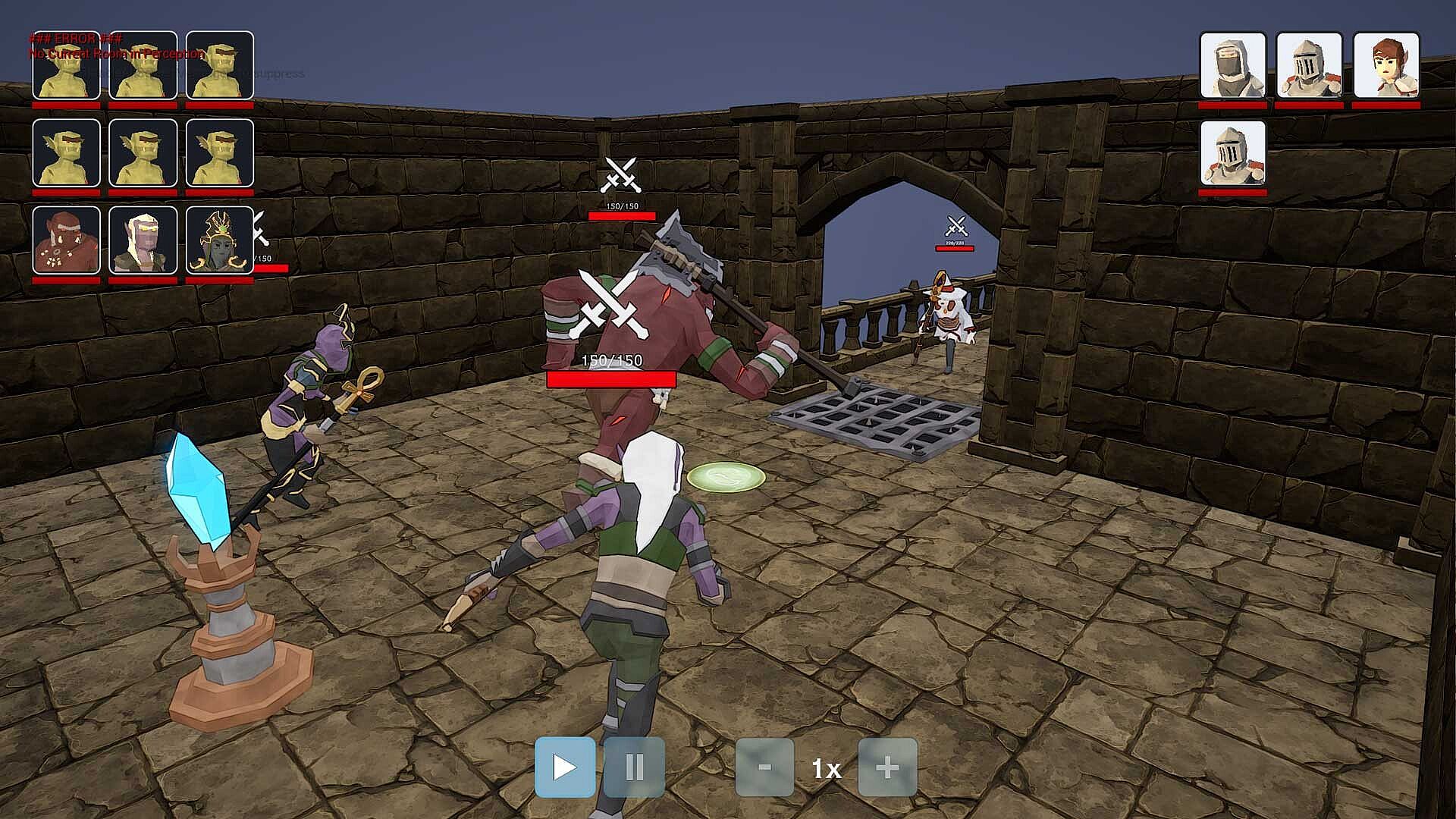
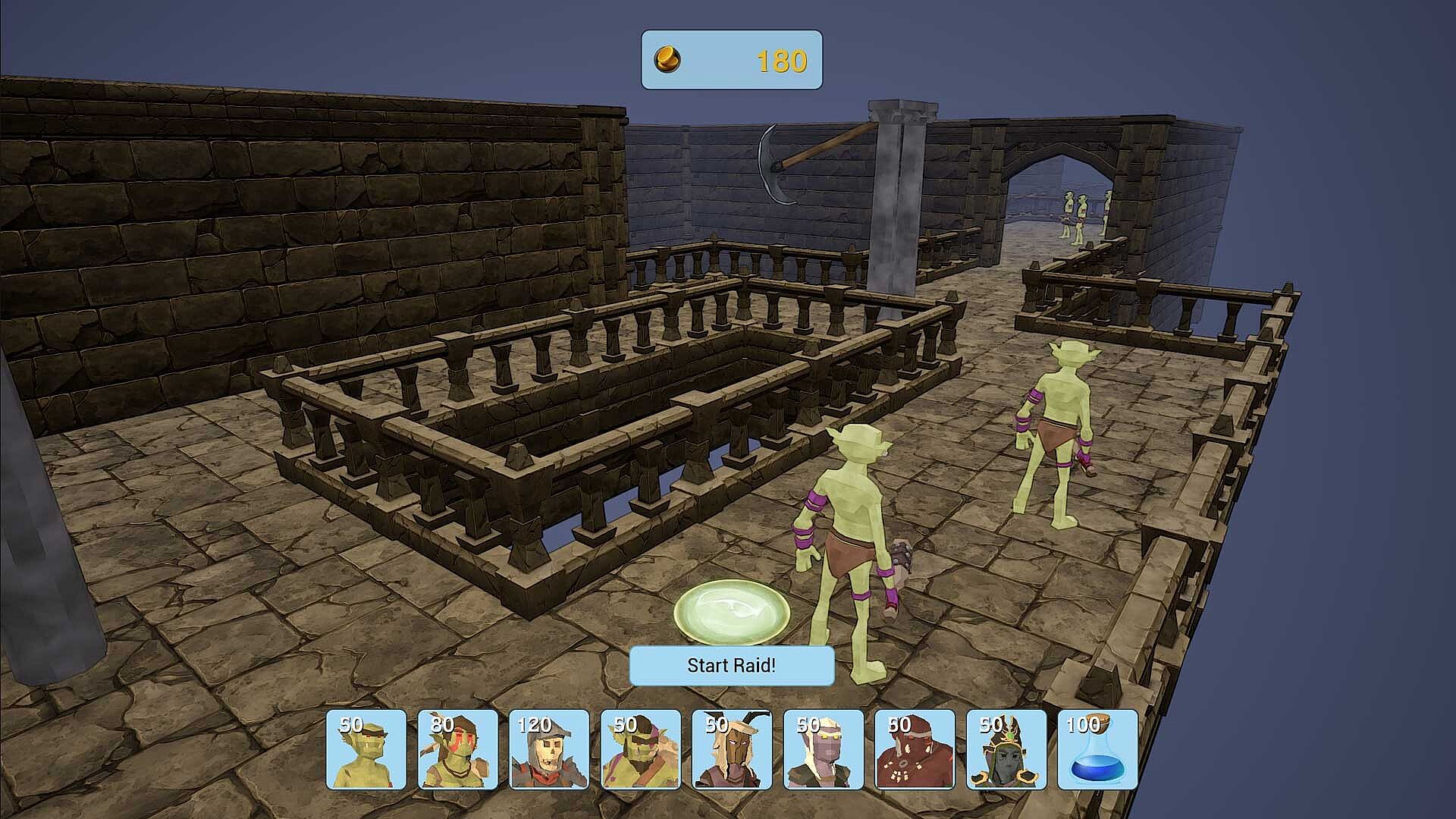
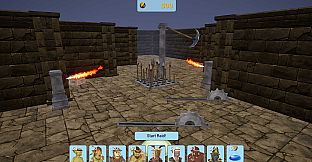
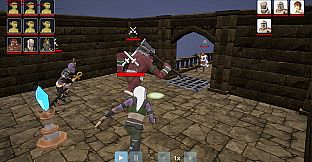
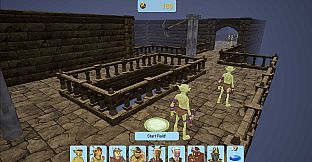
Dungeon Contractor is a strategy and simulation game set on PC in which players operate a professional company tasked with repairing and upgrading fantasy dungeons after hero raids. The core experience centers on accepting contracts, restoring damaged structures, recruiting creatures, and installing traps to prepare each site for the next incursion, with every choice directly influencing earnings and reputation.
Gameplay
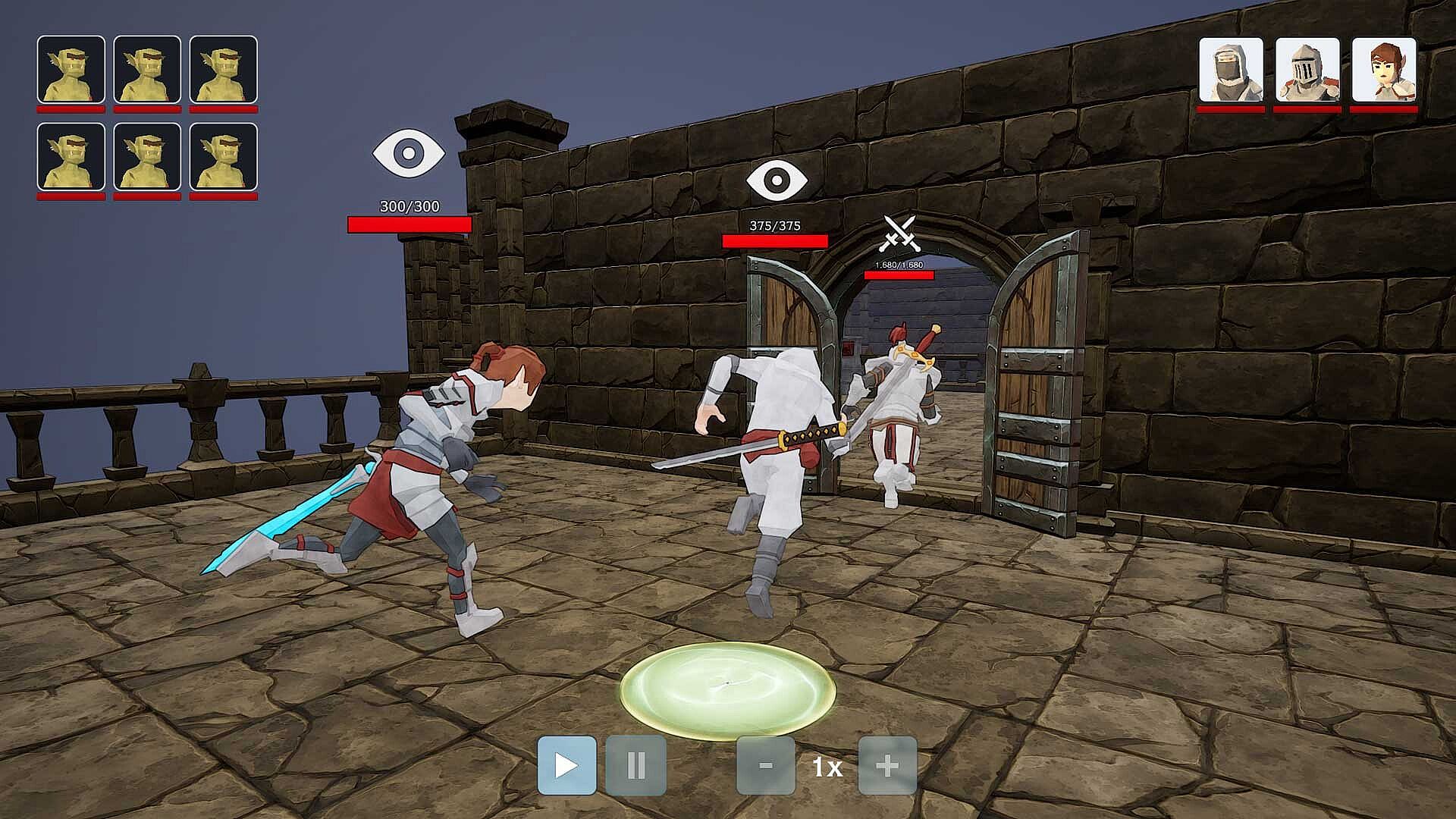
The central loop involves managing limited resources across multiple contracts. Players evaluate each job's requirements, allocate funds between repairs to walls and rooms, new monster hires, and trap installations, then observe the results through a fully simulated hero raid. Different hero behaviors, such as rushing for treasure or methodically clearing threats, produce varied outcomes based on prior setup decisions. Post-raid analysis reveals damage, losses, and profit margins, feeding back into the next contract cycle. Monster upkeep costs and trap effectiveness require ongoing trade-offs to maintain viability without overspending.
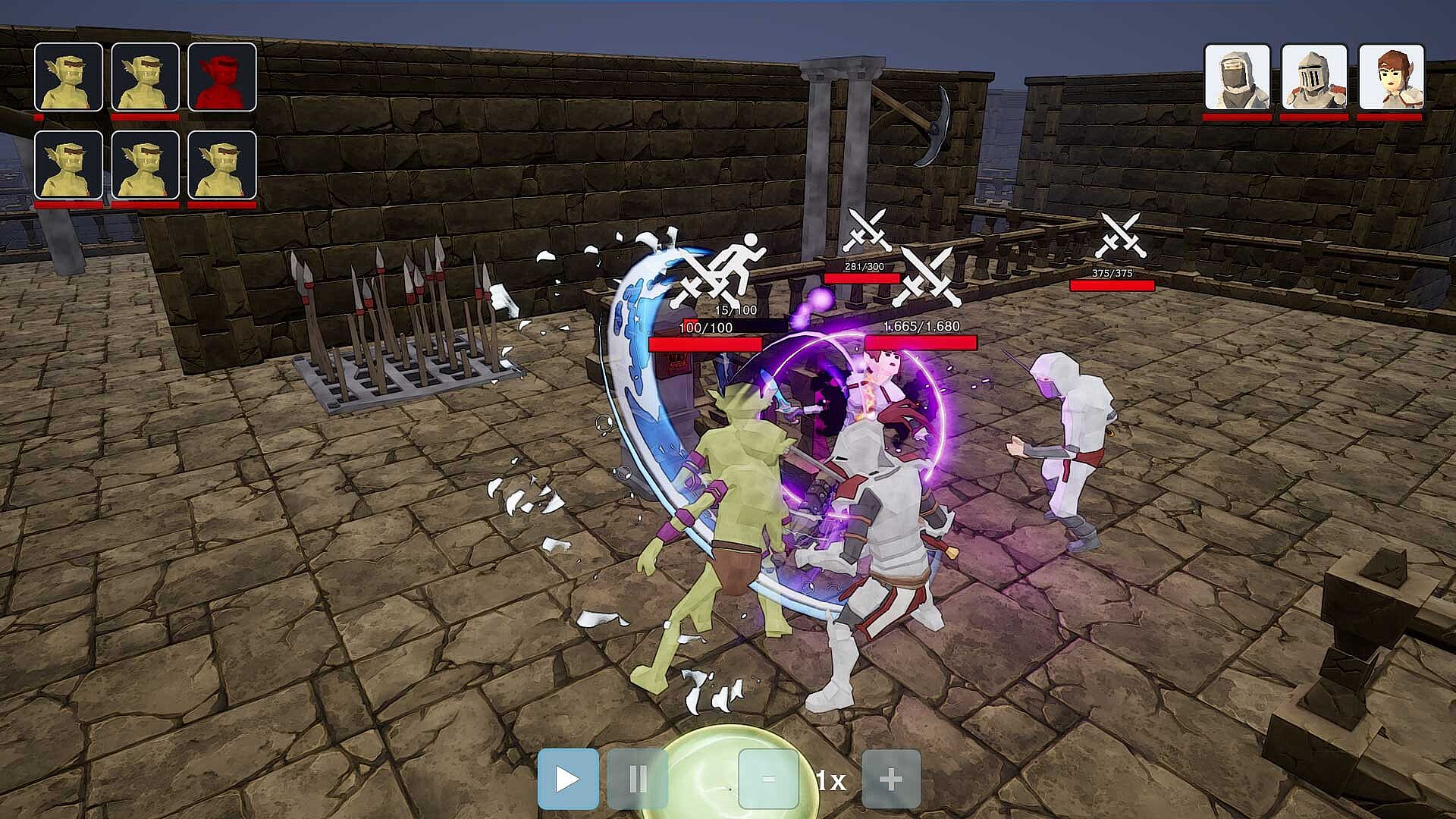
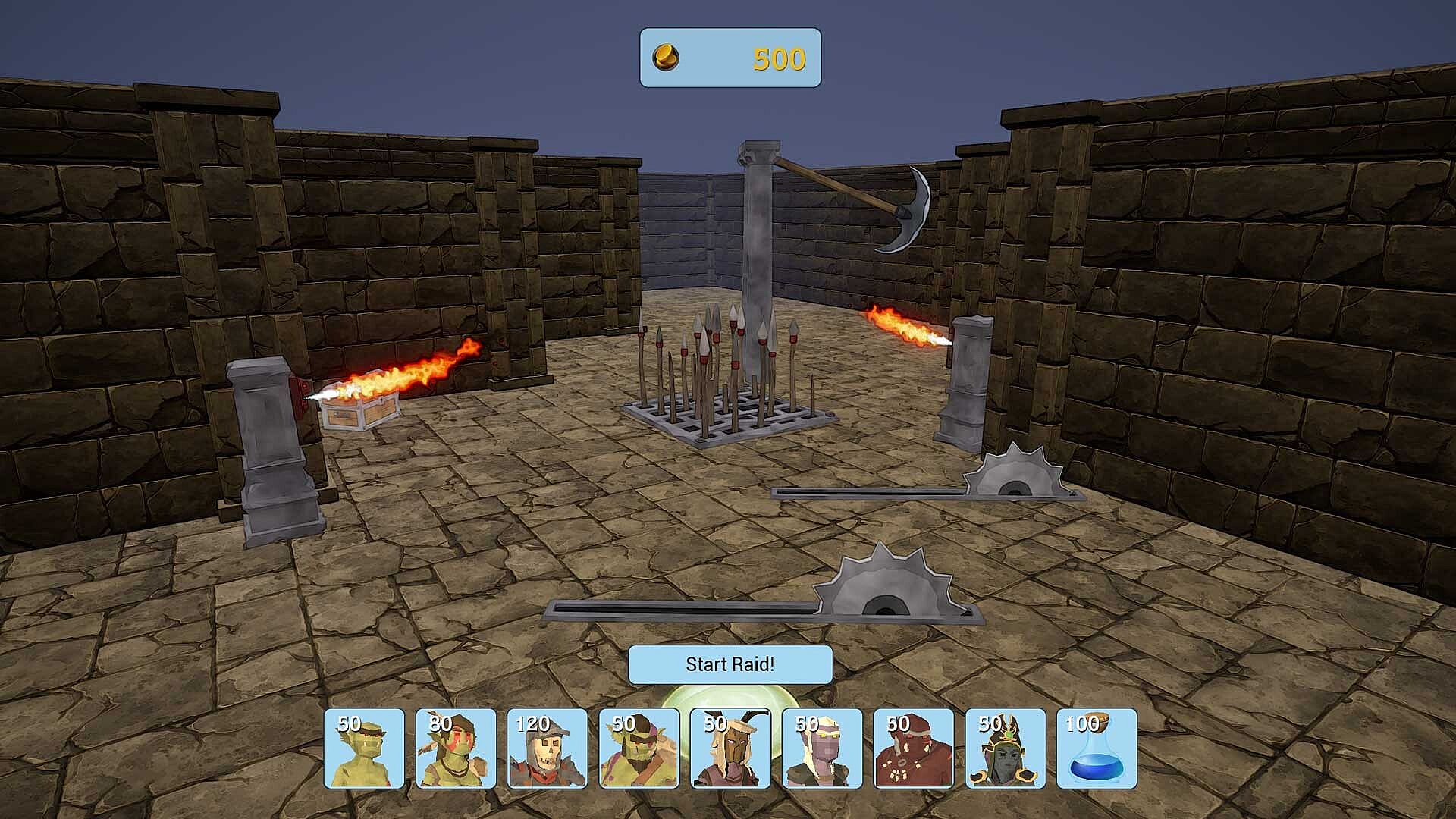
Placement of creatures and traps alters raid flow in meaningful ways. A goblin might serve as an early warning while a dragon guards deeper chambers, and combinations of spike, arrow, fire, or poison traps create layered defenses that force heroes into predictable paths or costly mistakes. The simulation runs autonomously once launched, generating unique stories from each attempt without direct player intervention during the raid itself.
Game Modes
All activity occurs within a single-player framework focused on sequential contracts drawn from dungeon owners across the kingdom. Each contract functions as a self-contained challenge with its own layout, damage profile, and budget constraints, encouraging repeated playthroughs of the same dungeon under randomized hero parties and contract variations. Progression unlocks larger jobs and expanded options, shifting the emphasis from basic repairs to complex optimizations across bigger, more hazardous sites.
Replay value stems from the ability to revisit handcrafted dungeons with fresh parameters each time. Players refine strategies across multiple runs, testing different monster rosters or trap configurations to improve margins on familiar layouts while adapting to new variables introduced by randomized elements.
Building Defenses and Simulation
Restoration work begins with fixing structural damage before layering in offensive and defensive elements. The growing selection of monsters includes goblins, skeletons, orcs, trolls, and dragons, each carrying distinct strengths alongside recurring maintenance expenses. Trap networks expand through upgrades, allowing players to protect critical zones with targeted installations that interact dynamically during raids.
Once preparations conclude, the raid simulation provides immediate feedback on design effectiveness. Heroes exhibit varied priorities that test different aspects of the layout, from direct assaults on treasure rooms to systematic monster hunts. Failures highlight weak points for future adjustments, while successes generate revenue that funds further expansion.
Company Growth and Progression
Successful contracts build reputation and capital, opening access to advanced monsters, improved trap technologies, and higher-paying opportunities. Upgrades to the company itself expand operational capacity, supporting larger dungeons and more intricate defense networks. The long-term goal centers on scaling the business into the kingdom's premier contractor through consistent profitability and efficient designs rather than raw power.
Is It Worth Playing?
Dungeon Contractor targets players who enjoy management simulations that reward careful budgeting and iterative design over direct combat control. The emphasis on smart resource allocation and observing autonomous raid outcomes suits those interested in optimization and emergent storytelling from simulation systems. With a planned release in Q1 2027 and no reviews available yet, the game appears positioned for enthusiasts of fantasy management titles who value strategic depth in single-player sessions. Those drawn to balancing risk against profit margins and refining defenses across repeated contracts will likely find the most engagement here.