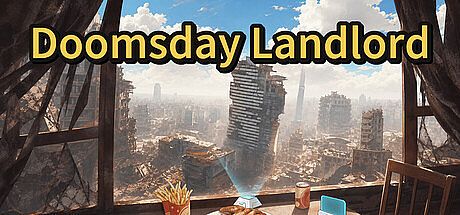


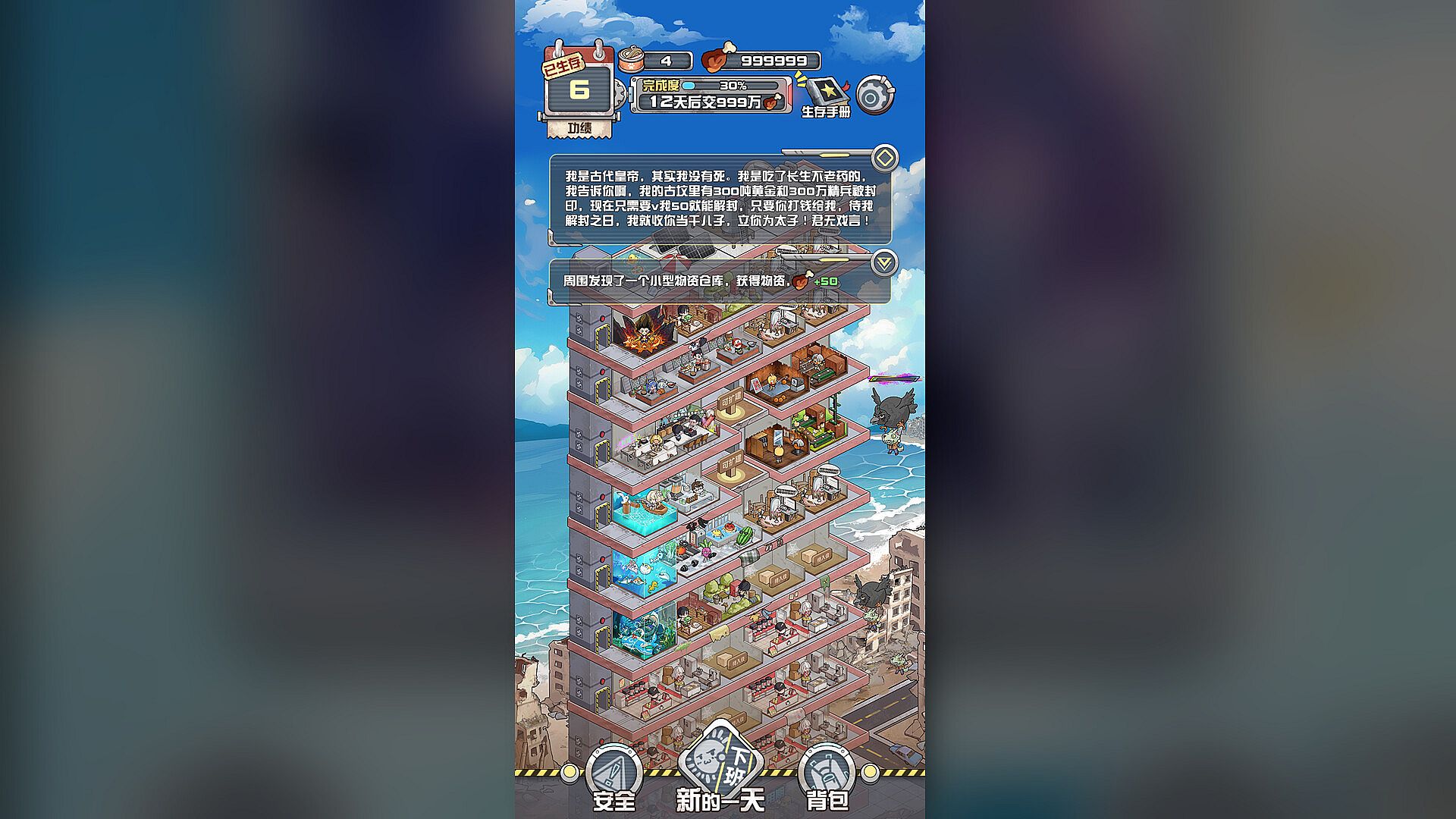

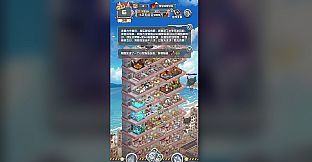


Doomsday Landlord is a strategy and simulation game for PC in which players take on the role of a landlord overseeing an apartment building and its attached Base during the apocalypse. The core experience combines resource management, base expansion, and survival challenges as survivors move in, produce and consume items, and pay daily rent while external threats build.
Gameplay
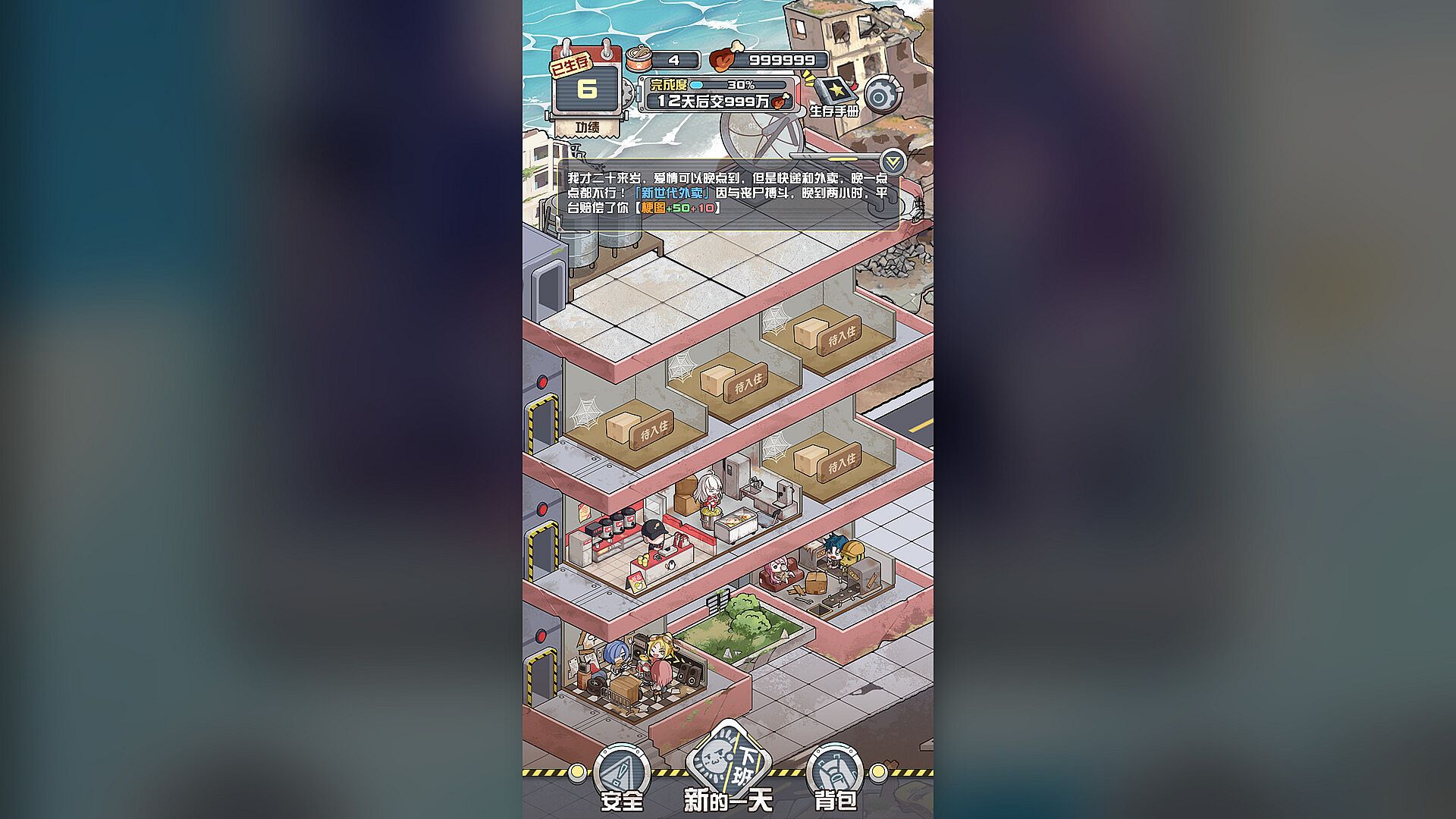
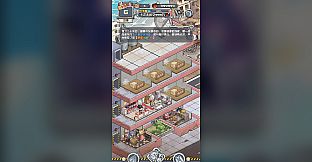
The central loop revolves around housing survivors in assigned rooms that generate and use various items. Daily rent collection keeps the operation afloat, but players must balance production chains carefully to avoid shortages. Building new sections, expanding existing ones, or demolishing underperforming areas allows the Base to grow and adapt to incoming demands.
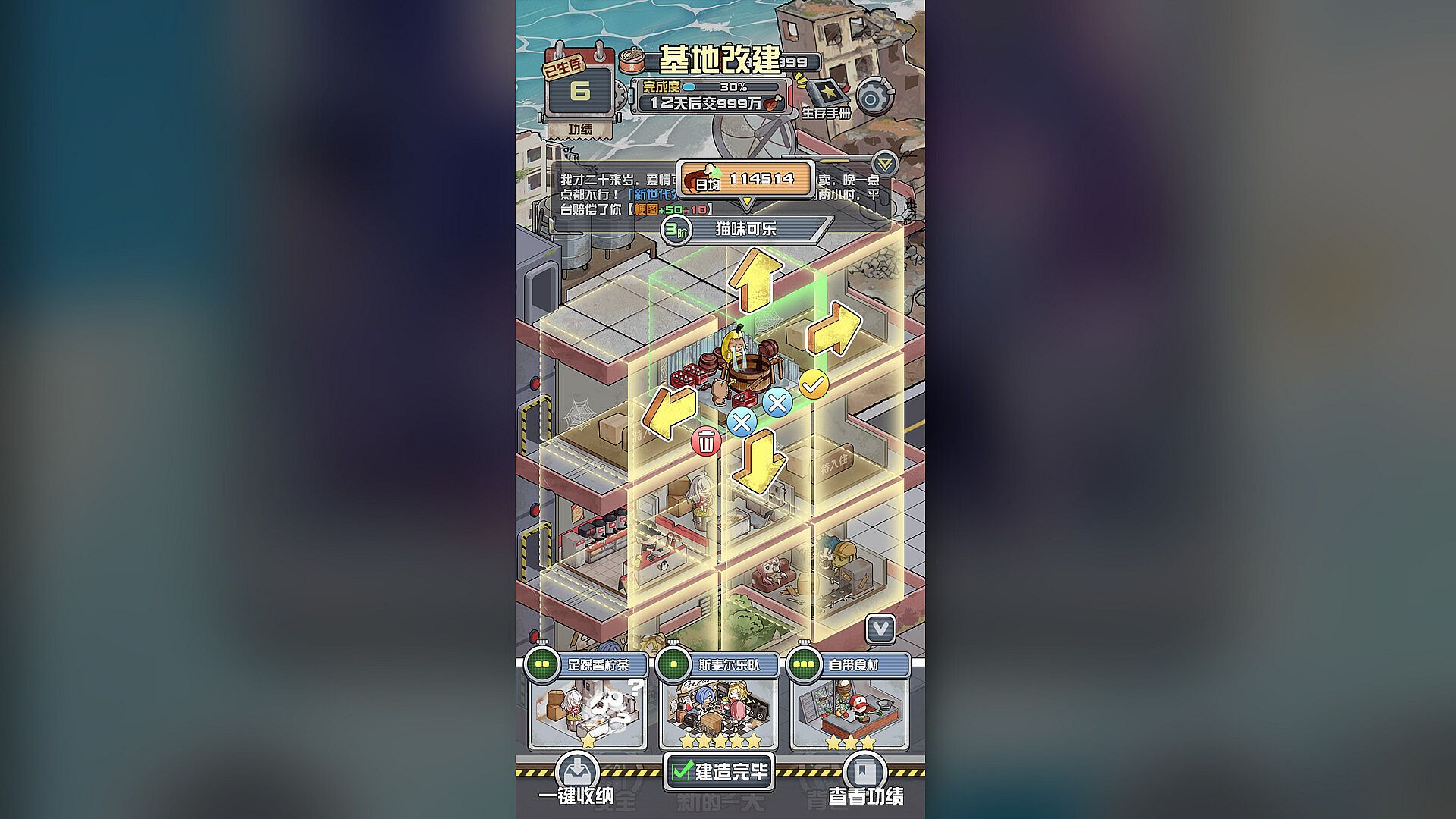
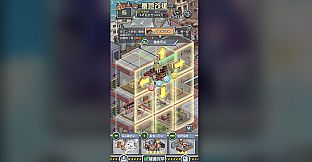
Room merging forms a key progression step. Combining compatible rooms raises their Star Rank, which improves efficiency and output without requiring constant new construction. This system encourages thoughtful layout planning so that the entire building remains functional even as the population increases.
Safety and survivor status require constant attention. Infection risks, invasions, and advancing zombie threats can quickly destabilize the Base if left unchecked. Monitoring these elements alongside item flows creates a layered decision-making process where short-term survival needs compete with long-term Base stability.
Game Modes
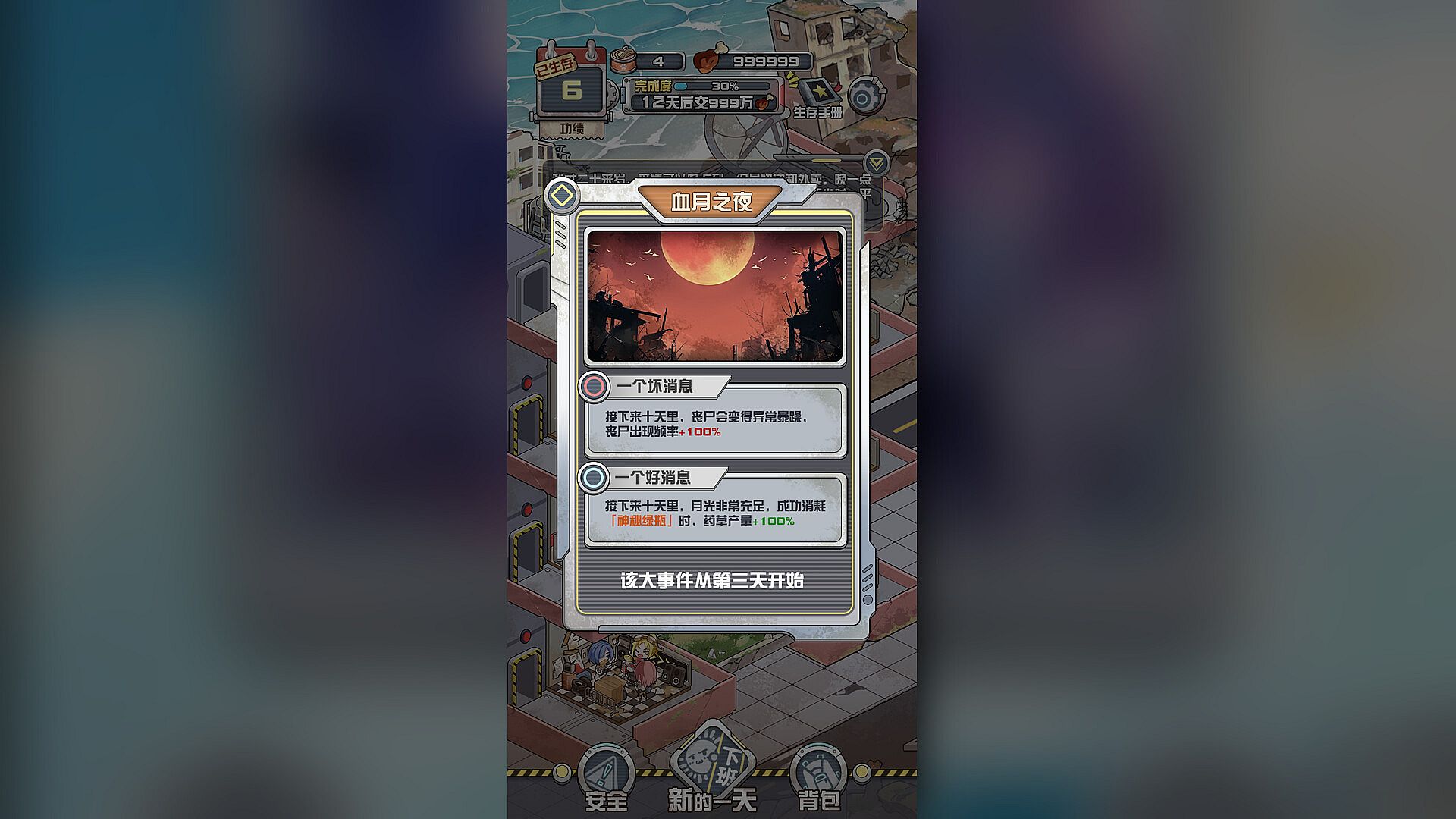
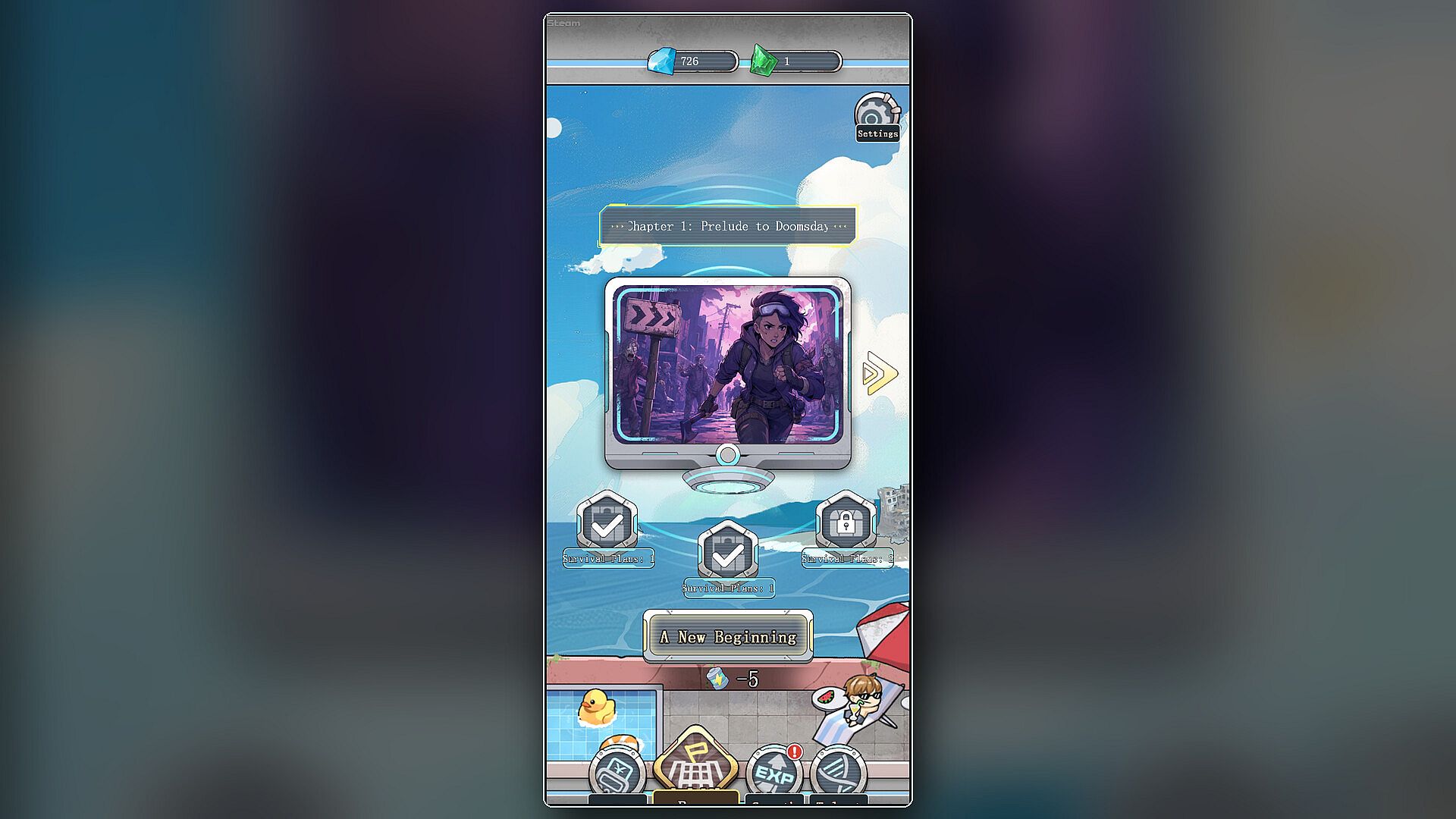
Each playthrough unfolds through a sequence of Survival Plans. Players must gather Drumsticks and achieve specific goals within a set number of days while responding to Special Events and Major Events that trigger on particular days. These timed objectives structure the run and force prioritization between immediate crises and steady resource accumulation.
Escalating threats add pressure across the plans. Zombie Kings and Hordes appear alongside standard invasions, testing the Base's defenses and the landlord's ability to maintain order. Success depends on keeping safety levels high and ensuring survivors remain productive rather than overwhelmed.
The roguelike structure means each attempt resets most resources, yet permanent elements carry forward. This creates a loop of learning optimal room layouts and event responses while building toward stronger future runs.
Base Building and Resource Management
Construction decisions directly influence how efficiently the Base operates. Players decide where to place new rooms, which areas to expand for higher capacity, and when demolition frees up space for better configurations. These choices affect item production chains and the overall flow of rent and supplies.
Survivors interact with rooms in specific ways, consuming certain items while producing others. Balancing these inputs and outputs across multiple rooms becomes essential as the building grows. Poor planning leads to bottlenecks that compound during events or invasions.
Star Rank upgrades through merging provide meaningful power spikes. Higher ranks improve output rates and resilience, rewarding players who experiment with combinations rather than simply adding more rooms indiscriminately.
Progression and Permanent Upgrades
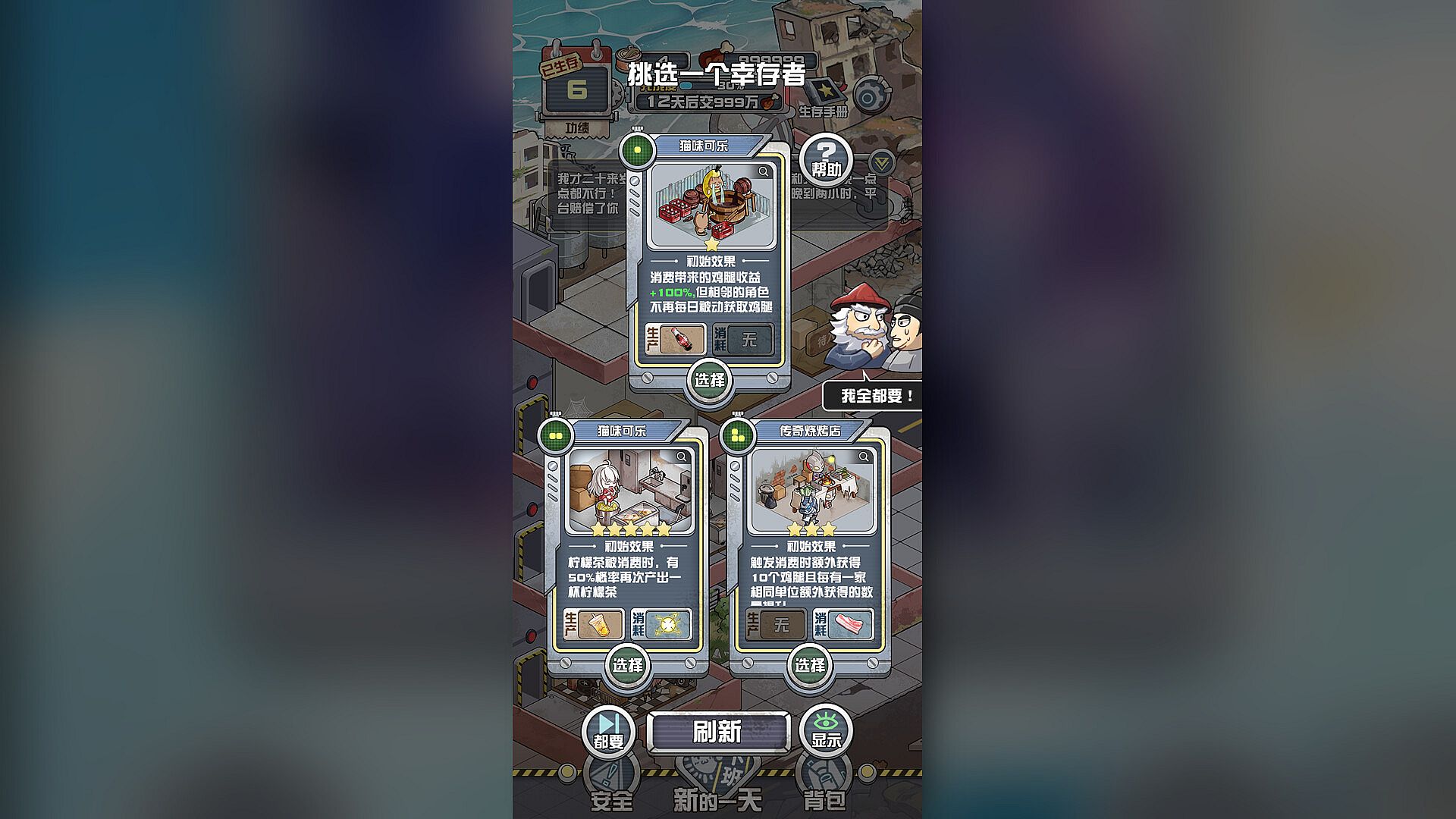
Survival Coins serve as the main currency for long-term advancement. These resources allow permanent recruitment of characters and investment in a Talent Tree that carries benefits across multiple runs. Unlocking a character removes it from future recruitment pools, shifting focus toward upgrades and synergies.
Run-specific resources such as Drumsticks and Lizardcat Chow support immediate goals without affecting future attempts. This separation keeps each Survival Plan self-contained while the permanent systems reward consistent play and strategic planning.
Character upgrades and talent investments gradually expand options for handling different event types and threat levels. The system favors players who adapt their approach based on prior run outcomes rather than relying on a single strategy.
Is It Worth Playing?
Doomsday Landlord suits players who enjoy management simulations with roguelike progression and base-building elements. The combination of daily resource cycles, room merging, and escalating crises creates a focused experience centered on optimization and adaptation.
The inclusion of workplace satire and absurd events provides lighter moments amid the survival pressure. These elements differentiate the game from purely serious post-apocalyptic titles and appeal to those who appreciate humor alongside strategic depth.
Progression through Survival Coins and the Talent Tree gives a sense of ongoing development even after individual runs end. For fans of strategy games that blend short-term planning with long-term character and base improvements, the title offers a coherent and repeatable loop.