








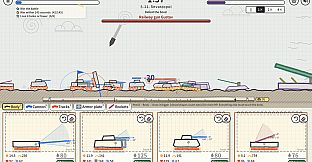
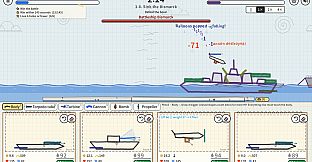
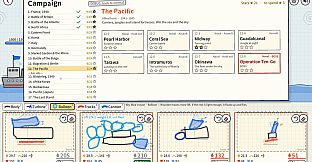
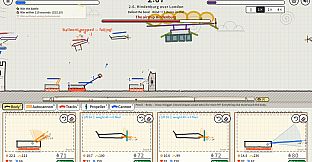
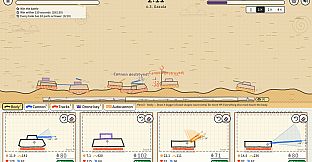
Doodle Steel is a strategy game built around drawing and deploying custom units in lane-based battles. Players sketch vehicles and weapons on a virtual page, then watch them advance toward an enemy base while adapting to shifting conditions and enemy fire. The core loop centers on creative design combined with real-time physics and destruction, all set against a backdrop of World War II-inspired campaigns.
Gameplay
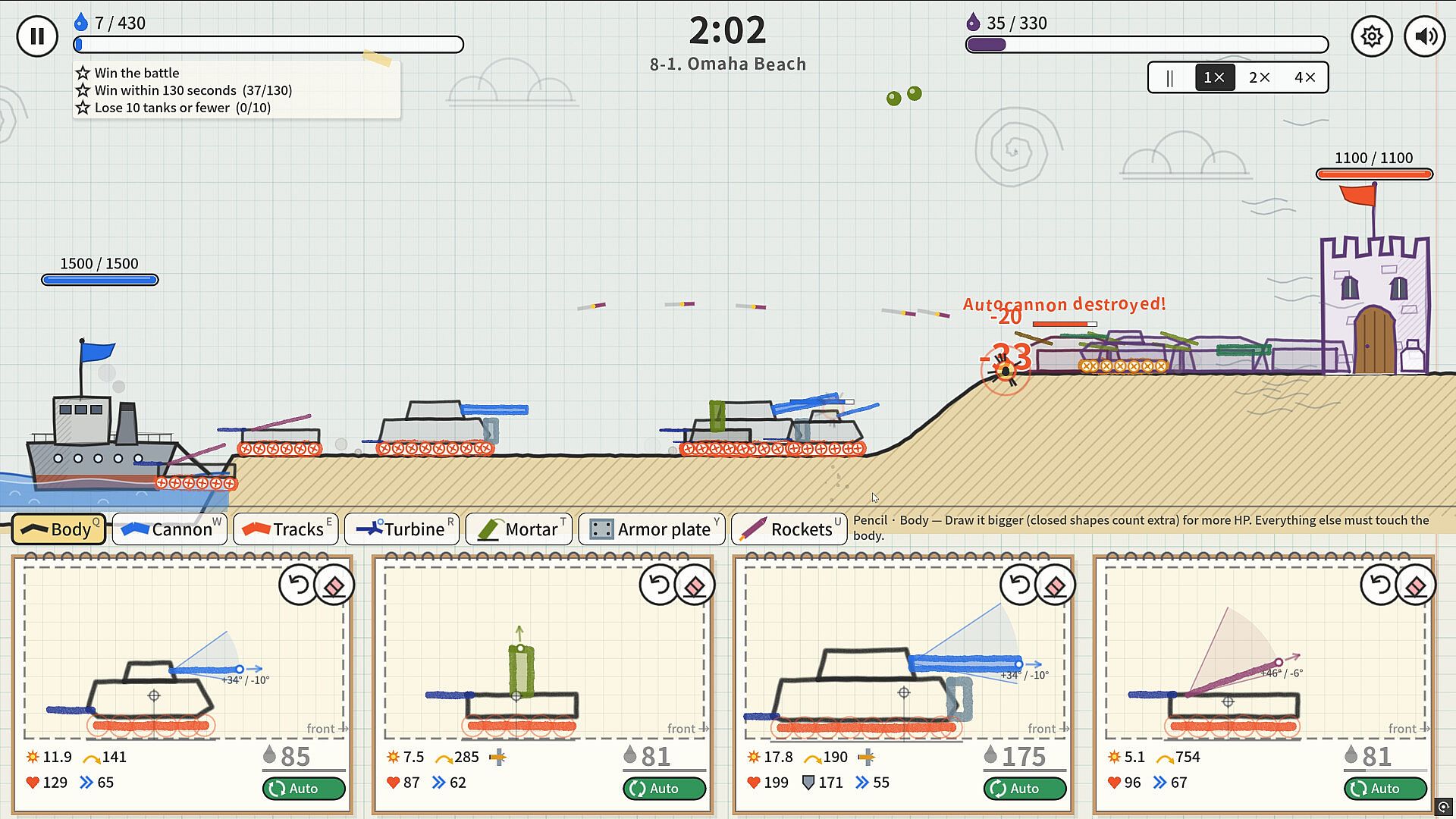
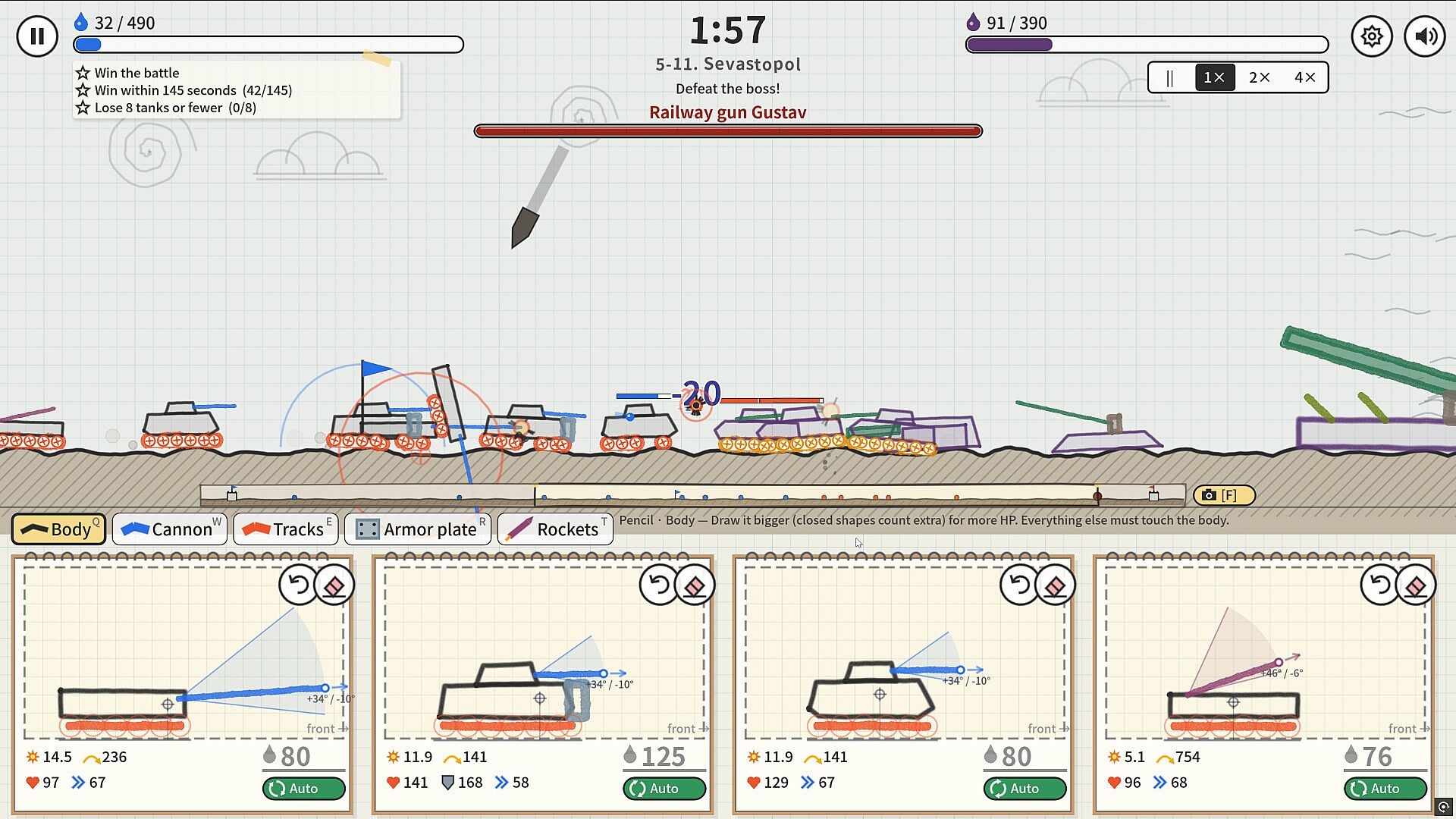
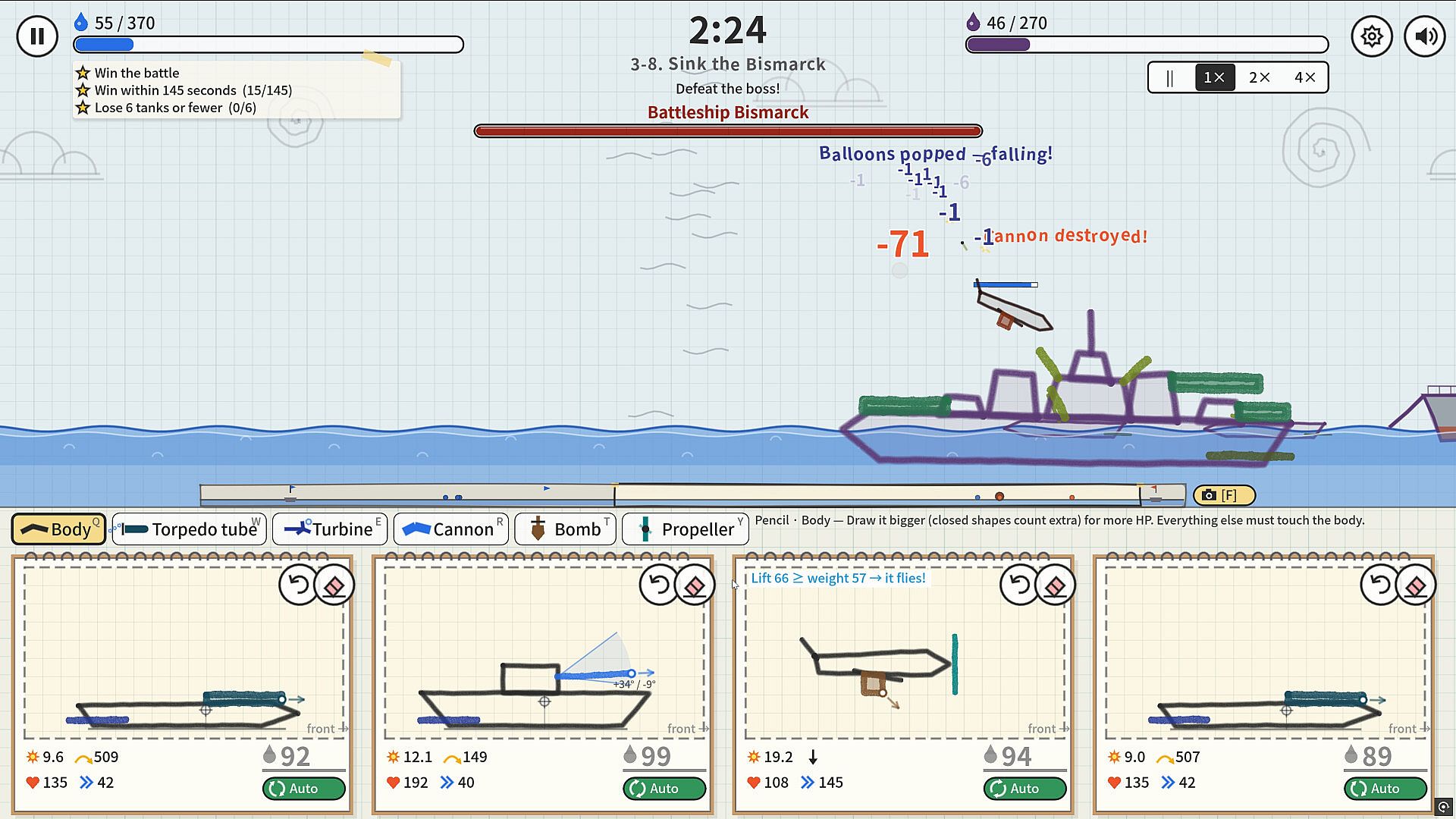
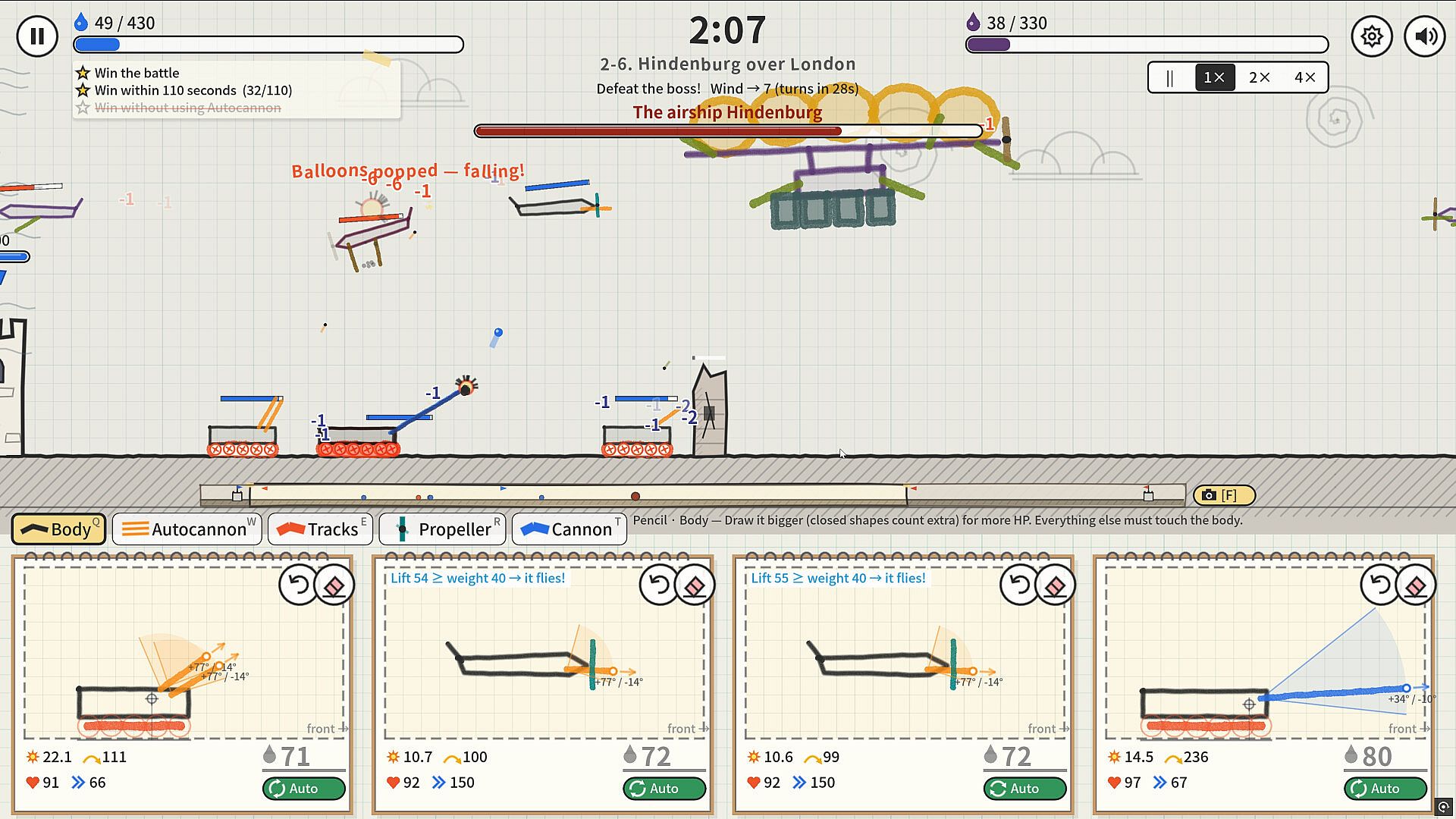
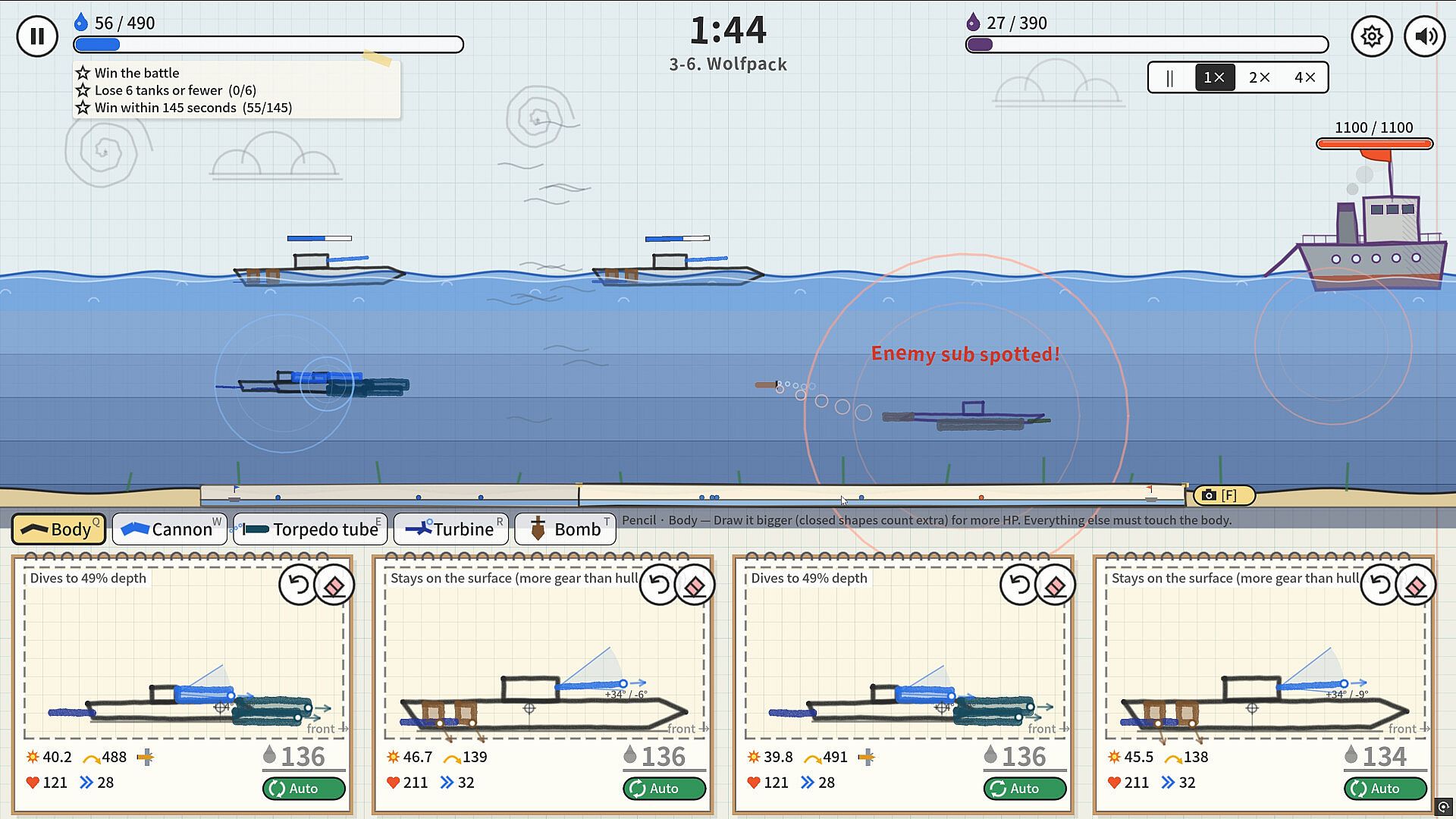
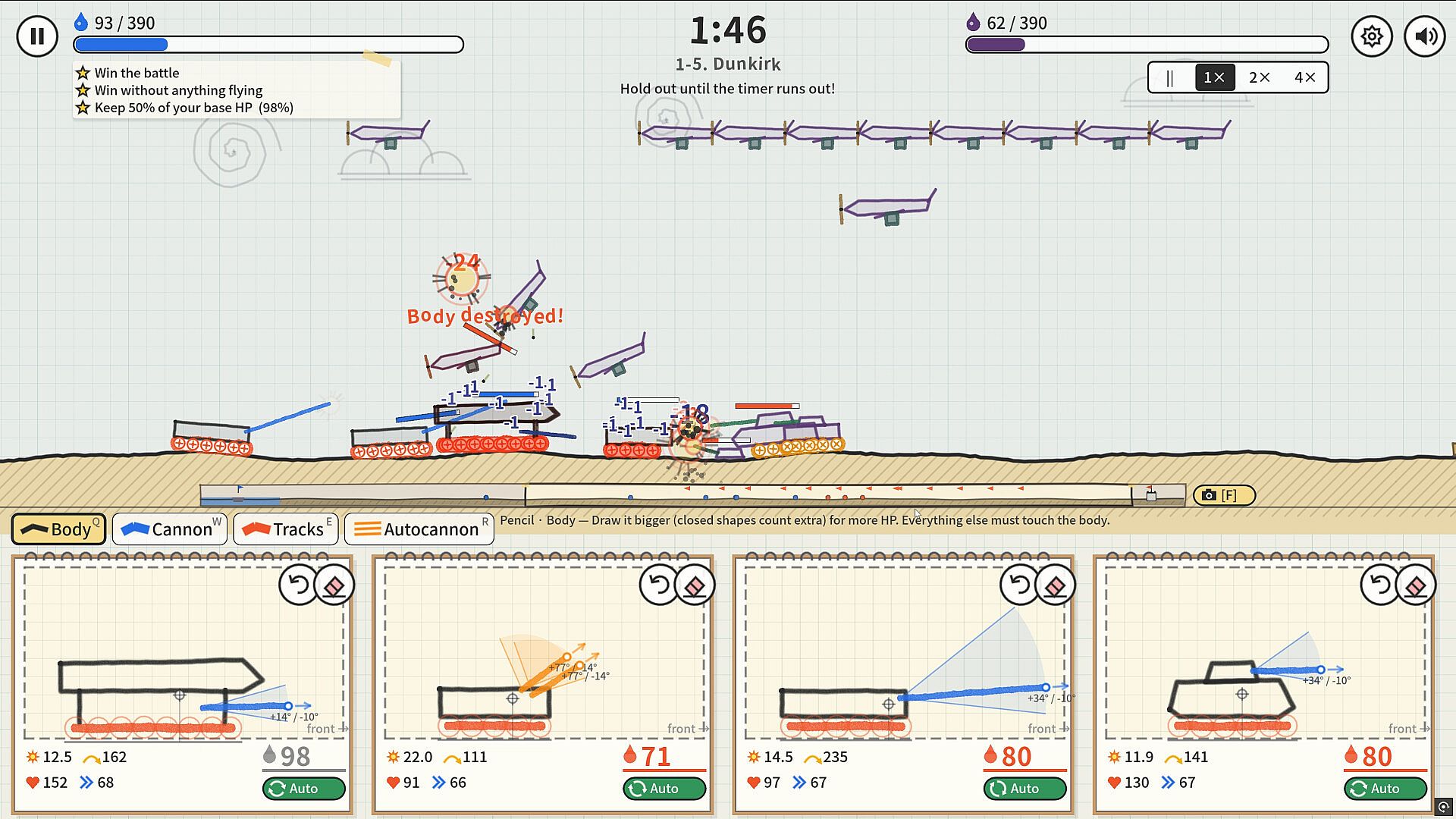
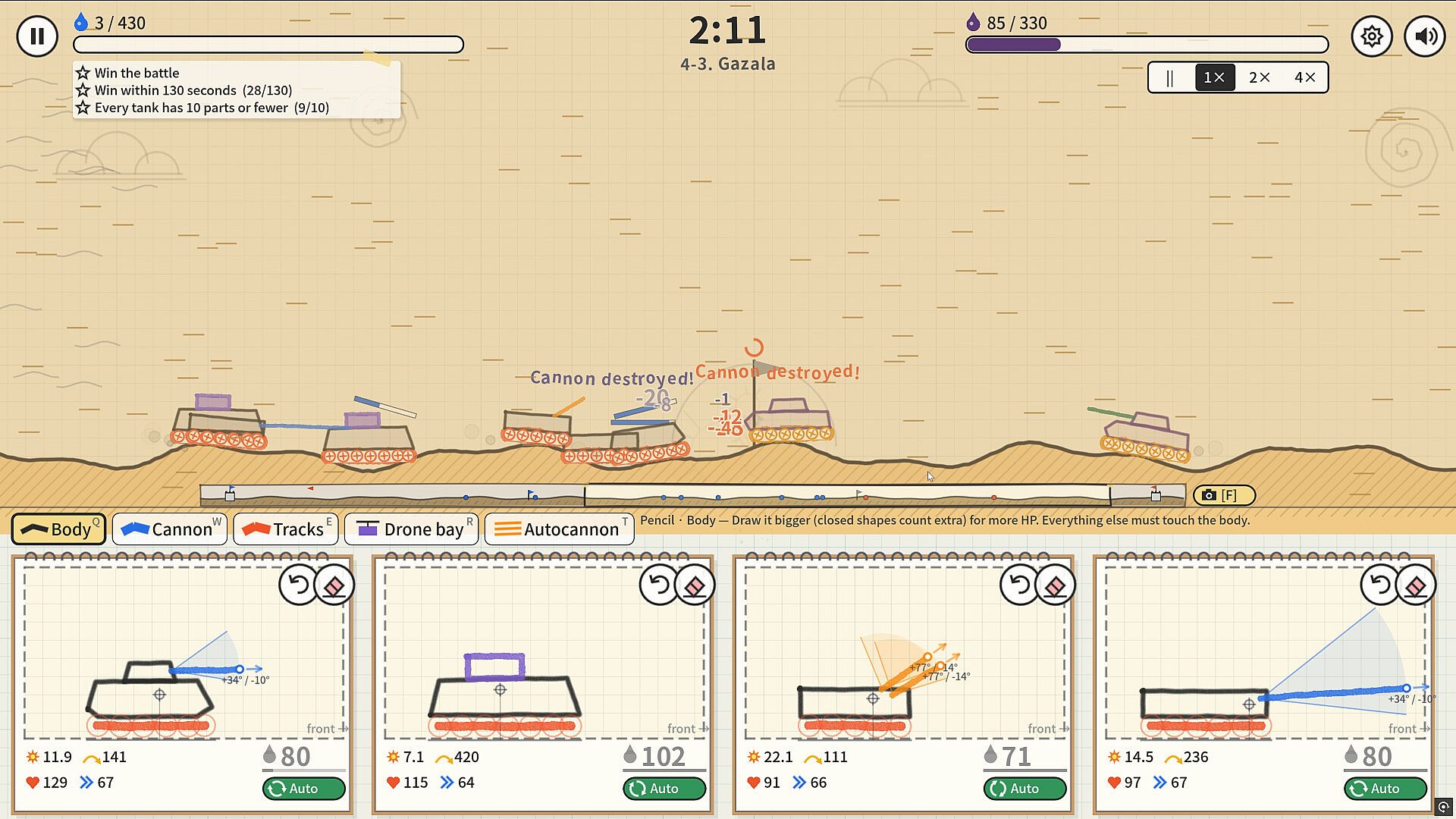
Units begin as simple sketches. A player draws a hull, then adds tracks for ground movement, propellers or balloons for flight, or other elements to change how the creation travels. Once deployed, the doodle rolls, flies, or sails across scrolling battlefields toward the opposing base. Every part connects physically to the hull, so damage removes components one by one. Wheels or armor plates that lose contact simply fall away, altering the unit's behavior mid-fight.
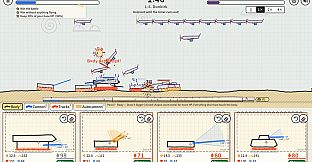
Combat follows strict rules of line of sight and material strength. A cannon cannot fire through its own body, so turret placement determines firing arcs. Armor protects only the side it covers, and weaker projectiles bounce harmlessly while stronger ones penetrate. Bombs strike from above and mines from below, forcing players to consider three-dimensional threats. Physics governs stability: a long barrel on short tracks can tip the entire creation over, while heavy builds sink in mud or collapse fragile bridges.
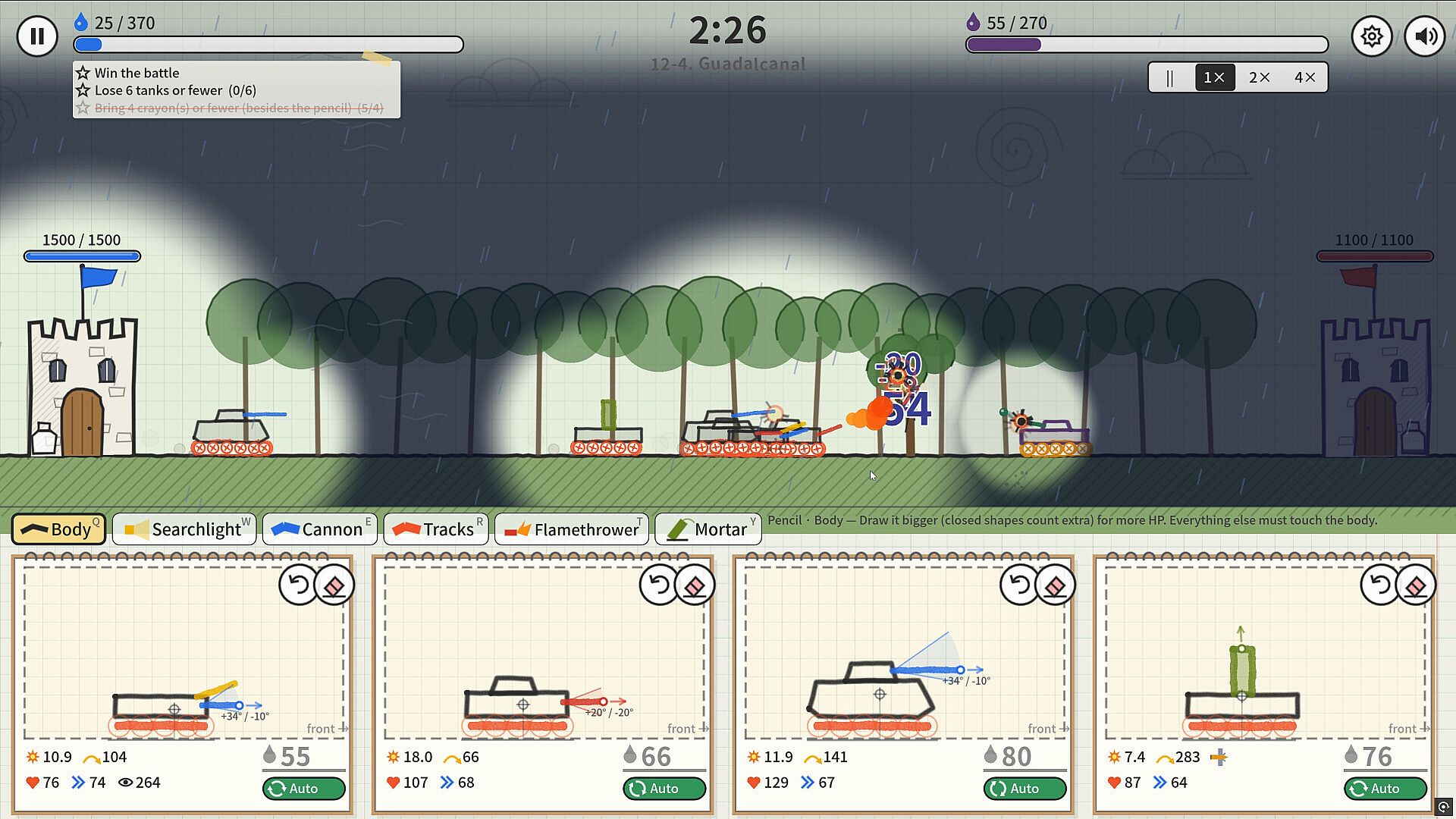
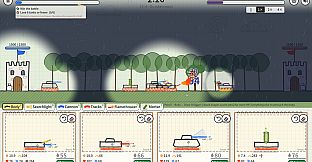
Environmental factors further complicate each engagement. Night battles limit visibility to searchlight beams, sandstorms obscure targets, and shifting winds affect airborne units. Minefields and rivers demand specific adaptations, such as adding flotation or clearing paths. These variables turn straightforward tank designs into liabilities and reward inventive solutions instead.
Game Modes
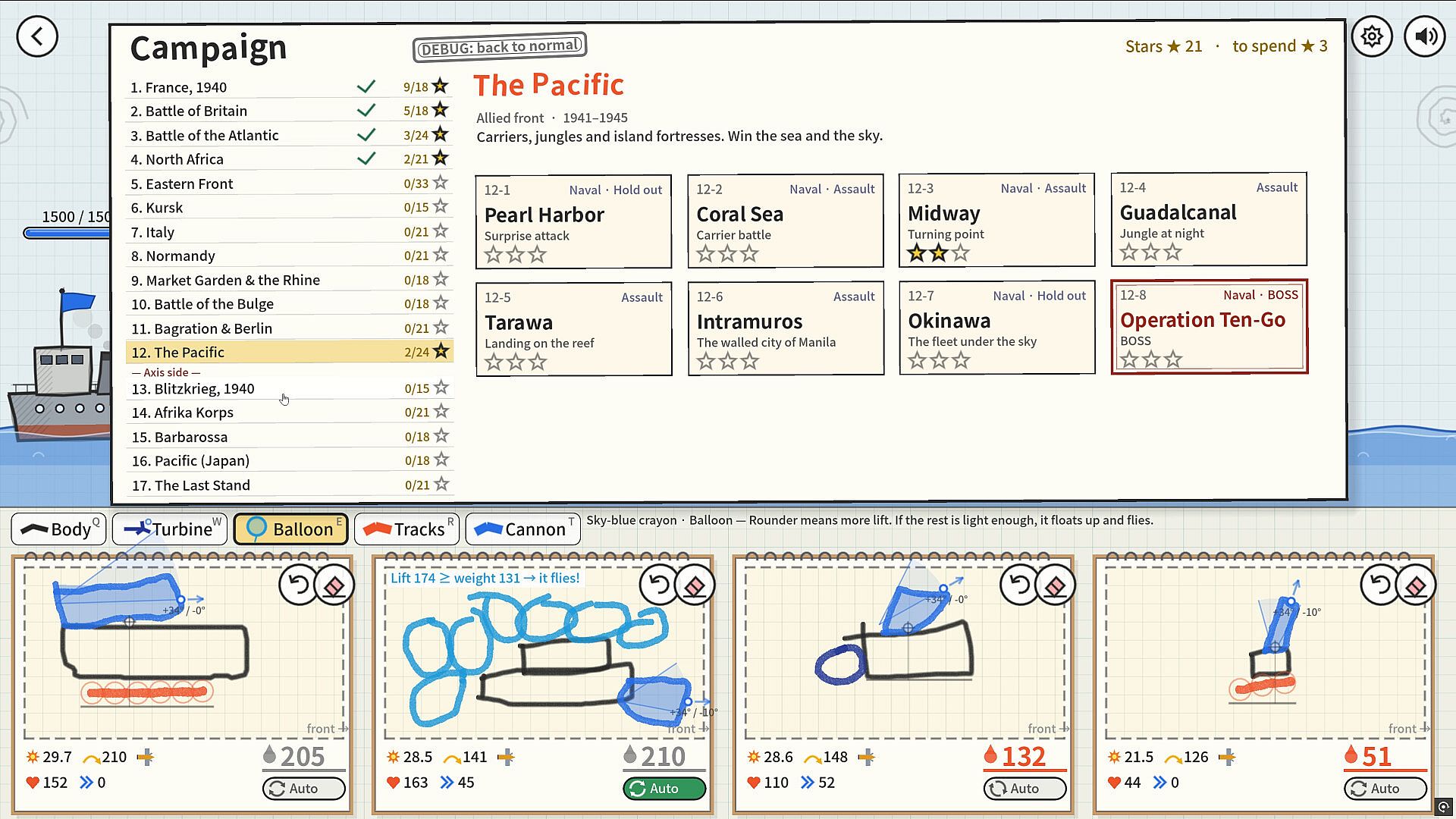
The primary experience unfolds across 17 fronts that together contain 108 individual battlefields. Each front follows a historical progression through locations such as the Meuse bridges, Dunkirk beaches, Stalingrad, Omaha Beach, Guadalcanal, and Leyte Gulf. Later fronts reverse the perspective, placing the player in command of opposing forces. Every battlefield includes three stars to earn, with additional challenges that restrict options such as forbidding cannons or limiting designs to air units only.
Forward posts, moving headquarters, convoys, and beach landings add variety within the lane structure. Wide scrolling maps allow units to maneuver around obstacles or intercept secondary objectives. A blueprint system lets players save and share successful designs through codes, encouraging experimentation across repeated attempts at the same battlefield.
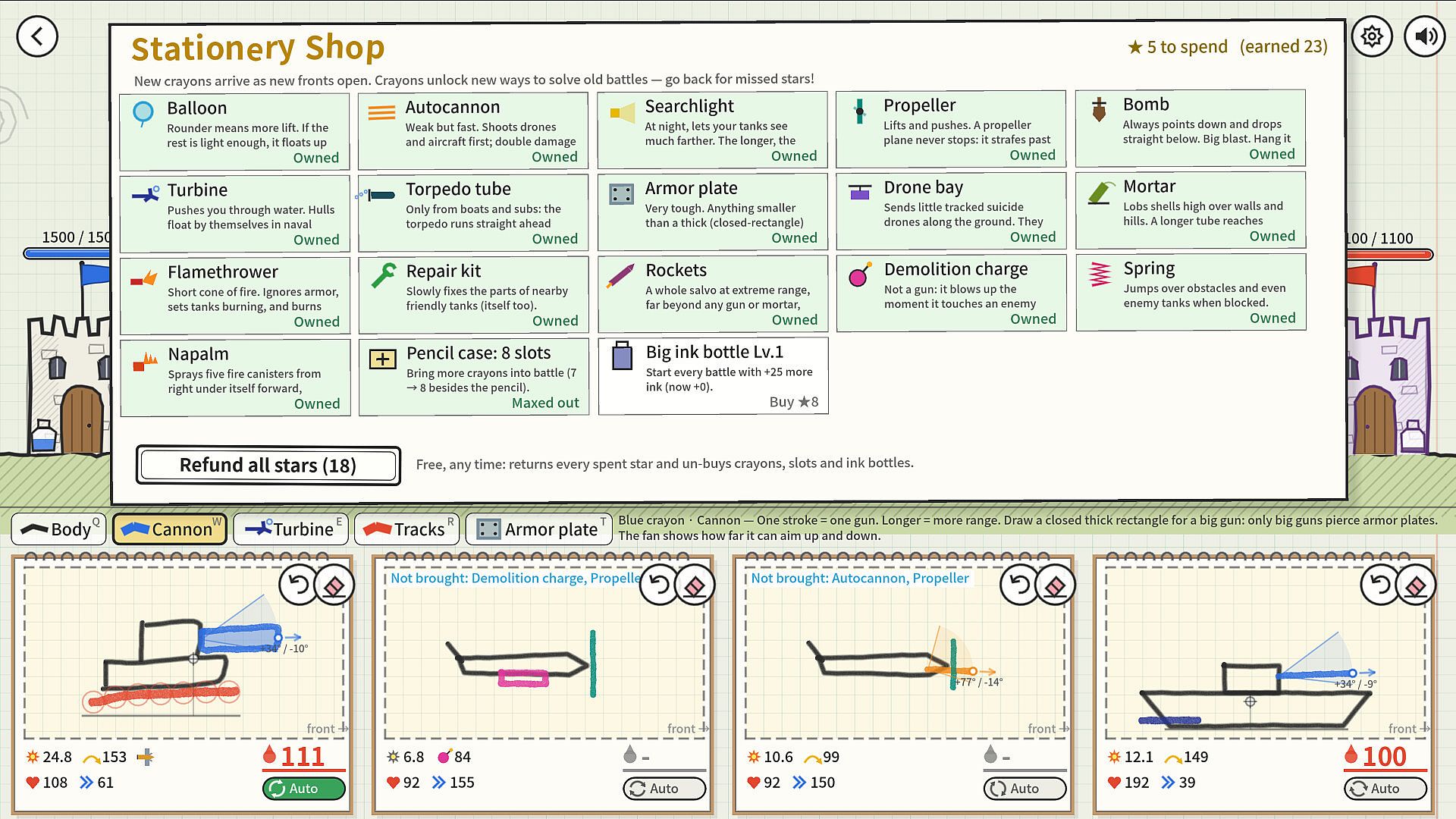
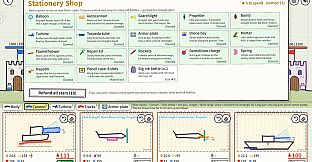
Support features appear gradually. Hints, example designs, and an optional easy mode become available after repeated failures, without forcing their use on successful runs. The stationery shop converts earned stars into new crayons that unlock additional weapon types and tools for future battles.
Weapons and Customization
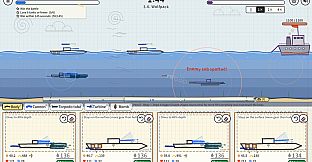
Eighteen crayons provide the building blocks for every unit. Available options include cannons, vulcan guns, mortars, rockets, flamethrowers, bombs, torpedoes, springs, searchlights, repair kits, ground drones, and demolition charges. Each new crayon expands the range of possible counters to specific threats or terrain problems.
Design constraints encourage creativity. A barrel cannot aim through its own hull, so height and positioning matter. Multiple propellers or balloons can lift heavy loads into the air, while insufficient support causes tipping or slow movement. Parts degrade individually, turning a once-stable vehicle into a collection of drifting fragments under sustained fire.
Legendary Encounters
Each front concludes with a confrontation against a well-known historical machine. These include the airship Hindenburg, the battleship Bismarck, Tiger 131, the Gustav railway gun, the King Tiger, the Maus, and the Yamato. Many of these encounters impose restrictions such as winning without a cannon, pushing players toward alternative strategies built around speed, armor placement, or specialized payloads.
Is It Worth Playing?
Doodle Steel suits players who enjoy combining creative drawing with tactical problem-solving in a single-player campaign. The emphasis on physics, part-by-part destruction, and environmental adaptation creates a consistent loop of trial, adjustment, and improvement across its many battlefields. Star challenges and front-specific rules keep later stages fresh without requiring external progression systems. Those who appreciate methodical design sessions followed by watching their creations perform under pressure will find repeated value in refining blueprints and tackling the same maps with new approaches. The game remains a focused PC strategy title centered on its core drawing and combat mechanics.












