





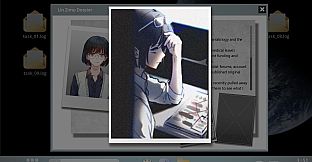
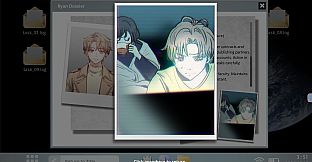
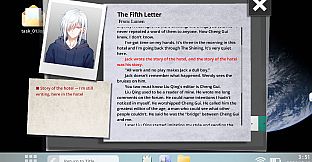
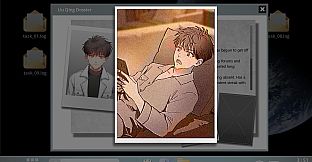
Dear Reader is an indie psychological horror visual novel that blends elements of RPG and simulation through its focus on narrative construction and mental unraveling. Players step into the role of an observer piecing together a story told entirely through letters and written fragments, where the act of reading itself becomes part of the unfolding crisis.
Gameplay
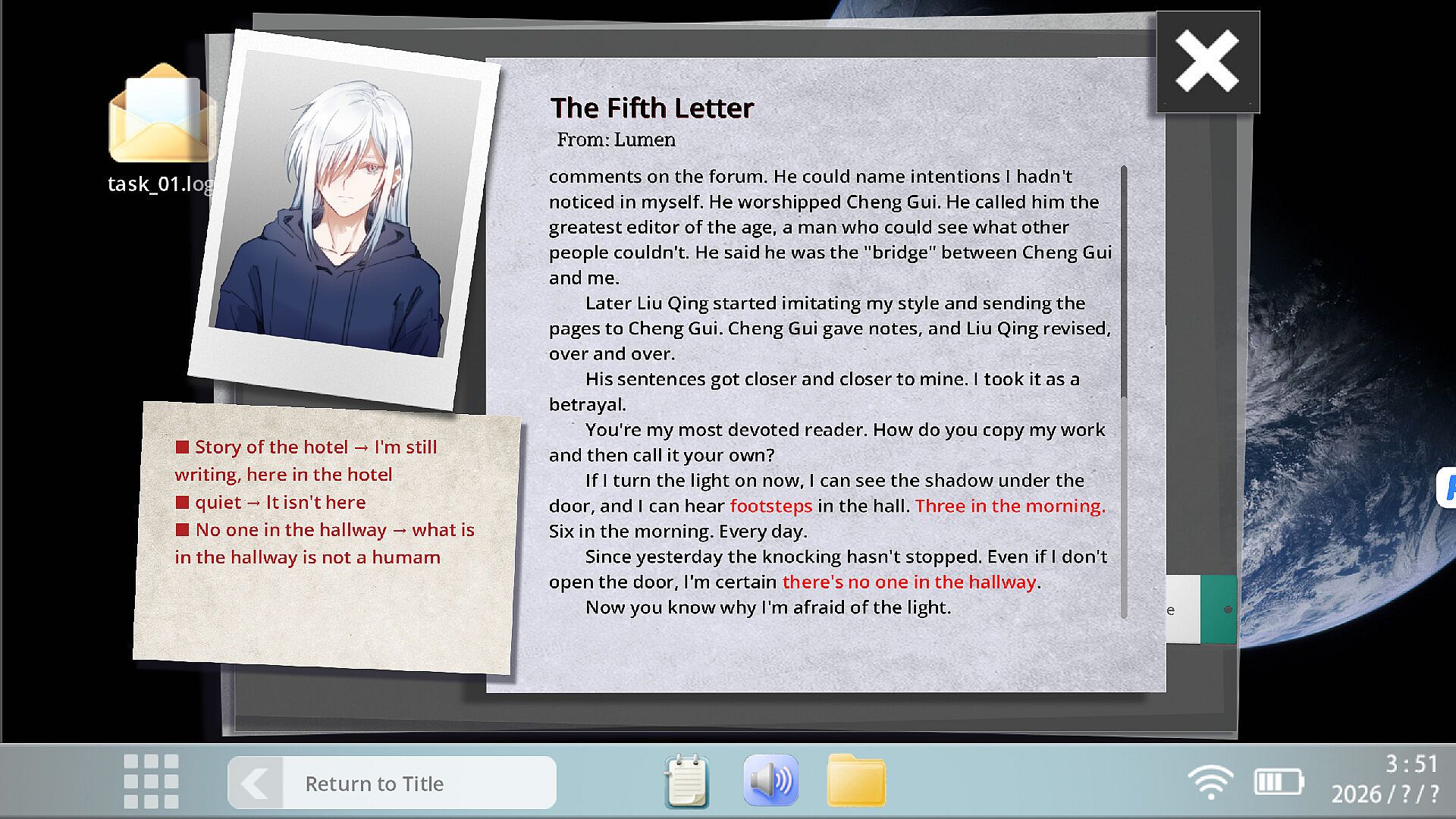
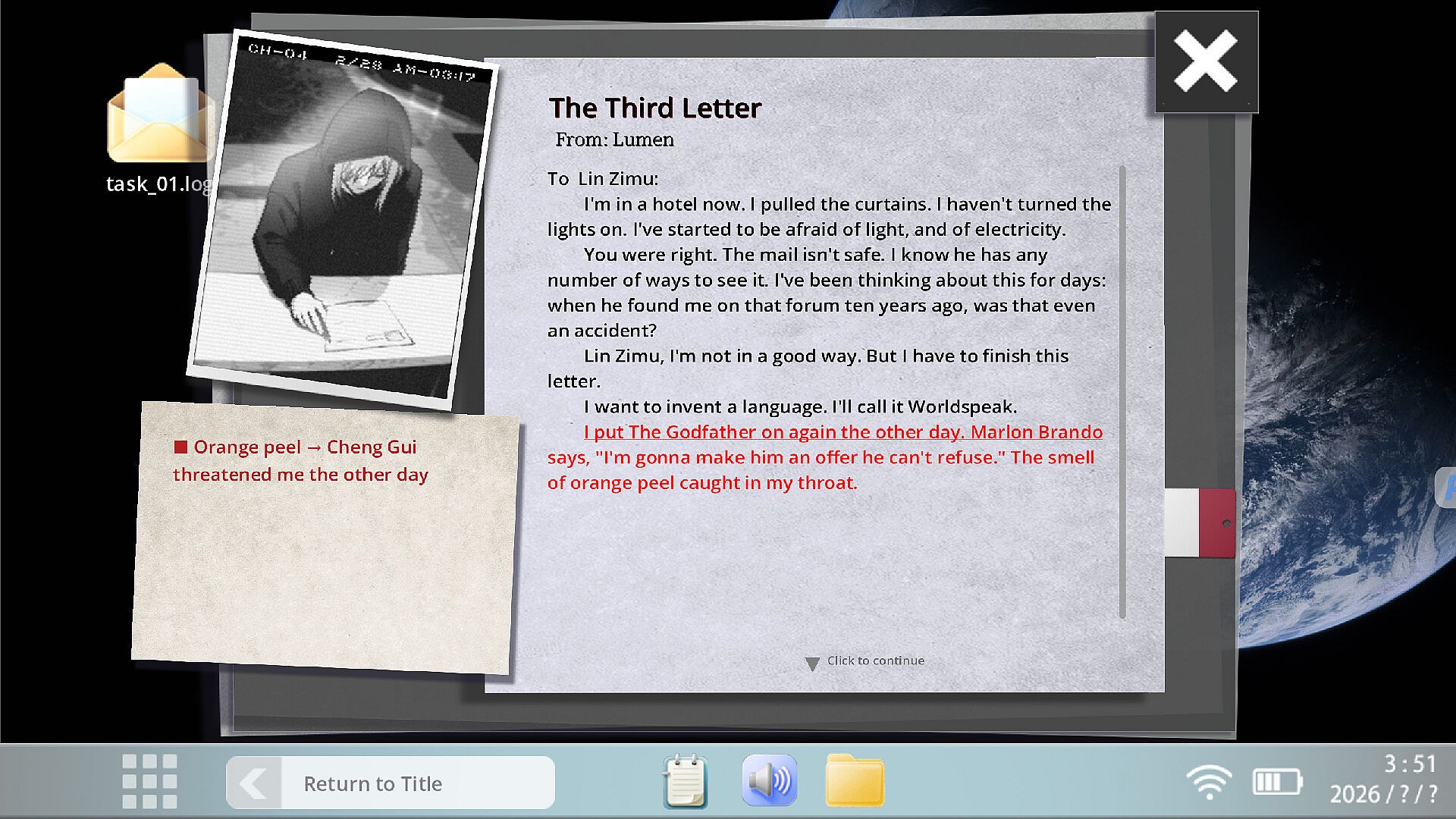
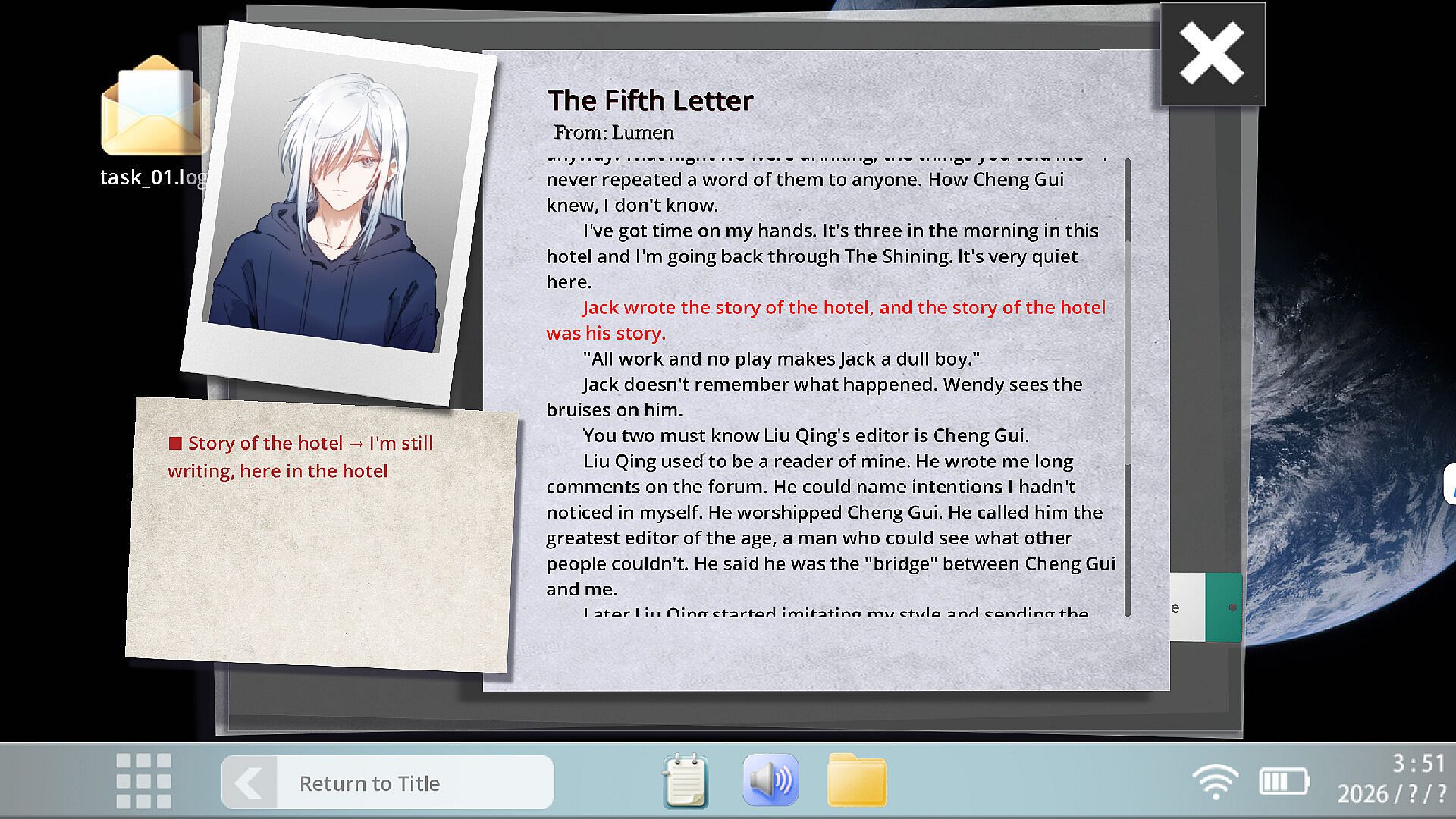
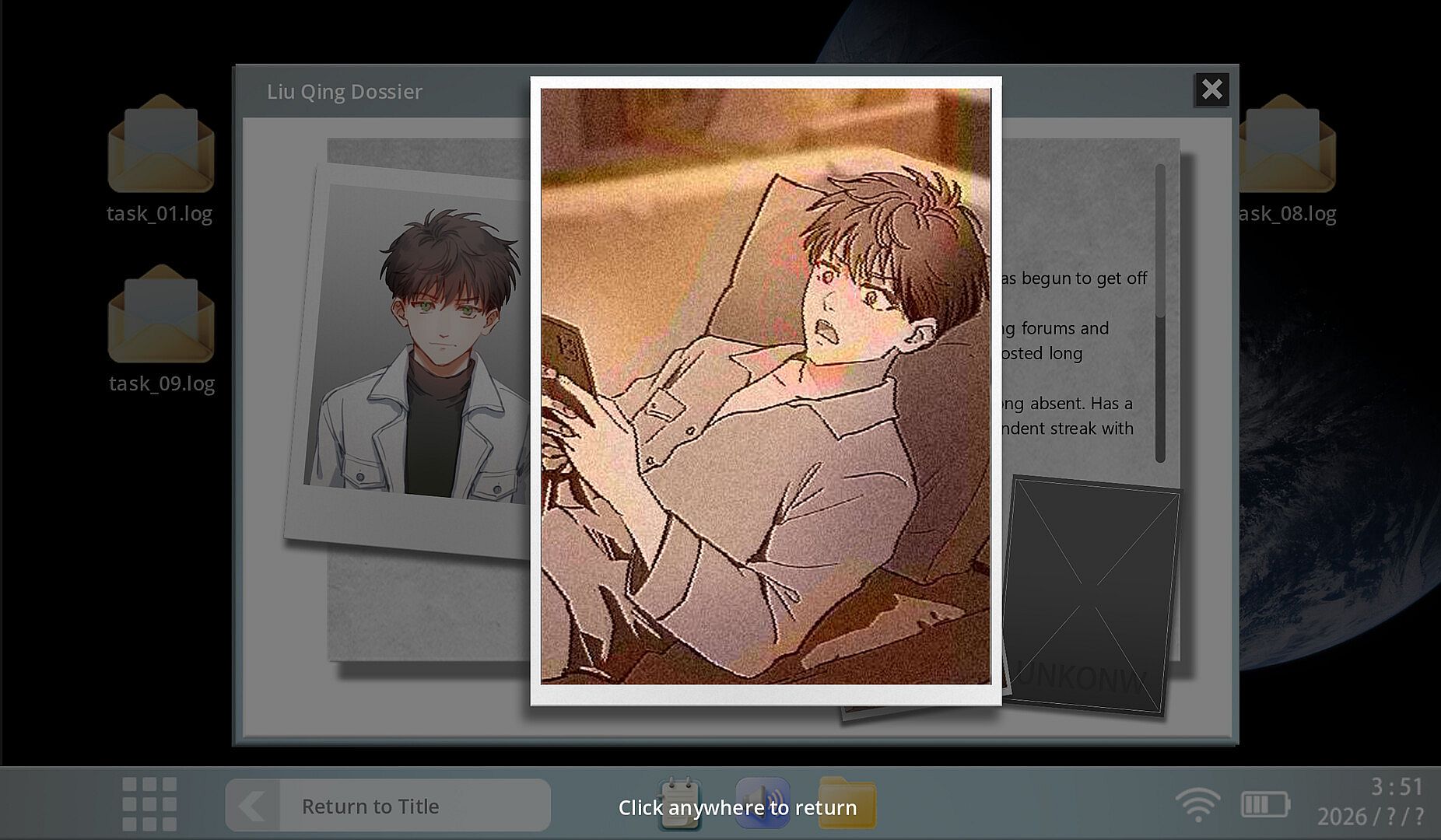
The core loop centers on epistolary storytelling, with the narrative assembled from scattered letters that reveal a writer's gradual loss of control over his own words. A protagonist named Lumen notices his writing turning unfamiliar, leading to a slow erosion of his mental state. The player engages by examining these documents closely, identifying inconsistencies that point to external interference from an editor reshaping the text under the pretense of improvement.
Interaction revolves around a custom decryption system called Worldspeak. Certain passages contain words or phrases that carry hidden meanings accessible only to specific characters among the four protagonists. Players click on terms that feel off or layered, uncovering layers of truth hidden between the lines. This mechanic ties directly into the simulation of narrative contamination, where each discovery alters the context of prior passages and shifts the player's understanding of events.
The experience emphasizes psychological tension built through helplessness and subtle change rather than overt threats. Language serves as the primary antagonist, with unease stemming from the dread of being altered by what is read. No combat or resource management appears; progress comes from careful observation and interpretation of the written material.
Game Modes
Dear Reader operates as a single-player experience without separate named modes or multiplayer components. The entire game unfolds as one continuous narrative journey focused on reading and decryption. Players advance by turning pages and engaging with the interactive text elements, with the story's structure encouraging repeated examination of earlier sections as new revelations emerge.
The decryption process forms the central activity, integrated seamlessly into the letter fragments. This creates a loop of discovery where clicking suspect words reveals additional context or alters prior interpretations. The design supports a deliberate pace, allowing time to absorb the implications of each change in the narrative fabric.
Narrative and Themes
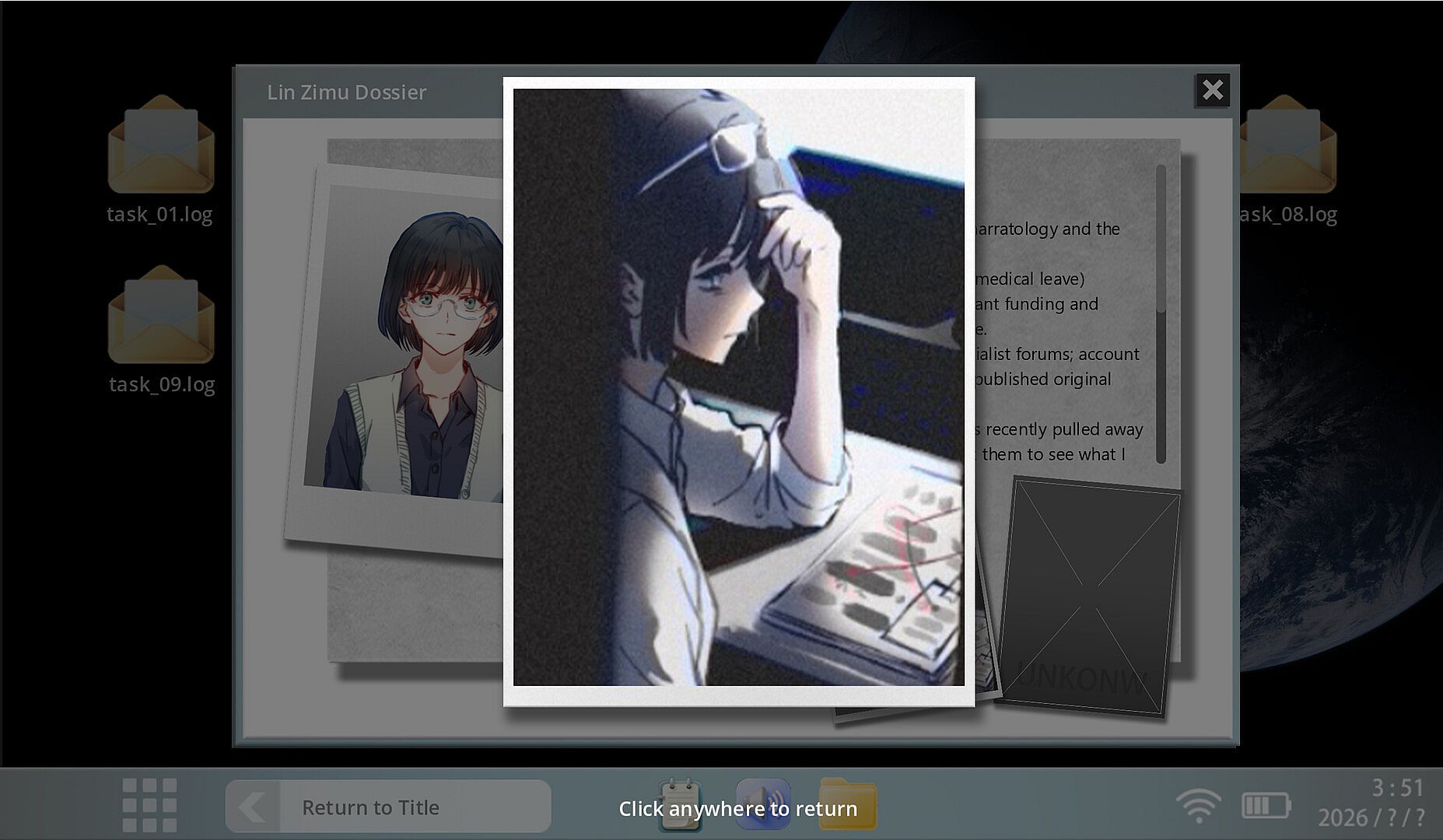
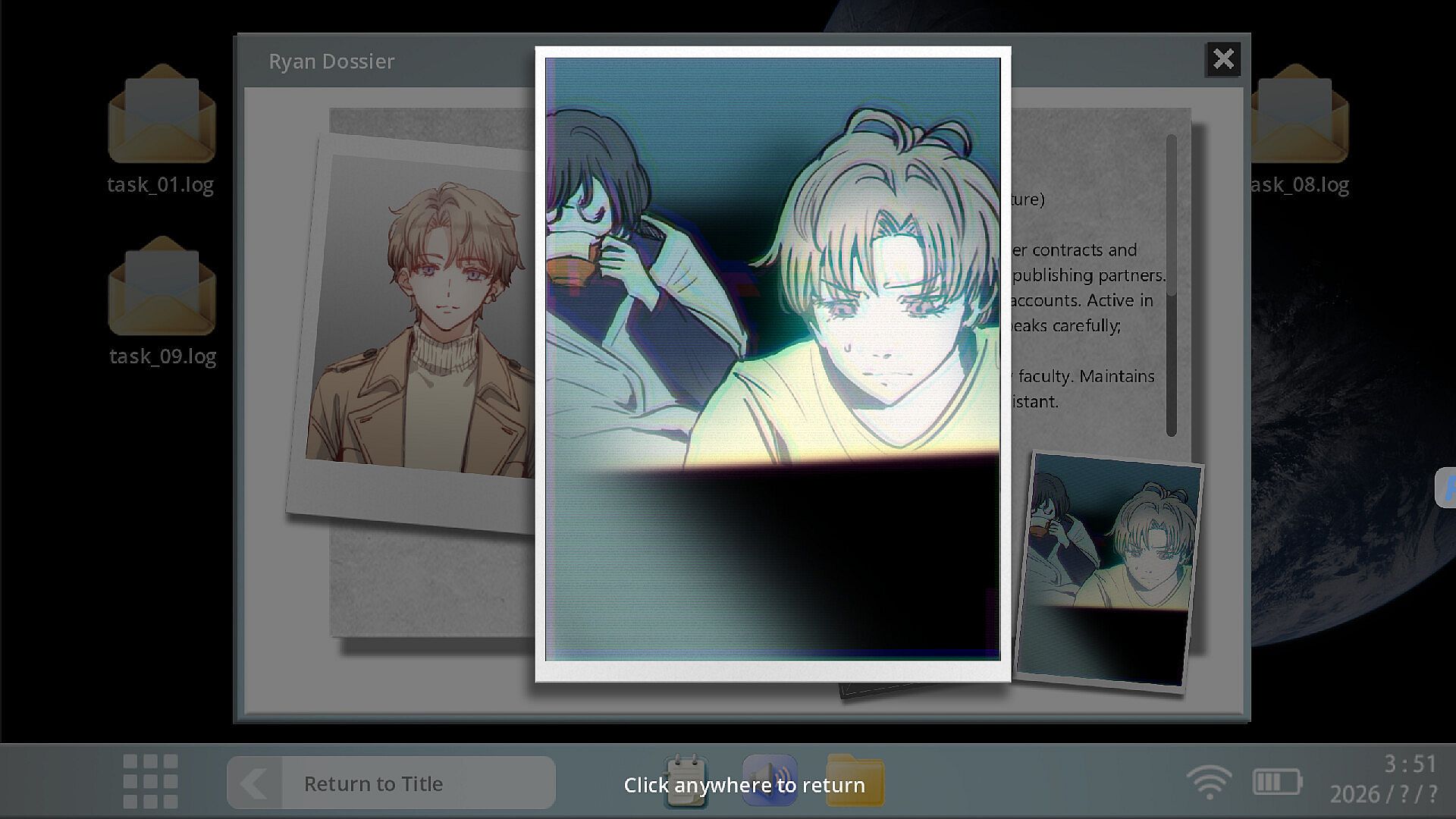
The story functions as a dark fable aimed at creators and readers alike. It explores how language can betray its author and how external forces might reshape creative work into something unrecognizable. Four protagonists provide different lenses on the events, with vital details concealed in metaphors, aliases, and the Worldspeak cipher that only they can fully access.
Every passage carries the potential to recontextualize everything that came before it. This retroactive alteration mirrors the mental contamination at the heart of the plot, making the act of reading an active participant in the horror. The tone remains grounded in quiet dread, avoiding graphic content in favor of an atmosphere that builds through implication and shifting perspectives.
Is It Worth Playing?
Dear Reader targets players who appreciate slow-building psychological horror delivered through visual novel mechanics and interactive text. Its emphasis on language as both tool and threat offers a distinctive angle within the indie space, particularly for those drawn to stories about creativity, editing, and the power of words.
The game remains in development with a planned release in April 2027 and a free demo expected beforehand. Without released versions or player feedback available yet, its appeal rests on the described systems of epistolary fragments and Worldspeak decryption. Those who enjoy narrative-driven titles that reward close attention to text and subtle shifts in meaning will find the core concept aligned with their interests. The absence of gore or jump scares further narrows it to audiences comfortable with unease derived purely from psychological and linguistic elements.












