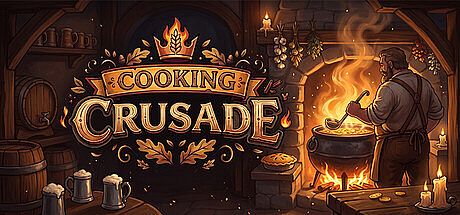



Cooking Crusade is a casual simulation game focused on time management and tavern operations in a medieval setting. Players handle food preparation and service for a line of demanding customers while expanding their kitchen over time.
Gameplay
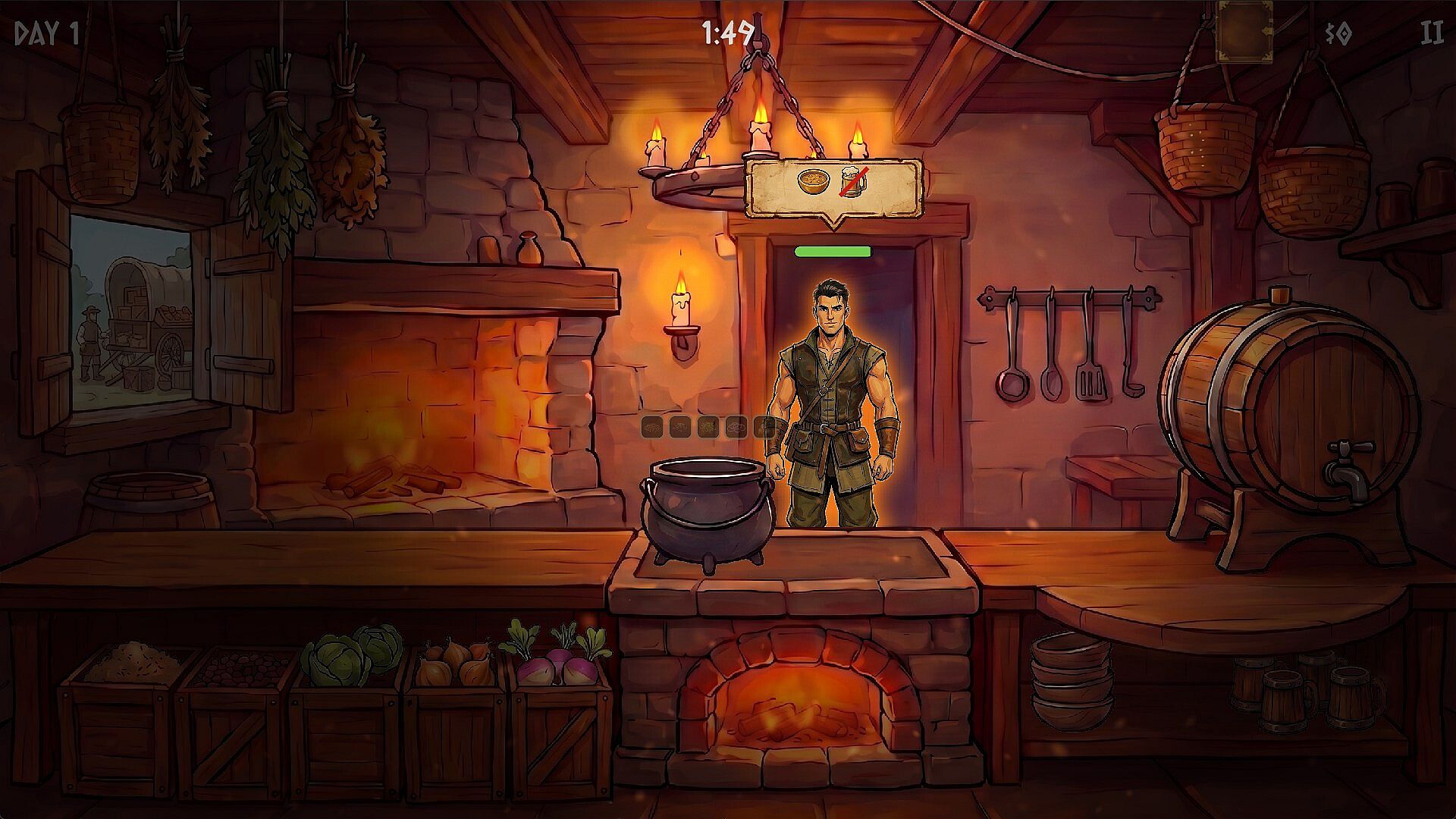
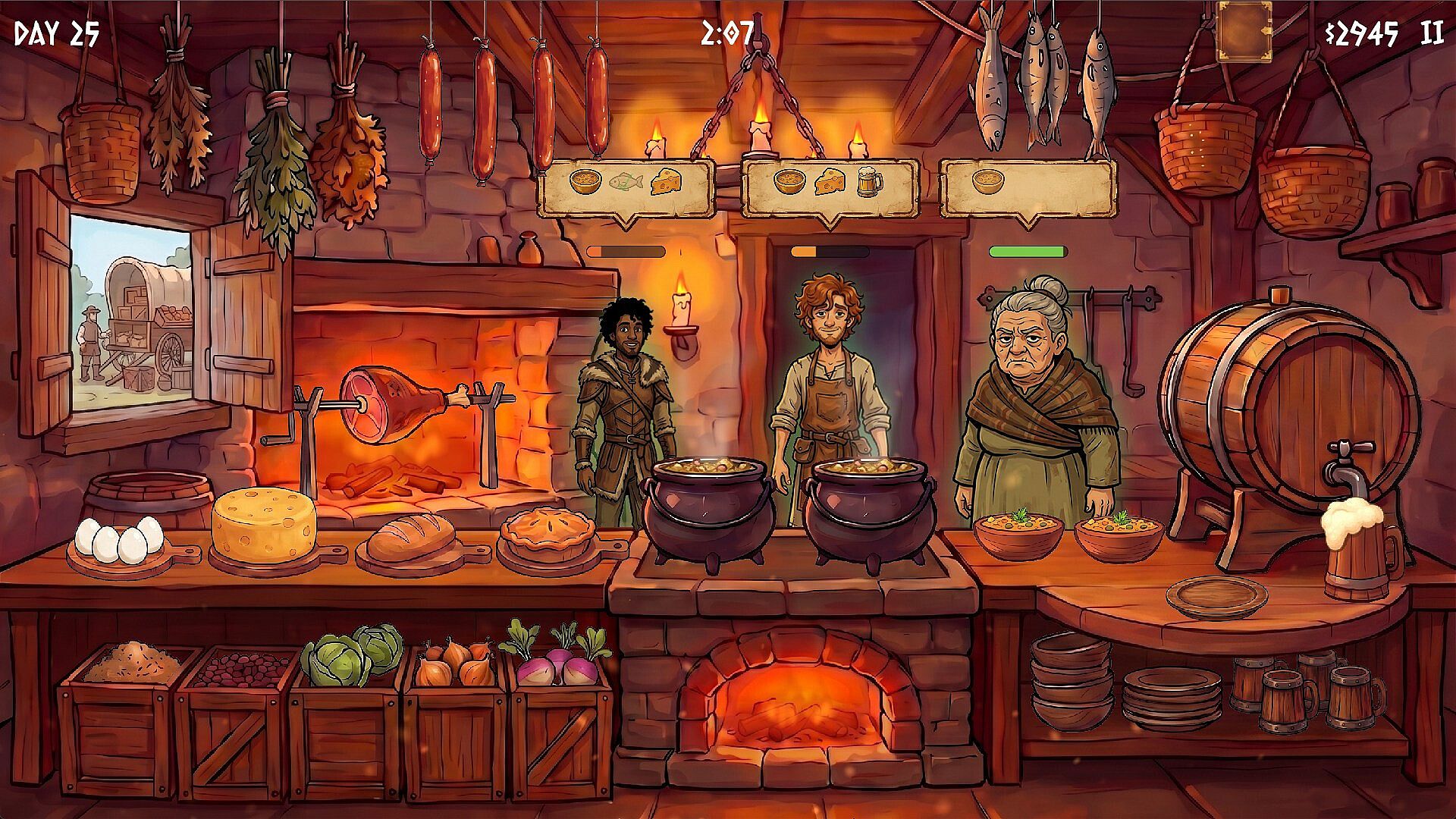
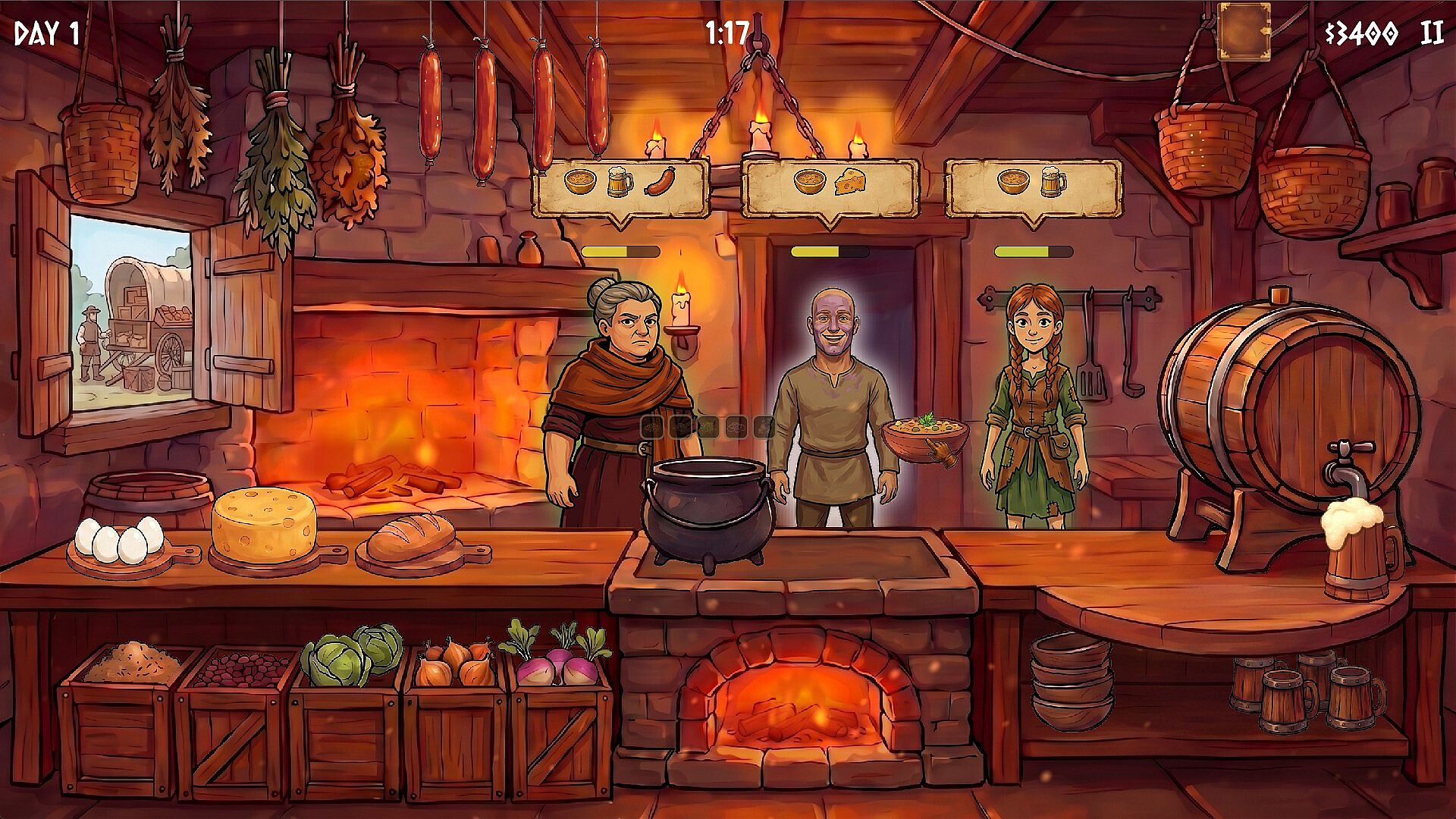
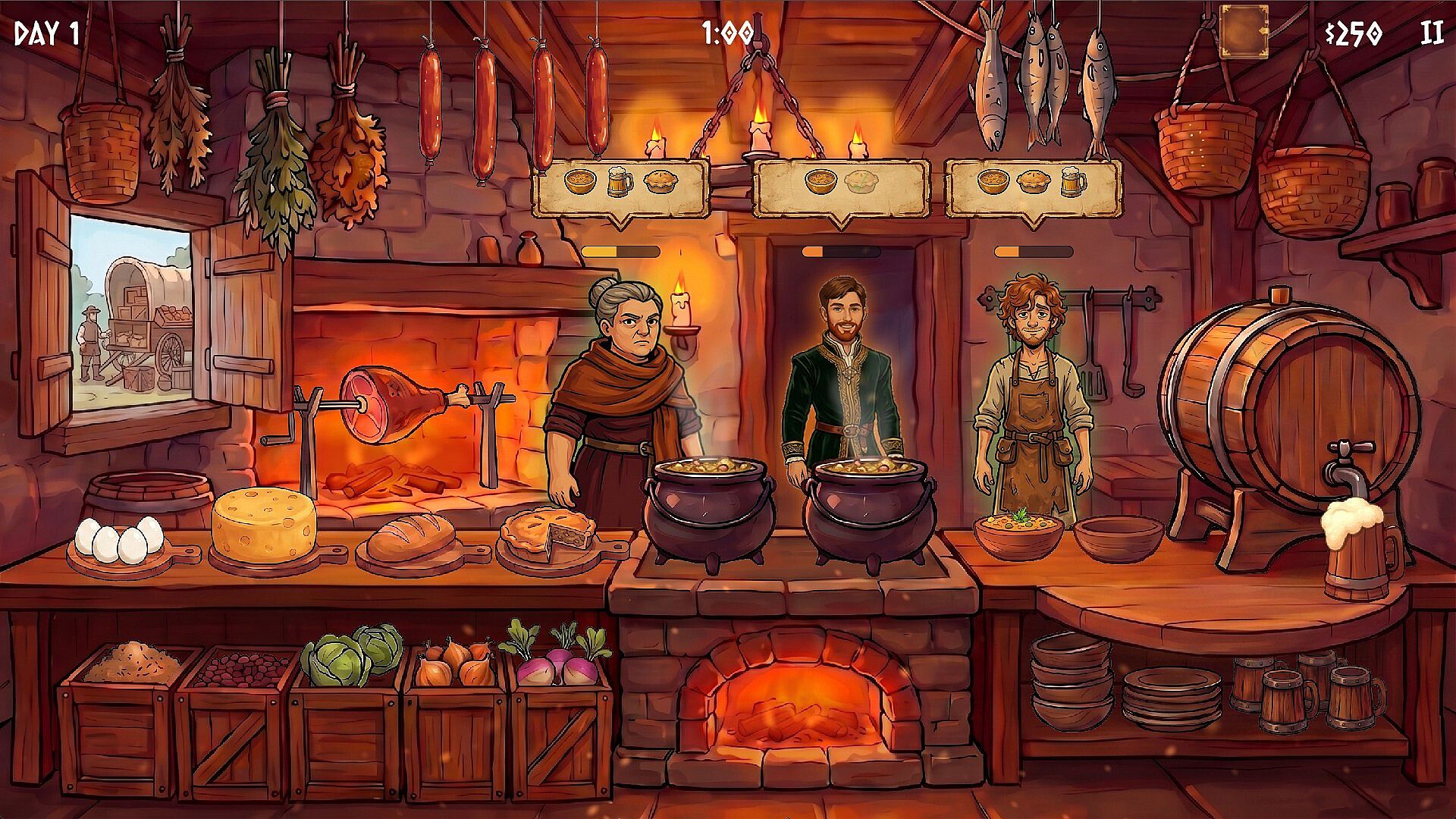
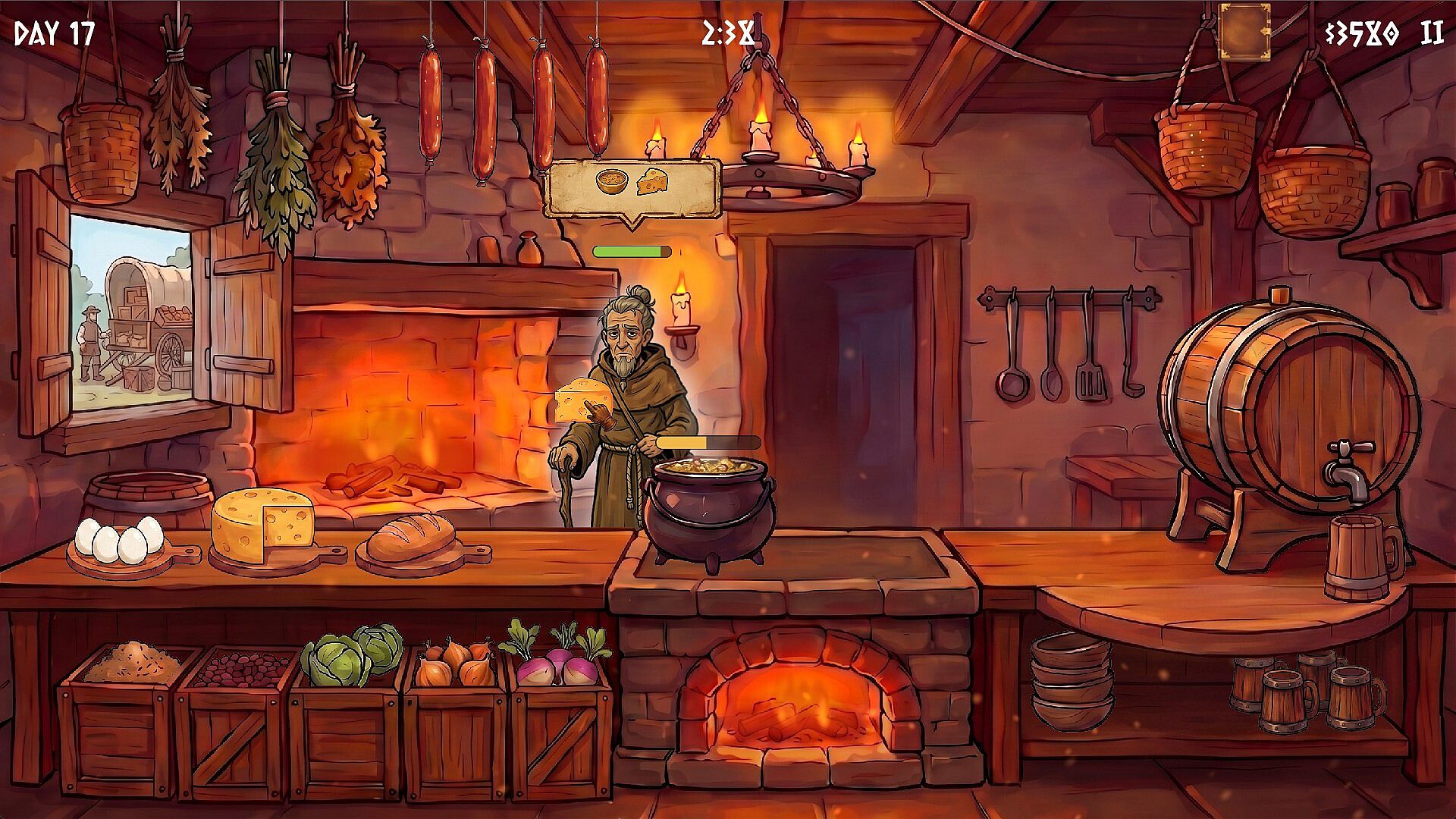
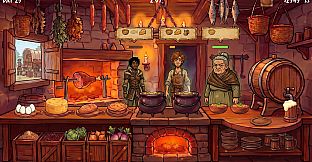
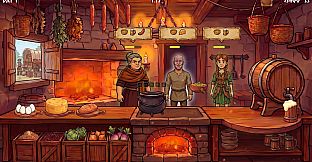
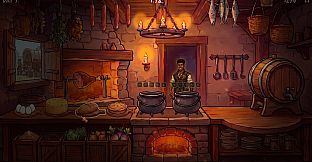
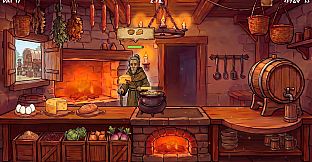
The core loop centers on preparing meals from available ingredients in the cellar. Basic pottage starts with items such as grain, beans, cabbage, onion, and turnip tossed into a cauldron. The mixture cooks while the player watches the timer and serves portions before guests grow impatient. Additional tasks include pouring ale from a barrel, slicing pies, cheese, and dried fish, and roasting meat over an open fire. Orders grow more complex as the menu expands, requiring faster decisions and multitasking.
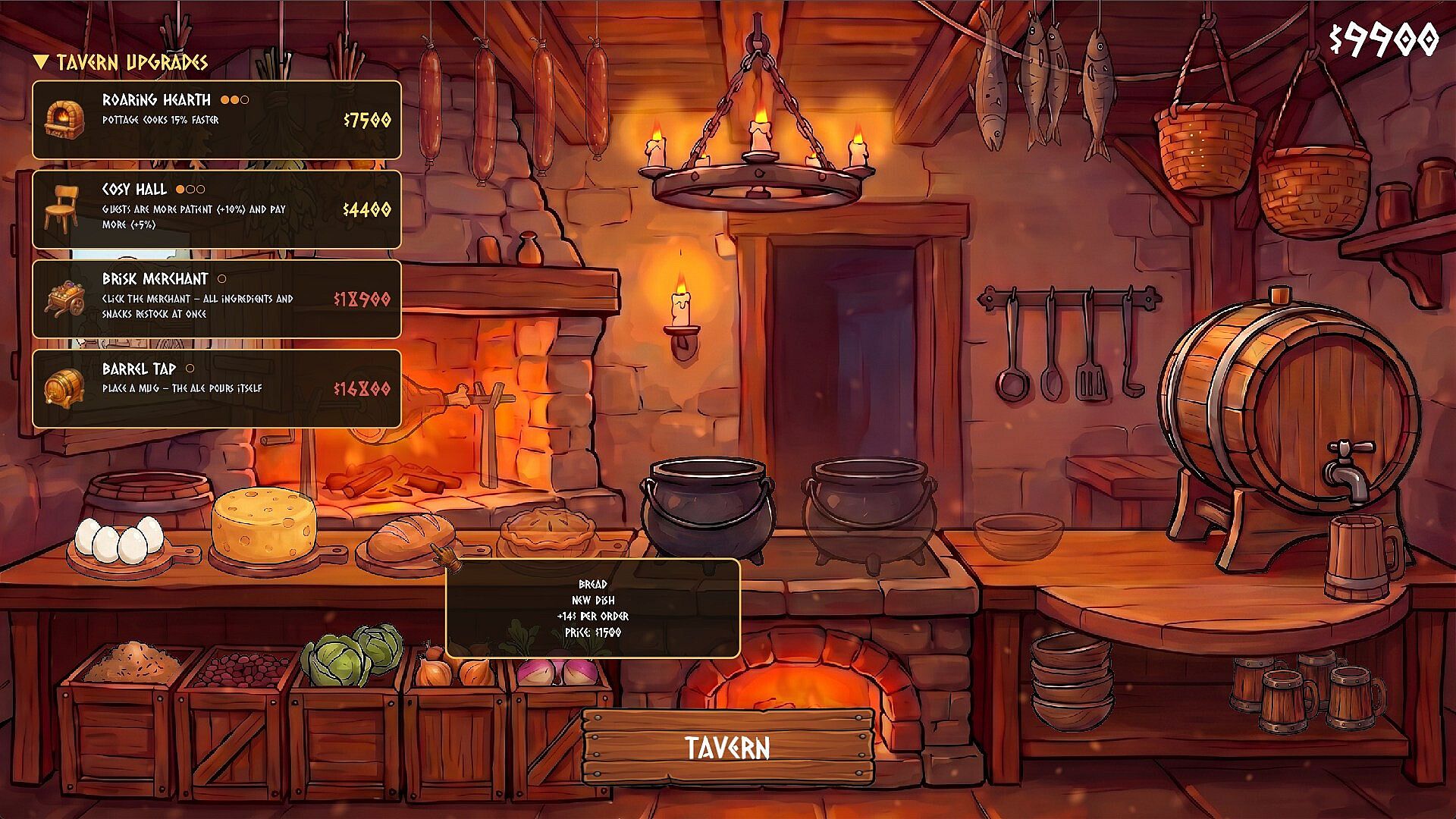
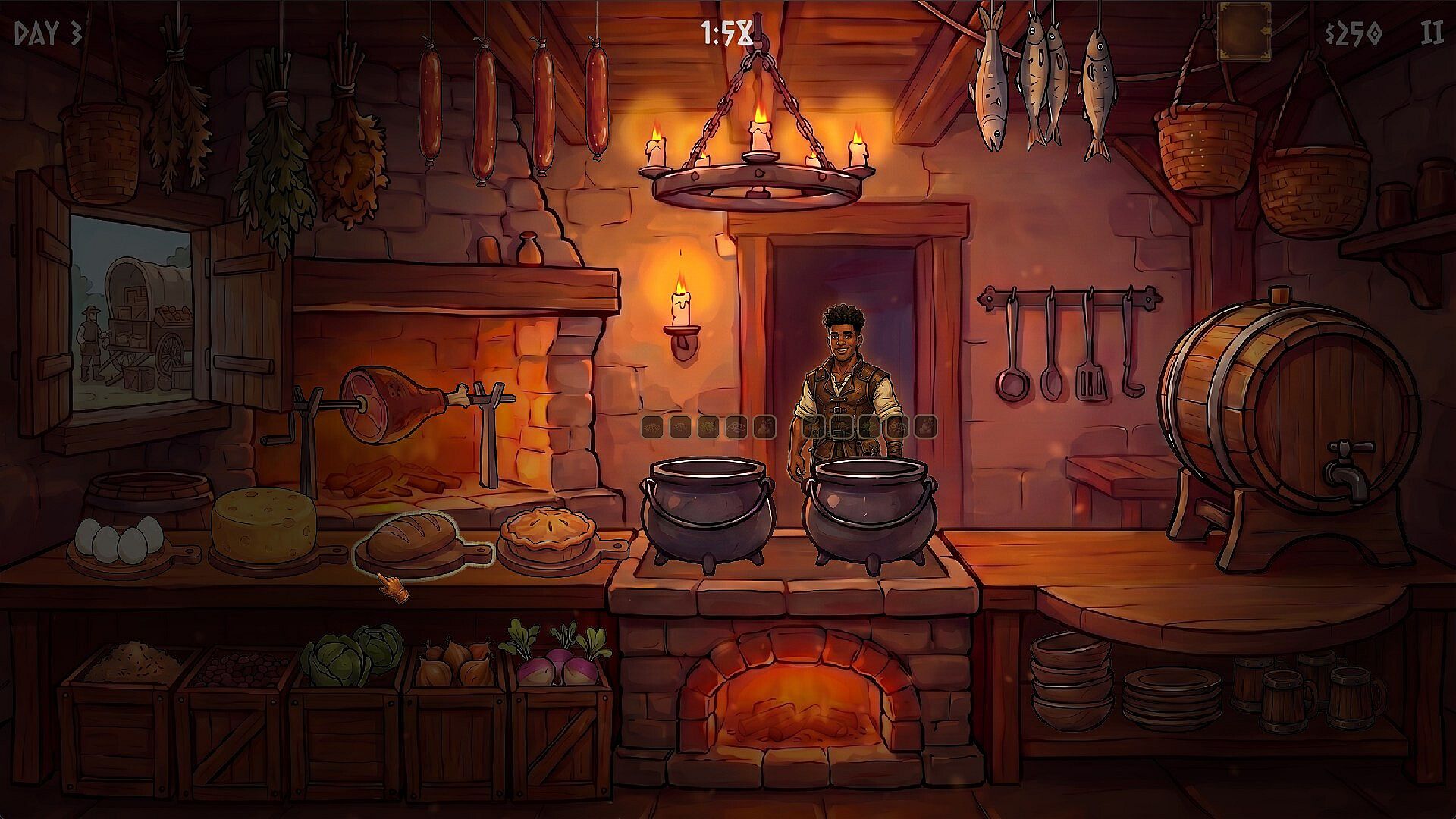
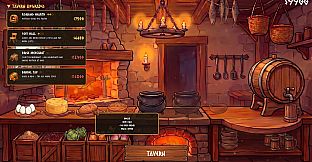
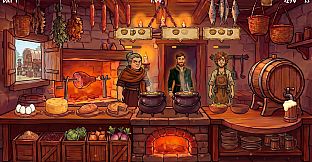
Upgrades come from earnings spent on tavern improvements. These include adding a second cauldron for parallel cooking, installing a tap on the ale barrel, hiring a merchant for faster stocking, and installing self-stocking shelves. The kitchen layout changes noticeably with each purchase, shifting from a simple setup to a more efficient workspace. A dozen unique guests appear throughout play, each with distinct behaviors that disrupt normal service. Examples include one guest who enters from the ceiling, another who overpays and scatters coins, one who alters an order mid-delivery, and one who steals gold before leaving.
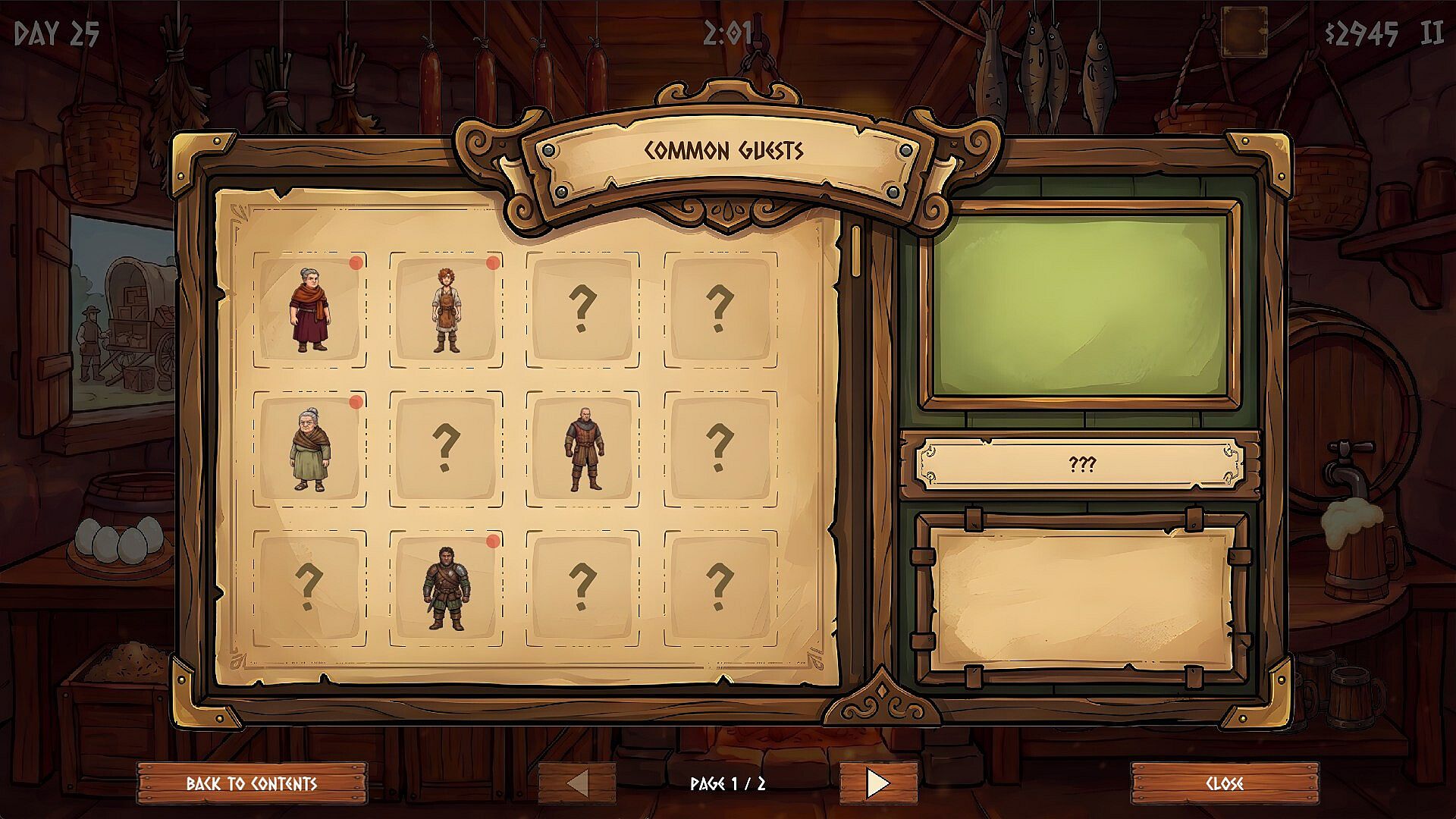
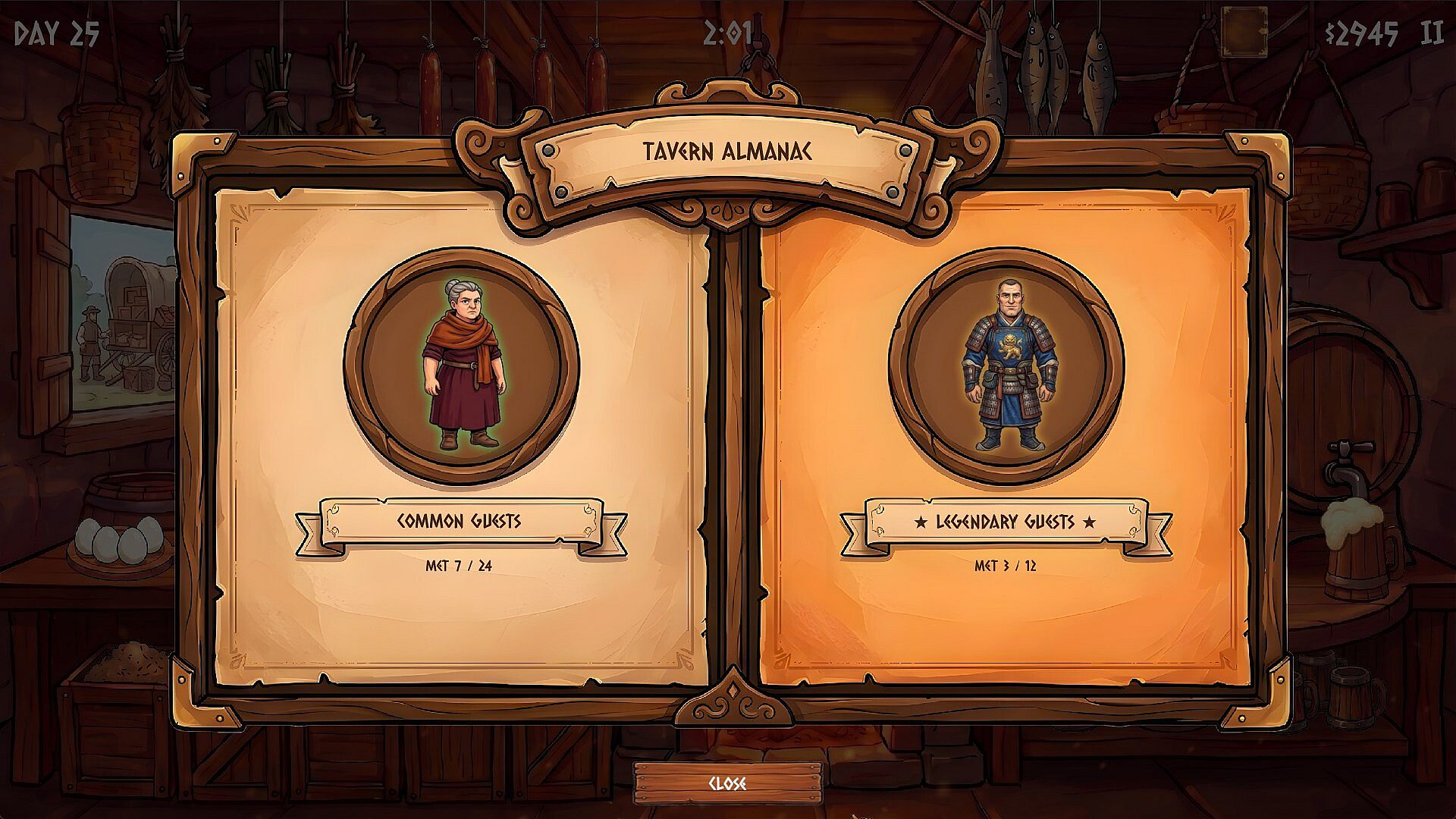
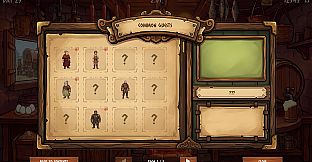
Progression involves filling a tavern almanac. Each new guest adds a dedicated page with a portrait and background details, ranging from ordinary laborers to well-known figures along the road. This collection system encourages repeated visits to unlock every entry.
Game Modes
The main experience follows a progression structure where players serve guests, collect earnings, and reinvest in upgrades while meeting the legendary regulars. This mode emphasizes steady kitchen growth and almanac completion over multiple sessions.
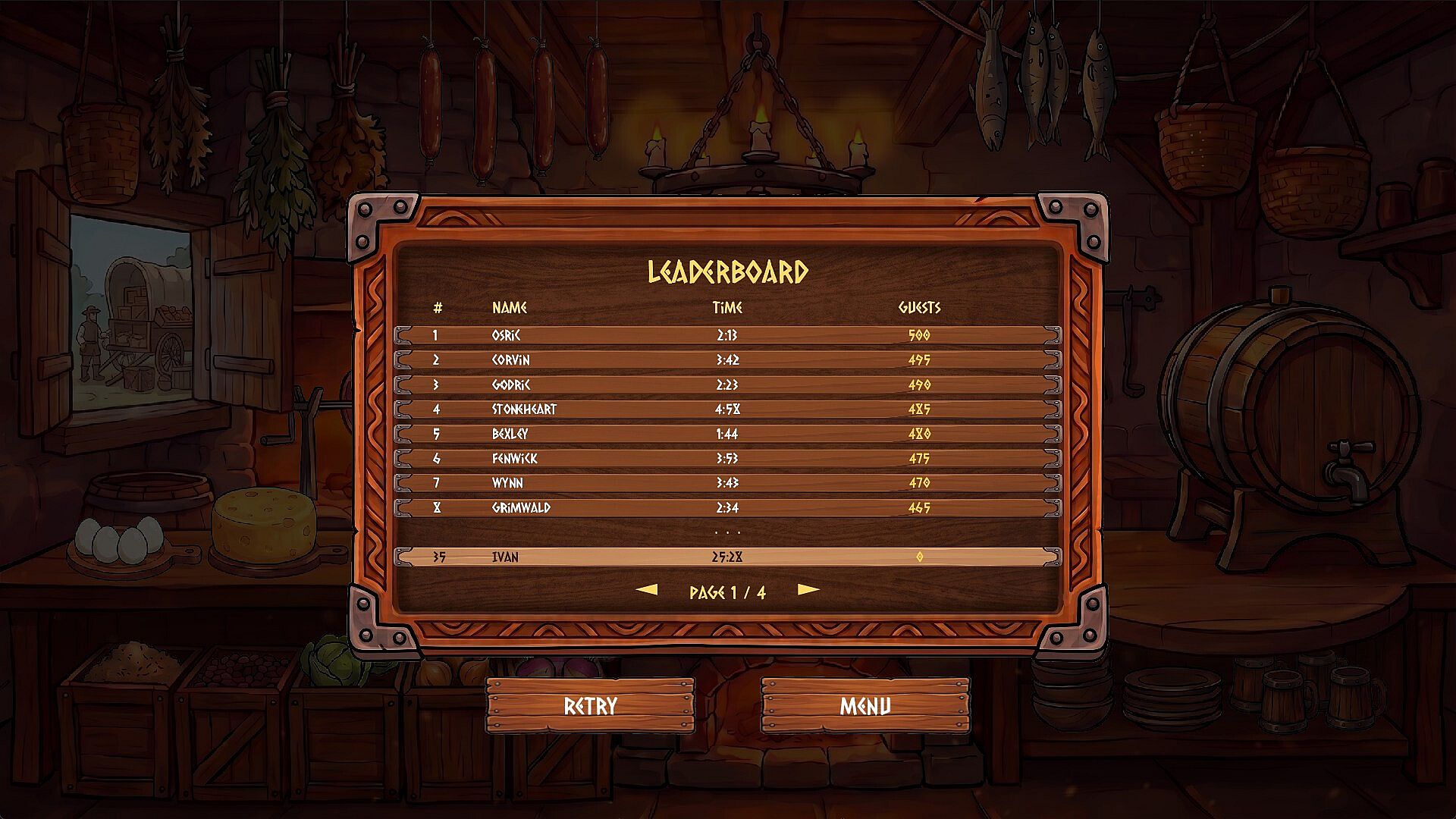
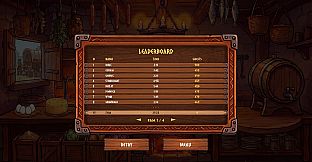
Arcade mode offers a separate challenge with three lives and an endless flow of customers. Patience meters decrease faster as the run continues. Players purchase perks between attempts and aim for high scores on the leaderboard. The two modes support different play styles, with the main mode favoring relaxed building and arcade mode focusing on survival and ranking.
Key Mechanics
Service requires balancing multiple stations at once. Cauldrons demand attention for cooking times, while slicing and roasting stations handle separate items. Guest quirks add variety without changing the fundamental time pressure. Inventory management stays simple through cellar stock and merchant upgrades that reduce manual restocking.
Single-player focus keeps all systems contained to one tavern. No multiplayer elements appear in the available details. Achievements track milestones such as guest unlocks and upgrade purchases, while cloud saves allow progress across sessions.
Is It Worth Playing?
Cooking Crusade suits players who enjoy time-management simulation games with a cooking theme. The combination of ingredient preparation, order fulfillment, and incremental upgrades creates a clear loop of improvement. Arcade mode adds replay value through leaderboards and perk purchases for those seeking higher difficulty.
The game remains in development with a planned release in the coming weeks. No player reviews or aggregated scores exist yet. Those interested in cosy tavern management and light progression systems will find the described mechanics align directly with that preference. Availability on PC includes standard features such as achievements and cloud support once launched.