













《Bubble Love》戀愛泡沫 is an indie RPG simulation title built around a single-player text-based romance experience on PC. Players take on the role of a central male character who juggles attention from multiple women at once, balancing in-person conversations with incoming phone messages while trying to maintain relationships without detection or fallout. The game emphasizes choice-driven dialogue, timed responses, and two key tracking systems that shape how each interaction unfolds and which endings become available.
Gameplay
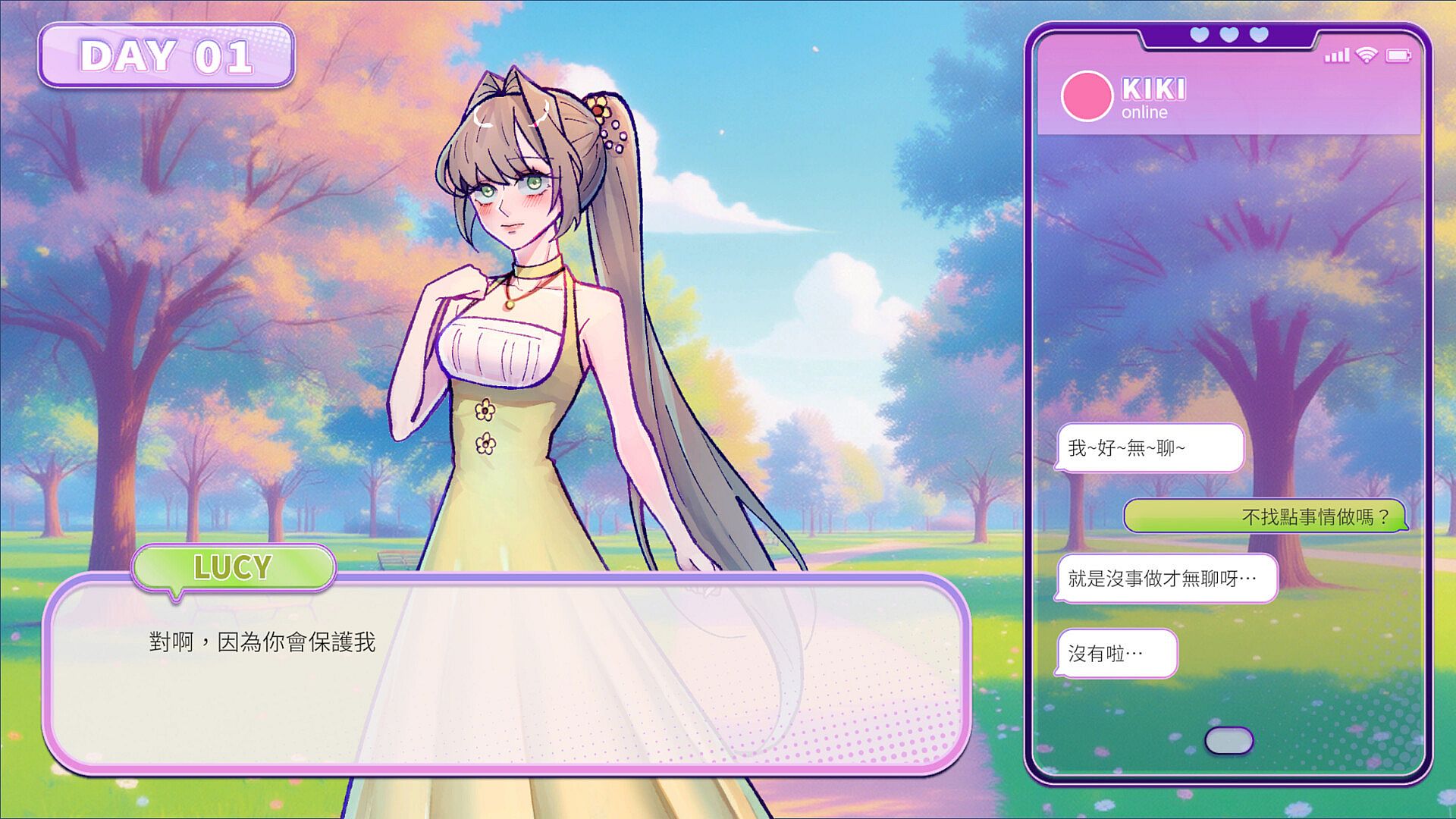
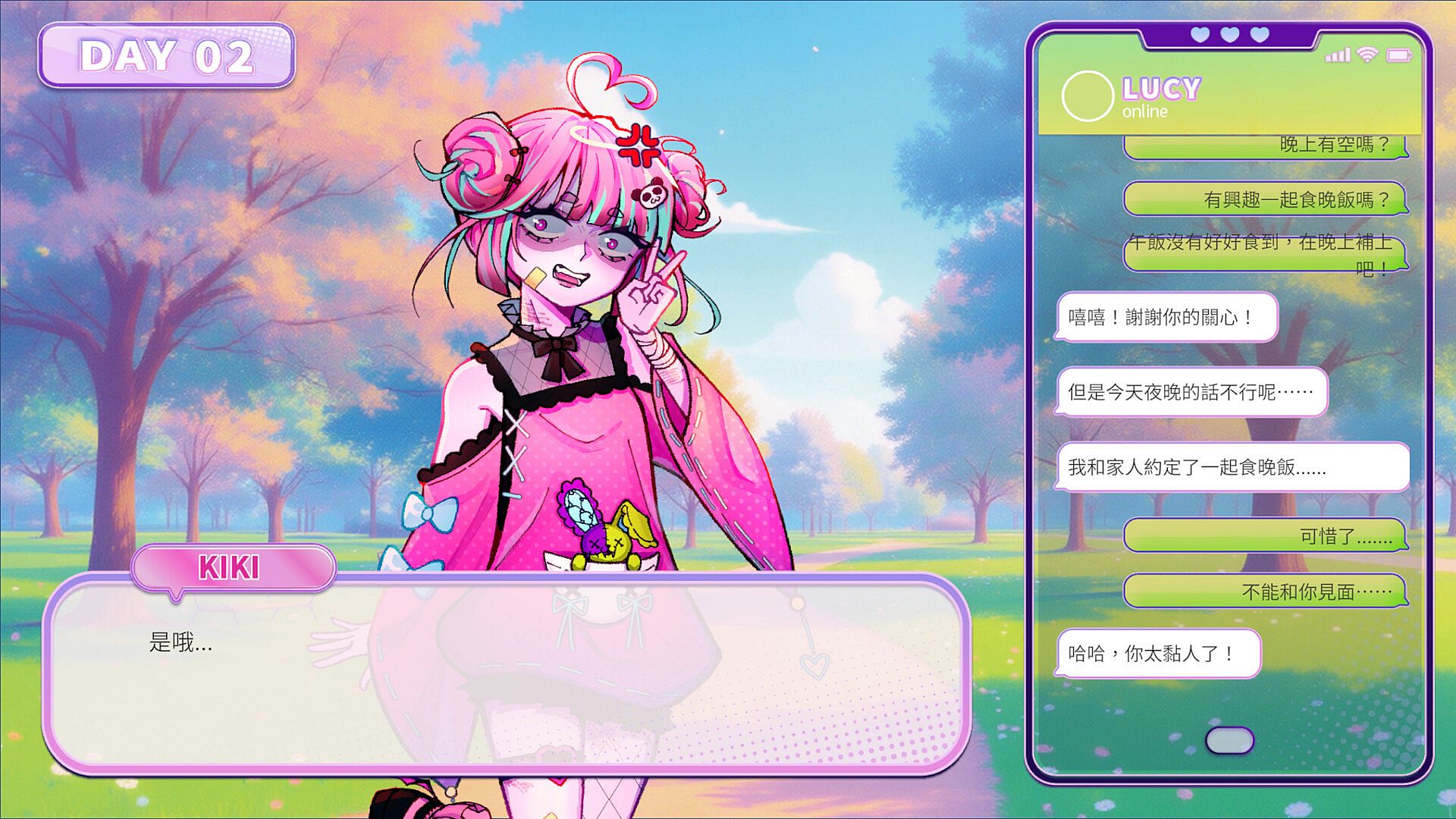
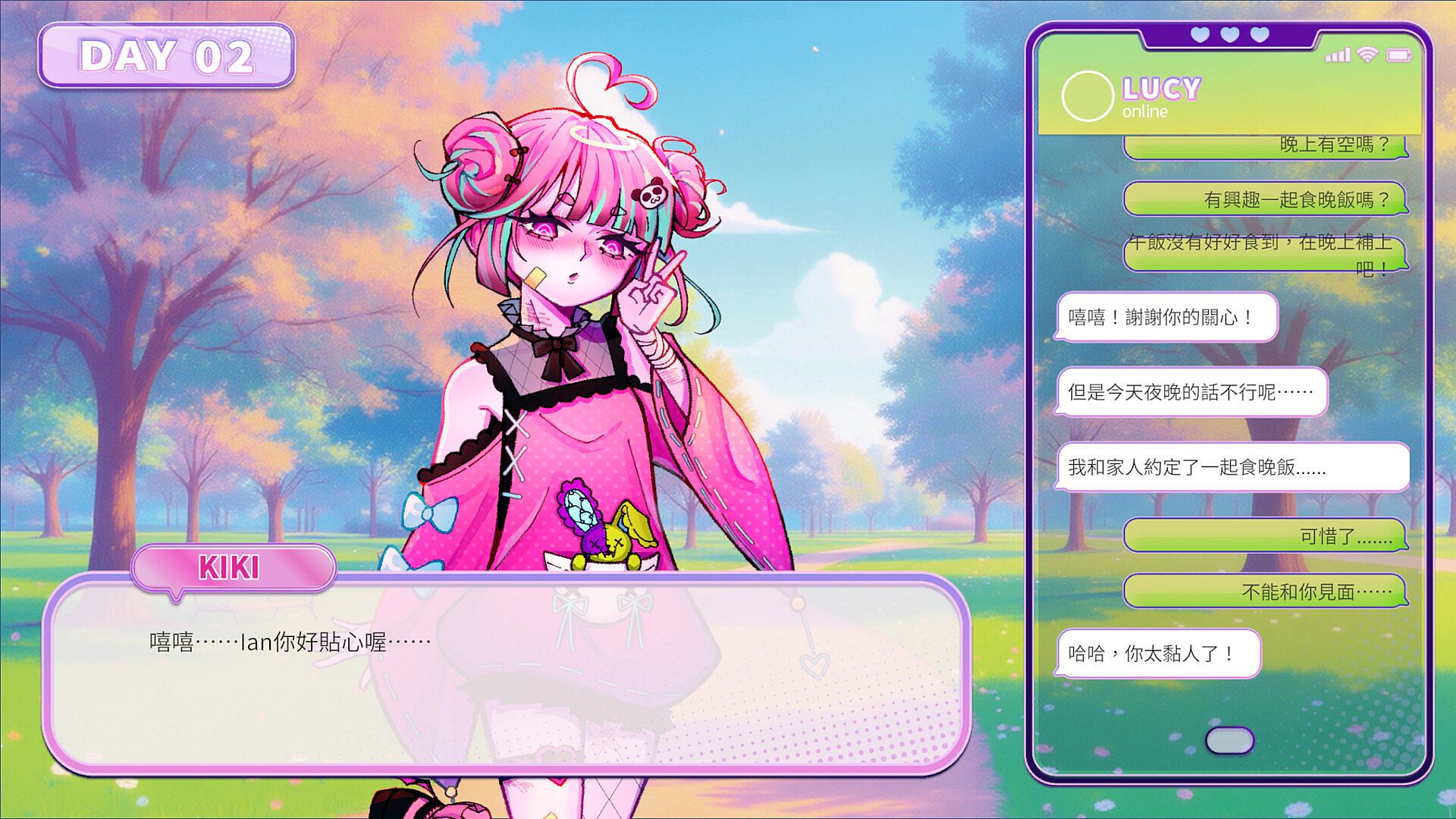
The core loop revolves around daily dates and constant phone management. During face-to-face meetings, players select dialogue options that must appear correct to the woman present, even when the intent differs. These choices directly influence her reactions and long-term outlook. At the same time, messages from other women arrive on the phone, and ignoring them for too long triggers shifts in their emotional state, ranging from sadness to anger or suspicion.
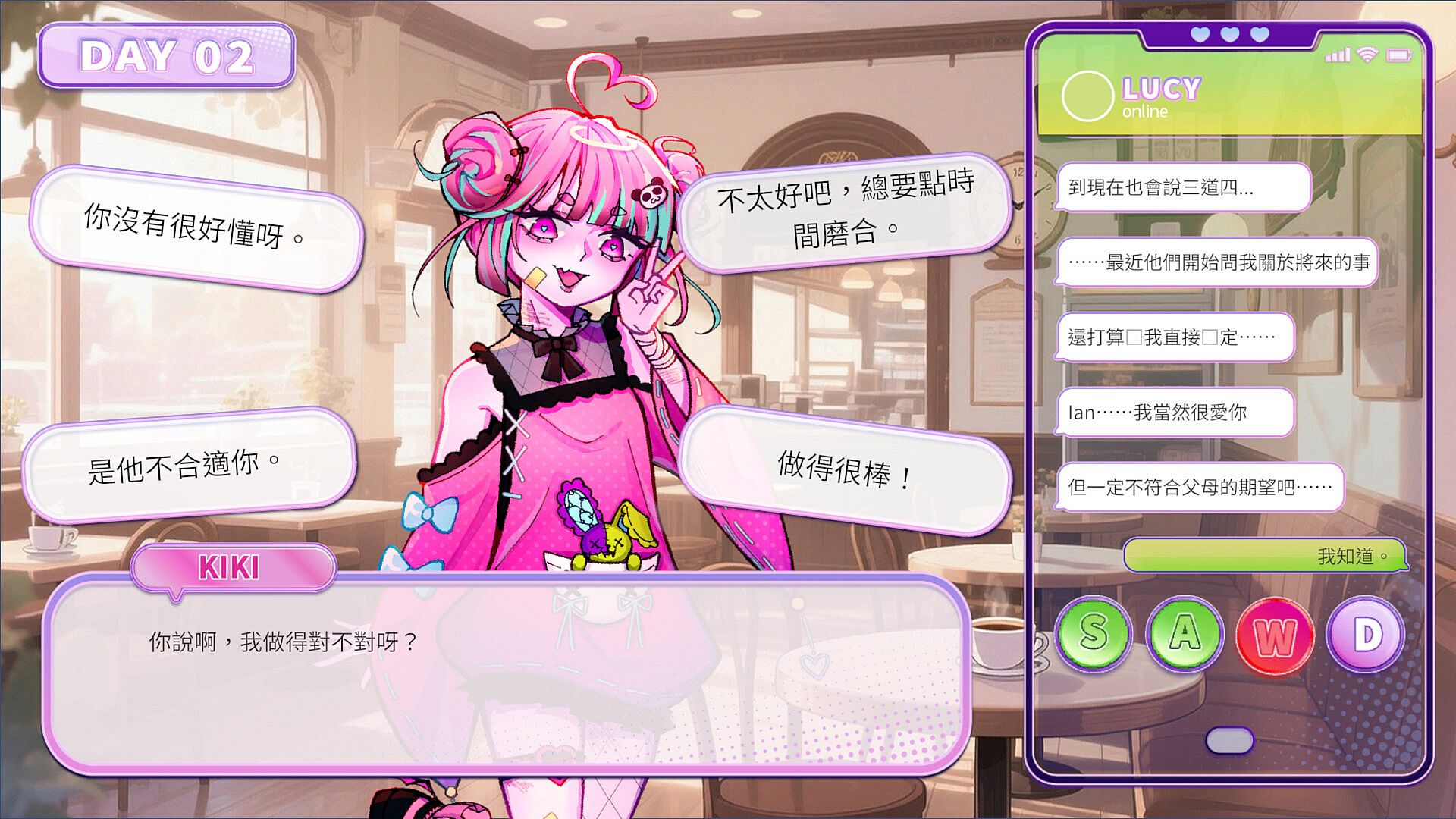
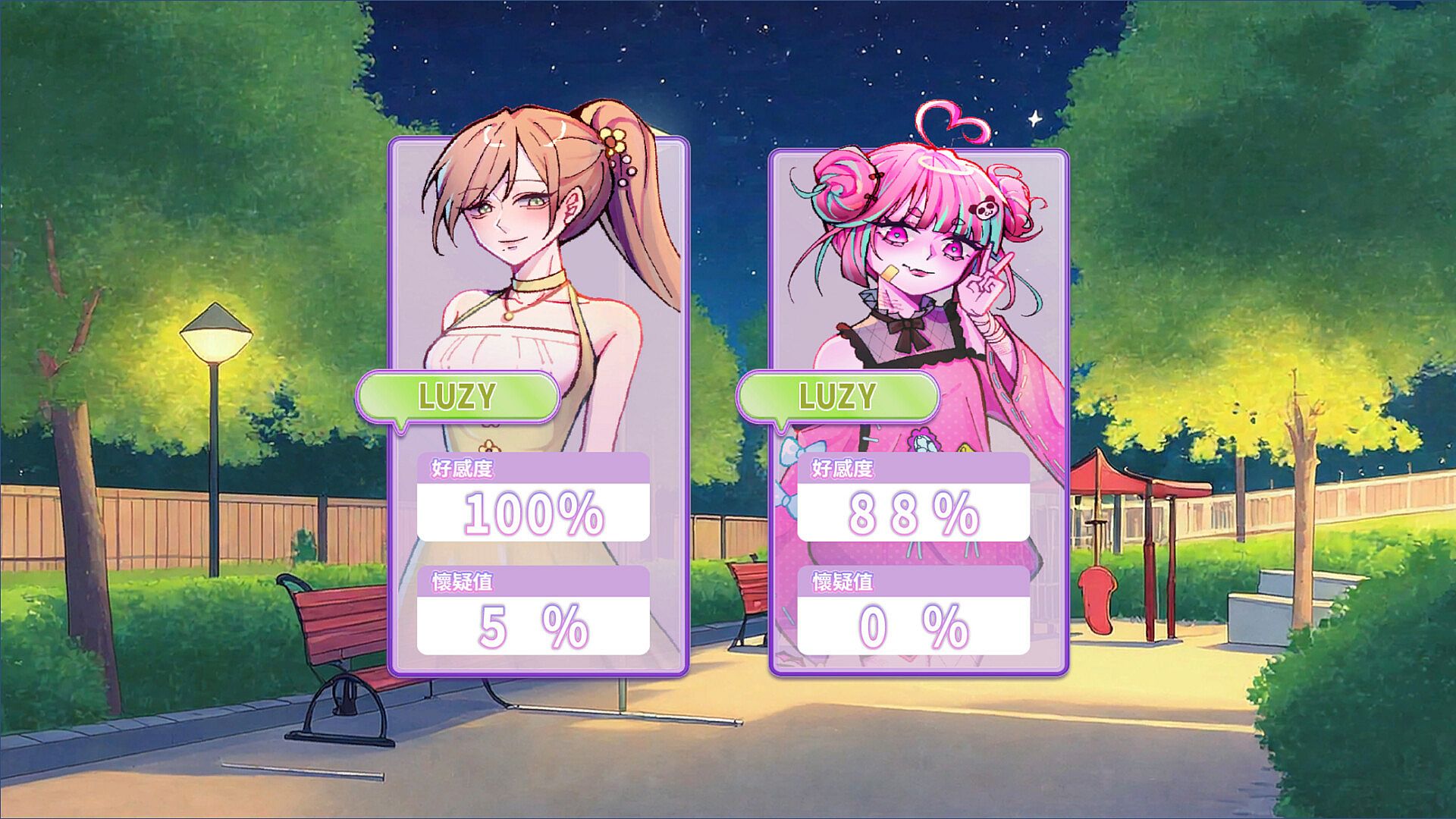
Certain scenes combine both layers at once. Dialogue choices during a date speed up and begin to disappear, forcing quicker decisions, while phone replies require rapid QTE inputs to type out responses. Two numerical values guide progress with every woman: affection starts at full and must be preserved through consistent attention, while suspicion rises with any inconsistent behavior or delayed replies. Keeping suspicion low is essential to avoid relationship breakdowns or confrontations.
The experience stays firmly within visual novel and simulation territory, with no combat or exploration elements. All advancement comes from managing conversations, timing replies, and steering the two metrics toward favorable outcomes across multiple women simultaneously.
Game Modes
The title operates as a single-player experience focused on branching narrative paths and multiple endings. There are no separate multiplayer modes or competitive formats. Progression occurs through repeated playthroughs that test different dialogue strategies and phone management approaches, leading to varied conclusions based on how well affection stays high and suspicion remains controlled.
Each run involves the same core systems but branches according to choices made during dates and message handling. The structure encourages experimentation with timing and wording to discover alternate routes and final outcomes without altering the fundamental single-player framework.
Characters
The player character works alongside the protagonist to pursue every woman in the cast. Two women receive specific descriptions in the available information. One comes from a comfortable family background and carries herself with knowledge, politeness, and graceful manners in all situations. The second fits the profile of a high-maintenance personality who reacts strongly to minor issues and frequently displays temperamental behavior.
These traits influence how each woman responds to dialogue choices and delays in replies. Players must adapt their approach to keep affection elevated while preventing suspicion from climbing, with the distinct personalities creating different challenges during simultaneous management of in-person and phone interactions.
Is It Worth Playing?
The game remains unreleased with a planned date listed as to be announced and currently shows no user reviews on its Steam page. Its appeal rests entirely on interest in text-heavy romance simulations that layer real-time pressure through timed choices and QTE phone replies. Players who enjoy managing multiple relationship threads, tracking hidden doubt meters, and navigating branching endings may find the dual-interface setup distinctive compared with standard visual novels.
Those seeking fast-paced action, multiplayer elements, or extensive character customization will likely find the scope limited to its focused single-player narrative systems. Availability depends on the eventual release, after which reception can be assessed through actual play sessions and community feedback. The mechanics described emphasize careful attention to both affection and suspicion values across all interactions, which forms the central test of skill within the experience.