


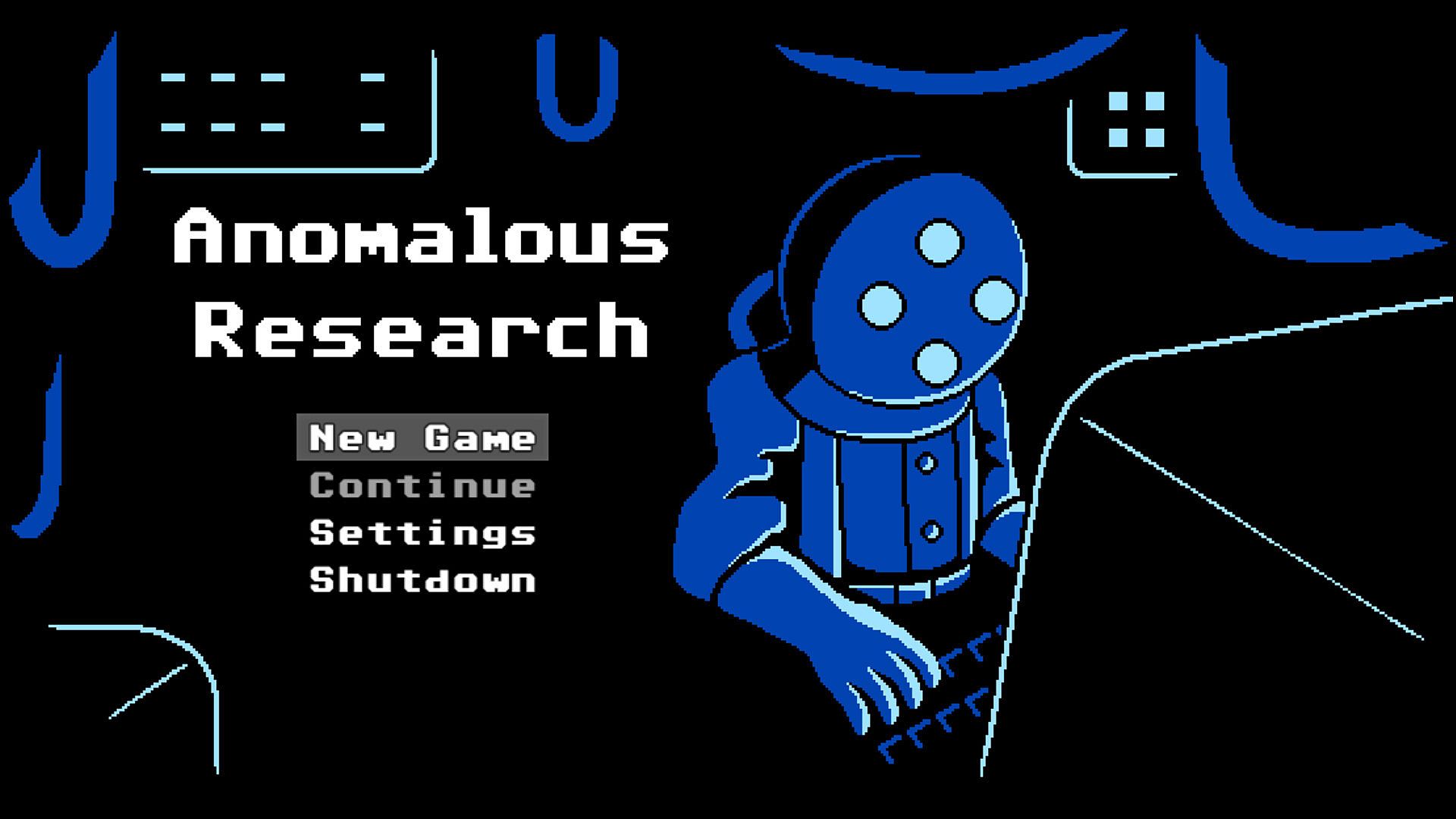
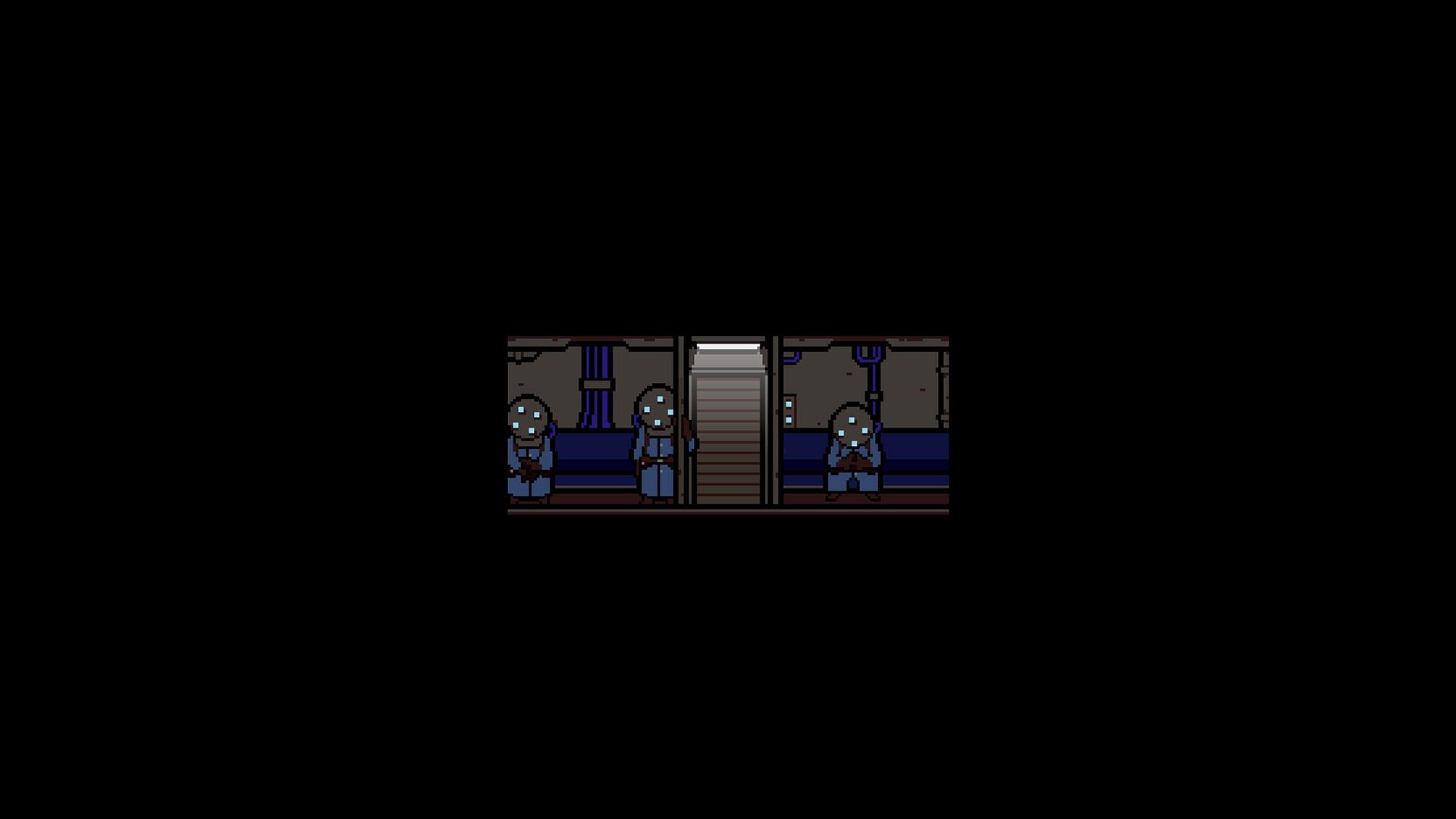
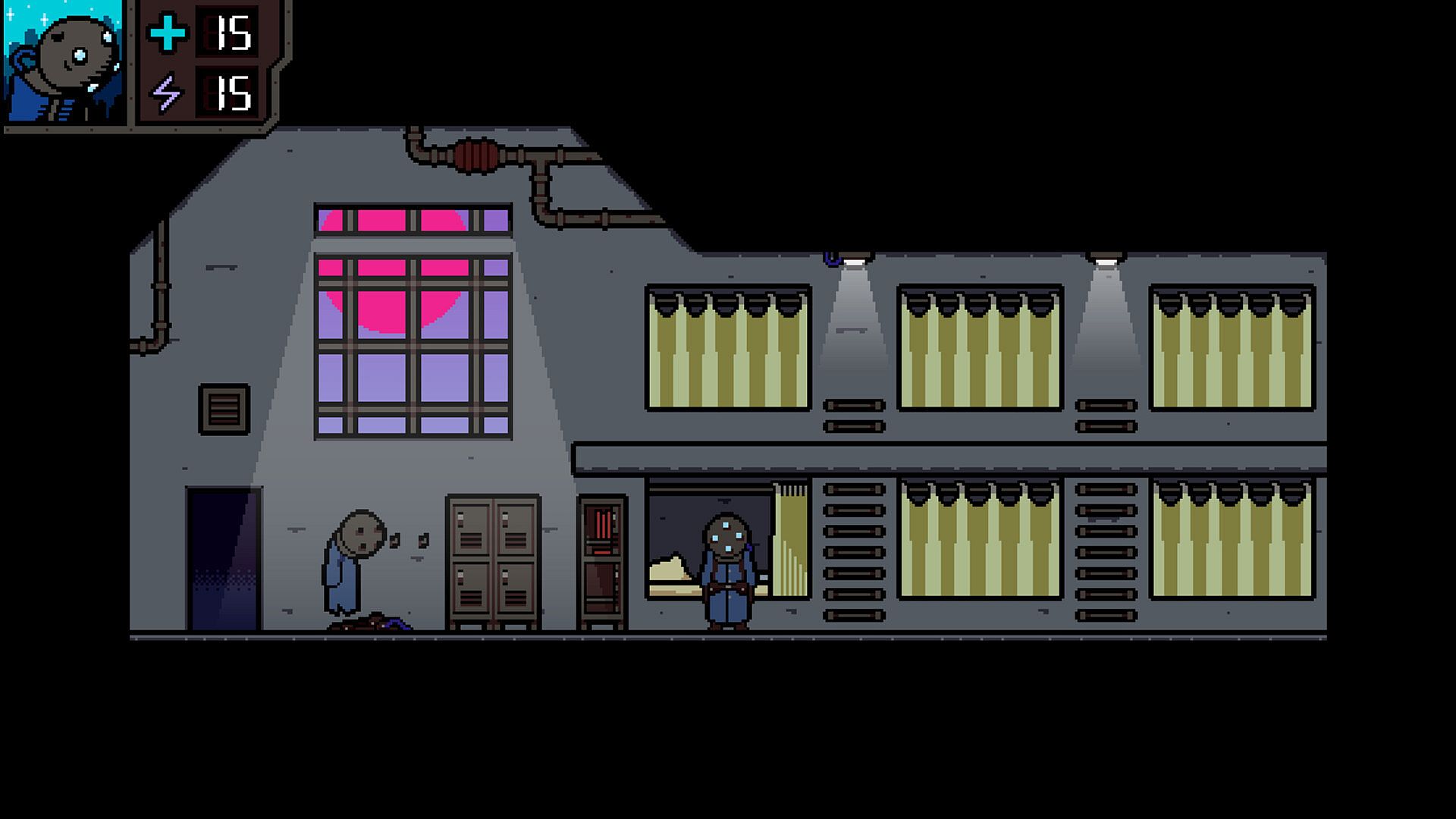
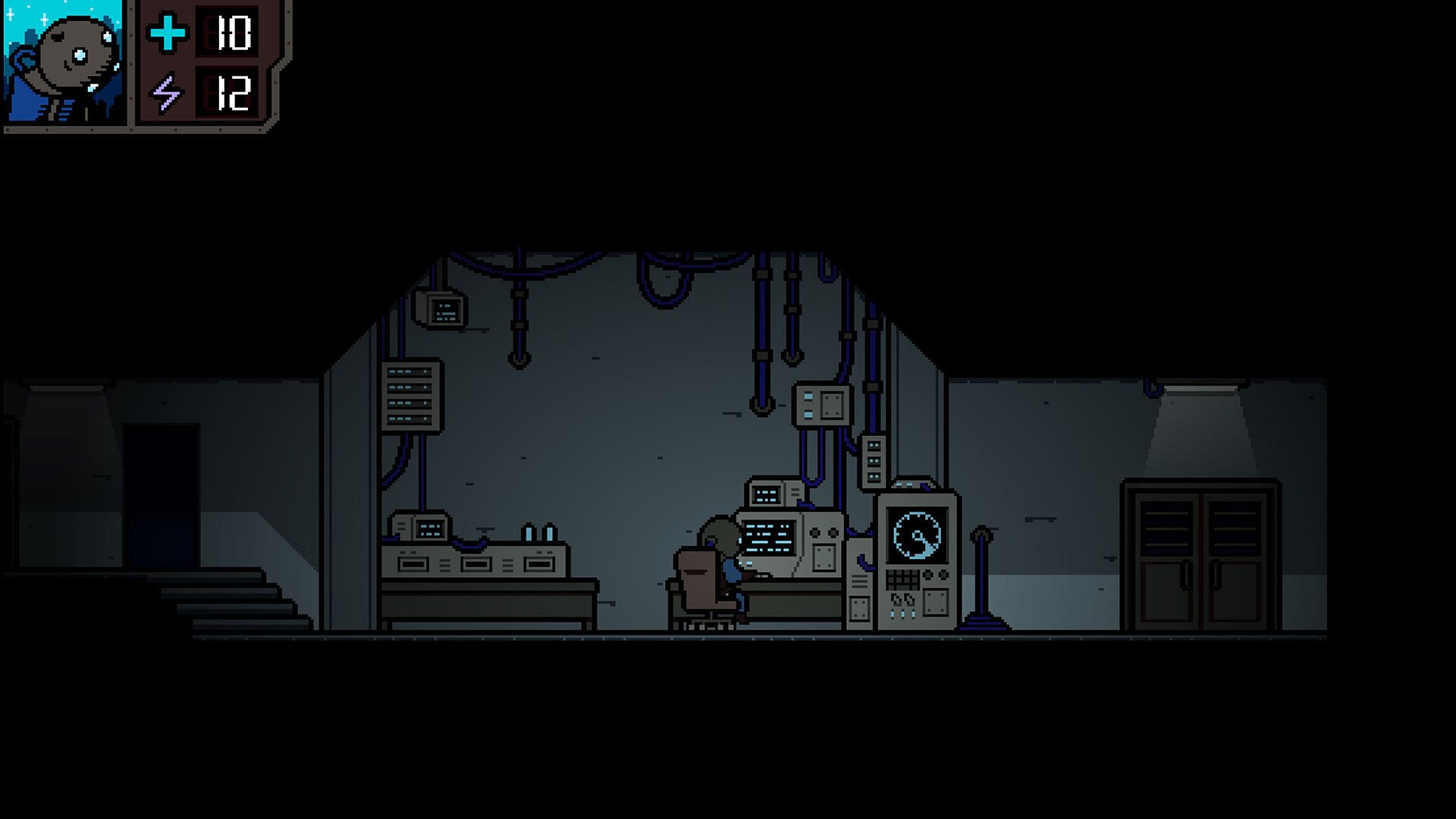
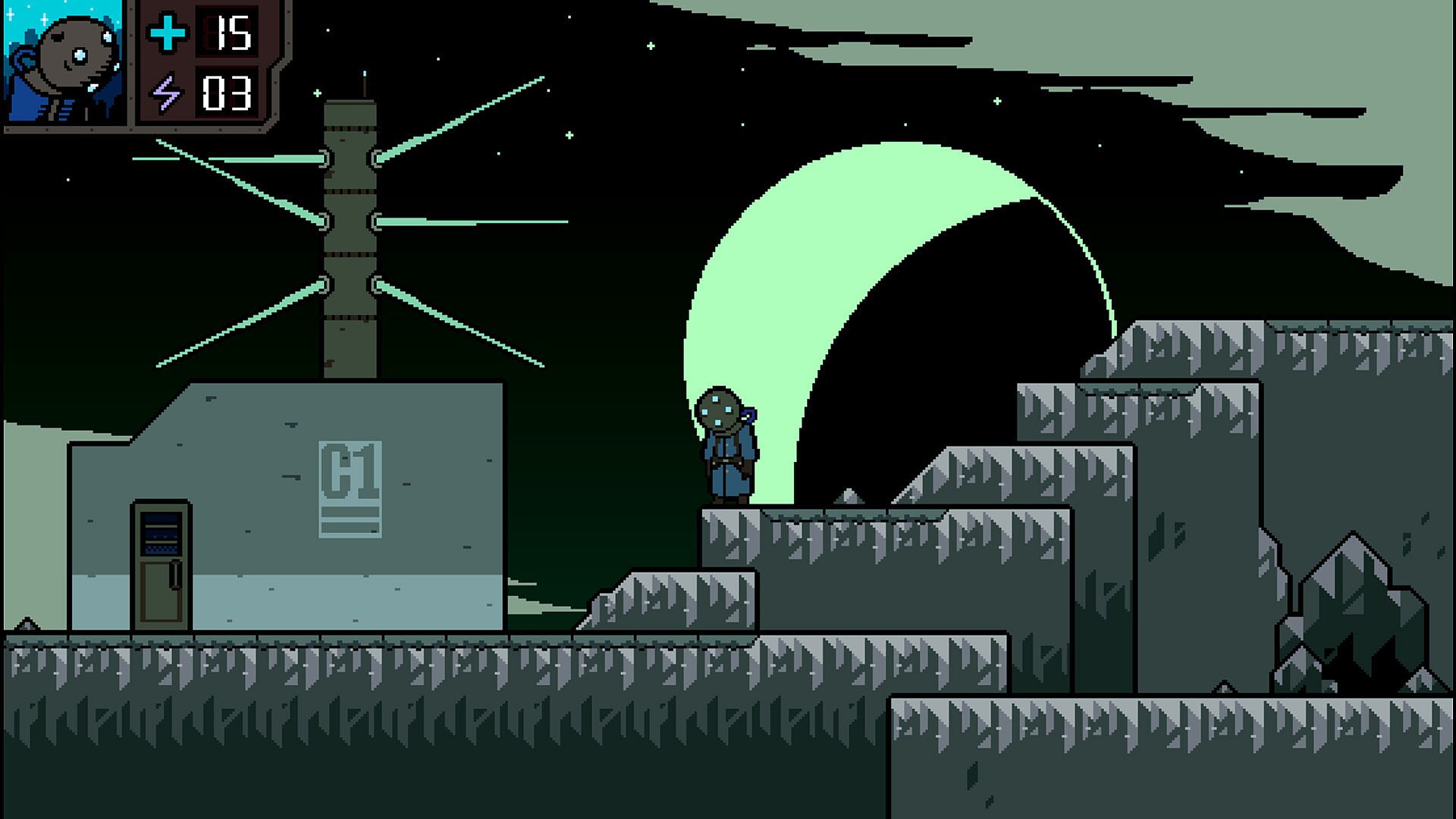

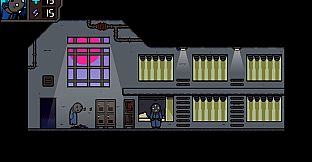
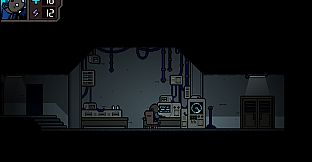
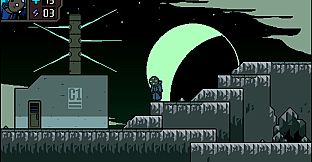
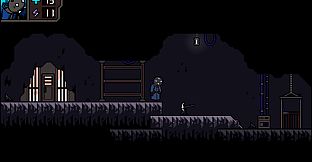
Anomalous Research is a 2D sci-fi resource management RPG set on PC. Players take on the role of Beckett, a drone dispatched to a research base overwhelmed by anomalous activity. The core experience centers on investigating the causes behind these strange events while handling routine duties like completing tasks, drafting reports, and moving through the facility itself.
Gameplay
The gameplay loop revolves around resource management and careful decision making in a contained environment. Health and energy systems require attention during every shift, as tasks and interactions drain these reserves over time. Players must balance exploration of the base with the need to maintain operational capacity, choosing when to rest or prioritize certain activities to avoid running low on either resource.
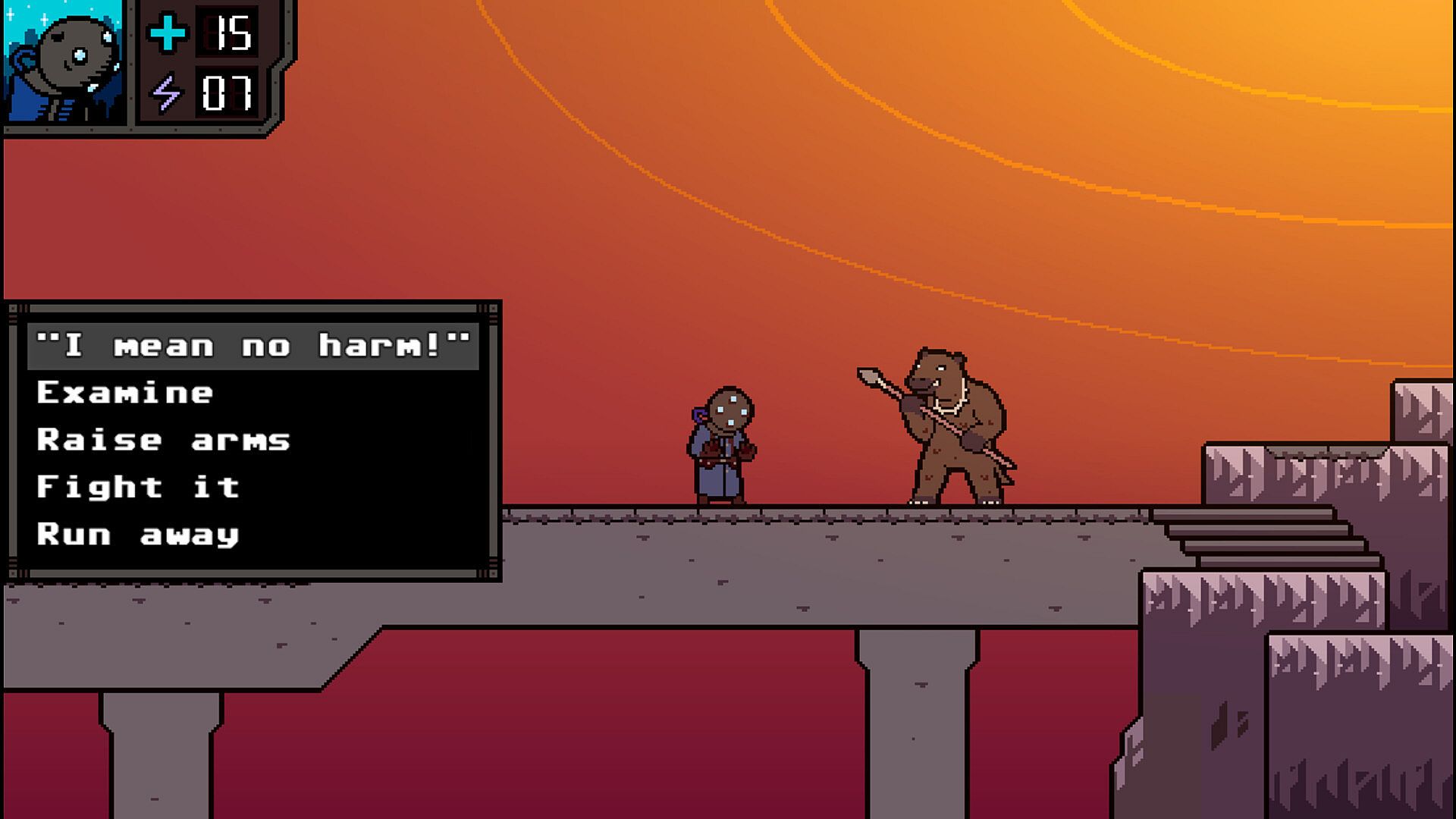
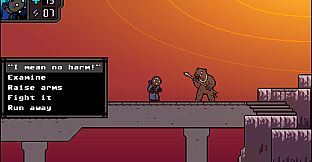
Encounters with entities form a major part of daily operations. These meetings feature unique alien designs and occur in randomized patterns across different playthroughs. Branching dialog options allow players to select approaches that influence the outcome of each interaction, from cautious observation to more direct engagement. Successful navigation of these conversations can lead to recruitable entities joining the effort, providing assistance with tasks and altering how future events unfold.
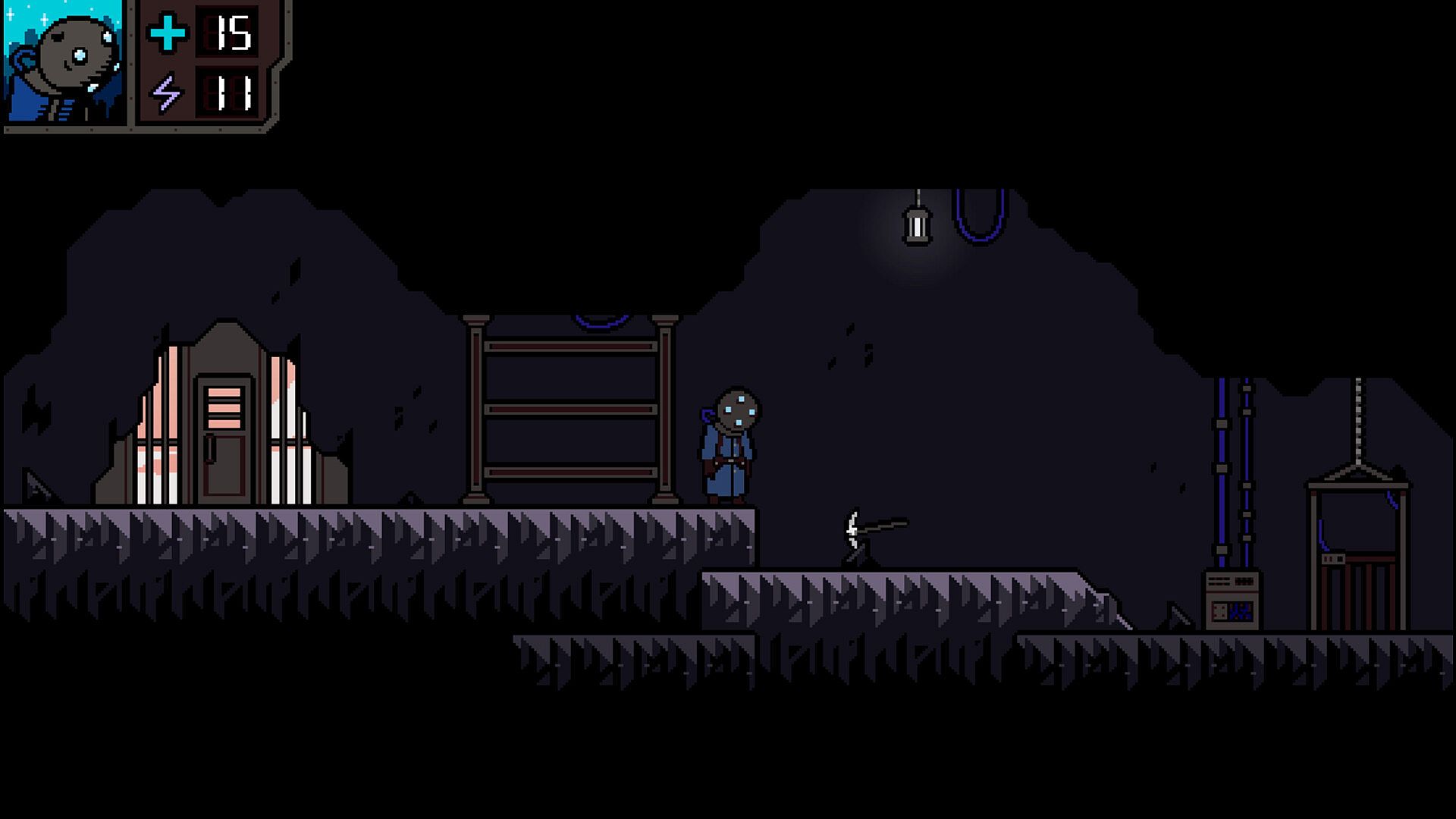
Exploration of the base reveals additional layers to the anomalous activity. Players document findings through reports while uncovering details about the influx of odd occurrences. The combination of management demands and these investigative elements creates a steady rhythm of planning, execution, and reflection on the results of each choice.
Game Modes
The game operates as a singleplayer experience focused on repeated runs through the research base. Randomization in entity encounters ensures that no two sessions follow the exact same path, encouraging multiple attempts to observe different outcomes. Performance across tasks, reports, and interactions determines which of several unique endings players reach at the conclusion of a run.
Recruitment of entities adds variability to each attempt, as befriended allies can shift priorities and open new options for handling the base's challenges. The structure emphasizes replayability through these procedural elements rather than separate named modes, allowing players to experiment with different strategies for managing health, energy, and relationships.
Core Mechanics and Progression
Progression ties directly to how well players handle the daily responsibilities alongside the unpredictable anomalies. Writing accurate reports contributes to overall performance, while entity interactions build toward recruitment opportunities that ease later workloads. The health and energy systems enforce thoughtful pacing, preventing unchecked exploration without consequences.
Alien designs and dialog choices keep encounters distinct, rewarding players who pay attention to patterns across runs. Unique endings reward different combinations of actions, from thorough investigation to more pragmatic or collaborative approaches. This setup suits those who enjoy simulation elements blended with RPG decision making in a compact, focused setting.
Is It Worth Playing?
Anomalous Research appeals to players who enjoy resource management RPGs with a sci-fi twist and emphasis on observation and choice. The randomized encounters and branching conversations provide meaningful variety without requiring external content or updates. Unique endings based on performance give clear goals for repeated play, while recruitable entities introduce light progression through alliances formed during runs.
Those drawn to 2D indie titles that combine task management with exploration and light narrative branching will find a self-contained experience here. The systems for health, energy, and entity handling create consistent tension across sessions, making it suitable for shorter or longer play periods depending on how deeply players engage with the base's anomalies. The game stands on its described features alone, offering a straightforward loop centered on investigation and adaptation in an isolated facility.