

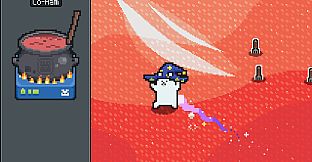
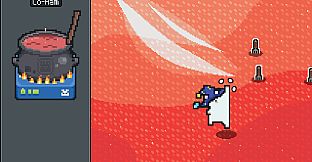
Stick A Fork is a casual incremental simulation game developed by the small indie studio FlowDot for PC. Players engage with a relaxed, cursor-driven loop centered on striking oversized fruit to generate resources and build long-term progression through repeated runs.
Gameplay
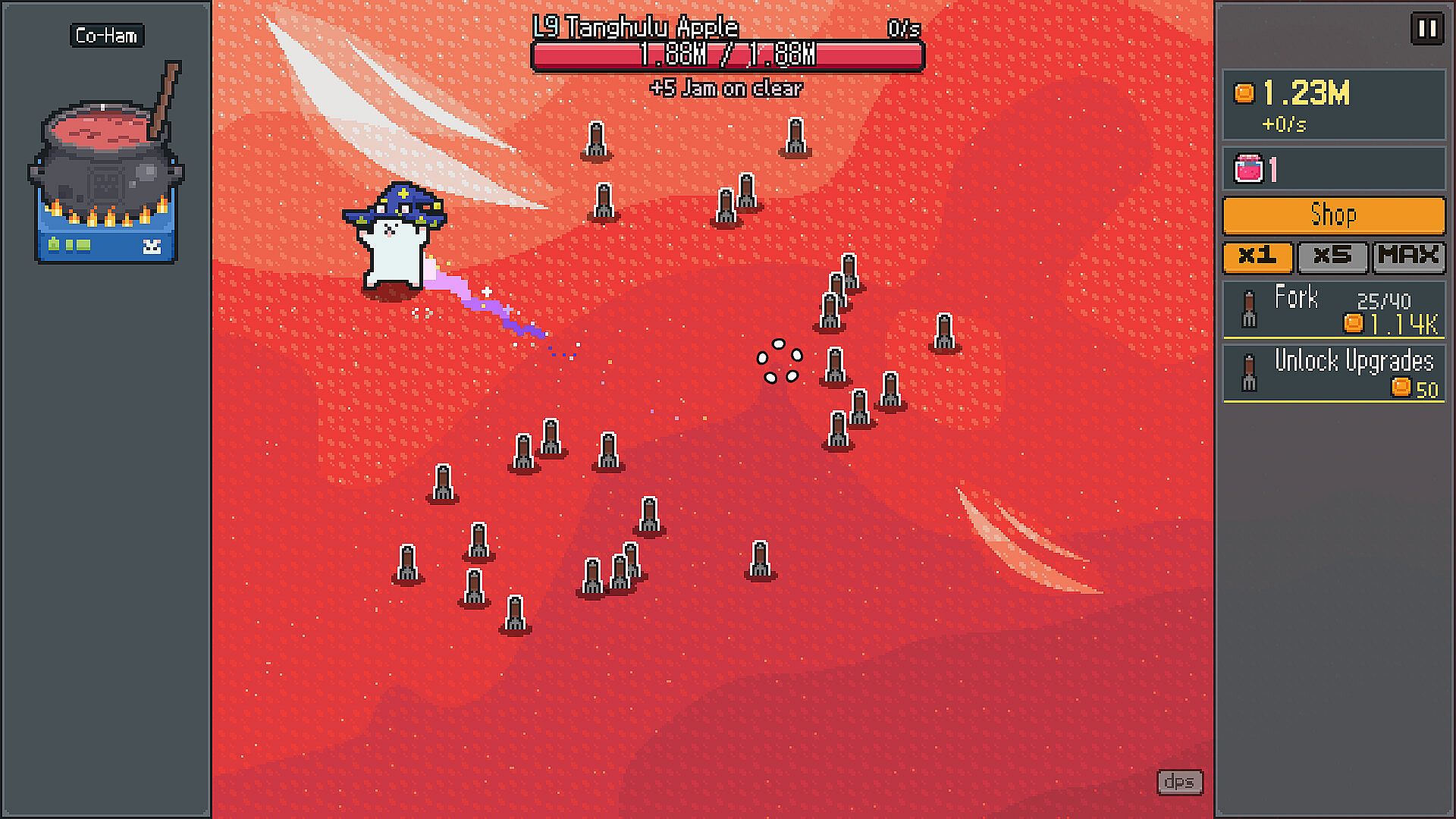
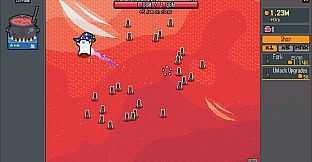
The core loop revolves around positioning the cursor over the table so that stuck forks and other cutlery leap upward and stab back into giant fruit. Each successful strike releases gold that funds purchases of additional tools, starting with basic forks and expanding to knives, spatulas, and more advanced implements like chainsaws in later stages. Fruit surfaces change across runs, featuring textures such as tanghulu, jelly, glass, yarn plushies, and Pop It toys, which influence how strikes land and marks accumulate until the fruit breaks apart.
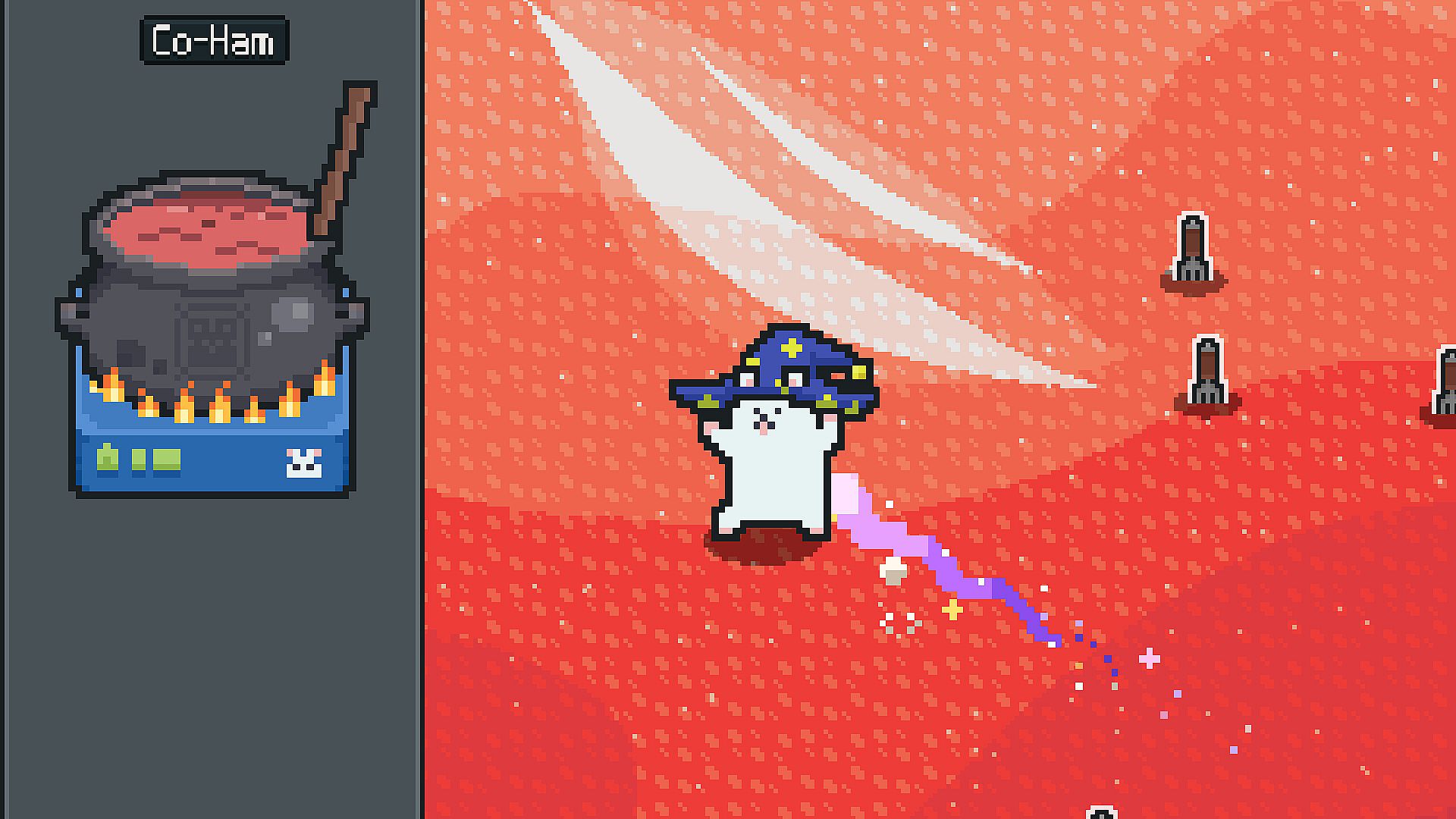
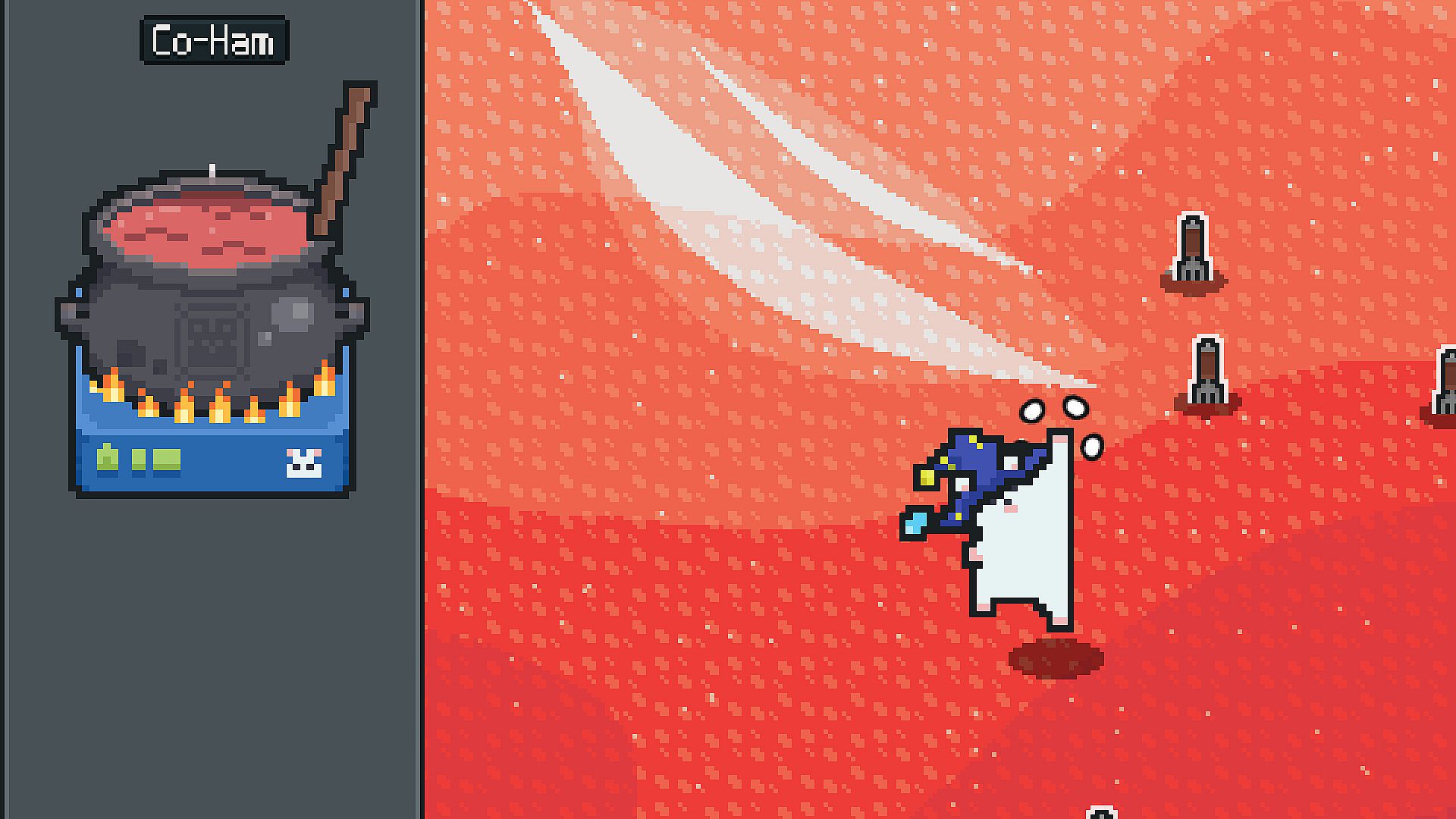
Smashing fruit produces jam, a secondary resource spent on a permanent skill tree that carries benefits across resets. Table events introduce variety, including opportunities to catch a passing honey pot for temporary effects or interact with airborne items like the Flip Sword. A garden area allows harvesting for extra gains, while a crank mechanism dispenses relics that provide further bonuses. The companion Co-Ham appears alongside the action, adding a light narrative thread that unfolds as more fruit is destroyed.
Physics play a noticeable role in how cutlery behaves and how fruit responds to repeated impacts. The experience stays mouse-focused and supports play without timed inputs, allowing sessions at any pace. Upgrades and boons chosen each run stack into synergies that accelerate gold income and damage output over time.
Game Modes
Stick A Fork operates entirely as a single-player incremental experience with no multiplayer components. Progression unfolds through repeated runs on the central table, where players clear successive fruits, accumulate resources, and prepare for resets. Ascension serves as the primary reset mechanic, granting permanent speed and power increases that make subsequent attempts more efficient. A further layer called Transcendence extends this system, opening new dimensions and an endless phase after an initial ending sequence.
Boss encounters mark major checkpoints, each victory followed by a choice among three secret recipe cards that alter build options for the next cycle. These systems replace traditional modes, creating a continuous loop of short sessions that grow deeper with every Ascension and Transcendence. Events and relic collection add layers within each run without shifting to separate formats.
Progression and Updates
Early runs emphasize steady damage and gold generation while unlocking basic cutlery and the first skill tree nodes. Later stages introduce automation options, stronger multipliers, and garden management that compound advantages. The game launched on October 28, 2026, following a demo period, and has received several patches addressing save systems, visual clarity for skill nodes, and additional language support.
Current content includes multiple cutlery types, boss rewards, table events, and the full Ascension plus Transcendence trees. Ongoing updates have added quality-of-life features such as run statistics and improved cloud saving, keeping the experience polished since release.
Is It Worth Playing?
Stick A Fork suits players who enjoy incremental games with a relaxed pace and visible, steady progress through short, repeatable sessions. Reviews have been very positive, with ratings near 98 percent from over 200 submissions, highlighting the satisfying strike feedback, cute presentation, and sense of building power across runs. The single-player format and lack of time pressure make it accessible for casual play on Windows or macOS.
Those who prefer games without resets or who seek competitive elements may find the loop less engaging. For supporters of small indie teams working in the casual simulation space, the title delivers consistent value through its focused mechanics and regular post-launch improvements. The experience remains available at a modest price point with no required additional purchases for core content.