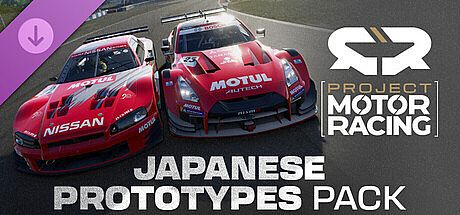

















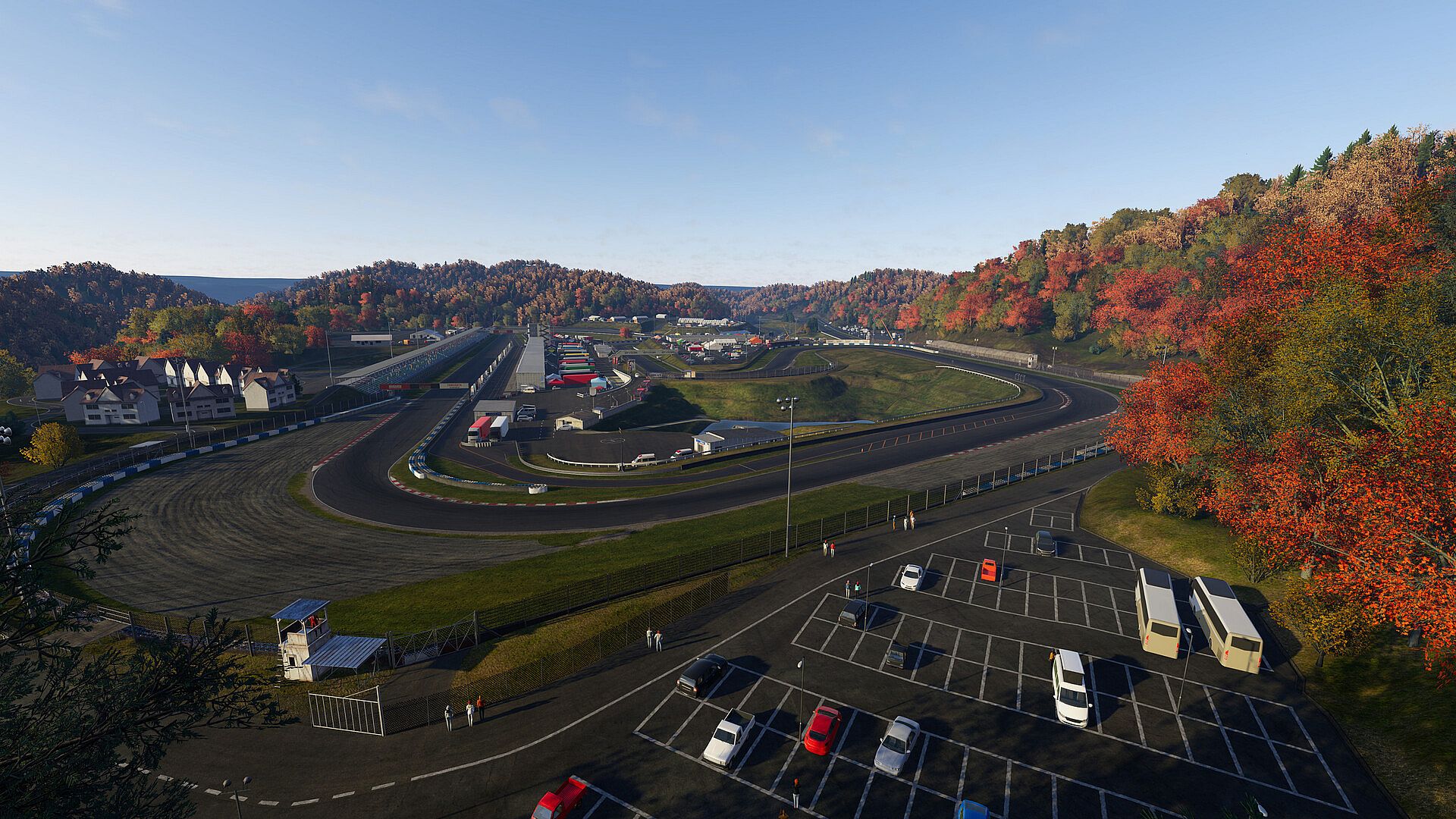
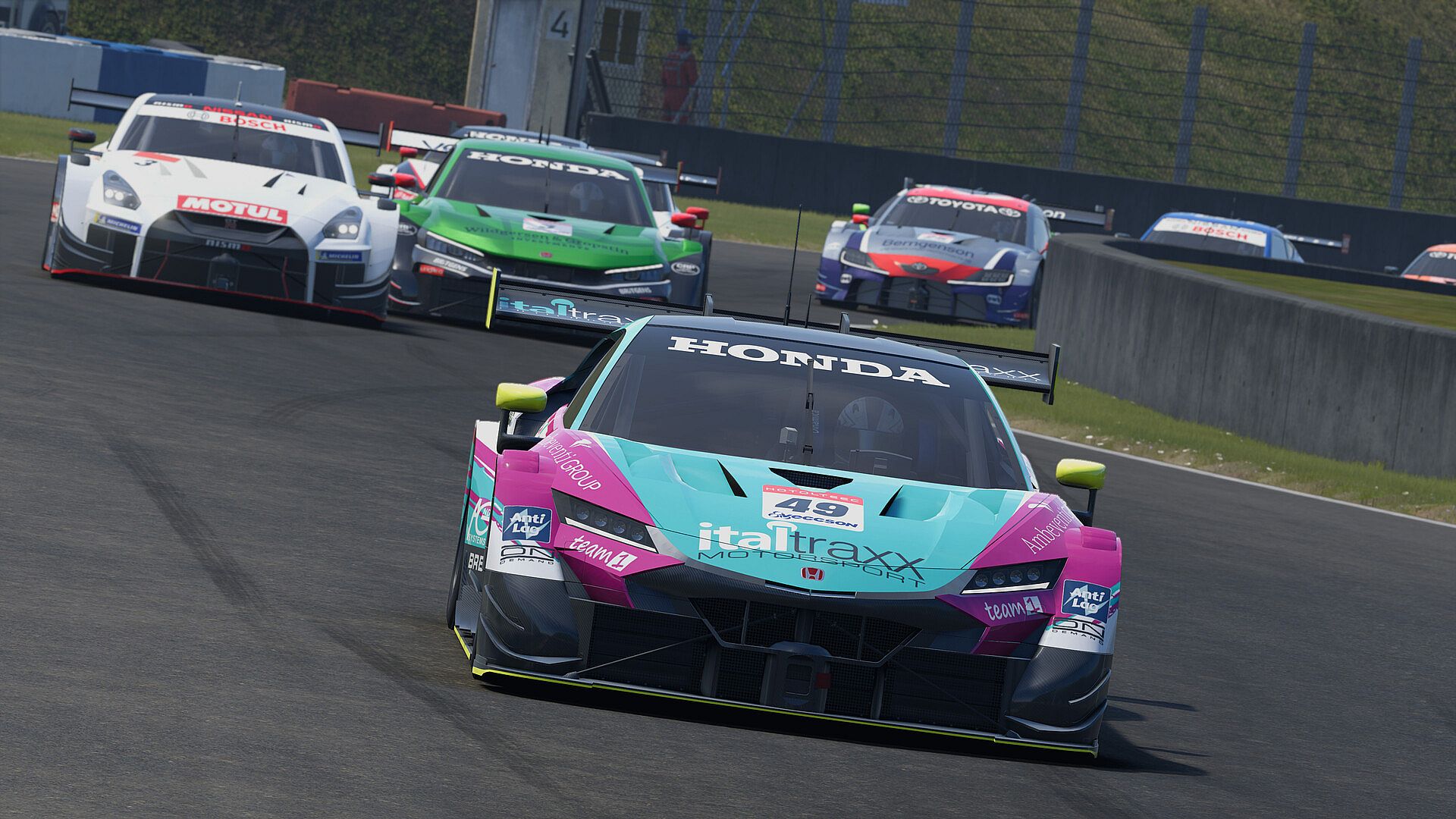
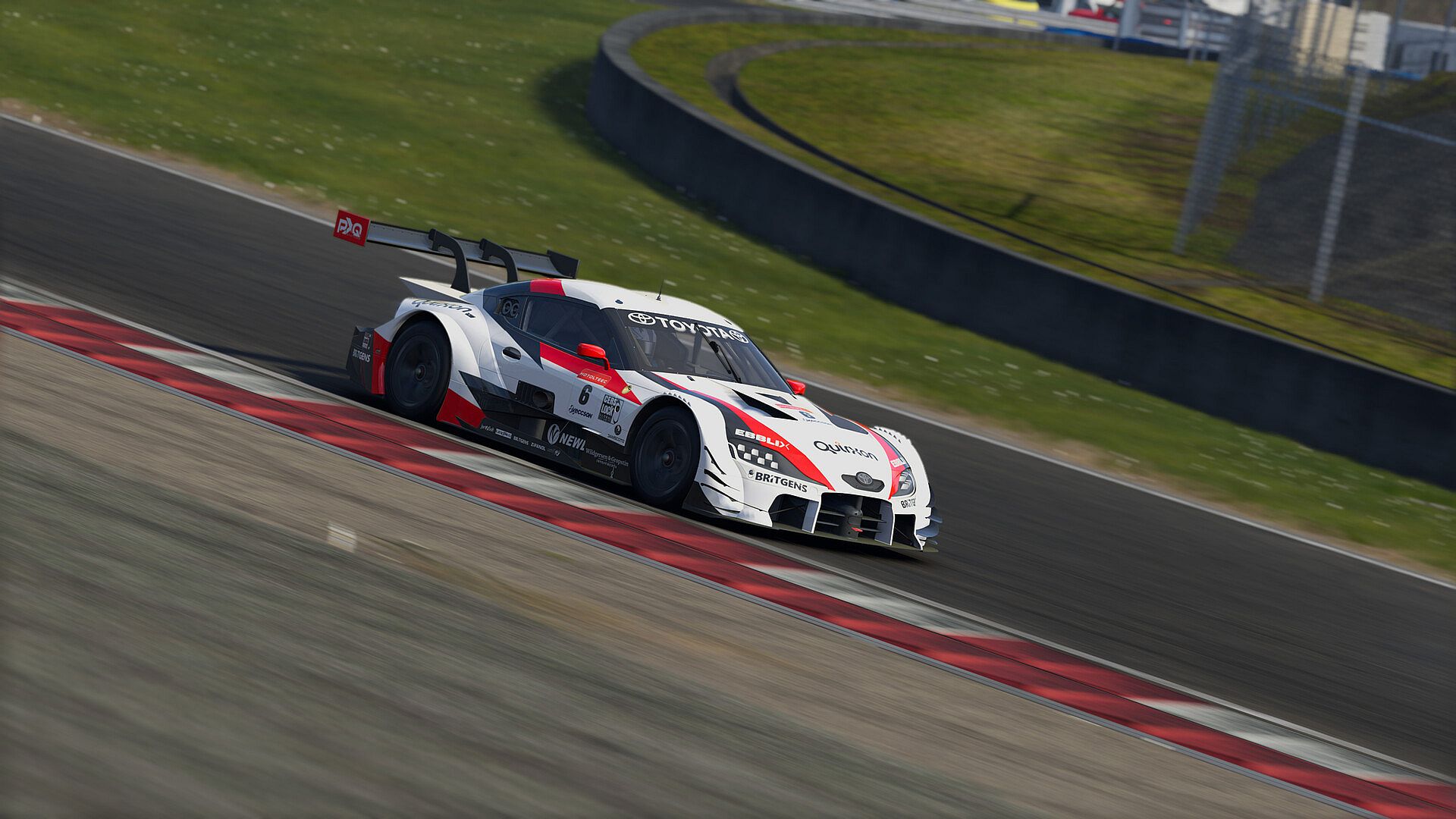
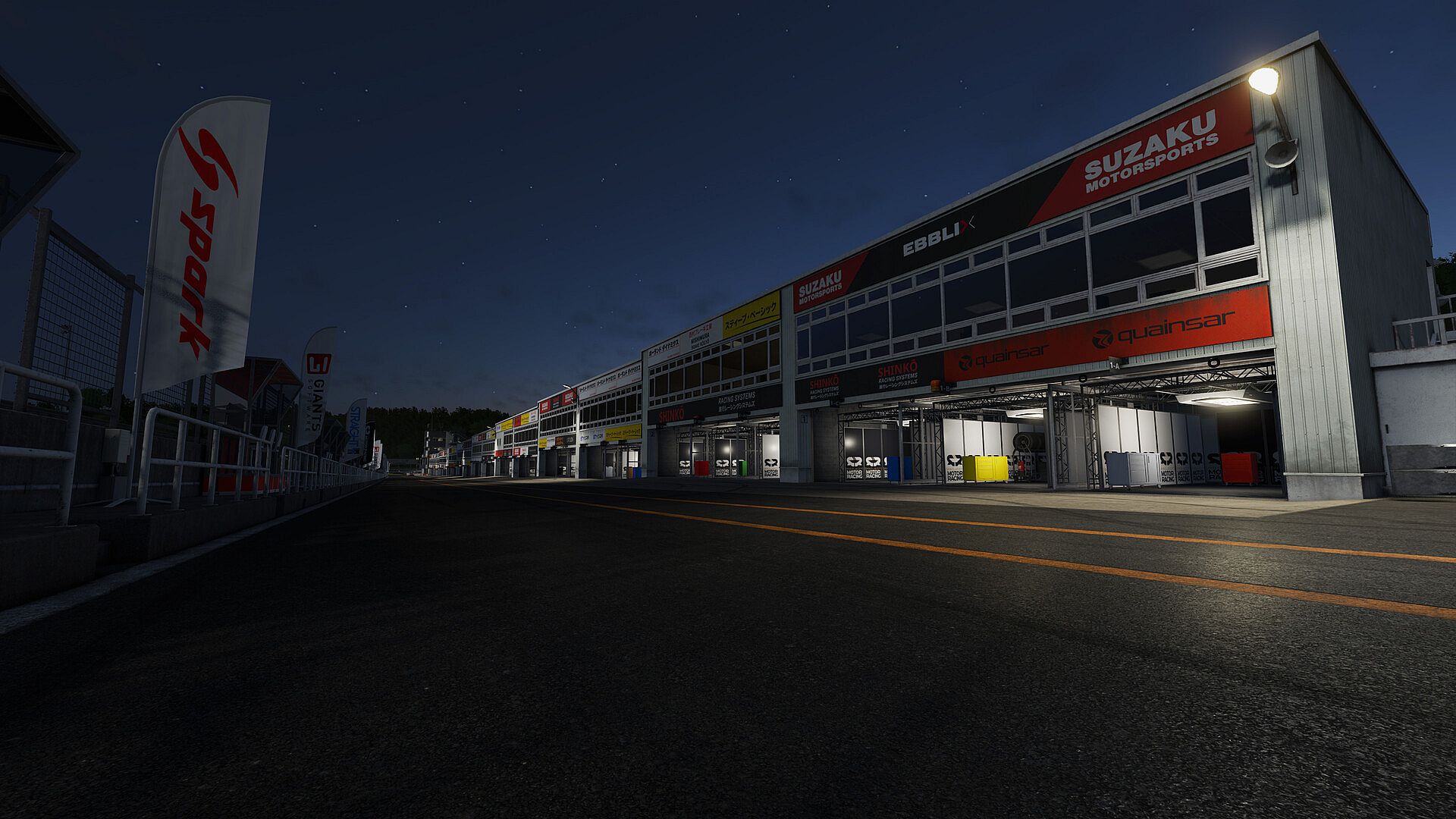
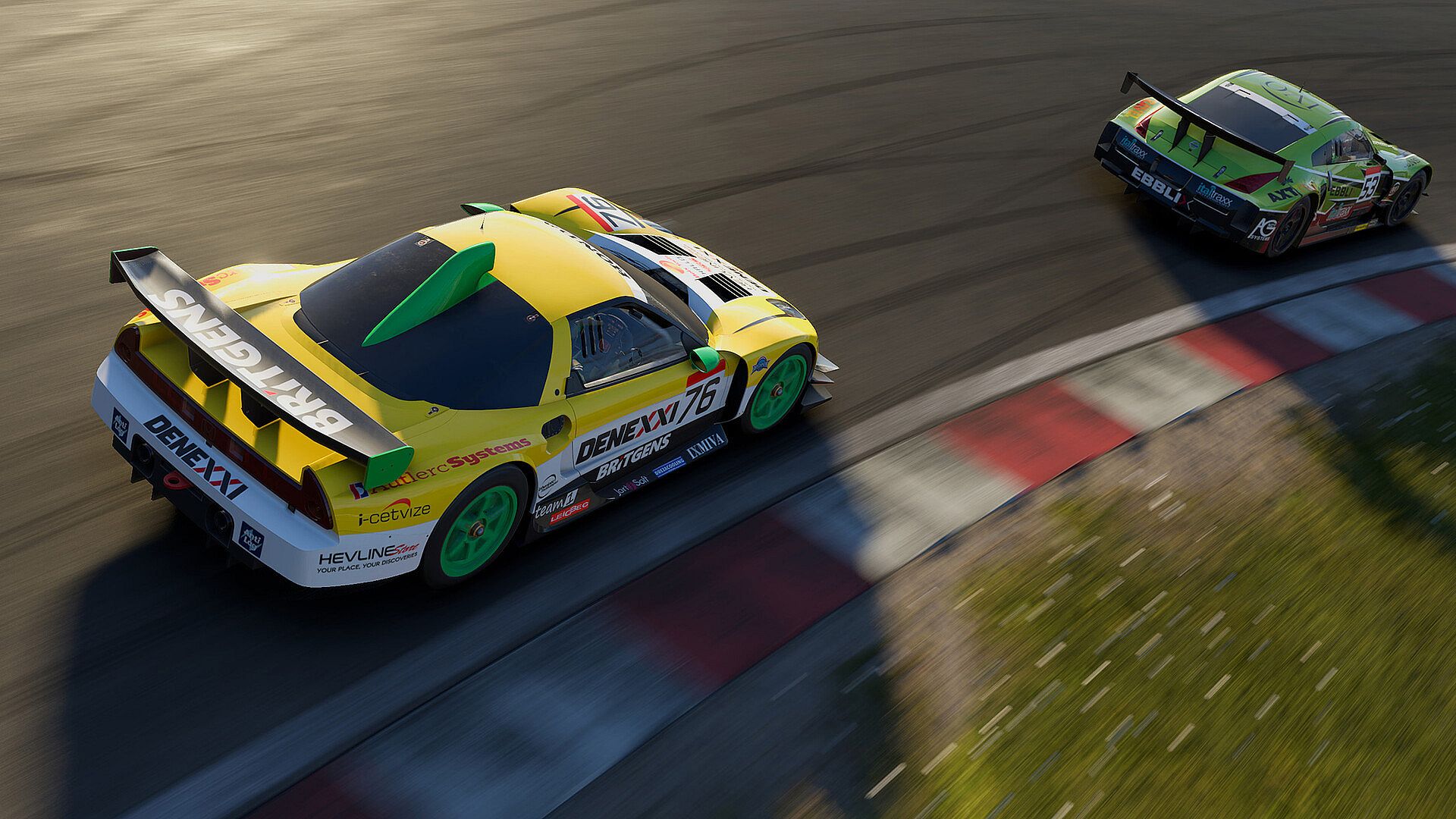
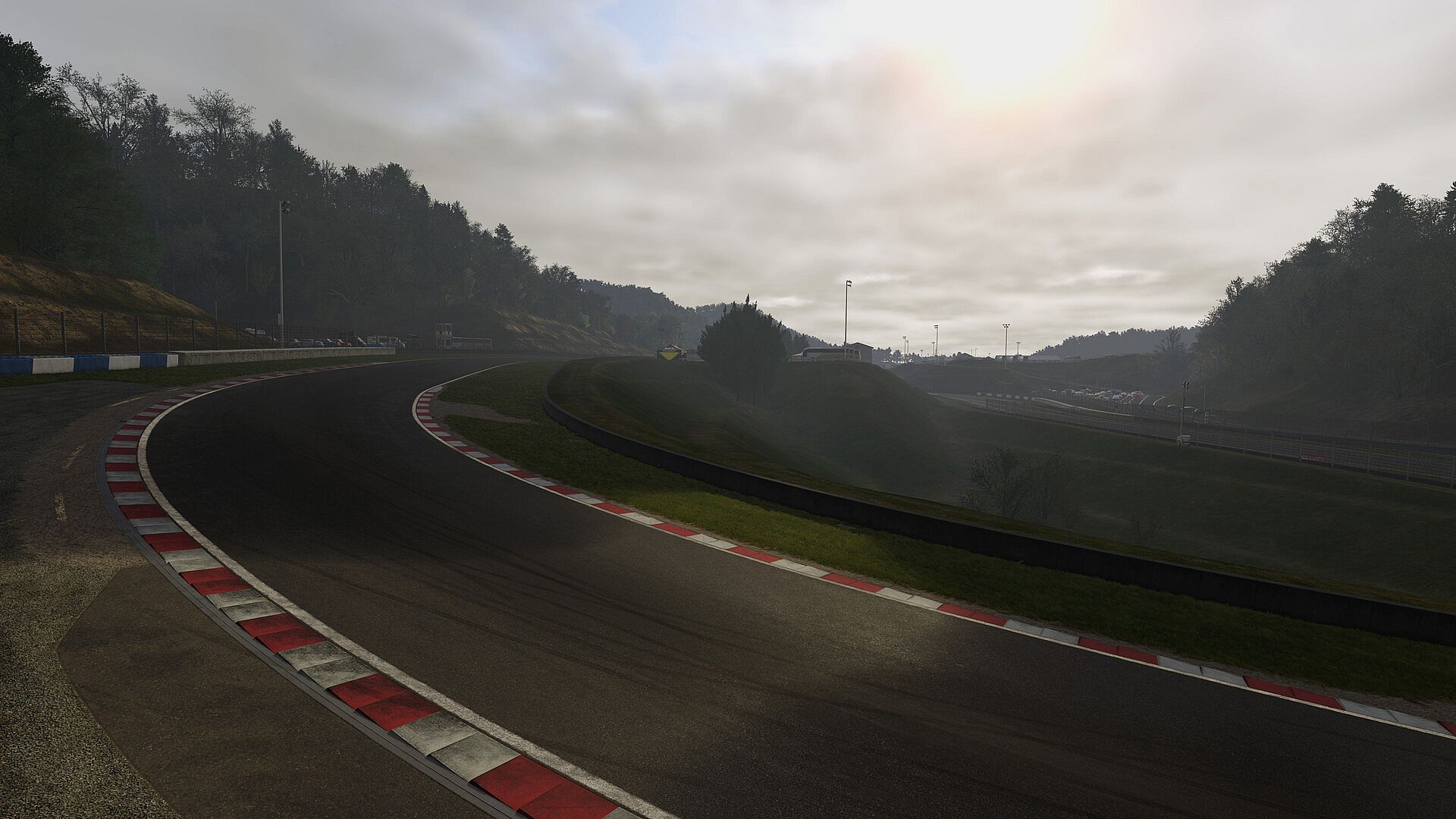
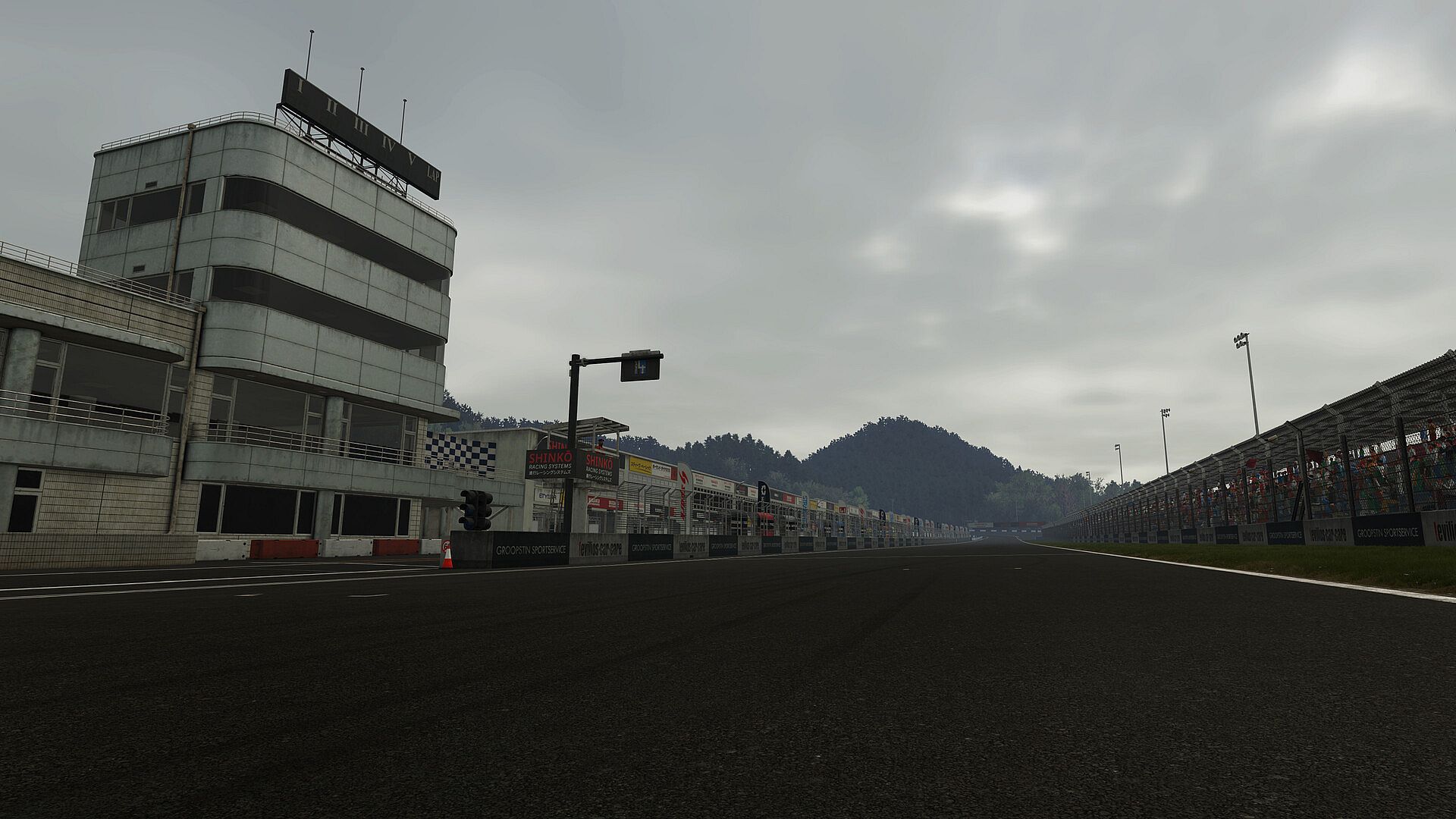


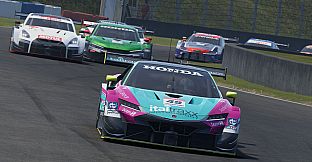

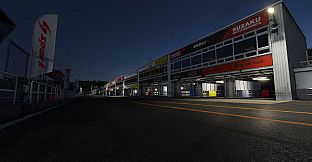
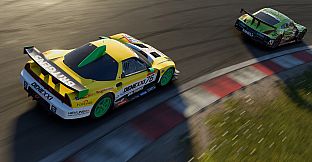
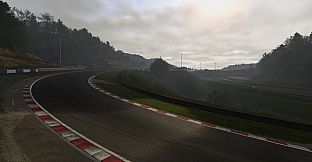

Project Motor Racing: Japanese Prototypes Pack expands the simulation racing experience with nine distinctive Japanese prototype cars spanning two eras and the technically demanding Takimiya Circuit. This content integrates directly into the base game's physics-driven racing framework, where players manage high-downforce machines that reward precise throttle control, aerodynamic setup, and sustained speed through corners.
Gameplay
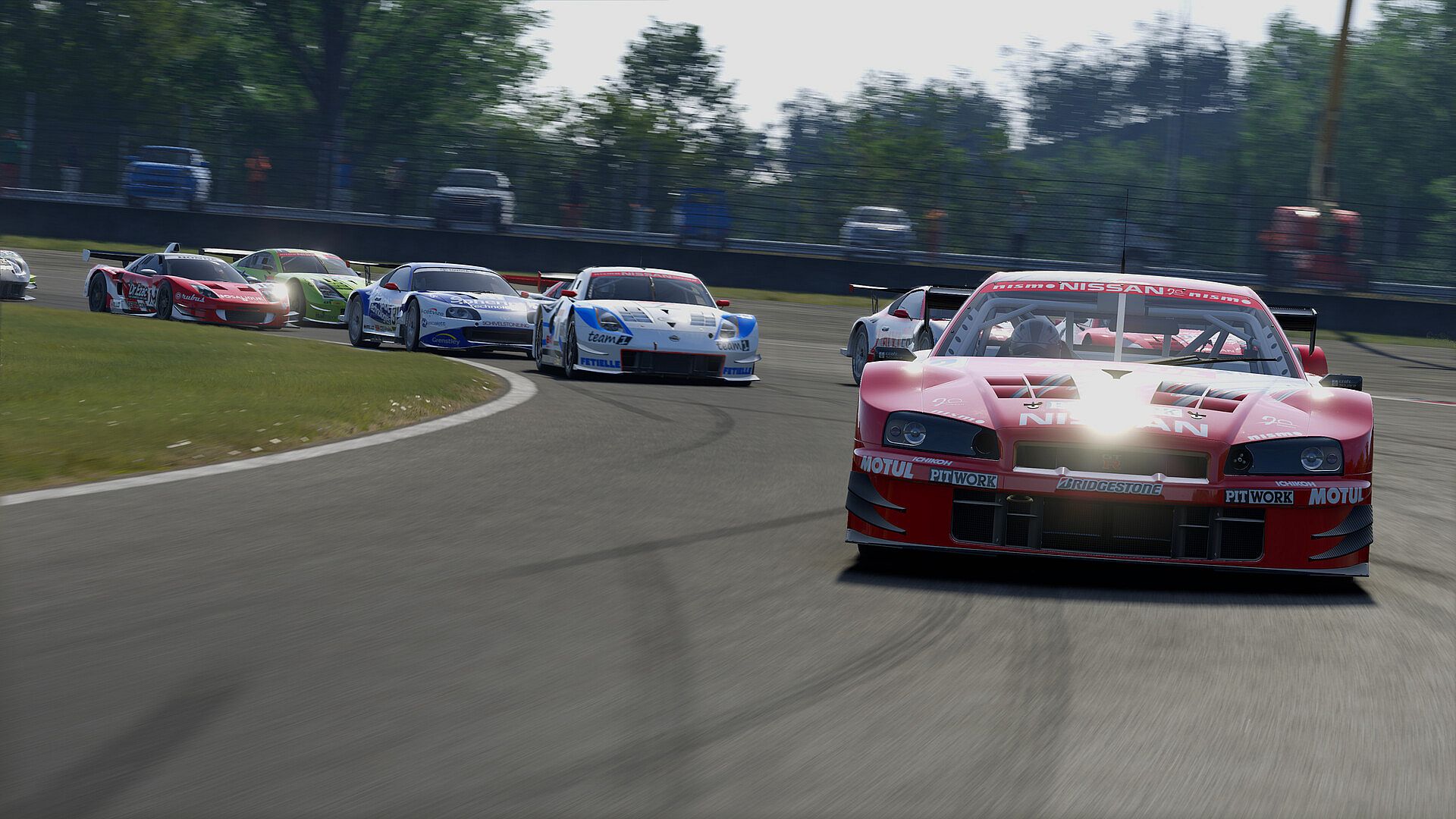
The core loop centers on realistic vehicle dynamics that emphasize tire grip, downforce management, and power delivery across varied track conditions. Cars in the Japanese Prototypes Class 1 deliver extreme aerodynamic loads suited to high-speed stability, while Class 2 entries feature turbocharged engines and bold bodywork that produce raw, analogue responses to driver inputs. Setup options allow adjustments to suspension, aerodynamics, and gearing to optimize each machine for specific layouts. Engine audio stands out for its fidelity, capturing the distinct character of each powerplant during acceleration and gear shifts. The added Takimiya Circuit introduces elevation changes and tight technical sections that test braking points and corner exit traction on these prototypes.
Game Modes
Race Weekend sessions let players configure practice, qualifying, and race segments with adjustable opponent counts, weather, and session lengths to focus on lap consistency or full events. Career Mode requires financial oversight, including entry fees, travel costs, repairs, and sponsor contracts that influence earnings based on results such as podiums or fastest laps. Multiplayer options include Ranked races that demand a license test for access, Custom Lobbies supporting up to 32 drivers across multiple classes, and Social races for less structured competition. Endurance Challenges provide longer-format events on various tracks, including opportunities to run these new prototypes in extended sessions.
Japanese Prototypes Content
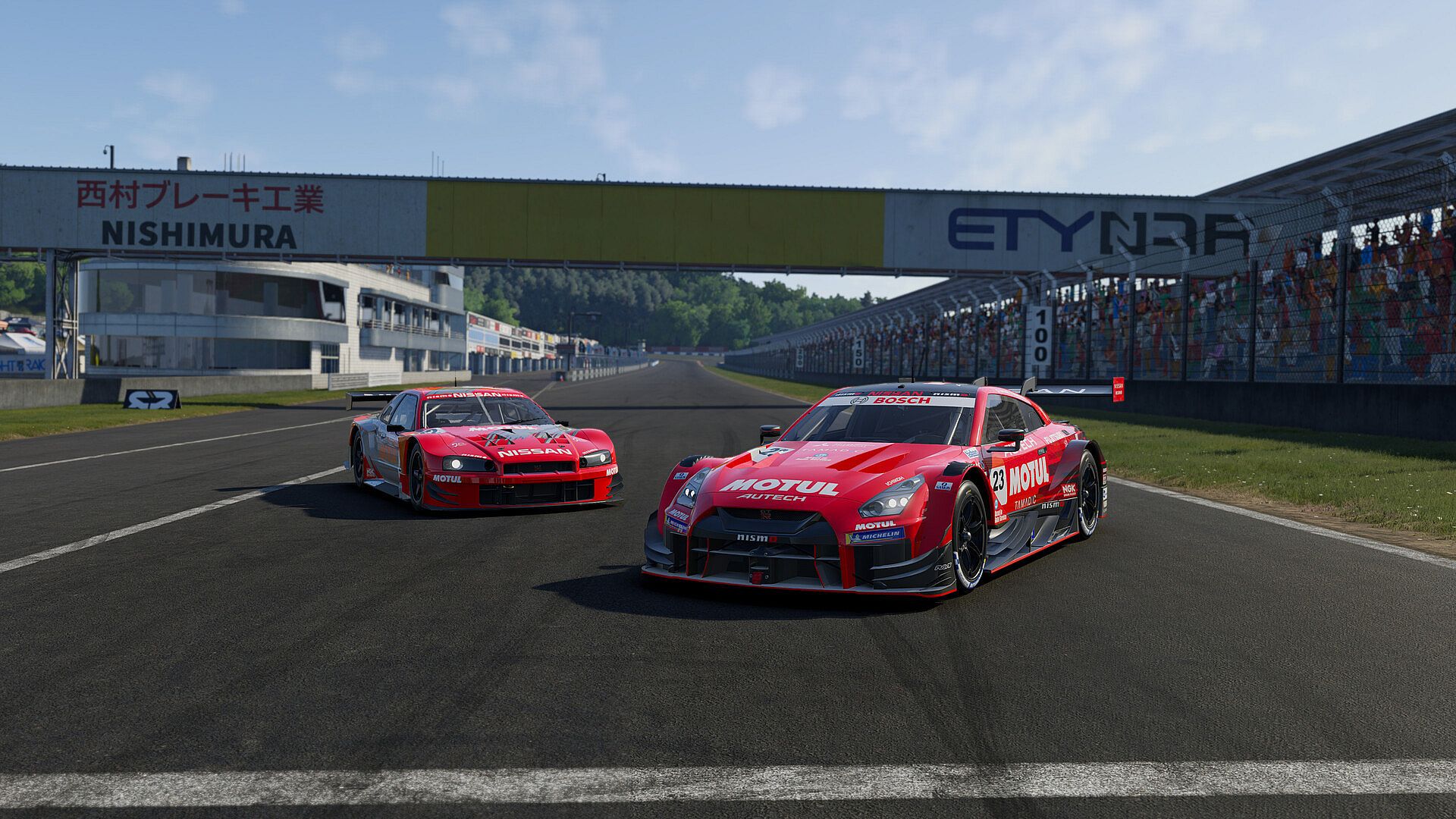
The pack groups five modern Class 1 machines, including the 2022 Nissan Calsonic Impul Z, 2023 Honda NSX, 2024 Honda Civic, 2021 Nissan Motul Autech GT-R, and 2023 Toyota GR Supra, all engineered for sustained high-speed performance. Four earlier Class 2 cars follow: the 2003 Nissan Skyline GT-R (R34), 2003 Honda NSX, 2003 Toyota Supra, and 2004 Nissan Fairlady Z (Z33), which highlight turbo power and distinctive silhouettes from a pivotal period in Japanese motorsport. These vehicles slot into existing championships and events, offering fresh handling profiles that contrast with other classes through their aero emphasis and power characteristics.
Is It Worth Playing?
Reception for the base game remains mixed, with praise directed at the handling model, engine sounds, and depth of the career structure, while criticism targets AI behavior and technical performance on some platforms. The Japanese Prototypes Pack appeals specifically to simulation racing enthusiasts seeking additional variety in prototype machinery and a challenging new circuit. Players who value precise control and financial strategy in single-player progression or competitive online lobbies will find the added cars and track extend the available content meaningfully. Ongoing patches have addressed several launch issues, improving stability and features for those invested in the title's long-term development.