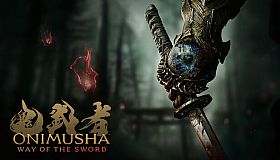



Onimusha: Way of the Sword places players in control of Miyamoto Musashi as he navigates a corrupted version of Edo-period Kyoto filled with supernatural threats known as Genma. This action-adventure title emphasizes close-quarters sword combat built around precise timing and defensive maneuvers rather than open exploration or resource gathering loops typical of some RPGs.
Gameplay
Combat revolves around a single katana wielded by Musashi, supported by the Oni Gauntlet that absorbs souls from defeated enemies. Yellow souls restore health, blue souls power special Oni Armaments for heavy damage, and red souls fund upgrades to abilities and equipment. Defensive options include a standard block that drains stamina, a timed parry that repositions the player behind foes and builds a Blaze Gauge for enhanced damage, and a deflect that reflects projectiles while heavily taxing enemy stamina. Perfect dodges fill a Reflex Gauge for follow-up combos, while the signature Issen mechanic rewards micro-second timing on counters with executions that can chain across groups. Break Issen extends this to bosses by targeting body parts after posture breaks. Environmental interactions, such as using tatami mats for cover or carts to ram groups, add variety without shifting focus from blade work. Progression follows linear story missions with opportunities to claim and equip items at Spirit Mirrors once unlocked through main quests.
Game Modes
The experience centers on a single-player campaign with difficulty options that adjust enemy damage, player output, and parry windows. Story mode includes on-screen action prompts to highlight timing for blocks, deflects, and Issen counters, making the core loop more accessible for those new to precise swordplay. Action mode removes these aids for players seeking unassisted challenge. No separate multiplayer or cooperative modes exist, keeping the focus on individual mastery of the combat systems across the main narrative path.
Customization Options
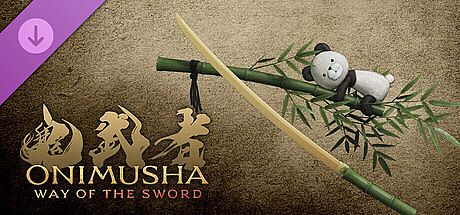
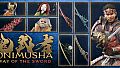
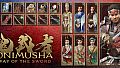
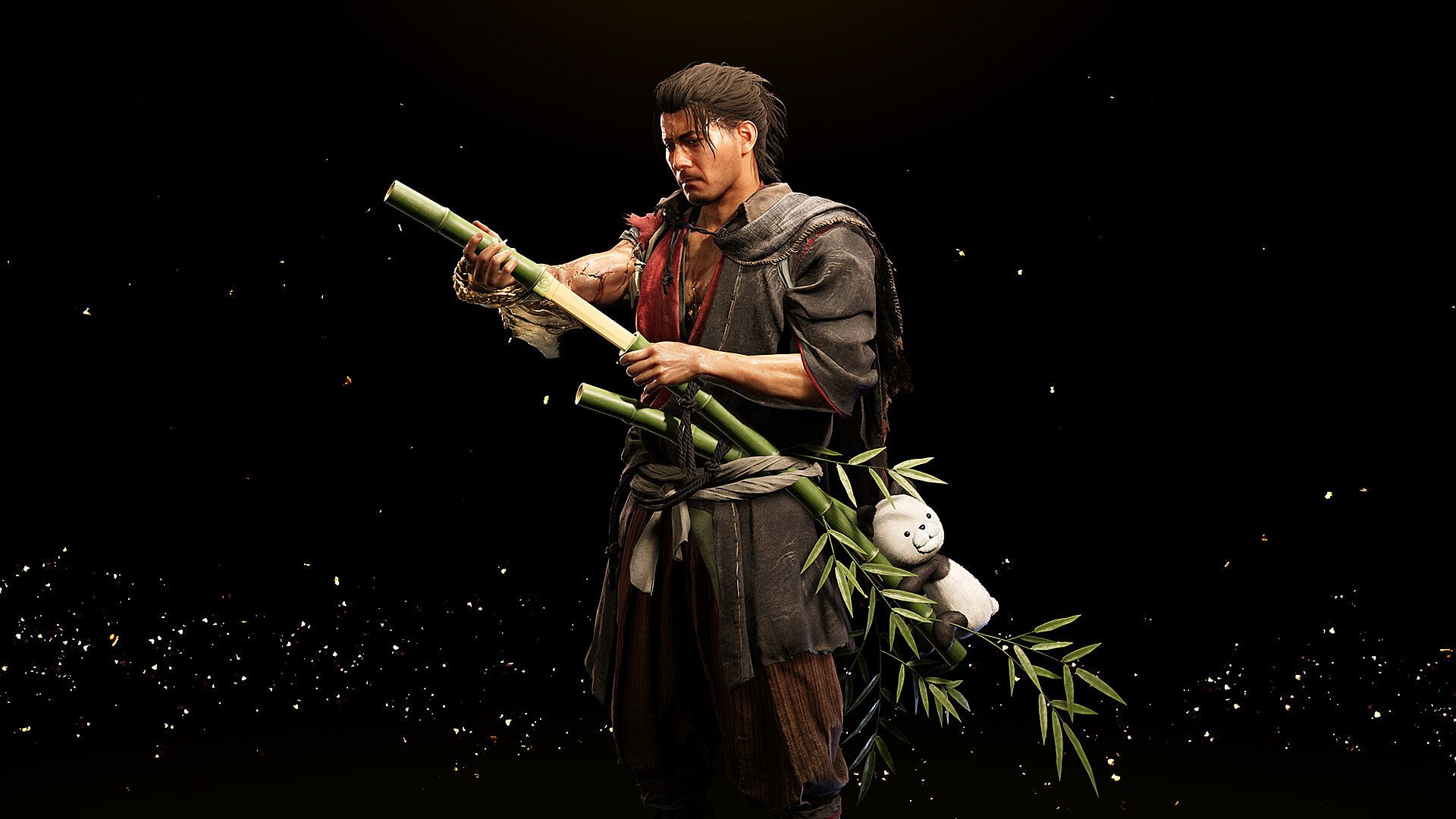
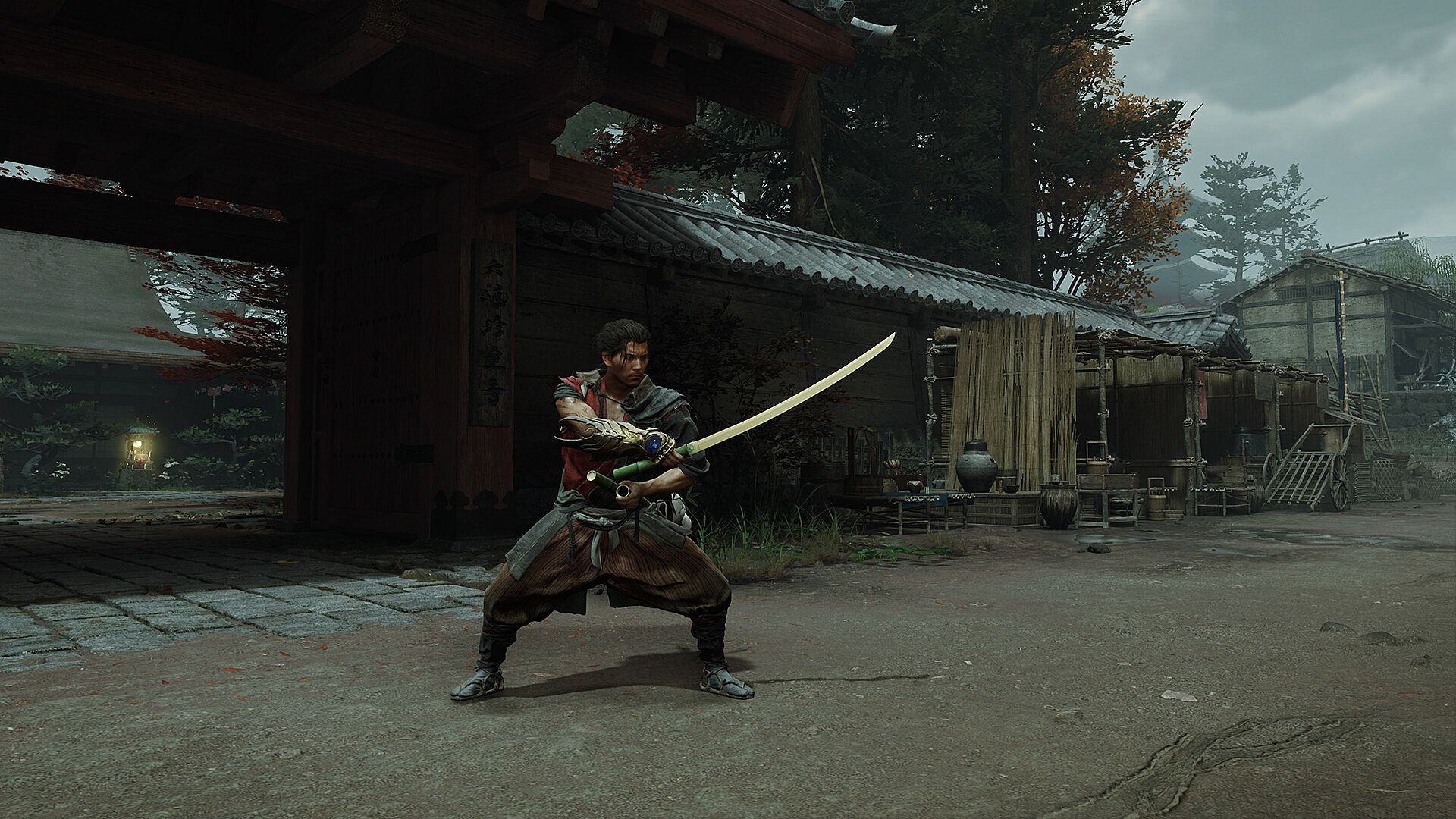
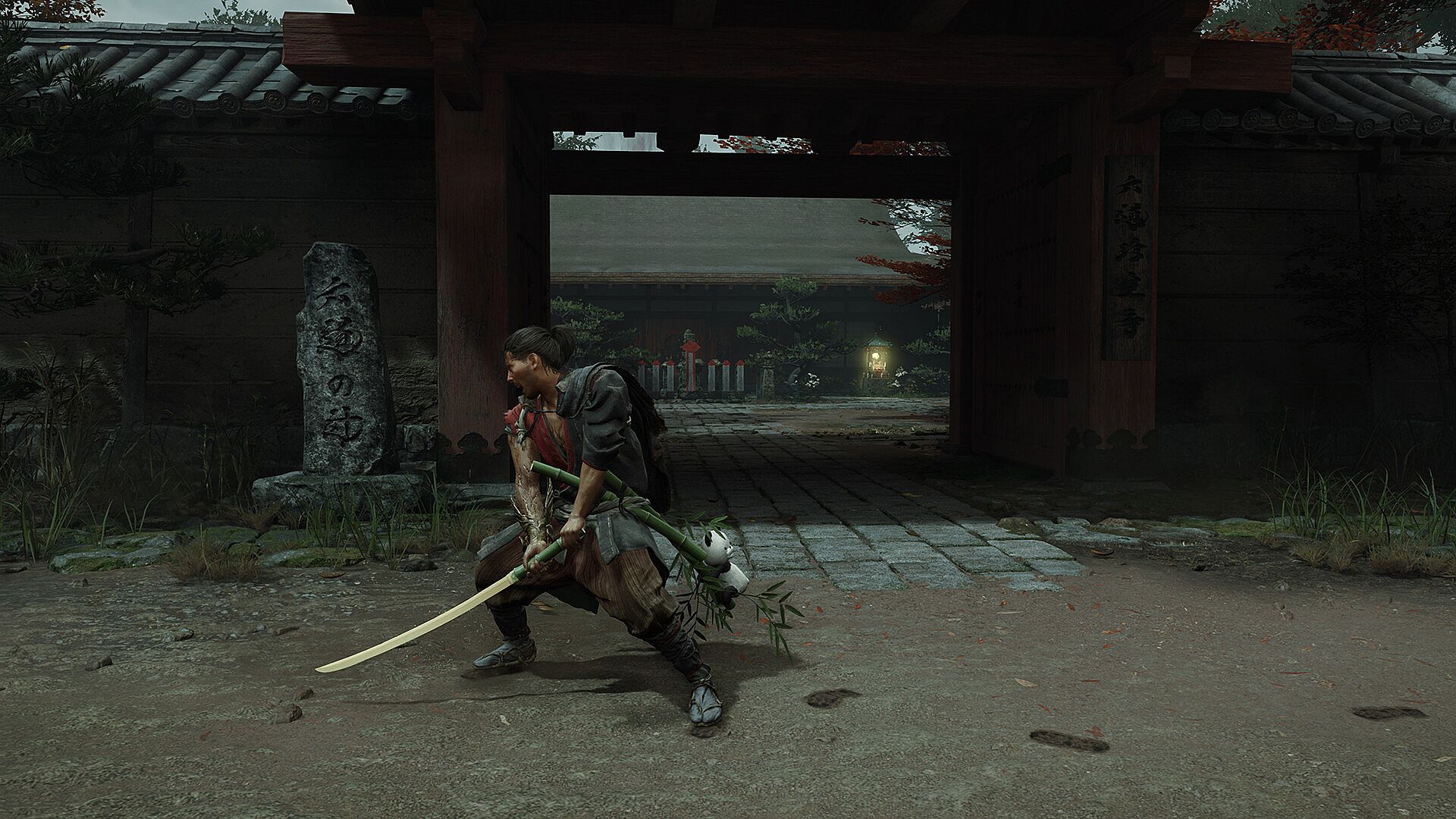
Players can alter Musashi's visual presentation through cosmetic items claimed via the Spirit Mirror menu. Sword appearances replace the default blades with new designs that have no impact on damage, speed, or any combat statistics. One such option transforms the swords into bamboo versions complete with a panda clinging to the sheath, delivering a lighthearted contrast to the game's darker tone while Musashi continues to fight without restriction. These changes activate through the Change Appearance selection once the relevant menu unlocks during story progress. Additional cosmetics cover outfits, gauntlet appearances, and charms that provide minor buffs when equipped, all handled separately from core performance upgrades.
Is It Worth Playing?
This title suits players who appreciate timing-focused sword combat in a contained, story-driven single-player package set in a stylized historical Japan. The combat depth comes from layered defensive choices and high-reward counters rather than expansive skill trees or loot systems. Recent release means ongoing patches may refine balance, but the core loop stands on its own for those drawn to deliberate, blade-clash encounters over faster-paced action or multiplayer elements. Those who enjoy mastering parries and Issen timing in linear missions will find consistent engagement, while players seeking open-world freedom or group play may look elsewhere.