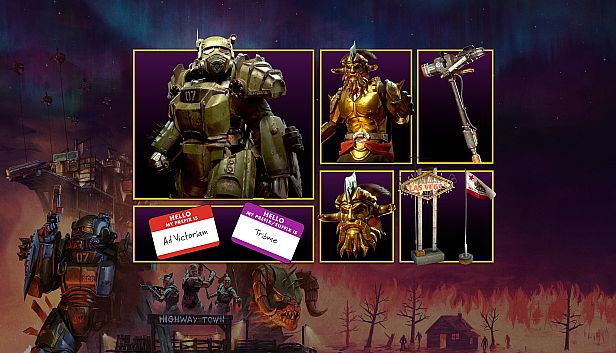


Fallout 76 is an open-world multiplayer RPG set in the irradiated region of Appalachia. Players emerge from Vault 76 on Reclamation Day in 2102 as one of the first groups to reclaim the wasteland after nuclear devastation. The experience centers on survival, character progression, exploration, and interaction with other players in a shared world.
Gameplay
Character creation relies on the S.P.E.C.I.A.L. system, which assigns points across seven attributes to shape combat effectiveness, crafting efficiency, and special abilities. Players customize their Vault Dweller through perk cards that unlock and upgrade over time. Exploration covers six distinct regions of West Virginia, each with unique terrain, hazards, and resources. Forests give way to toxic bogs and mountainous areas, where players gather materials, complete quests, and uncover stories tied to local factions and survivors.
Building forms a core loop through the C.A.M.P. system. This portable platform allows placement of shelters, workbenches, and defensive structures anywhere suitable terrain exists. Players craft weapons, armor, and consumables while managing inventory and stash limits. Combat mixes ranged and melee options against mutated creatures, raiders, and environmental threats. Quests range from solo storylines that reveal regional secrets to cooperative tasks that benefit from group coordination.
Game Modes
Adventure Mode serves as the primary shared world where up to 24 players occupy the same server. Public events, team formation, and random encounters occur naturally as players pursue objectives. Fallout Worlds expands options with Public Worlds that rotate monthly and apply preset rule changes such as altered damage, building restrictions, or weather effects. Custom Worlds allow Fallout 1st subscribers to adjust settings like resource rates, enemy difficulty, and PvP rules for private sessions with friends. Private Worlds provide smaller dedicated instances limited to eight players without custom modifications.
These modes support different playstyles. Adventure Mode emphasizes discovery and community events, while the Worlds variants enable focused testing of builds or relaxed building sessions. Progress in Public and Custom Worlds remains separate from the main character to preserve balance.
Seasons and Progression
Seasons deliver ongoing challenges that award tickets for rewards including consumables, C.A.M.P. items, and cosmetics. Daily and weekly tasks encourage regular play across exploration, combat, and crafting activities. The system replaced earlier scoreboards and now runs alongside legacy seasons that let players access past reward tracks. Recent updates have introduced new enemy encounters, refined events, and expanded endgame loops such as nuke launches that create high-value zones for rare materials and boss fights.
Factions like the Responders, Free States, Brotherhood of Steel, and Enclave influence questlines and world events. The Scorched plague adds persistent danger across regions. Players navigate alliances or conflicts while rebuilding settlements and managing reputation.
Is It Worth Playing?
Fallout 76 receives ongoing seasonal content and technical updates that have improved stability and added features since launch. Steam reviews sit at Mostly Positive based on over 141,000 ratings. The game suits players who enjoy open-world exploration, base building, and cooperative or solo survival elements in a Fallout setting. Those seeking a traditional single-player RPG may find the always-online structure and inventory management less appealing. Availability on PS4 and PS5 supports cross-generation play, and regular seasons provide fresh challenges without requiring additional purchases for core progression. Players who value community events and long-term character customization often return for updates that expand Appalachia with new biomes and mechanics.