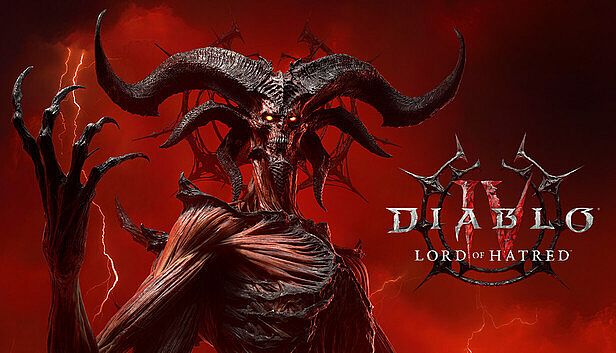












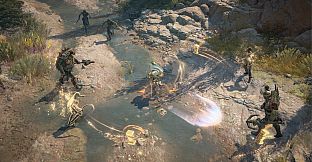
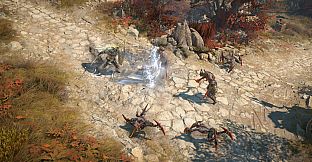
Diablo IV: Lord of Hatred es la segunda gran expansión de la saga de action RPG, que amplía el mundo de dark fantasy de Sanctuary con nuevos desafíos contra fuerzas demoníacas.
Jugabilidad
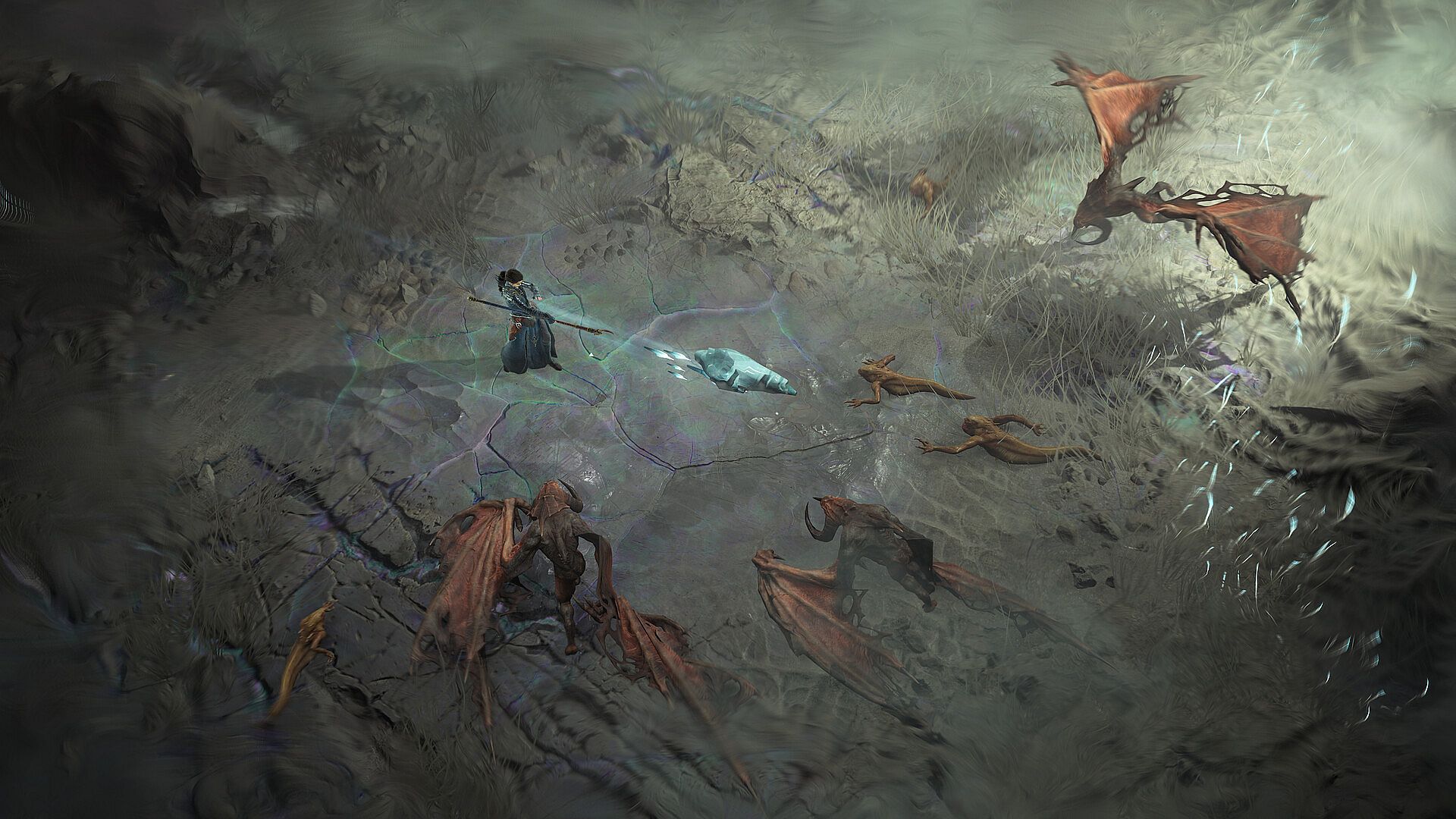
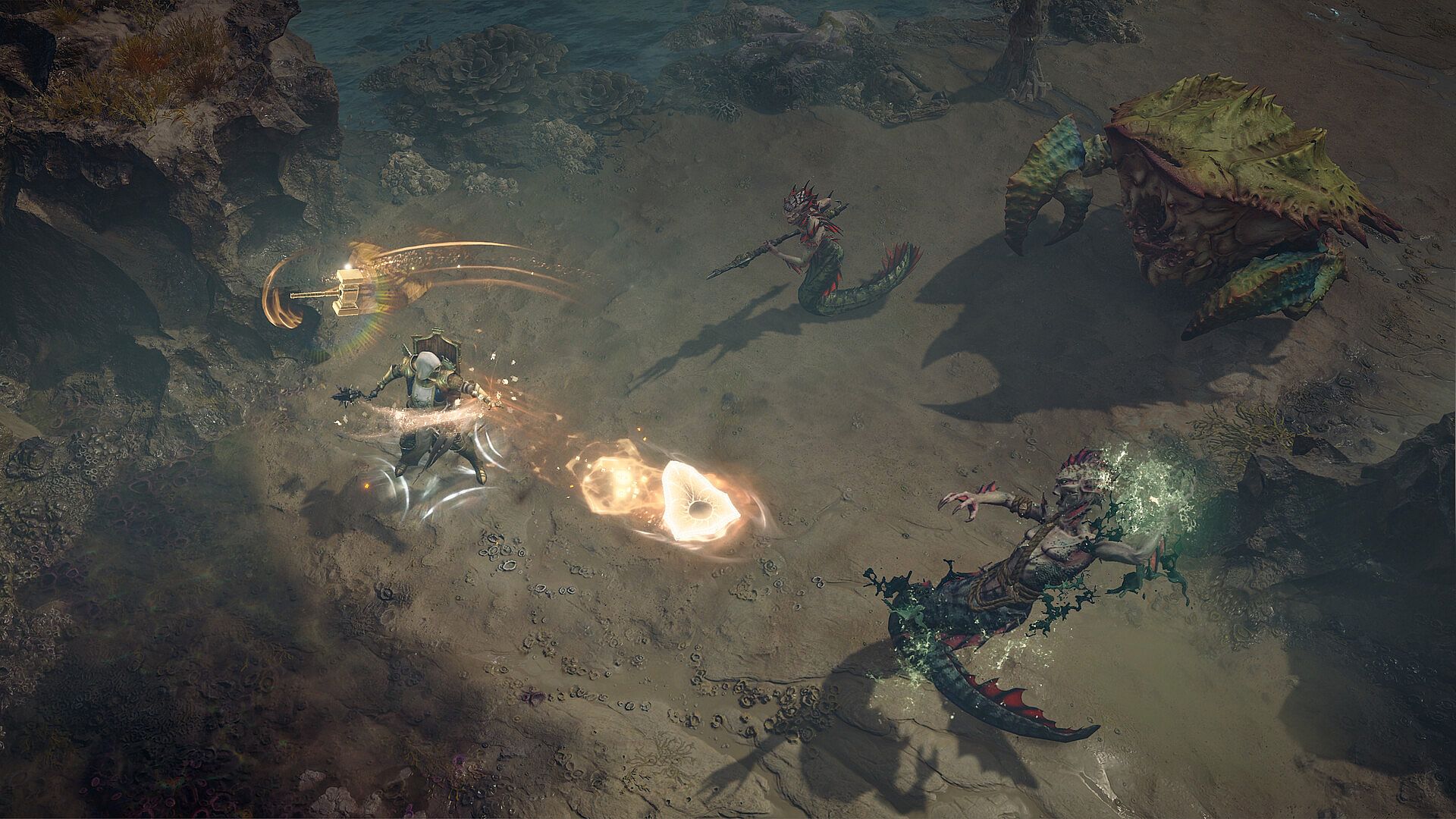
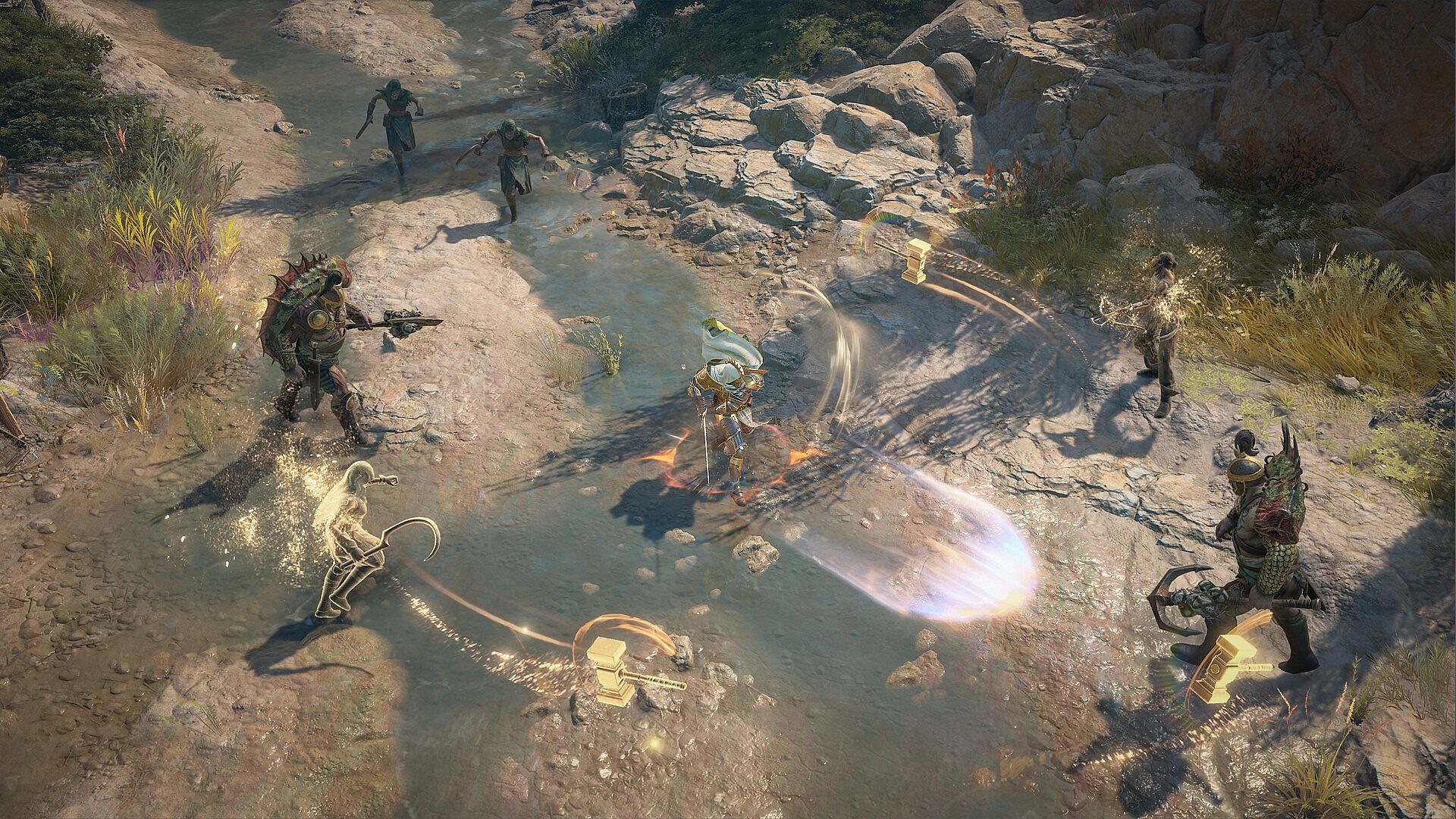
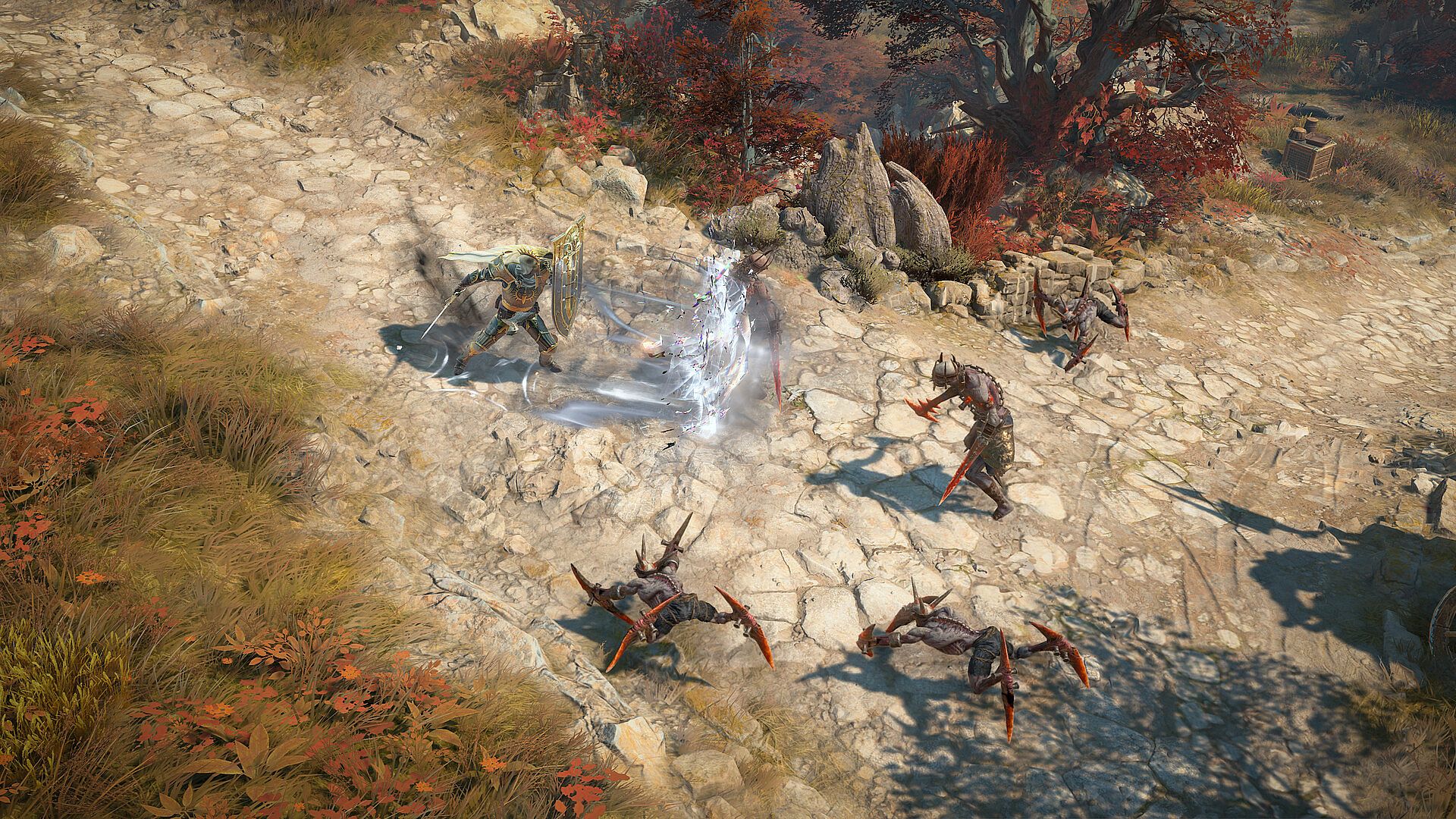
En este action RPG, controlas a un héroe personalizable que se enfrenta a hordas de enemigos en un mundo abierto plagado de peligros. El combate gira en torno a habilidades específicas de cada clase para derrotar monstruos, recolectar loot y aumentar tu poder. La expansión incorpora dos clases nuevas: el Paladin, que combina luz sagrada con ataques cuerpo a cuerpo usando martillo y escudo para una defensa y ofensiva versátiles, y el Warlock, que invoca poderes infernales abriendo grietas al infierno. Las ocho clases reciben rediseños en sus árboles de habilidades, con variantes nuevas y un aumento del nivel máximo, lo que permite experimentación más profunda en builds. La itemización se actualiza con un filtro de loot para organizar equipo de forma eficiente, el regreso del Horadric Cube para crafting y el sistema de talismanes que activa bonos de set para potentes combinaciones.
El núcleo del gameplay consiste en explorar regiones, completar misiones y librar combates en tiempo real donde la posición y el timing de habilidades son clave. Las mecánicas de transmutación permiten modificar objetos, y los sistemas renovados destacan por las opciones de progresión del personaje.
Modos de juego
La campaña principal te lleva a una narrativa centrada en el enfrentamiento con Mephisto en la nueva región de Skovos, con alianzas y batallas de alto riesgo. Este modo permite jugar en solitario o cooperar online con otros.
Las actividades de endgame se expanden tras la campaña, con War Plans que personalizan el progreso al elegir actividades y aplicar modificadores para obtener recompensas. Echoing Hatred te pone a prueba contra oleadas infinitas de demonios para poner a examen tus builds. Otras opciones incluyen pescar en las aguas de Sanctuary para desconectar del combate.
New Features and Updates
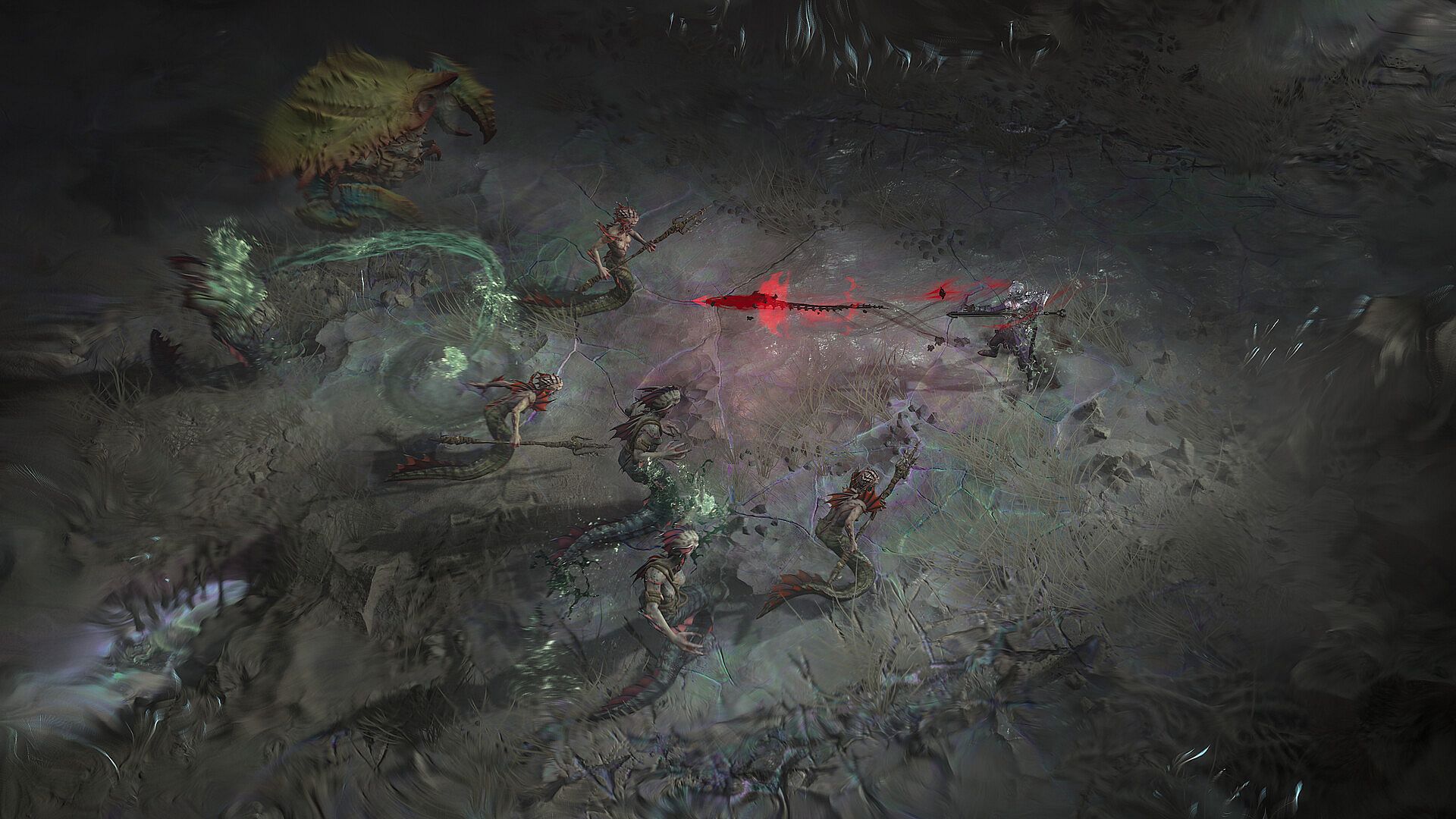
Lord of Hatred presenta la región de Skovos, una tierra antigua con zonas volcánicas, bosques y costas hundidas repletas de cultistas, horrores marinos y amenazas infernales. Además, incluye la expansión anterior Vessel of Hatred, con la clase Spiritborn, la región de Nahantu y compañeros mercenarios.
Actualizaciones importantes impactan a todos los jugadores, transformando la progresión de héroes y los sistemas de endgame para mayor dominio y variedad. Estos cambios responden al feedback continuo refinando loot y habilidades.
¿Merece la pena?
Si te apasionan los action RPG con grinding de equipo y ajustes de builds, esta expansión revitaliza la experiencia con cambios profundos y contenido fresco. El combate base es impactante, con animaciones fluidas e interacciones enemigas satisfactorias, aunque las actualizaciones constantes pueden complicar seguir el ritmo. Si disfrutas del progreso a largo plazo en un entorno oscuro lleno de demonios, trae adiciones clave como expansiones de clases y rutas de endgame personalizables. Los nuevos jugadores acceden a contenido previo como punto de entrada sólido, mientras los veteranos hallan mayor profundidad en los sistemas. Pruébala si el monster-slaying cooperativo y la caza de loot encajan con tu estilo, sobre todo con el soporte continuo de seasons y parches.