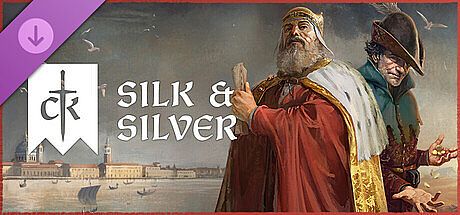


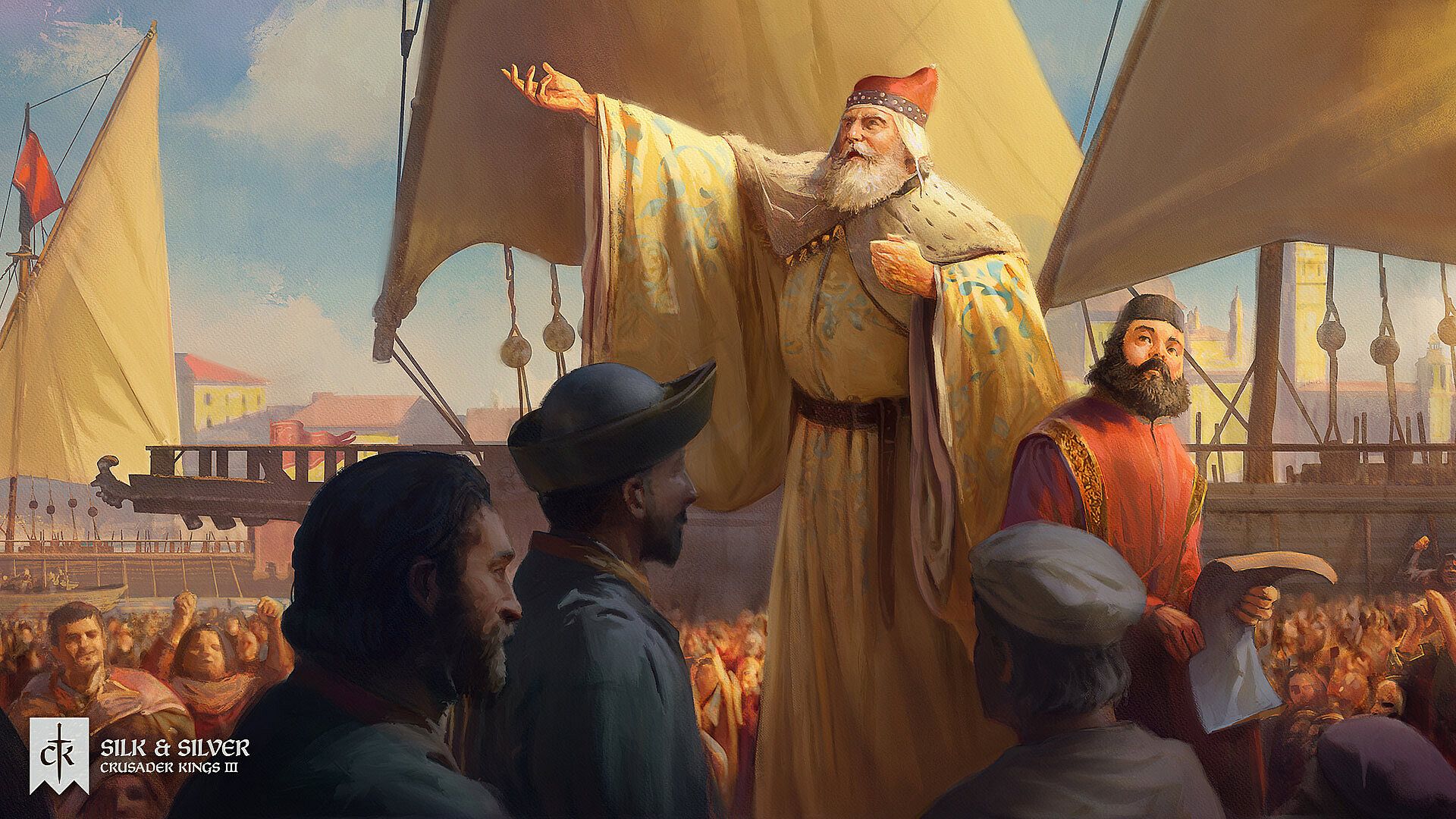
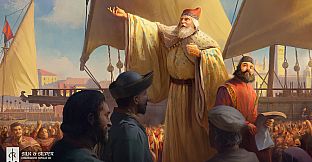
Crusader Kings III: Silk & Silver es una gran expansión para el simulador de gran estrategia que incorpora familias mercantiles y mecánicas centradas en el comercio al escenario medieval. Los jugadores gestionan dinastías a través del crecimiento económico en lugar de limitarse a la conquista o la herencia, combinando estrategia, interpretación de roles y simulación en campañas para un jugador en PC.
Jugabilidad
El ciclo principal gira en torno a la acumulación de riqueza mediante rutas comerciales y préstamos, mientras se busca mejorar la posición de la familia mercantil. Se comienza como un comerciante modesto y se progresa identificando rutas rentables que conectan centros de producción con mercados que demandan bienes como sal, plata, oro y cobre. La expansión incluye una revisión profunda de la economía que integra el comercio en la simulación general, con la producción y las necesidades reflejadas en cada condado.
La competencia se basa en desplazar a las familias rivales, cerrándoles el acceso a los mercados y asegurando el monopolio de rutas o productos específicos. La influencia política se obtiene mediante el cabildeo ante la nobleza y la realeza, utilizando la riqueza y las intrigas para obtener ventajas. Una mansión central actúa como sede de operaciones, donde las mejoras en las instalaciones respaldan las actividades comerciales y la gestión familiar.
Las ligas comerciales permiten formar alianzas con otras entidades mercantiles para obtener beneficios económicos y militares, y las agrupaciones más consolidadas pueden evolucionar hacia confederaciones. El sistema prioriza un crecimiento imperial gradual vinculado al prestigio y los recursos de la familia, en lugar de conquistas territoriales rápidas.
Modos de juego
Los nuevos tipos de gobierno definen los estilos de partida principales. El gobierno mercantil sitúa al jugador al frente de una compañía comercial, centrado en el ascenso económico y en el uso de los beneficios para elevar el estatus familiar. Las repúblicas introducen una estructura distinta en la que varias familias mercantiles compiten por el control según modelos históricos, con énfasis en la lucha por el poder y la riqueza.
Dentro de las repúblicas, las leyes y asambleas permiten moldear la constitución, definiendo cómo se eligen los líderes y cómo se distribuye el tesoro estatal. Estos sistemas admiten tanto operaciones mercantiles independientes como la integración en reinos territoriales más amplios como financistas.
Entre los elementos de ambientación destacan los carnavales cívicos en las repúblicas de inspiración italiana y las facciones políticas de güelfos y gibelinos, que pueden derivar en conflictos abiertos y afectar la dinámica republicana.
Mecánicas y sistemas principales
El sistema de comercio constituye la base, permitiendo que los mercaderes trasladen bienes a escala global para satisfacer la demanda local, mientras el mapa refleja los cambios económicos con el paso del tiempo. Los monopolios otorgan derechos exclusivos que aumentan los beneficios y limitan a la competencia. El progreso de la familia está directamente ligado al éxito comercial, ya que la riqueza financia tanto la expansión de los negocios como las maniobras políticas.
Es posible operar únicamente como mercader o combinar el comercio con posesiones territoriales tradicionales, financiando expansiones para gobernantes aliados. Las mecánicas premian la planificación a largo plazo en torno a la seguridad de las rutas, el control de los mercados y la formación de alianzas mediante las ligas.
¿Merece la pena jugarlo?
Crusader Kings III: Silk & Silver está dirigido a quienes buscan una estrategia económica profunda y una simulación política dentro de un marco medieval. Los nuevos gobiernos mercantiles y republicanos ofrecen una alternativa distinta al juego feudal habitual, centrada en rutas comerciales, monopolios e influencia en lugar de depender exclusivamente de la conquista militar.
Dado que la expansión sigue en desarrollo y su lanzamiento está previsto para el cuarto trimestre de 2026, todavía no hay reseñas ni valoraciones disponibles. Quienes disfrutan gestionando recursos con detalle, haciendo avanzar a su familia a través del comercio y explorando modelos de gobierno republicano encontrarán aquí el mayor atractivo. La expansión conserva las fortalezas del juego base en la construcción de dinastías y añade capas de competencia económica y mecánicas de alianza pensadas para sesiones estratégicas y pacientes.