


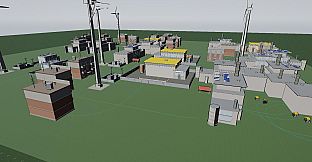
ARCWATT: Power Empire is a strategy simulation game centered on city building through careful power grid design. Players construct and manage the electrical infrastructure that keeps housing, factories, and commercial zones operational on PC. The focus remains on placing generators and transmission lines to meet fluctuating demand while accounting for environmental factors and physical constraints of the grid layout.
Gameplay
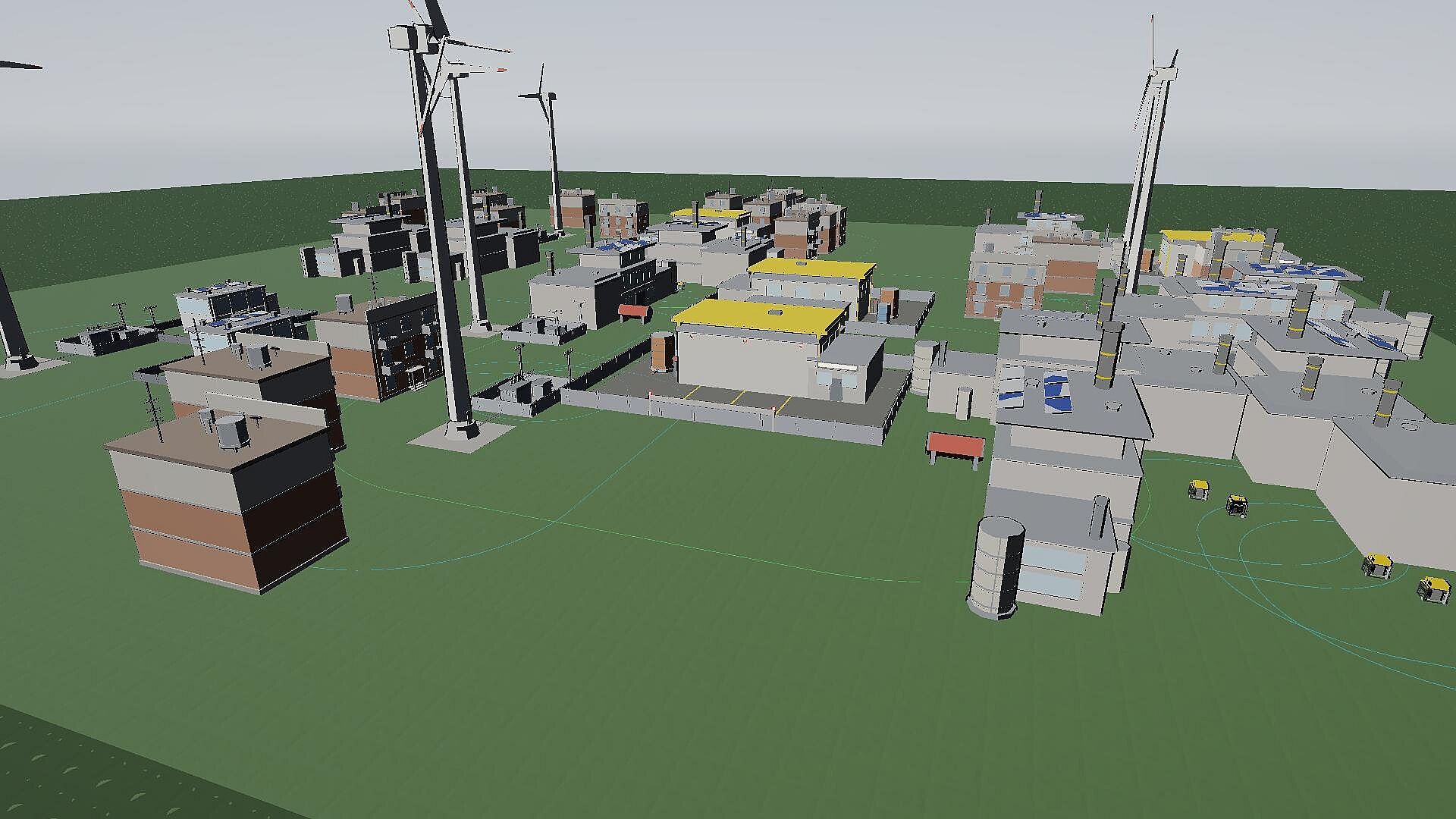
The core loop revolves around planning production sites and routing power across the map. Every placement decision influences efficiency, as buildings interact through proximity effects and supply line configurations. Housing benefits from nearby commerce, yet industrial emissions create drawbacks for adjacent residential areas. Overloading occurs when multiple feeds converge on a single structure, leading to failures that require immediate rerouting.
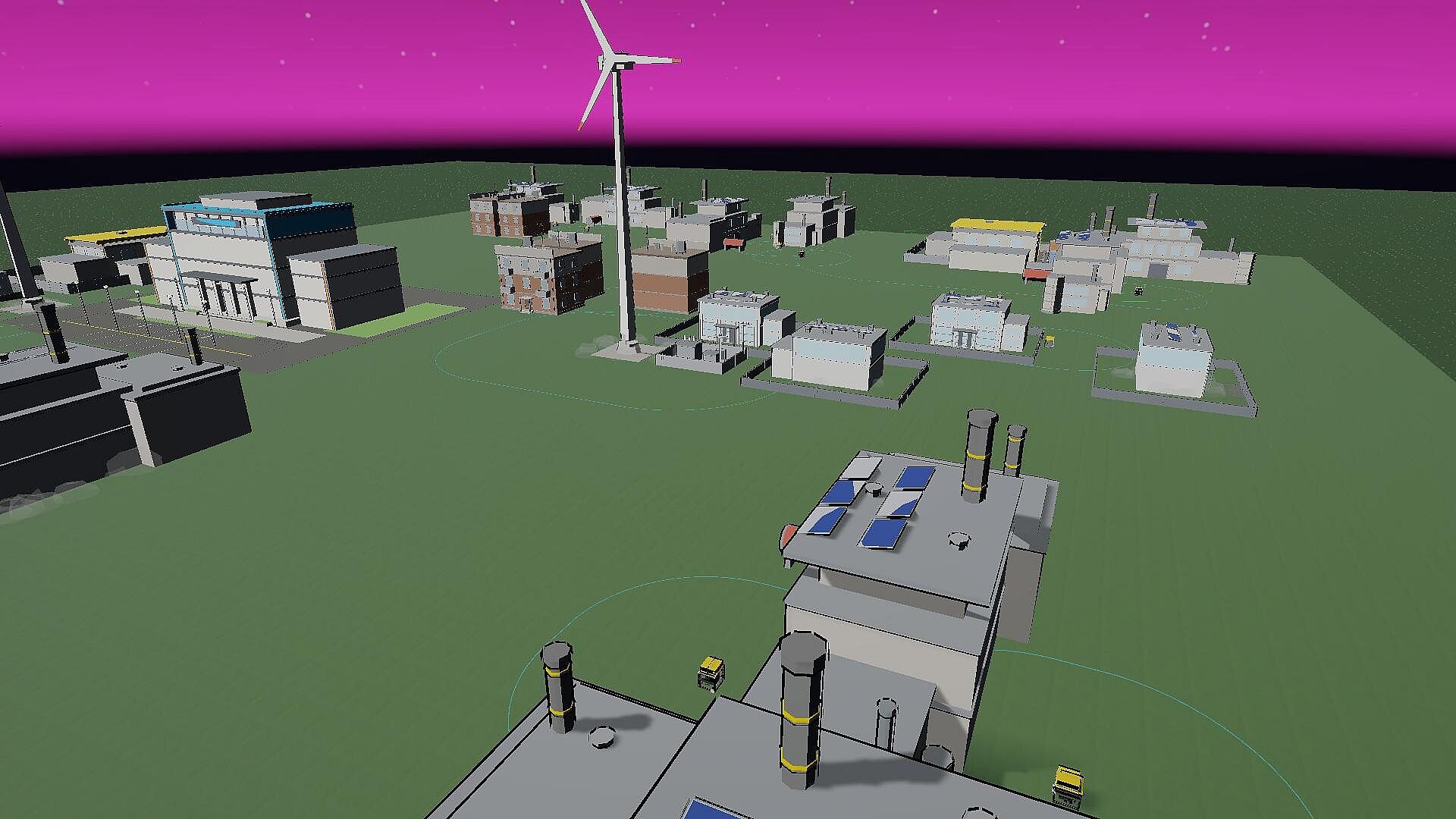
Power coverage follows realistic distance rules measured from the edges of facilities rather than abstract zones. Solar output drops after sunset, wind generation varies with time of day, and residential consumption peaks during evening hours. These cycles force ongoing adjustments to storage and backup sources to maintain stability across the city.
External pressures add layers of management. Rising temperatures increase overall demand, while storms temporarily disable turbines and deliver direct strikes to structures. Short-term fuel agreements provide quick resources at the cost of reduced long-term returns, requiring rapid evaluation of trade-offs during play sessions.
Game Modes
The experience centers on a single-player format where the entire session builds around grid expansion and city growth. No separate competitive or cooperative variants appear in the available details. Progression ties directly to balancing supply against demand while responding to weather events and resource contracts that alter available options mid-session.
Building proceeds tile by tile, with each new generator or consumer altering the overall network stability. The absence of predefined scenarios shifts emphasis toward open-ended development where success depends on adapting the grid to changing conditions rather than completing fixed objectives.
Power Management Systems
Grid physics dictate that supply lines must connect without excess branching that risks overload. Rotating individual structures optimizes their footprint and reach, allowing tighter layouts in dense urban zones. Research unlocks new generator types and efficiency upgrades that expand options for handling larger populations and industrial loads.
Demand patterns shift predictably with the day-night cycle and weather, encouraging layered solutions such as diversified sources and reserve capacity. Penalties from mismatched placements accumulate over time, turning early layout choices into lasting constraints on further expansion.
Is It Worth Playing?
This title suits players who enjoy detailed resource management within city-building frameworks, particularly those drawn to systems where infrastructure decisions carry immediate and cascading consequences. The single-player structure supports extended sessions focused on iterative refinement of the power network.
With its recent release on August 17, 2026, the game remains in an early phase of community feedback. Those interested in simulation titles that emphasize physical constraints and environmental variables will find the mechanics align closely with the described systems. Availability on PC makes it accessible for extended play without additional hardware requirements beyond standard specifications.