




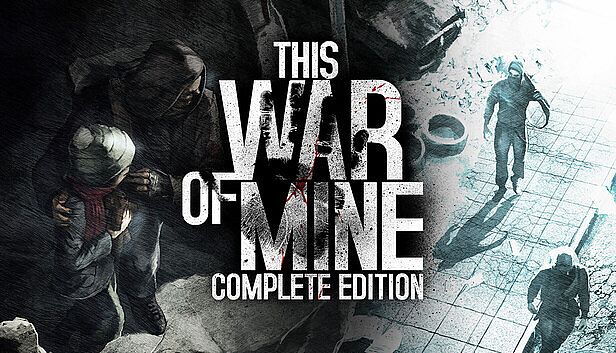






















This War of Mine: Complete Edition pone al jugador al frente de un pequeño grupo de civiles que intenta sobrevivir al asedio prolongado de una ciudad ficticia arrasada por la guerra. El juego se centra en la gestión de recursos y en la toma de decisiones difíciles, en lugar de en el combate o la exploración al uso. Los supervivientes deben equilibrar sus necesidades físicas, como la comida y el descanso, con su estado emocional, que influye directamente en su capacidad para actuar, mientras el conflicto exterior condiciona cada elección dentro del refugio.
Jugabilidad
Cada jornada se divide en dos fases bien diferenciadas. Durante el día la actividad se concentra en el refugio, donde se asignan tareas como preparar comida, fabricar herramientas y muebles o reforzar las defensas. Los recursos obtenidos la noche anterior determinan qué mejoras se pueden llevar a cabo y cada objeto fabricado o consumido tiene consecuencias a largo plazo para el grupo. Por la noche, uno o varios supervivientes salen a registrar edificios abandonados, fábricas u hospitales en busca de comida, medicinas, madera y otros suministros. Estos recorridos pueden transcurrir en calma o derivar en enfrentamientos con individuos armados o vecinos desesperados, obligando a decidir con rapidez si conviene luchar, ocultarse o negociar.
El bienestar físico y mental constituye el eje del juego. El hambre, el cansancio, las heridas y la depresión reducen el rendimiento de cada superviviente y pueden provocar discusiones o crisis que afectan a todo el grupo. Construir camas, cocinas y talleres ayuda a aliviar estos problemas, aunque cada mejora requiere materiales que podrían destinarse a la supervivencia inmediata. El trueque con visitantes ocasionales ofrece otra vía para conseguir objetos raros, aunque las condiciones de cada intercambio dependen del estado del conflicto y de las necesidades del comerciante.
Modos de juego
El modo Clásico plantea una experiencia de supervivencia abierta. Un grupo aleatorio de supervivientes llega a un refugio generado al azar y el objetivo es mantener con vida al mayor número posible hasta que se declare un alto el fuego. El momento de ese alto el fuego es impredecible, por lo que las partidas pueden durar desde unos pocos días hasta varias semanas según la gestión de recursos y la suerte en las salidas de búsqueda. Cada intento resulta distinto porque las historias de los personajes, los suministros iniciales y la distribución del refugio cambian entre partidas.
El modo Historias pone el acento en episodios narrativos. Estos escenarios independientes presentan personajes y situaciones concretas que se desarrollan a lo largo de varias noches. Los acontecimientos del conflicto llegan a través de emisiones de radio e interacciones con visitantes, orientando al jugador hacia ciertos desenlaces sin eliminar la libertad para organizar el refugio. El modo mantiene el mismo ritmo día-noche y los mismos sistemas de recursos, pero añade contexto a las dificultades personales de los supervivientes.
Core Systems and Progression
El avance se produce mediante mejoras graduales tanto del refugio como de los propios supervivientes. Las primeras noches suelen centrarse en asegurar comida y agua, mientras que las fases posteriores permiten construir estaciones más avanzadas que producen vendas, agua potable o incluso alcohol para comerciar. Las habilidades de cada personaje influyen en su eficacia en distintas tareas y las relaciones entre supervivientes pueden fortalecerse o deteriorarse según las dificultades compartidas. La radio es la principal fuente de información exterior y anuncia cambios en el conflicto que afectan a los precios de los comerciantes o al nivel de peligro de ciertos lugares.
El combate es limitado y arriesgado. Las armas obtenidas durante las salidas pueden equiparse para la autodefensa, pero enfrentarse a enemigos consume munición y puede provocar heridas que exigen suministros médicos escasos. Muchos jugadores descubren que evitar los combates suele dar mejores resultados a largo plazo, sobre todo cuando la depresión o el agotamiento ya afectan al grupo.
¿Merece la pena?
This War of Mine: Complete Edition está dirigido a quienes buscan experiencias de supervivencia pausadas y llenas de consecuencias, sin depender de acción ni de elementos multijugador. La Complete Edition reúne la campaña original junto con contenido adicional de historias y expansiones de personajes, ofreciendo un paquete para un solo jugador que mantiene intacto su diseño fundamental desde el lanzamiento. La recepción ha sido consistentemente positiva entre quienes valoran su tono sombrío y su complejidad moral, y muchos destacan cómo las mecánicas refuerzan el tema central de la resistencia civil en tiempos de guerra. Si te atrae la idea de gestionar recursos limitados y tomar decisiones comprometidas, el juego propone un ciclo concentrado y rejugable que sigue diferenciándose de los survival más convencionales. Quienes prefieren combates rápidos o partidas cooperativas probablemente encuentren su ritmo y su temática menos atractivos.


