








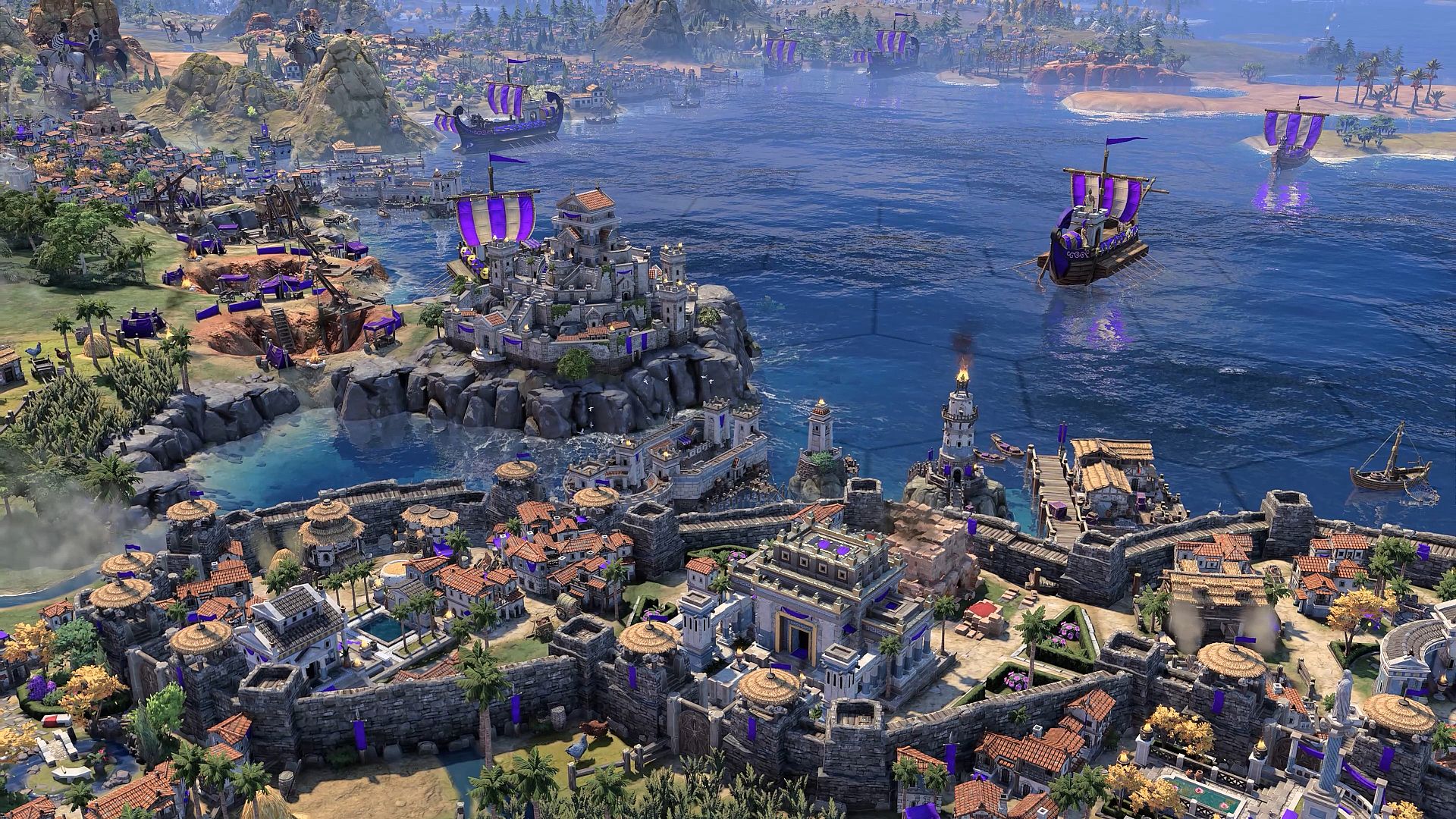
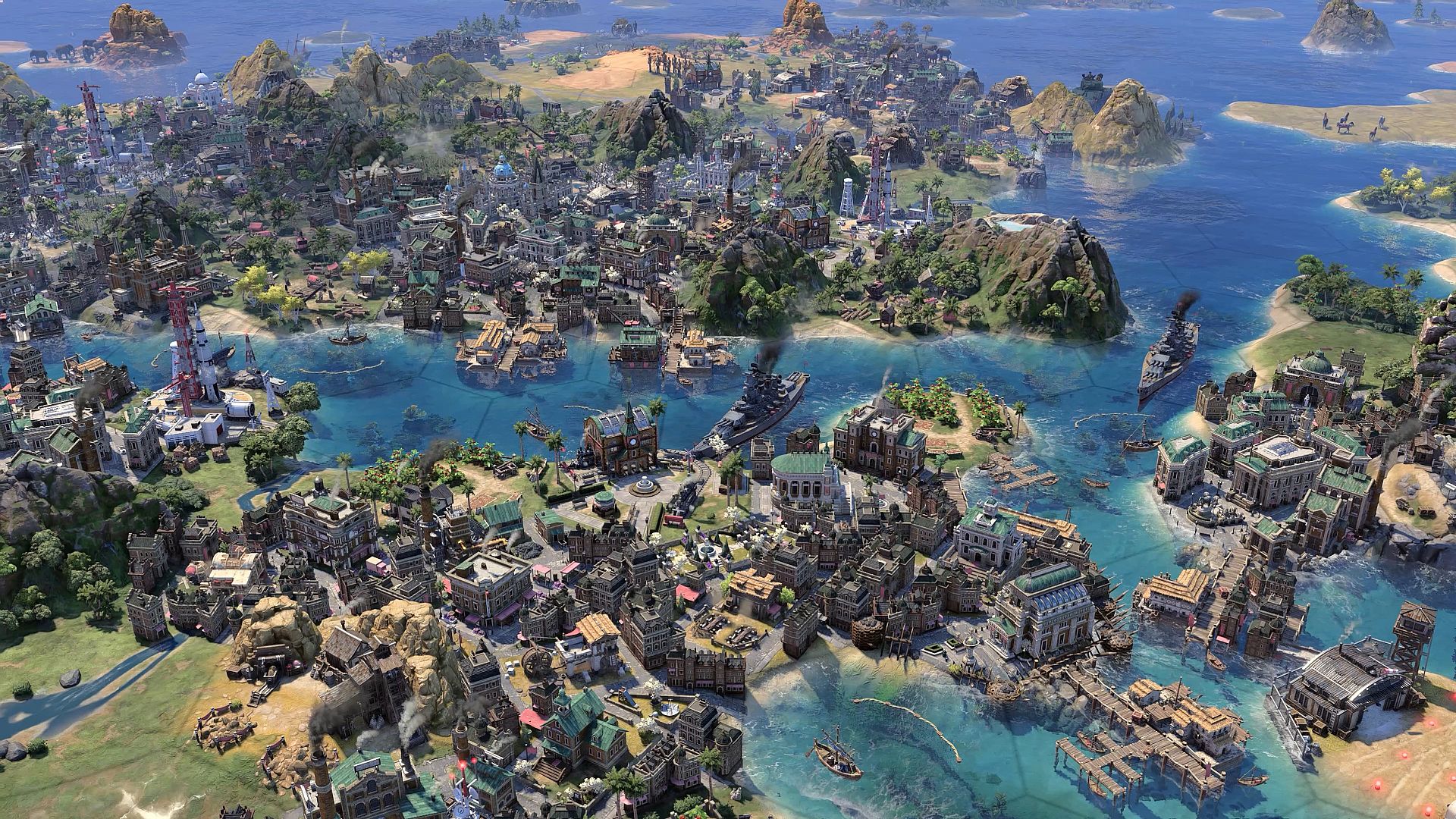
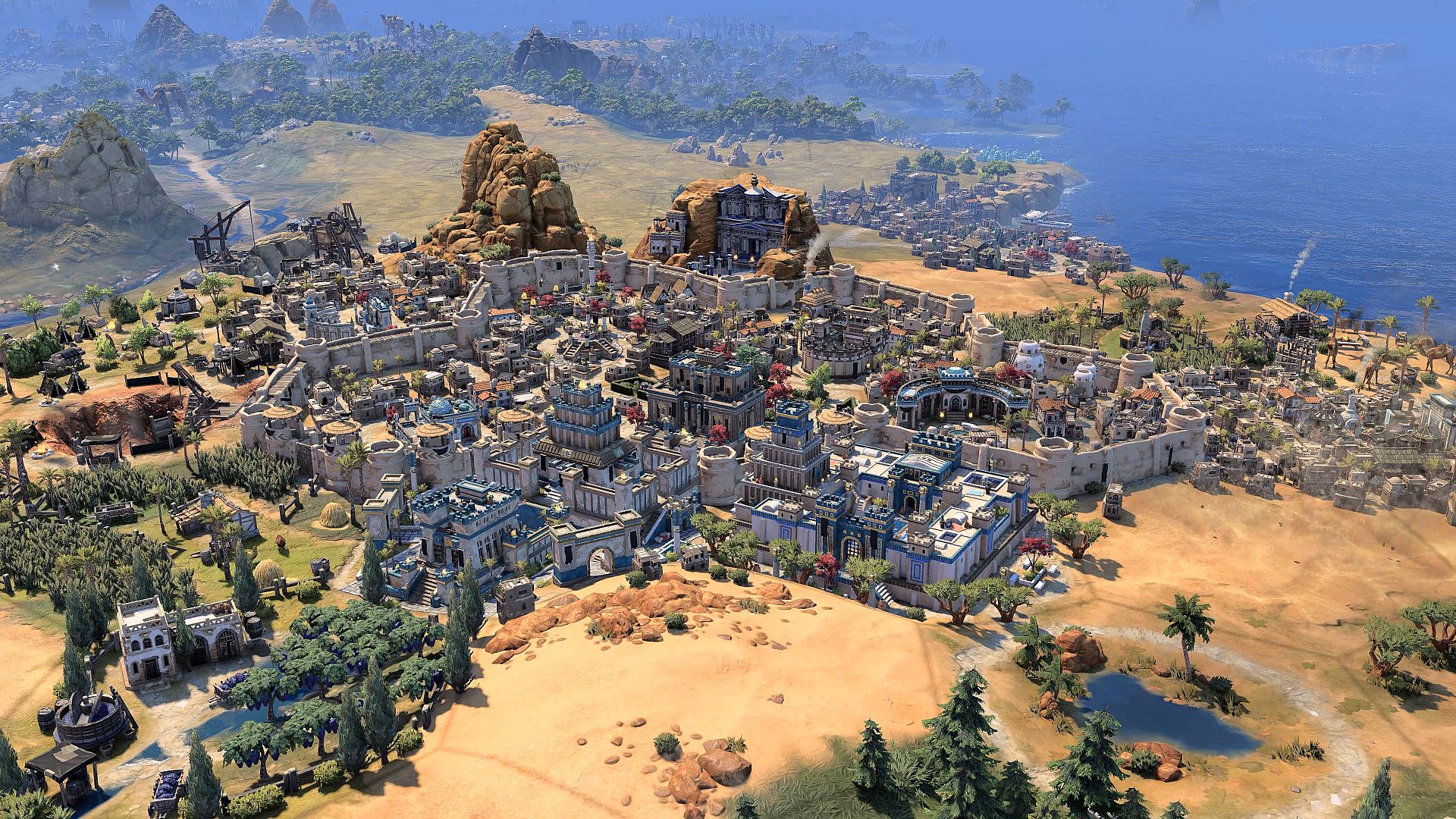
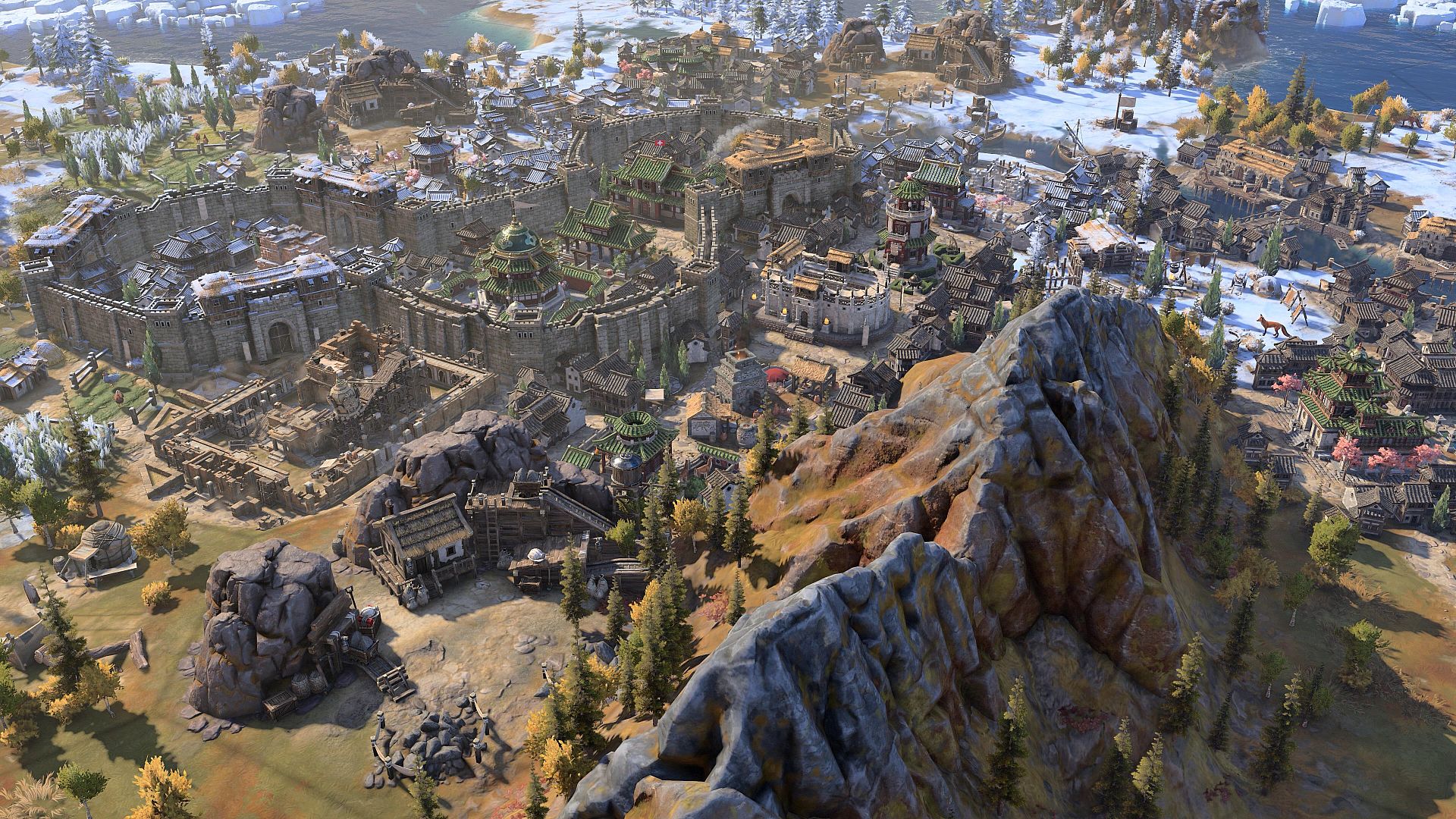
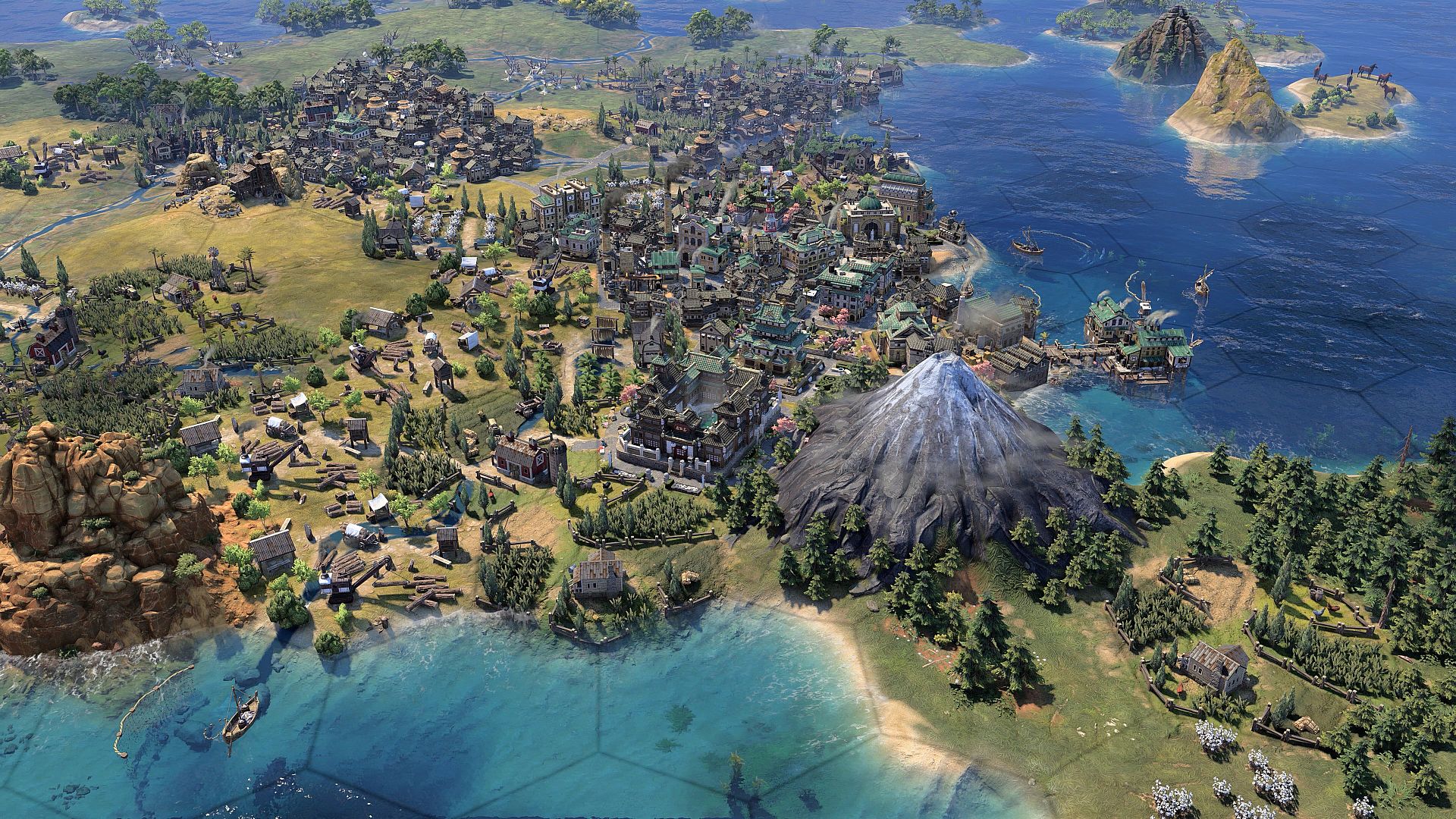
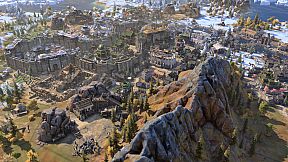
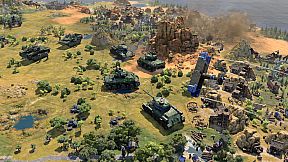
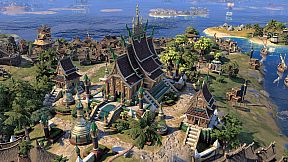
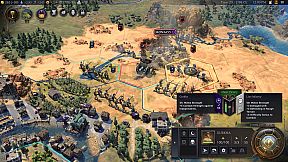
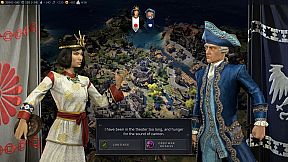
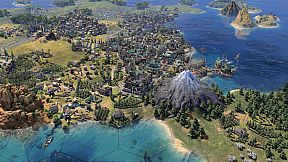
Sid Meier's Civilization VII es un juego de estrategia 4X por turnos en el que los jugadores guían a una civilización desde sus inicios hasta su evolución a lo largo de los siglos. Disponible en Xbox One y Xbox Series, la experiencia se centra en construir y gestionar un imperio a través de tres eras históricas distintas, tomando decisiones que influyen en el desarrollo a largo plazo.
Jugabilidad
El ciclo principal combina exploración, expansión, gestión de recursos e interacción con otras civilizaciones. El juego comienza en la Antigüedad y avanza hacia la Era de la Exploración antes de llegar a la Edad Moderna. Cada transición abre nuevas posibilidades para adaptar el imperio, ya sea manteniendo la misma civilización o cambiando a otra que se ajuste mejor a los objetivos en curso.
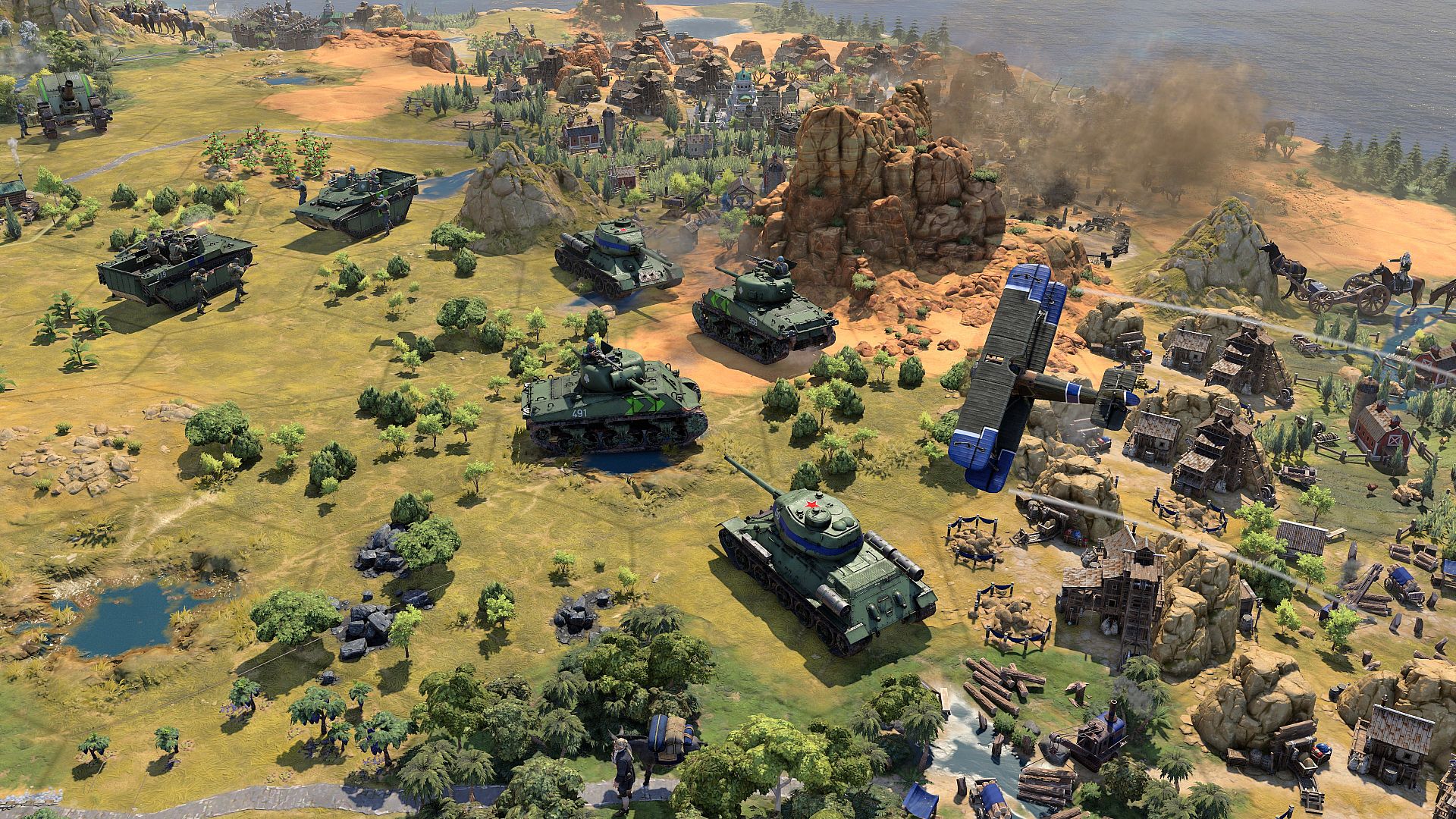
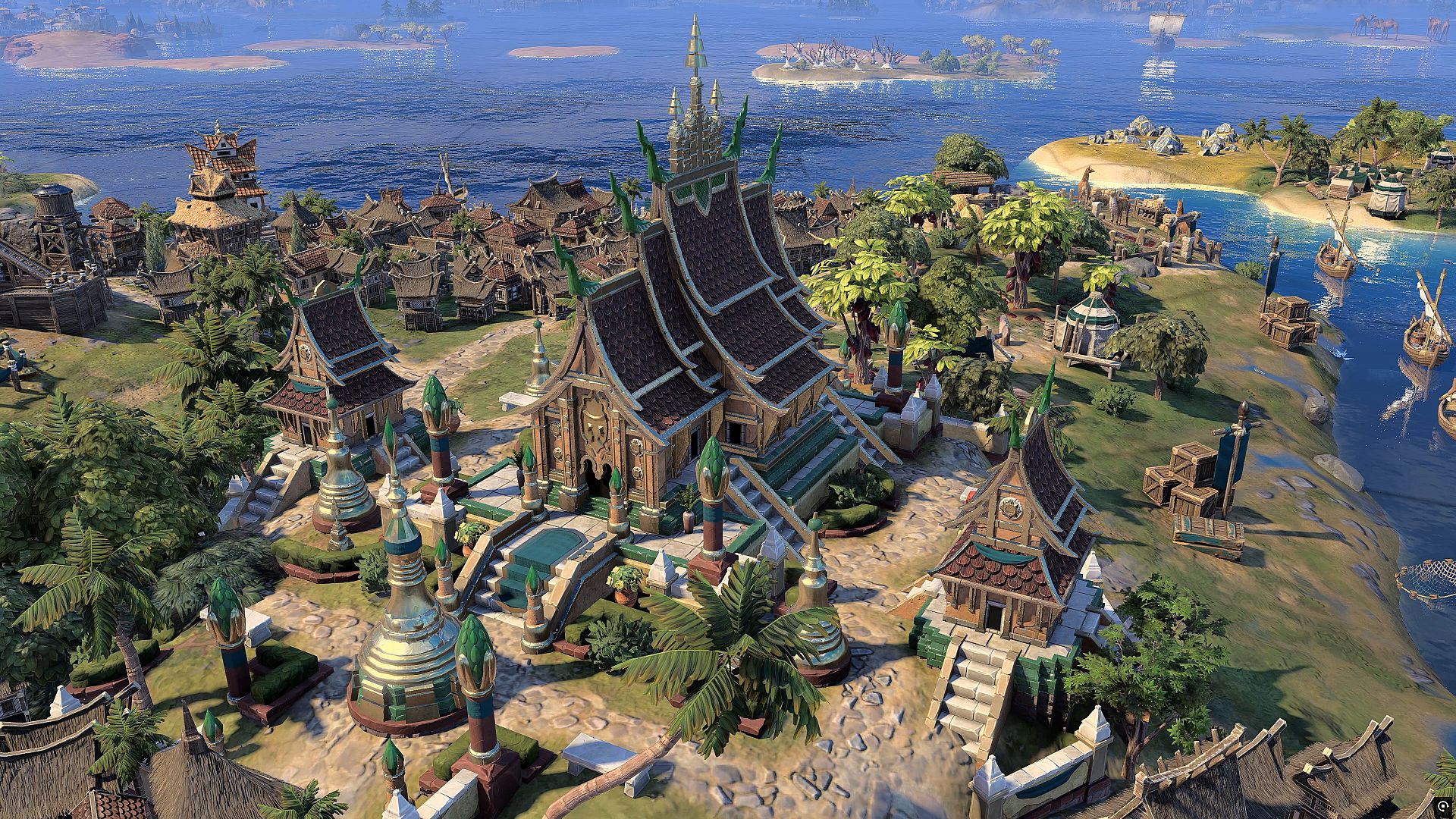
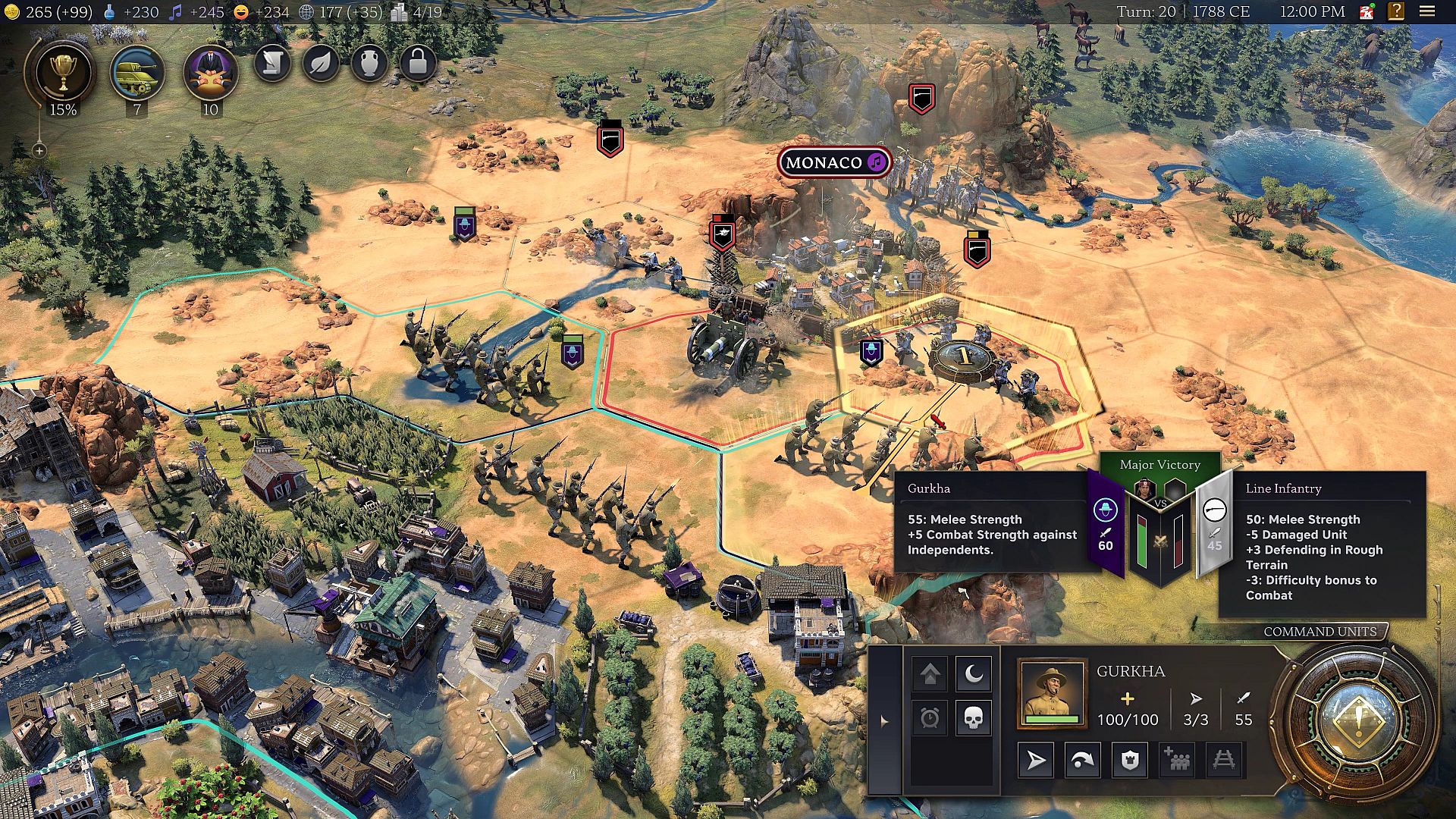
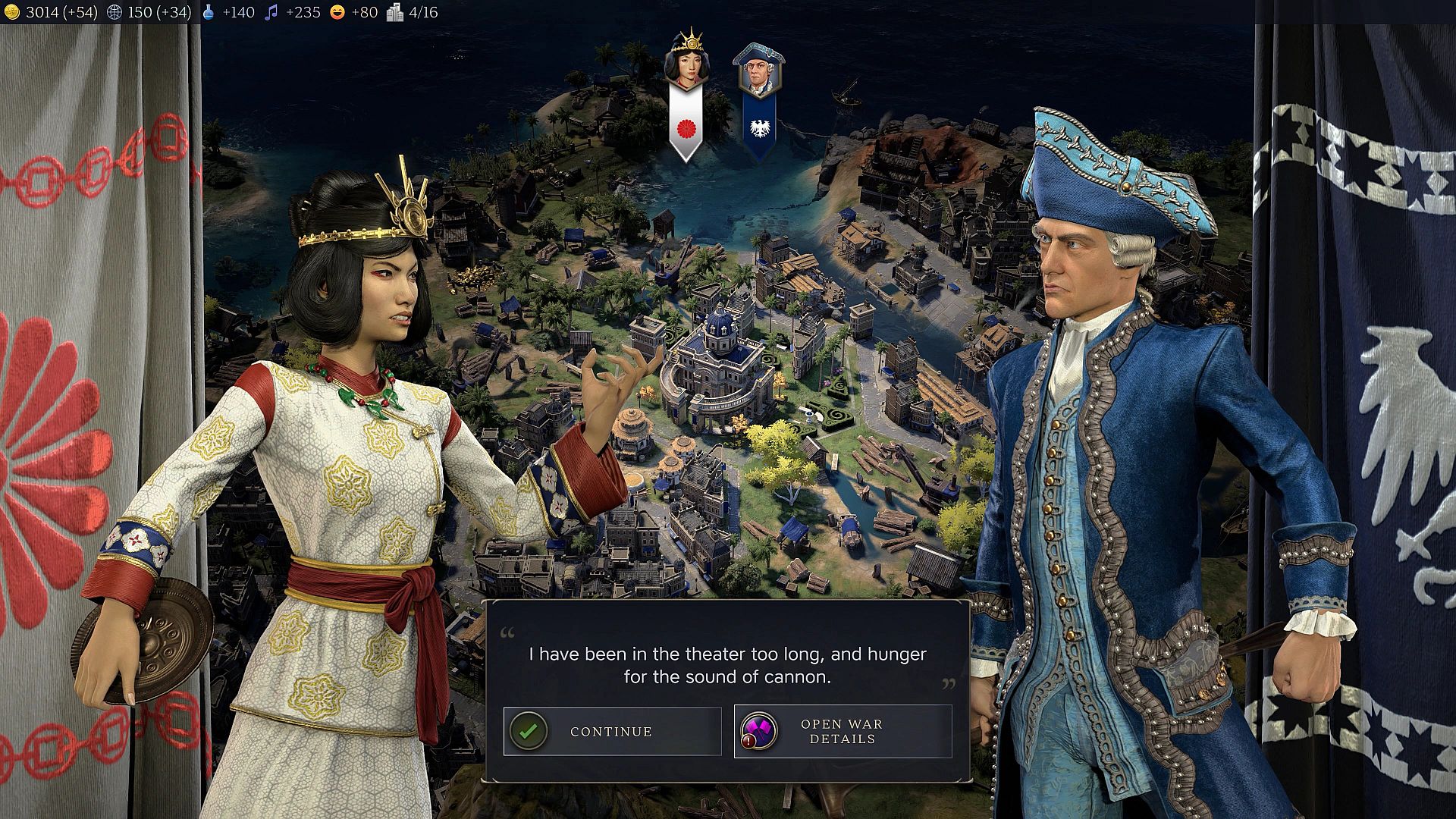
La construcción de ciudades constituye la base del juego, con asentamientos que se colocan estratégicamente para aprovechar el terreno, los ríos y otros elementos naturales. Las unidades se encargan tanto de tareas civiles como de operaciones militares, mientras que los comandantes aportan mayor profundidad al combate al dirigir grupos de fuerzas con habilidades específicas. La diplomacia cobra mayor relevancia que en entregas anteriores, permitiendo negociaciones, alianzas y acuerdos comerciales que pueden evitar o resolver conflictos sin necesidad de recurrir siempre a la guerra.
La tecnología y la cultura progresan mediante árboles de desarrollo que desbloquean mejoras, unidades y políticas. Los sistemas económicos se centran en la producción, los alimentos y el comercio, mientras que las crisis y eventos durante los cambios de era obligan a reaccionar ante desafíos que ponen a prueba la estabilidad del imperio. El resultado es un ritmo constante de turnos en los que se equilibran las necesidades inmediatas con los caminos hacia la victoria a largo plazo.
Modos de juego
En solitario, los jugadores pueden seguir sus propias estrategias a su ritmo, persiguiendo una de las varias condiciones de victoria o simplemente sobreviviendo y prosperando a través de las tres eras. La estructura de campaña invita a realizar múltiples partidas, ya que cada líder y civilización ofrece fortalezas iniciales y habilidades únicas.
El multijugador permite partidas en línea donde los participantes compiten o colaboran en tiempo real o por turnos. Estas sesiones mantienen los mismos sistemas principales, pero incorporan la imprevisibilidad de los oponentes humanos, haciendo que la diplomacia y la planificación militar resulten más dinámicas. El juego cruzado permite que los usuarios de consola se unan a amigos sin importar la plataforma que utilicen.
Desarrollo del imperio y transiciones de era
El avance entre eras introduce mecánicas nuevas que hacen que cada fase se sienta distinta. En la Antigüedad el foco está en el crecimiento inicial y los primeros conflictos. La Era de la Exploración abre nuevas fronteras con mayor acceso al mapa y más oportunidades de recursos. La Edad Moderna pone el acento en la industria avanzada, la influencia global y las relaciones internacionales complejas.
Los jugadores pueden mantener una misma civilización durante todas las eras para mantener la continuidad o cambiar de identidad en los puntos de transición para adaptarse mejor a los retos que se avecinan. Esta flexibilidad favorece la experimentación con distintos estilos de juego, desde el dominio cultural pacífico hasta la expansión territorial agresiva. Las maravillas naturales y ubicaciones especiales aportan un valor estratégico adicional cuando se integran en la planificación de los asentamientos.
¿Merece la pena jugarlo?
Civilization VII ofrece una versión refinada de la fórmula de la serie, con mejoras visuales, una IA más sólida y sistemas más profundos de diplomacia y combate. Las reseñas lo describen como un título pulido y atractivo, y muchos jugadores destacan que la estructura por eras y la evolución de las civilizaciones aumentan notablemente su valor de repetición. El juego recibe soporte continuo mediante actualizaciones gratuitas que ajustan el equilibrio e incorporan nuevo contenido.
Está dirigido a aficionados a la estrategia reflexiva que disfrutan de sesiones largas de planificación y adaptación. Quienes prefieren un ritmo más rápido pueden encontrar su desarrollo más pausado, pero la profundidad recompensa la dedicación. En las plataformas Xbox los controles se adaptan bien al mando, haciendo la experiencia accesible tanto para jugadores nuevos en la franquicia como para quienes regresan tras entregas anteriores.
