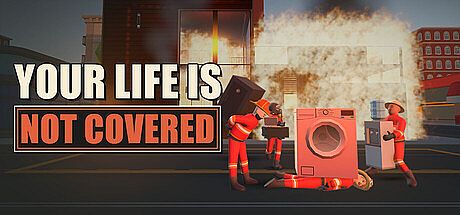


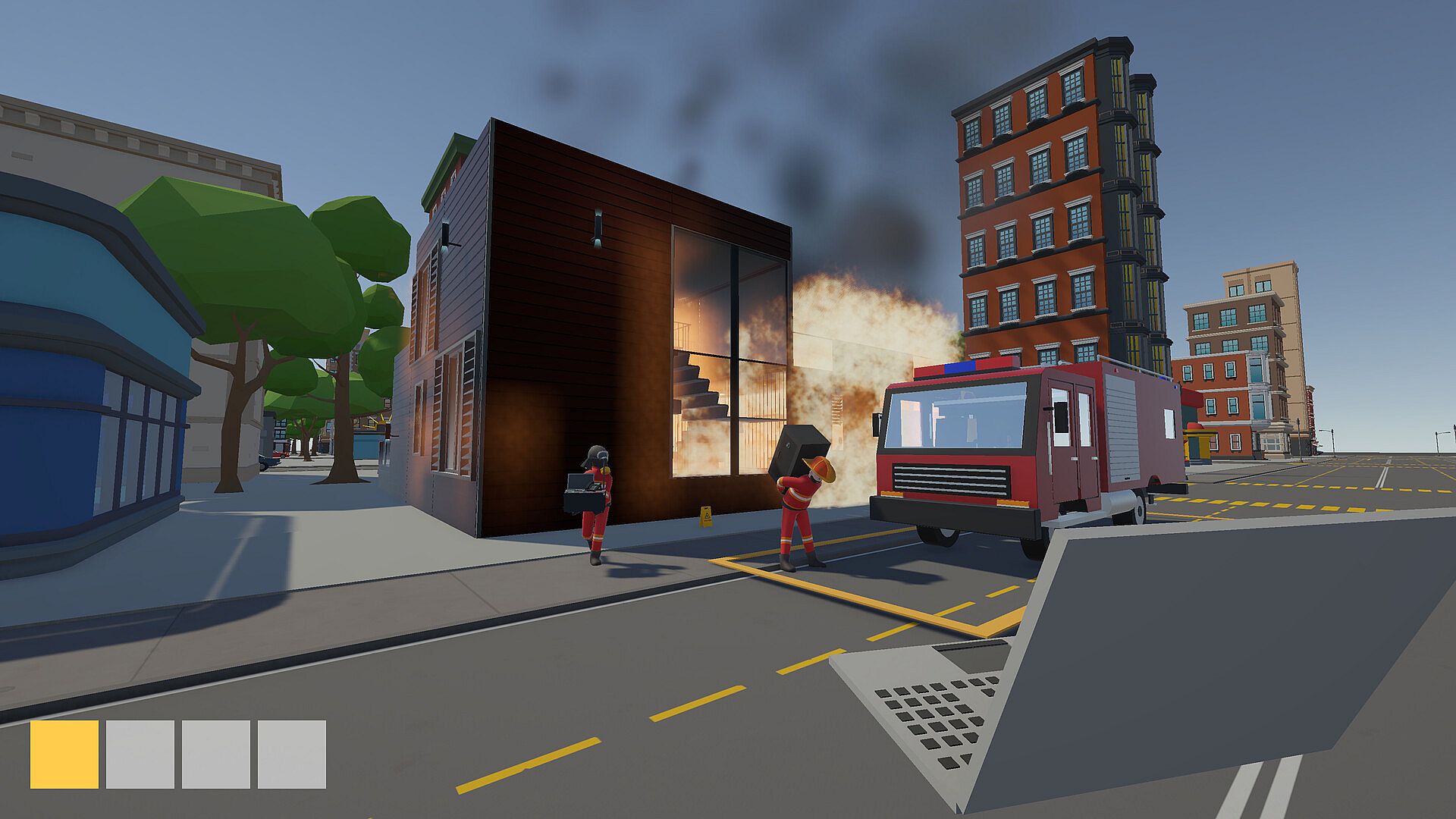
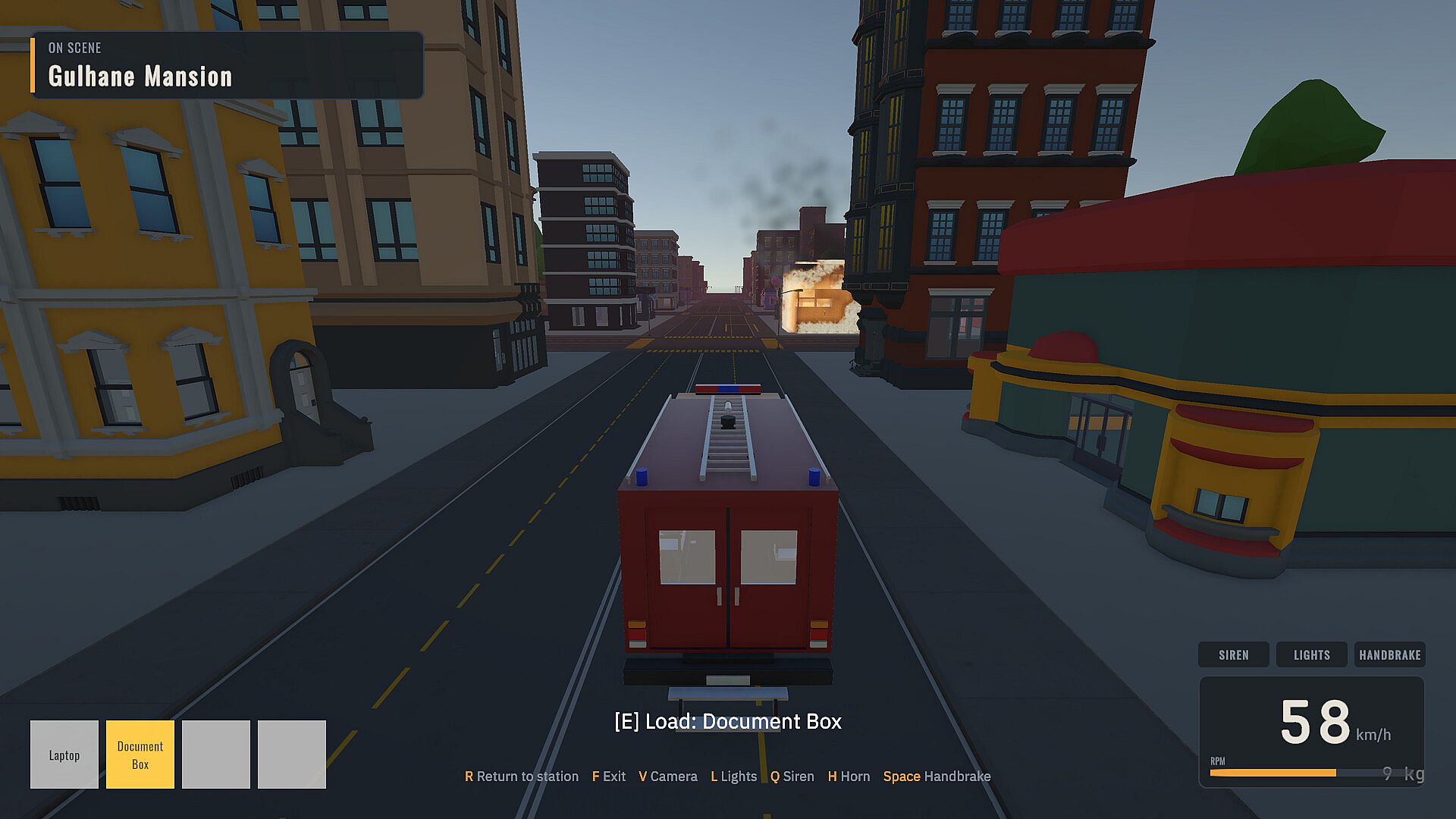
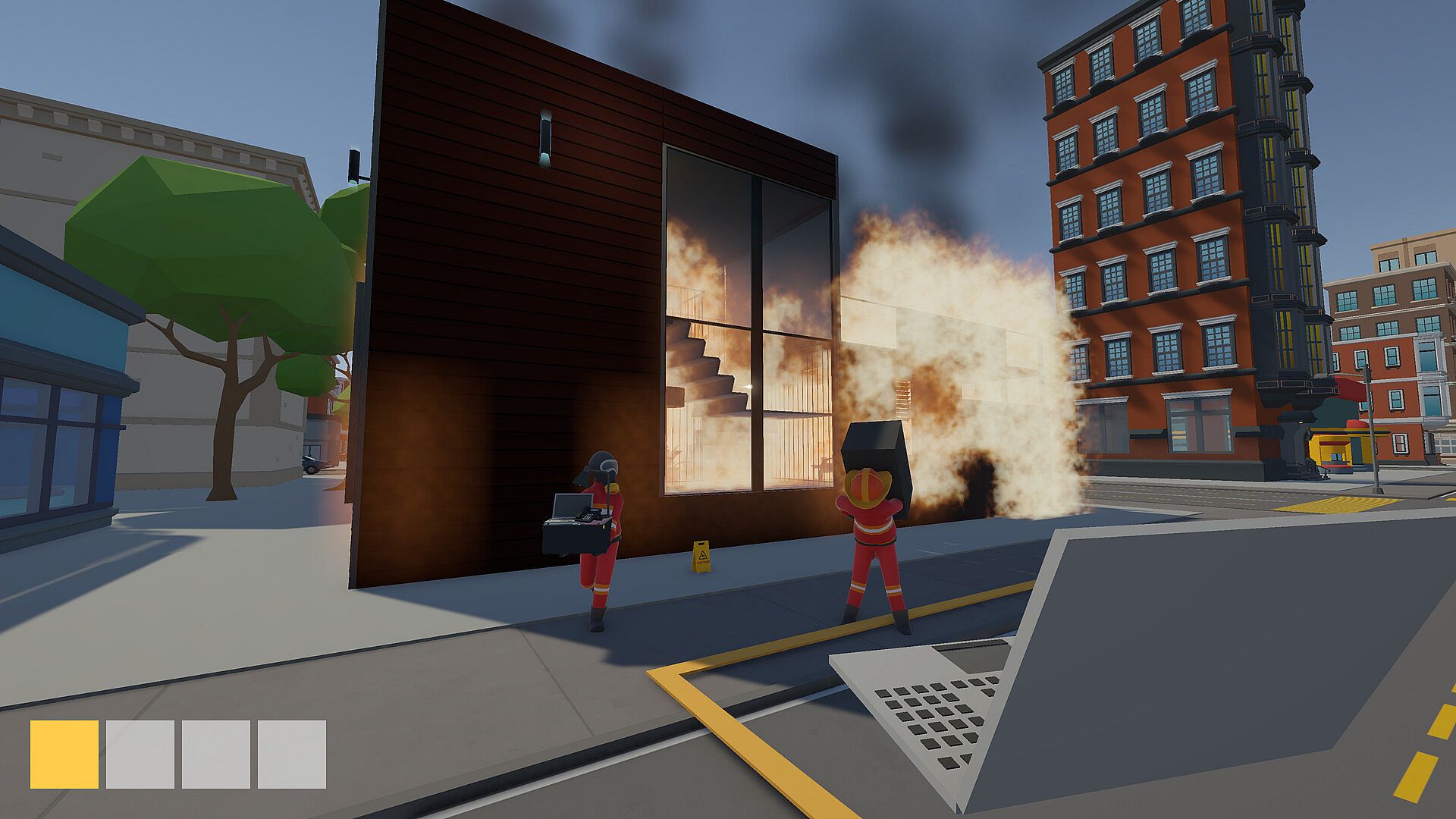
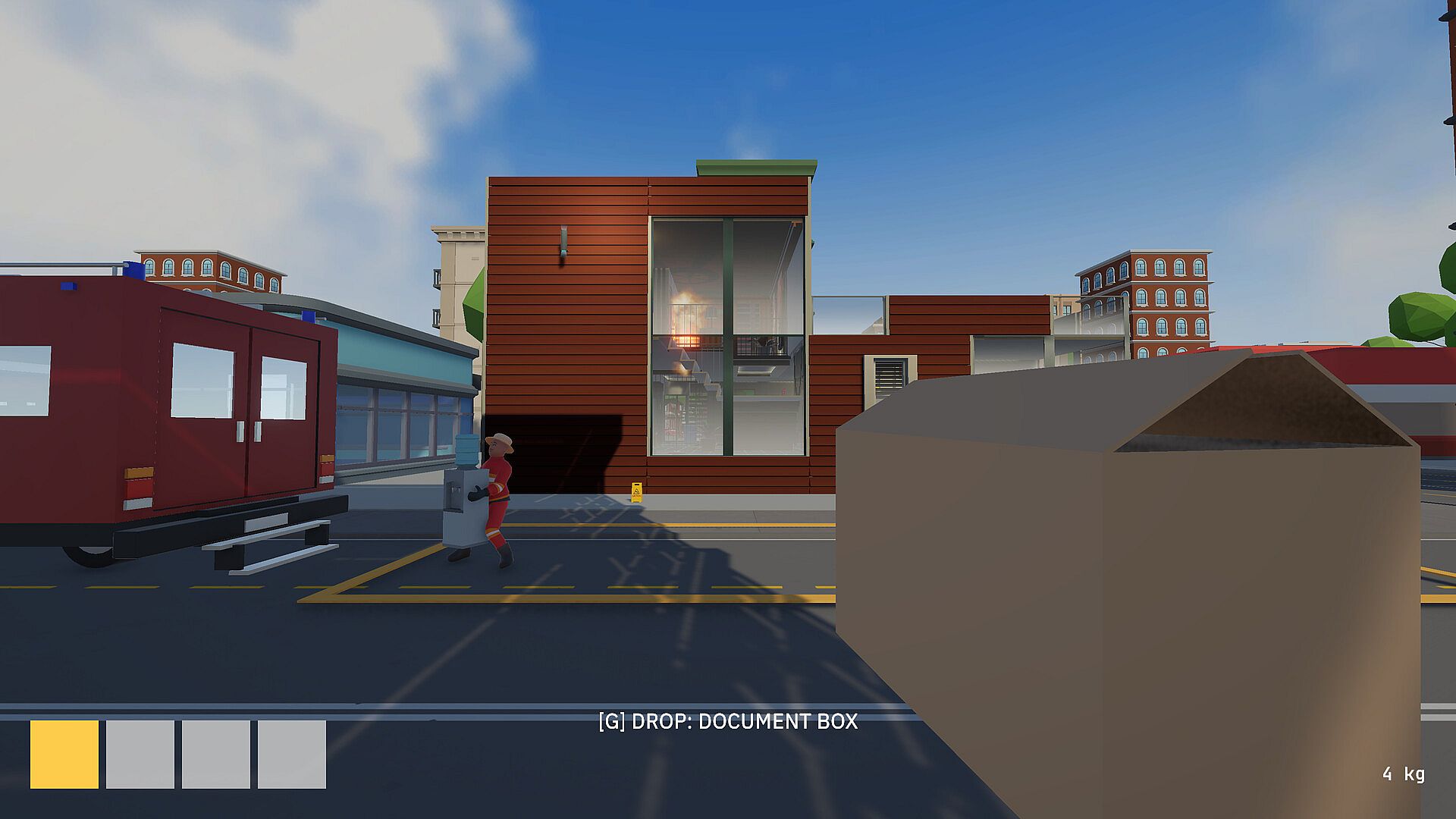
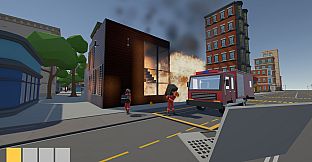
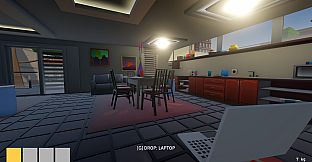
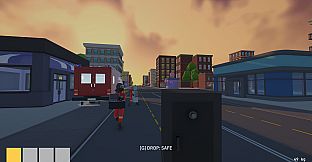
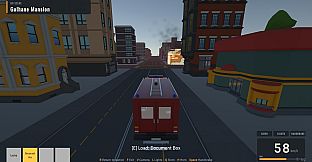
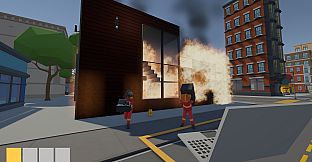
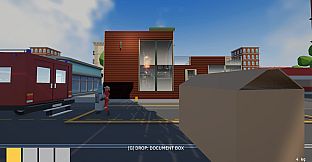
Your Life is Not Covered is a first-person action and simulation game developed for PC. Players take on the role of a salvage operative tasked with recovering insured property from structures engulfed in flames. The core experience blends physics-driven object handling with time-sensitive decisions about risk, reward, and moral choices inside deteriorating environments.
Gameplay
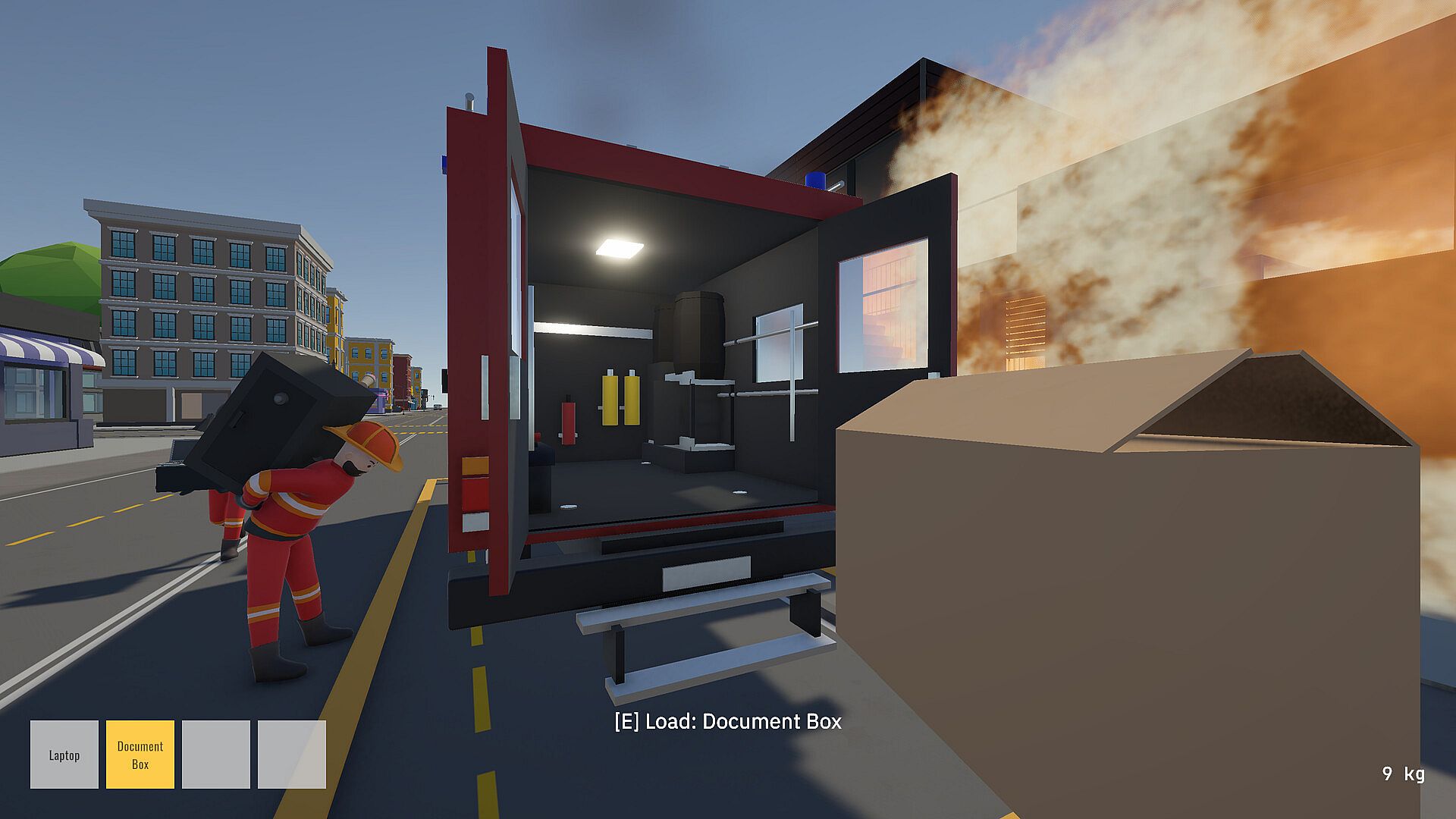
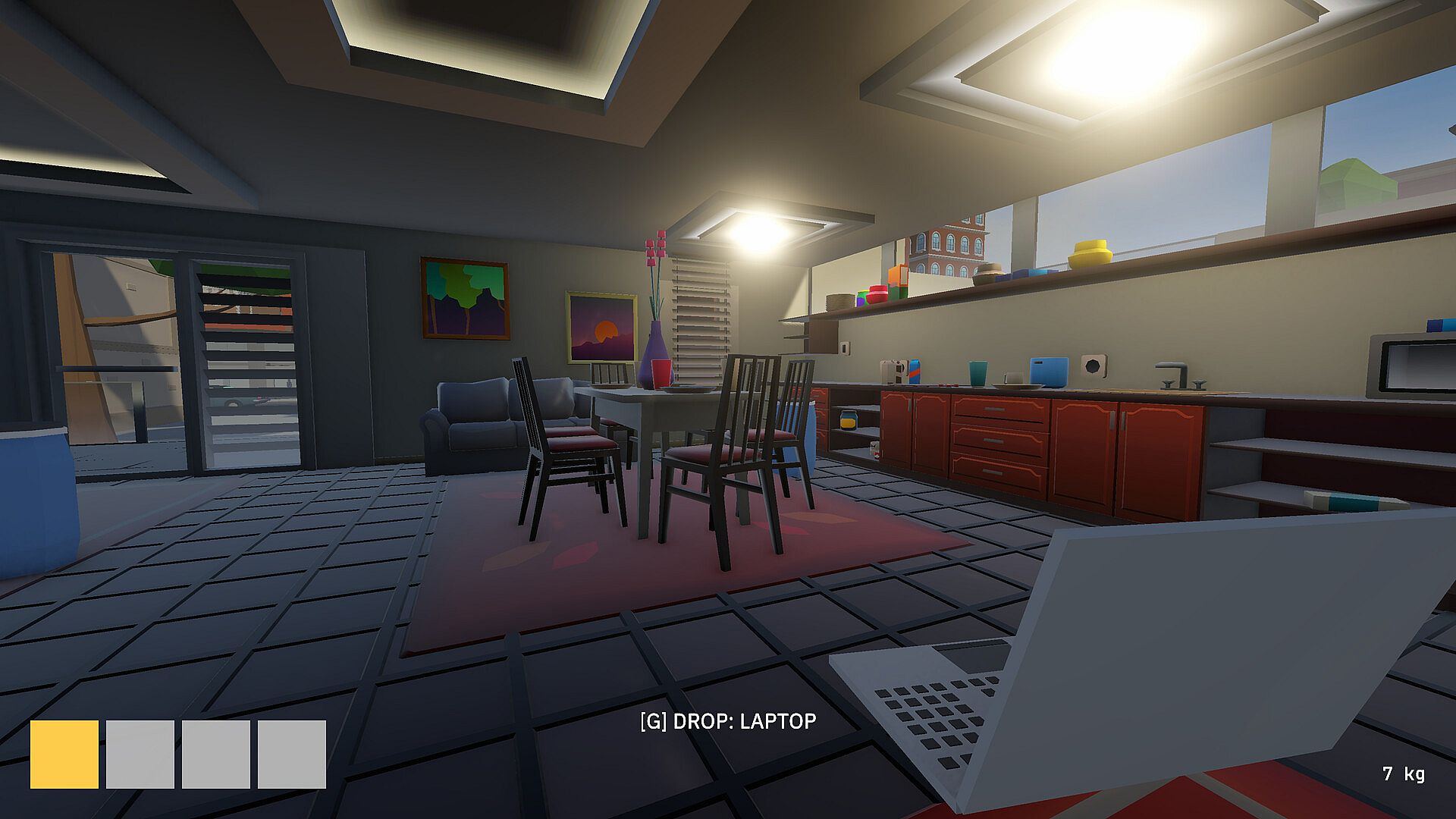
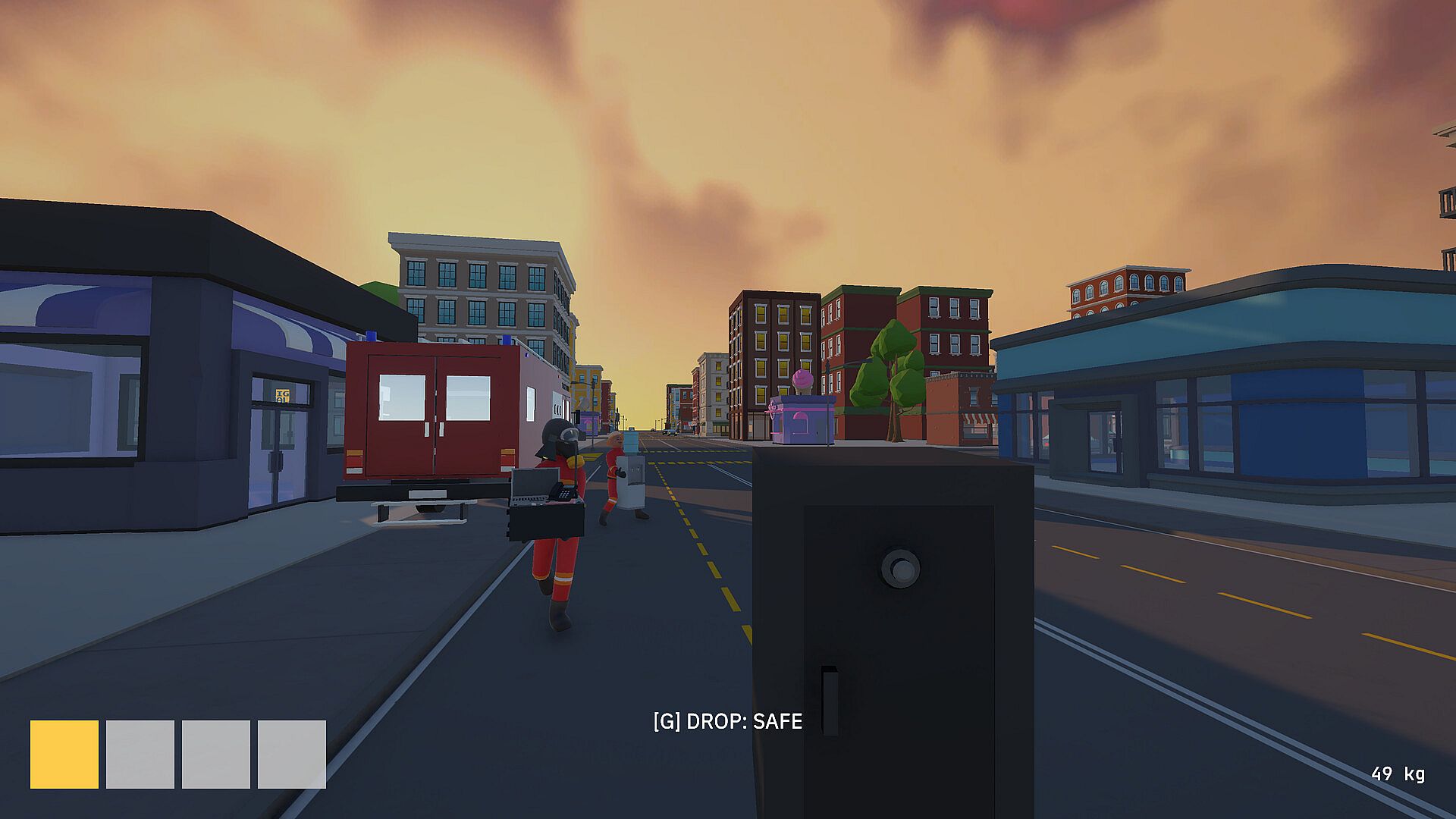
The central loop involves driving to a burning building, entering the structure, locating and extracting valuables, then loading them into a truck before the site becomes too unstable. Objects possess realistic weight and fragility, requiring players to carry, drag, or maneuver them carefully through narrow passages and around hazards. Damage to cargo reduces its value upon delivery, adding precision to every movement.
Environmental hazards evolve dynamically. Flames spread across rooms, smoke limits visibility and air supply, and structural weaknesses lead to sudden collapses that can block paths or create new hazards. Players must monitor these changes, sometimes using tools or actions to slow the fire's advance and create temporary safe routes. The first-person perspective emphasizes direct interaction with the physics system, making each haul feel deliberate and physically grounded.
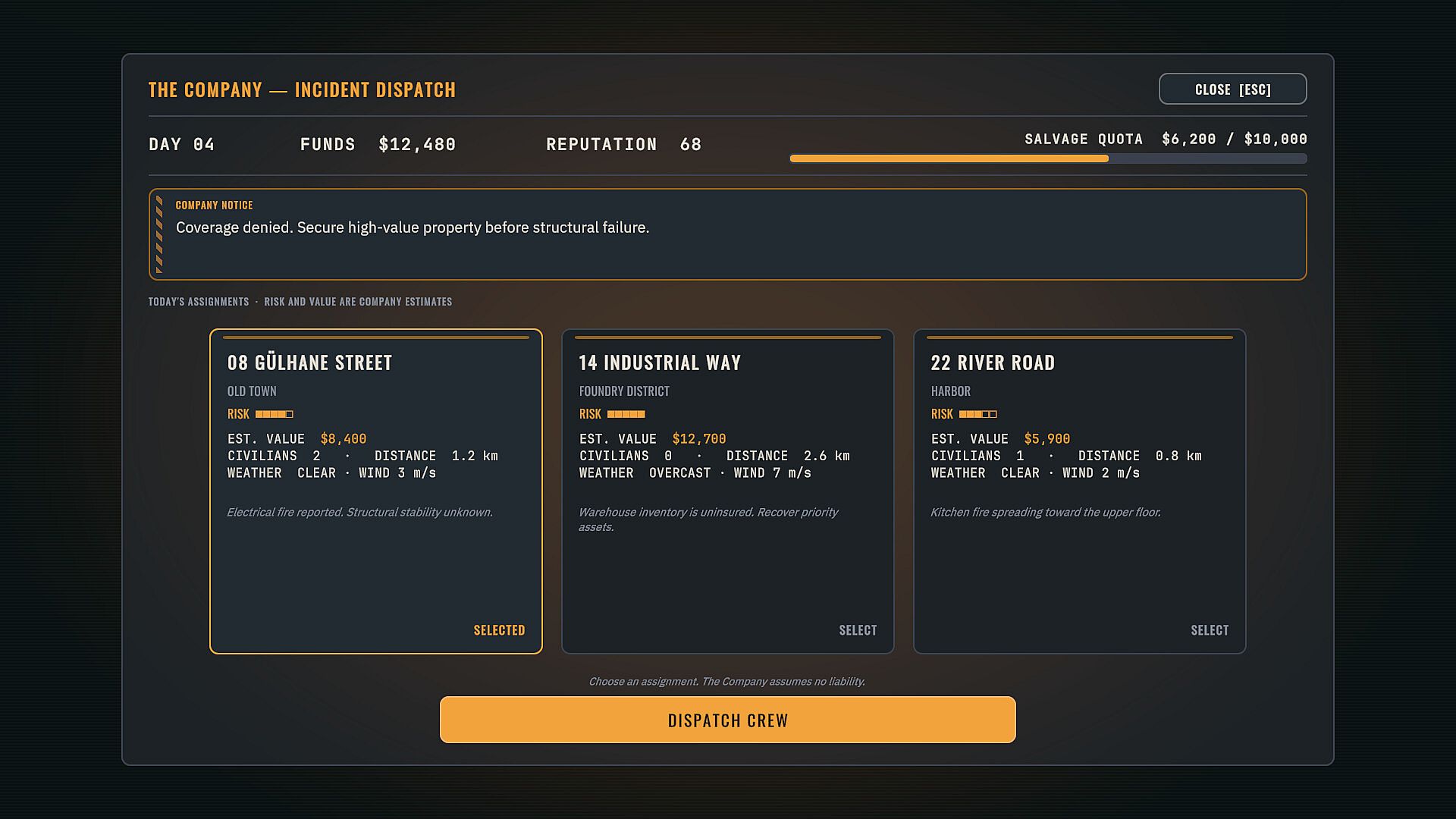
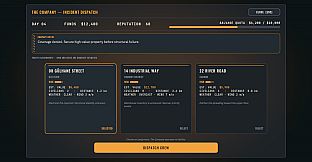
Progression ties directly to performance. Recovered items contribute to a company quota that unlocks better equipment for future jobs. Shortfalls trigger penalties that can affect available resources or contract status. The tension between filling the truck quickly and taking extra time for other considerations forms the heart of each run.
Game Modes
The game operates as a single-player experience centered on sequential job assignments. Each assignment presents a distinct burning building with its own layout, valuables, and risks. Players select addresses from a station hub, balancing potential payouts against the dangers involved. No separate competitive or cooperative modes appear in the available information, keeping the focus on individual decision-making within the core salvage loop.
Reputation from optional actions influences long-term standing, while quota completion drives equipment upgrades. The structure encourages repeated playthroughs of individual jobs to experiment with different priorities and approaches under changing conditions.
Key Mechanics and Decisions
Air supply acts as a hard timer that forces prioritization. Every second spent on a rescue or extra haul reduces the margin for completing the primary objective. Civilians inside the buildings offer reputation gains without direct financial return, creating a clear trade-off against the company's property-focused expectations.
Fragile or heavy items demand careful path planning. Dropping or dragging objects through debris can cause damage that lowers payout. The physics system governs how items interact with the environment, rewarding players who anticipate collapse risks or use the layout to their advantage.
Equipment upgrades from successful quotas improve carrying capacity, protection, or mobility, allowing access to more challenging sites over time. The cycle of choosing jobs, executing the salvage, and reinvesting rewards creates a steady sense of progression tied to performance.
Is It Worth Playing?
The game targets players who enjoy deliberate, physics-based challenges combined with ethical decision points under pressure. Its darkly comic tone and emphasis on personal conscience set it apart from standard action titles. Because the title remains in development with a coming-soon status and no user reviews available yet, the recommendation rests on the strength of its described systems rather than community feedback.
Those drawn to simulation elements, risk management, and first-person object interaction will likely find the core loop engaging. The absence of confirmed multiplayer features or additional modes keeps the experience tightly focused on solo play. Prospective players should monitor release updates for the final balance of mechanics and any post-launch support.