


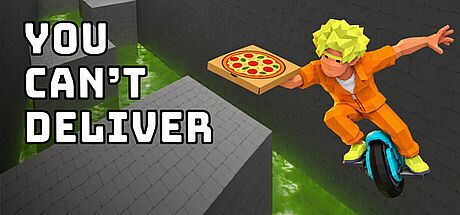


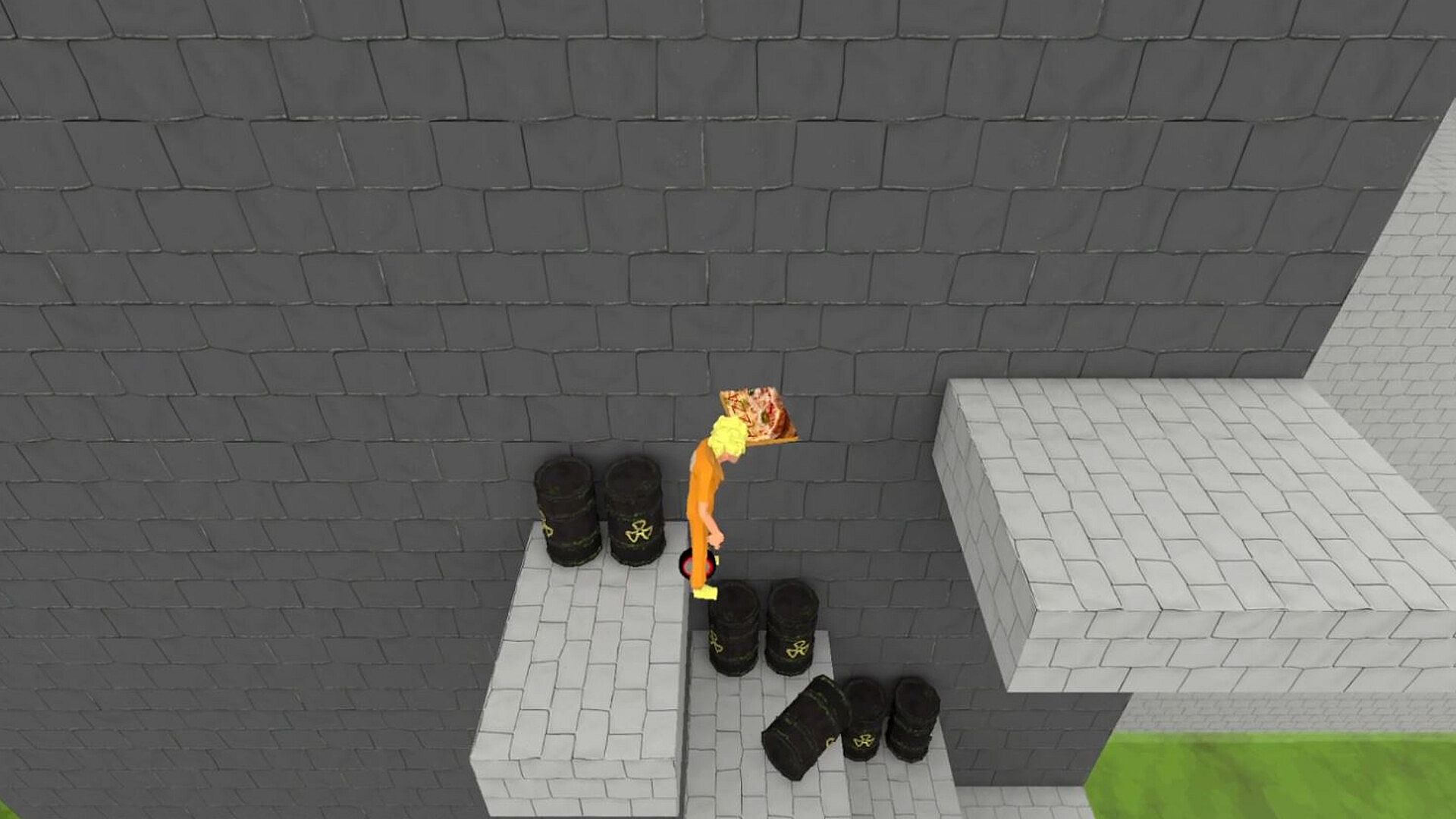
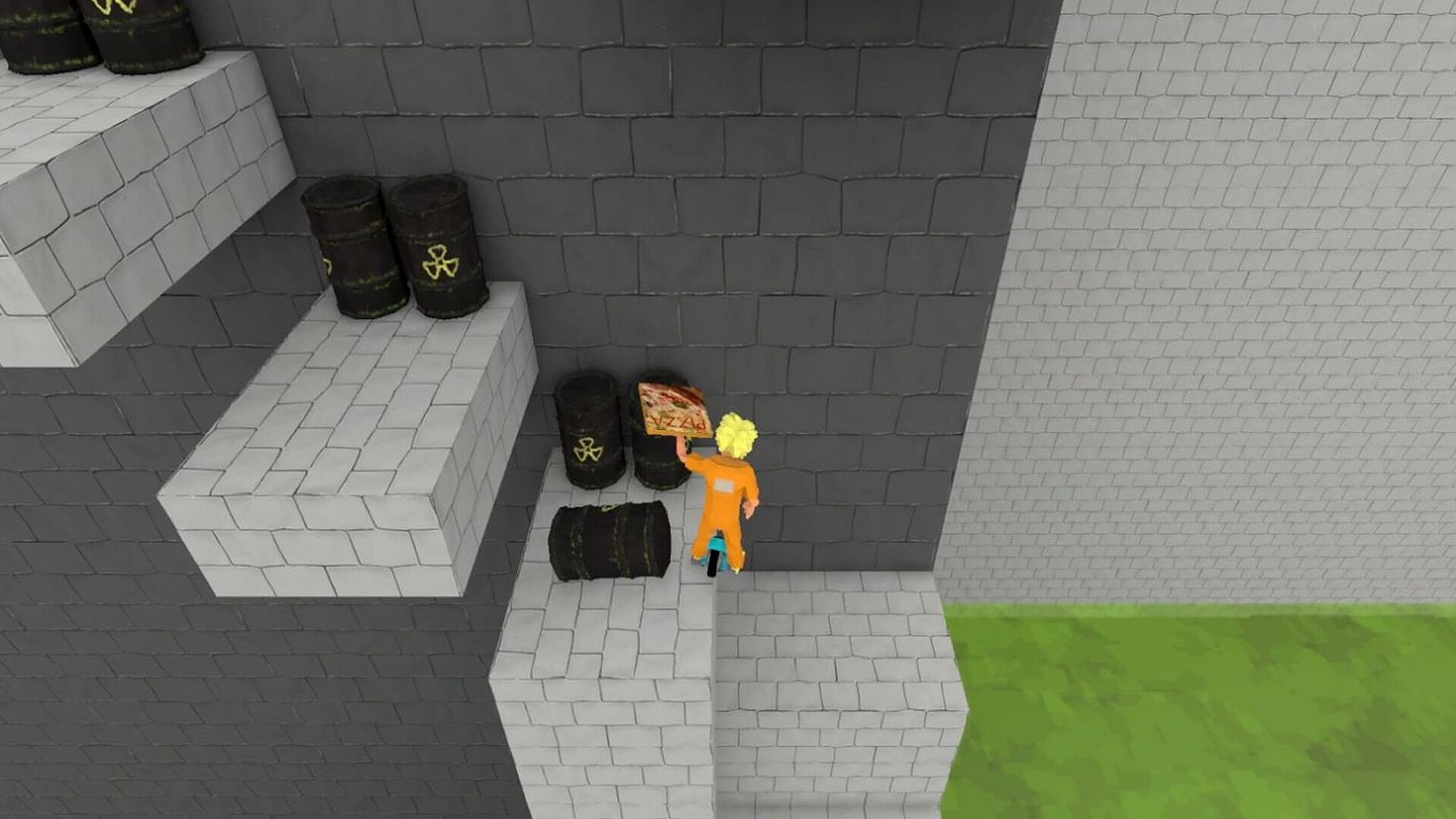
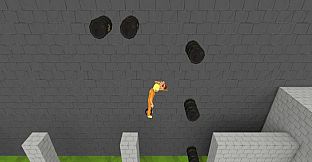
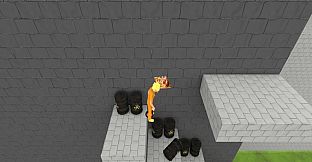
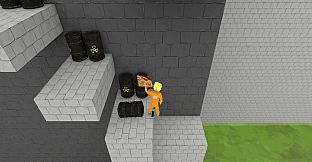
You Can't Deliver is an action indie game built around a deceptively simple premise: deliver a pizza through increasingly hostile environments that exist to test patience and reflexes. The title signals the core experience from the start, a rage game that deliberately plays with expectations, sets traps for overconfidence, and rewards persistence over perfection. On PC, players navigate obstacle-filled levels where one wrong move or premature assumption leads to spectacular failure, only to reset and try again with fresh insight.
Gameplay
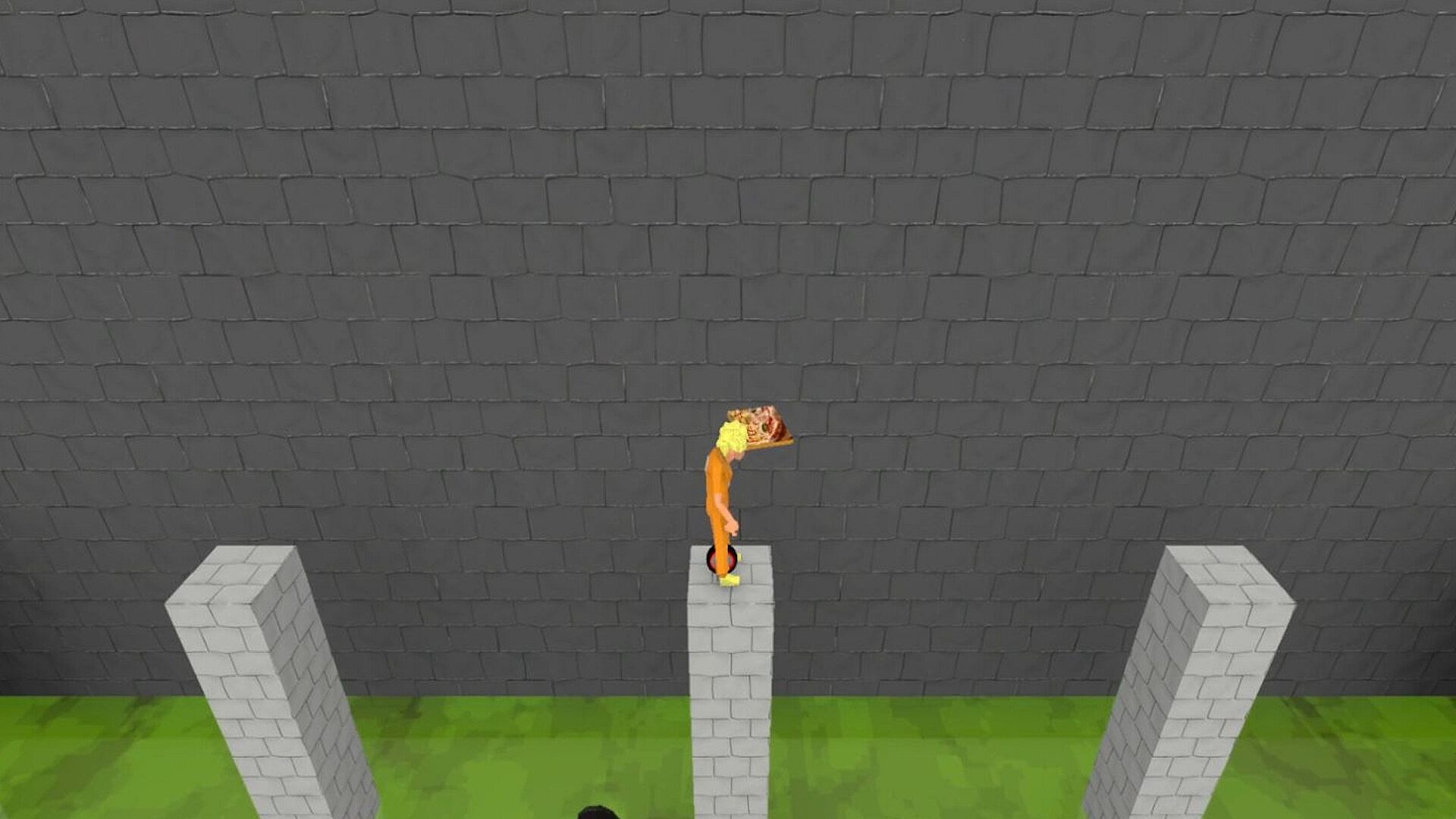
The central loop revolves around repeated attempts at the same delivery task. Players control a character tasked with transporting pizza to its destination while avoiding or reacting to devious traps embedded in the surroundings. These obstacles do not follow predictable patterns; instead, they exploit common assumptions about safe paths, timing windows, or environmental cues. Success demands precise timing on jumps, movements, and interactions, combined with the willingness to endure completely unnecessary wipeouts that reset progress.
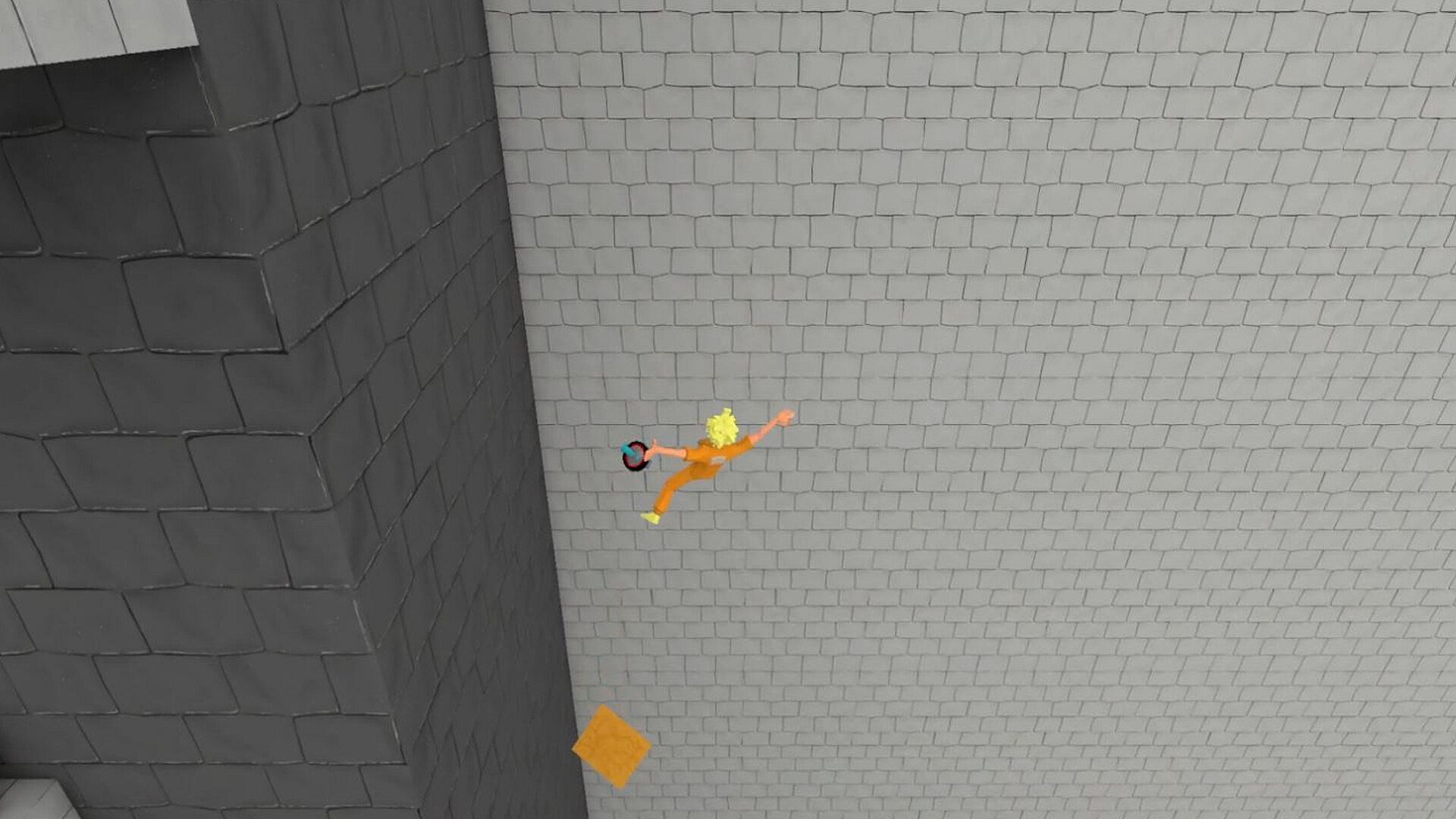
Each failure teaches something concrete about the level layout or trap behavior. The game encourages a mindset shift from frustration to analysis, where swearing at an absurd surprise gives way to recognizing the pattern and adjusting the approach on the next run. Humor emerges naturally from the over-the-top failures and the contrast between the mundane goal of pizza delivery and the elaborate punishments for trusting the environment too soon. Persistence becomes the key skill, as the design keeps players returning with the phrase "one more try" in mind.
Game Modes
The experience centers on a single-player campaign structure focused on sequential challenges rather than separate modes. Progression comes through repeated attempts at delivery runs, where each level builds on the previous ones by introducing new layers of traps and surprises. There are no branching paths or alternative rulesets; instead, the game emphasizes mastery of the core mechanics through trial and error within the same set of objectives.
Players move through environments that grow more complex, always with the fixed goal of getting the pizza to its destination. The absence of traditional multiplayer or competitive elements keeps the focus on personal improvement and overcoming individual obstacles. This streamlined approach suits the rage game formula, where the satisfaction derives from finally clearing a section that previously seemed impossible.
Core Mechanics and Challenges
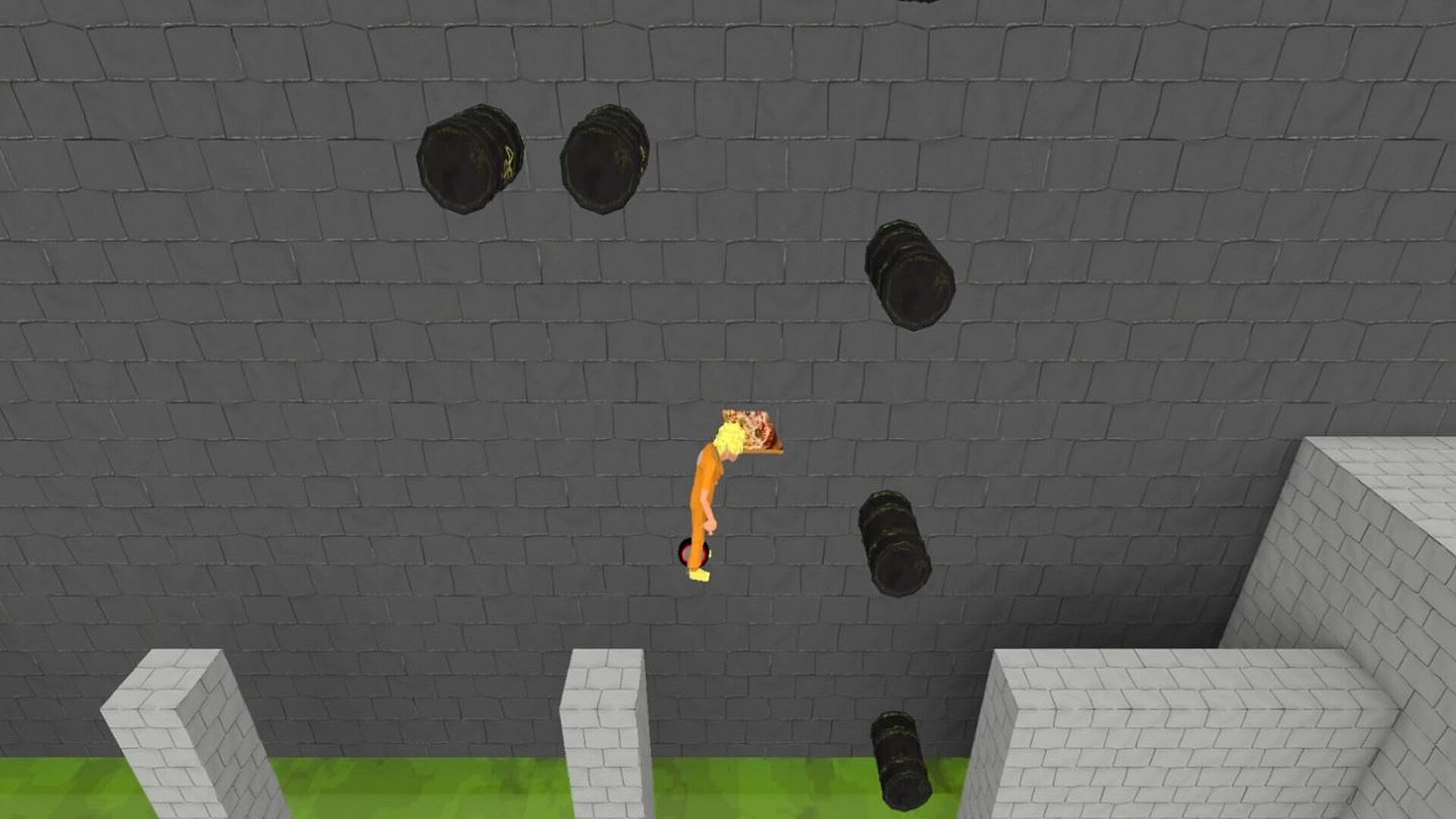
Timing and observation form the foundation of every successful run. Players must read the environment carefully because traps often activate or reveal themselves only after an initial safe-looking action. Absurd surprises appear without warning, turning what seems like a straightforward path into a chain of failures. The design punishes hesitation as much as recklessness, forcing quick decisions that can still lead to wipeouts if the assumption about the trap proves wrong.
The humor in the game arises from the gap between the straightforward mission statement and the elaborate ways the levels fight back. Swearing at a reset feels natural, yet the next attempt often brings laughter at how the game anticipated the exact strategy just used. This cycle of failure, recognition, and incremental progress defines the appeal for players who enjoy testing their limits against intentionally unfair-feeling design.
Is It Worth Playing?
You Can't Deliver targets players who appreciate rage games and the satisfaction that comes from overcoming deliberately frustrating obstacles through persistence. The short, repeatable runs make it easy to pick up for short sessions, while the learning curve rewards those willing to analyze each wipeout. The mix of humor and challenge keeps the tone light even during repeated failures, turning potential irritation into motivation for another attempt.
Those who prefer forgiving progression systems or story-driven experiences may find the constant resets too punishing. For fans of indie action titles that emphasize trial-and-error mastery and a sense of personal accomplishment, the game delivers exactly what its premise promises. The pizza may not deliver itself, but the drive to see it through remains strong after each setback.











