


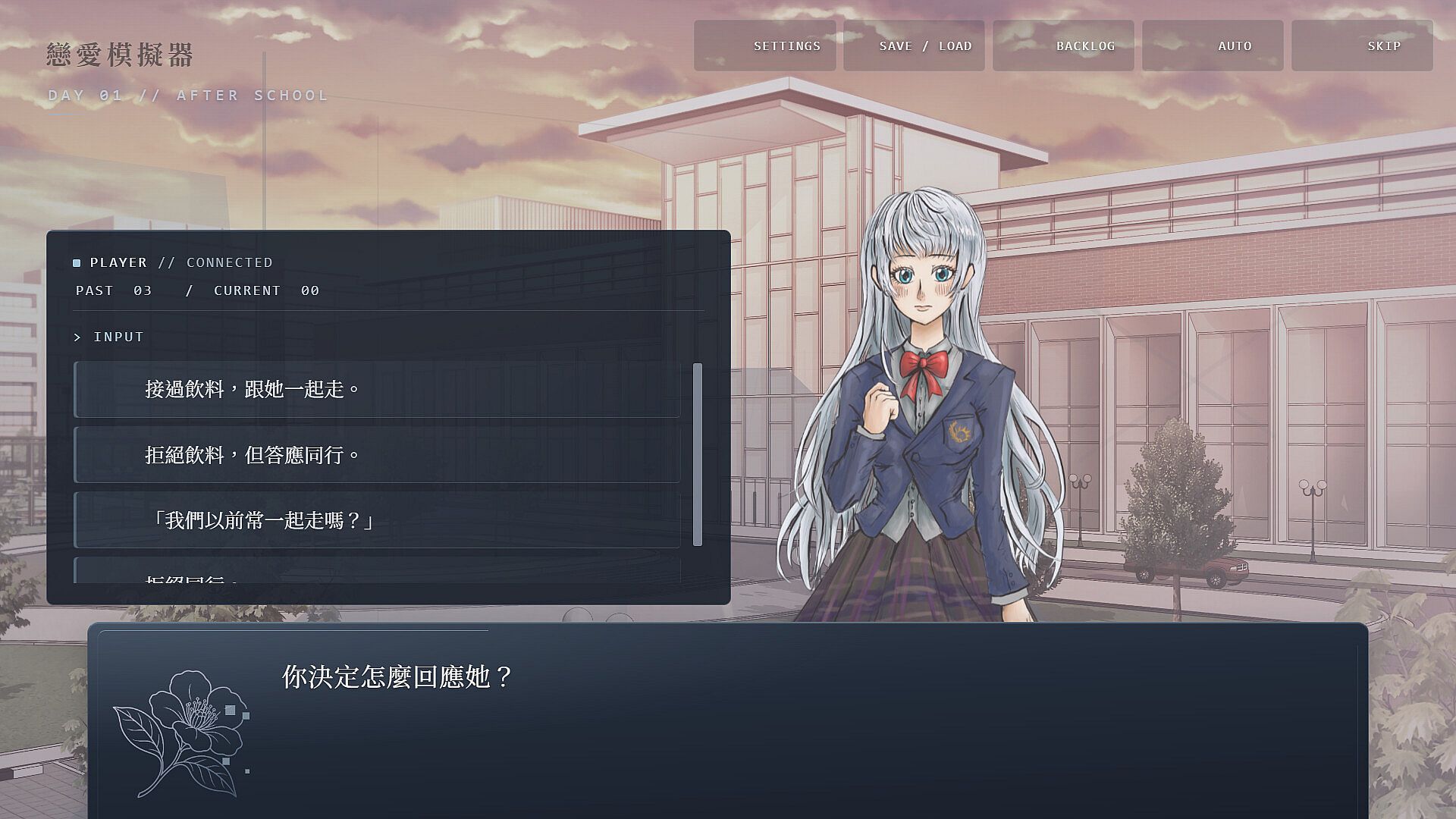
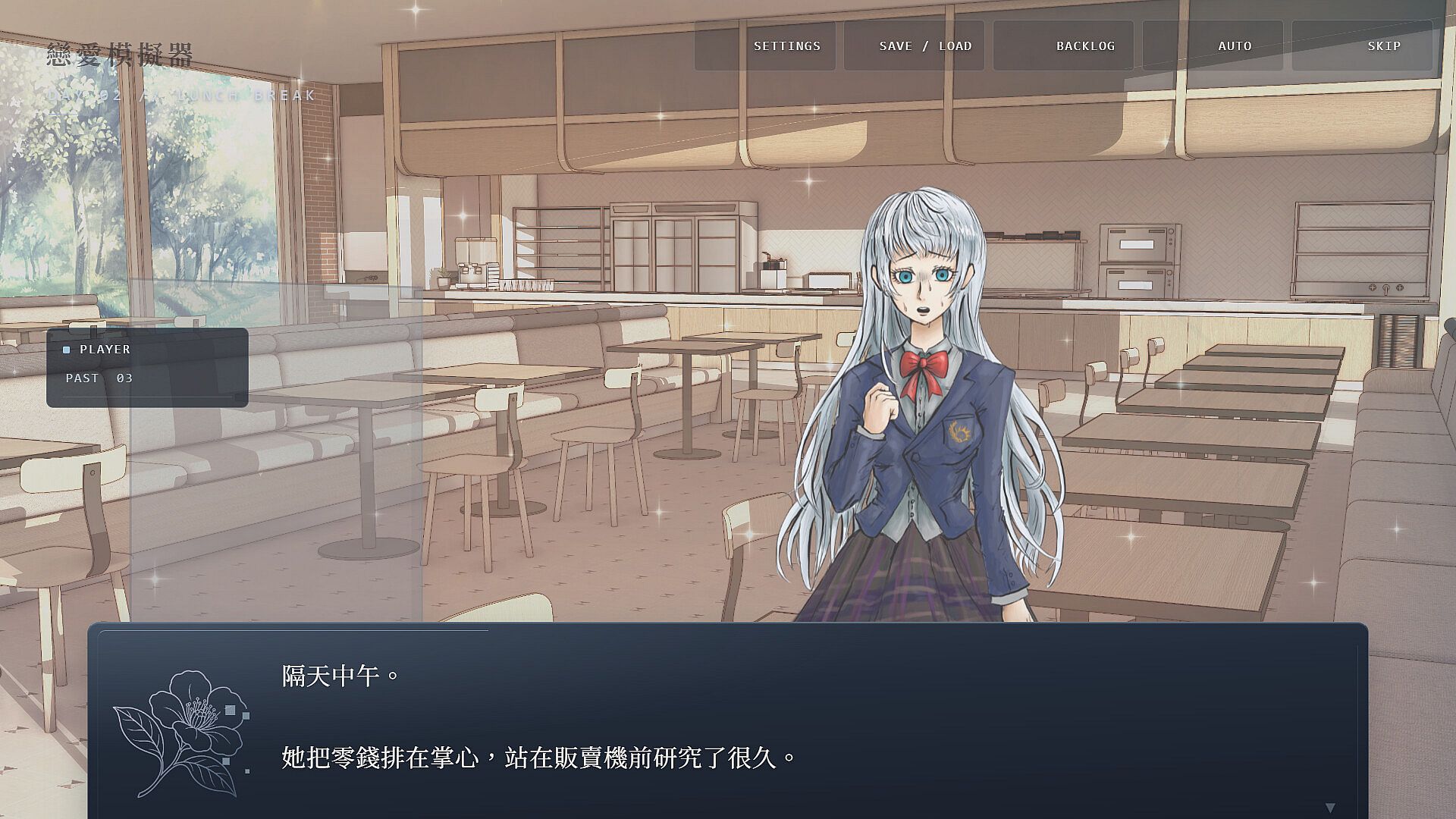
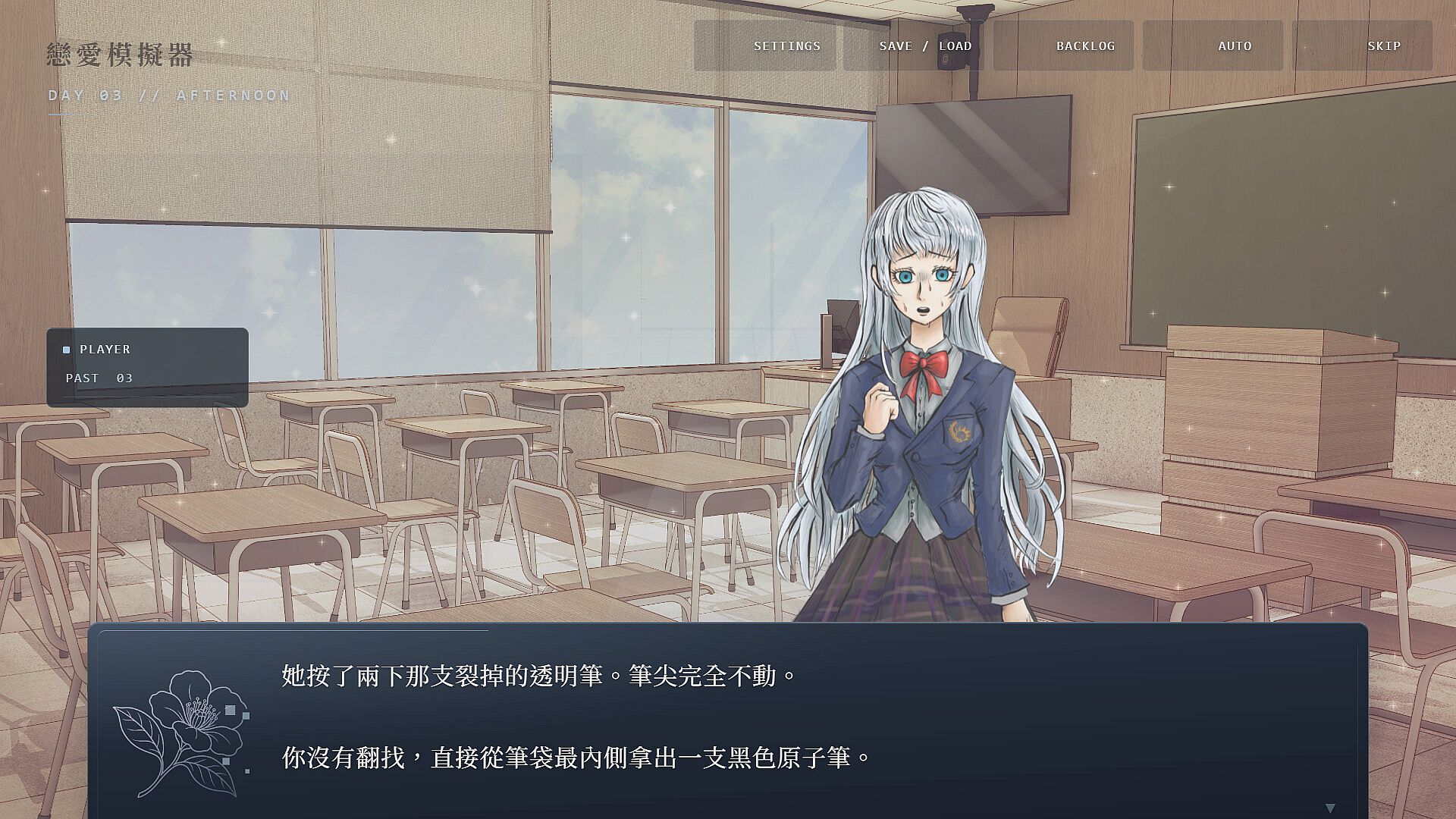
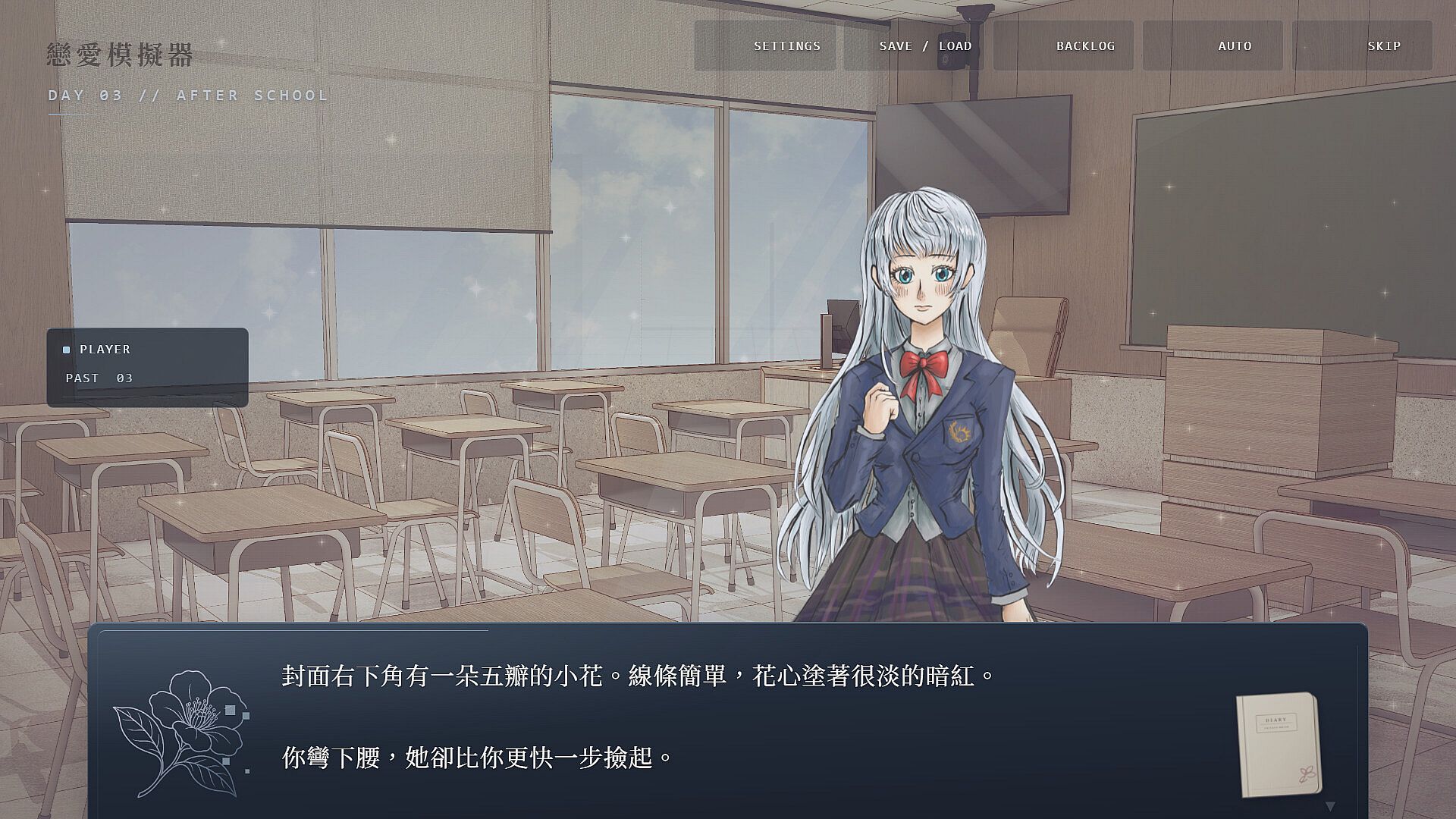
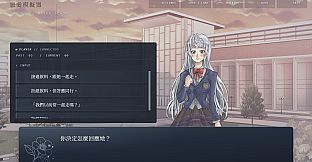
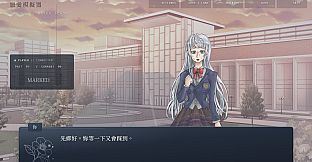
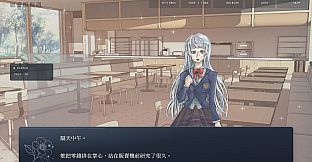
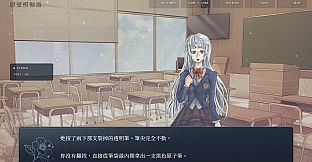
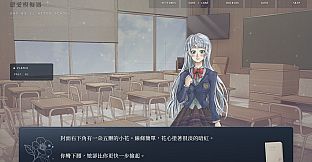
憶外 is an indie adventure visual novel that unfolds through ordinary school days filled with classrooms, hallways, and after-school conversations. The story centers on a developing relationship with a girl whose familiar words and reactions gradually reveal layers of memory and unspoken history. Players advance the narrative by reading text, making choices, and using a dedicated record system to note significant lines during conversations.
Gameplay
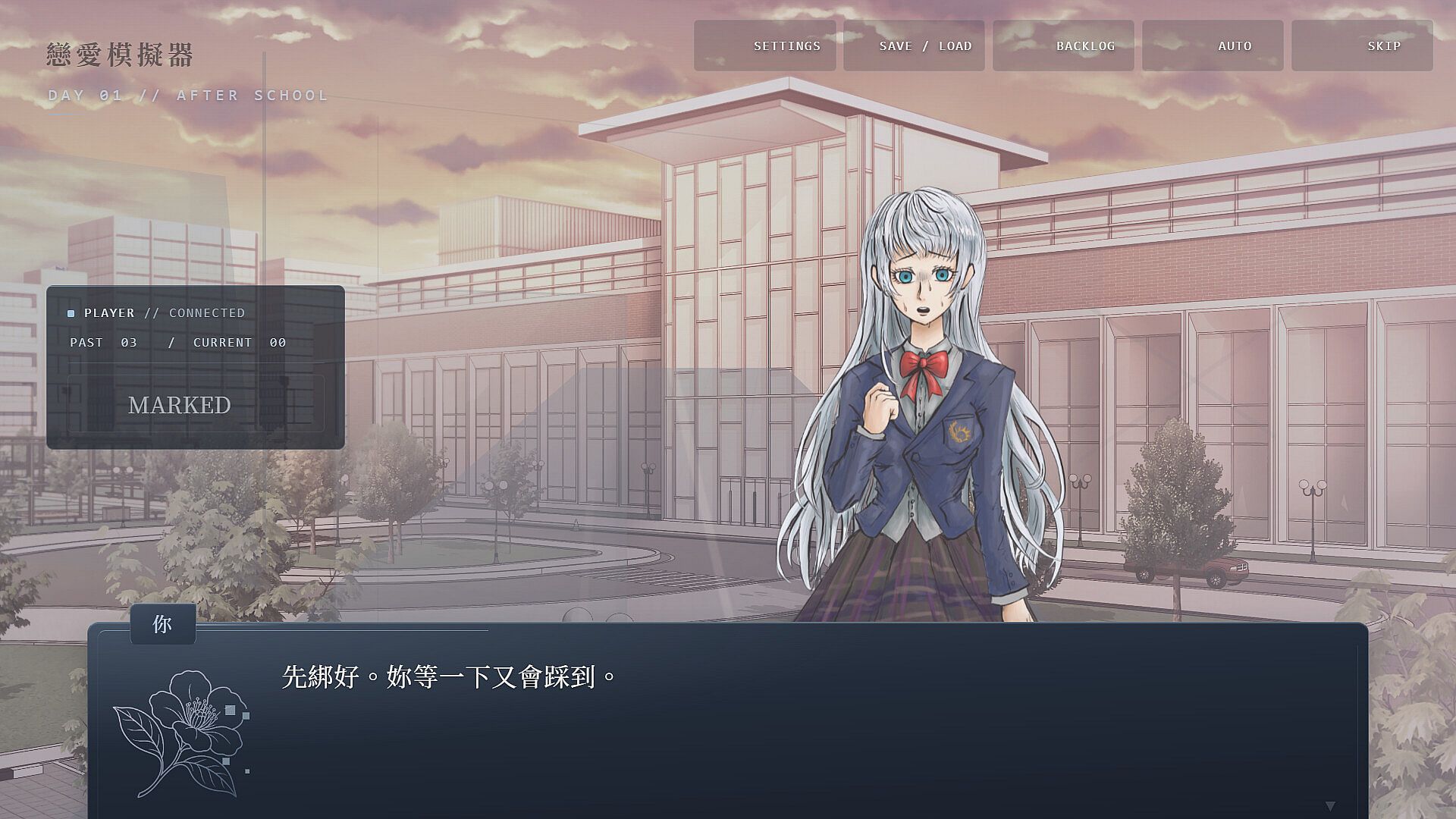
The core loop revolves around daily school interactions that shift in meaning across repeated scenes. Dialogue and character reactions change based on prior choices and recorded moments, encouraging close attention to subtle differences. The MARK function allows players to flag intriguing or important lines in conversations, creating a personal archive that can be referenced later to compare present events with past ones or to initiate new topics. This system supports both puzzle-like discovery of inconsistencies and personal reflection on which memories to preserve.
Progression relies on mouse and keyboard controls for advancing text, with standard visual novel tools including save and load slots, a backlog for reviewing previous dialogue, auto-advance, and skip options. These features let readers adjust pacing to suit their preferences without pressure to complete the story in one sitting. The experience remains entirely single-player, focused on narrative exploration rather than action or competition.
Game Modes
憶外 operates as a single continuous narrative experience with branching paths determined by player choices. There are no separate game modes such as competitive or cooperative play. Instead, the structure emphasizes multiple endings, each accompanied by its own epilogue that reflects the relationship's direction and the protagonist's evolving perspective. Choices influence not only romantic outcomes but also how the central mystery of memory resolves, guiding players toward different conclusions about the shared story.
The memory-record mechanic integrates directly into the main narrative flow, serving as both a tool for uncovering details and a way to shape personal investment in the girl's words. Revisiting familiar scenes with new context forms the primary replay incentive, revealing layers that were not apparent on a first playthrough.
Story and Themes
The narrative begins with seemingly routine school life but introduces mystery through recurring elements that feel slightly off. Words that echo from earlier scenes, reactions that anticipate events, and knowledge the girl possesses without explanation build a sense of unease and curiosity. Players piece together the unspoken elements between the characters by comparing recorded moments with current events, fostering a deeper connection to both the romance and the underlying puzzle.
Multiple endings explore varied relationship trajectories, raising questions about love, memory, and personal agency. The story does not require prior knowledge of any series and stands alone as a self-contained tale. The Steam version refines the original free web release by adjusting narrative sections, improving memory interactions, and enhancing interface controls while preserving the core plot.
Is It Worth Playing?
憶外 suits readers who enjoy short, focused visual novels centered on interpersonal relationships and light mystery elements. Its emphasis on choice-driven branching and the memory-recording system rewards attentive play and multiple completions to experience all endings and epilogues. The game supports Traditional Chinese text only, with no additional language options indicated.
Those drawn to school romance blended with memory themes will find the mechanics align closely with the described systems. The refined interface and pacing tools make it accessible for players who prefer controlled reading sessions. Availability on PC allows straightforward access through standard desktop controls, and the revised edition builds on an earlier free version without requiring prior play.
- Single-player visual novel with choice-based branching
- Memory marking system for tracking key dialogue
- Multiple endings with dedicated epilogues
- Adjustable reading tools including auto-advance and backlog