


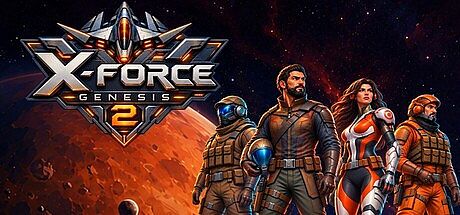


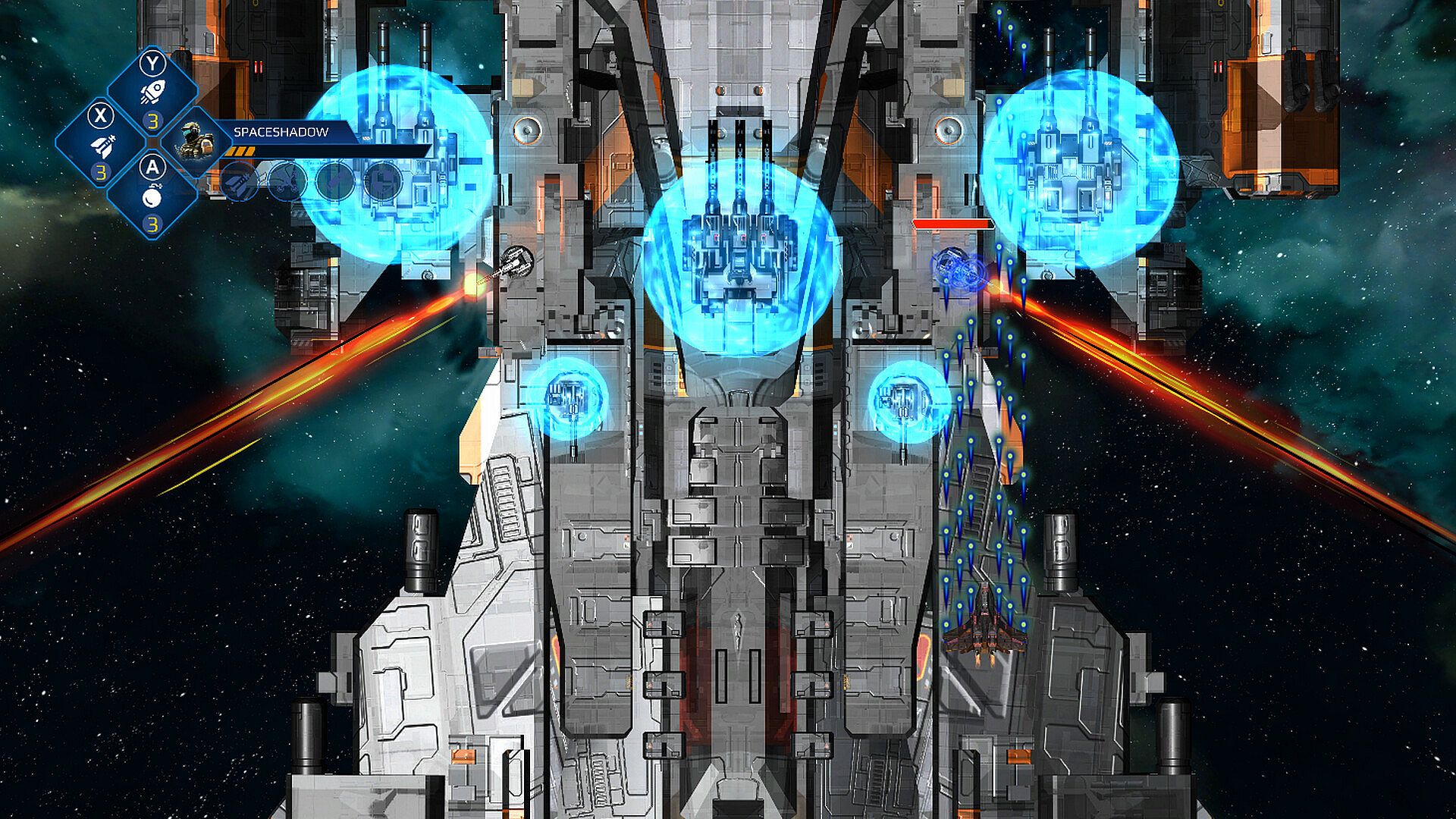
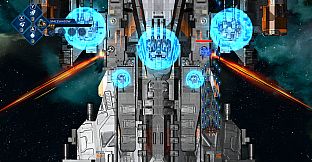
X-Force Genesis 2 is a vertical scrolling shmup that delivers classic space shooter action on PC. Players take control of customizable spacecraft to navigate intense levels filled with enemy waves and projectile patterns. The game draws direct inspiration from 1980s and 1990s arcade titles, emphasizing precise movement, rapid decision making, and survival through overwhelming odds.
Gameplay
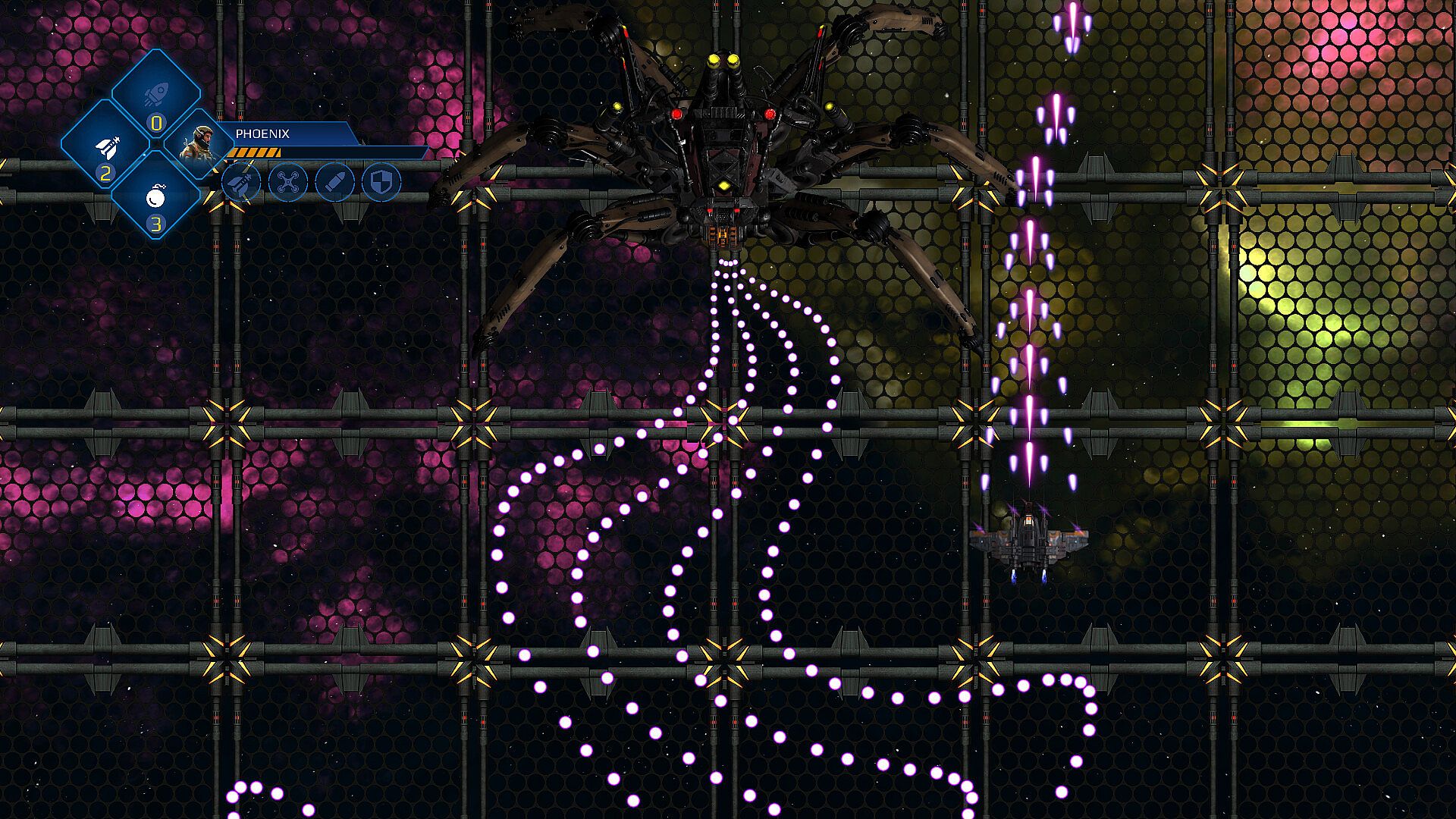
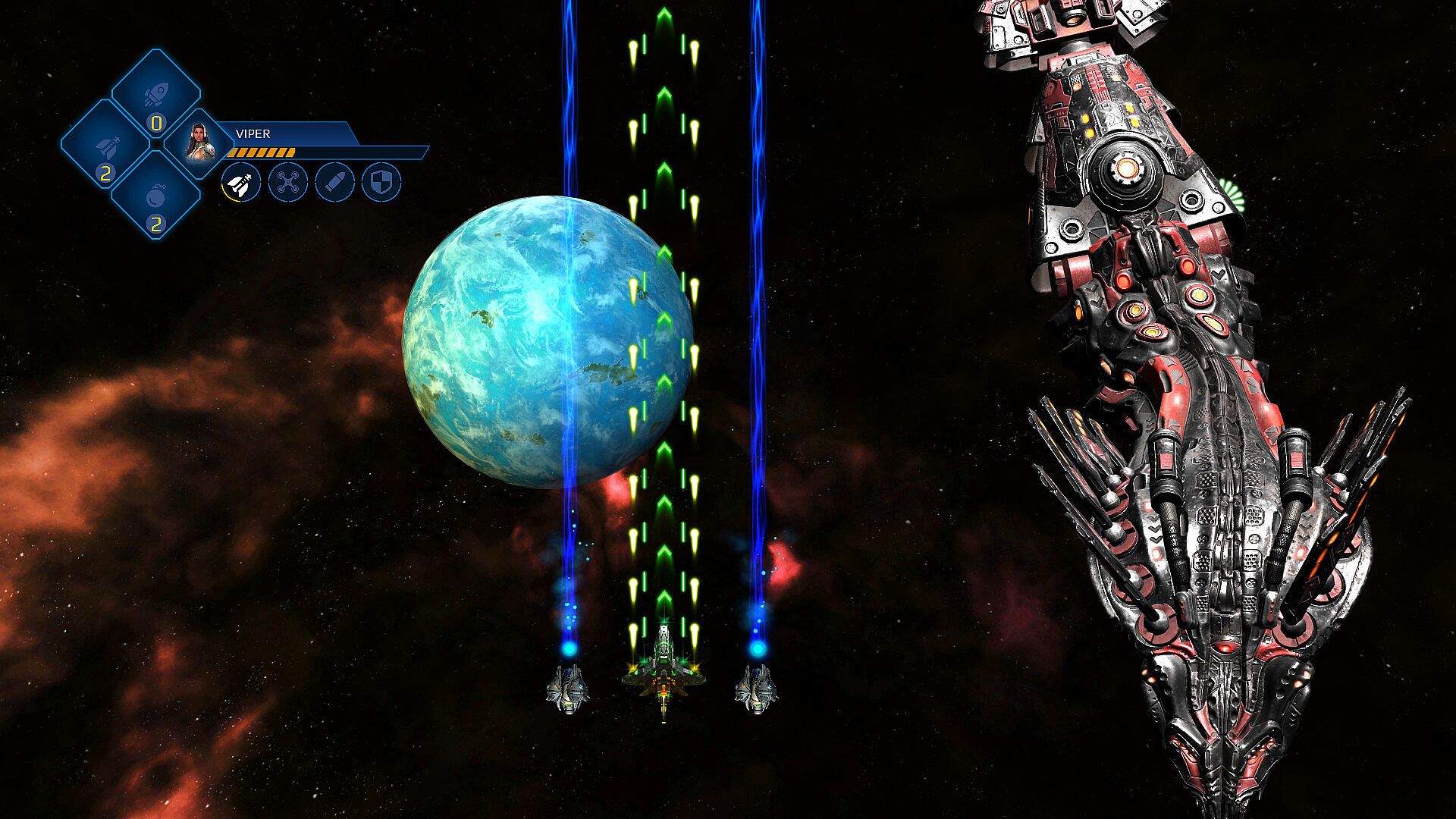
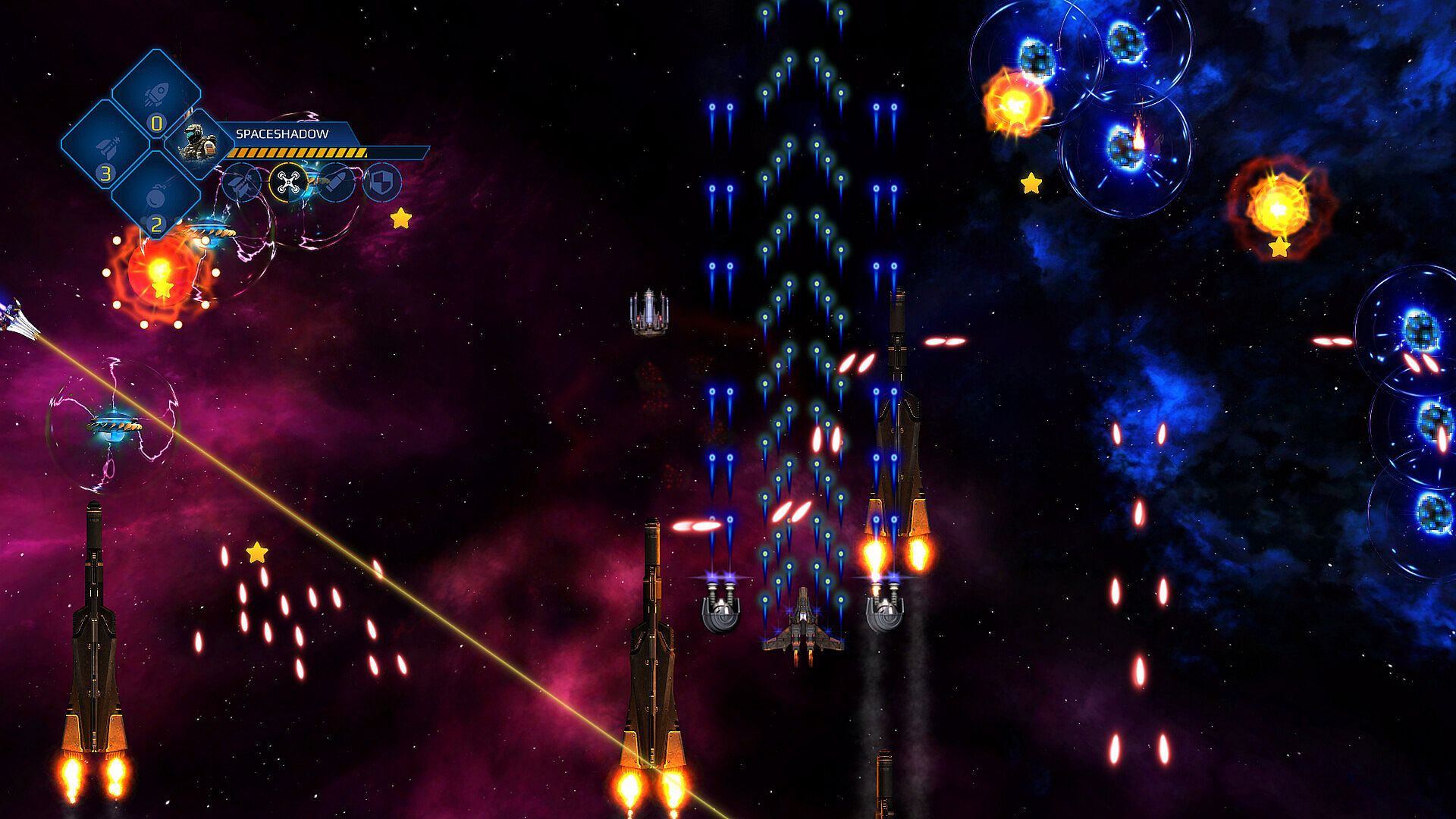
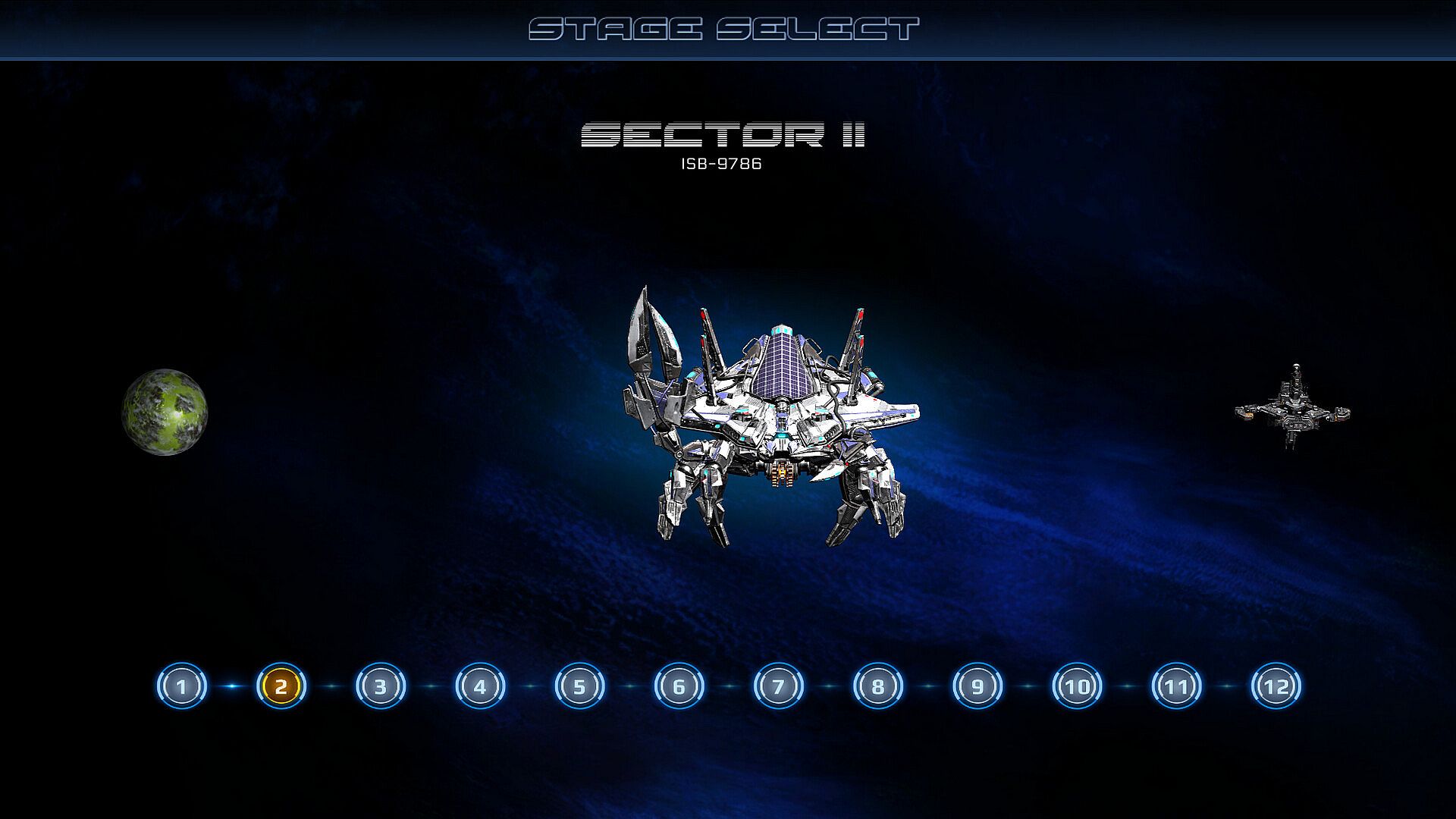
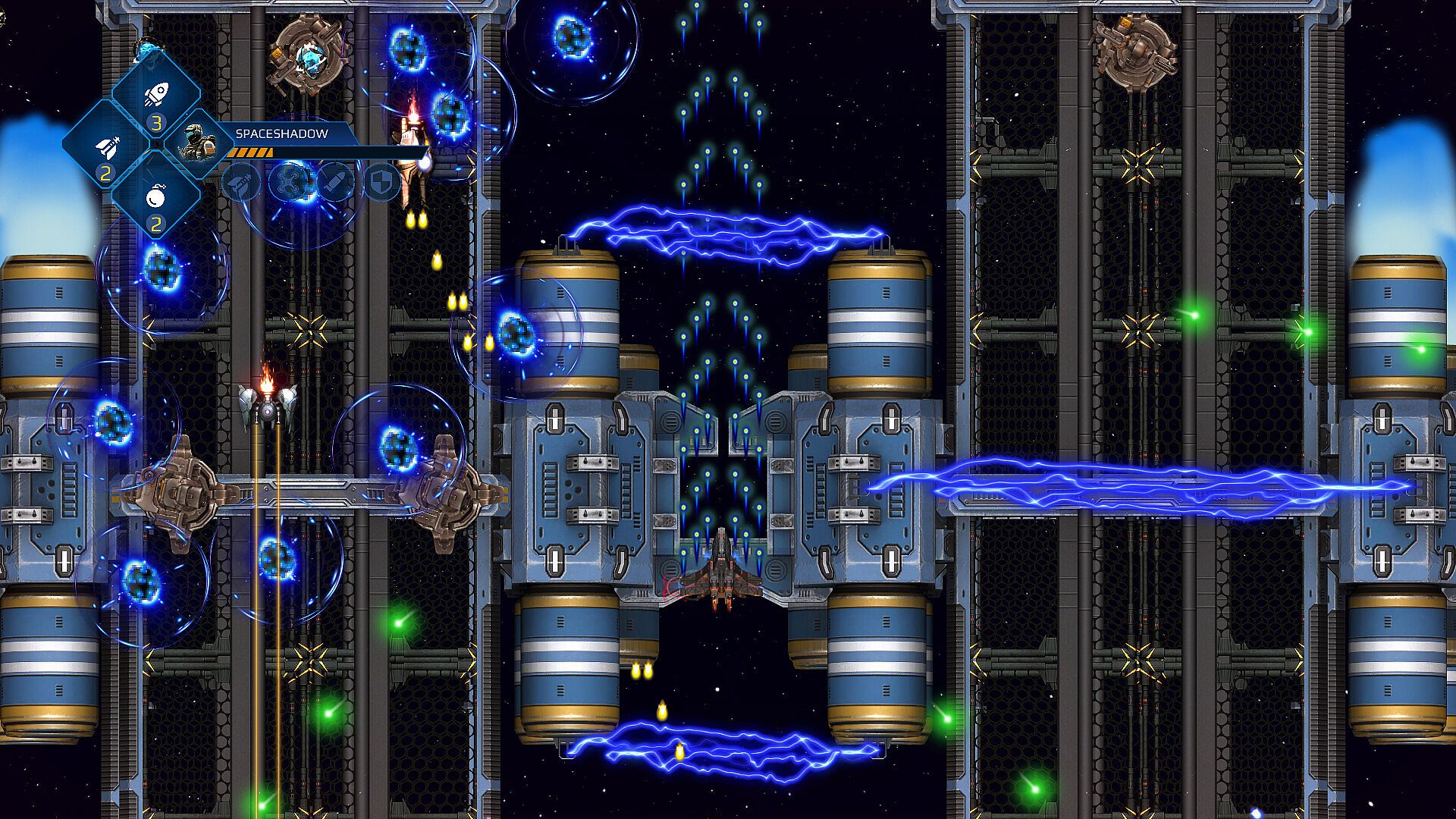
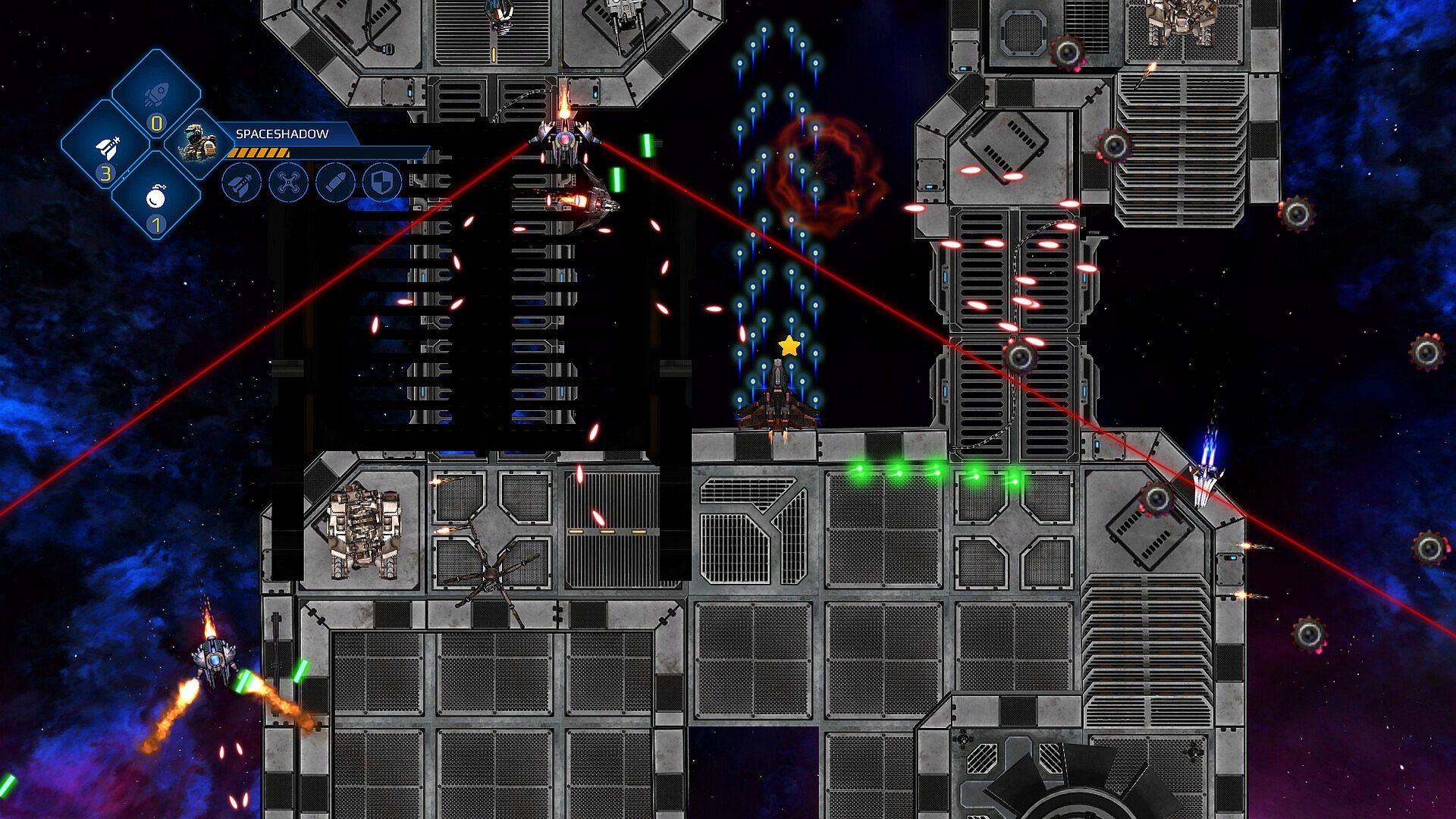
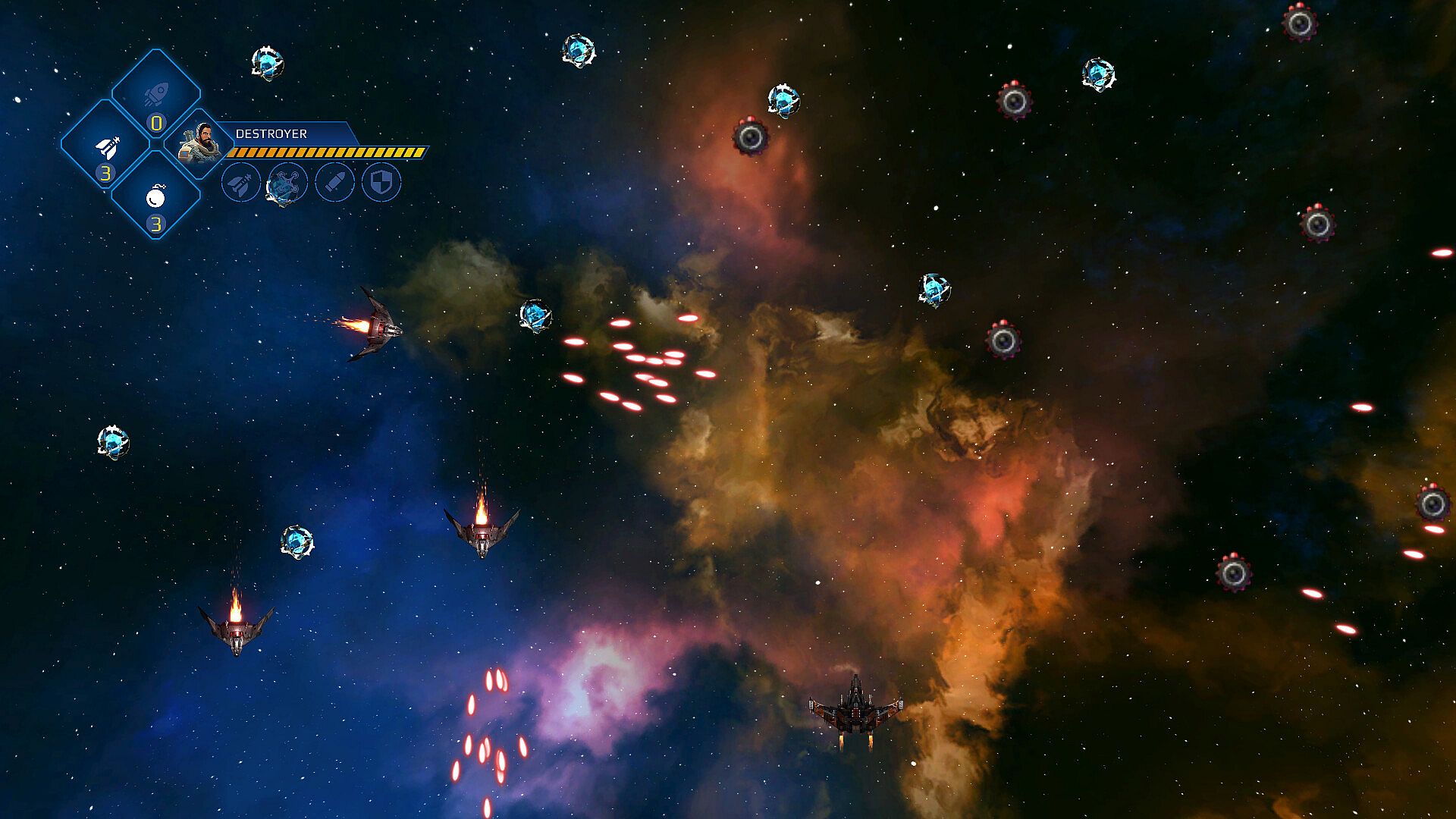
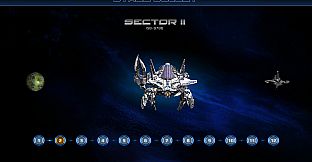
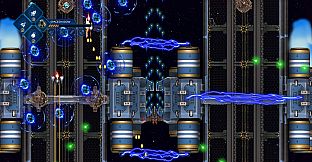
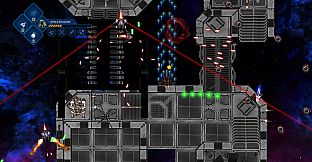
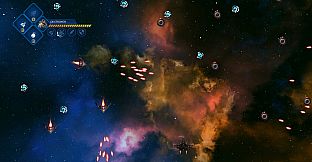
The core loop centers on piloting a chosen ship through twelve stages. Each stage throws successive waves of enemies that fire in varied patterns, requiring constant repositioning to locate safe gaps amid the on-screen chaos. Hundreds of projectiles appear simultaneously, forcing players to maintain momentum while targeting threats. Power-ups appear frequently to temporarily boost weapons or provide defensive options, while permanent upgrades collected across runs strengthen the ship for later challenges. Hazards such as comets add environmental obstacles that must be avoided alongside enemy fire. Boss encounters cap each stage, presenting large targets with multi-phase attack sequences that demand pattern recognition and timed strikes. Ship selection influences approach, as each vessel carries distinct speed, firepower, and durability traits suited to different player preferences. The experience remains strictly single-player, with progression tied to completing stages and refining performance through repeated attempts.
Game Modes
X-Force Genesis 2 offers a focused single-player campaign built around its twelve stages. No additional modes such as versus, co-op, or endless variants appear in the verified details. The structure encourages repeated playthroughs on the same campaign to master enemy patterns, optimize upgrade paths, and improve survival times against escalating difficulty. Players advance sequentially, with each stage building on the last through denser projectile density and more aggressive boss behaviors. This linear yet replayable format suits those seeking concentrated arcade-style sessions rather than branching content or competitive elements.
Ship Selection and Progression
Multiple ships provide meaningful variety from the outset. Each comes with baseline differences in movement speed, shot type, and resilience, allowing players to match a vessel to their preferred dodging style or aggression level. Upgrades accumulate during stages and carry forward in meaningful ways, expanding weapon options or adding layers of protection. Power-ups serve as tactical tools for immediate survival, such as temporary screen-clear effects or rapid-fire bursts. The combination keeps sessions dynamic, as ship choice and upgrade decisions directly affect how later stages unfold. Environmental hazards integrate into the flow without overwhelming the primary focus on enemy encounters and boss fights.
Is It Worth Playing?
Player feedback on available platforms highlights the game as a competent modern take on traditional shmups. Ratings on PlayStation 5 sit near 4.5 out of 5 across small sample sizes, with reviewers noting satisfying projectile patterns, imposing bosses, and worthwhile replay value through difficulty scaling. The title appeals most to fans of 80s and 90s space shooters who enjoy reflex testing and pattern learning over narrative depth or multiplayer features. Its straightforward campaign delivers consistent action across the twelve stages without unnecessary complexity. Those seeking a pure, challenging shmup experience will find the ship variety and upgrade system provide enough tactical layers to justify multiple runs. Availability on PC aligns with the core audience for this genre, and the recent console releases confirm active distribution. Overall, it stands as a solid choice for genre enthusiasts comfortable with high difficulty and short, intense sessions rather than expansive campaigns or social features.







