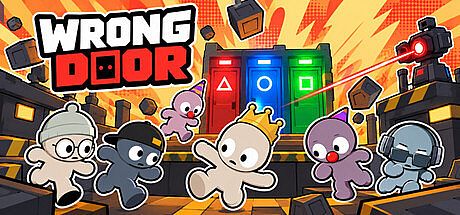


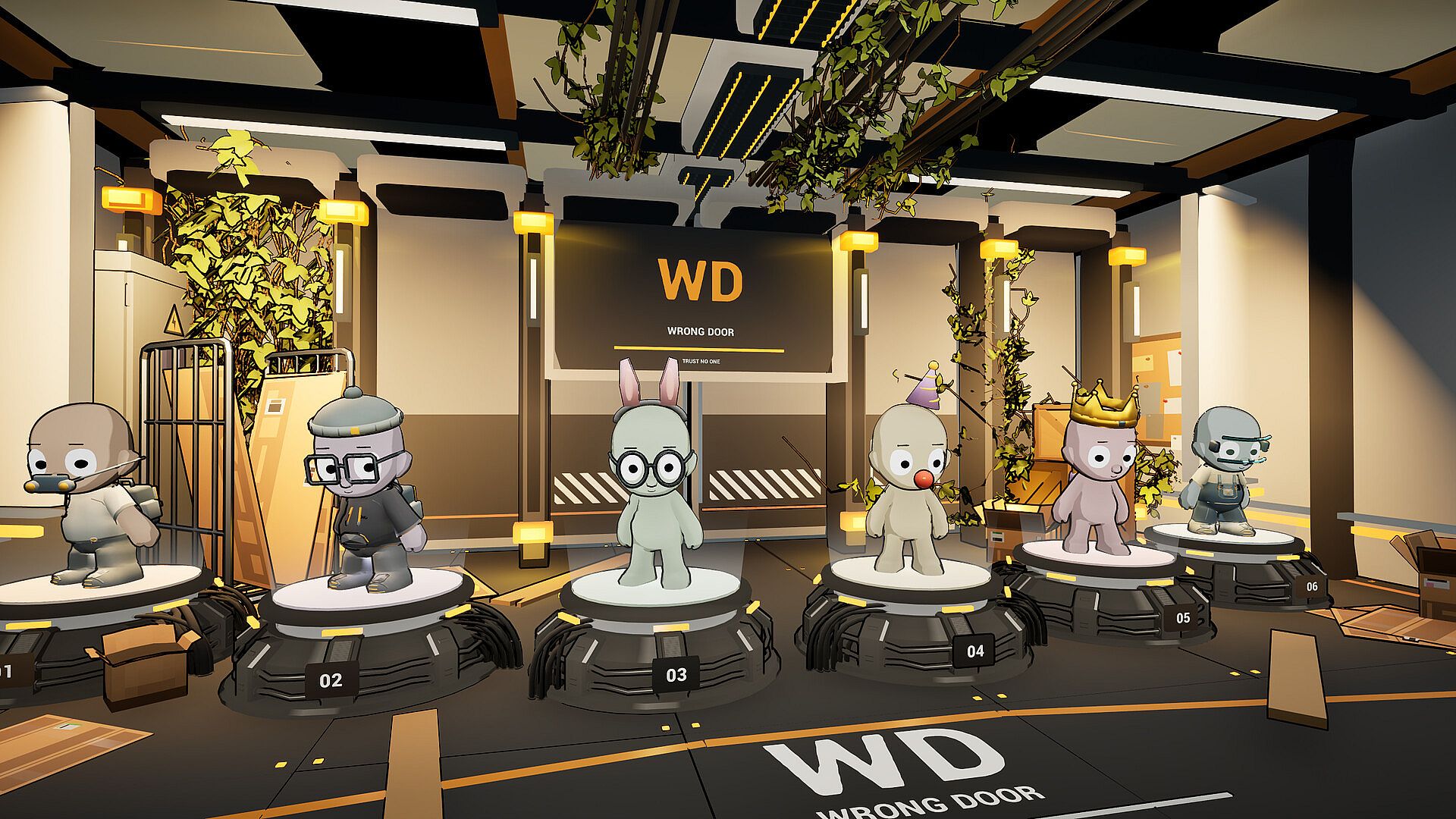
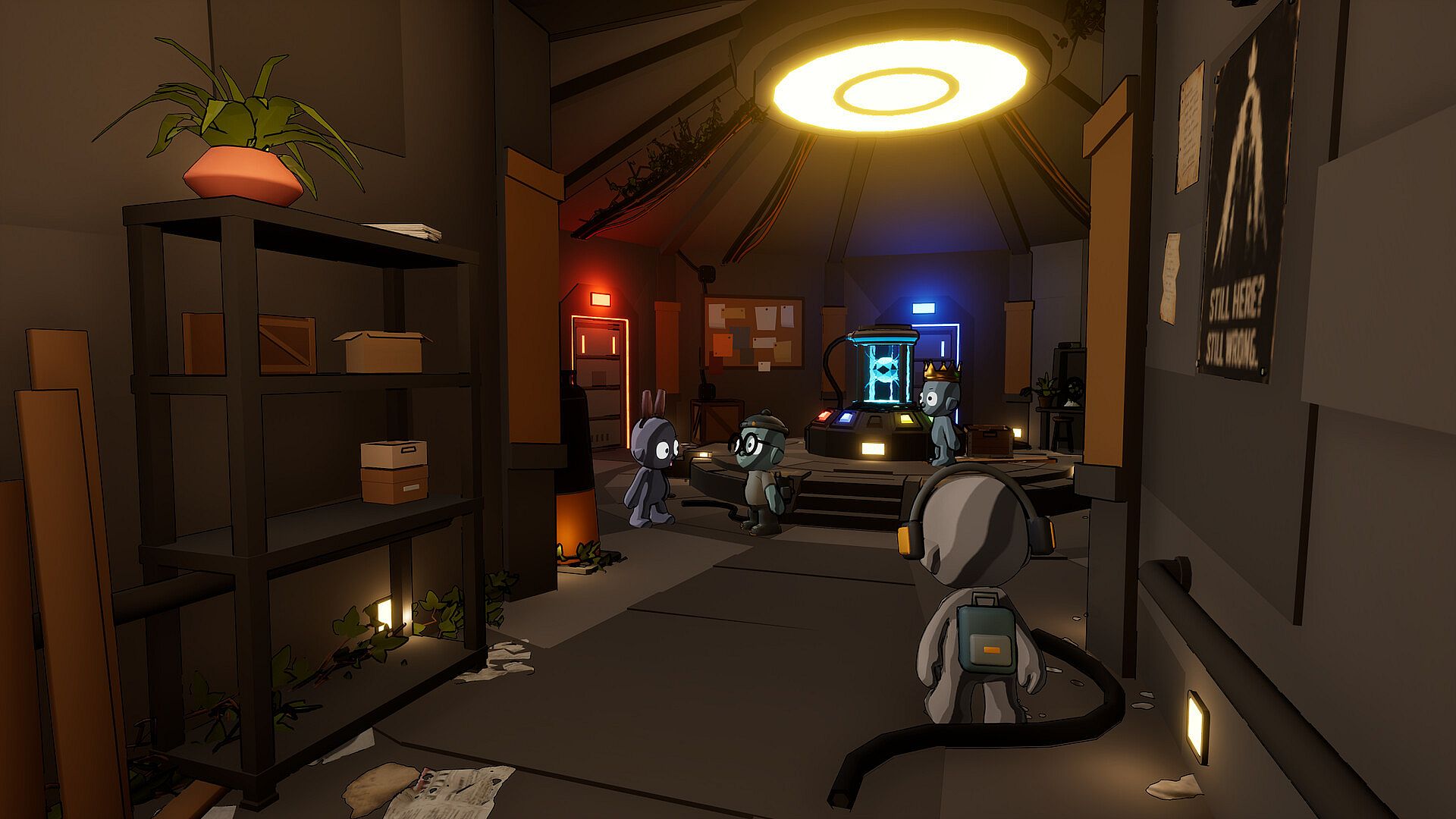
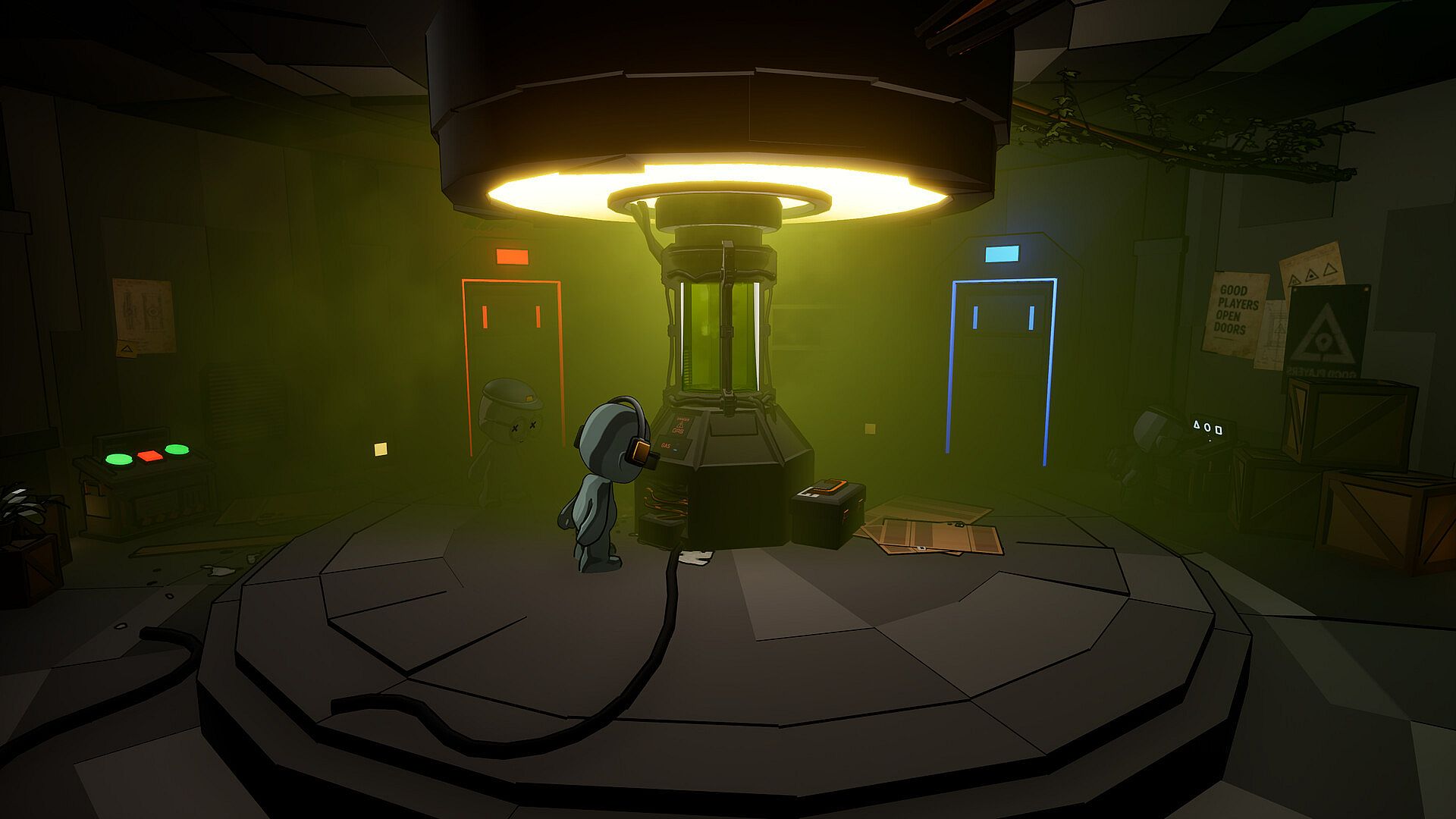
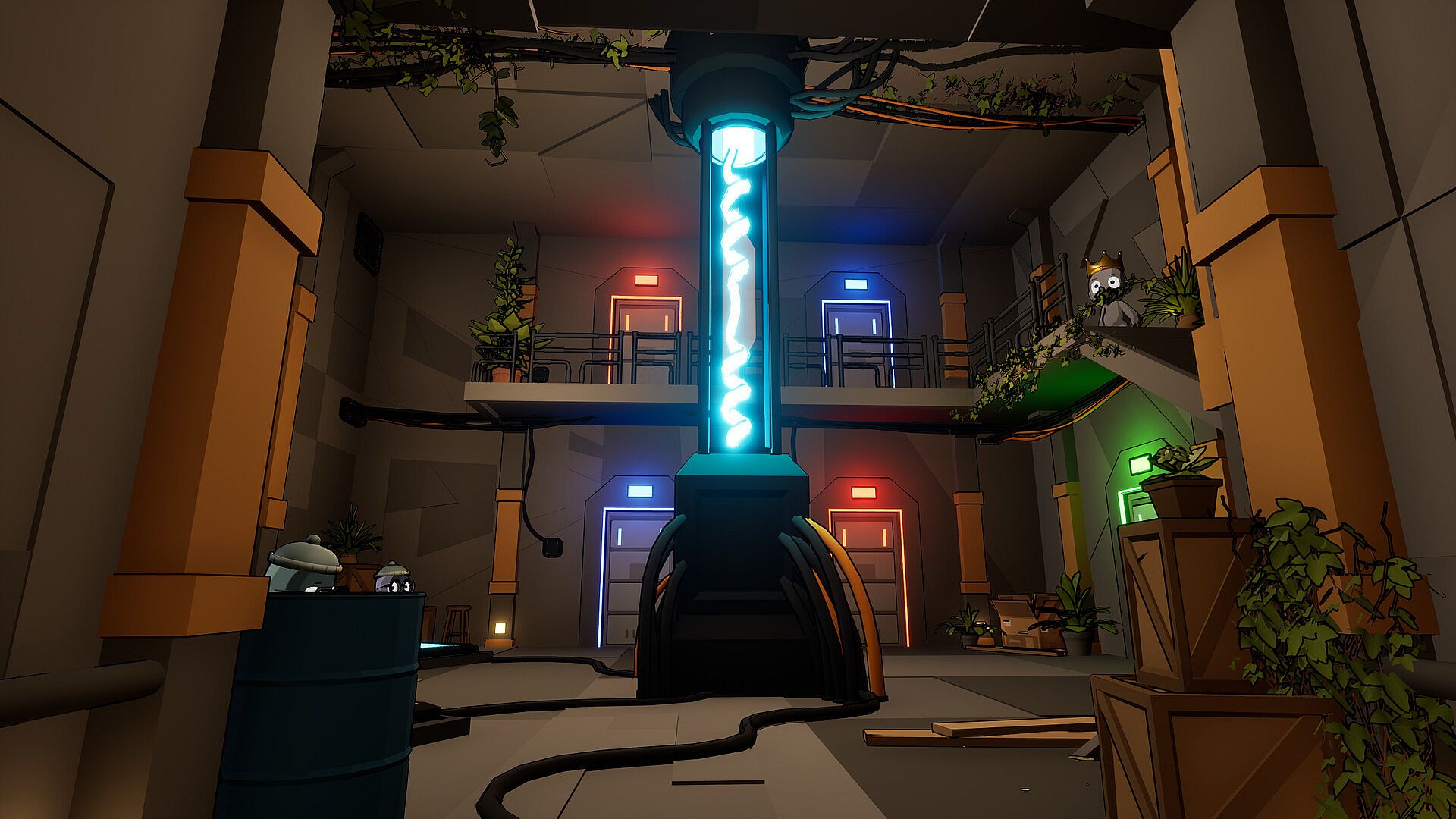
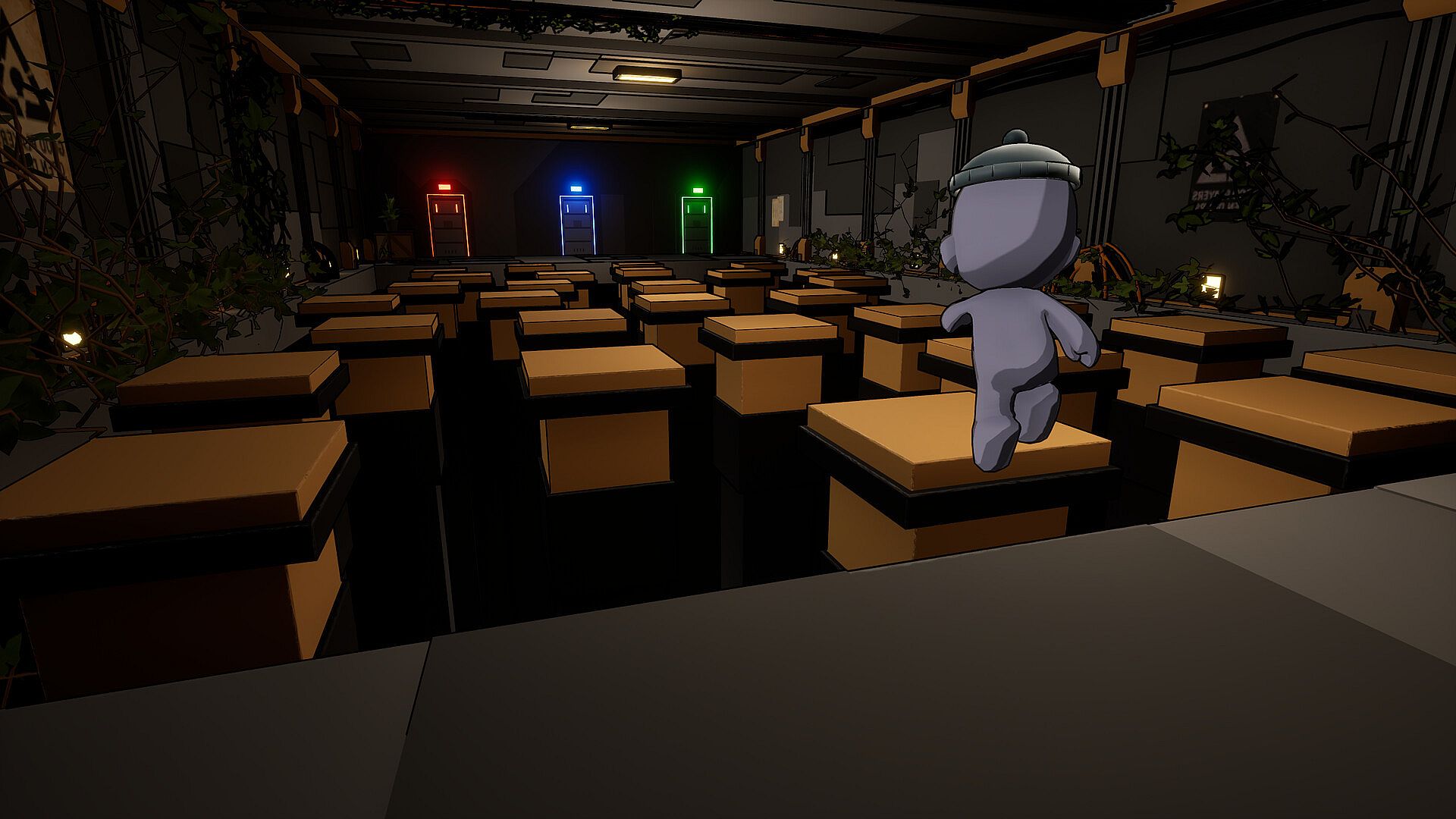
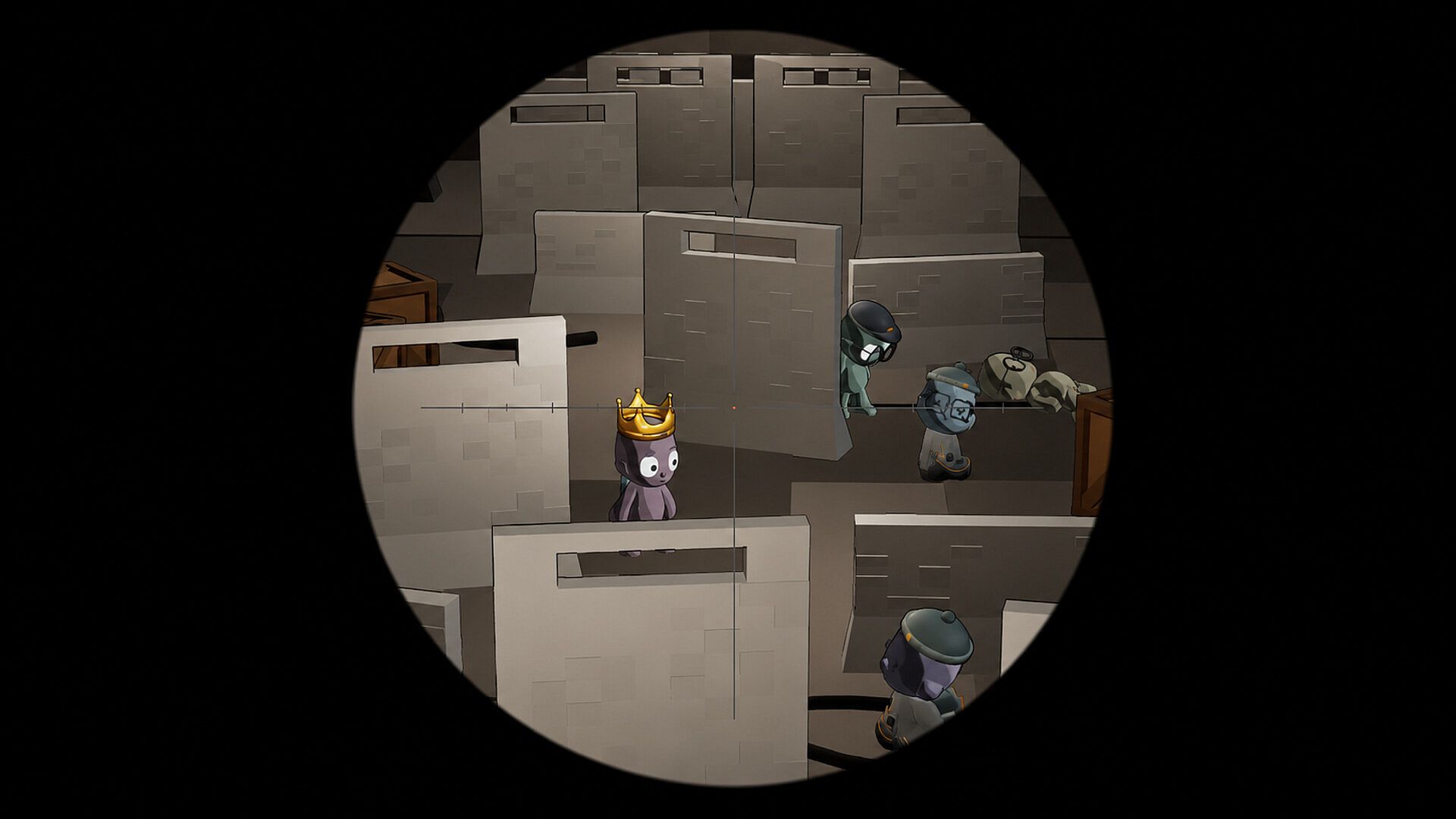
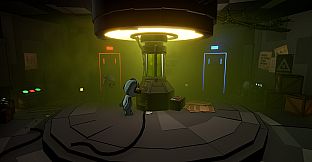
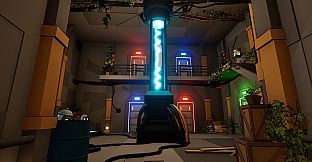
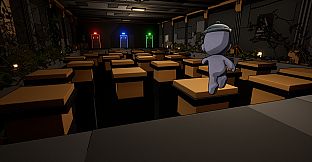
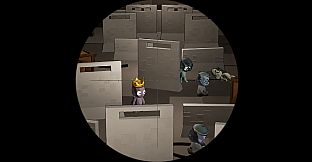
Wrong Door is an action indie casual online multiplayer party game for PC that puts 2 to 6 players into quick rounds of door selection and social deduction. Each session revolves around three doors and a limited time window where participants weigh limited clues against the actions and statements of others. The core loop rewards accurate choices while punishing missteps, and the tension builds because not every player shares the same incentives to reveal what they know.
Gameplay
Players begin each round facing three doors with only partial information available to them. Time pressure forces quick decisions based on visible clues, the behavior of fellow participants, and any verbal exchanges that occur before the clock runs out. Choosing the correct door awards a point, while an incorrect selection leads to immediate consequences that affect the ongoing match. The first-person perspective and colorful cartoon-inspired visuals keep the focus on reading opponents rather than complex controls or environmental navigation.
Private information creates asymmetry because each player holds unique details that may or may not align with the truth. This setup encourages selective sharing, deliberate misdirection, and attempts to steer others toward poor choices. Scores accumulate across successive rounds, so early leads can shift dramatically with a single convincing bluff or a well-timed revelation. The short duration of individual rounds supports repeated play without long commitments, and the pressure intensifies as the overall match nears its conclusion.
Game Modes
The game centers on a single competitive format built around successive rounds that feed into an overall score. Every participant remains active throughout the match, returning for the next round regardless of prior outcomes. This structure keeps all players engaged while cumulative scoring rewards consistent performance and effective social manipulation over multiple cycles. No separate single-player or cooperative variants appear in the available details, keeping the emphasis on group interaction and direct competition.
Matches scale naturally with the number of participants between two and six, adjusting the density of information and potential alliances or rivalries accordingly. The replayability stems from the changing dynamics of trust and deception rather than procedural generation or additional rule sets.
Social Deduction Elements
Success depends as much on interpreting other players as on the doors themselves. Participants can share partial truths, withhold key facts, or actively mislead others to protect their own standing. The limited time window prevents exhaustive discussion, so body language, timing of statements, and patterns from previous rounds become valuable signals. One player might attempt to form a temporary alliance, while another works to isolate a perceived threat and direct them toward the wrong door.
These interactions turn every round into a fresh mind game. Experienced groups develop shorthand or recognize recurring strategies, yet the random distribution of private information ensures outcomes remain unpredictable. The design favors players who balance self-interest with calculated cooperation, rewarding those who can read the table while maintaining their own edge.
Is It Worth Playing?
Wrong Door suits groups that enjoy fast-paced social party experiences with elements of bluffing and deduction. The short rounds and straightforward premise make it accessible for casual sessions, while the depth of interpersonal strategy provides replay value for regular play groups. Availability on PC supports easy online matchmaking or local gatherings, and the colorful presentation avoids heavy themes that might limit its audience.
Players seeking pure action or solo campaigns will find less here, as the experience lives in the moments of negotiation and second-guessing before each door choice. Those who already enjoy similar party titles centered on reading opponents and managing limited information will likely appreciate the focused loop and the way scores evolve across a full match. The game remains in active development with its core systems centered on the described multiplayer format.