





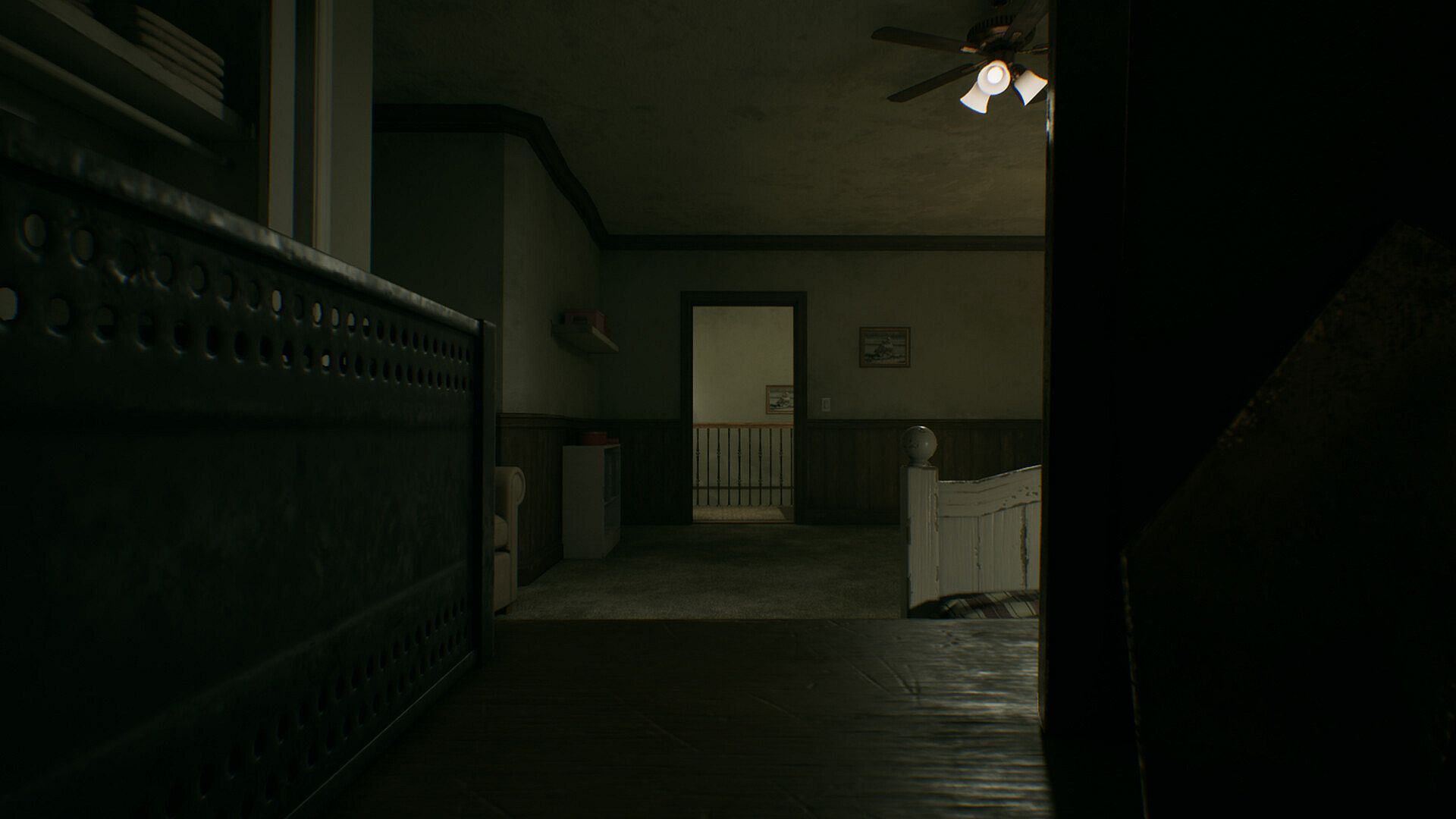
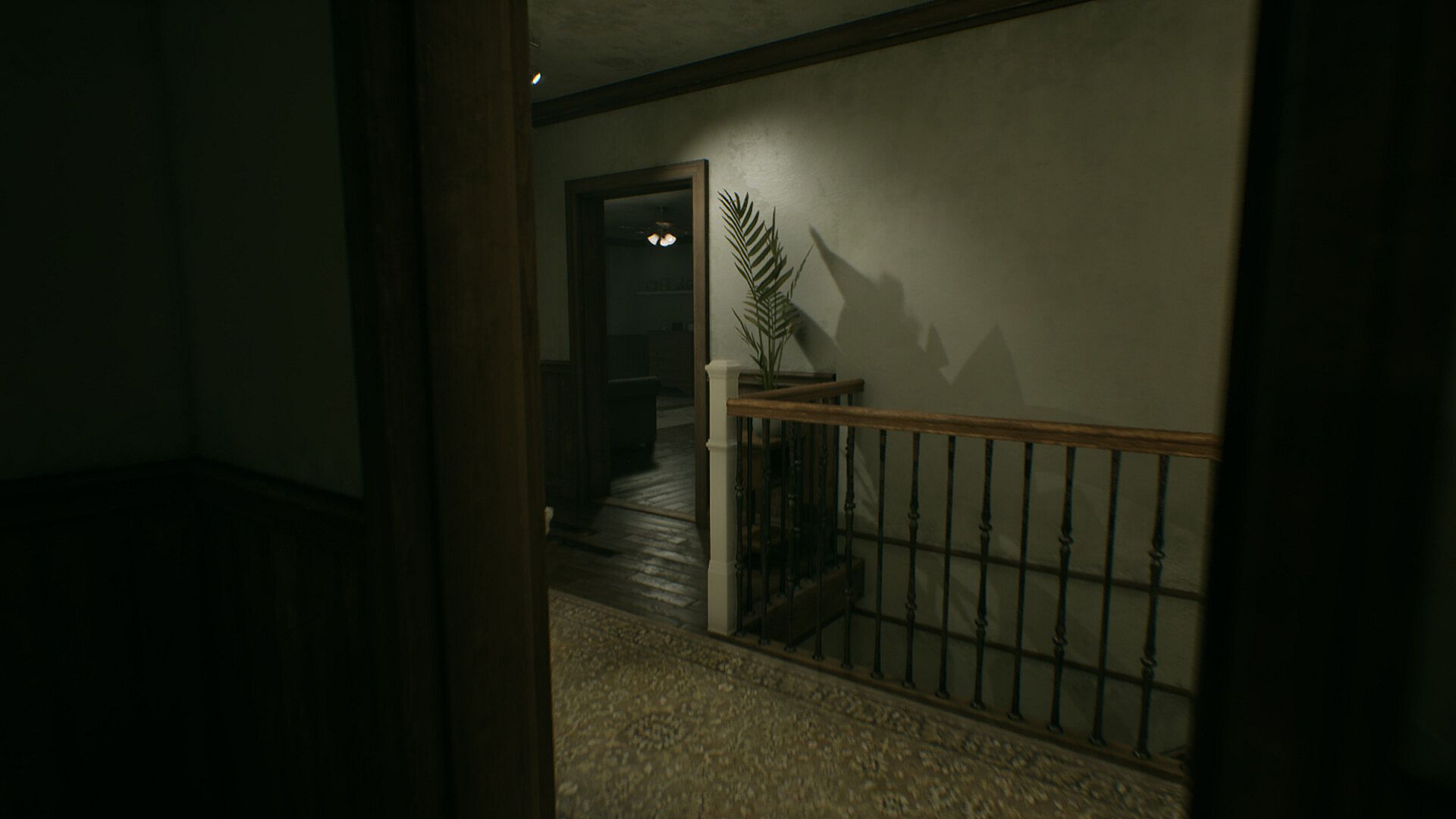
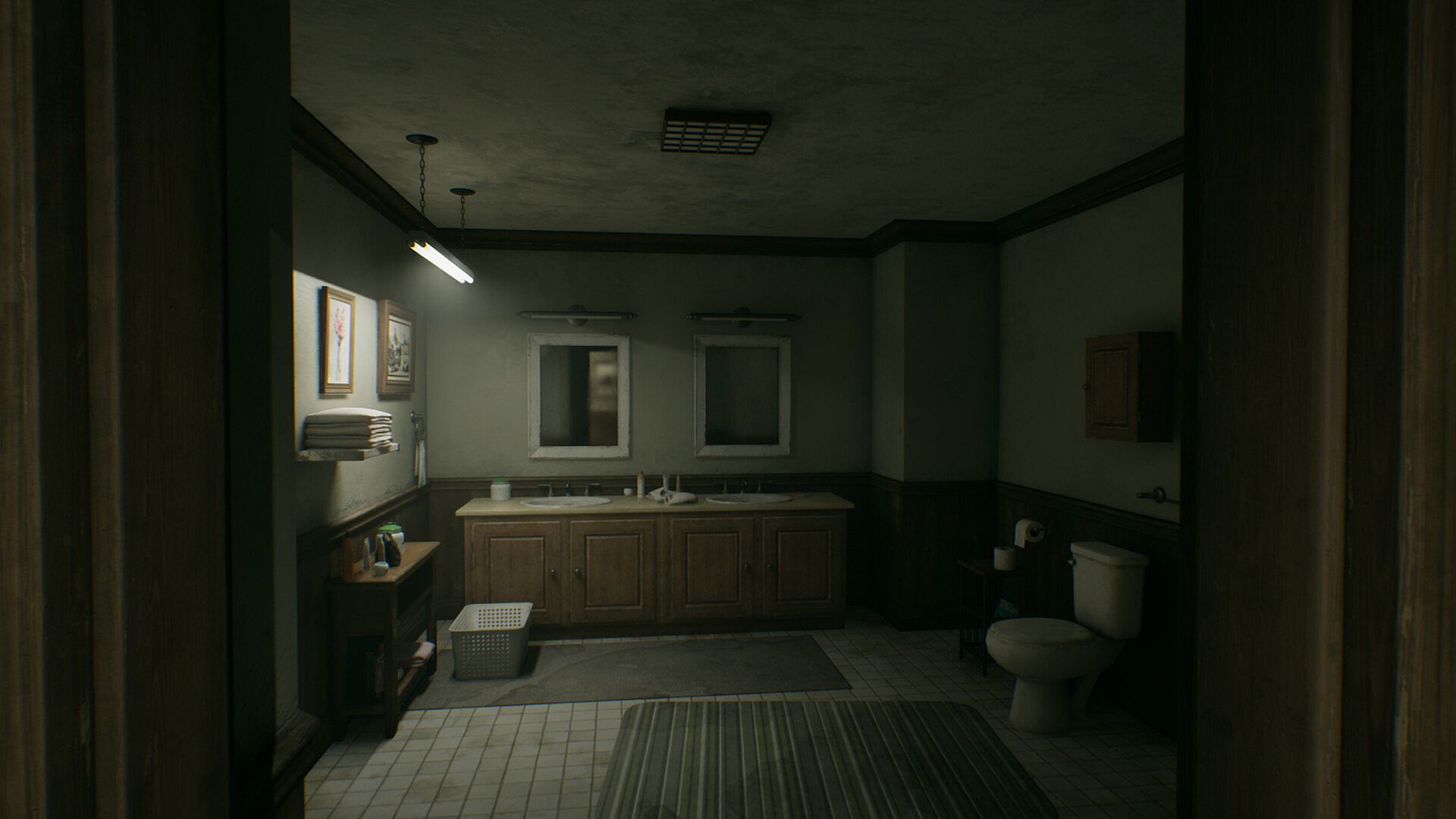
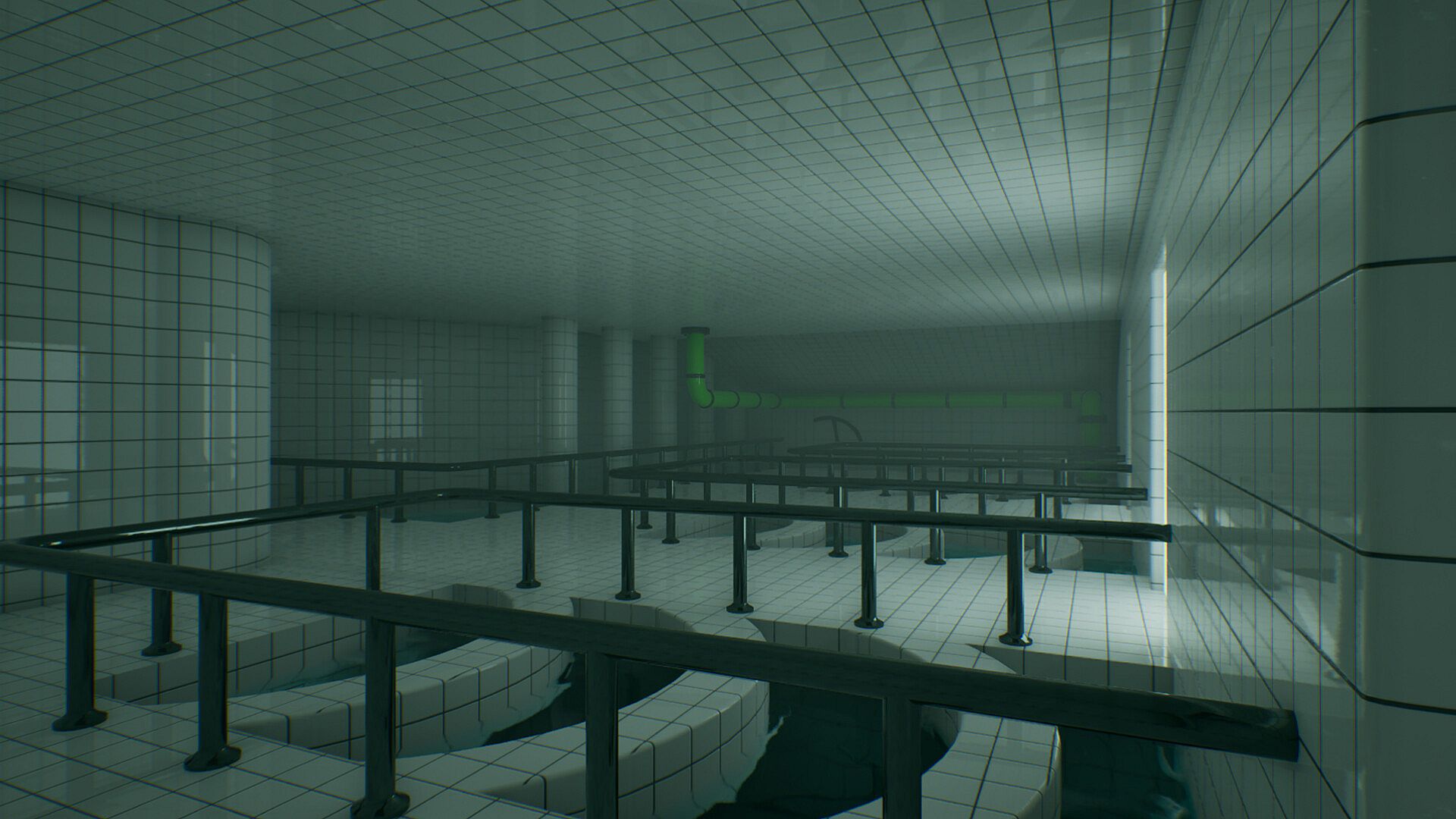
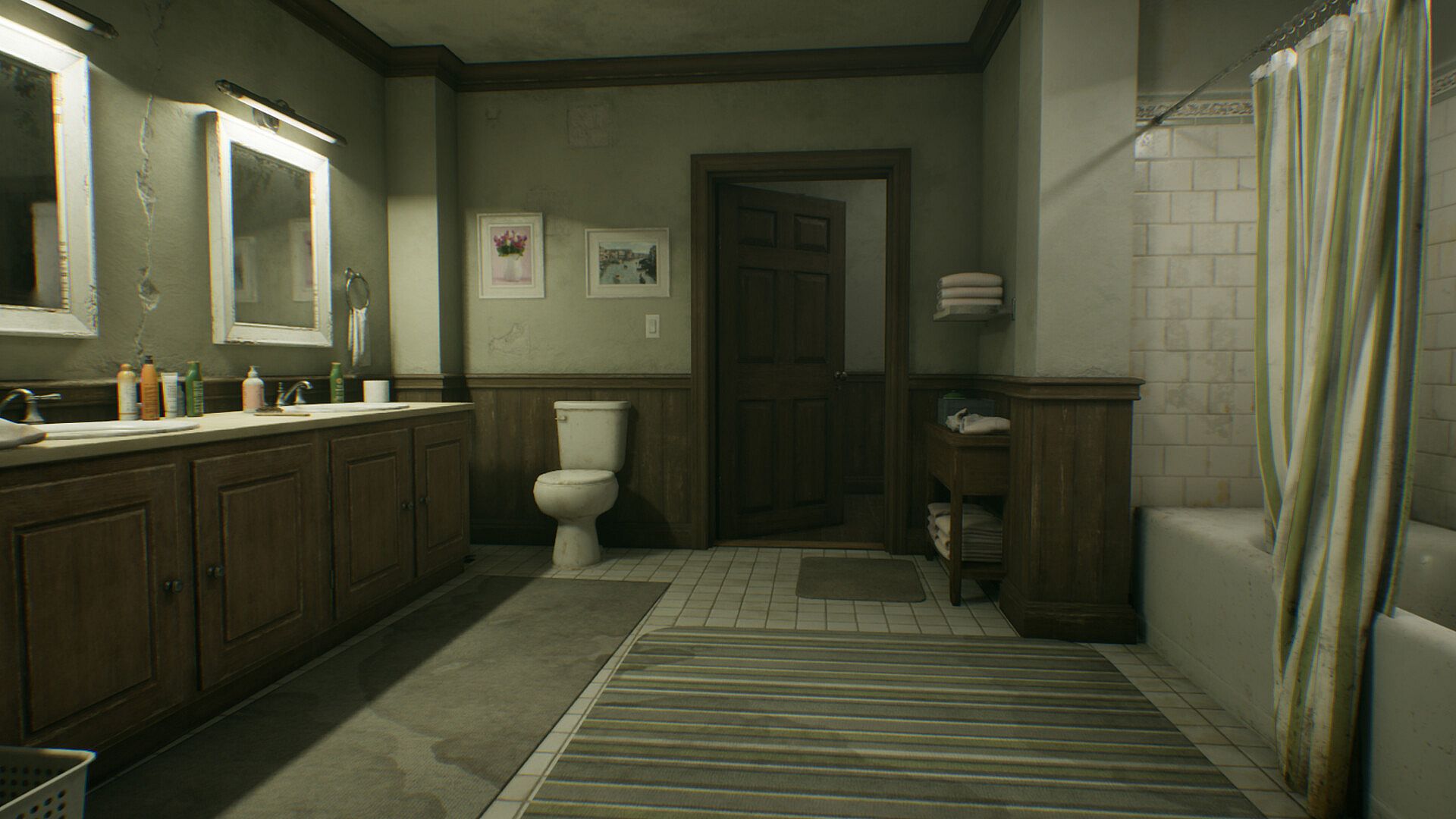
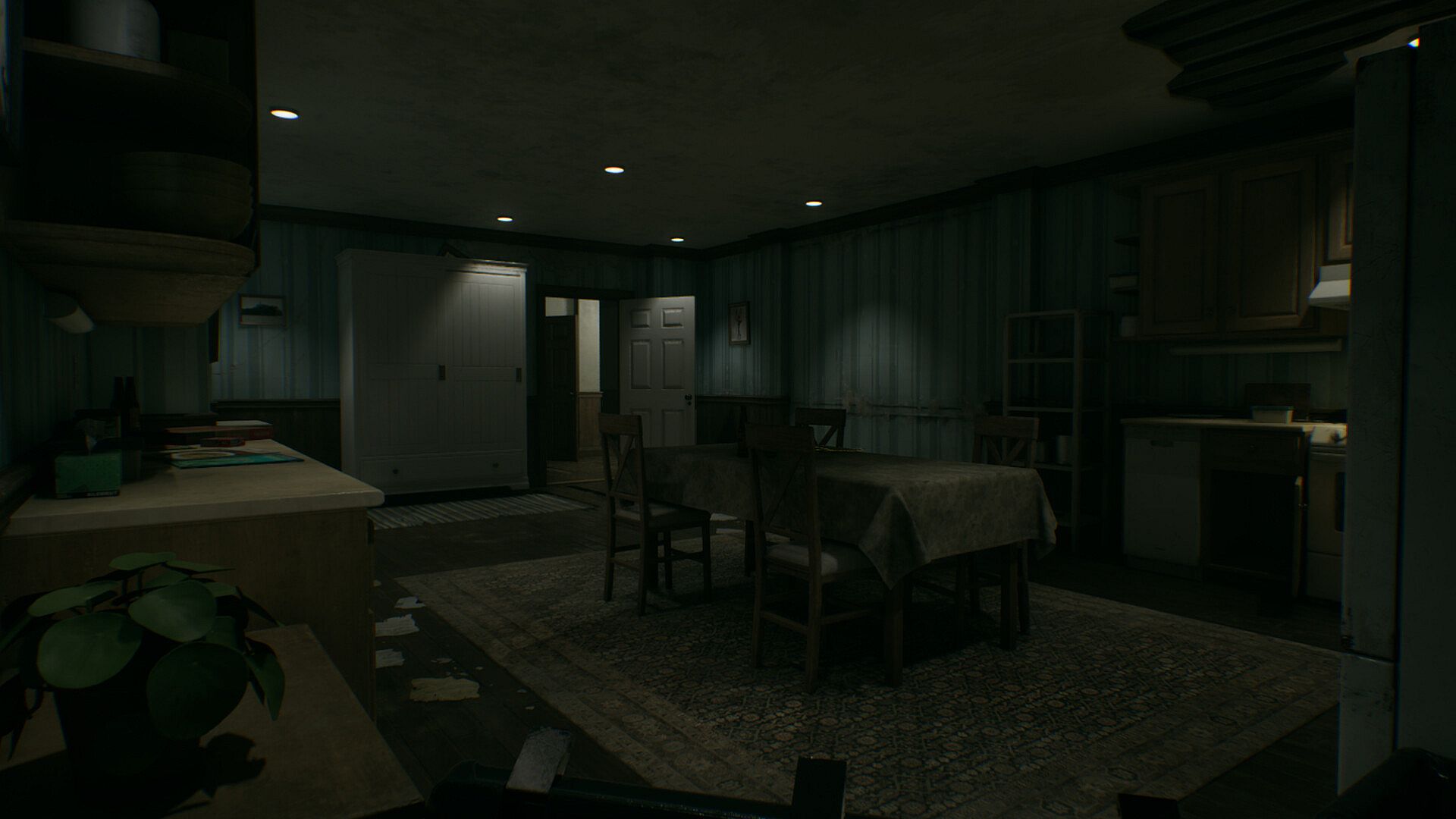
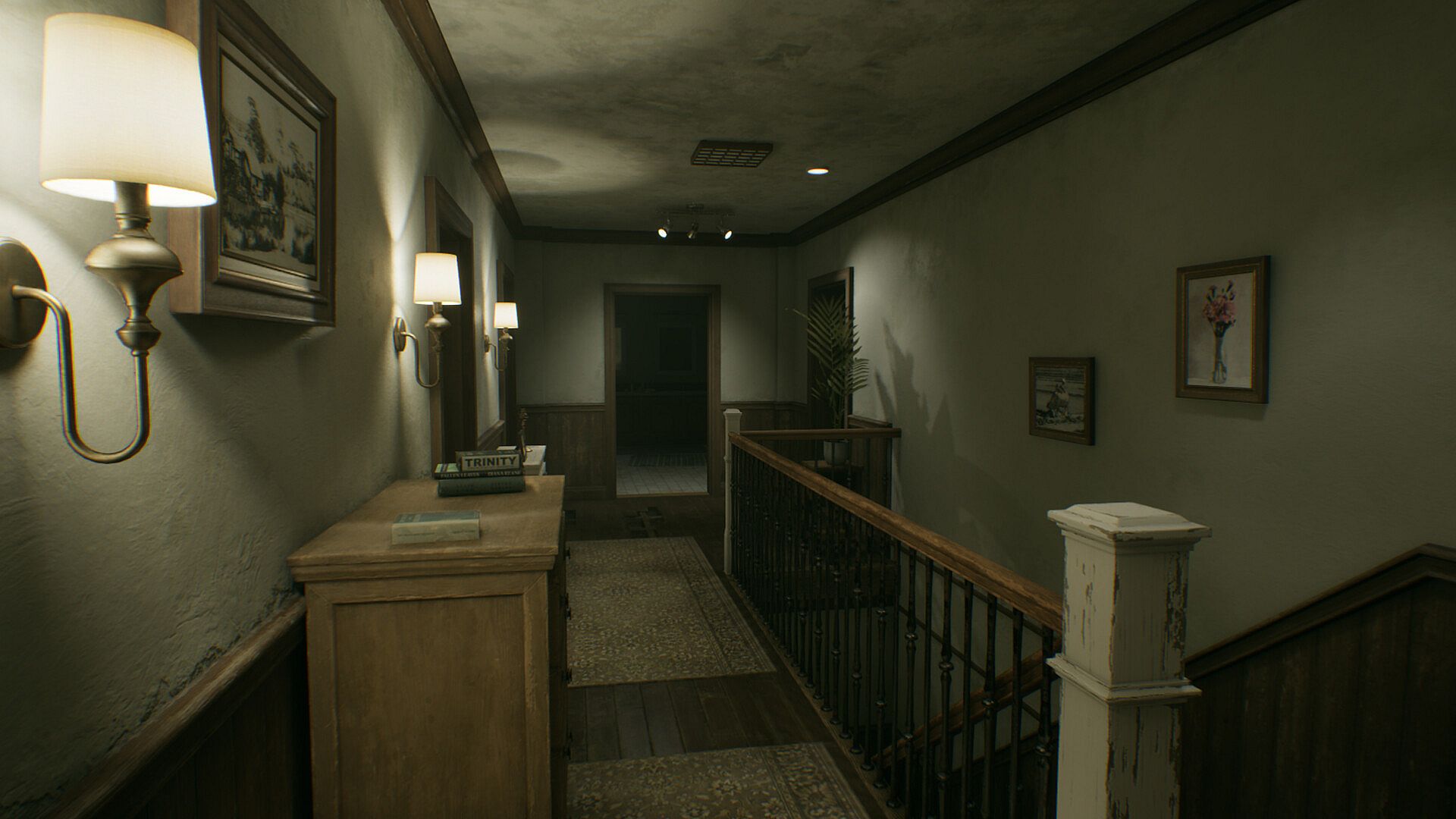
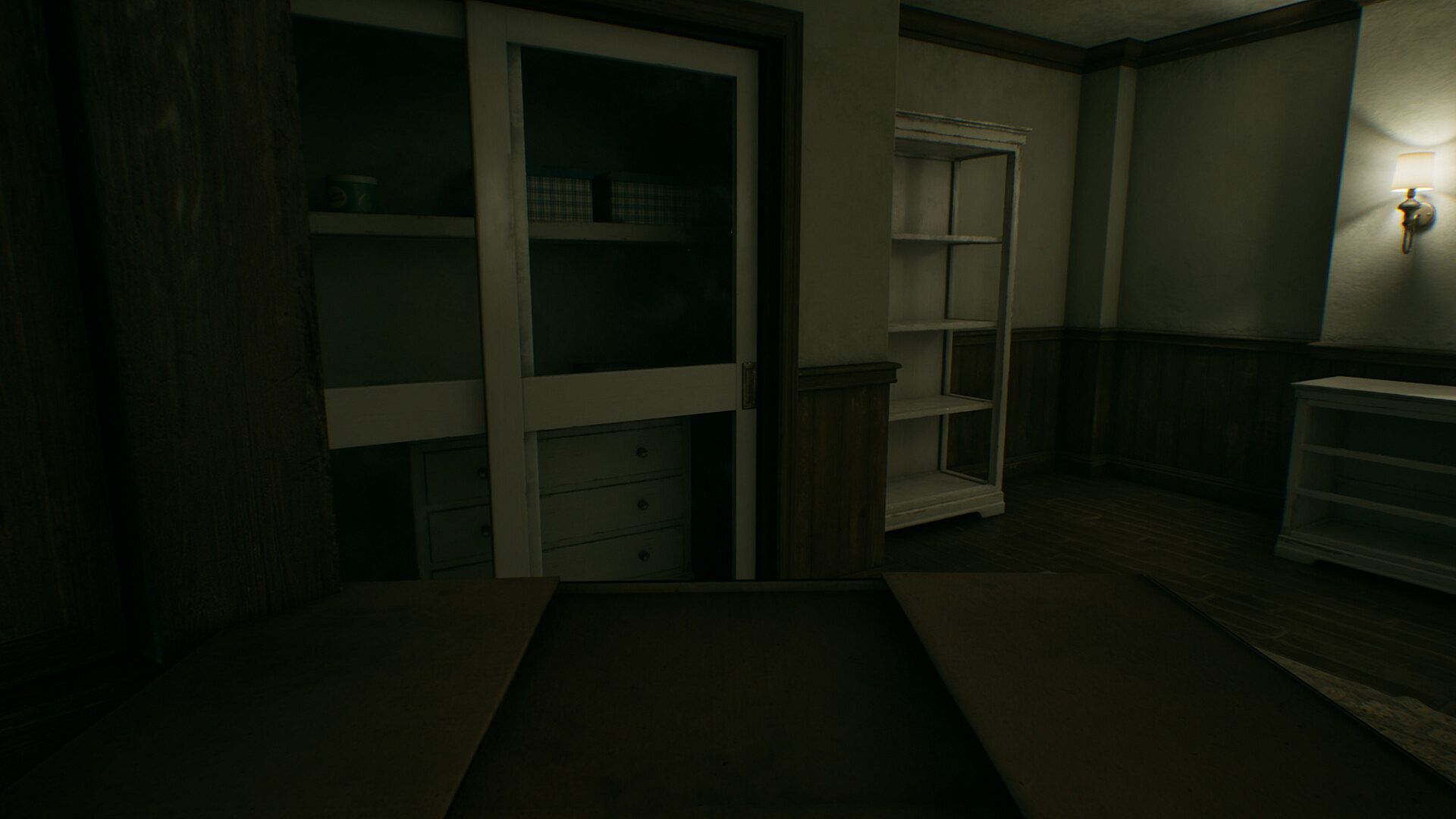
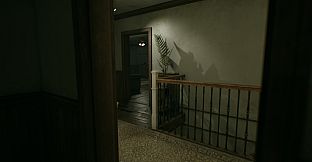
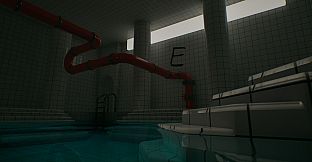
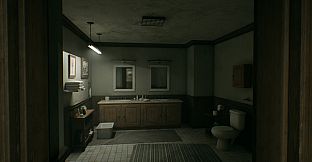
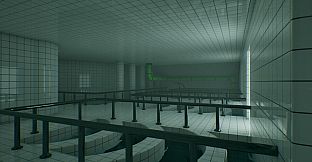
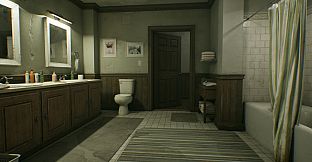
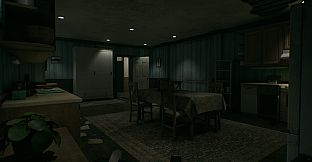
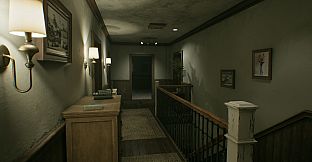
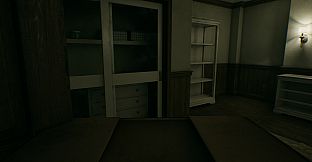
WHERE IS MY MIND is a single-player adventure game built around exploration and puzzle-solving on PC. Players step into a story that begins with an unexpected package left at the doorstep, then navigate shifting perceptions of what is real and what stems from the mind. The experience centers on a house filled with clues, objects to examine, and an unsettling presence that trails behind while remaining wary of the player.
Gameplay
The core loop involves moving through detailed environments as a walking simulator while carefully inspecting surroundings for hidden details. Hallucinations gradually intensify, altering what appears in the world and sometimes carrying over into tangible changes that affect later progress. Players must interact with objects, follow scattered clues, and piece together the house's underlying mystery to restore a smart home system that has fallen into disarray.
Progress demands attention to the line between perception and action. Traces left in the real world grow more pronounced as the story advances, forcing players to question every step taken and every item handled. The pursuing entity adds tension without direct confrontation, creating moments where movement and observation become the primary tools for survival and discovery.
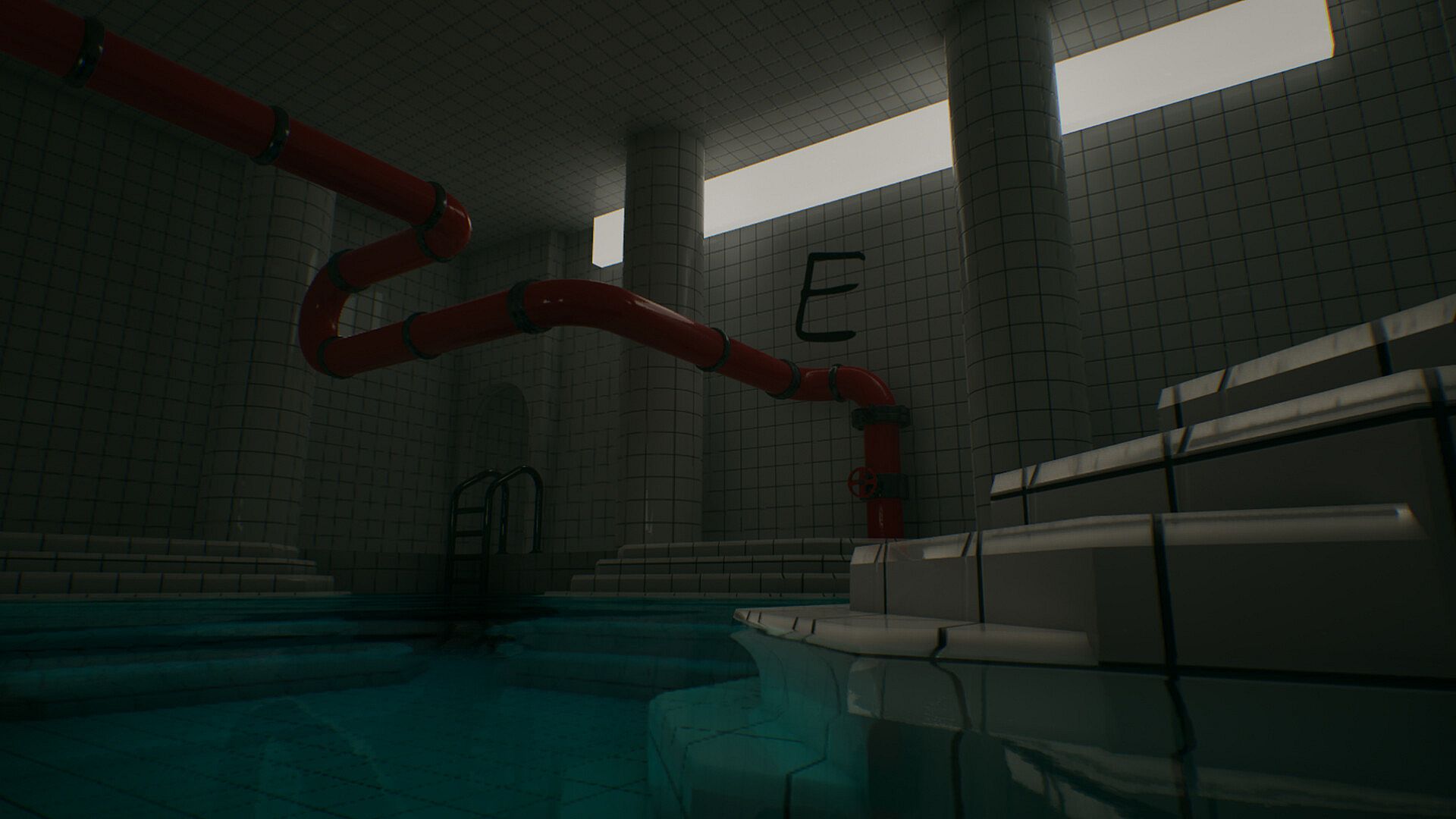
Realistic graphics support the atmospheric focus, rendering spaces that feel lived-in yet increasingly unreliable. High-quality sound design reinforces the unease, with audio cues that shift alongside the visual distortions to heighten the sense of slipping control.
Game Modes
The game offers a single continuous narrative experience without separate multiplayer options or distinct modes. All content unfolds in one linear sequence that blends exploration, environmental interaction, and puzzle resolution. Players advance by examining rooms, solving challenges tied to the house's systems, and managing the growing influence of hallucinations on both vision and physical reality.
Mechanics remain consistent throughout, with no branching campaigns or competitive elements. The emphasis stays on forward momentum while piecing together the central mystery, making each session build directly on the last without resets or alternative paths outside the main story thread.
Puzzles and Narrative Integration
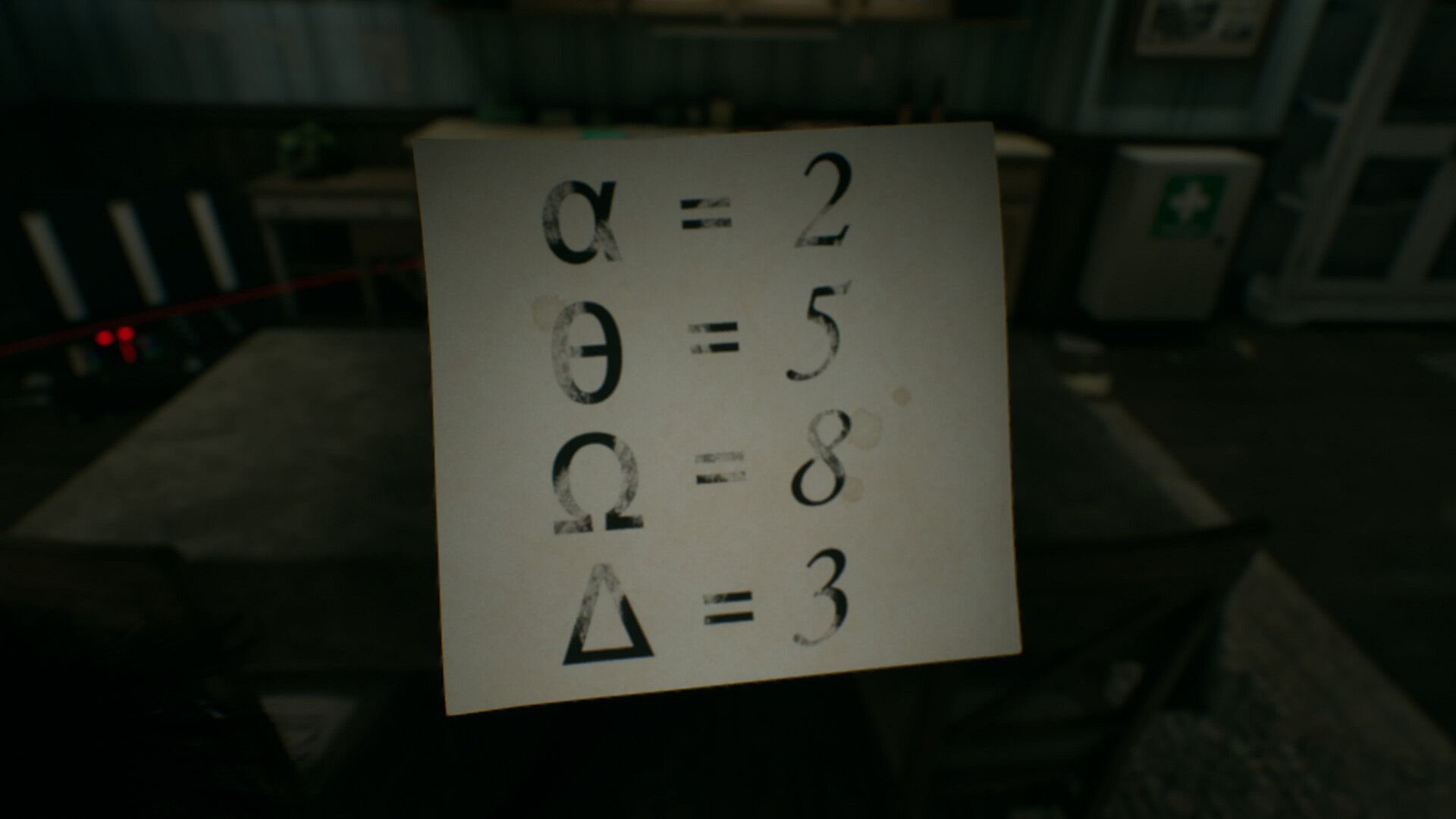
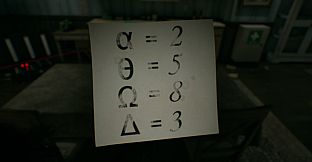
Puzzles arise naturally from the environment rather than appearing as isolated challenges. Examining objects reveals connections to the smart home system, and clues often require cross-referencing multiple locations or accounting for hallucination effects that obscure or fabricate details. Solutions reward careful observation and logical deduction over trial-and-error repetition.
The story unfolds through these interactions, revealing layers of the house's history and the player's own uncertain state. As hallucinations intensify, the distinction between actions performed and events merely perceived blurs, turning routine exploration into a test of mental grounding. The entity following the player serves as both threat and mirror, its fear mirroring the protagonist's own eroding certainty.
Is It Worth Playing?
WHERE IS MY MIND suits players who enjoy atmospheric single-player adventures centered on mystery, observation, and psychological tension. The walking-simulator structure paired with puzzle elements creates a deliberate pace that rewards patience and attention to detail. Realistic visuals and sound work together to sell the theme of reality slipping away, while the entity mechanic adds consistent pressure without shifting into action-focused gameplay.
Those drawn to stories about perception, memory, and the consequences of blurred boundaries will find the core loop engaging. The absence of multiple modes or online features keeps the focus squarely on the personal narrative, making it a contained experience best approached in focused sessions. If the described mechanics align with preferences for thoughtful exploration over fast-paced challenges, the game delivers a cohesive journey from the initial doorstep mystery to its unsettling conclusion.











