














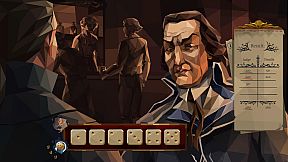
We. The Revolution es un juego de estrategia para un solo jugador ambientado en la Revolución Francesa. El jugador encarna al juez Alexis Fidele en el Tribunal Revolucionario de París, donde cada veredicto influye en las alianzas y la supervivencia depende de saber moverse entre las presiones políticas del momento.
Jugabilidad
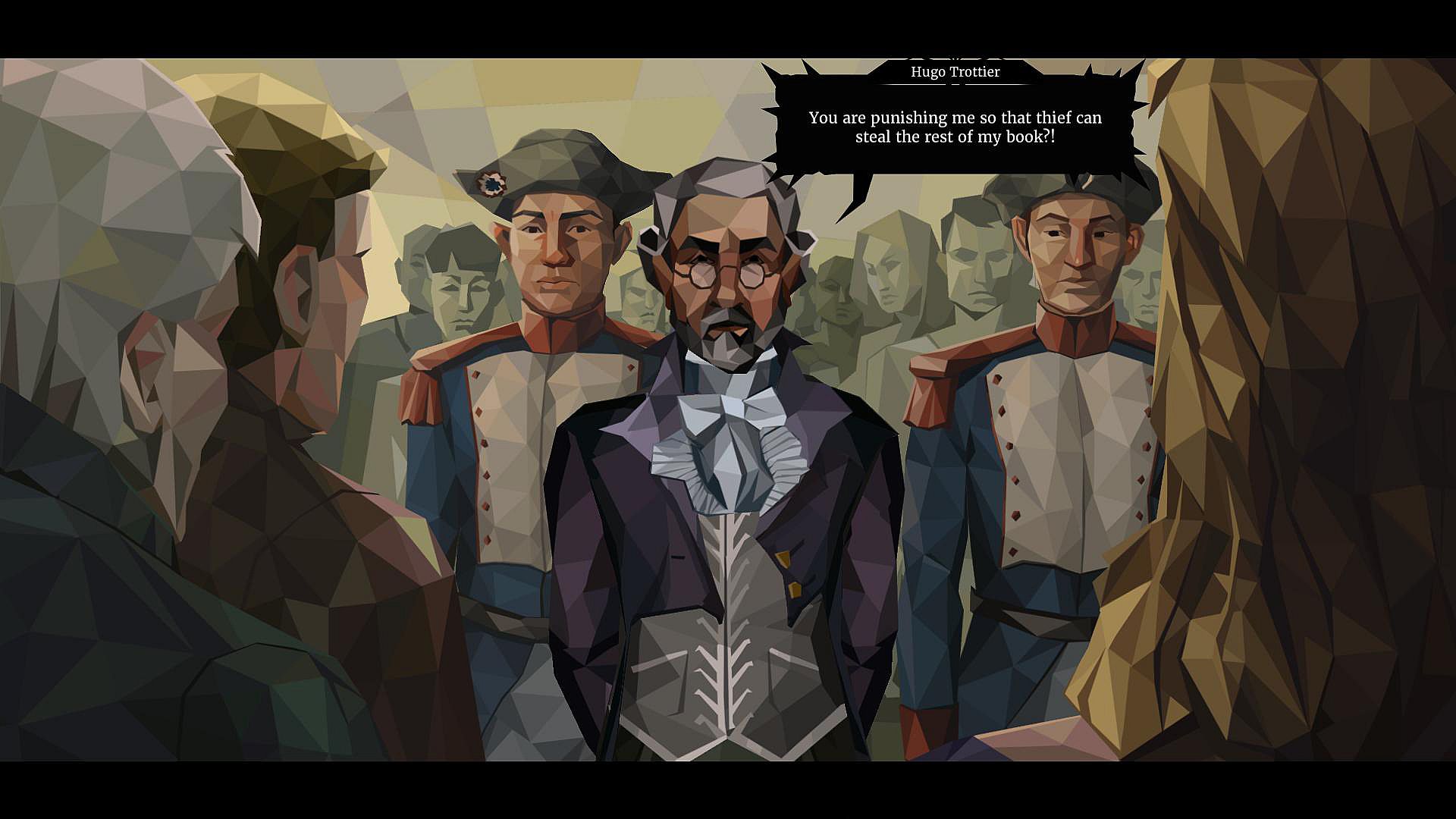
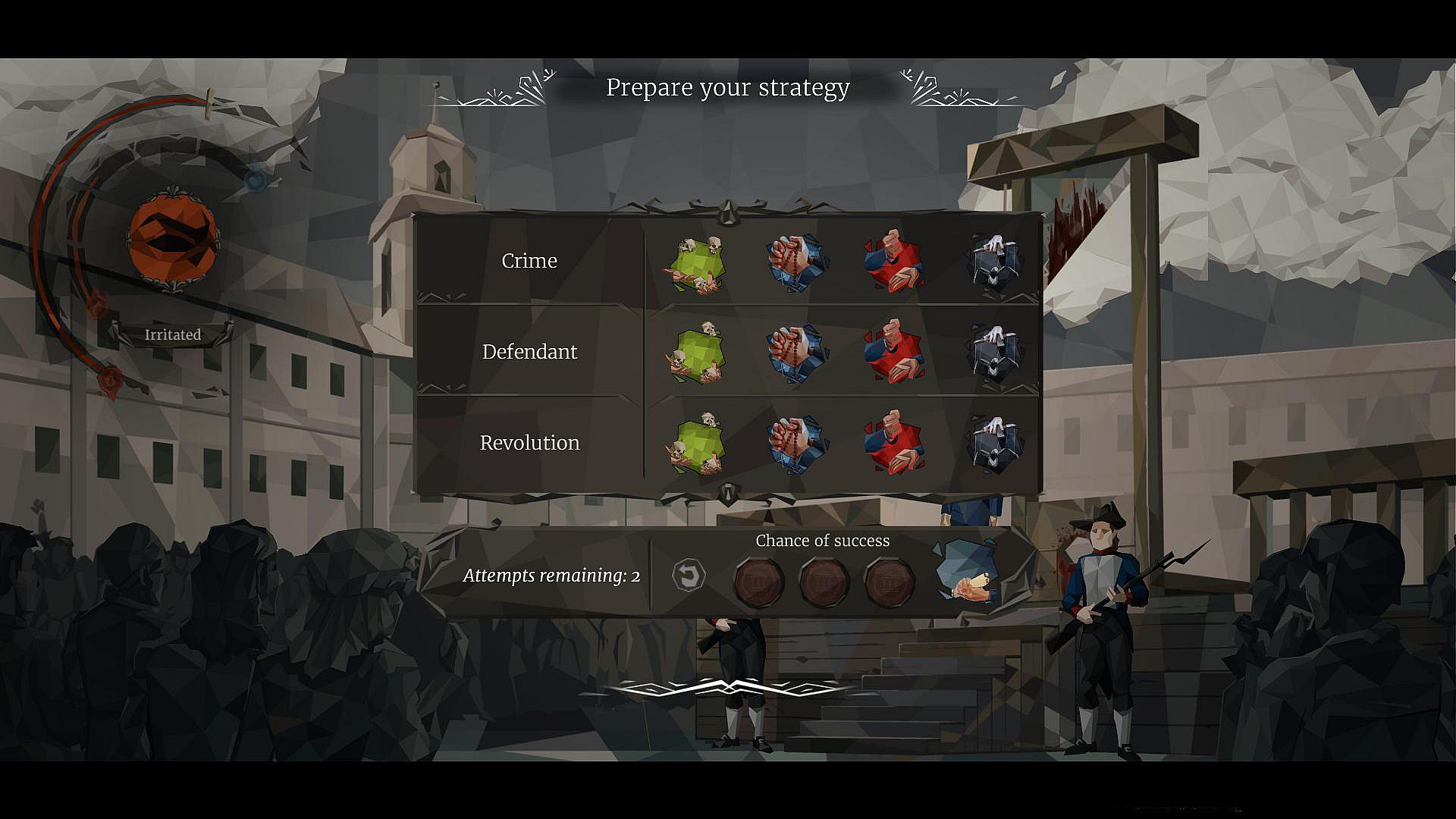
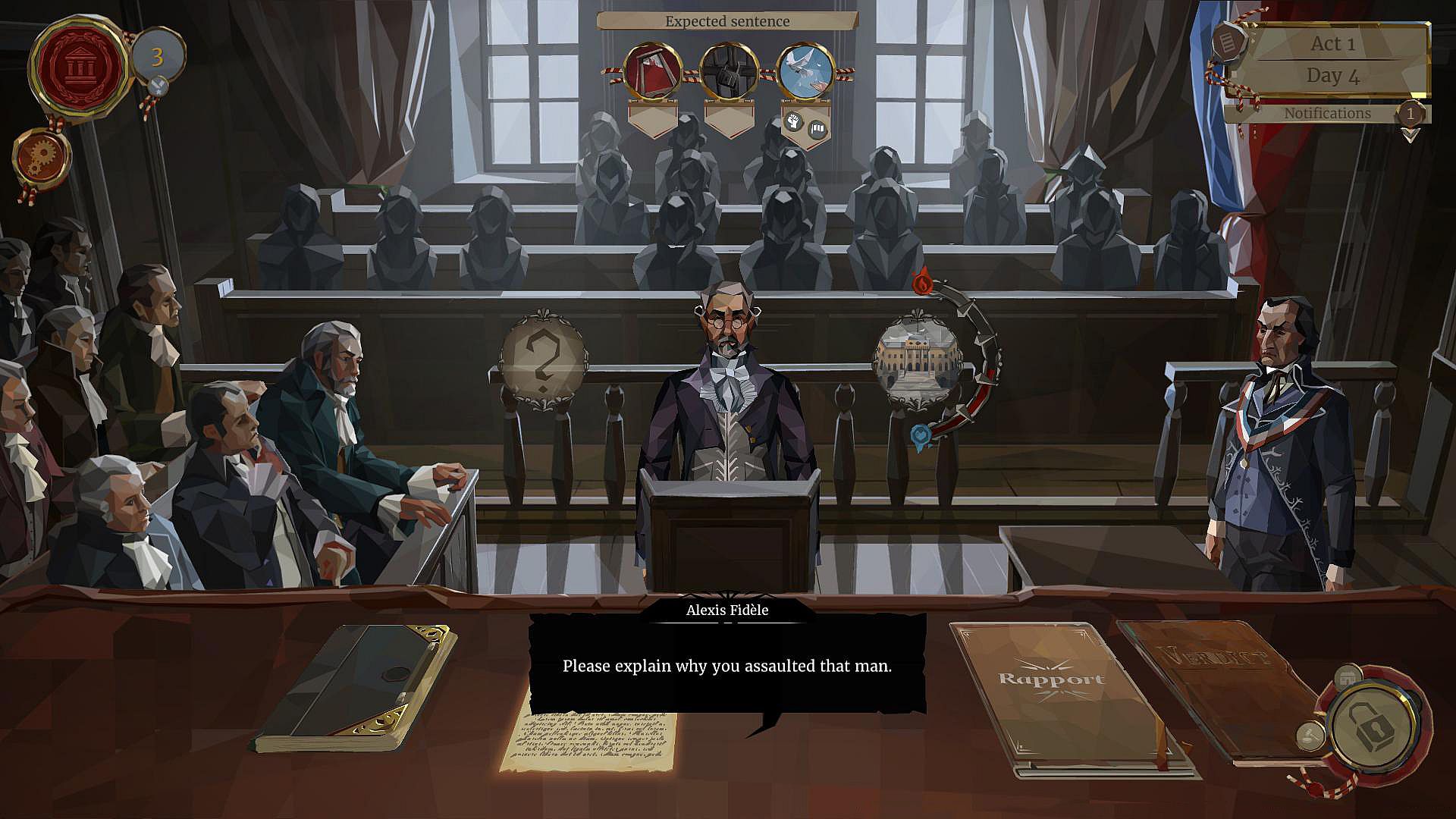
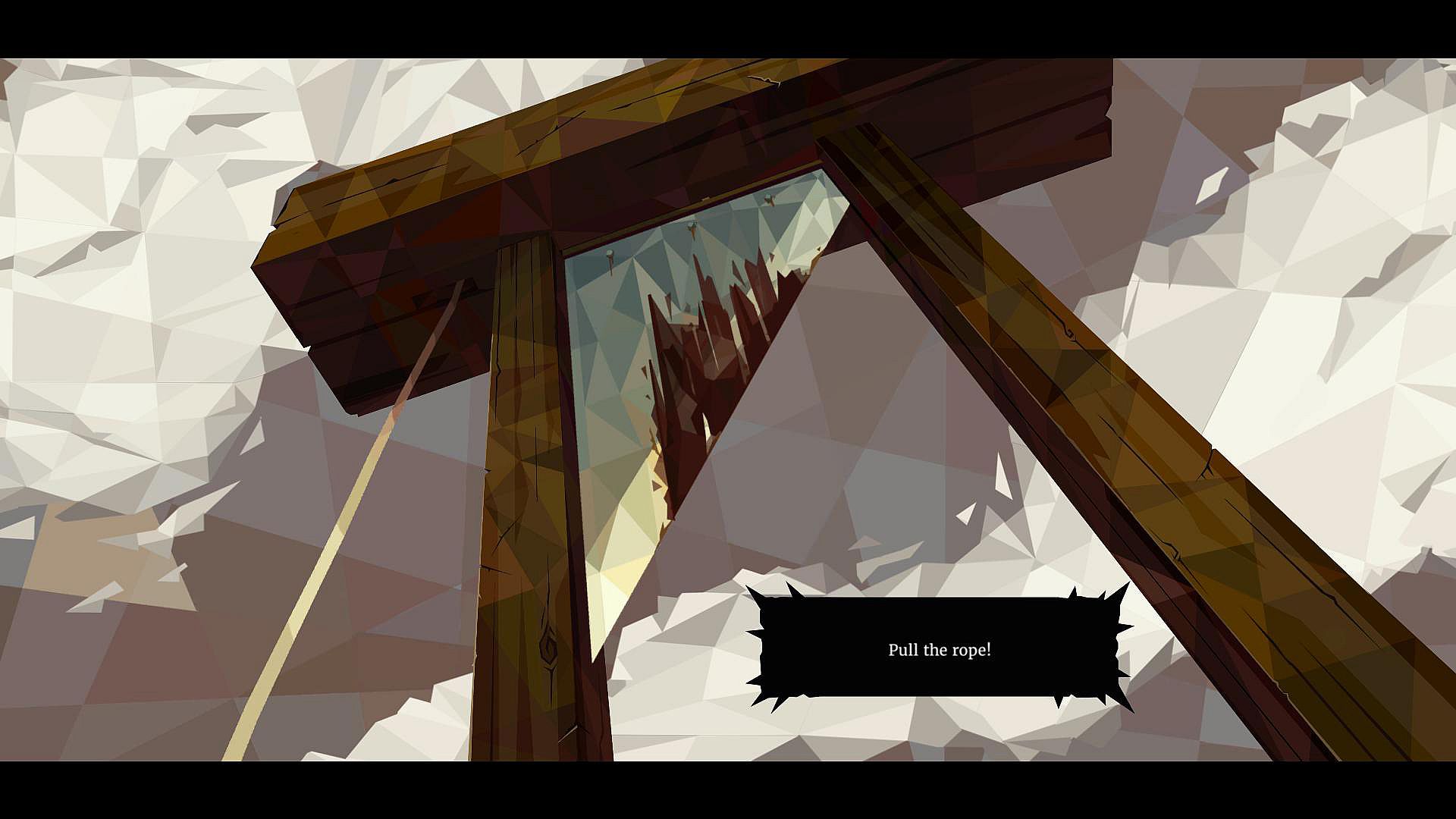
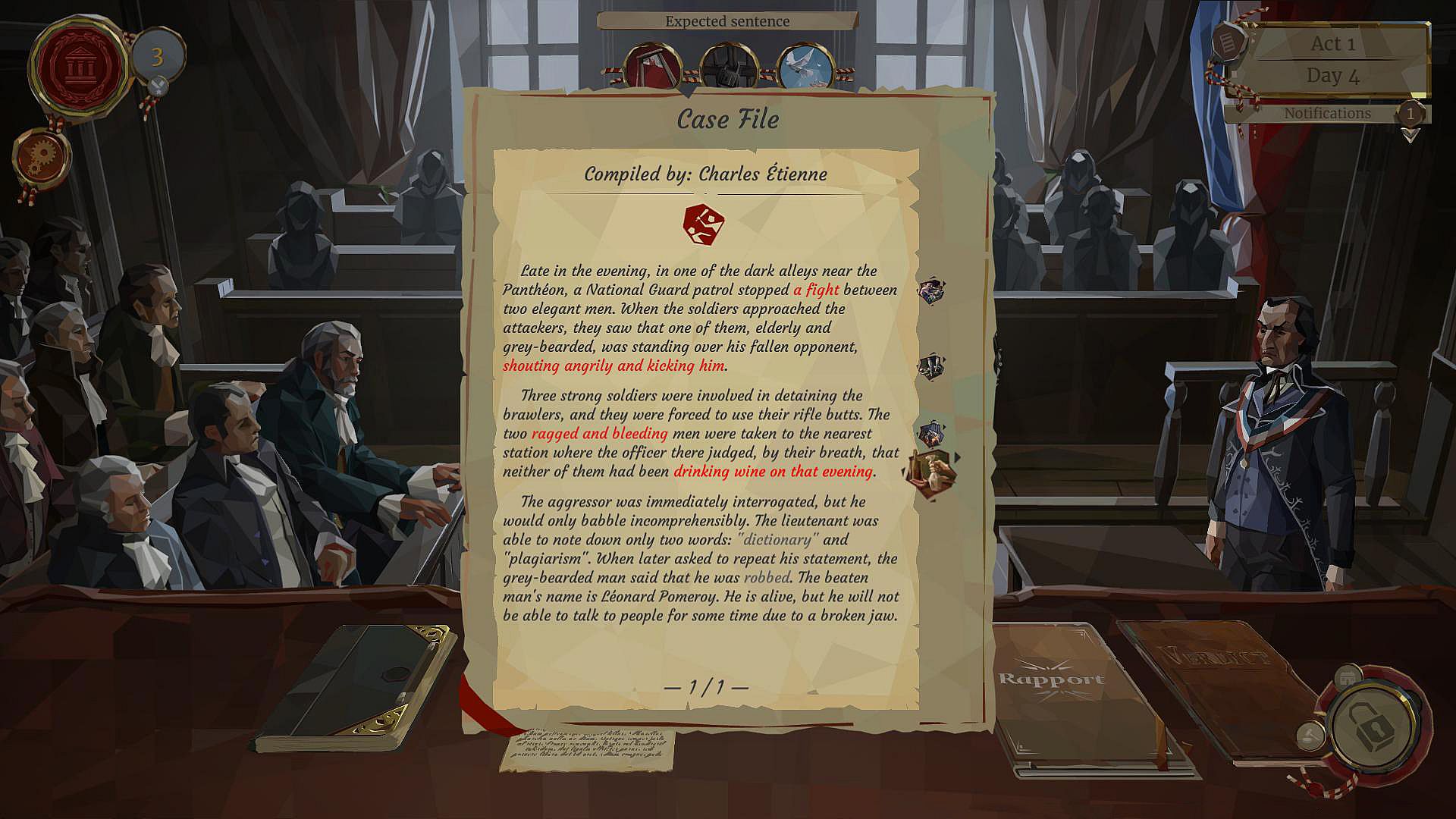
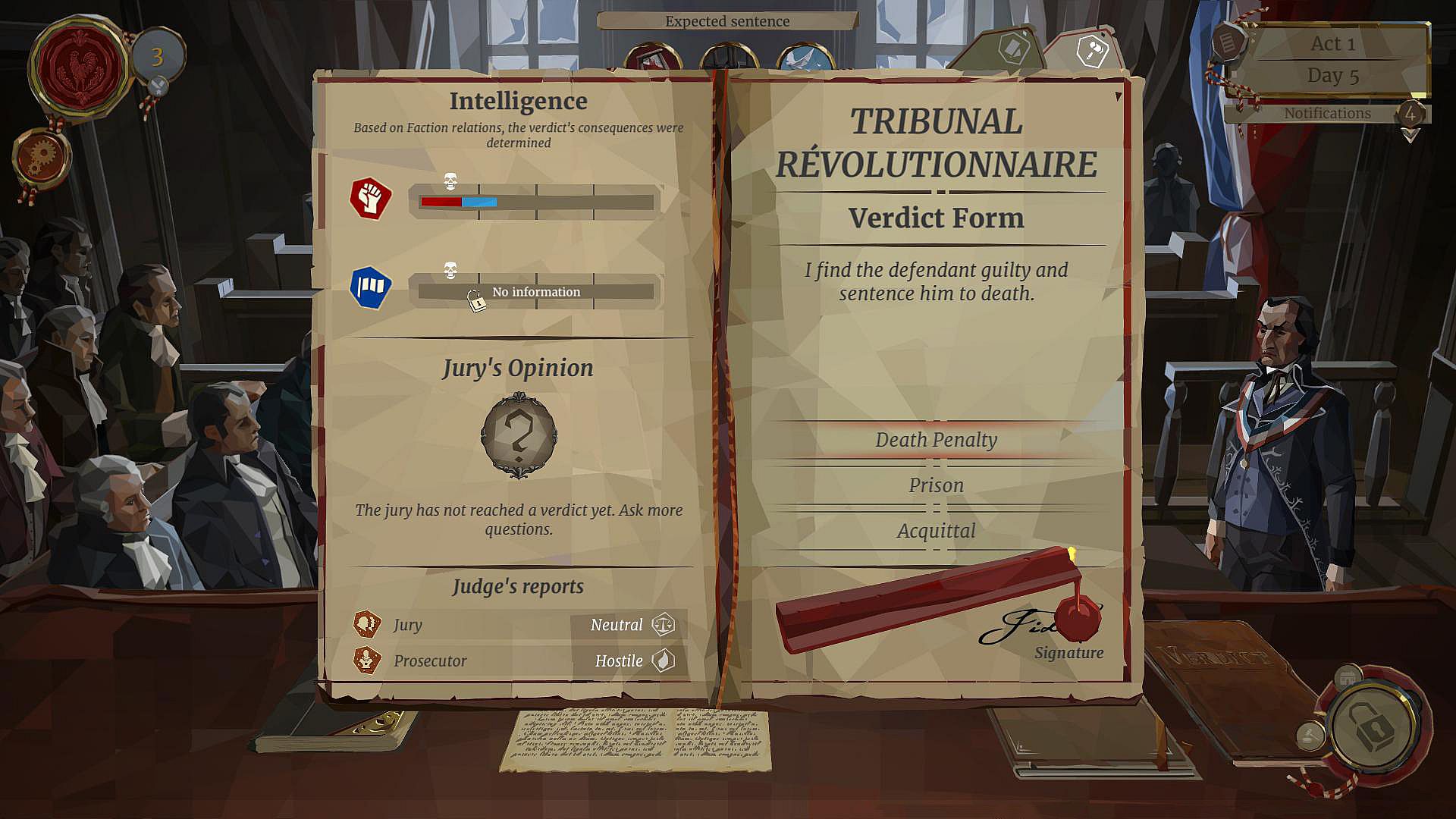
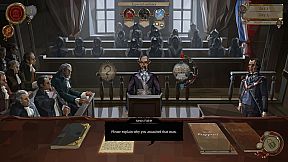
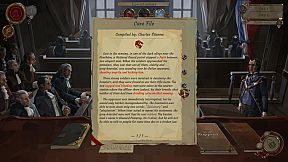
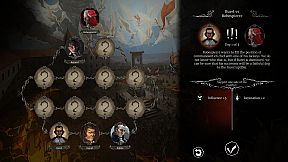
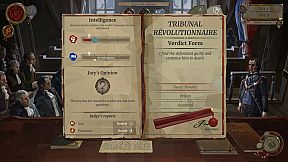
El núcleo de la experiencia consiste en dirigir los juicios. Cada caso comienza con la lectura de documentos y el análisis de pruebas para identificar los detalles clave. A partir de ahí, el jugador formula preguntas mediante un sistema lógico que conecta ideas y categorías, y las plantea a testigos o acusados. Las sentencias van desde la absolución hasta la prisión o la ejecución, y cada decisión modifica la posición ante los distintos grupos de poder.
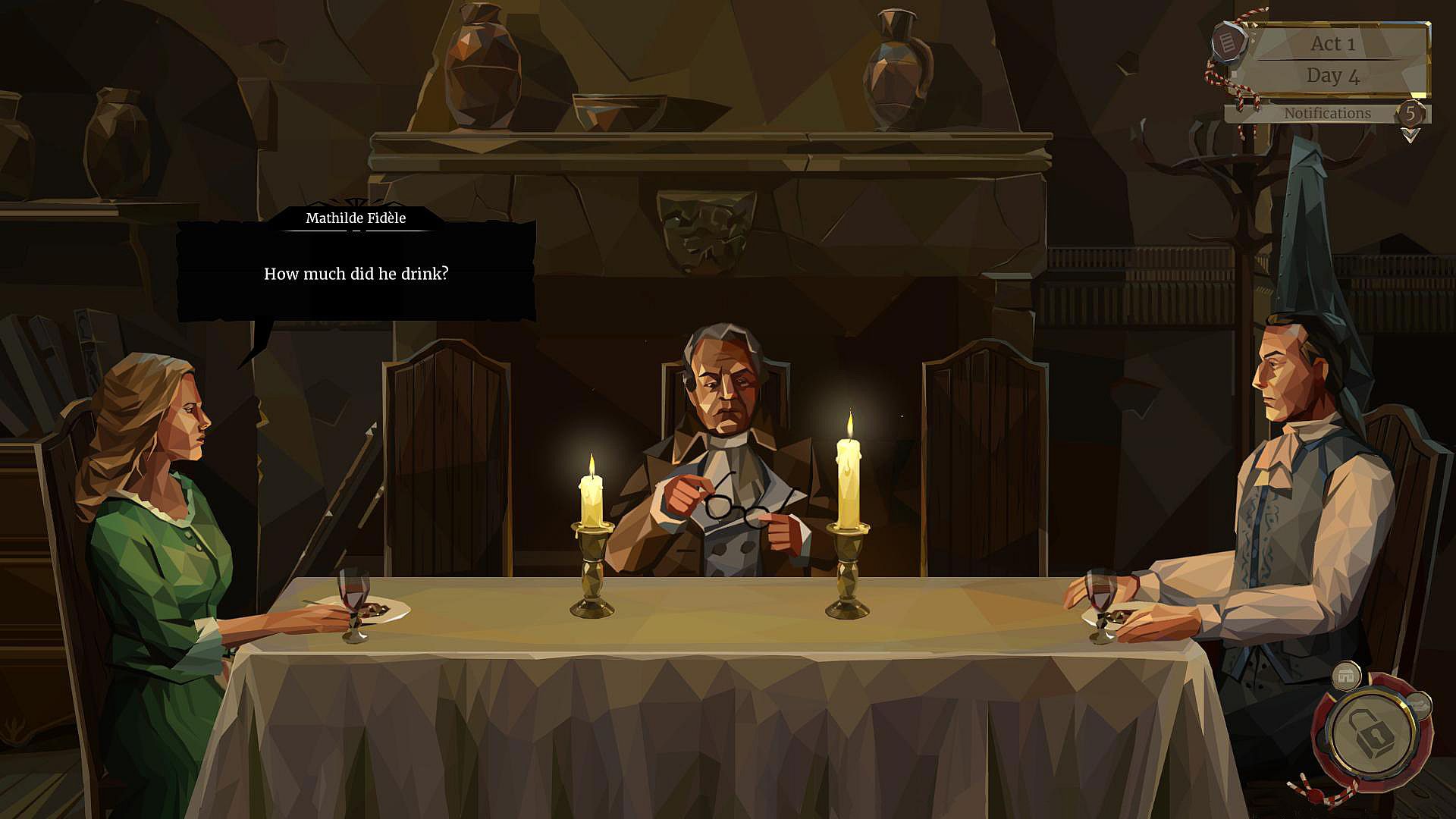
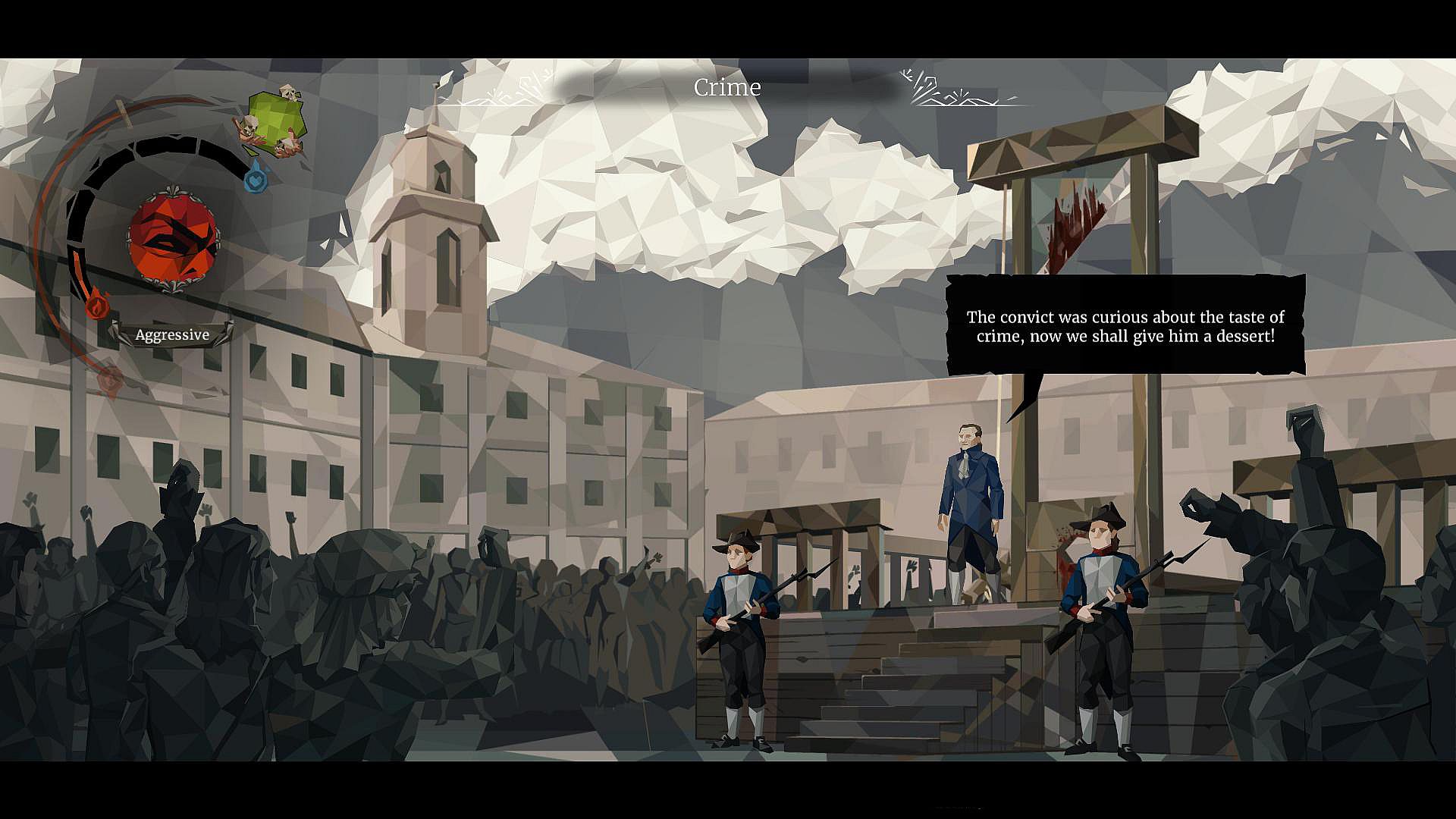
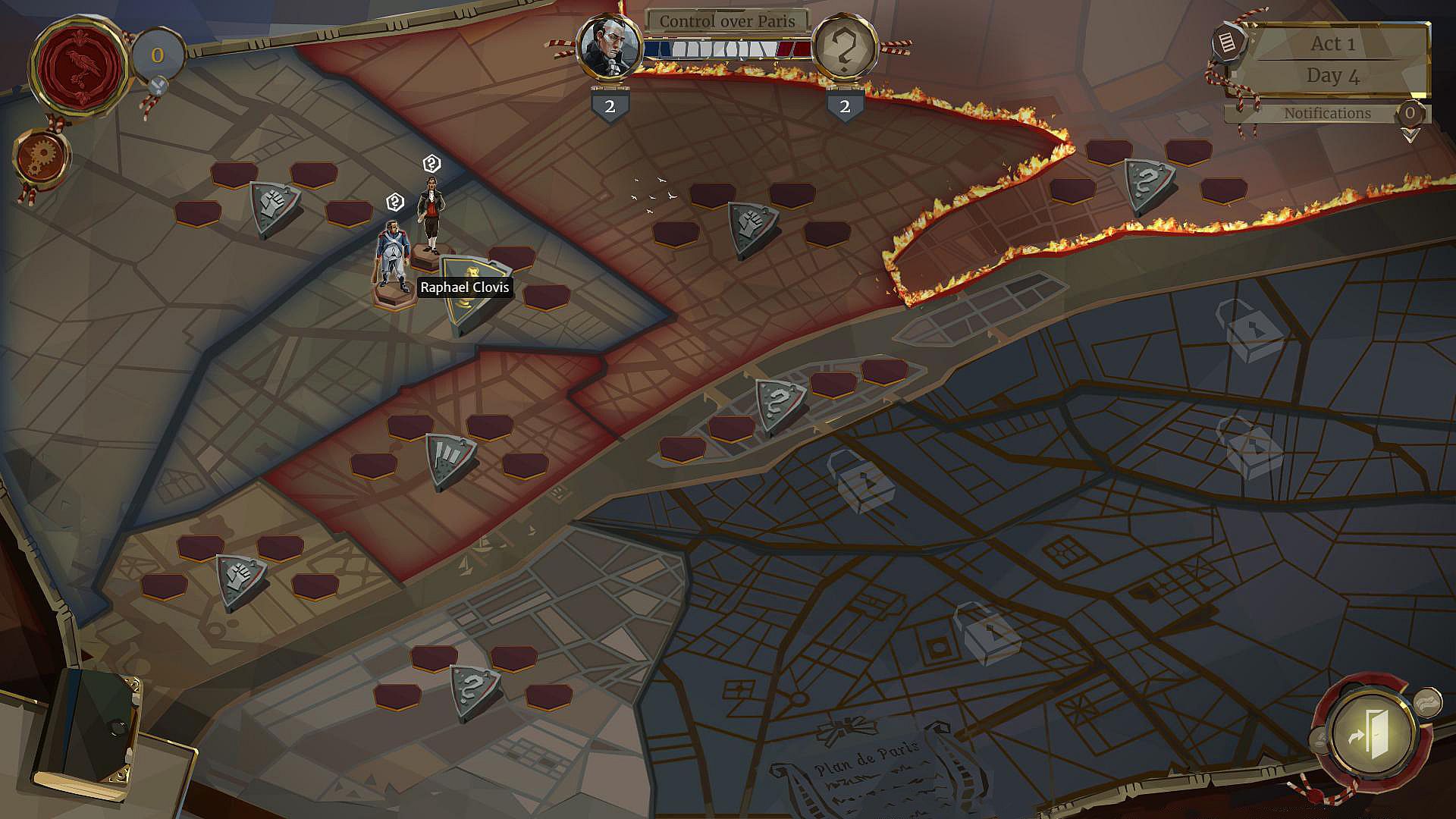
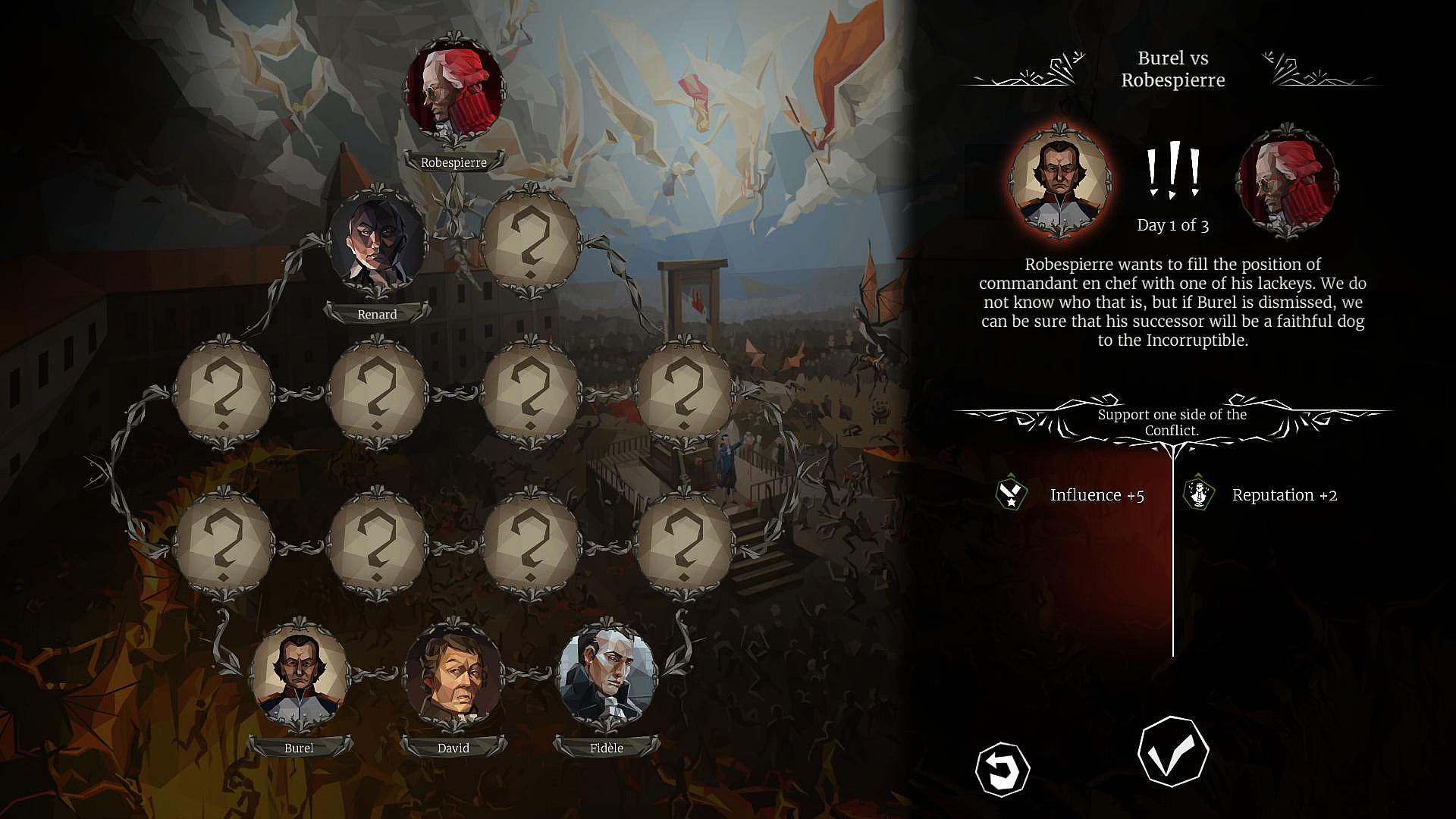
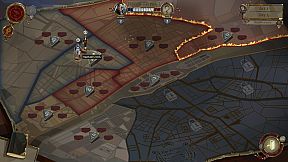
Fuera de la sala, el día a día incluye la gestión de relaciones con las facciones: el pueblo llano, los revolucionarios y la aristocracia. Tras las ejecuciones se pronuncian discursos ante la multitud que exigen un lenguaje preciso para conservar el apoyo. Cada noche, los miembros de la familia comentan las decisiones tomadas, y sus críticas pueden afectar la reputación personal. En las fases posteriores aparecen secciones tácticas en mapa donde se asignan agentes, se recopila información y se libran enfrentamientos por turnos entre distritos.
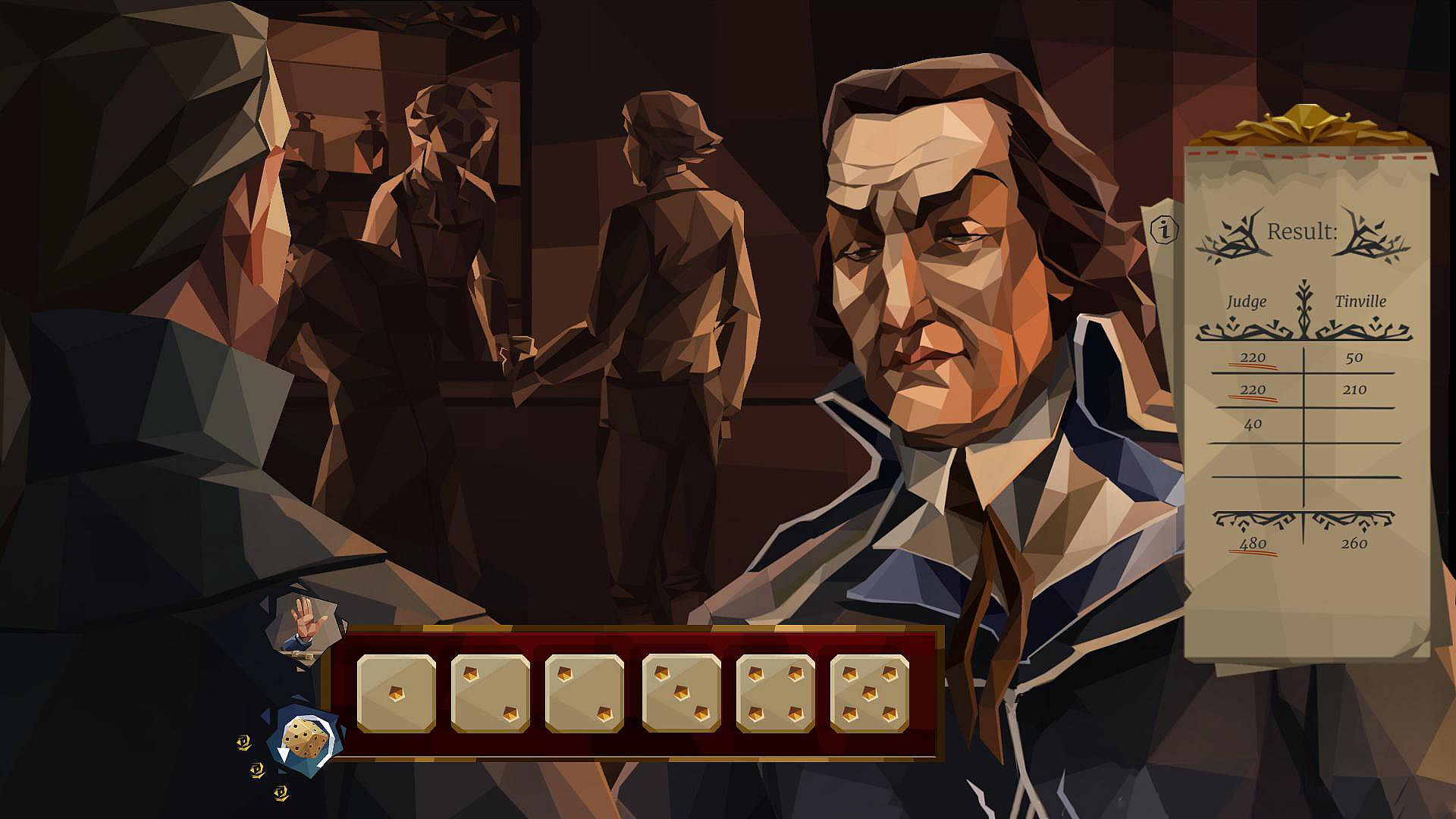
Estos sistemas se complementan con minijuegos, como tiradas de dados para intentos de persuasión o una gestión sencilla de recursos en las acciones de intriga. La partida se desarrolla en tres actos que amplían progresivamente el alcance, desde los juicios individuales hasta el manejo político de mayor escala. El estilo artístico combina modelos de bajo polígono con ilustraciones neoclásicas de época, acentuando la tensión sin buscar un realismo detallado.
Modos de juego
El juego se presenta como una campaña continua para un solo jugador dividida en actos. La progresión sigue una secuencia fija de casos y eventos, aunque las decisiones del jugador modifican los resultados y la relación con cada facción. No existen modos separados; en su lugar, la estructura integra la resolución de juicios, las conversaciones familiares, los discursos y los segmentos tácticos en un único recorrido.
Dentro de este marco, el jugador debe equilibrar varios sistemas que se solapan. El trabajo en los tribunales constituye la base diaria, las acciones de intriga se llevan a cabo mediante agentes y contactos con las facciones, y los enfrentamientos familiares actúan como puntos de control recurrentes. Los segmentos tácticos ganan peso en los actos finales, desplazando el foco hacia el control de distritos y los enfrentamientos directos. Todos los elementos convergen en el objetivo de mantener el apoyo suficiente entre los distintos grupos para evitar la destitución.
Key Mechanics and Factions
Los medidores de reputación son el eje de las decisiones. Existen contadores independientes para el pueblo llano, los revolucionarios, la aristocracia, el jurado y los familiares. Si alguno cae demasiado bajo, se produce un fracaso inmediato. Los veredictos constituyen el principal medio para modificar estos valores, aunque los discursos y las acciones de intriga también influyen.
La gestión de facciones exige atención constante, ya que satisfacer a un grupo suele desagradar a otro. El jurado valora el cumplimiento de la ley, mientras que revolucionarios y pueblo llano reaccionan según perciban justicia o dureza. Los intereses de la aristocracia aparecen más adelante y requieren otro tipo de consideraciones. La opinión familiar añade un componente personal, pues los allegados pueden cuestionar las sentencias por motivos morales o prácticos.
Otros sistemas incluyen el análisis de pruebas durante los juicios y el despliegue de agentes para objetivos fuera de la sala. Todo ello genera una combinación de lectura, deducción y estrategia ligera que premia la planificación por encima de los reflejos.
¿Merece la pena?
We. The Revolution resulta adecuado para quienes disfrutan sopesando dilemas morales y observando las consecuencias a largo plazo en un contexto histórico. Los segmentos de juicio mantienen el interés gracias al examen de pruebas y al interrogatorio, mientras que el equilibrio político genera una tensión constante. Las secciones tácticas posteriores reciben valoraciones más dispares y pueden parecer menos desarrolladas que el trabajo en los juicios.
El juego sigue disponible en PC sin contenido estacional ni actualizaciones importantes desde su lanzamiento original. Quienes busquen narrativas ramificadas basadas en decisiones ambiguas encontrarán aquí su principal atractivo. Quienes prefieran estrategia en tiempo real pulida o amplias funciones multijugador deberían buscar otras opciones, ya que el enfoque se centra exclusivamente en la toma de decisiones y la supervivencia dentro de las alianzas cambiantes de la revolución.