





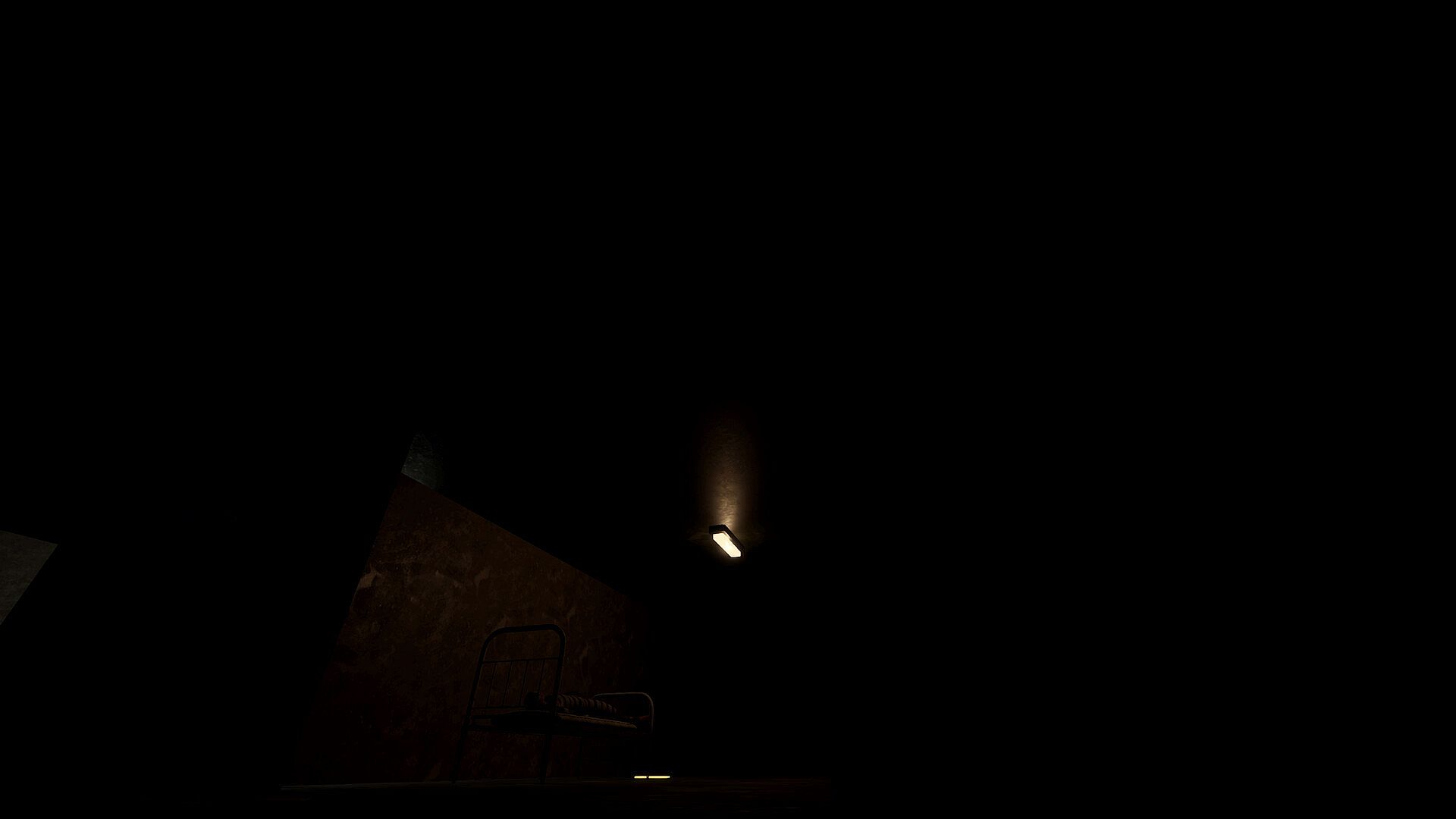
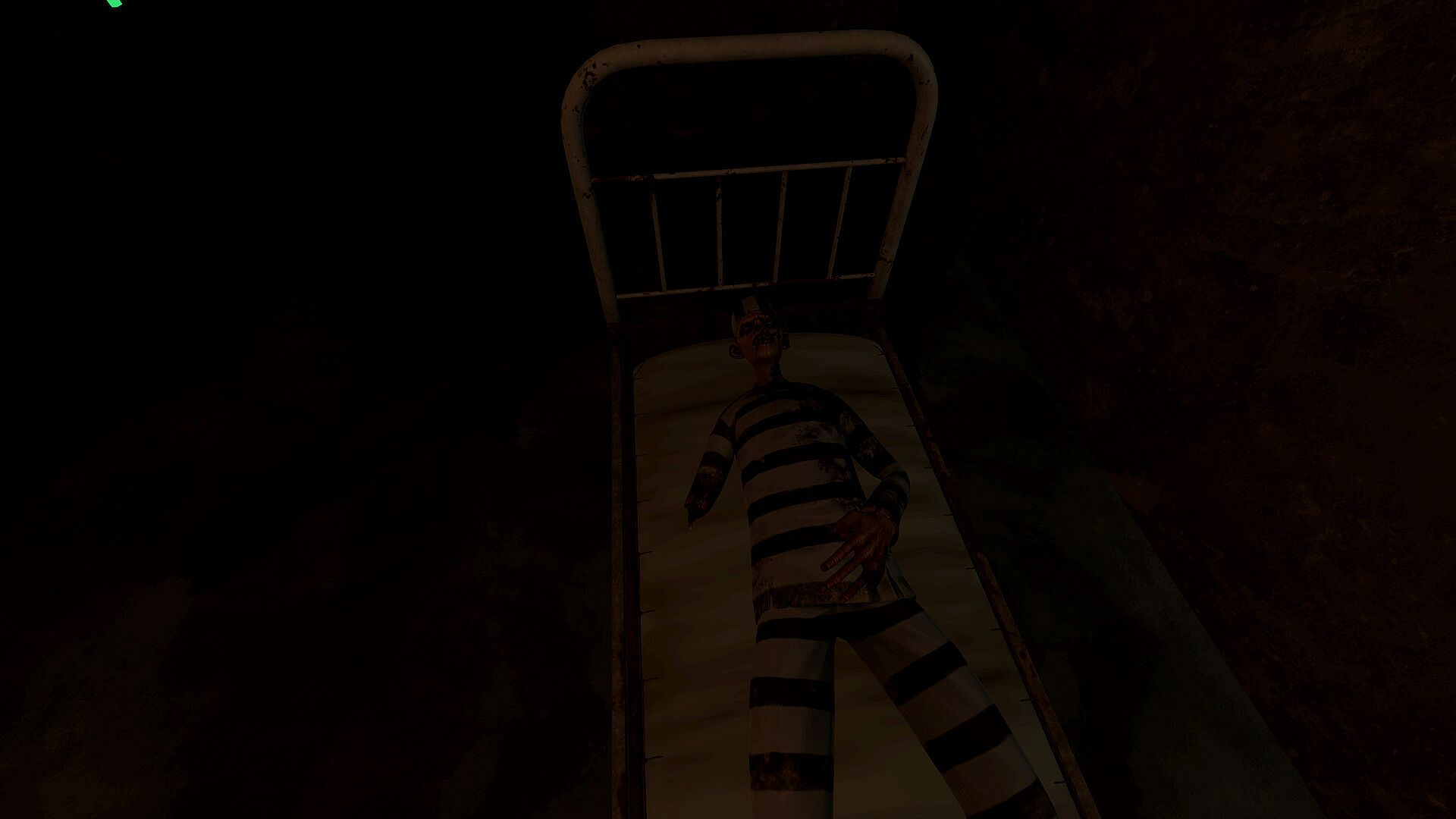
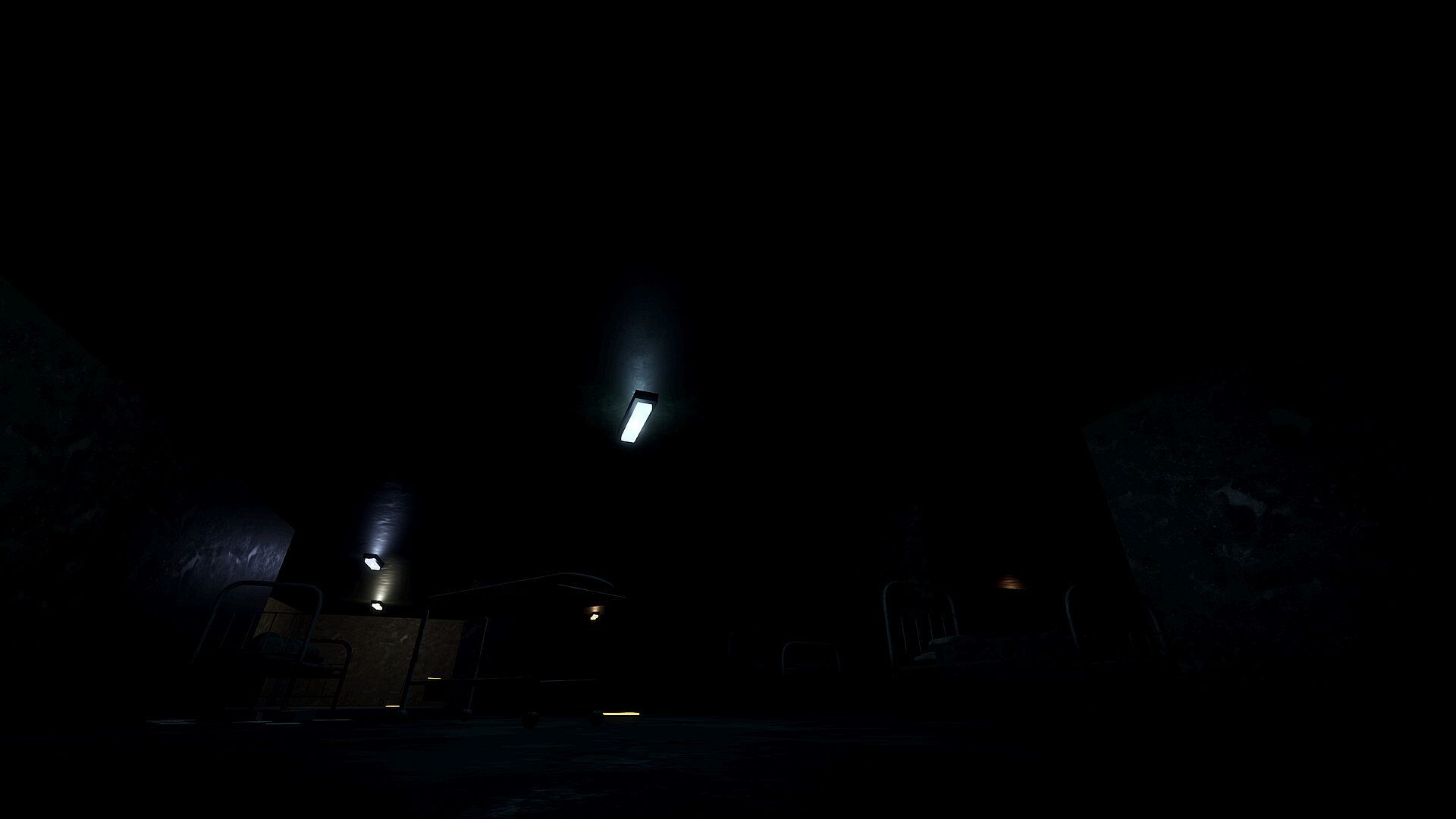
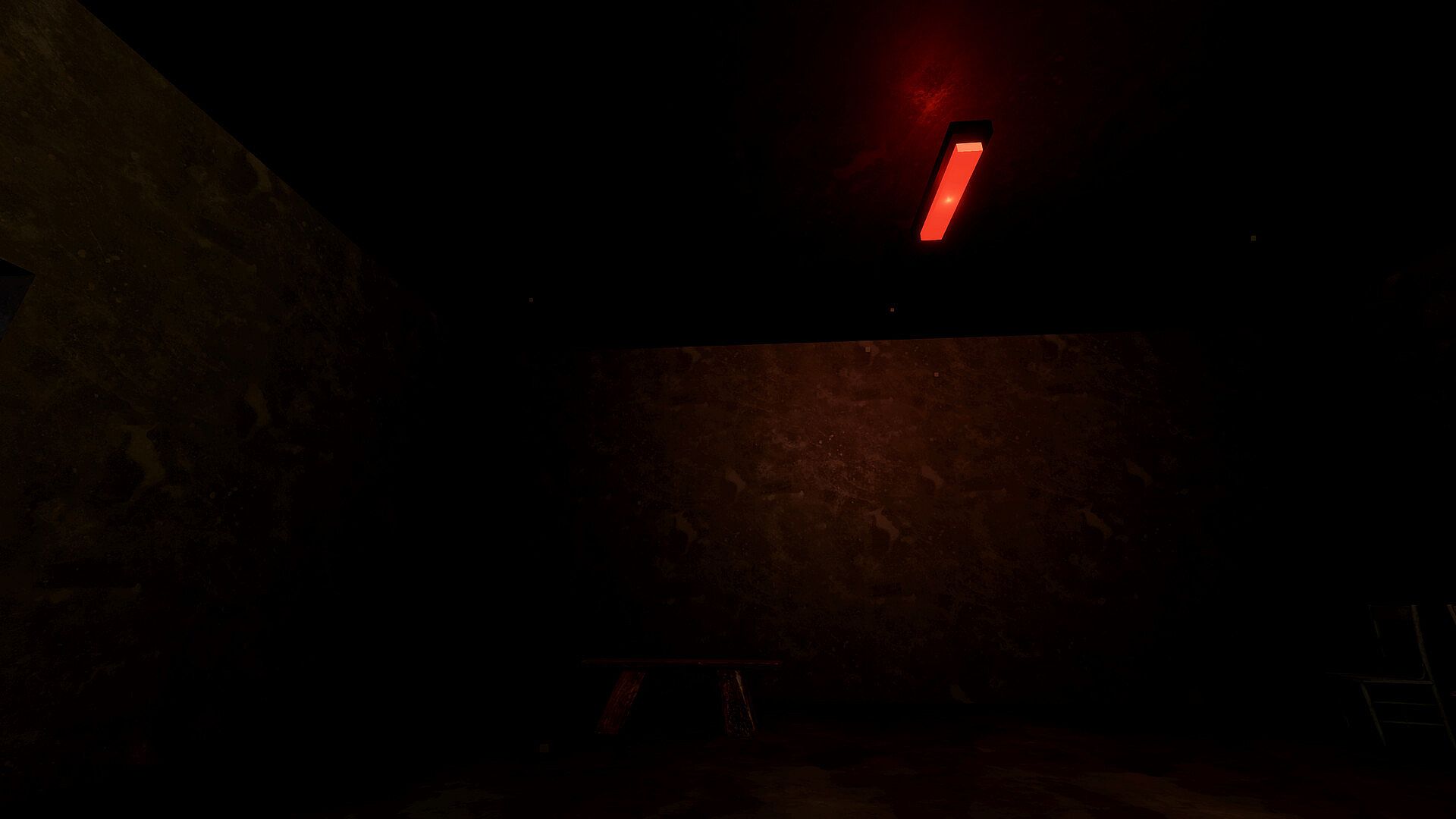
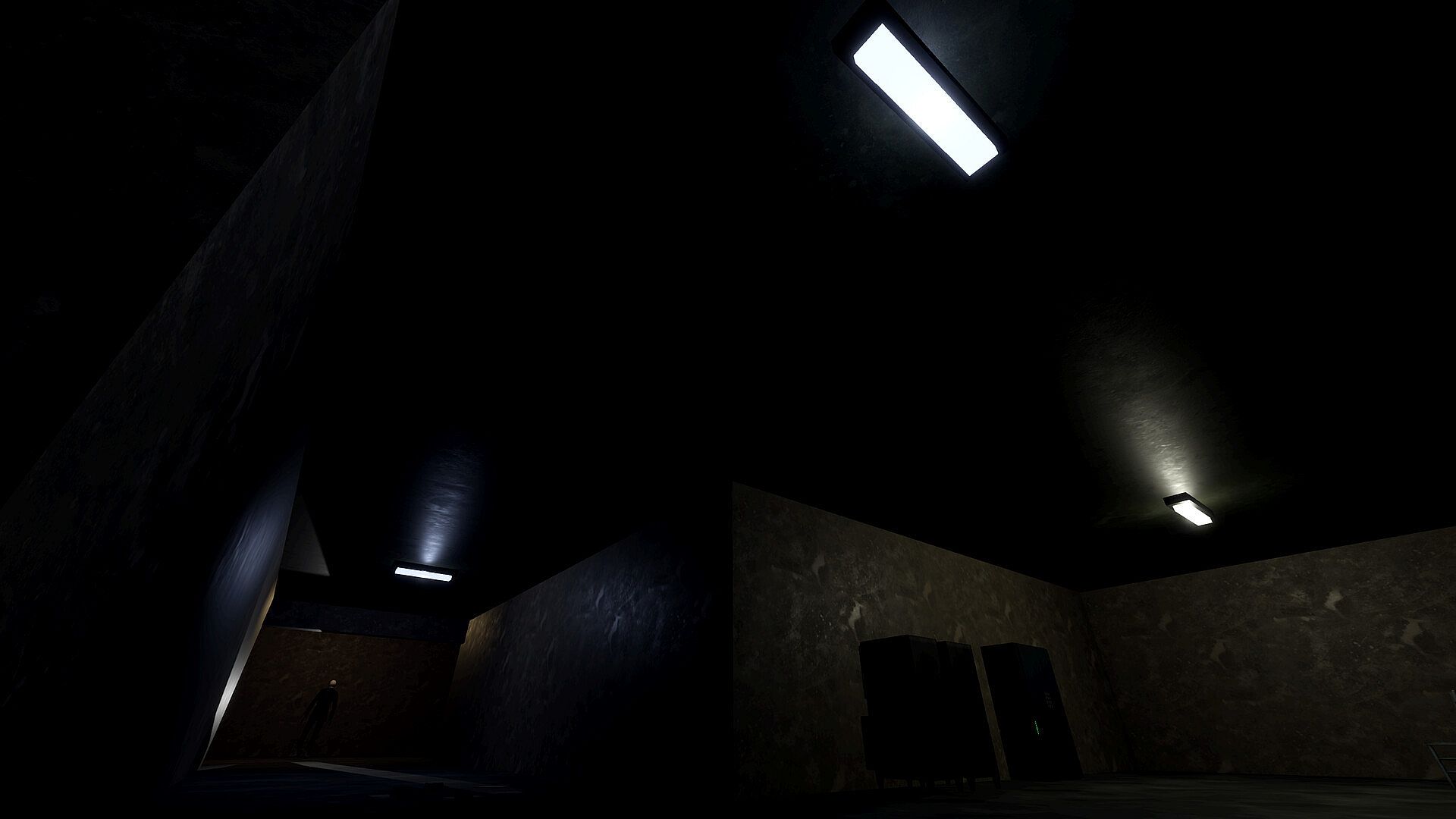

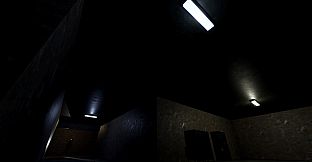
Ward Nine is a first-person psychological horror adventure game developed as an indie title for PC. Set in October 1991, the experience places players inside a long-closed state asylum where they have one night to locate five patient files hidden throughout the building and escape before the darkness claims them. The core tension comes from an unseen threat that still inhabits the structure and wears a warden's uniform, forcing constant vigilance without any means of direct confrontation.
Gameplay
Players navigate the asylum in near-total darkness, relying on a flashlight that doubles as both a tool and a risk. The beam reveals room details but also reveals the player's position, while batteries deplete over time and force careful management. Sound becomes the primary sense for survival, with footsteps on tile, distant door closures, and unfamiliar breathing providing critical information about the Warden's location and movement. When the Warden approaches, the only options are to break line of sight, hide inside lockers, or hold breath while listening for the threat to pass.
A sanity system tracks the mental toll of prolonged darkness and unsettling sights encountered during the search. The building itself changes with each playthrough because room contents, patrol routes, supply codes, and hiding spots are generated uniquely for every player profile. This personalization means no two runs share the same layout or threats, eliminating the usefulness of external guides. Captions appear on screen for all key sound effects, making the game accessible even without audio output. Ten achievements track specific accomplishments across these personalized runs.
Game Modes
Ward Nine operates as a single-player experience centered on one continuous night inside the asylum. There are no separate multiplayer or cooperative modes, and the design emphasizes solitary tension where every decision carries permanent weight. The unique case number assigned to each player creates a personalized instance of the building, turning the core loop of file collection and escape into a distinctly individual challenge rather than a shared one.
The absence of retry systems reinforces this solitary focus. Once the Warden catches the player or sanity collapses, the save file deletes and the entire run ends, returning the player to the start with a fresh, newly generated asylum layout. This structure keeps the emphasis on careful observation, sound awareness, and resource management within a single, high-stakes session.
Core Mechanics and Tension
Exploration revolves around locating the five patient files while avoiding detection. The flashlight requires constant battery awareness, and darkness itself erodes sanity, creating a push-pull between visibility and mental stability. Sound cues guide movement and hiding decisions, turning the audio layer into an essential gameplay element. The Warden operates with persistent interest, investigating noises and searching areas without losing focus, which demands precise timing when breaking line of sight or entering cover.
Supply codes and hiding places vary per player, encouraging repeated attempts only through new profiles rather than reloading the same map. This system rewards learning the audio language of the asylum and adapting to the specific patrol patterns encountered in each unique run.
Is It Worth Playing?
Ward Nine suits players who enjoy deliberate, sound-driven psychological horror without combat or forgiving checkpoints. The perma-death mechanic and personalized layouts create high replay value for those willing to accept permanent failure and start over with entirely new building configurations. The accessibility features, including sound captions, broaden its appeal to a wider audience interested in atmospheric tension rather than visual spectacle.
Those seeking fast-paced action or cooperative experiences will find the solitary, methodical pace less engaging. For fans of indie horror that prioritizes vulnerability, resource scarcity, and auditory cues, the game delivers a focused night of evasion and discovery that stands on its own terms. The combination of unique per-player design and irreversible consequences makes each session feel distinct and consequential.












