


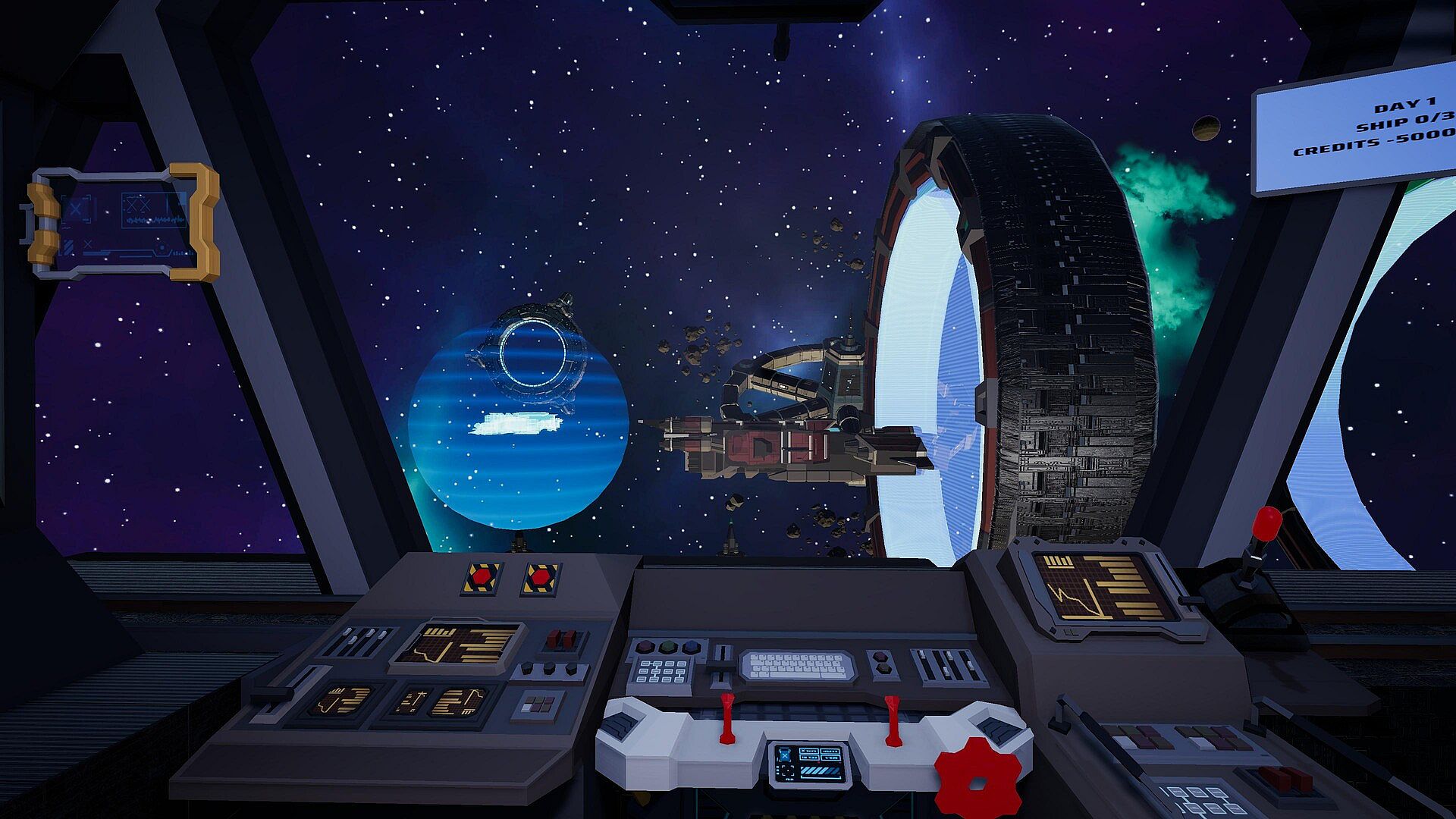

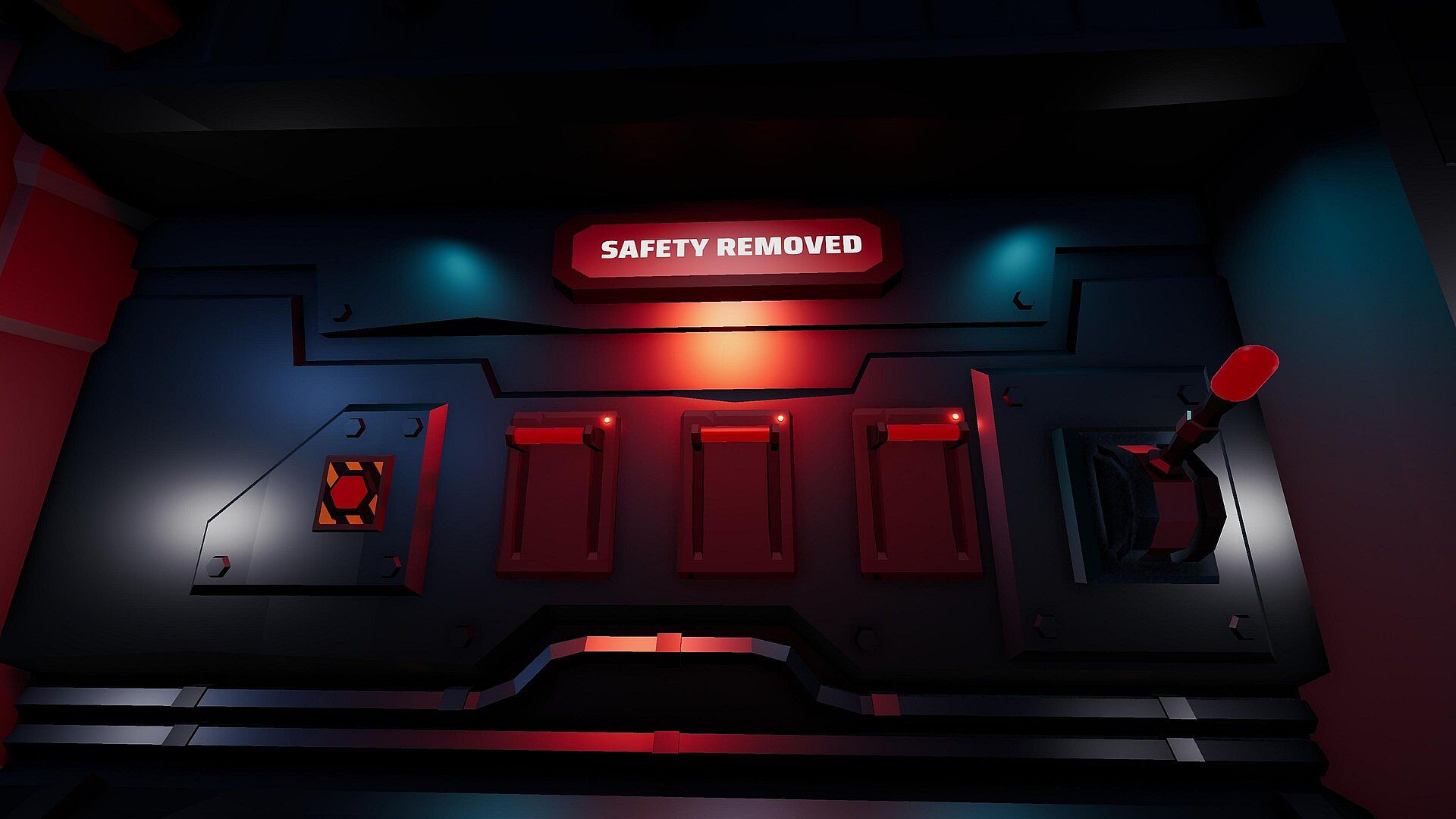
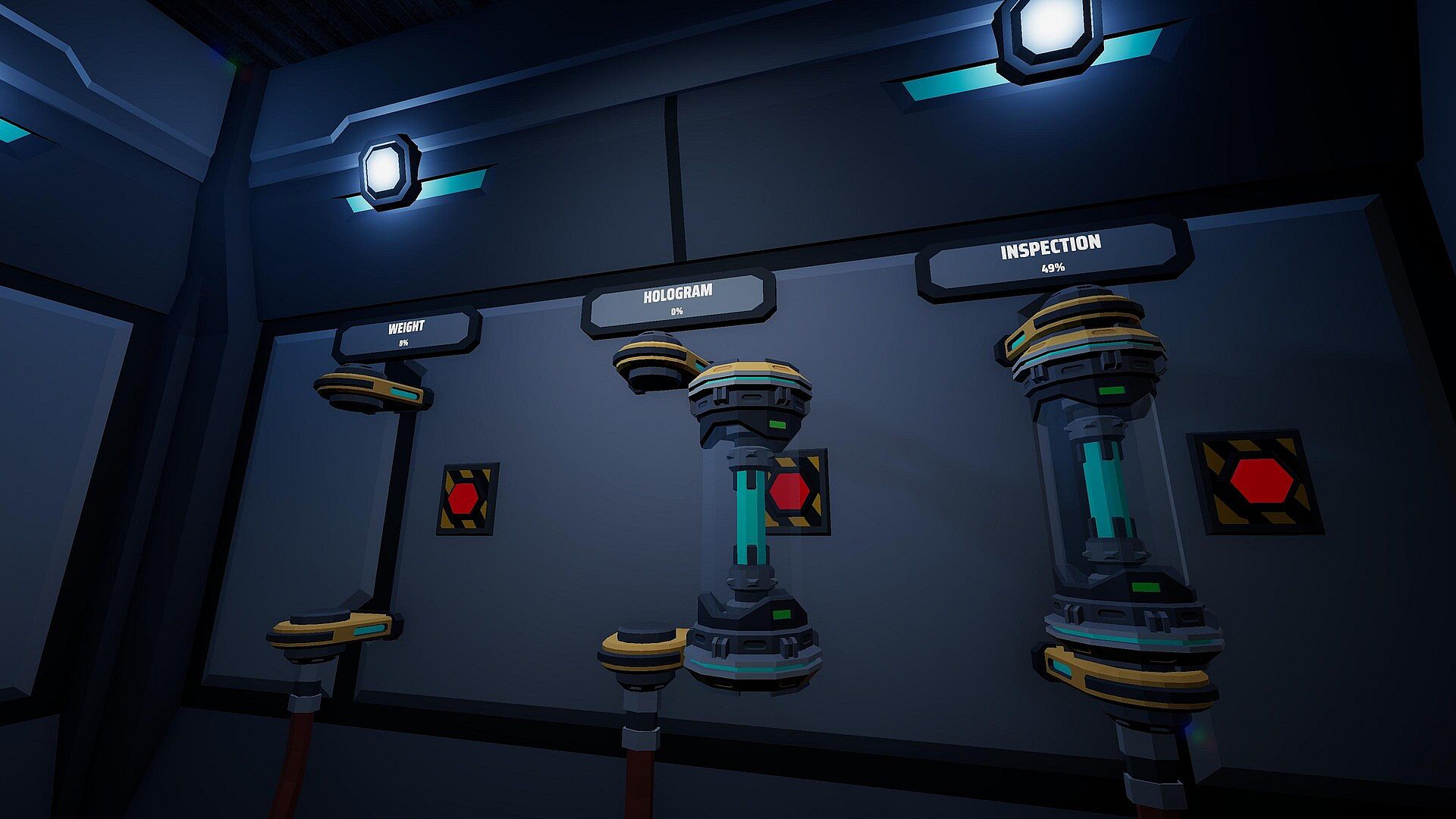
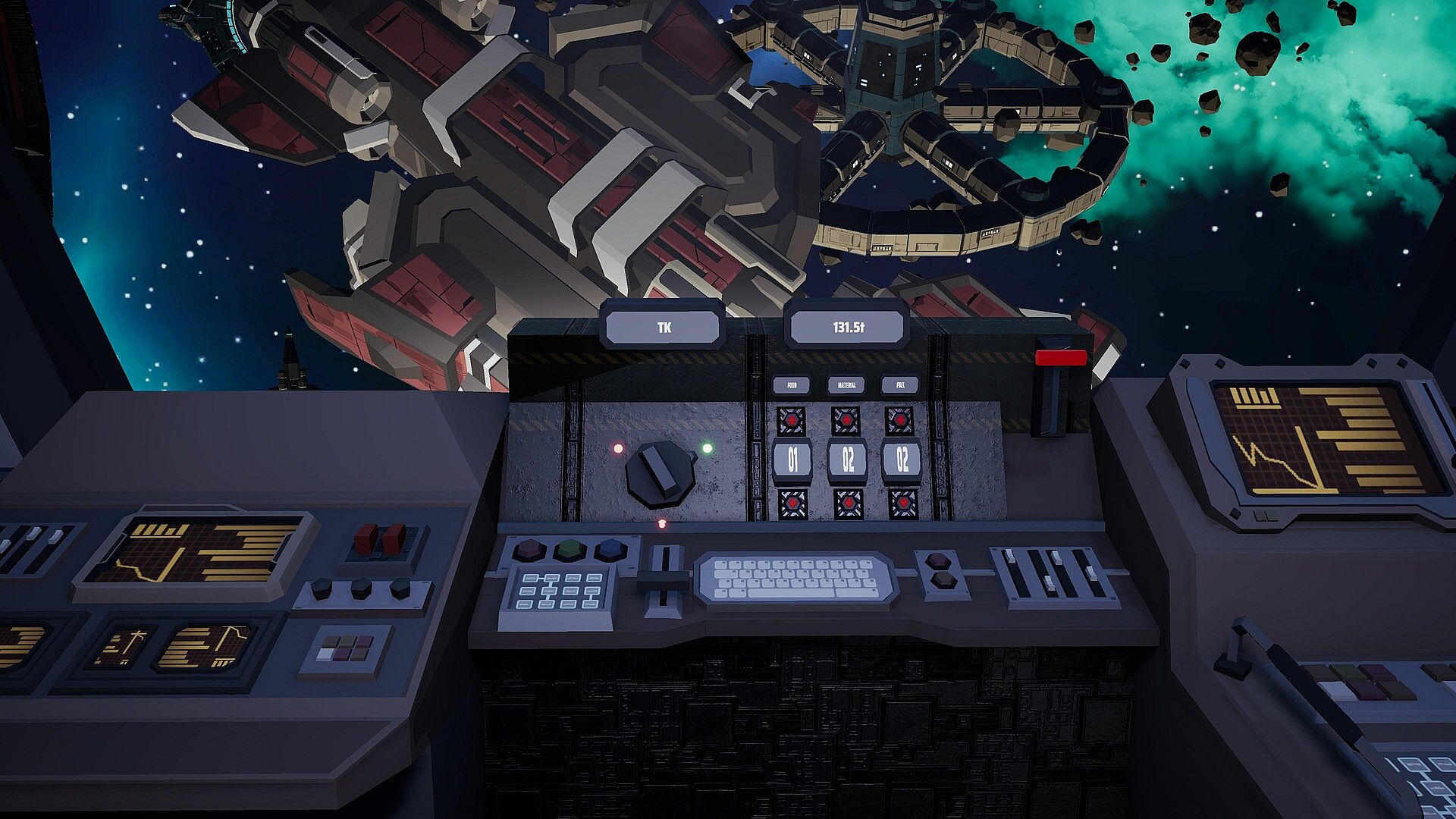
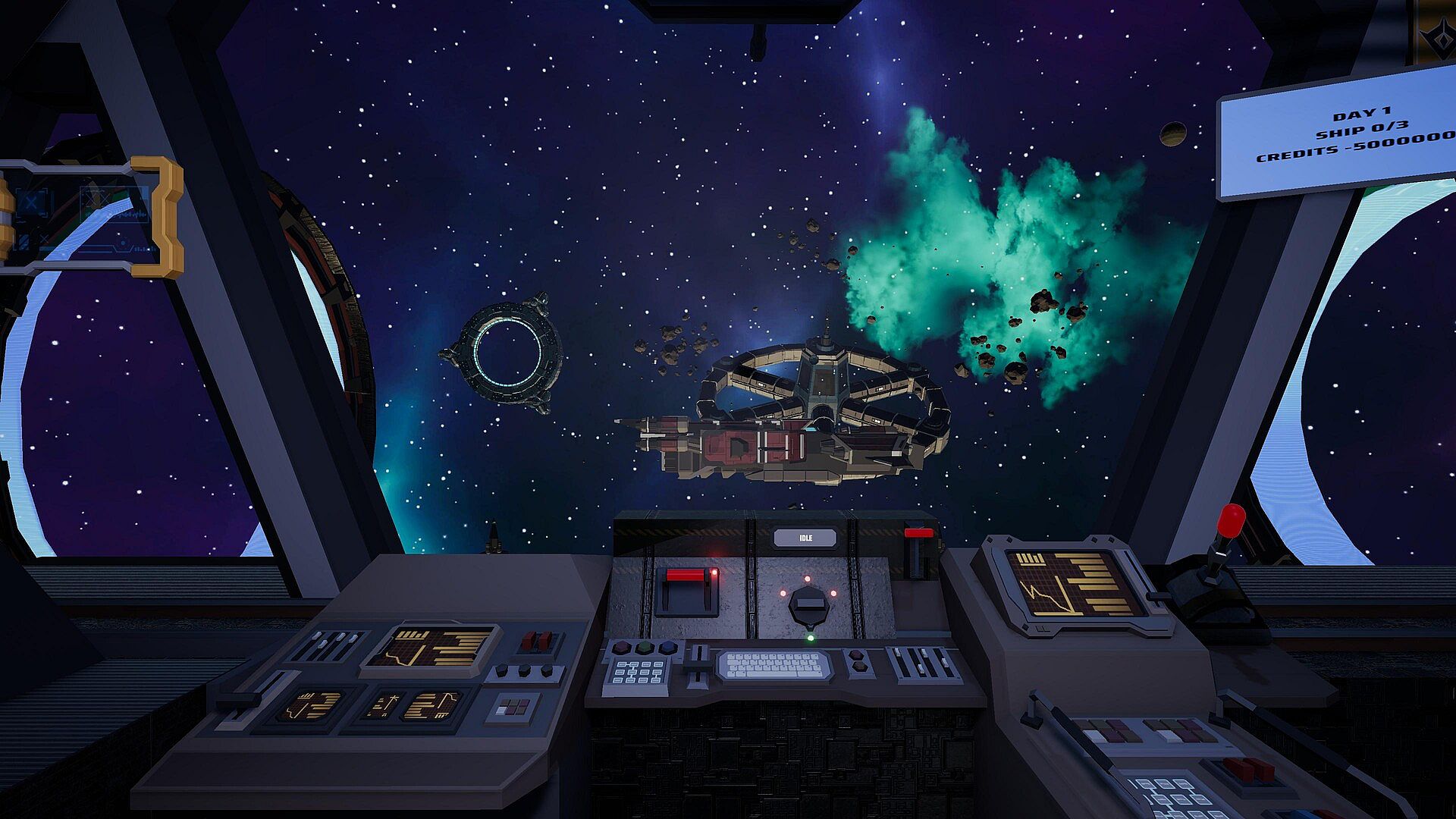
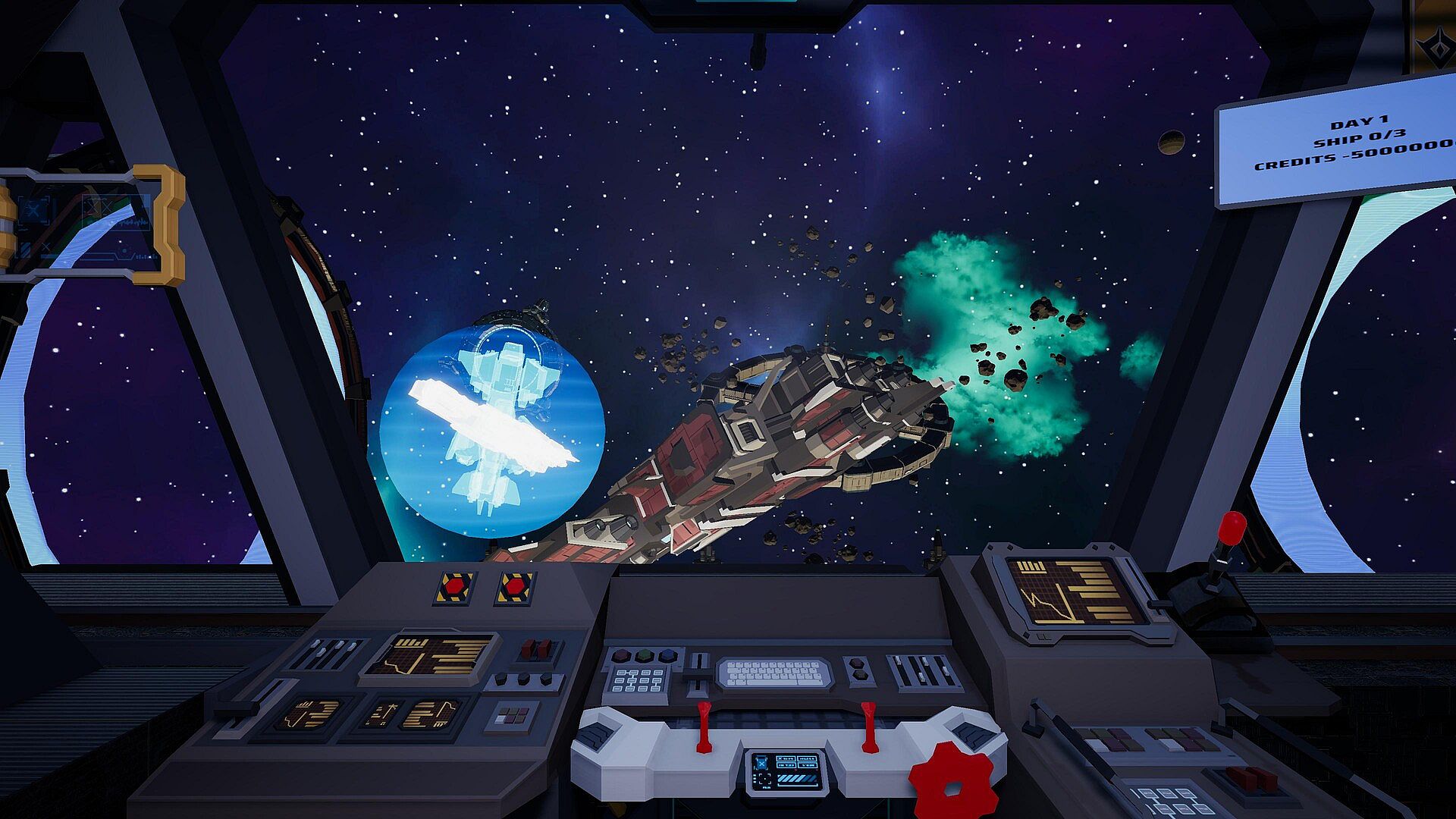




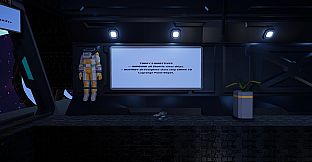

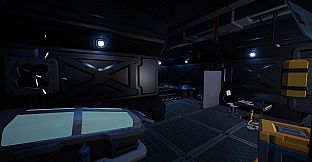
Void Inspector is a simulation game for PC in which players take on the role of a border control inspector at a remote deep-space transit hub. The core experience revolves around processing incoming vessels according to shifting corporate rules while dealing with station malfunctions and potential threats. Every shift requires careful inspection of paperwork, operation of physical controls, and management of environmental hazards to keep the facility running.
Gameplay
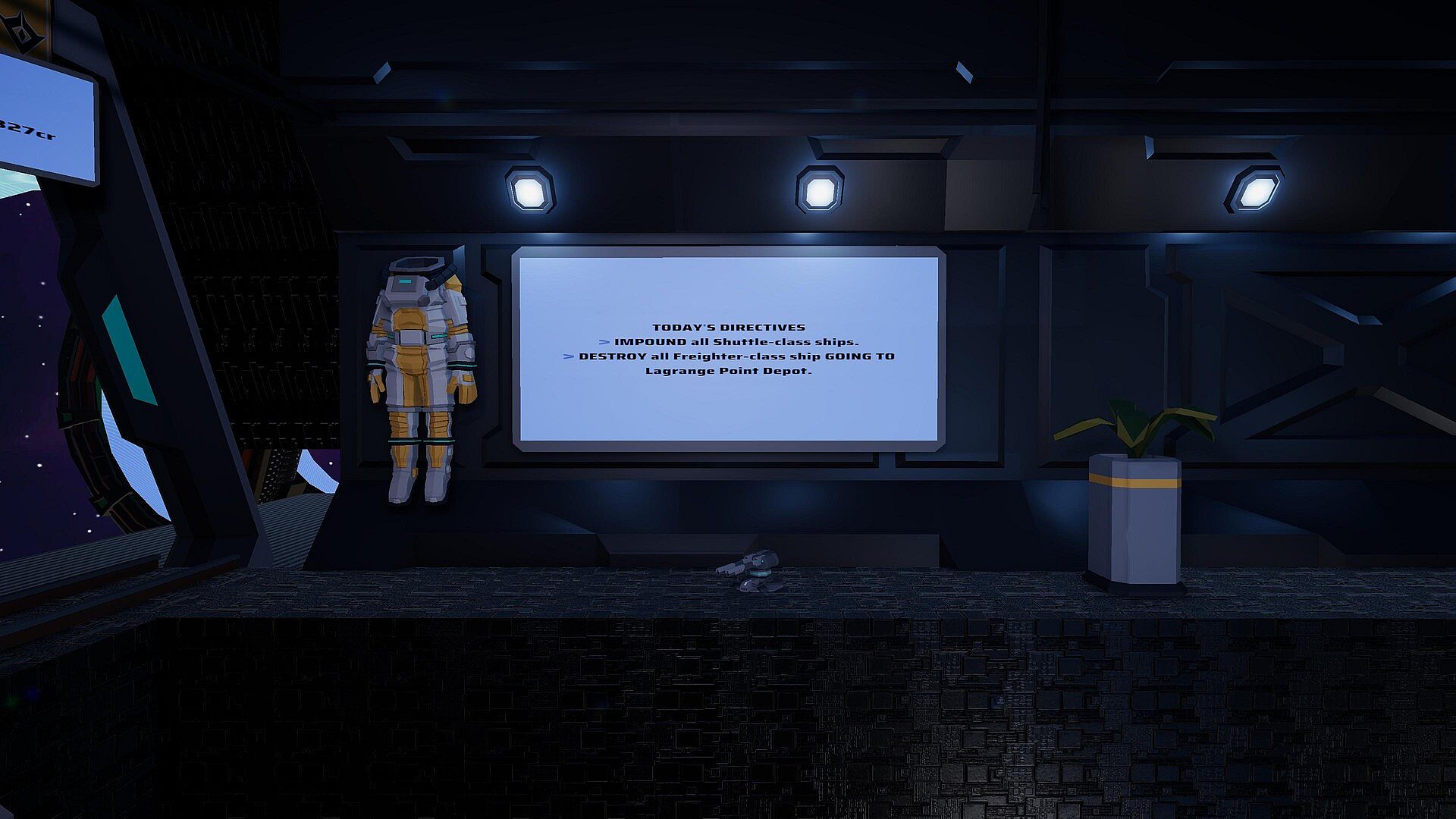
The gameplay loop centers on three interconnected activities that players must balance during each shift. Inspection begins with cross-referencing cargo weights, serial numbers, and flight paths against the current set of directives. Rules change daily and often contradict previous instructions, forcing constant adaptation to new requirements. Players examine vessel details for discrepancies that could indicate smuggling or other violations.
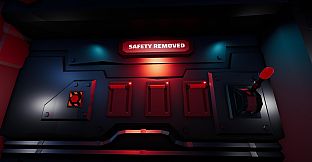
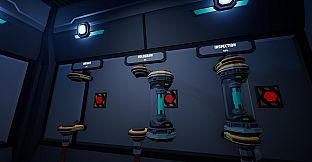
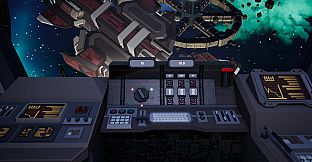
Operation involves direct interaction with the station's heavy machinery. This includes engaging physical breakers, removing mechanical safety locks, and manipulating a detailed cockpit interface to authorize or deny entry. Efficiency improves as players learn the layout and reduce the time spent on each vessel. Every action carries a cost that affects the overall shift performance.
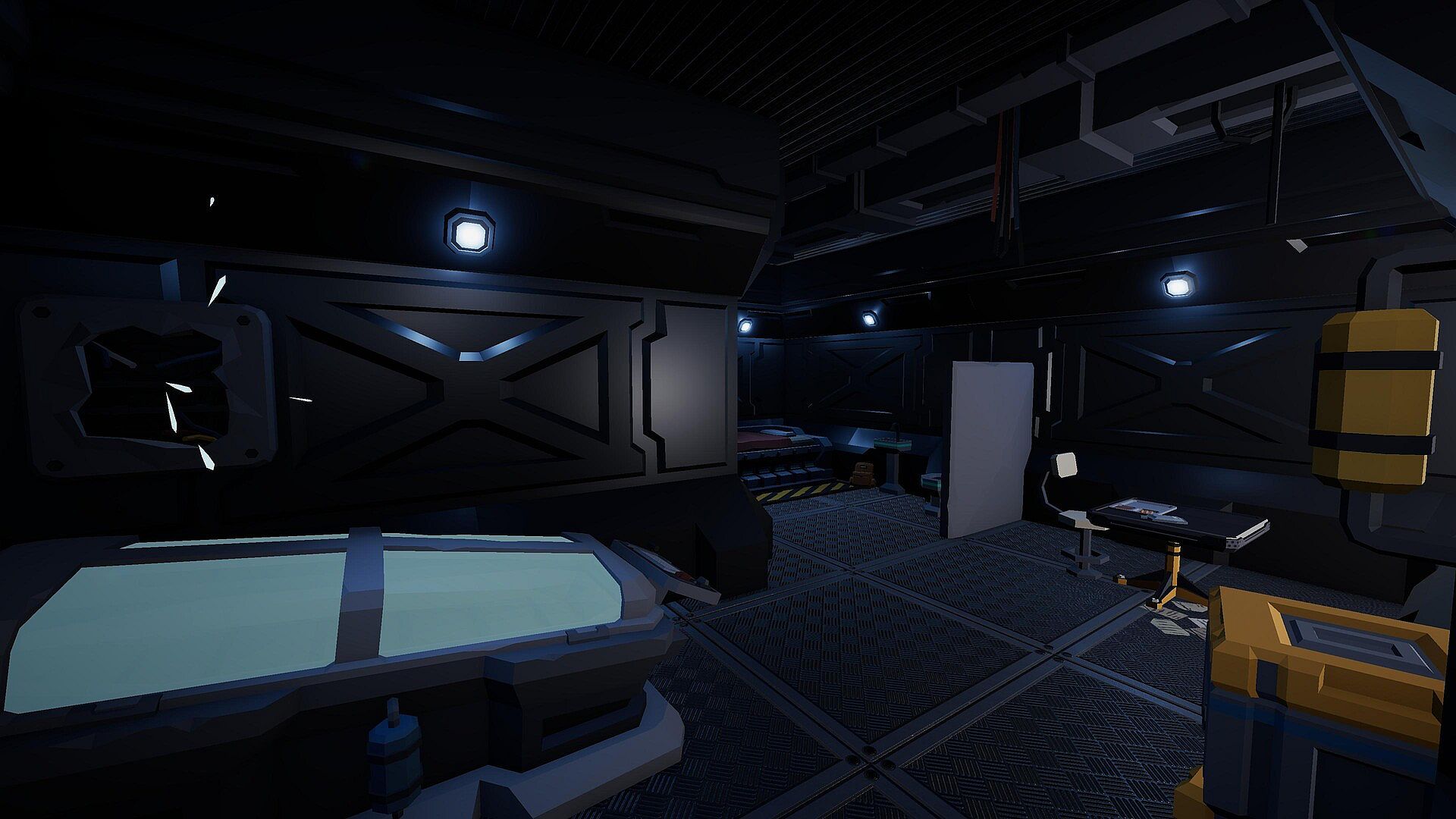
Management requires attention to the station itself. Power failures can plunge areas into darkness, radiation spikes demand immediate monitoring, and critical malfunctions must be addressed before they escalate. The queue of waiting ships grows during these interruptions, adding pressure to restore systems quickly while maintaining security protocols.
Game Modes
Void Inspector delivers its experience through successive shifts at the isolated transit hub. No two shifts repeat exactly because vessel types vary widely and daily corporate directives expand or change. Players encounter everything from small scavenger shuttles to large corporate freighters, each presenting unique layouts and potential issues to identify.
The structure emphasizes procedural variety within a single continuous session. Subtle visual cues on vessels help distinguish legitimate traffic from disguised threats, while the expanding rule set creates new challenges as the shift progresses. Hazard events and unauthorized approaches integrate directly into the core loop rather than appearing as separate modes.
Key Mechanics and Features
Tactile controls form a central part of the experience, requiring precise manipulation of switches, scanners, and defense systems rather than simple menu selections. Bureaucratic puzzle-solving arises from interpreting contradictory rules and spotting inconsistencies in documentation. Deep inspection mechanics reward thorough cross-referencing of multiple data points on each vessel.
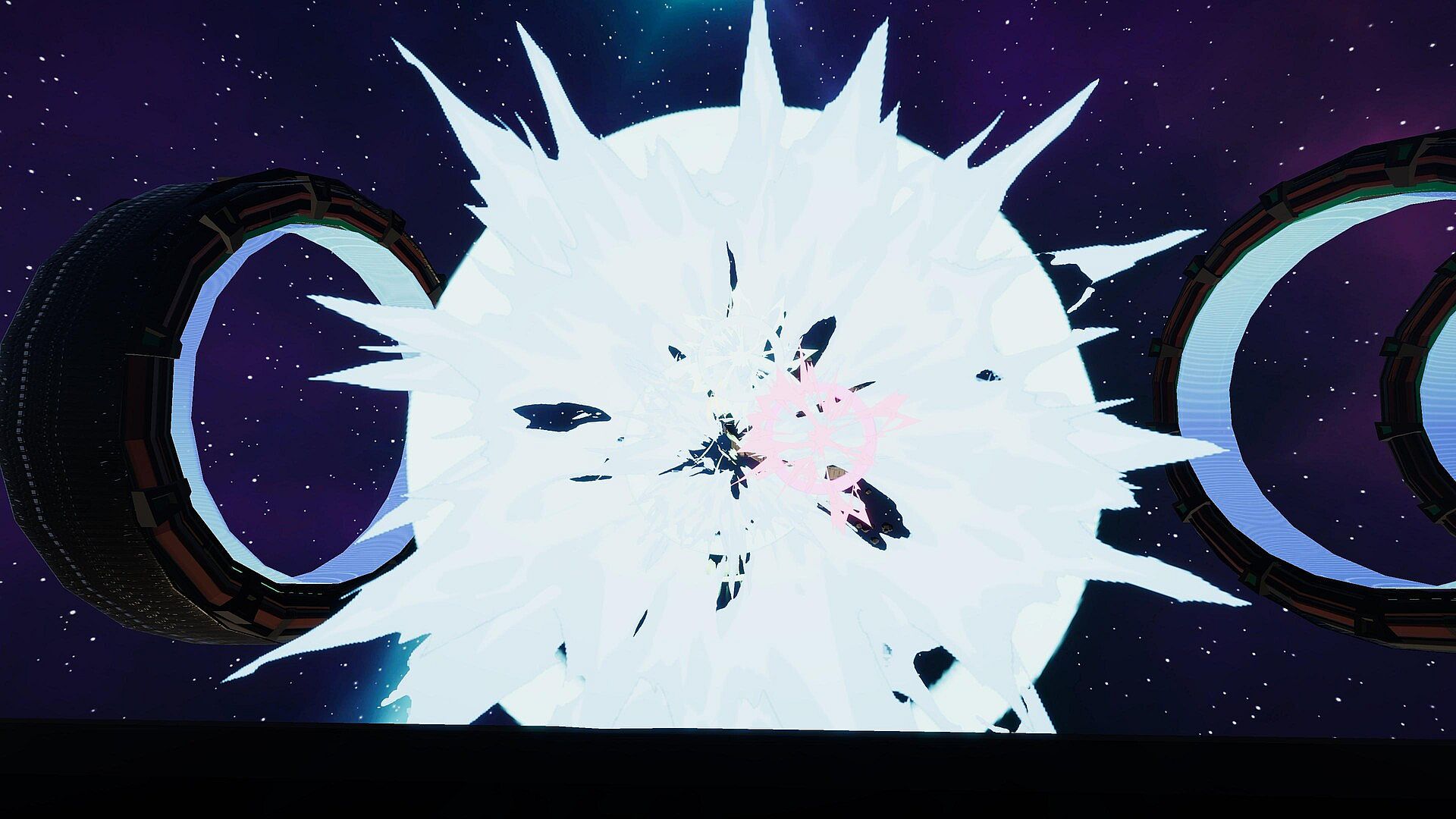
Extreme hazard management adds tension when station systems fail. Players must navigate darkened corridors, monitor radiation levels, and repair malfunctions without letting the external queue overwhelm security. Lethal defense systems activate when vessels attempt to bypass rejections, requiring players to lock on targets and deploy the station's grid effectively.
Endless variety stems from the combination of vessel classes, rule changes, and random hazard occurrences. Players improve by mastering the cockpit layout for faster processing and by recognizing patterns across different ship types.
Is It Worth Playing?
Void Inspector targets players who enjoy detailed simulation games focused on procedural tasks, resource management, and decision-making under pressure. The combination of paperwork scrutiny, physical controls, and station maintenance creates a focused single-player loop that rewards attention to detail and quick adaptation. Those interested in bureaucratic themes mixed with occasional high-stakes defense sequences will find the described systems align closely with that preference.
The game remains in development with a planned 2027 release, so current information is limited to the official description and features. Potential buyers can wishlist the title on its Steam page to receive updates as more details become available closer to launch. The emphasis on tactile operation and shifting rules suggests strong appeal for fans of inspection and management simulations who prefer hands-on interaction over abstract menus.