

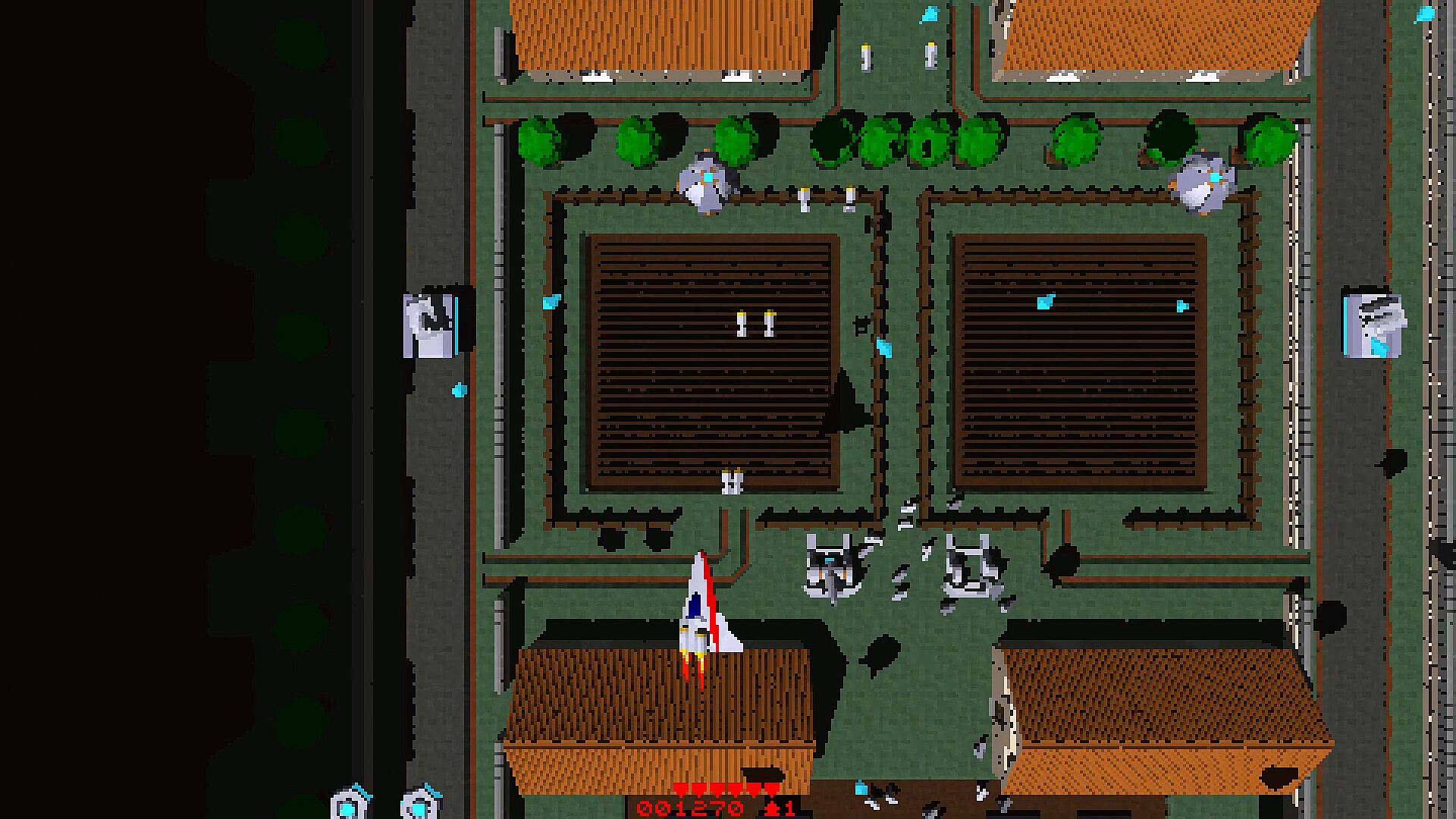
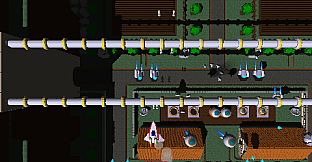
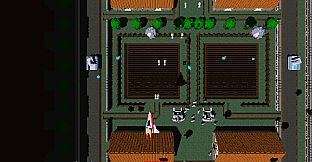
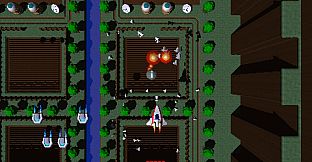
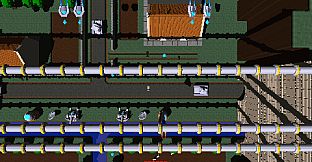
Viper Strike is a top-down vertically scrolling shoot 'em up built as an action indie title for PC. The game focuses on high-speed aerial combat combined with ground target engagement in a streamlined arcade format that prioritizes responsive controls and visual clarity over modern engine complexity.
Gameplay
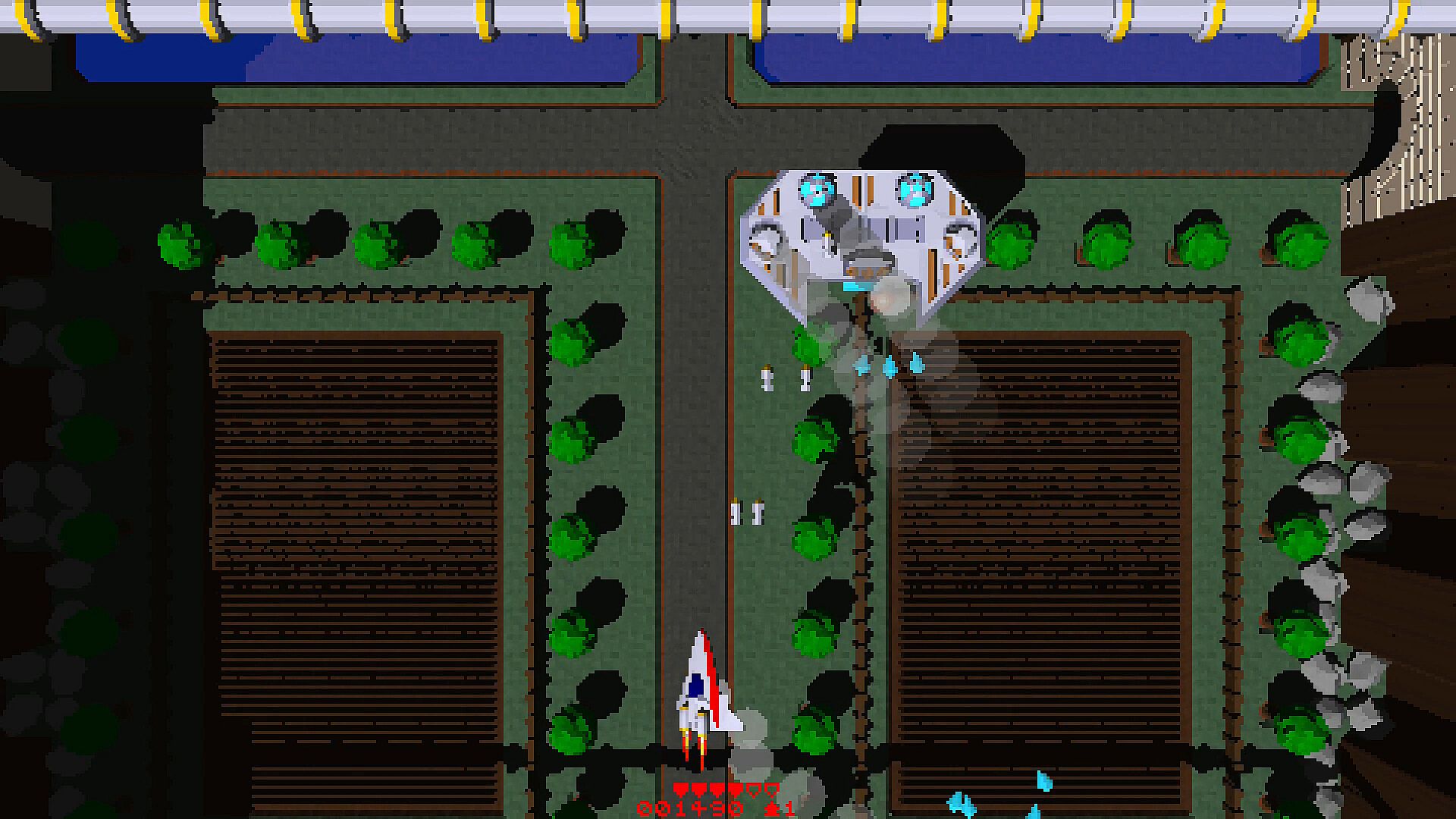
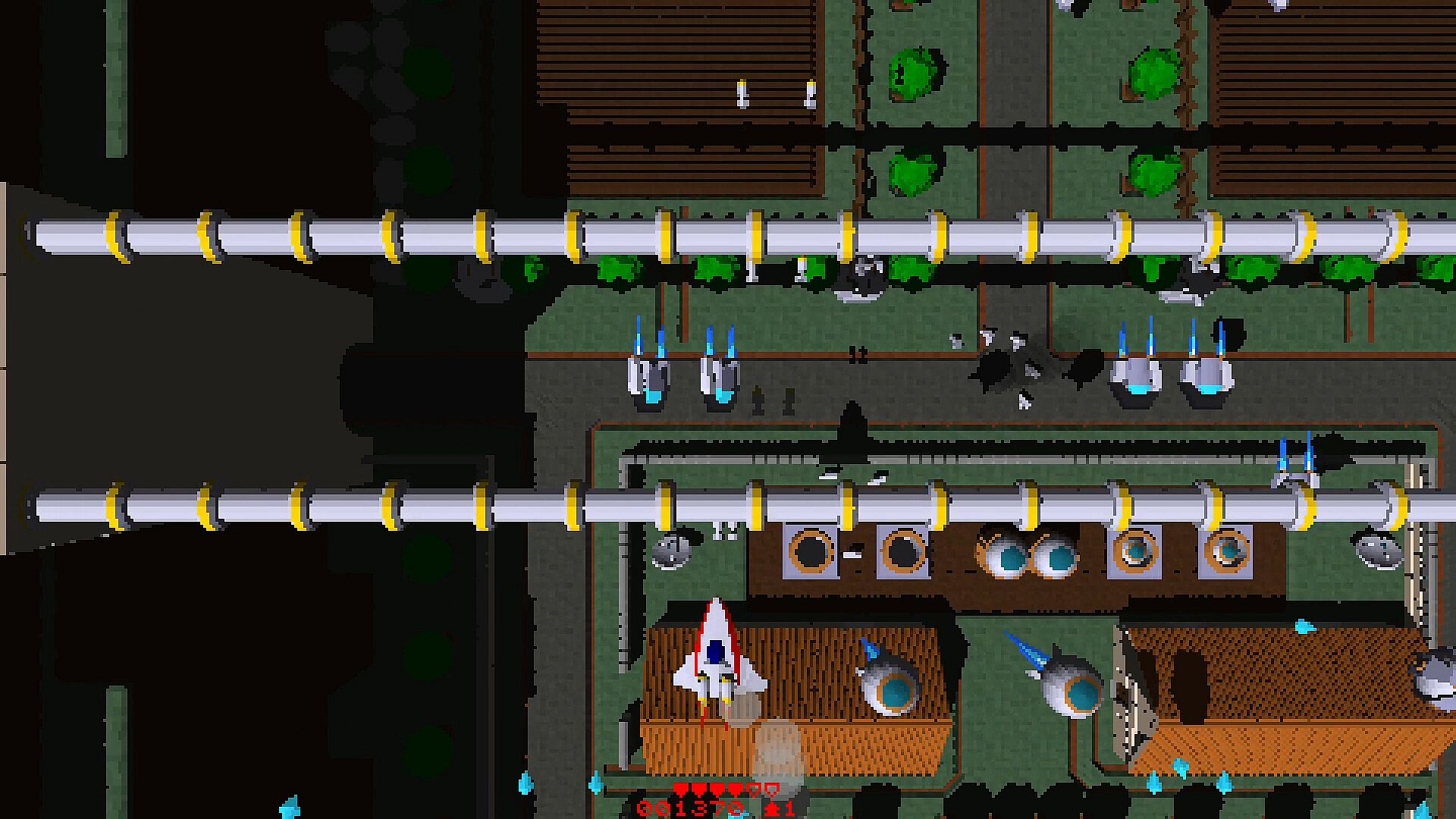
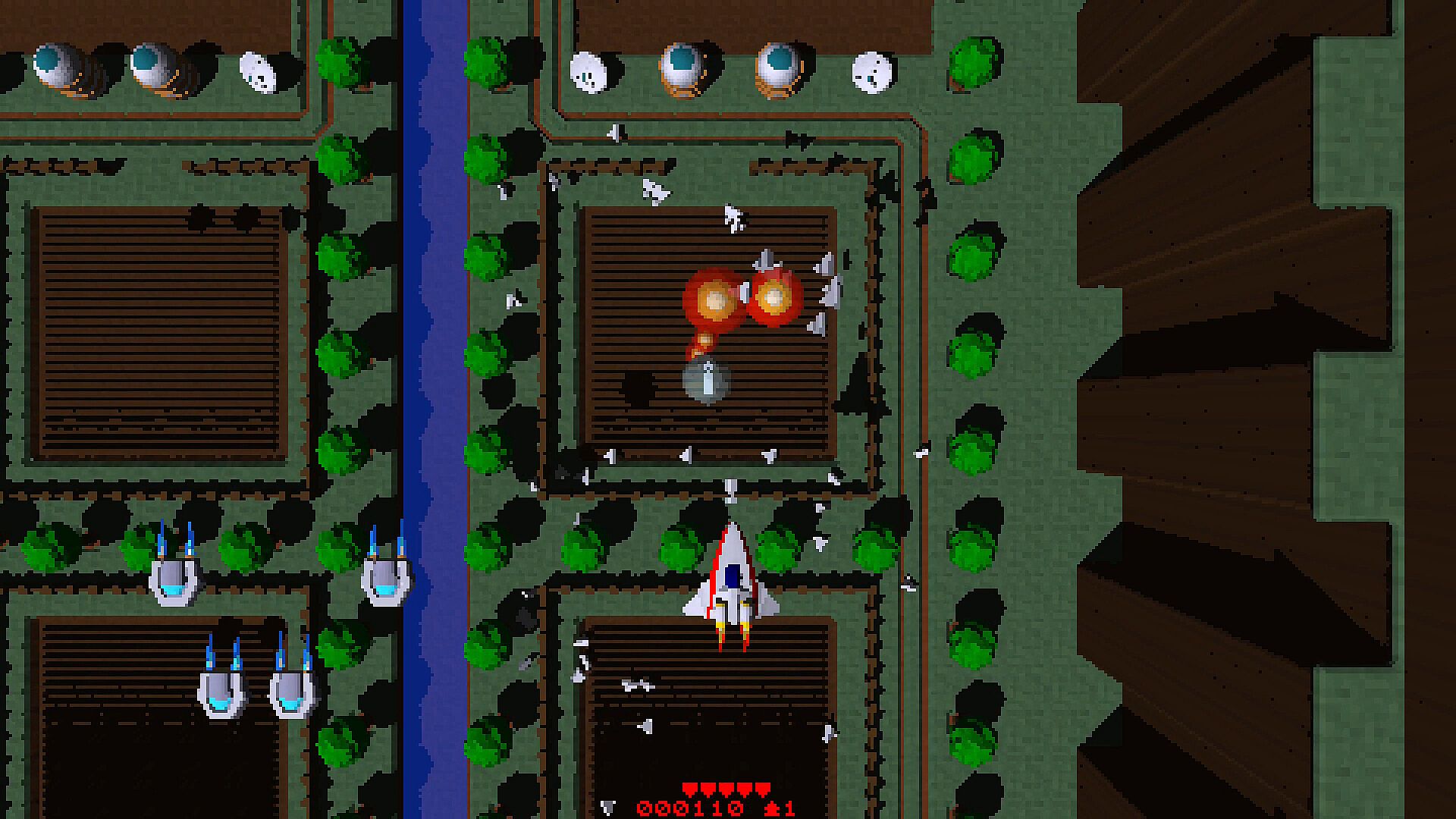
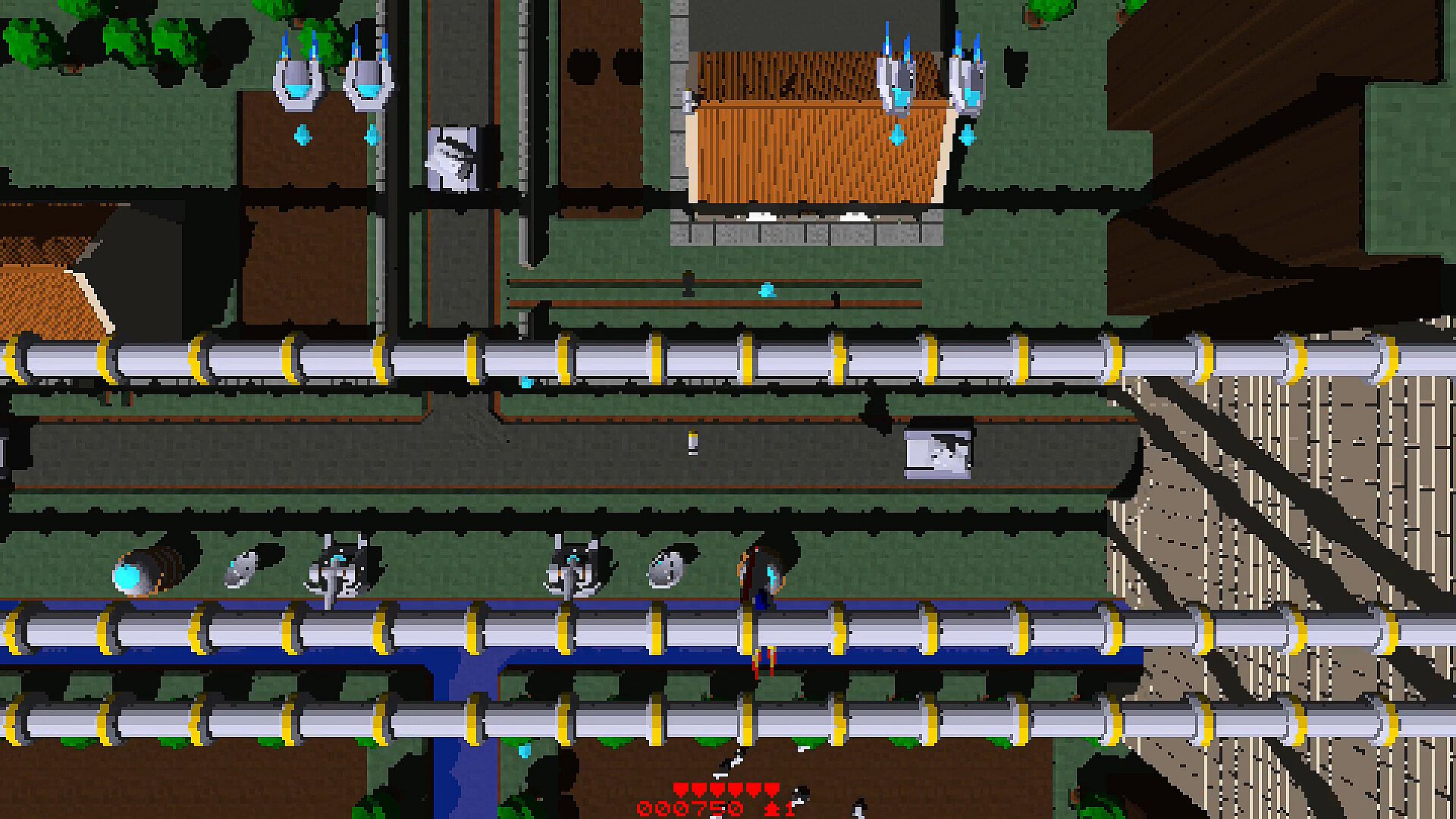
Players control a fighter craft in continuous vertical scrolling levels where air-to-air dogfights form the primary action. At the same time, ground targets appear on the battlefield below, requiring precise bomb drops to clear heavy fortifications. This dual-layer approach demands constant attention to both threat levels without pausing the forward momentum.
Destruction relies on a custom physics system that turns defeated enemies into simulated physical debris. These fragments continue moving through the 3D space and can trigger chain reactions that increase scoring potential through collisions with other foes. The zero-texture rendering pipeline keeps visuals crisp while maintaining frame rates on modern hardware, and the engine avoids unnecessary overhead for direct input response.
Development occurred entirely in a solo effort using a proprietary C++ engine with SDL3, OpenGL, OpenAL, and Bullet Physics integration. The result runs natively on Linux distributions such as LMDE 6 and CachyOS, with Windows builds compiled directly through MinGW for equivalent performance without compatibility layers.
Game Modes
Viper Strike presents its core experience as a single continuous arcade session. Progression follows the traditional vertically scrolling structure where survival and target destruction determine advancement through successive stages. No separate multiplayer sessions, co-op options, or alternate rule sets appear in the available information.
The emphasis stays on the single-player loop of managing air threats while handling ground objectives in real time. Scoring rewards accurate bomb placement and the physics-driven chain reactions that follow enemy destruction.
Technical Approach
A zero-texture rendering method strips away typical visual layers to deliver clean, high-contrast imagery that supports fast enemy recognition. Bullet Physics handles all debris behavior, allowing destroyed units to interact dynamically rather than vanishing instantly. This setup supports the high-scoring potential of chain reactions while keeping the action readable at speed.
Native Linux compilation and direct Windows builds eliminate common performance variables. The absence of background network activity after download further reduces any interference with the core loop.
Is It Worth Playing?
Viper Strike targets players who seek classic arcade shoot 'em up mechanics delivered with modern hardware optimizations. The transparent pricing model contains no microtransactions or additional purchases, matching the description of a complete experience available for a modest cost. A demo becomes available once the two-week Coming Soon window concludes, allowing direct testing of the engine and controls ahead of the full October launch.
Those who value responsive input, physics-based destruction, and native cross-platform execution without extra software layers will find the described systems align directly with those priorities. The solo-developed custom engine focuses resources on gameplay fundamentals rather than ancillary features.