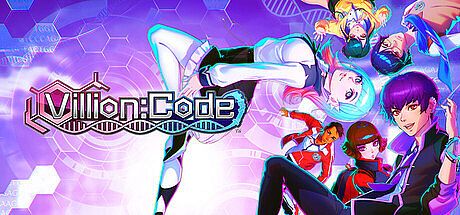



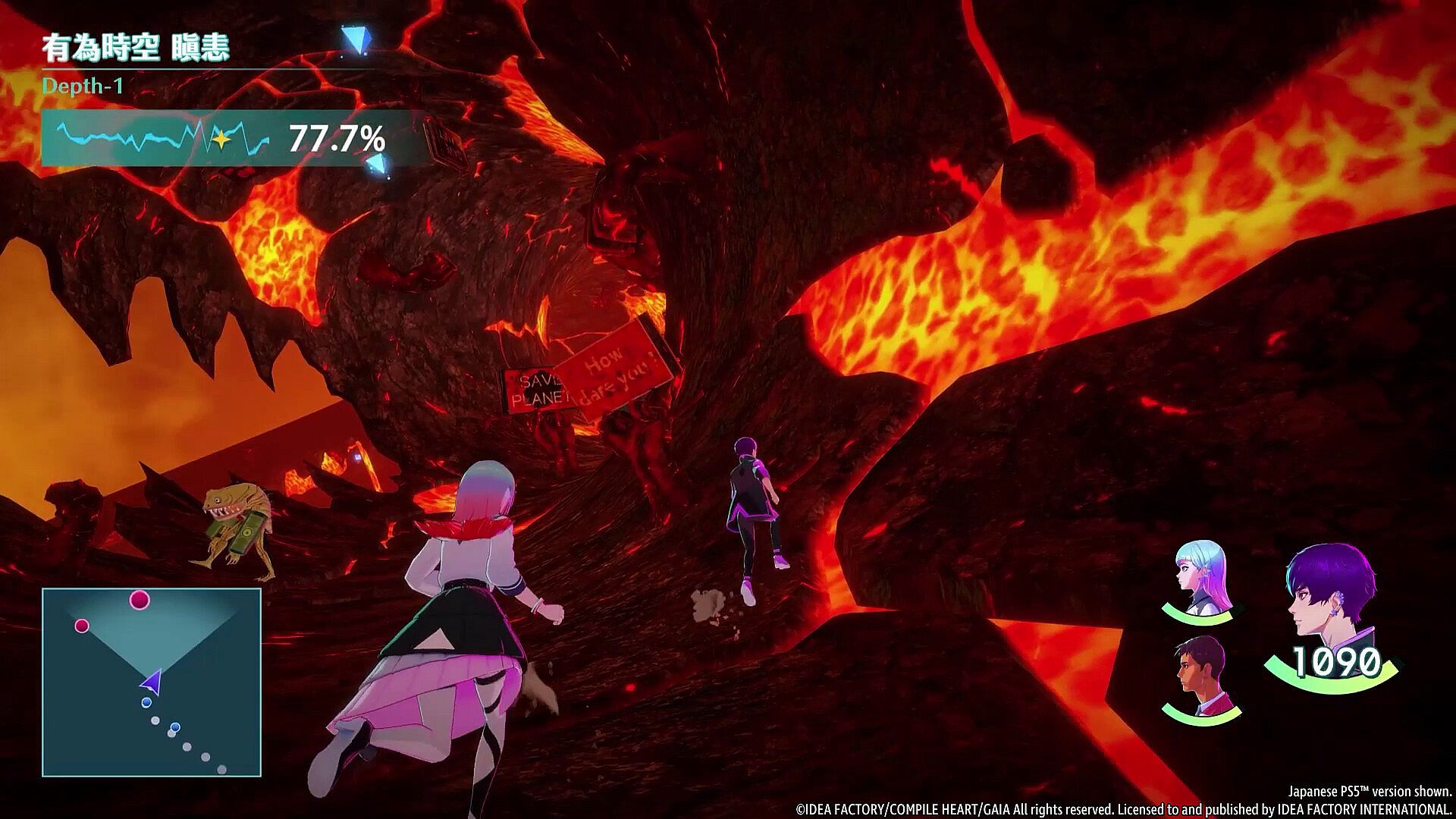


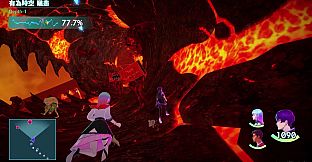
Villion:Code is a single-player action RPG that blends real-time combat with narrative-driven exploration in a sealed academy city. Players step into the role of a student navigating a near-future crisis where monstrous GEMs have forced the Adhvan Resilience Academy City into isolation behind a mysterious bubble. The experience centers on confronting personal burdens while uncovering the anomaly through investigation events and split-second decisions that influence outcomes.
Gameplay
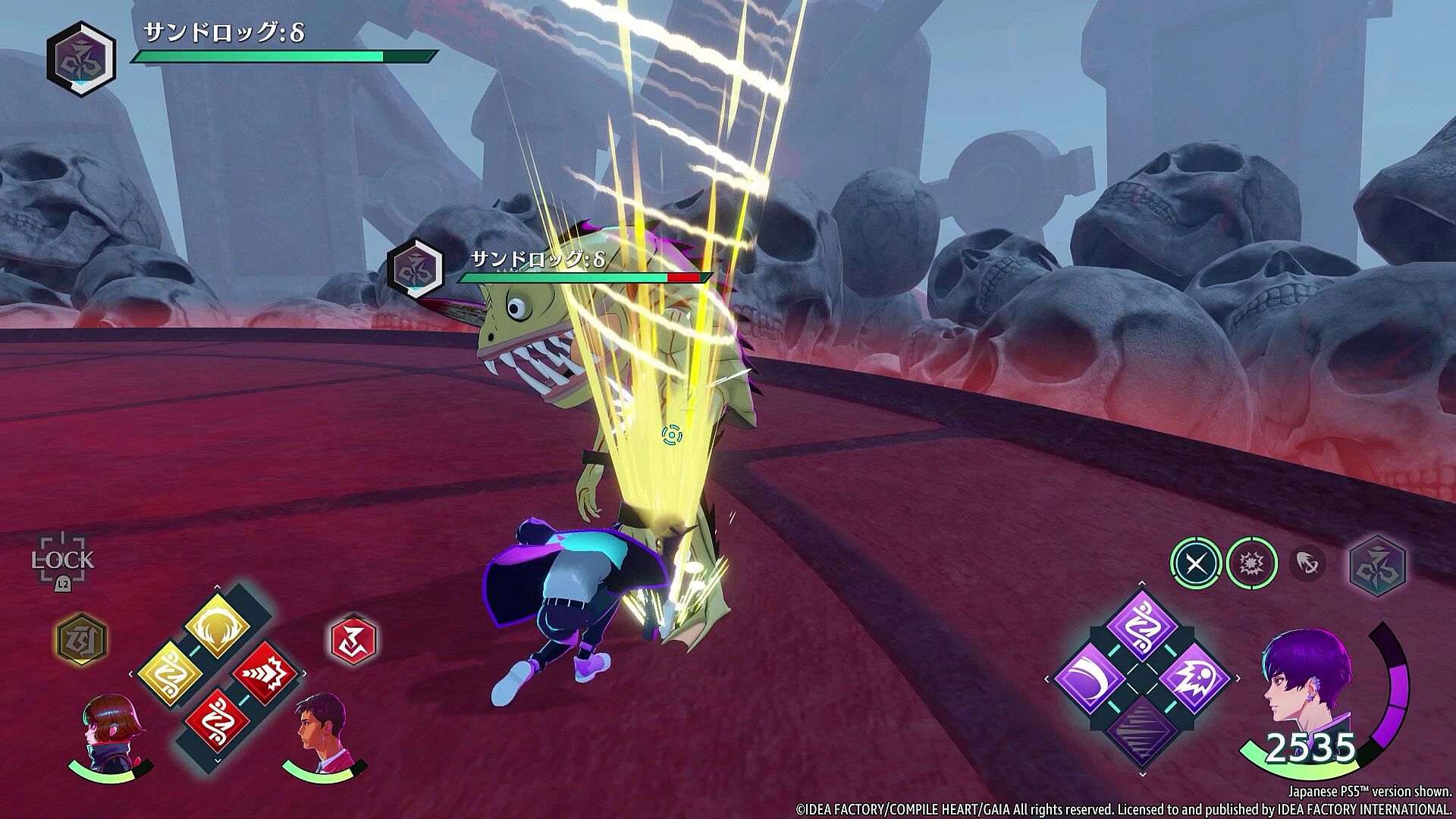
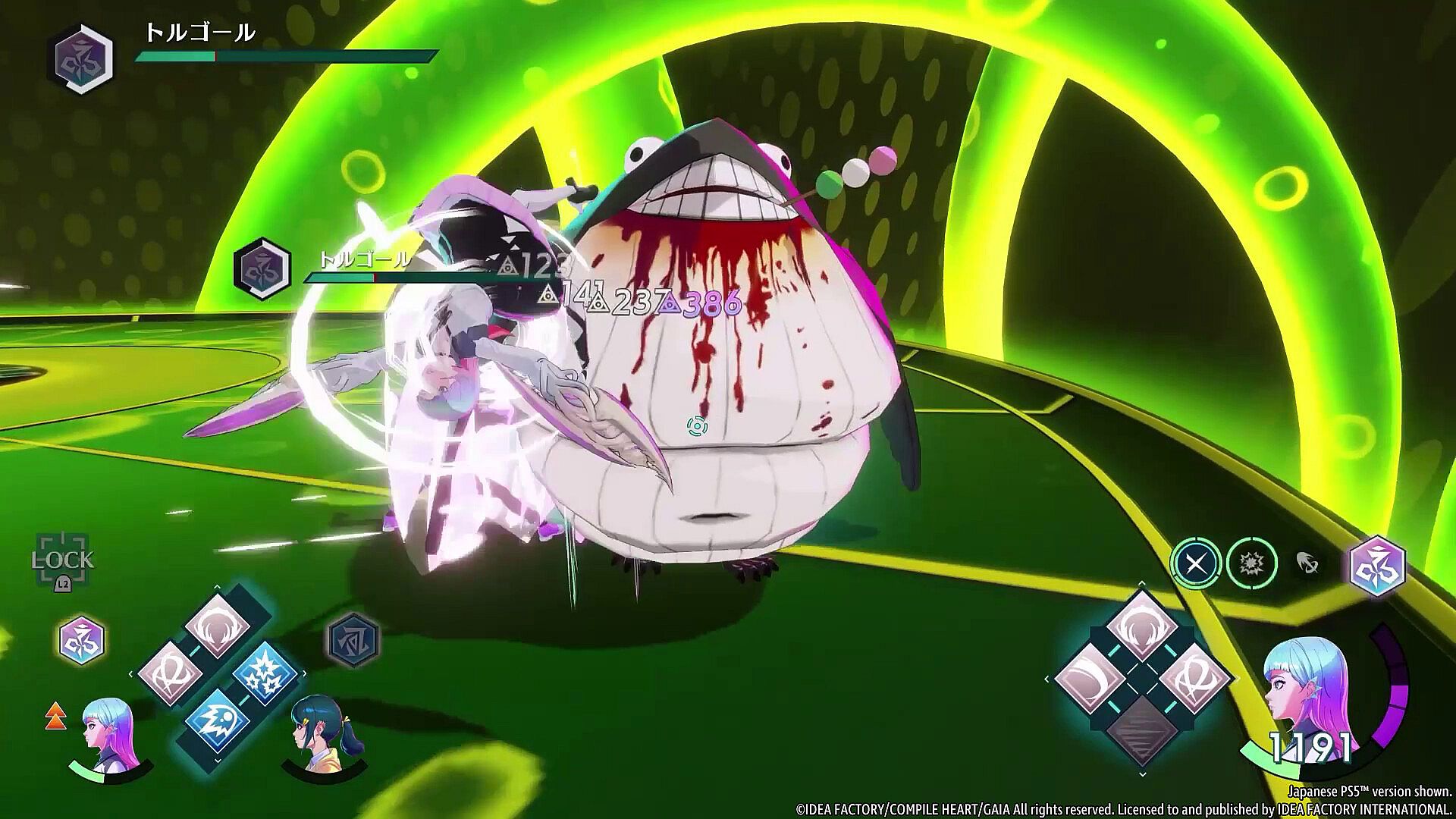
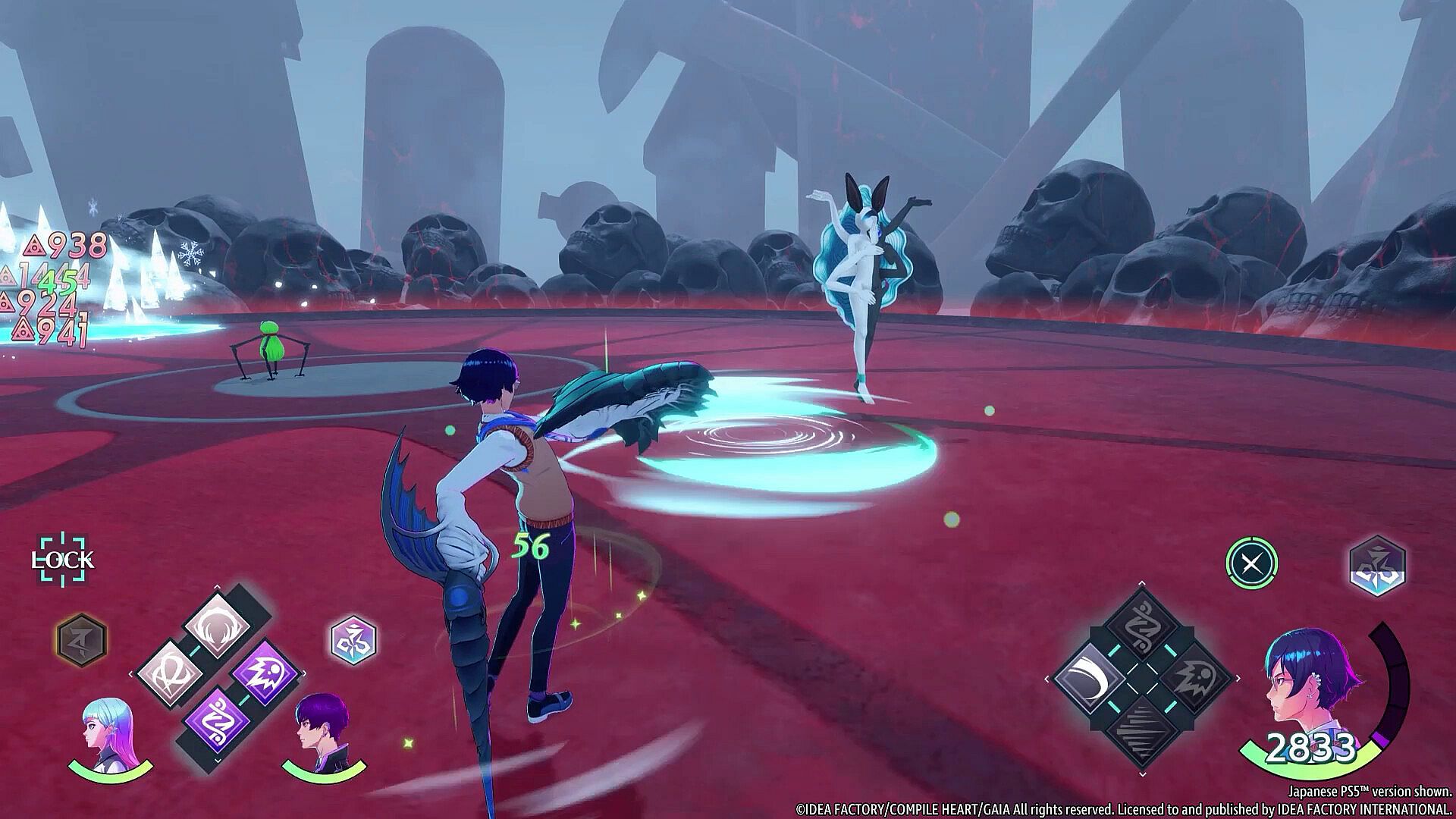
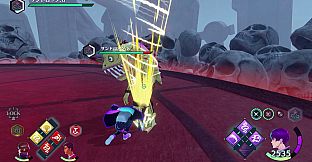
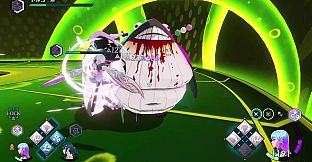
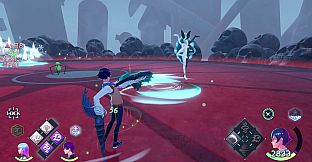
Combat fuses speed action with tactical elements in real time. Characters equip Genome Arms, mutated weapons that allow seamless switches between melee and ranged styles to build combos. Timed dodges enable powerful counters, while wall slides let players reposition quickly across the battlefield or launch surprise raid strikes from above. Stunned enemies can be dispatched faster with coordinated party rushes, and filling an elemental gauge triggers devastating special abilities known as Elemental Release.
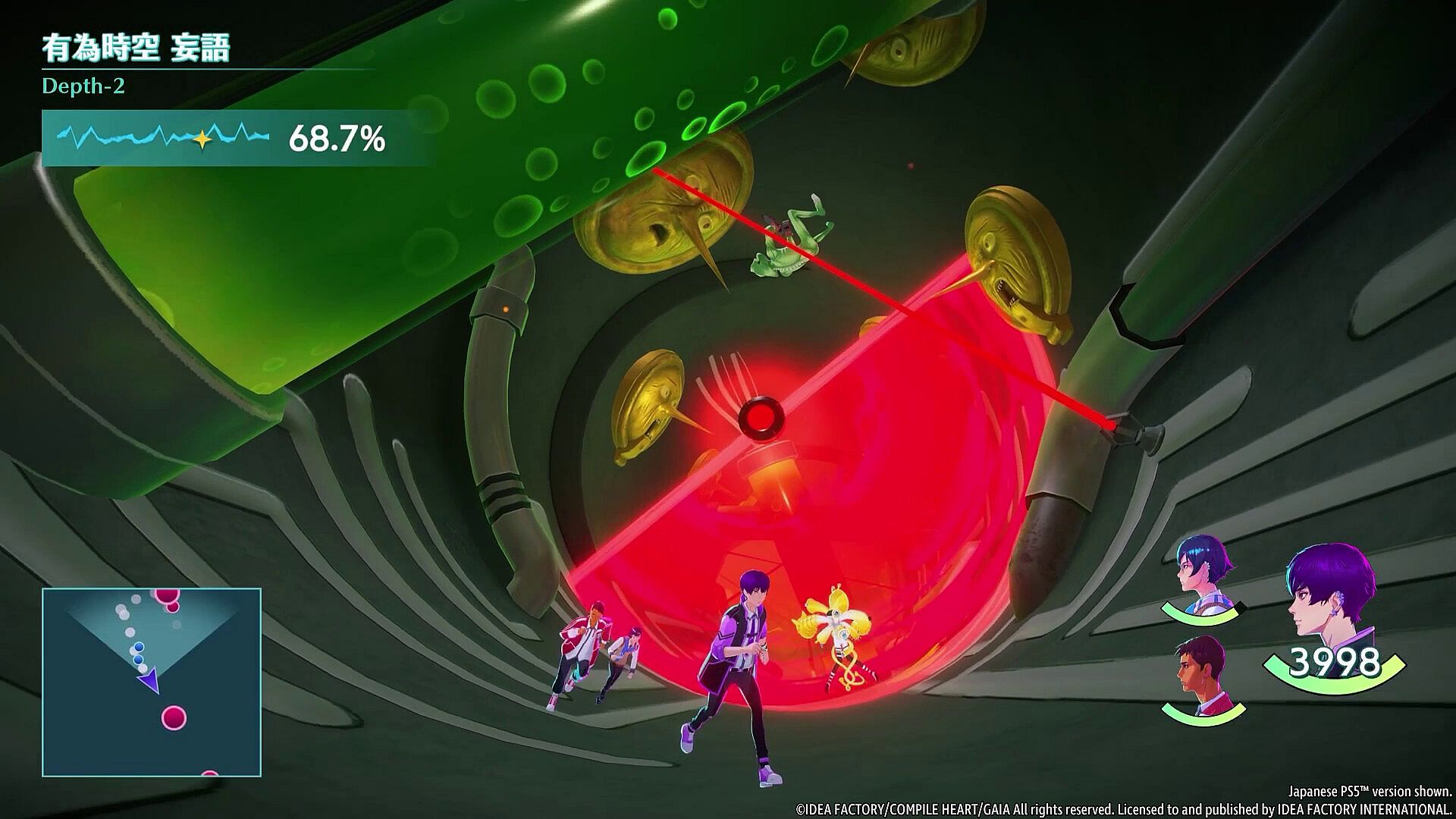
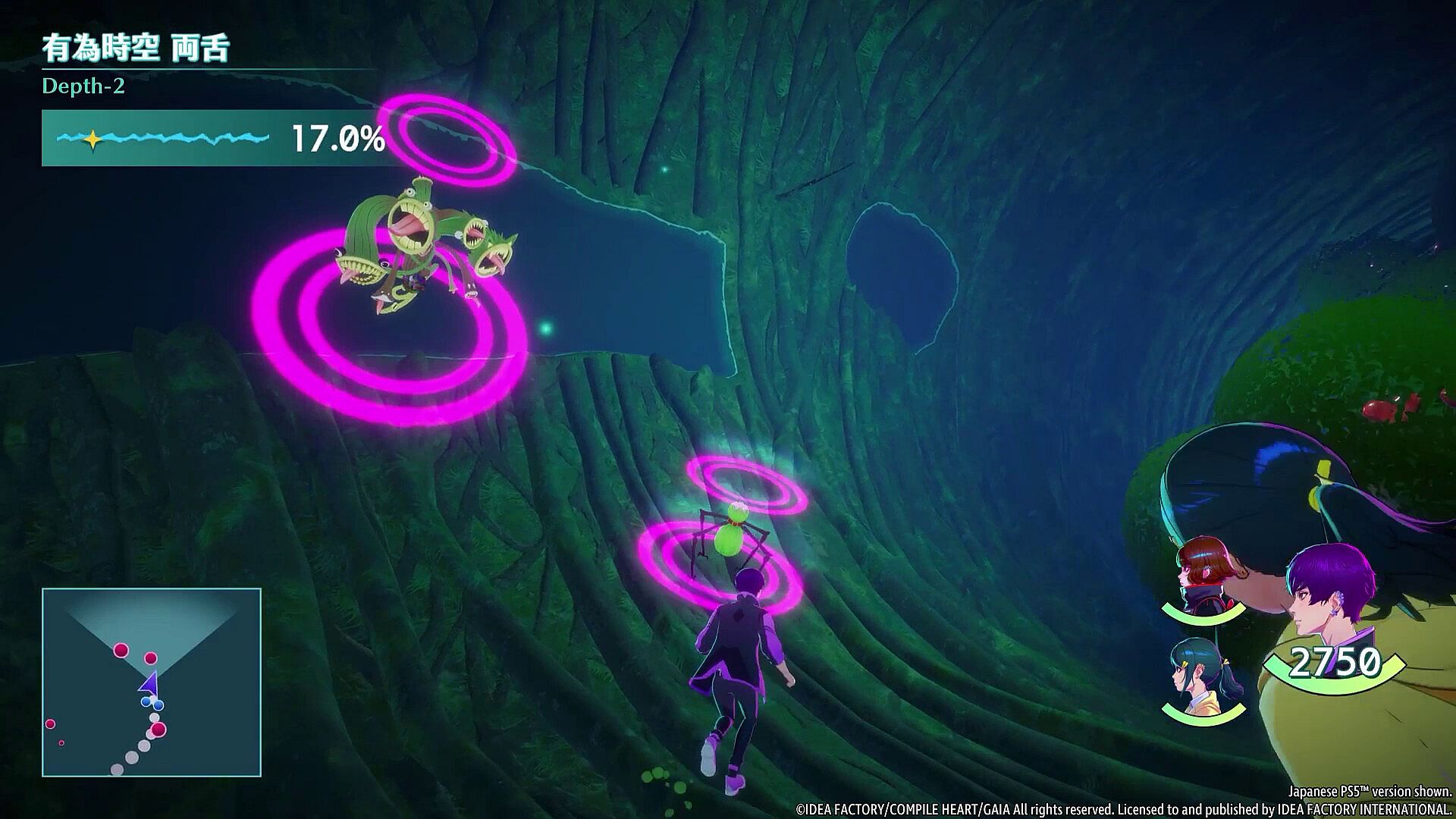
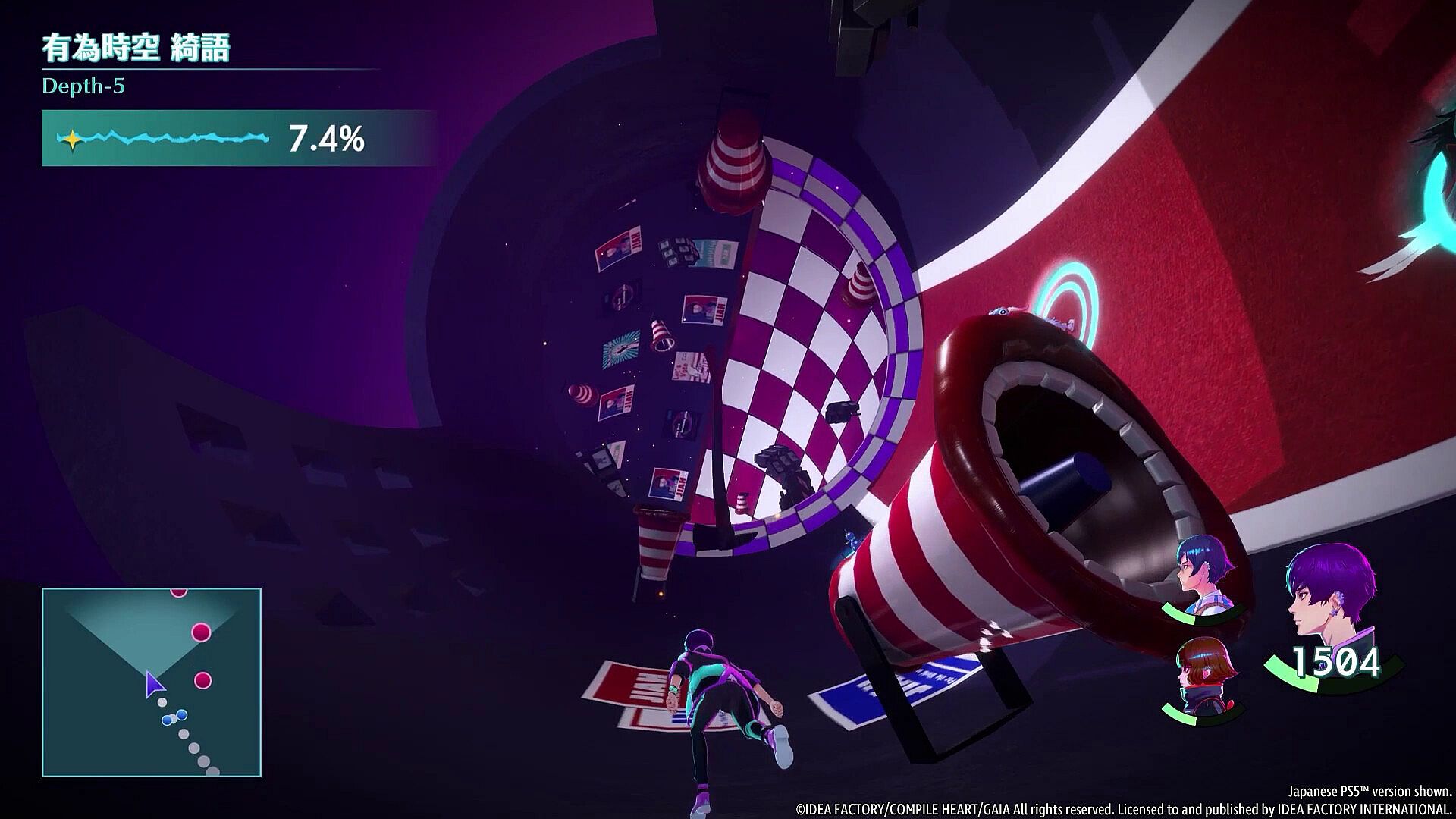
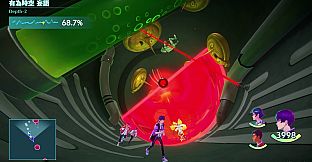
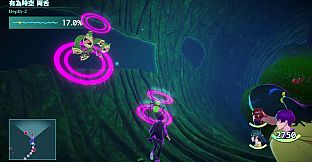
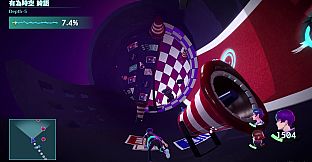
Dungeon exploration takes place in Sankara Space-Time, tube-shaped environments that players can traverse in full 360 degrees. These randomly generated layouts incorporate tricky gimmicks inspired by concepts of human failings, requiring careful navigation alongside battles against GEMs. Materials collected during runs support synthesis of Genome Cubes, which enhance base stats, add bonuses, and unlock passive skills through targeted crafting.
Story progression relies on conversation and investigation sequences featuring detailed artwork. Choices during these events can alter future developments, with additional sub-stories expanding on supporting characters. Mutation skills leverage altered genetics for high-damage opportunities, rewarding players who adapt Genome Arms to enemy weaknesses and party synergies.
Game Modes
The core experience consists of a single-player campaign that alternates between story events and dungeon runs in Sankara Space-Time. No separate multiplayer or competitive modes exist. Progression flows through repeated exploration of these procedurally varied spaces to gather resources, advance character abilities, and push the narrative forward via investigation and dialogue choices.
Players manage a party that cooperates in battles, with the protagonist able to switch weapons on the fly. The structure emphasizes personal growth through genome editing mechanics and strategic combat adjustments rather than branching multiplayer formats.
Story and Setting
Humanity faces extinction in the near future, prompting the creation of the Adhvan Resilience Academy City as a hub for solutions. A sudden anomaly spawns GEM creatures and seals the city, trapping residents who must then face their own karma. The plot unfolds through voiced dialogue, investigation sequences, and player-driven decisions that shape events.
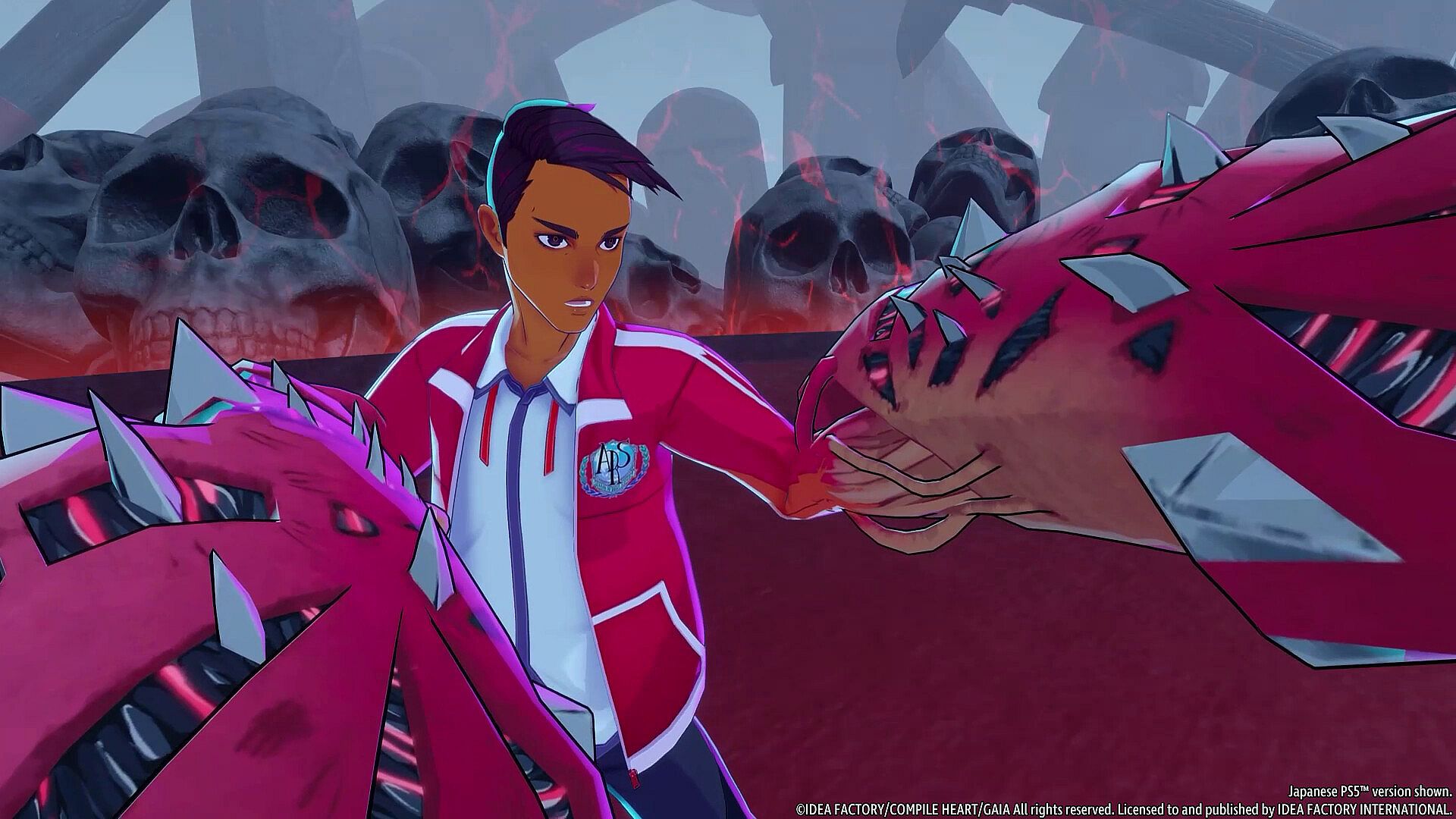
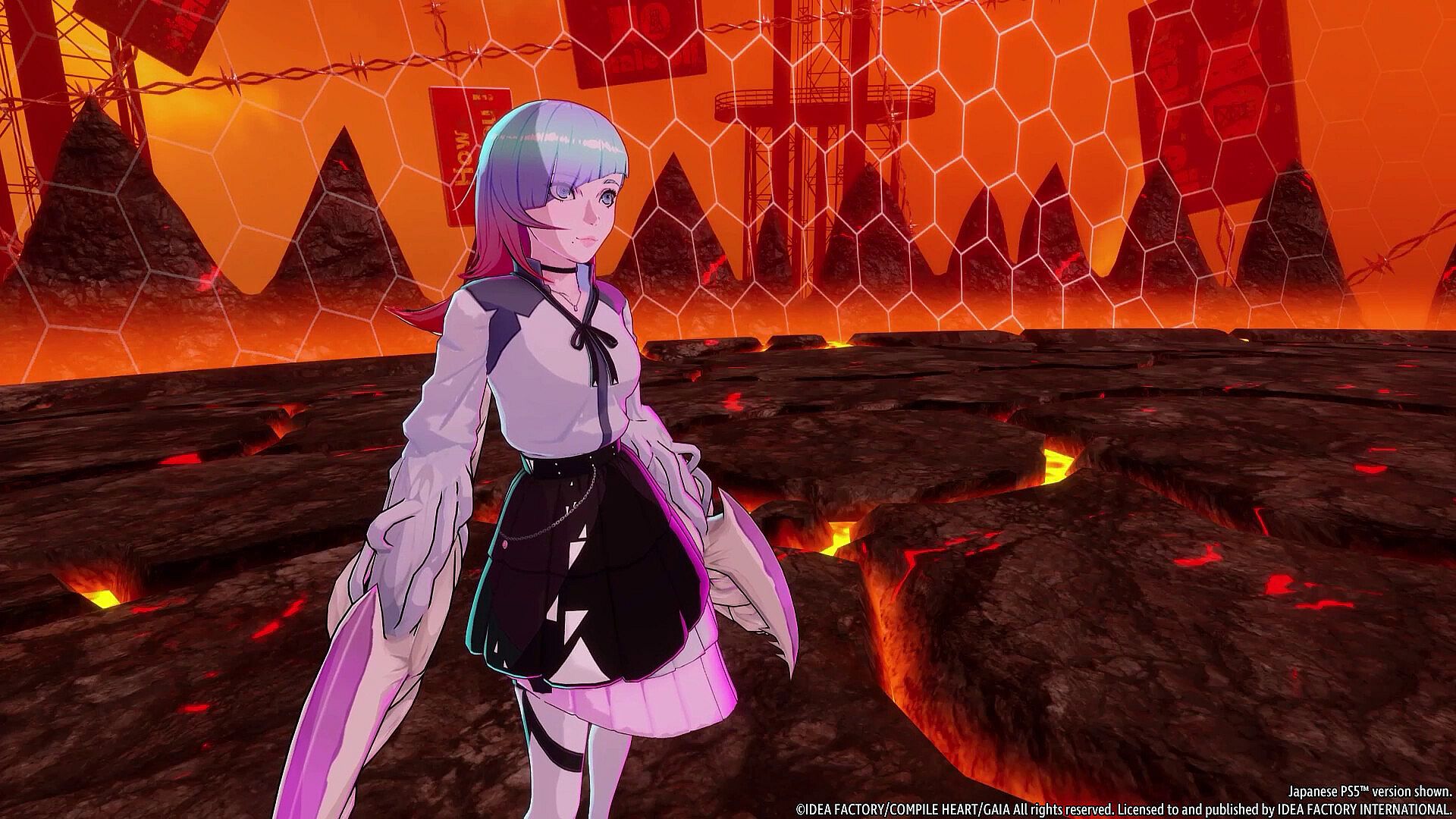
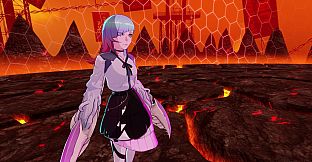
Character designs emphasize individuality, with around six main students forming a team to pursue the truth behind the bubble and the mutations. Sub-stories provide deeper context for companions, all delivered alongside the central mystery of the sealed environment and the origins of the GEM threat.
Is It Worth Playing?
Villion:Code suits players who prefer story-focused action RPGs with real-time combat and resource-driven progression. The unique tube-shaped dungeons and Genome Arms system offer distinctive movement and customization options that reward timing and adaptation. Those drawn to narrative choices, party coordination, and incremental character enhancements through crafting will find consistent engagement in the single-player loop.
The game launched in Japan in June 2026 with subsequent updates addressing balance and content. Western releases, including the PC version, are scheduled for 2027. It appeals most to fans of school-themed RPGs that incorporate action elements and themes of personal responsibility within a contained setting. If the combination of real-time counters, randomized exploration, and decision-based storytelling aligns with preferred playstyles, the title delivers a focused experience without extraneous modes.