





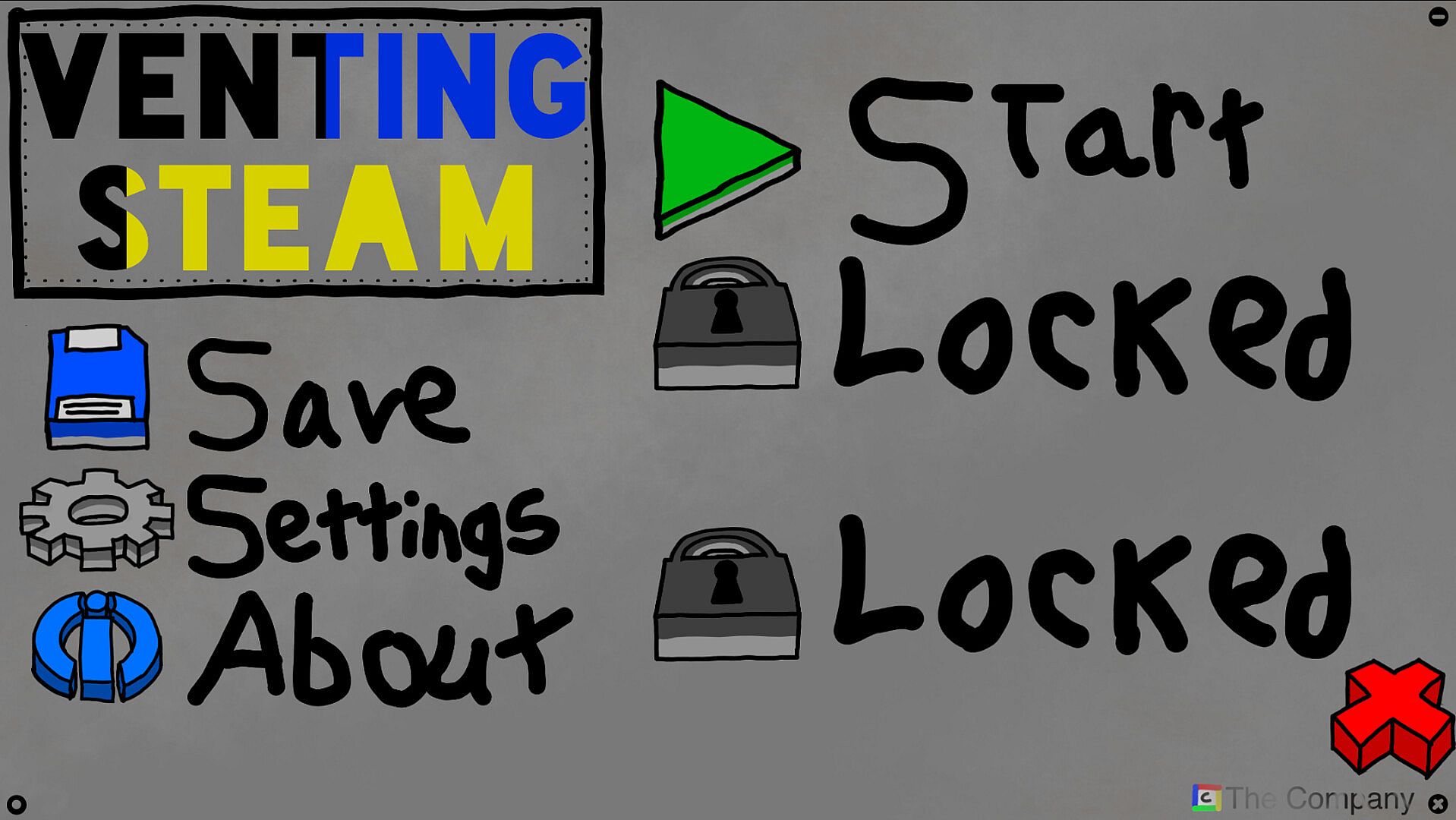
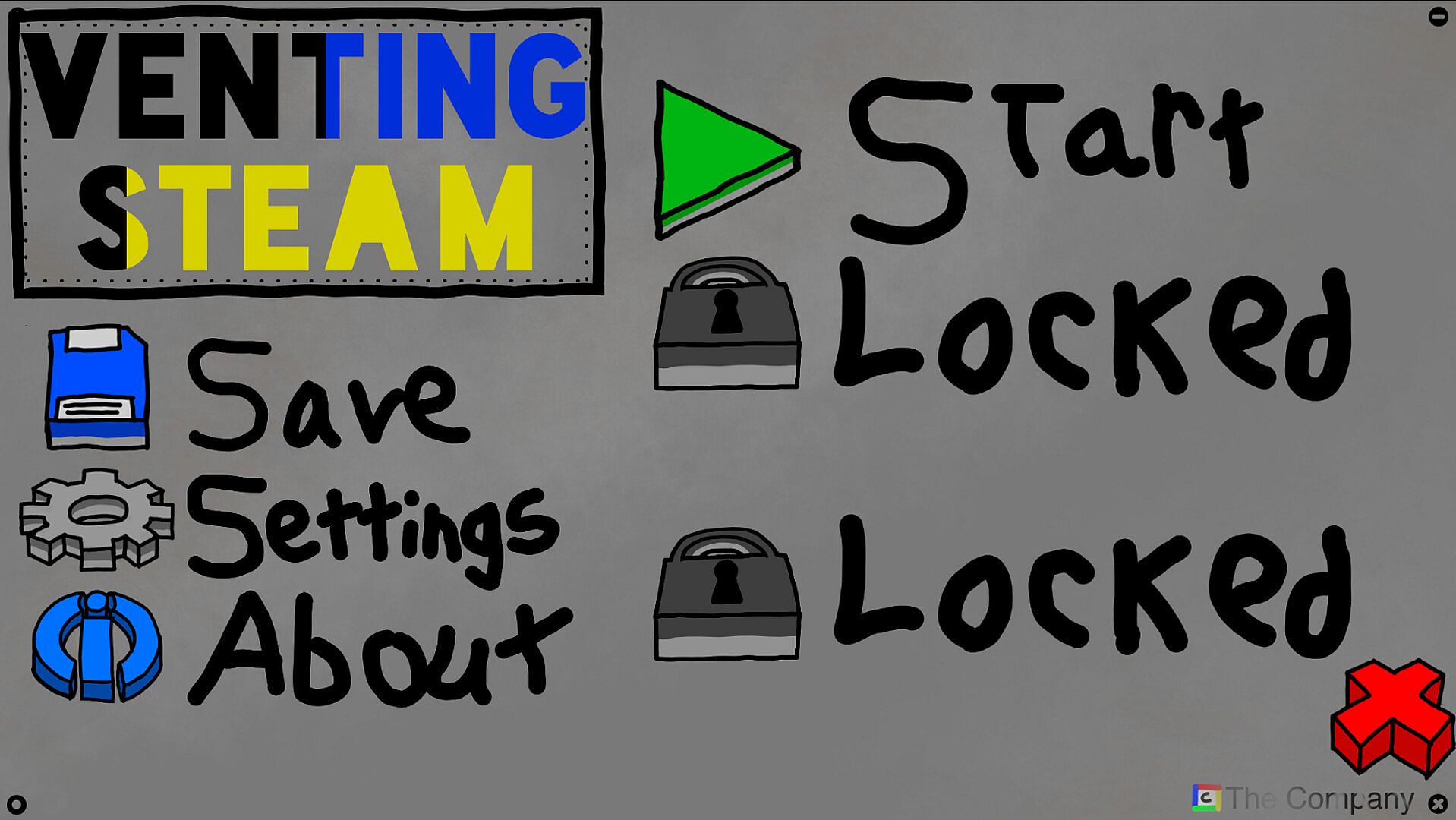


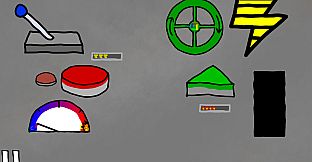
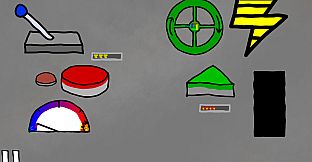
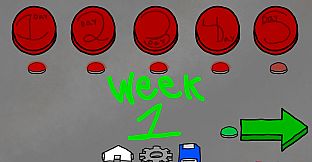
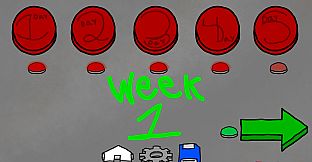
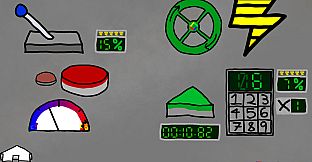
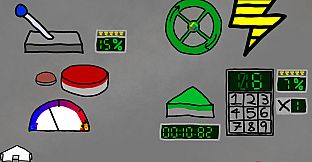
Venting Steam es un juego indie de acción y estrategia para un solo jugador en PC, centrado en la operación de una máquina oculta dentro de una fábrica controlada por The Company. Los jugadores gestionan las operaciones diarias mediante un panel de control, equilibrando recursos limitados mientras las condiciones externas modifican la configuración cada noche. El título se centra exclusivamente en la multitarea, sin elementos multijugador ni capas adicionales.
Gameplay
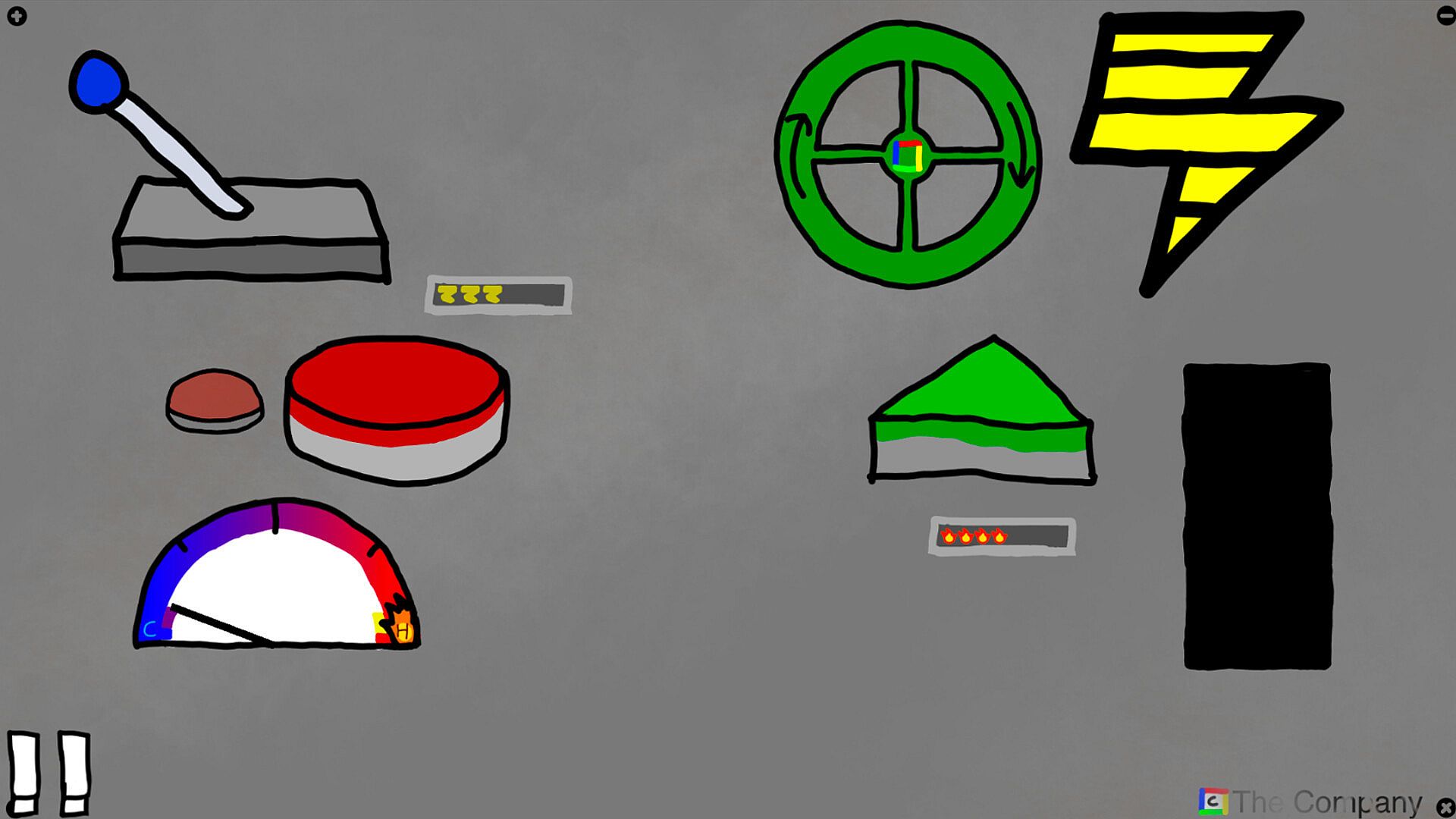
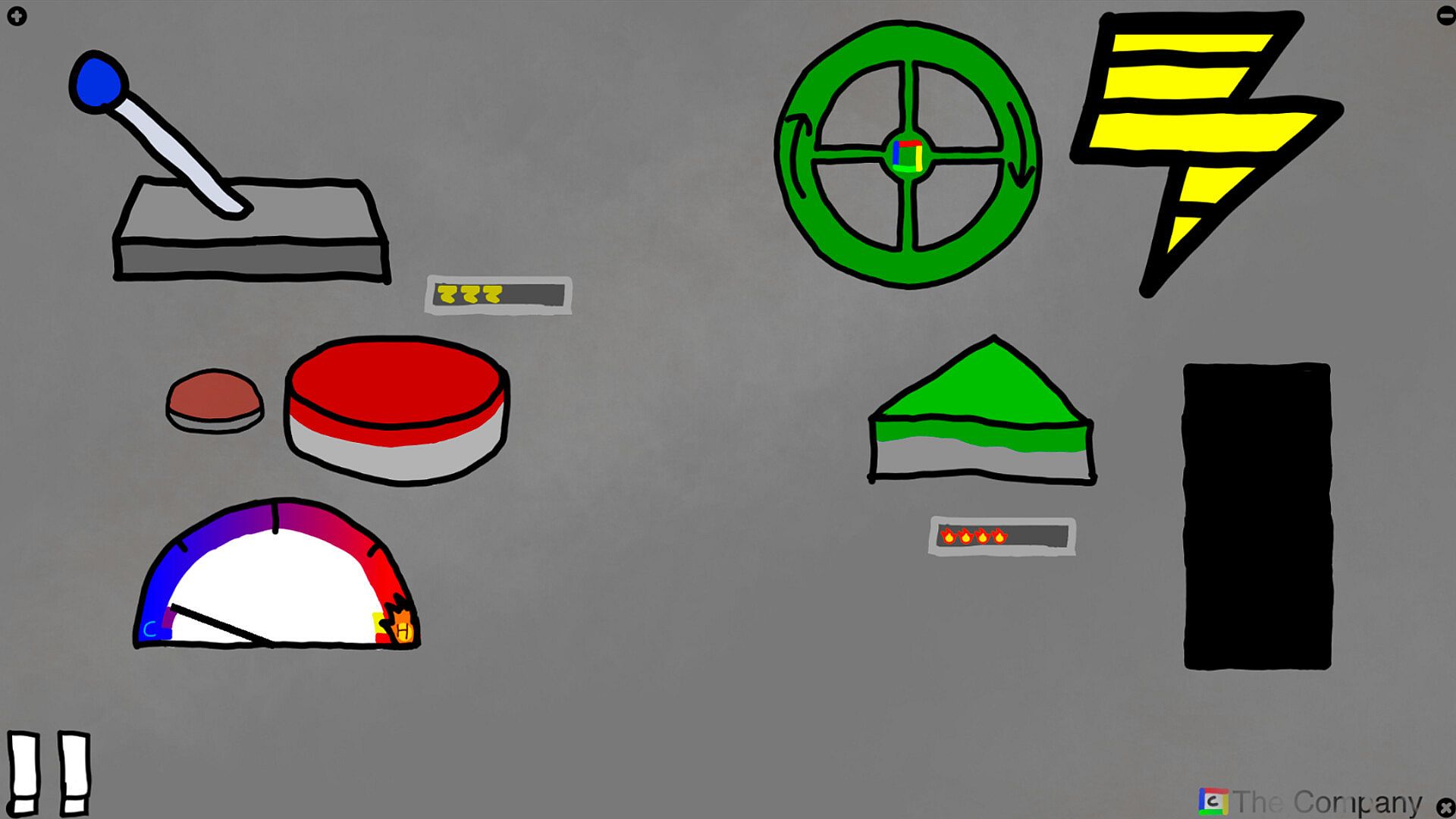
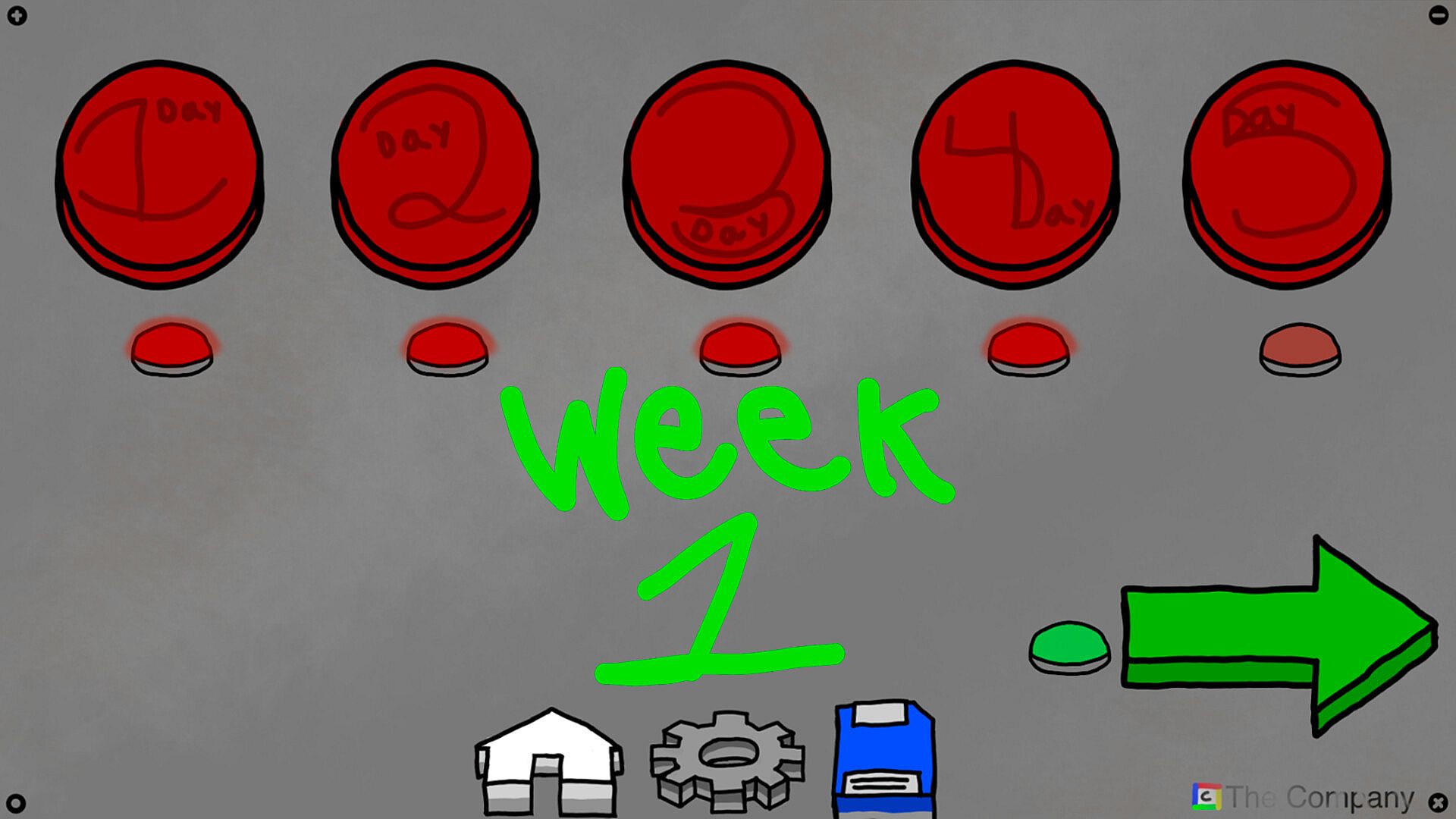
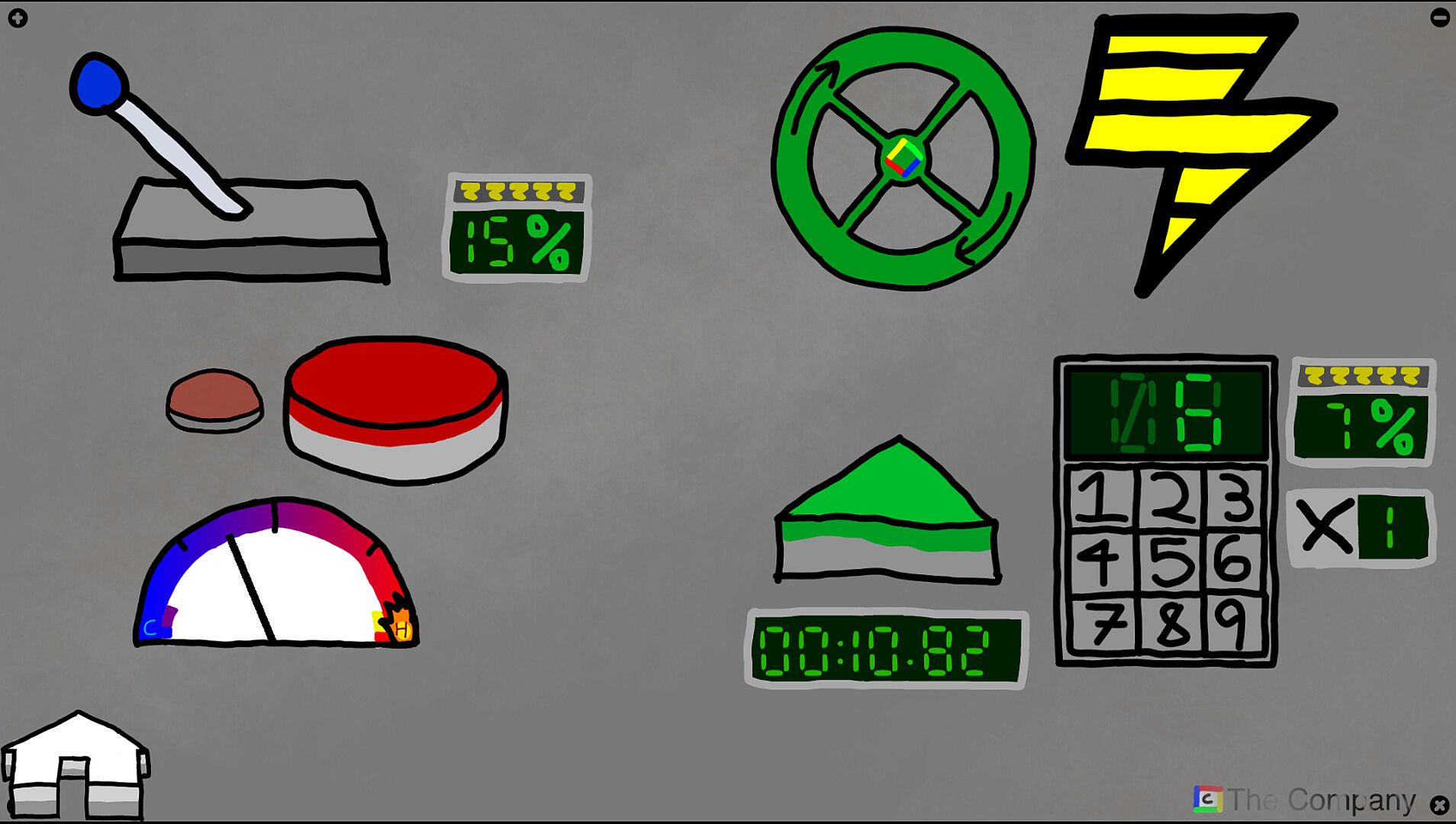
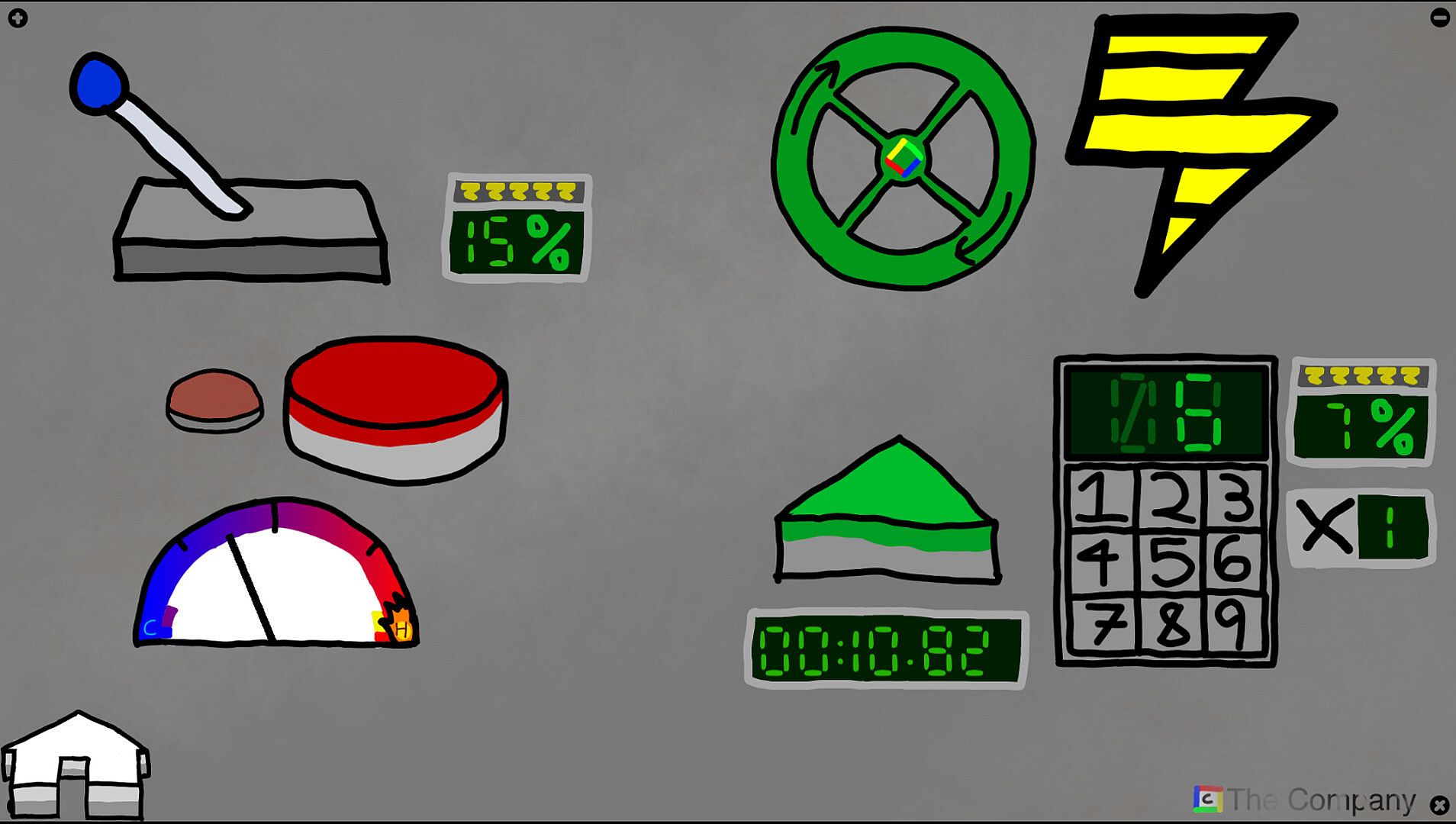
El bucle principal consiste en completar jornadas laborales interactuando con botones y medidores mediante el ratón. El objetivo es mantener el equilibrio entre los niveles de energía y la acumulación de calor para evitar fallos críticos. Cada día exige una atención constante para avanzar en la tarea de la máquina, con la interfaz como único punto de interacción.
Cada noche, los ajustes de los jefes de la empresa introducen nuevas complicaciones en los controles. Estos cambios obligan al jugador a adaptar su estrategia a medida que avanzan las semanas, convirtiendo las primeras sesiones en desafíos más complejos. Al no mostrar el resultado real de la máquina, la atención permanece centrada en la gestión inmediata del panel.
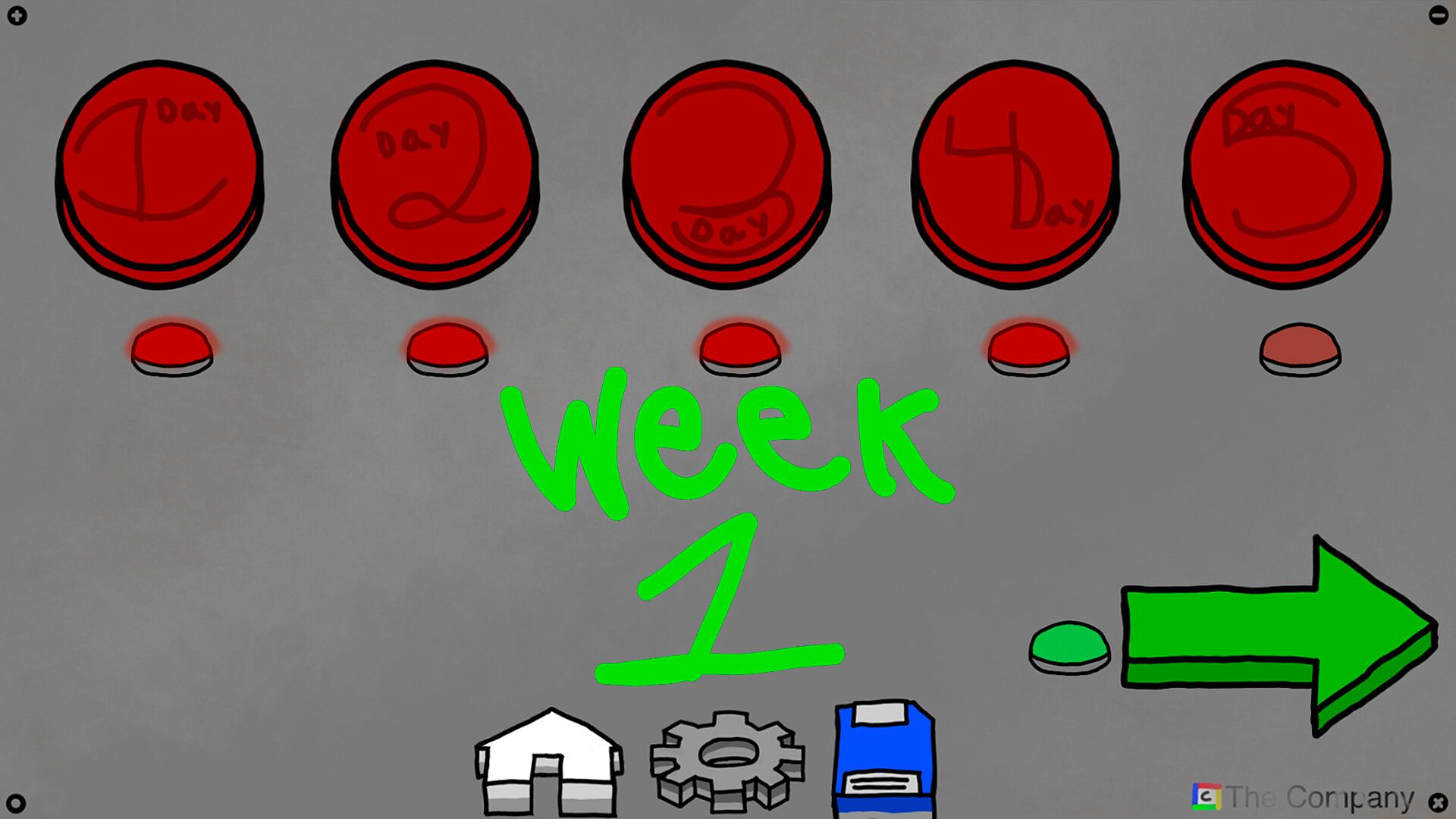
La experiencia se estructura en niveles cortos, con duraciones que van desde unos segundos hasta varios minutos. Esta organización permite repetirlos para perfeccionar la técnica y familiarizarse con los sistemas de recursos. El flujo se mantiene constante a lo largo de la partida, premiando la supervisión constante y las correcciones rápidas cuando los valores se acercan a los umbrales de peligro.
Game Modes
Veinte niveles distintos componen la progresión principal. Cada etapa aumenta gradualmente su complejidad, exponiendo al jugador a un panel de control y unos recursos cada vez más exigentes. Completar el conjunto ofrece una experiencia cerrada centrada en dominar la rutina diaria bajo una presión creciente.
Dos modos infinitos amplían los sistemas principales más allá de los niveles fijos. Cada uno funciona con una dificultad diferente y plantea el reto de mantener la operación el mayor tiempo posible antes de que se produzca un fallo. Estos modos desplazan el enfoque hacia la resistencia y la estabilidad a largo plazo, en lugar de alcanzar un objetivo concreto.
Mechanics and Progression
La gestión de recursos constituye el pilar mecánico del juego. La distribución de energía y la regulación del calor requieren atención constante, ya que ambos pueden descontrolarse sin una intervención rápida. La interfaz controlada por ratón permite realizar todos los ajustes de forma directa e inmediata, sin necesidad de otros métodos de entrada.
La progresión se basa en la repetición de los mismos sistemas básicos bajo condiciones cambiantes. Cada nuevo día o capa de nivel añade restricciones que ponen a prueba las estrategias anteriores y obligan a ajustar el ritmo y las prioridades. El diseño prescinde de sistemas secundarios, manteniendo todas las interacciones vinculadas al panel y sus lecturas.
Is It Worth Playing?
El juego ofrece una sesión compacta para un solo jugador, con una duración estimada de alrededor de una hora para completarlo. Su enfoque en la multitarea bajo presión y la dificultad progresiva resulta adecuado para quienes buscan desafíos breves y rejugables en lugar de campañas extensas. Los aficionados a los juegos de estrategia indie que valoran la gestión precisa de recursos pueden encontrar atractivo su diseño concentrado.
Con un lanzamiento previsto para 2026 y sin reseñas de usuarios disponibles todavía, el título sigue siendo una opción futura para PC. Los dos modos infinitos añaden valor de rejugabilidad para quienes deseen poner a prueba sus límites tras completar la secuencia principal. En conjunto, se dirige a un público concreto que busca una experiencia de gestión intensa pero breve, sin elementos narrativos ni competitivos.