




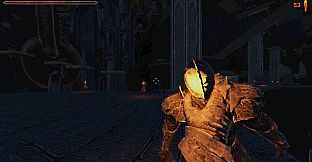
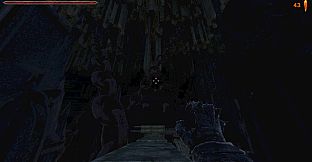
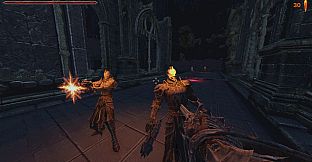
Veltarum is a single-player action indie game on PC that blends retro pixel art with first-person combat and vertical traversal in a dark world of stone towers and suspended chains. Players navigate tight spaces and open gaps while engaging enemies through a mix of ranged gunfire and melee sword strikes, all while managing a time-slowing watch and collecting crystals for upgrades after each death. The core loop centers on constant forward momentum, precise aiming, and repeated attempts to progress through increasingly challenging sections.
Gameplay
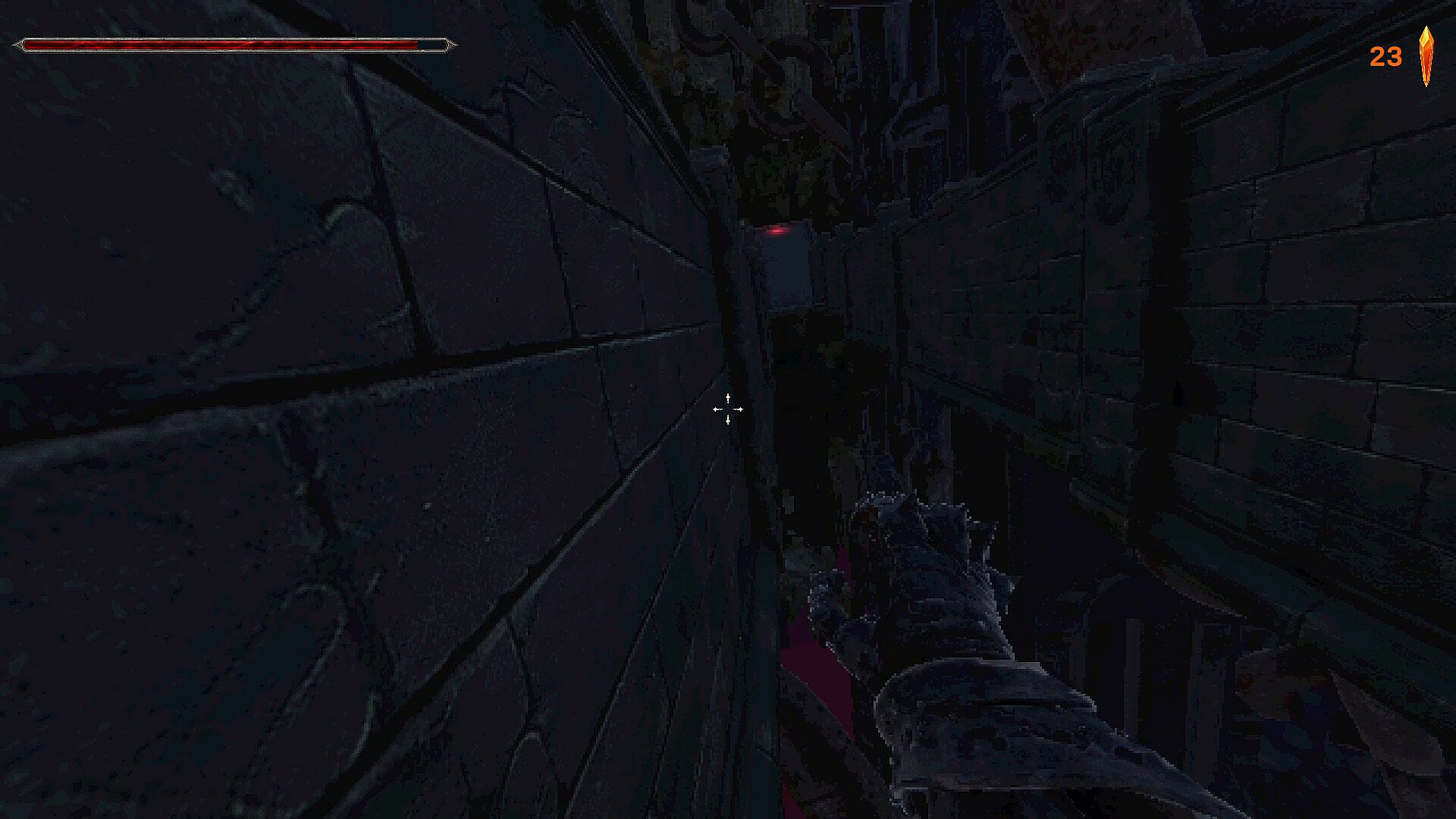
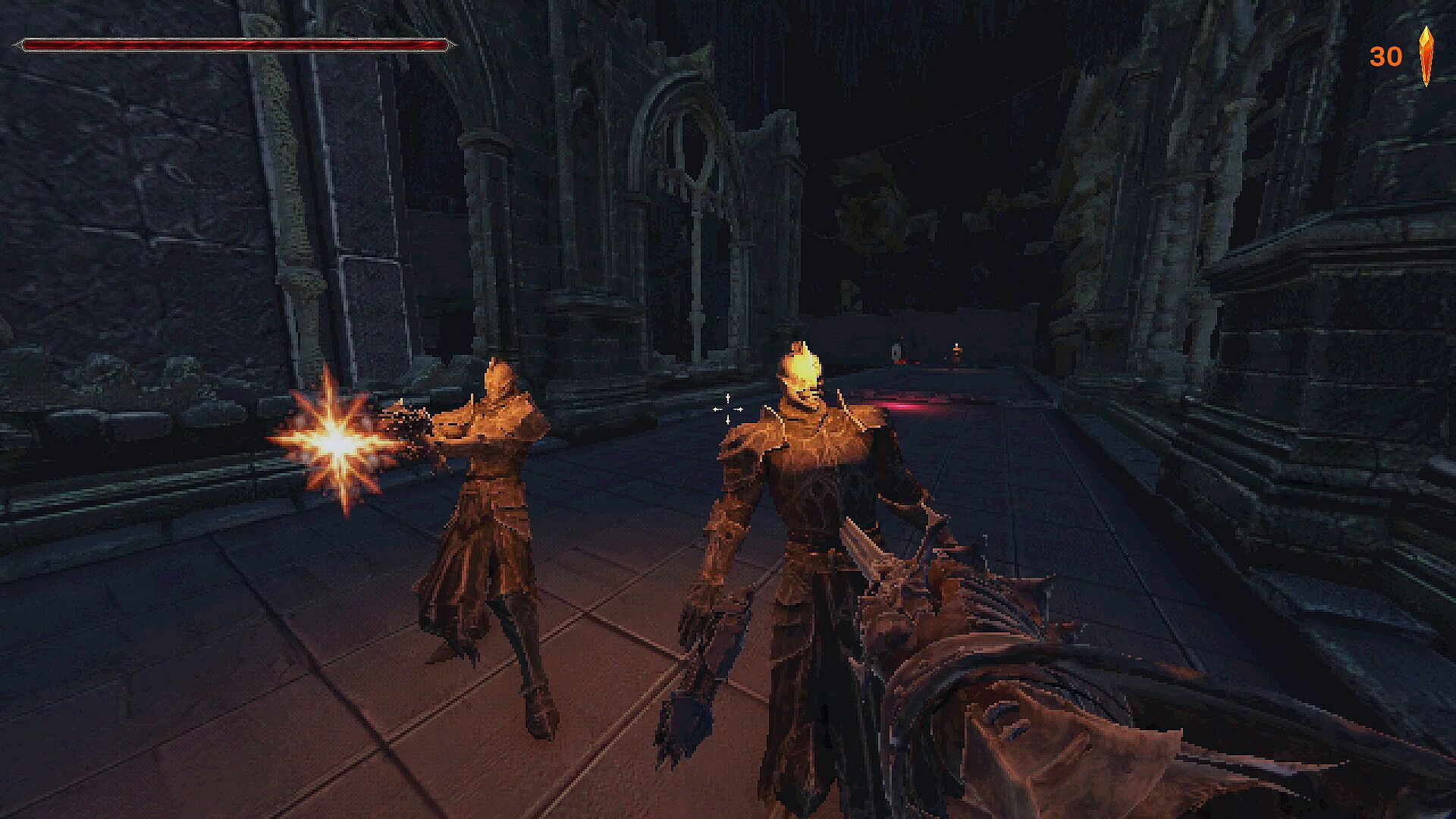
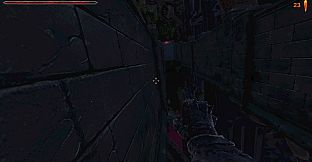
The movement system forms the foundation of every encounter. Wall-running lets players scale vertical surfaces and cross wide gaps, while sprinting and sliding maintain speed under fire. These actions combine with the sword dash to close distances quickly after landing shots from afar. Combat rewards fluid transitions between weapons, as gunfire handles distant threats and the sword delivers close-range finishes. The watch mechanic pauses or slows time briefly, creating windows to line up precise shots or dodge incoming attacks without losing momentum.
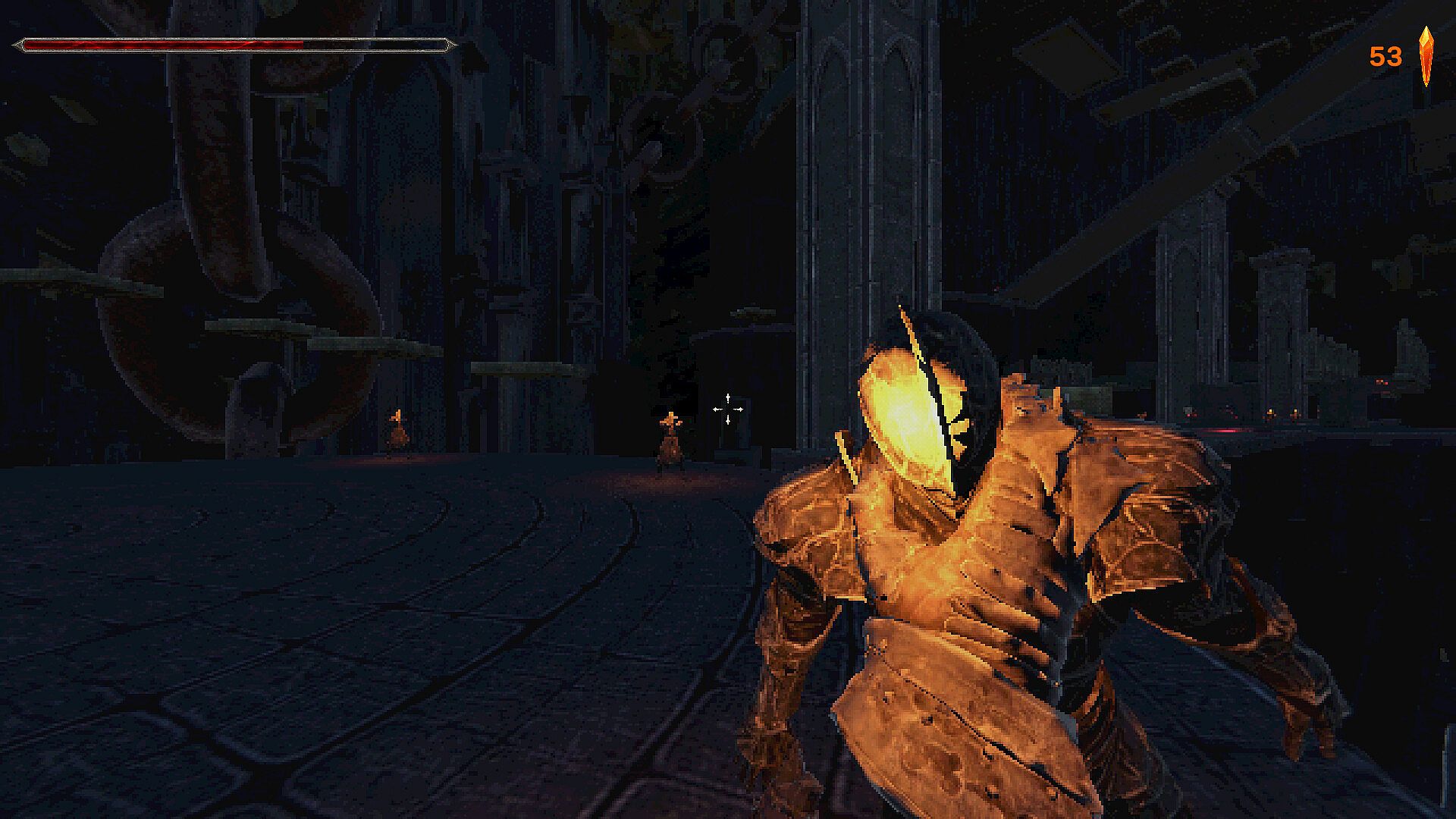
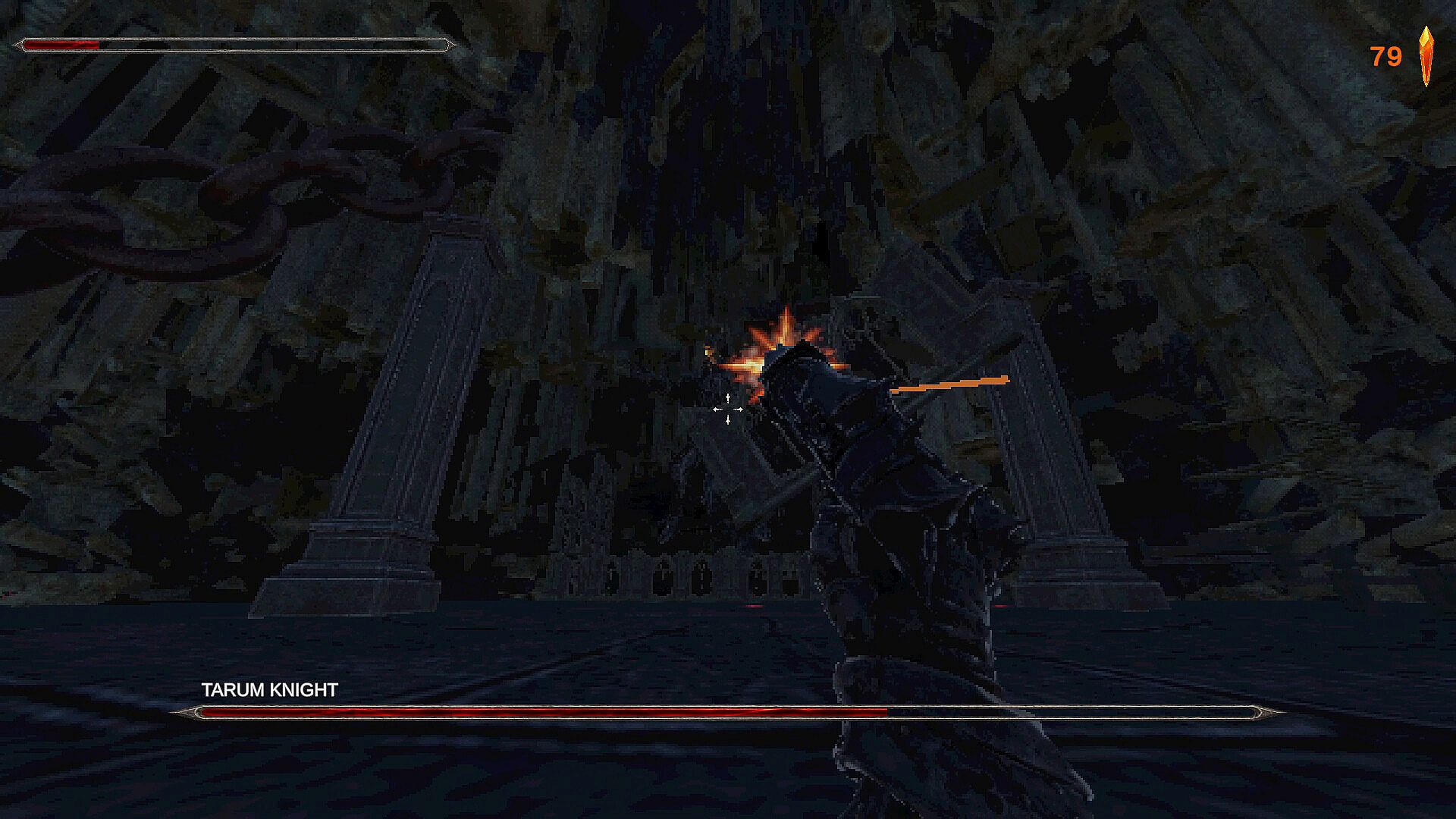
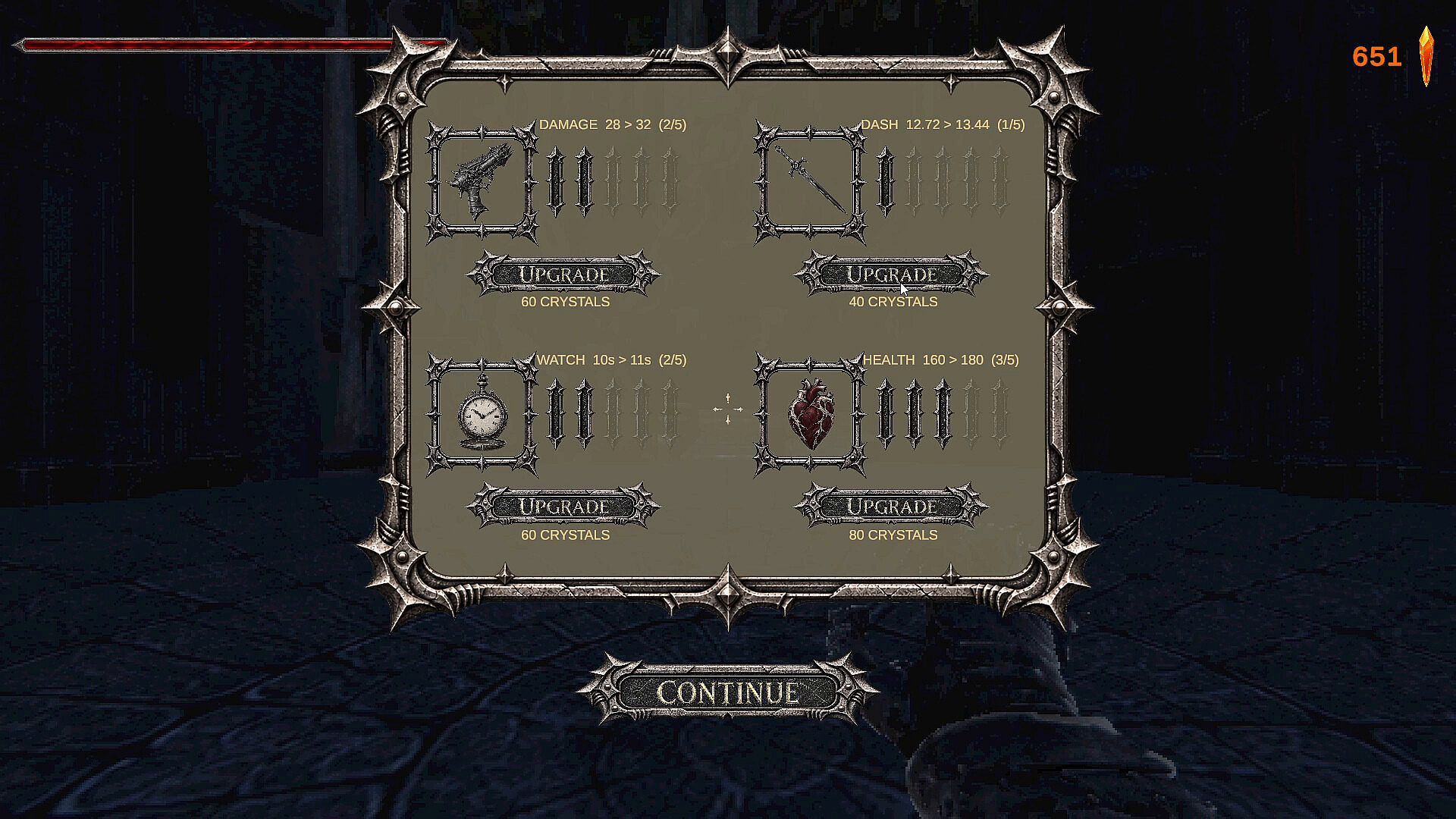
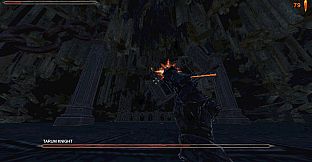
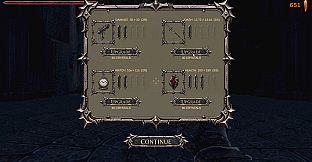
Progression ties directly to repeated failures. Crystals earned during runs fund upgrades that persist across attempts. Four distinct paths cover maximum health, watch duration, sword dash range, and bullet damage, each scaling through five levels. This structure encourages experimentation with different loadout priorities before retrying a section. Boss encounters punctuate the climb, featuring a flying bat and a giant knight whose attacks demand quick reactions and repositioning, such as dodging hurled walls from the knight while maintaining offensive pressure.
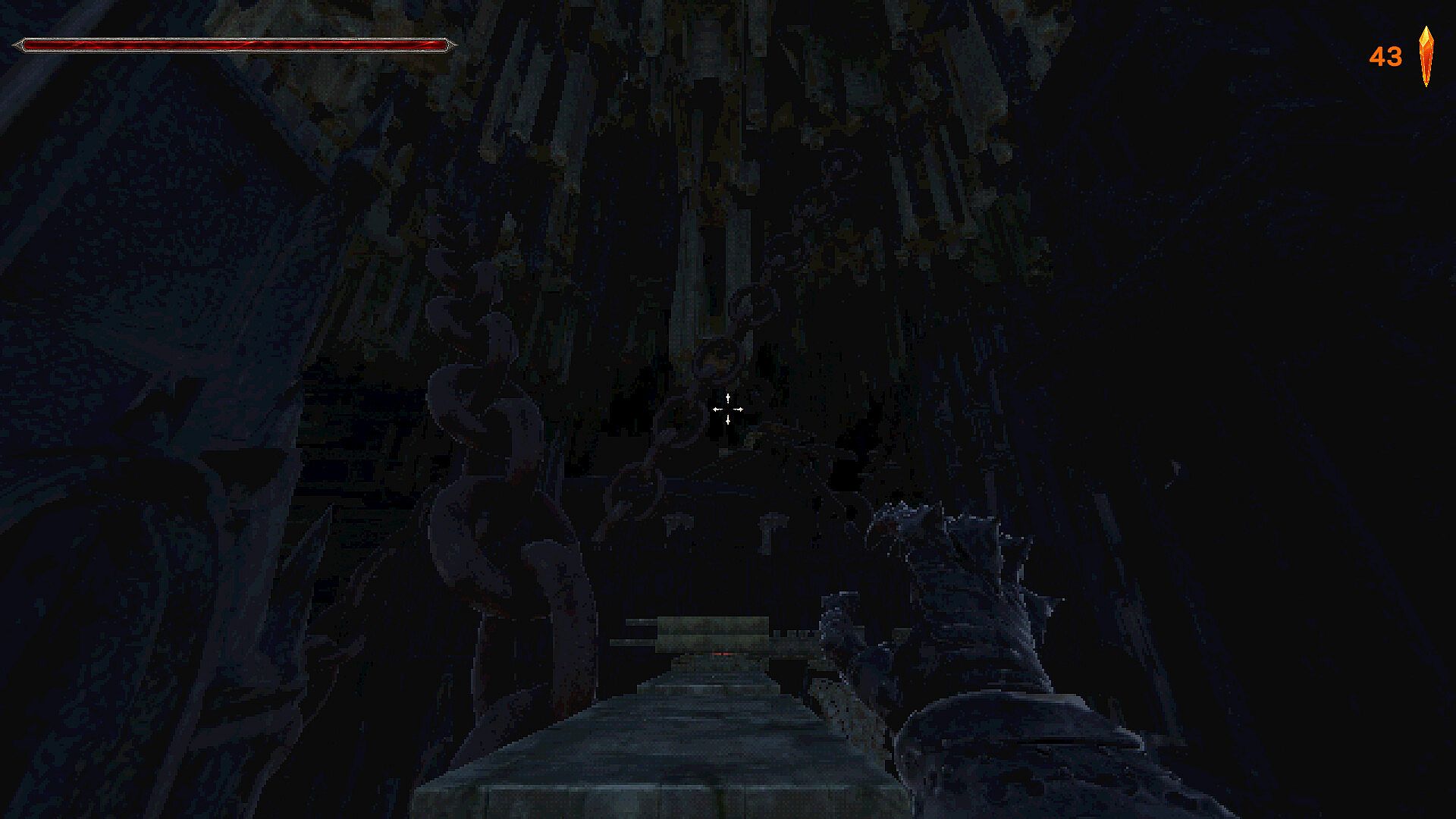
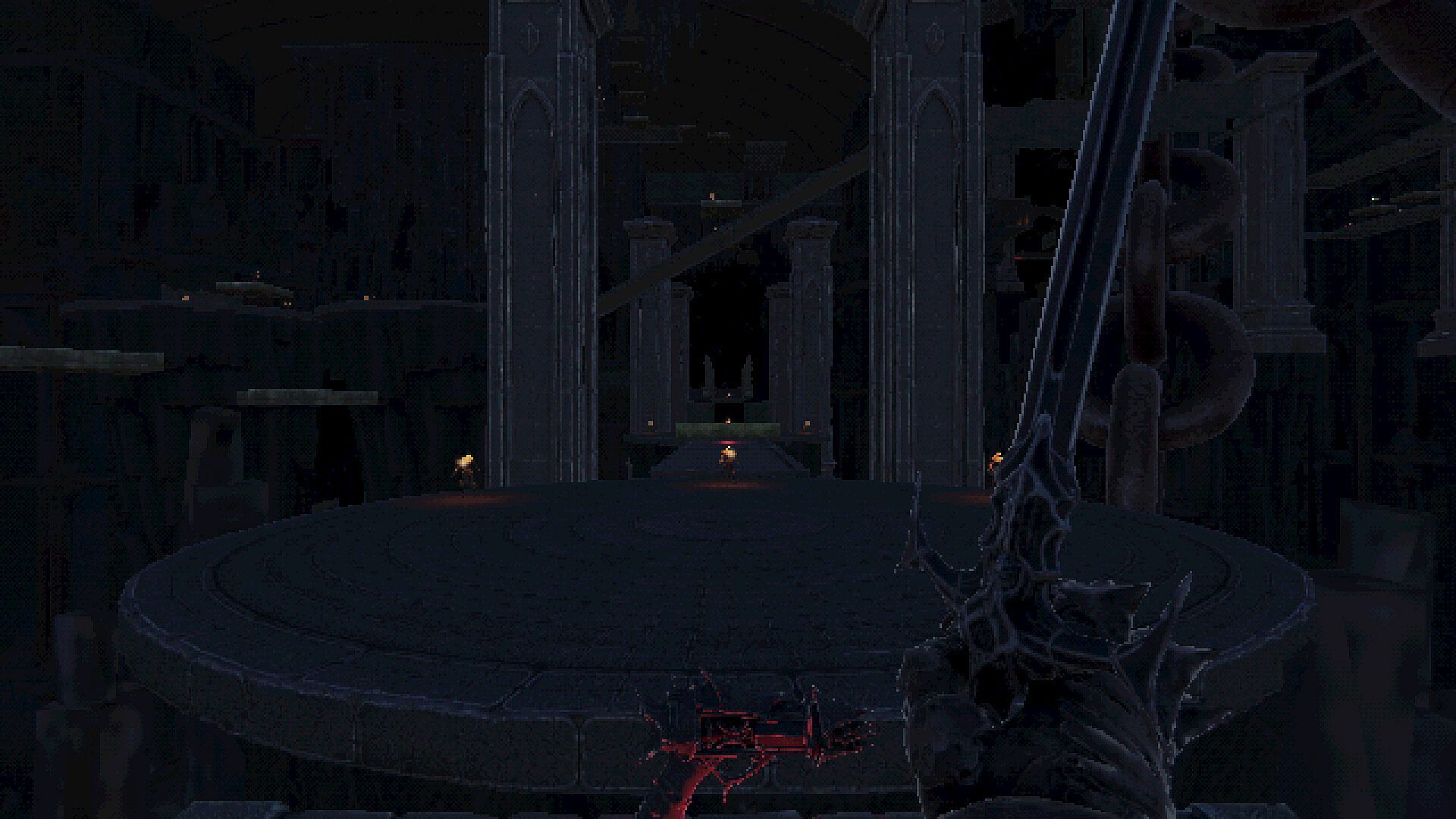
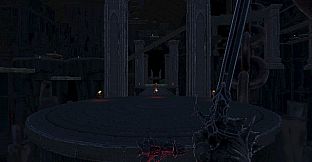
Pixelated retro visuals reinforce the fast-paced feel without cluttering the screen. The dark, vertical environments emphasize height and chain-linked paths, pushing players to read the layout on the fly while tracking multiple threats.
Game Modes
Veltarum operates entirely in single-player. The experience unfolds as a continuous climb through a connected world rather than separate playlists or competitive lobbies. Every run builds on the same core systems of movement, combat, and upgrades, with no additional modes altering the ruleset or introducing co-op elements.
Visuals and Atmosphere
The art direction leans into low-resolution pixel sprites and stark lighting to evoke classic shooters while supporting modern first-person controls. Towering stone structures and massive chains create a sense of scale that rewards vertical exploration. Sound design focuses on crisp gunfire, sword impacts, and the mechanical tick of the watch, keeping attention on the immediate action rather than expansive storytelling.
Is It Worth Playing?
Players who enjoy movement-focused single-player shooters with roguelite progression will find the described systems align closely with that preference. The combination of wall-running, time manipulation, and persistent upgrades between deaths creates a clear loop of learning layouts and refining strategies. Those seeking multiplayer options or varied game modes will not find them here. As an upcoming title with no released player reviews or post-launch updates available yet, the decision rests on how well the listed mechanics match individual tastes for precise, vertical combat in a compact indie package. The upgrade paths and boss patterns offer concrete goals for repeated play sessions once the game becomes available.












