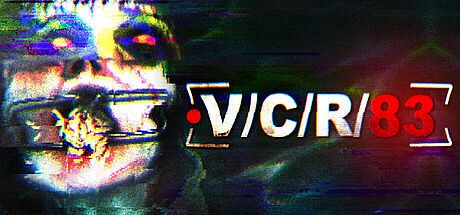



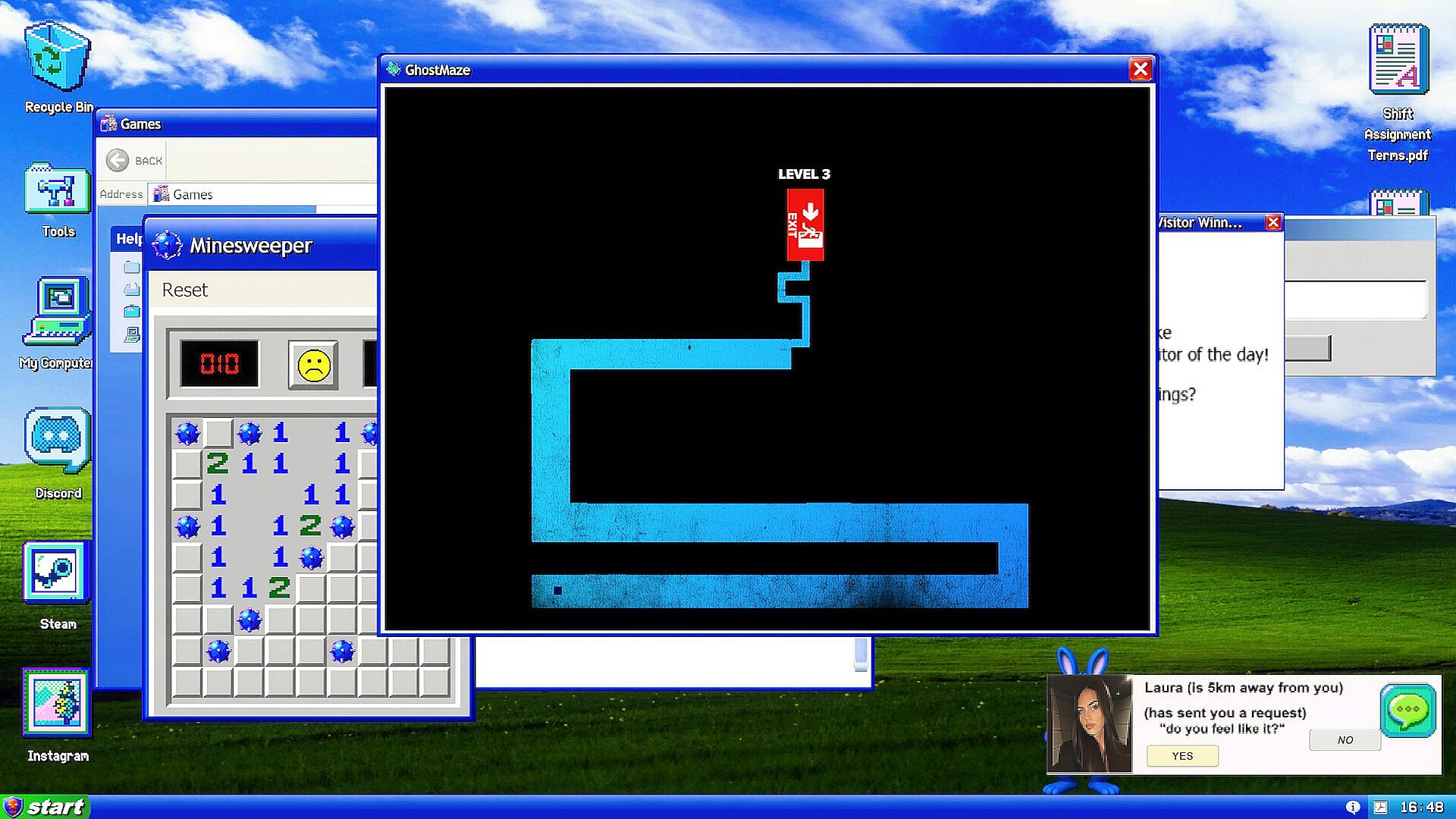
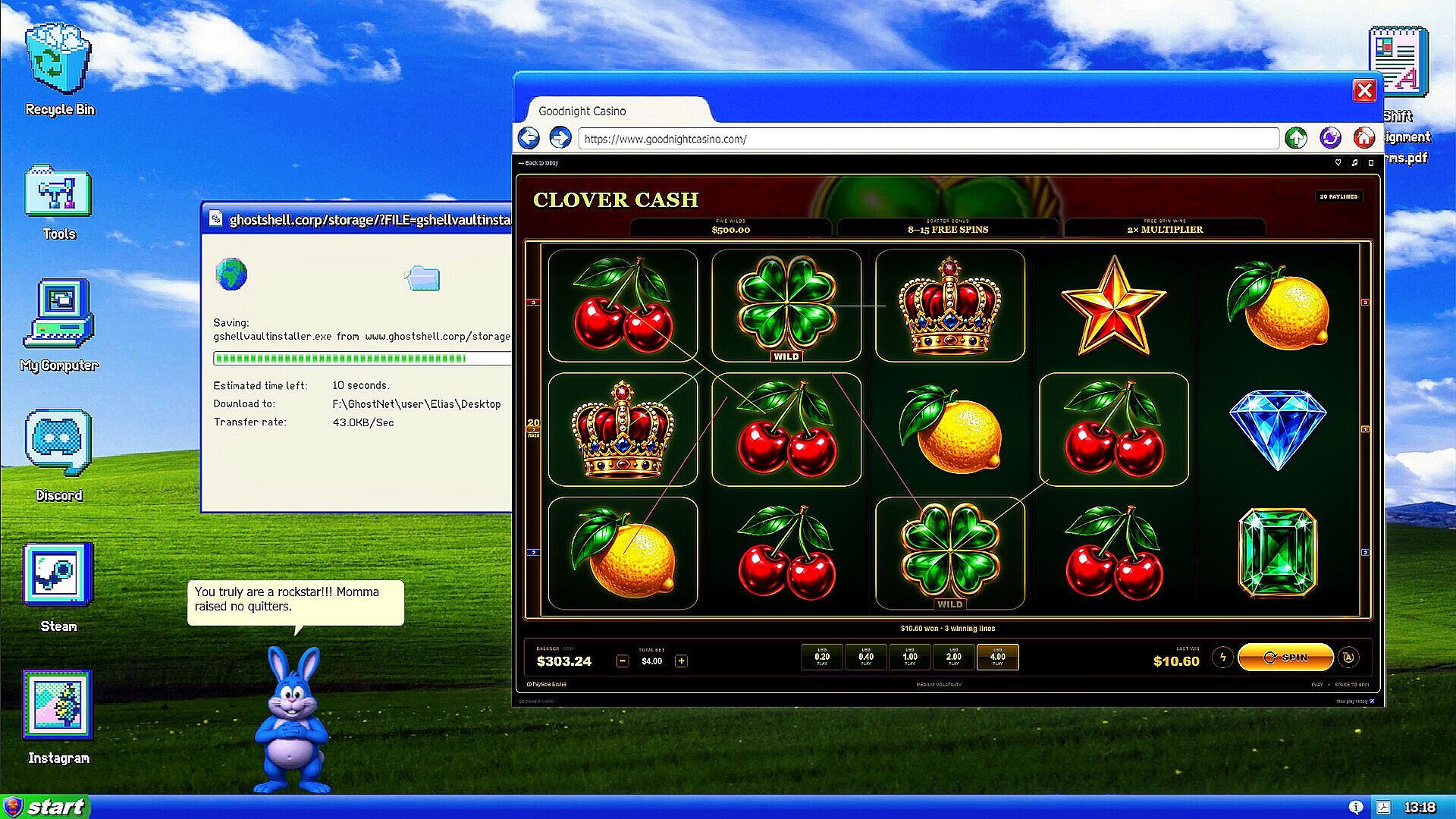
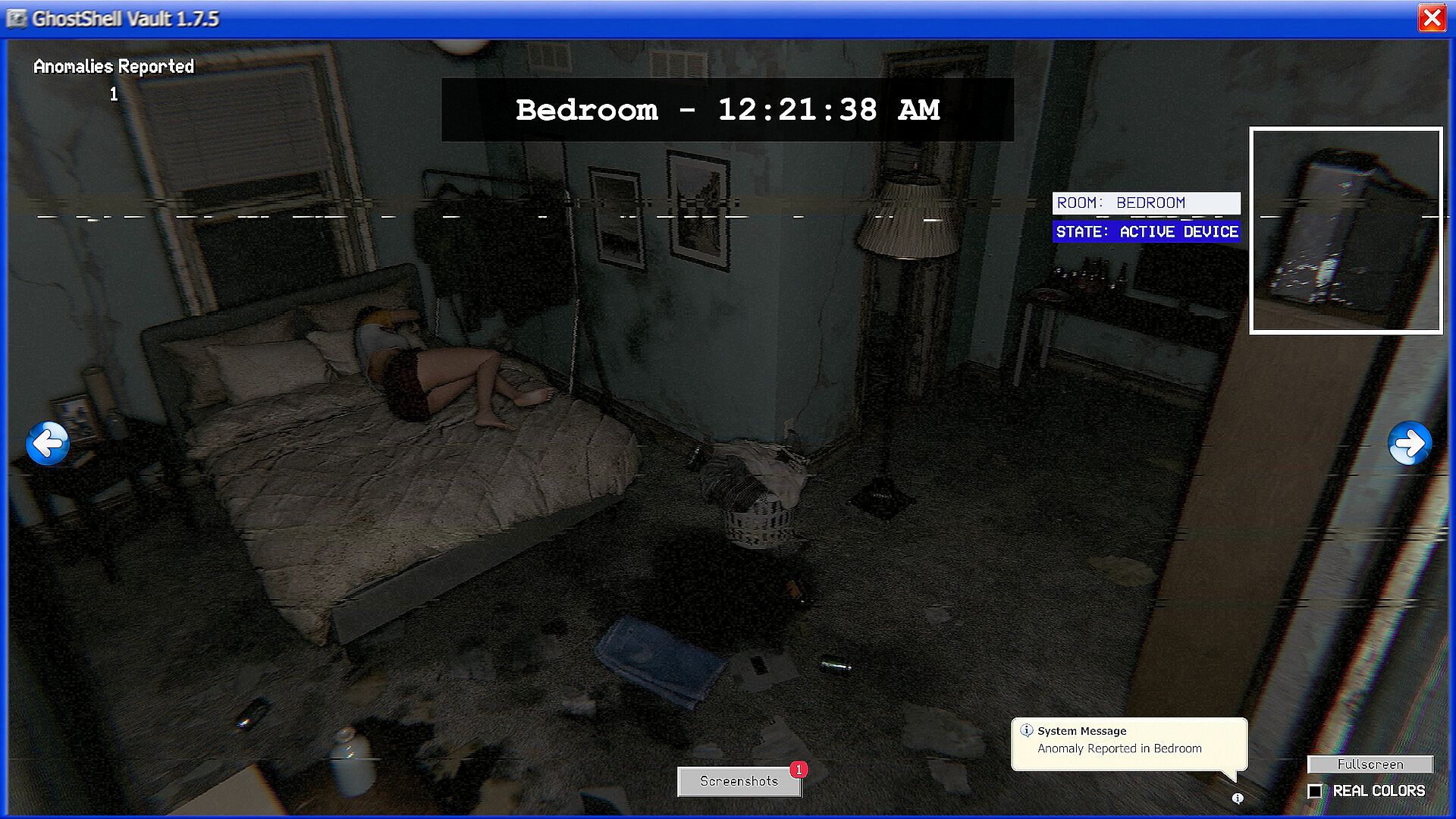
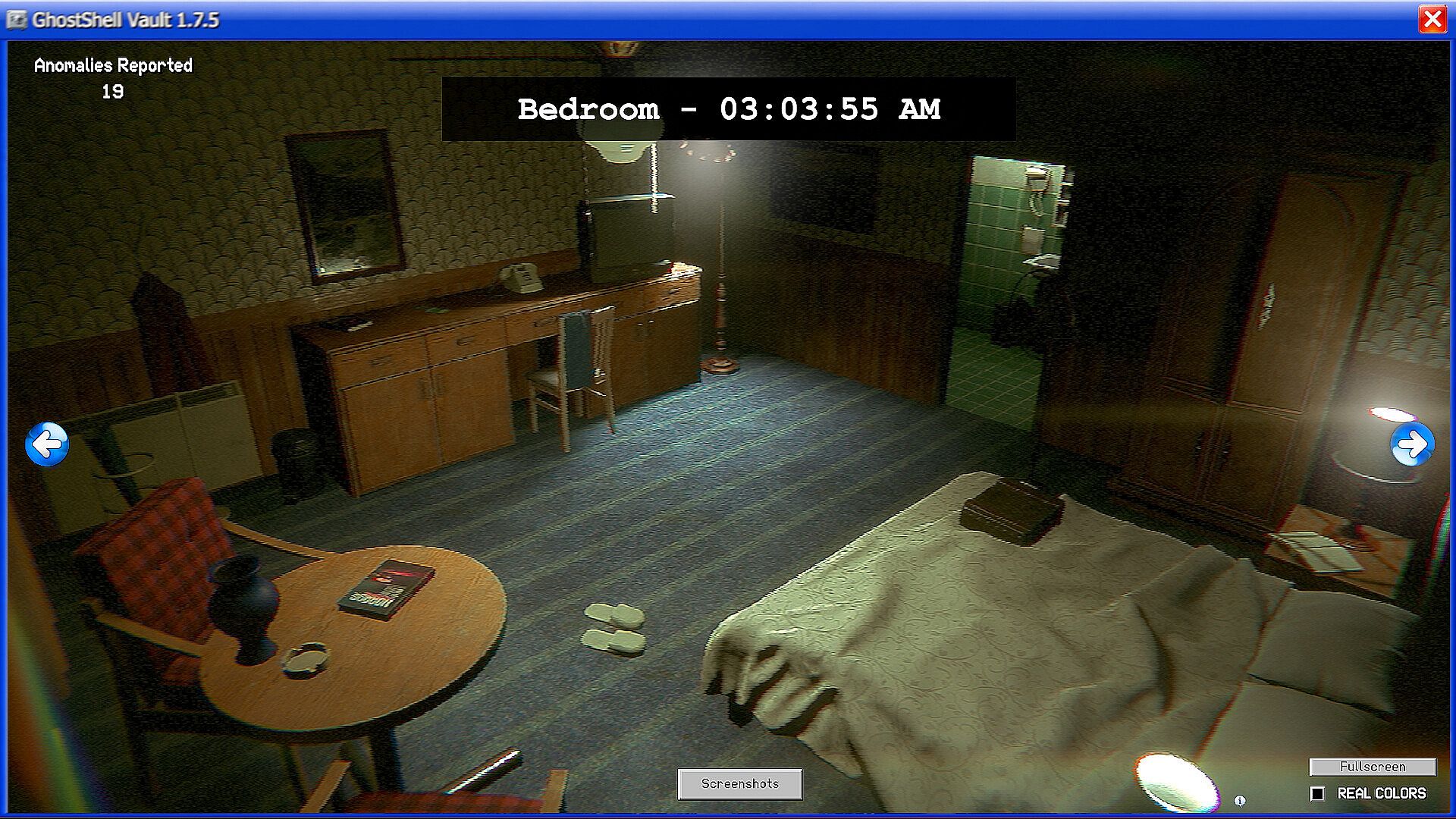
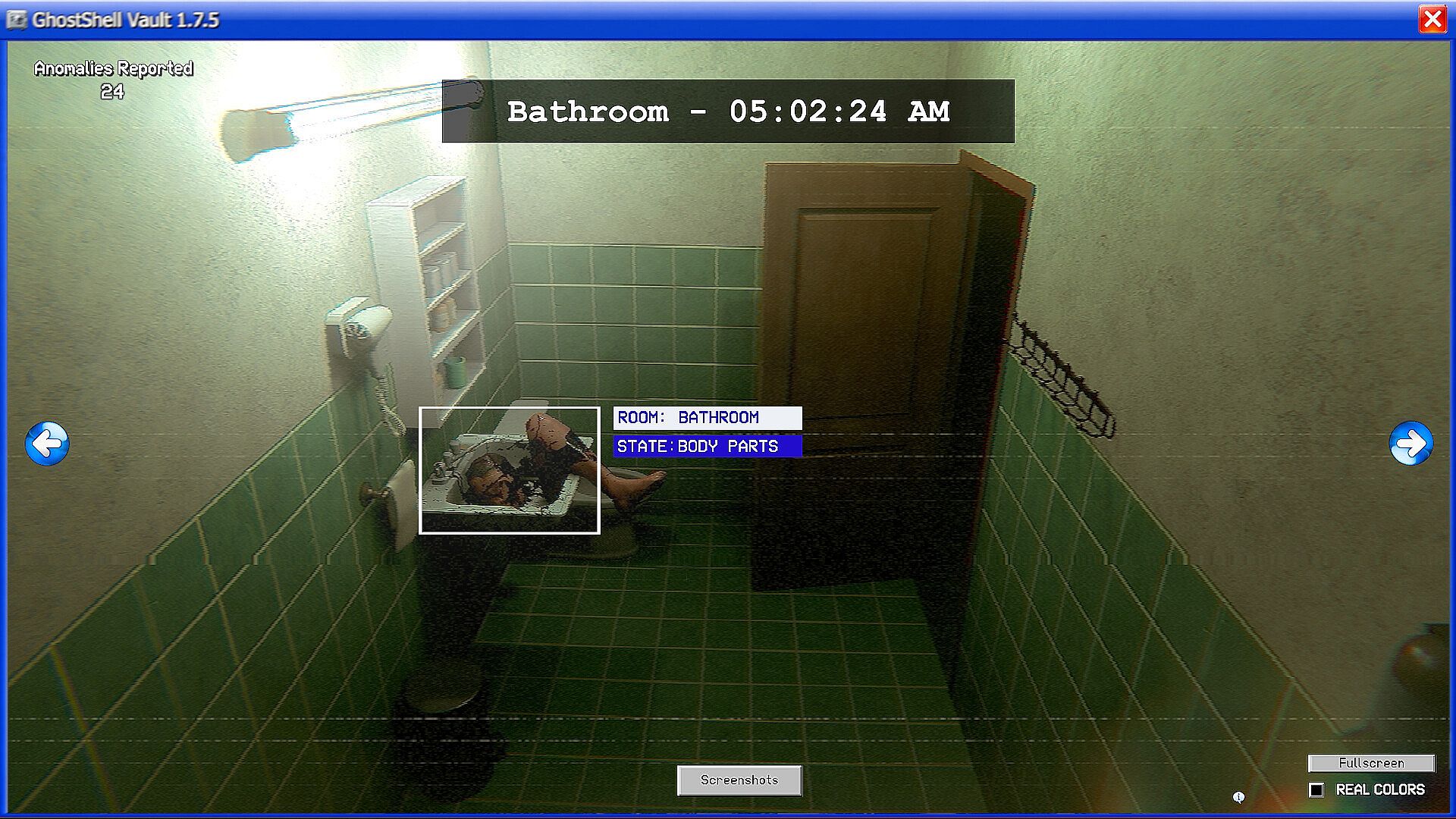
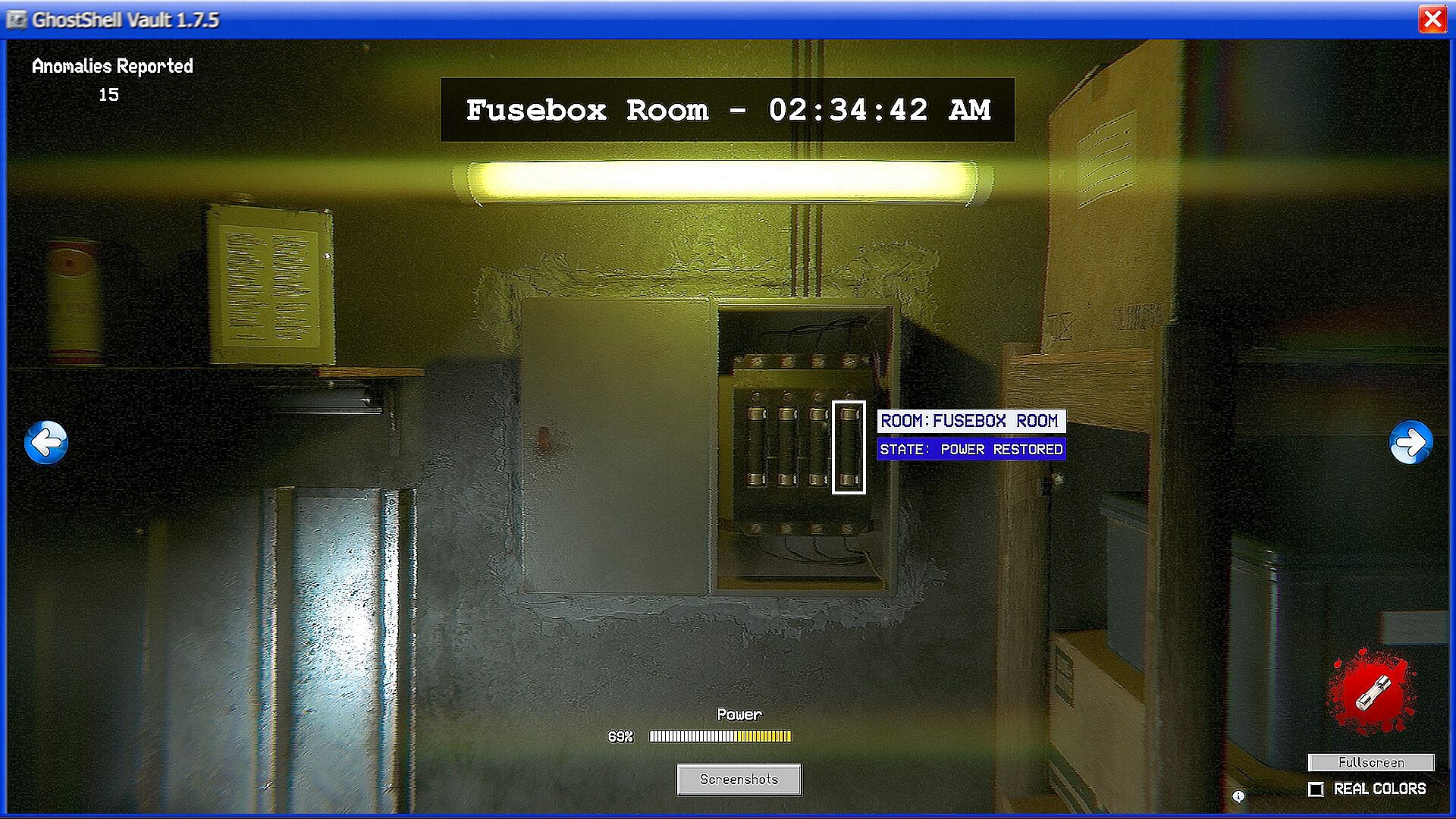

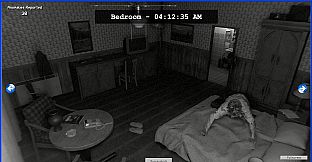
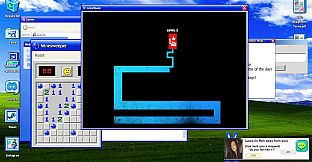

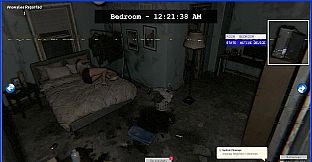
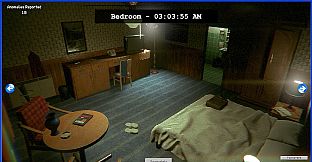
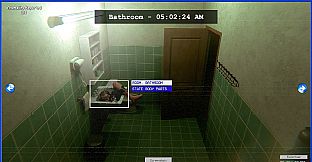
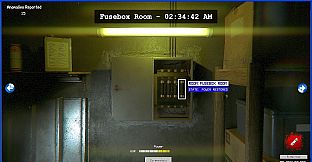
VCR83 stands out as a psychological surveillance horror game developed for PC. Players step into the shoes of a night shift monitor tasked with watching live security feeds across multiple locations. The core experience revolves around identifying and reporting anomalies that appear out of place, all while managing the growing presence of a virtual assistant named Pete.
Gameplay
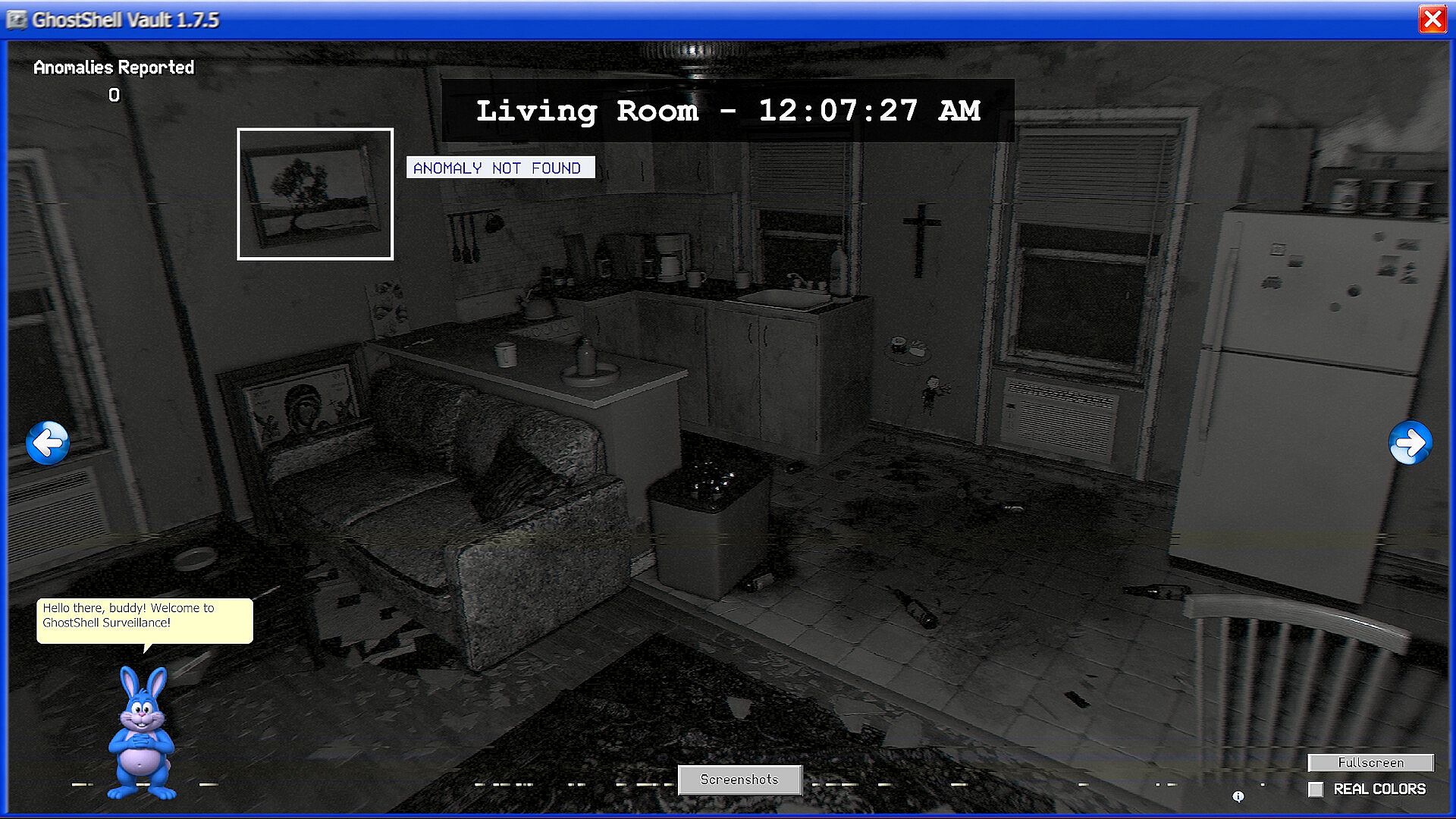
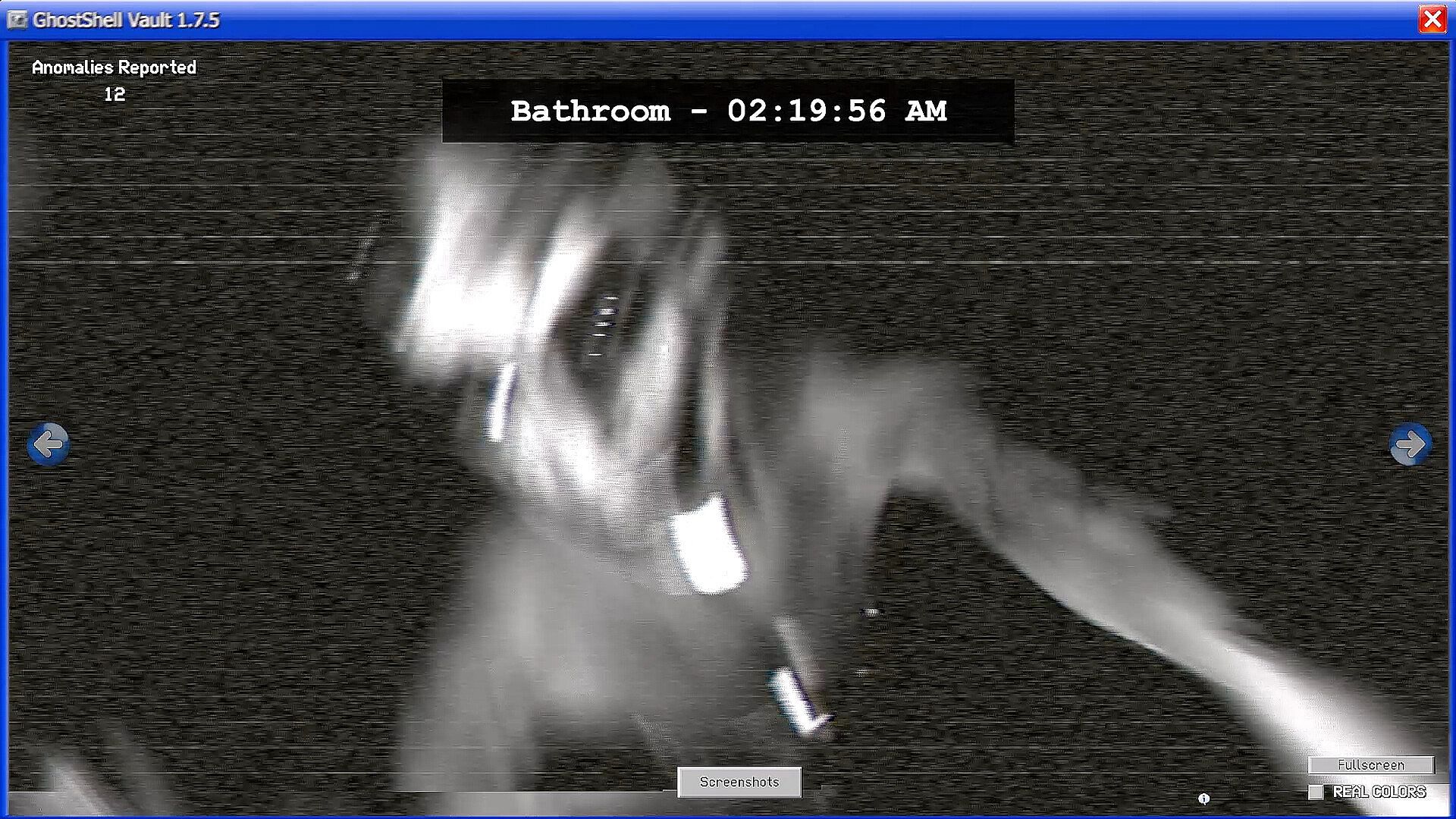
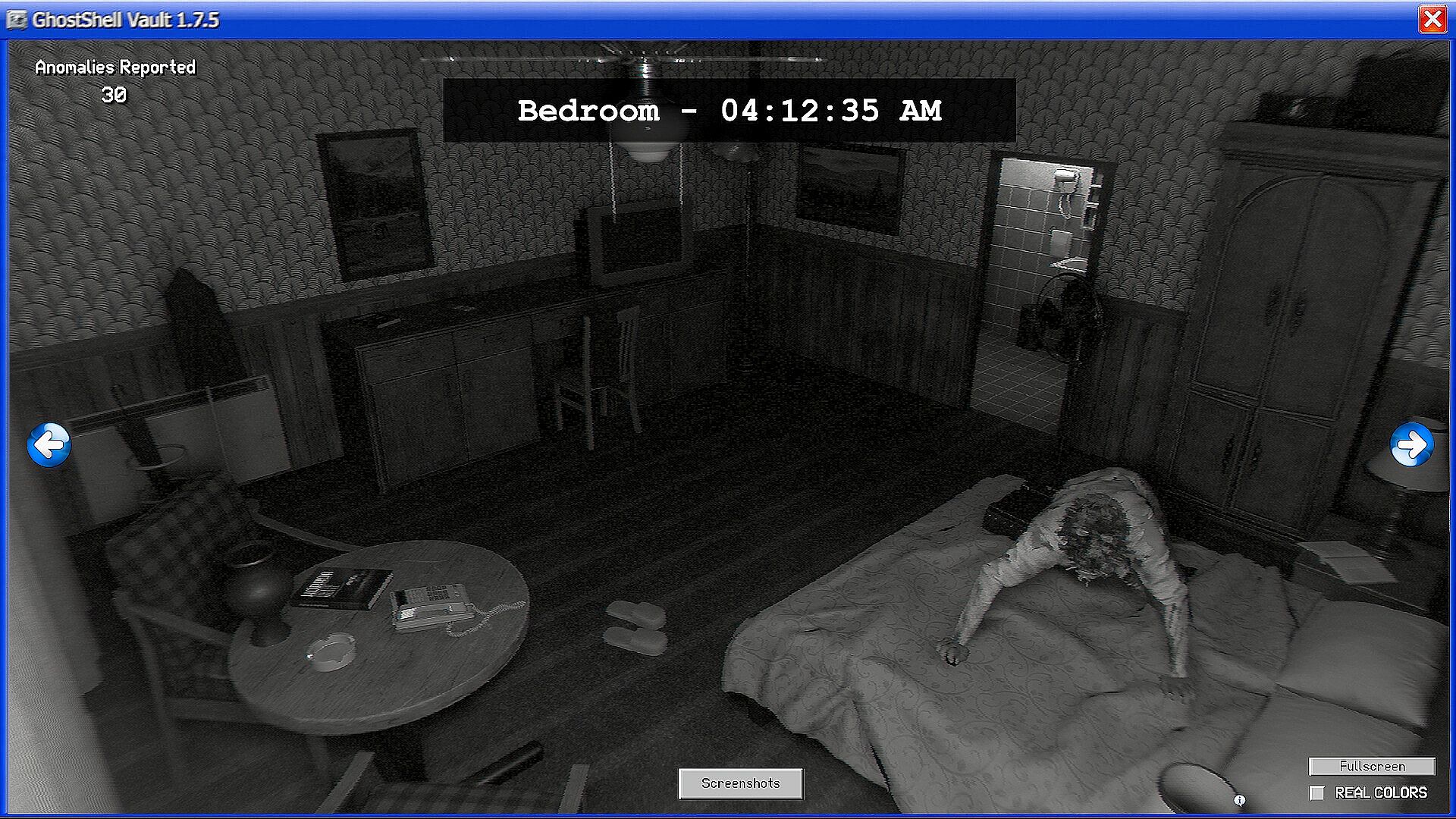
The central loop involves scanning camera views for anything unusual. When something catches the eye, a simple click reports it. Correct reports earn tokens that unlock further content and advance the shift toward its conclusion. Incorrect reports carry their own consequences, adding tension to every decision. The system keeps controls minimal so attention stays on the screens rather than menus or complex interfaces.
Pete serves as an on-screen companion who comments on shift outcomes, responds to direct questions, sings on request, and gradually reveals more about his own observations. His reactions evolve with player performance, creating a sense of ongoing interaction that extends beyond standard game mechanics. Four distinct locations provide separate sets of cameras, each carrying unique anomalies, atmospheric details, and narrative threads that unfold across play sessions.
After completing a shift, a dedicated Aftermath sequence becomes available. These short playable segments let players explore the location once the cameras are off, revealing what transpired in the spaces between monitored moments. The sequences last three to five minutes and tie directly into the level just finished.
Game Modes
Several options alter the pace and reliability of the experience. Easy mode reduces pressure on timing and anomaly frequency. Normal mode presents a balanced challenge suitable for most players. Hard mode increases the speed and subtlety of changes on screen. Real Time Mode removes pauses and forces continuous observation. Shuffle Mode randomizes camera feeds and anomaly placement. Dark Mode limits visibility and heightens uncertainty about what appears on the monitors.
These variations allow repeated visits to the same locations while changing how quickly events unfold and how much visual information can be trusted. Tokens earned across modes contribute to unlocking new levels and deepening access to the overall narrative.
Levels and Progression
Progression centers on four playable levels, each tied to a different monitored site. Successful shifts and accurate reporting open the next location along with its associated Aftermath sequence. Tokens function as the primary currency for advancement, rewarding careful observation rather than speed alone. Pete's evolving dialogue and behavior provide additional layers of feedback that reflect cumulative choices across multiple sessions.
The structure encourages experimentation with different modes on familiar levels to uncover new anomalies or story details. Secrets within each site reward thorough camera sweeps and precise reporting.
Is It Worth Playing?
VCR83 targets players who enjoy deliberate, observation-based horror experiences. The emphasis on camera monitoring and anomaly detection creates a focused single-player loop that differs from action-oriented titles. Pete's expanding role adds an interpersonal element that grows more unsettling as shifts accumulate.
With a release scheduled for Q4 2026, the game remains in development. Those drawn to surveillance mechanics and psychological tension may find the described systems and four levels appealing once it arrives. The variety of modes supports different play styles, from relaxed exploration to high-pressure sessions. Availability on PC positions it for audiences seeking niche horror titles built around monitoring and decision-making under uncertainty.