




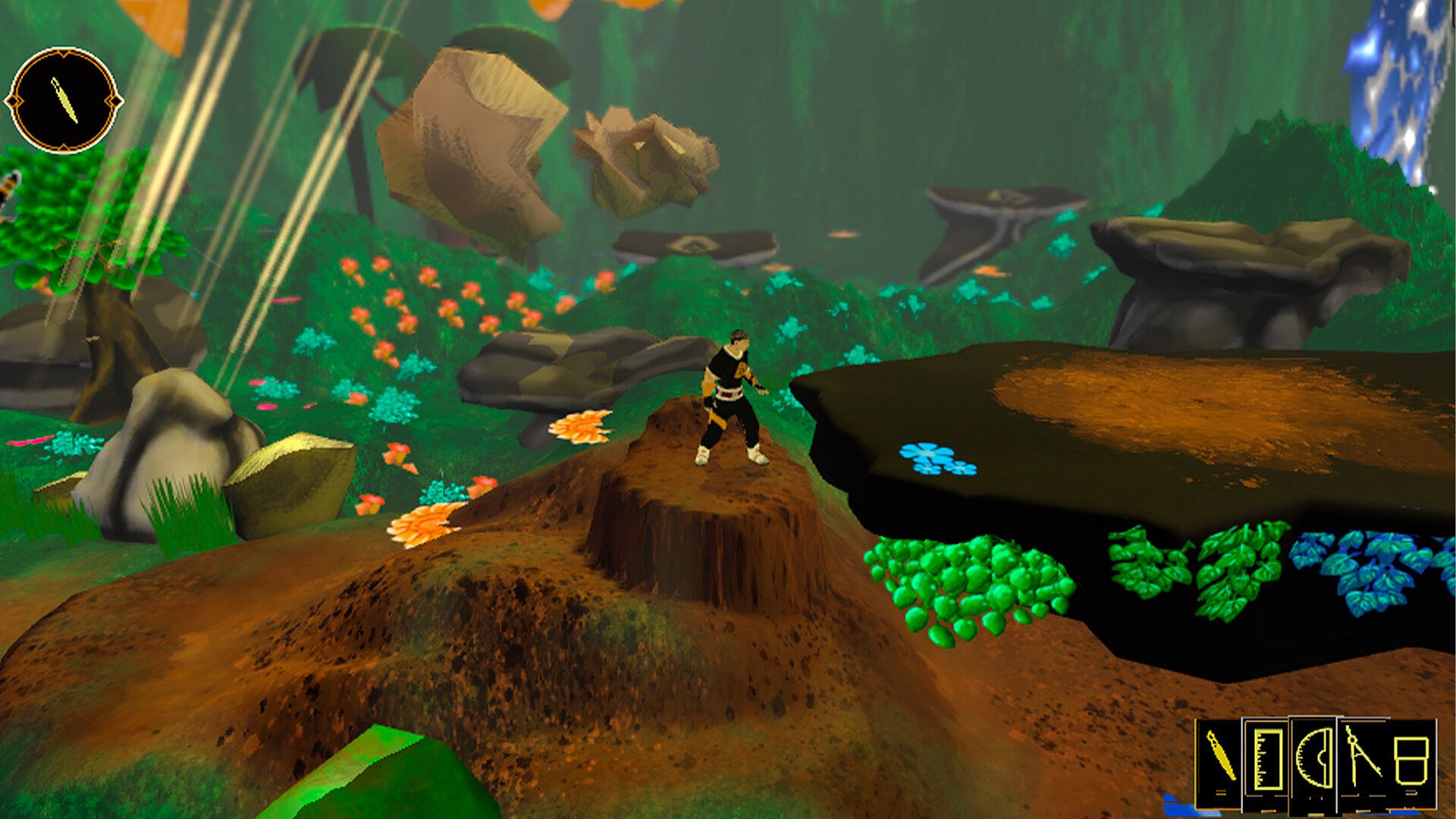
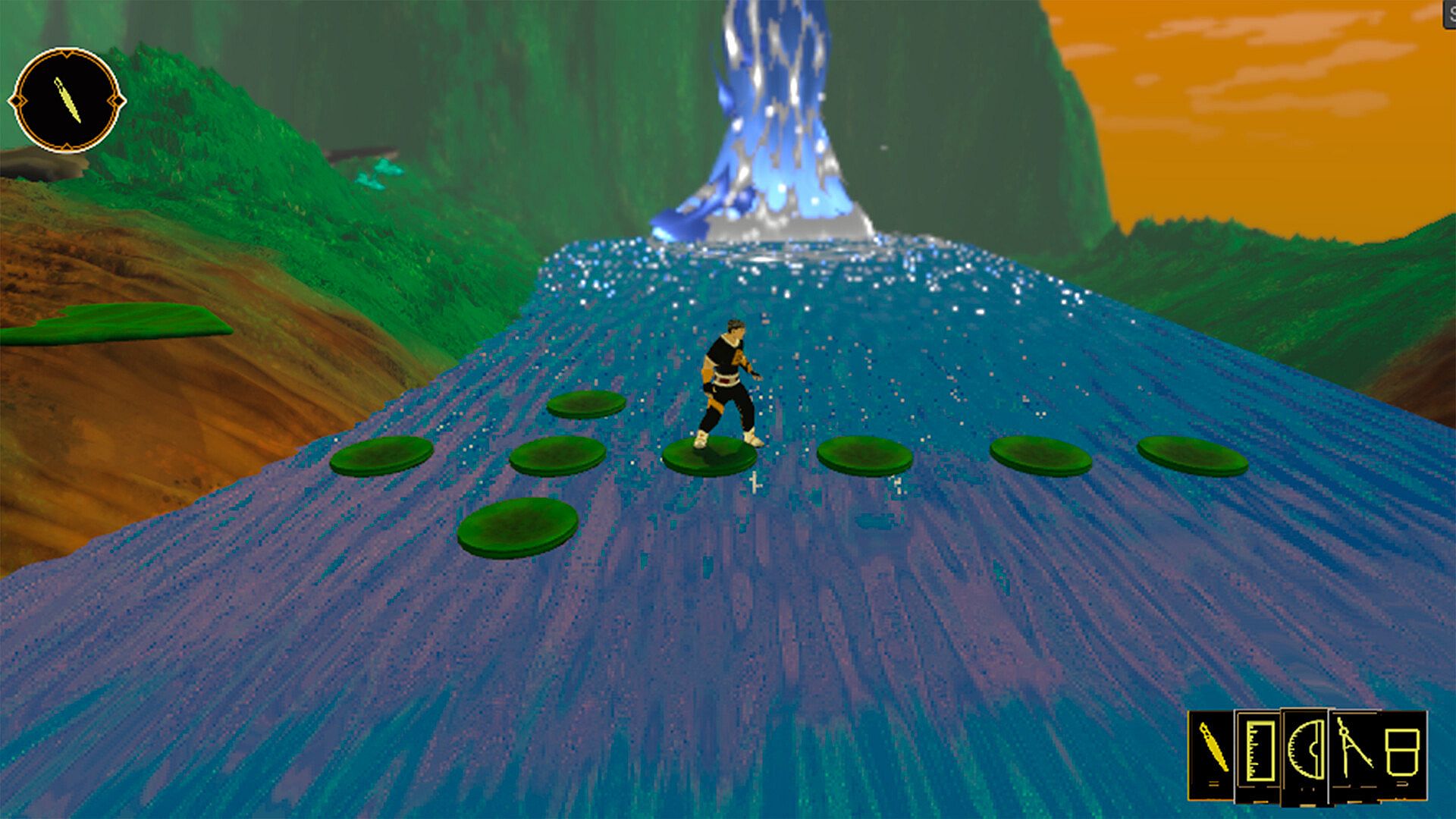
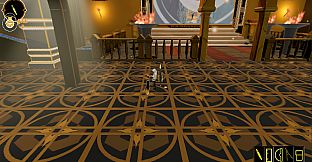
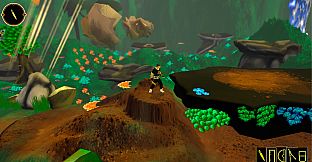
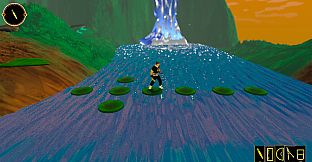
Trascendentales is a single-player indie adventure puzzle platformer developed for PC. Players take on the role of Azrael, the new Guardian of an abandoned Art Gallery, tasked with restoring harmony across seven worlds disrupted by corrupting energy. The experience centers on puzzle-solving that draws directly from the seven principles of art, with each world embodying one principle: Balance, Contrast, Pattern, Movement, Proportion, Emphasis, and Unity.
Gameplay
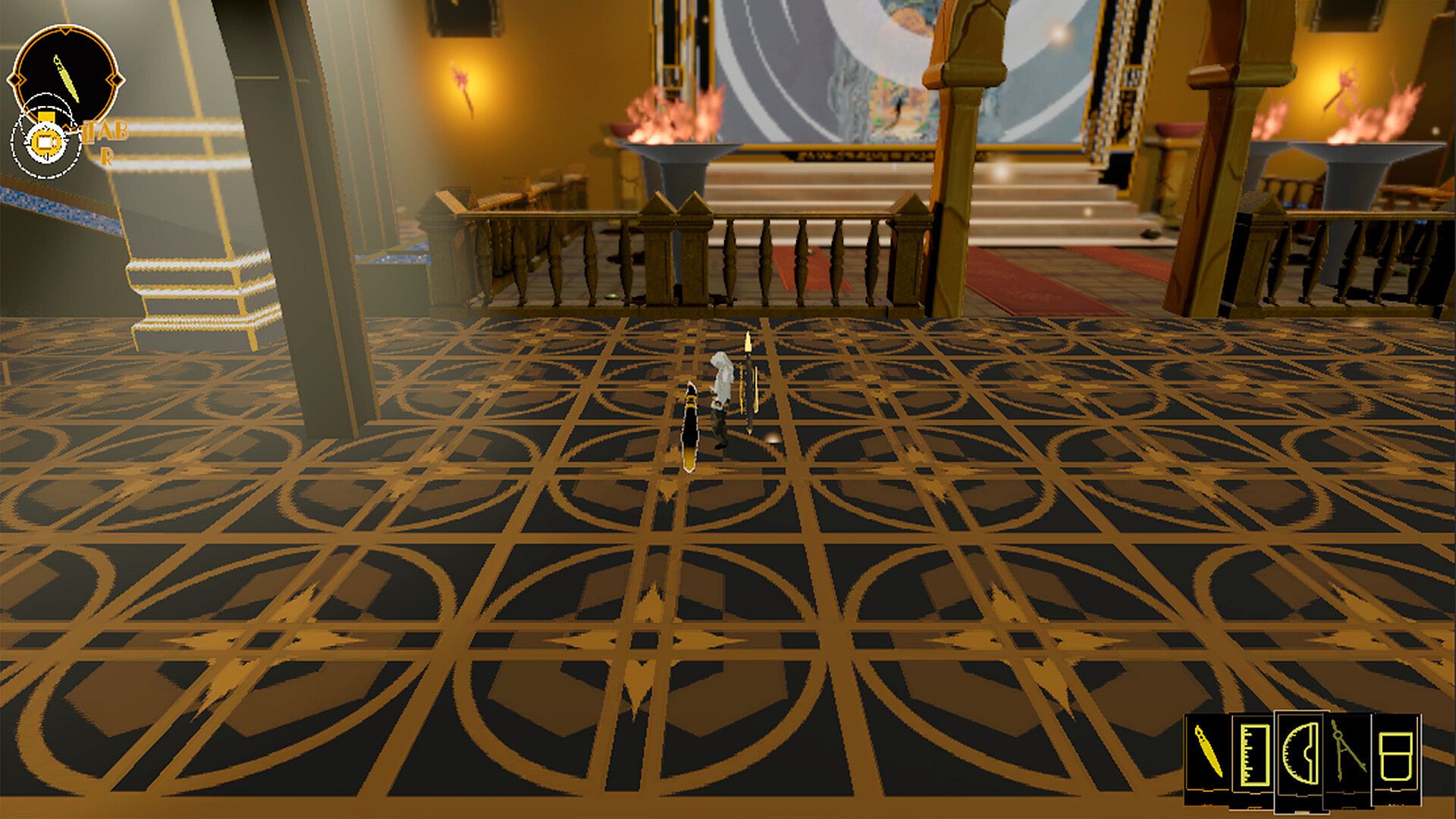
The core loop involves navigating levels by mastering five dimensional artist tools. These tools enable changes to object scale, position, rotation, and solidity, along with painting and erasing elements as needed. Perspective shifts between 2D and 3D views let players reframe challenges and reveal new solutions or paths. Camera rotation between two fixed third-person angles uncovers hidden routes and secrets that remain invisible from a single viewpoint.
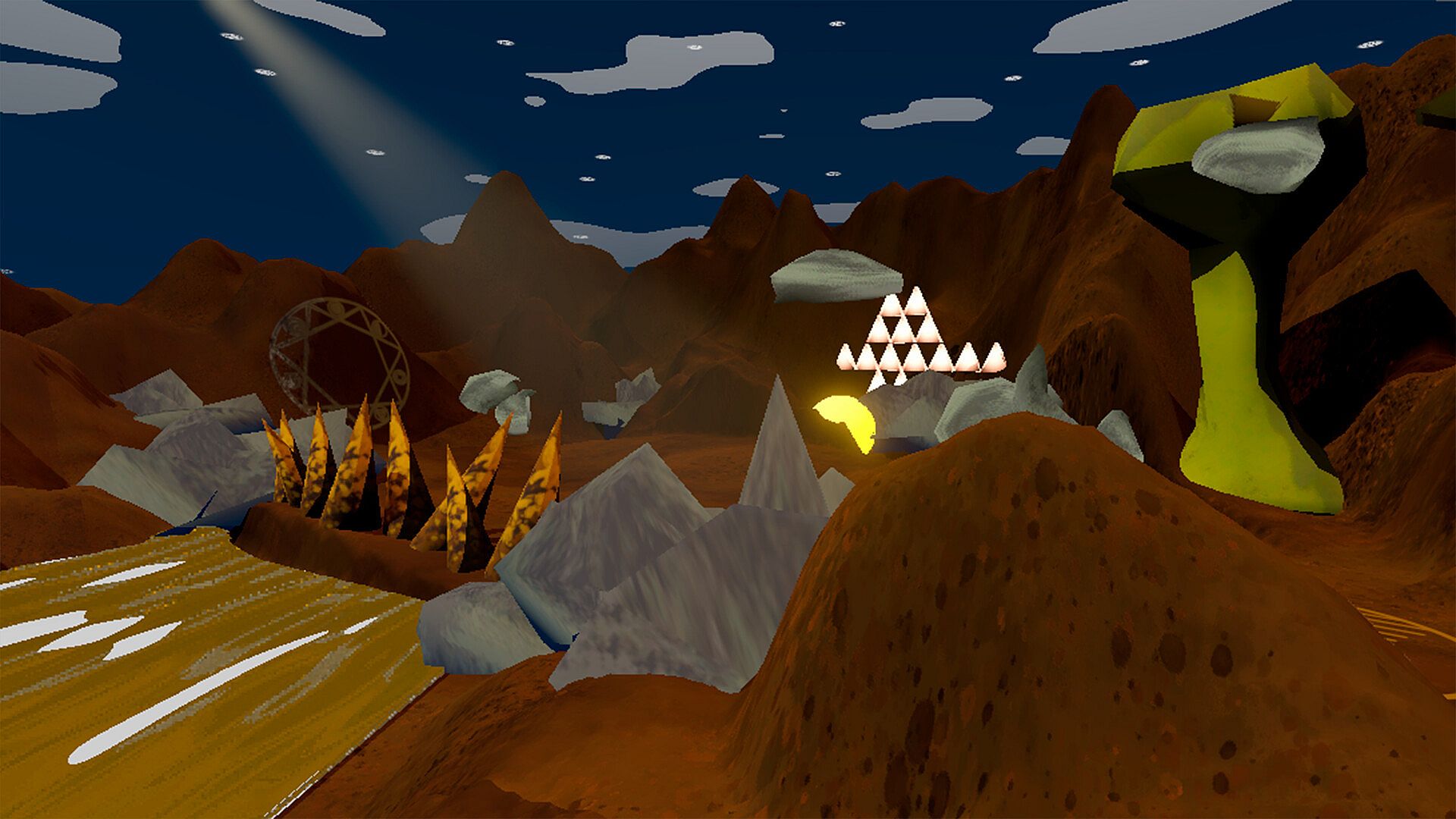
Puzzles integrate the art principles as thematic and mechanical foundations. Each world presents distinct challenges that test understanding of its core concept, such as achieving visual or structural balance or emphasizing key elements through manipulation. The platforming elements combine with these tools to create layered problems where players experiment with object properties and viewpoints to progress. Exploration rewards careful observation, as rotating the camera or shifting perspectives often exposes alternative routes or required adjustments.
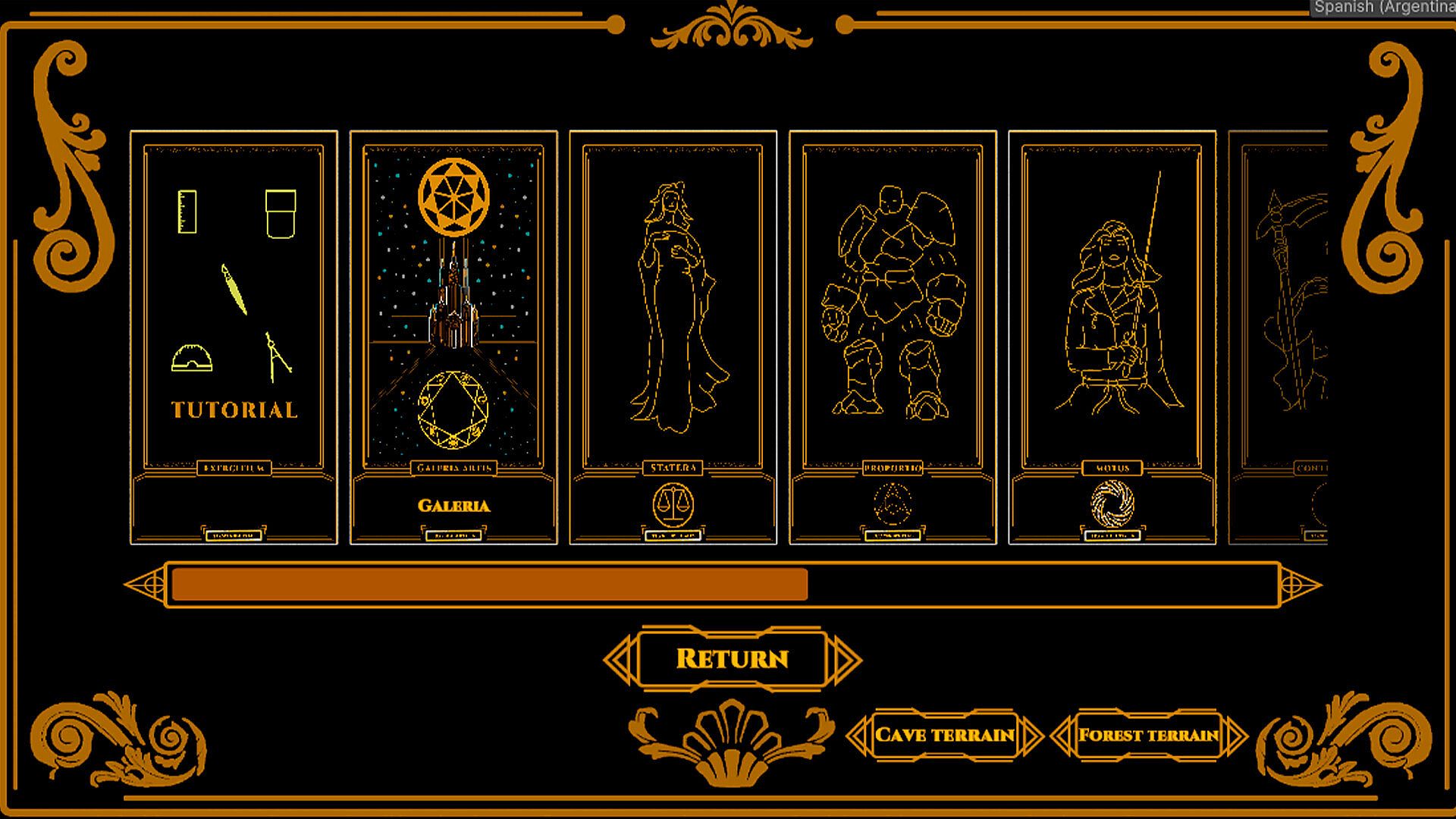
Progression flows through the seven worlds in sequence, with each building on prior mechanics while introducing new applications of the tools. The single-player structure emphasizes thoughtful experimentation over speed or combat, encouraging players to revisit areas with fresh perspectives after acquiring additional tool proficiency.
Game Modes
Trascendentales supports only single-player mode. The entire experience unfolds as a linear yet exploratory journey through the Art Gallery and its connected worlds, with no multiplayer components or separate competitive or cooperative options confirmed. All puzzle-solving, tool usage, and world restoration occur within this solo framework, allowing uninterrupted focus on the mechanics and narrative of guardianship.
Exploration and Puzzle Design
Levels incorporate environmental interaction as a primary driver. Players manipulate objects across dimensions to bridge gaps, alter pathways, or align elements according to each world's art principle. The fixed camera angles limit free control but reward precise timing and positioning when rotating between views to spot interactive elements or required configurations. This design keeps challenges grounded in observation and adjustment rather than open-ended freedom.
Secrets and optional paths emerge from the perspective mechanics, adding depth without altering the main sequence. The tools evolve in application as players advance, applying the same five functions in increasingly complex combinations tied to the art principles. This creates a cohesive loop where mastery of manipulation directly supports both puzzle resolution and world restoration.
Is It Worth Playing?
Trascendentales remains unreleased, listed as coming soon with no user reviews or completed play data available. Its appeal lies in the focused single-player puzzle platformer structure for those drawn to mechanics involving dimensional shifts, object manipulation, and art-inspired problem solving. The confirmed features center on deliberate exploration and tool experimentation within a contained adventure framework, suiting players who enjoy methodical puzzle games over action or multiplayer elements. Potential interest depends on preference for the described perspective and tool systems once the title launches.












