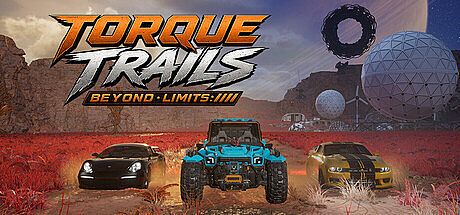


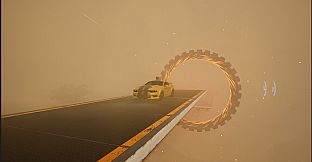
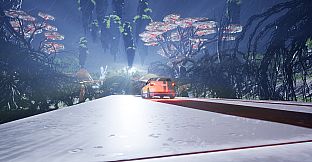
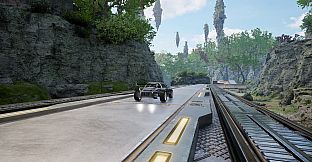
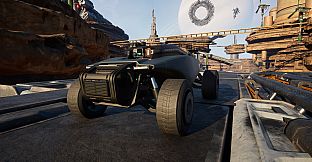
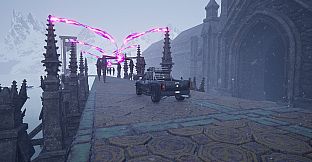
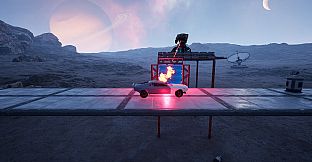

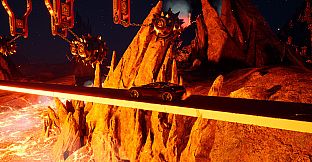
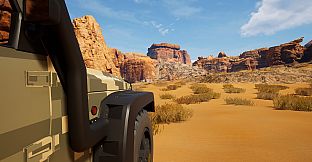
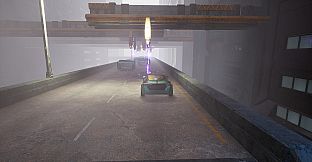
Torque Trails: Beyond Limits es un juego de carreras de acción en solitario centrado en el desplazamiento con vehículos. El jugador controla una selección de coches y camiones a través de circuitos complejos donde el éxito depende del ritmo, el equilibrio y la colocación precisa en lugar de la velocidad máxima.
Gameplay
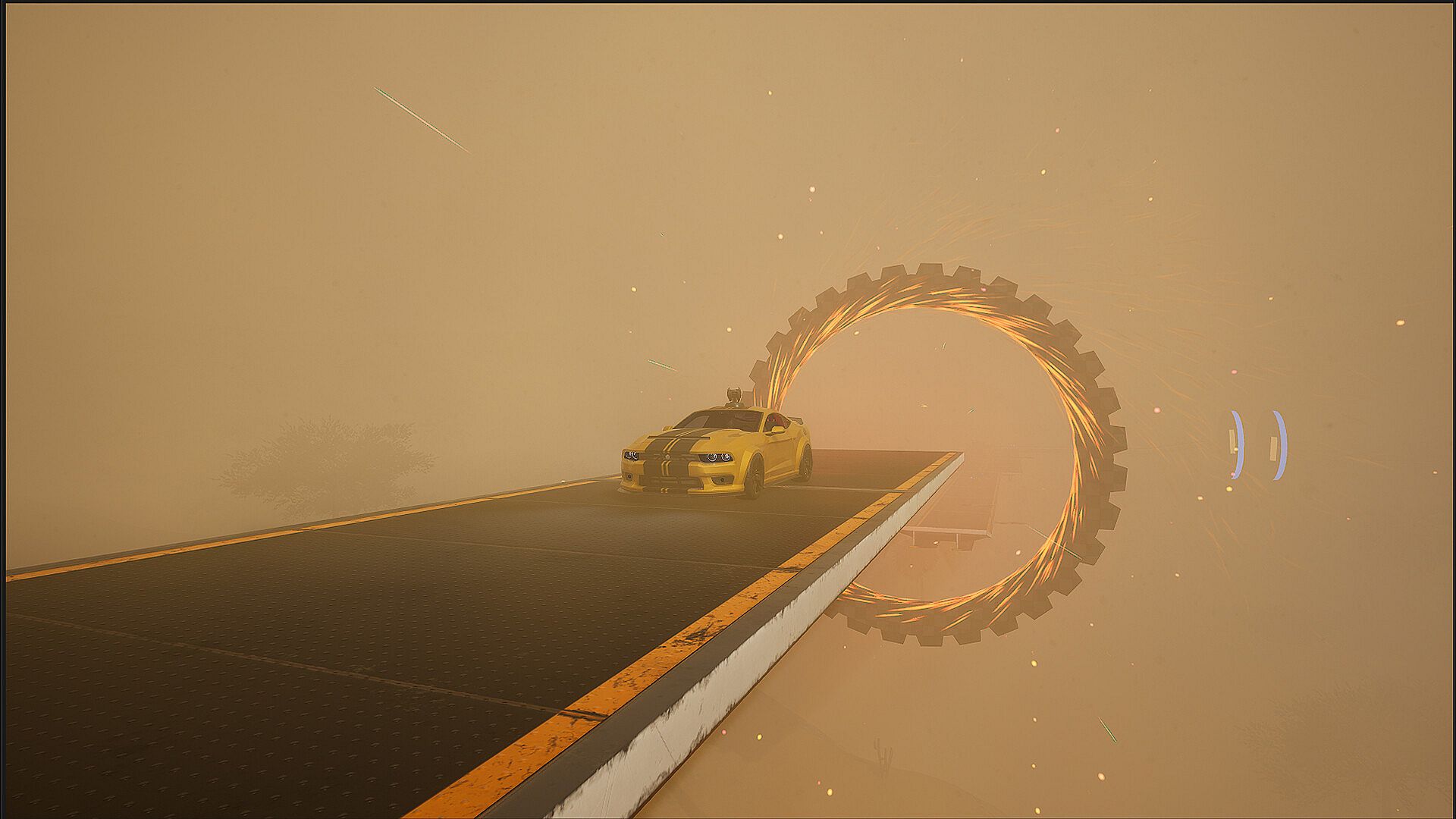
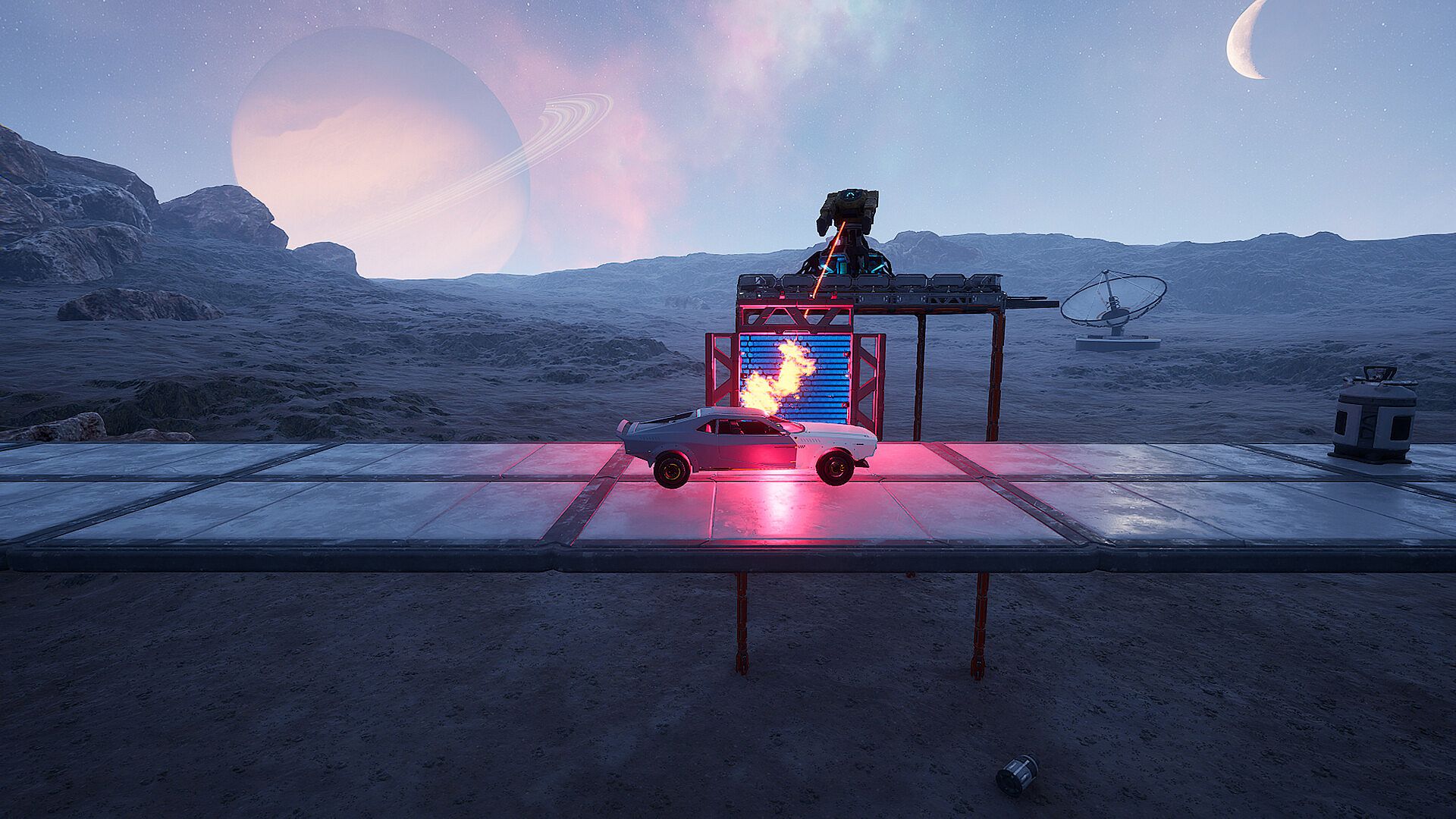
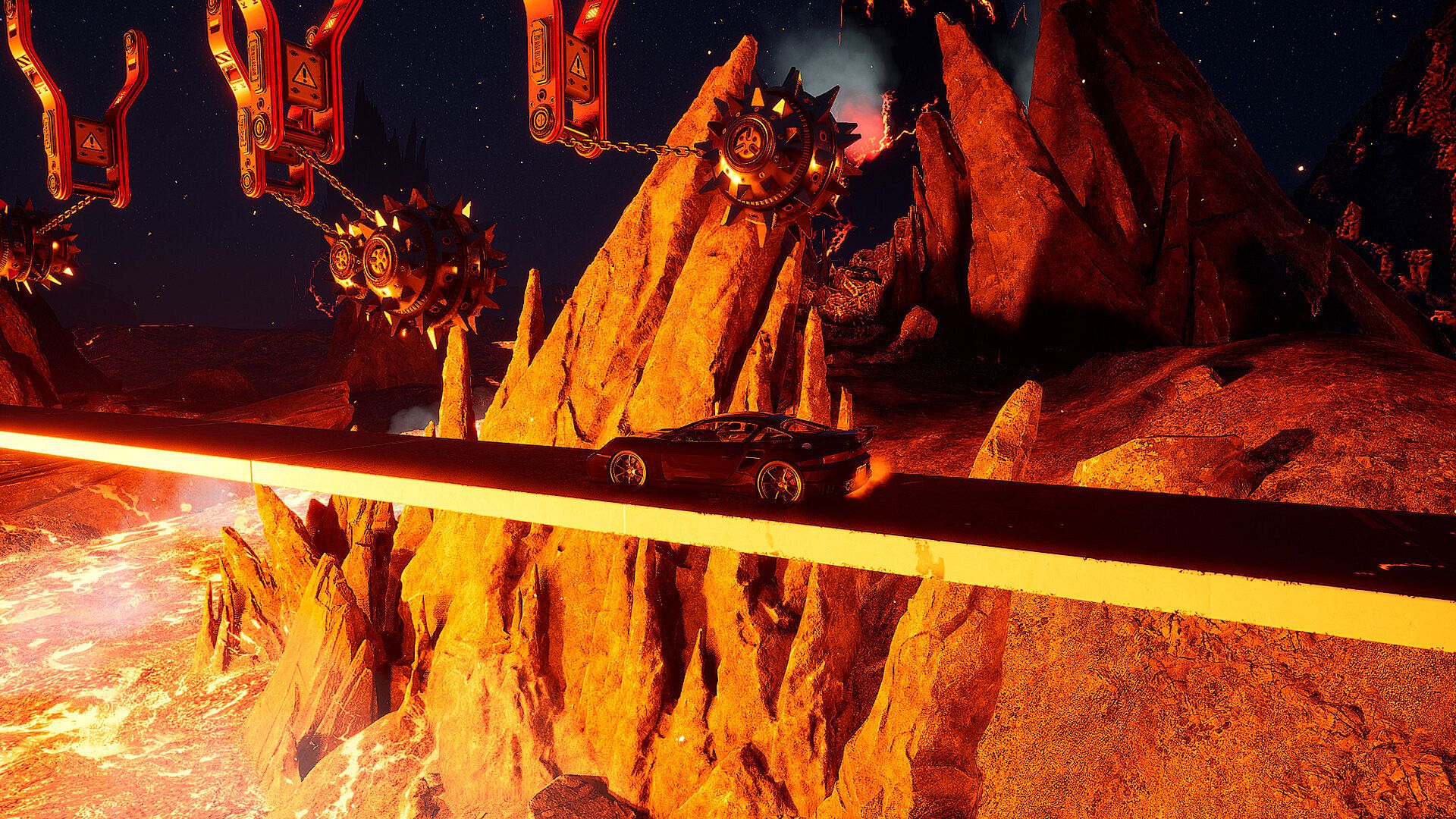
El núcleo del juego consiste en recorrer etapas diseñadas a mano repletas de plataformas móviles, barreras giratorias, rejillas láser, mecanismos aplastantes, saltos y secciones de equilibrio. Cada obstáculo exige entradas medidas en lugar de aceleraciones bruscas, y los fallos suelen deberse a saltos mal calculados o alineaciones incorrectas más que a colisiones a alta velocidad.
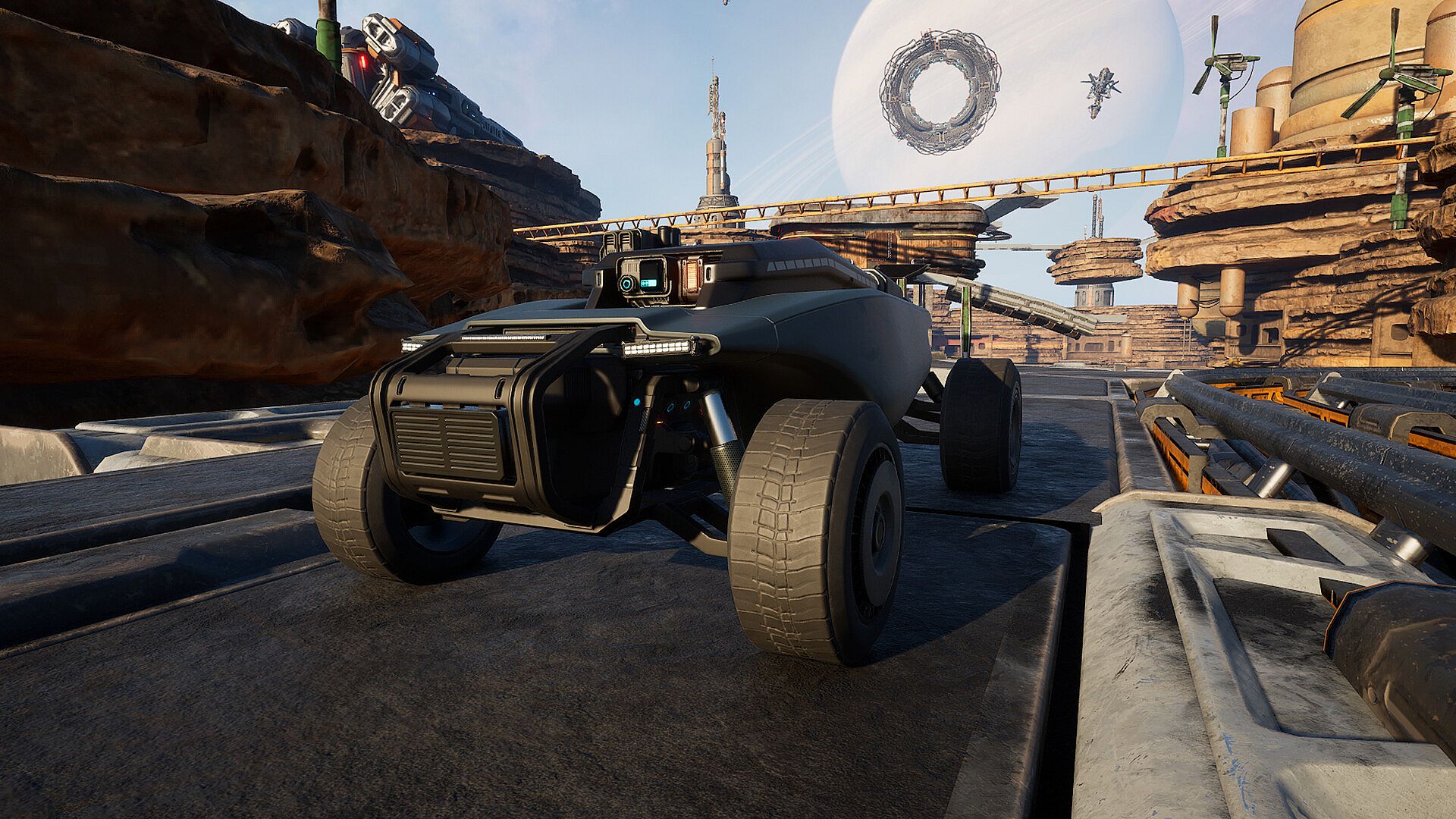
La variedad de vehículos es fundamental. Los buggies todoterreno se comportan de forma distinta a los muscle cars o los modelos futuristas, mientras que las camionetas y los deportivos ofrecen distribuciones de peso y curvas de aceleración diferentes. Adaptarse a estas características resulta imprescindible a medida que los niveles incorporan nuevos tipos de superficie y combinaciones de peligros.
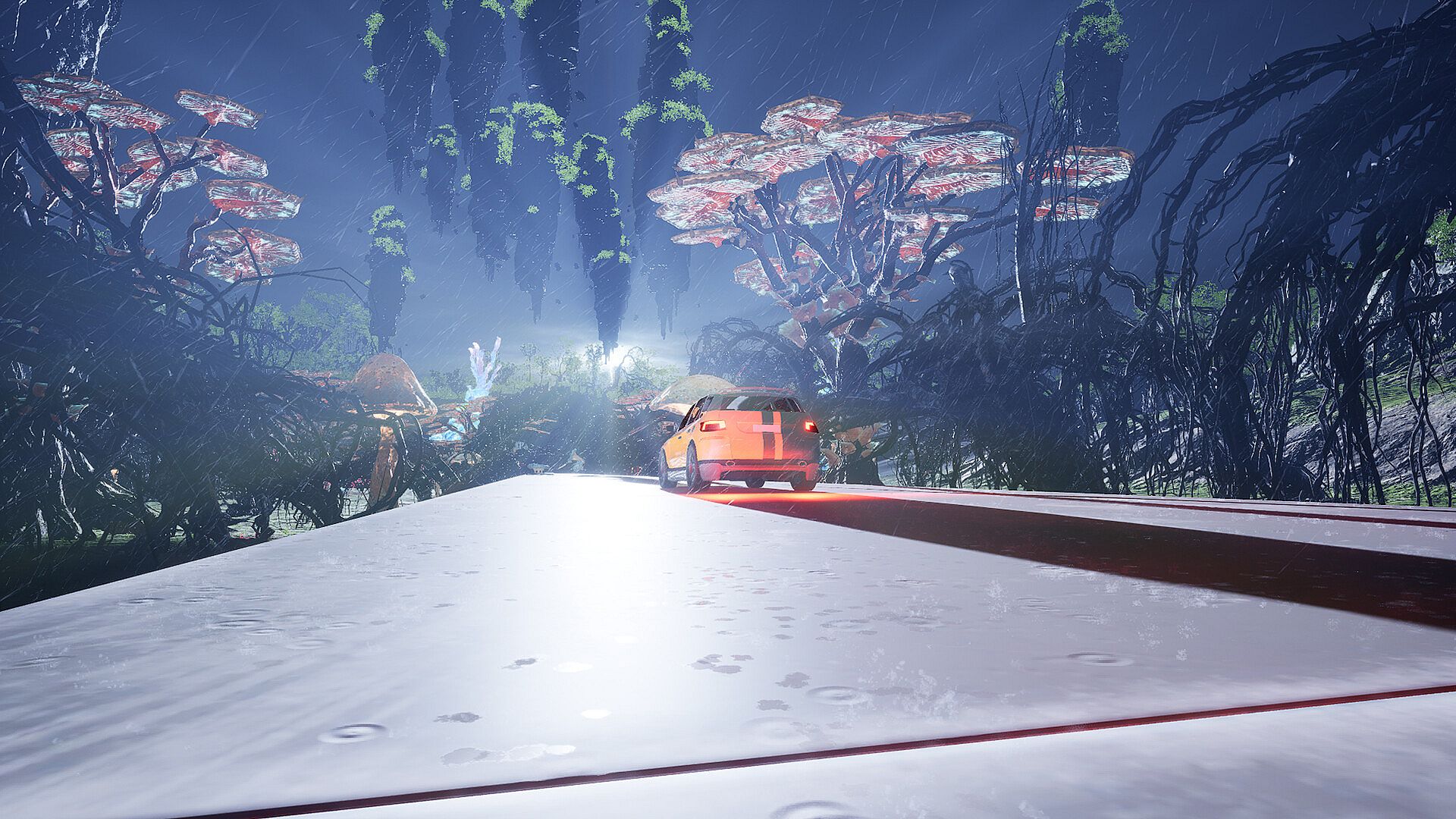
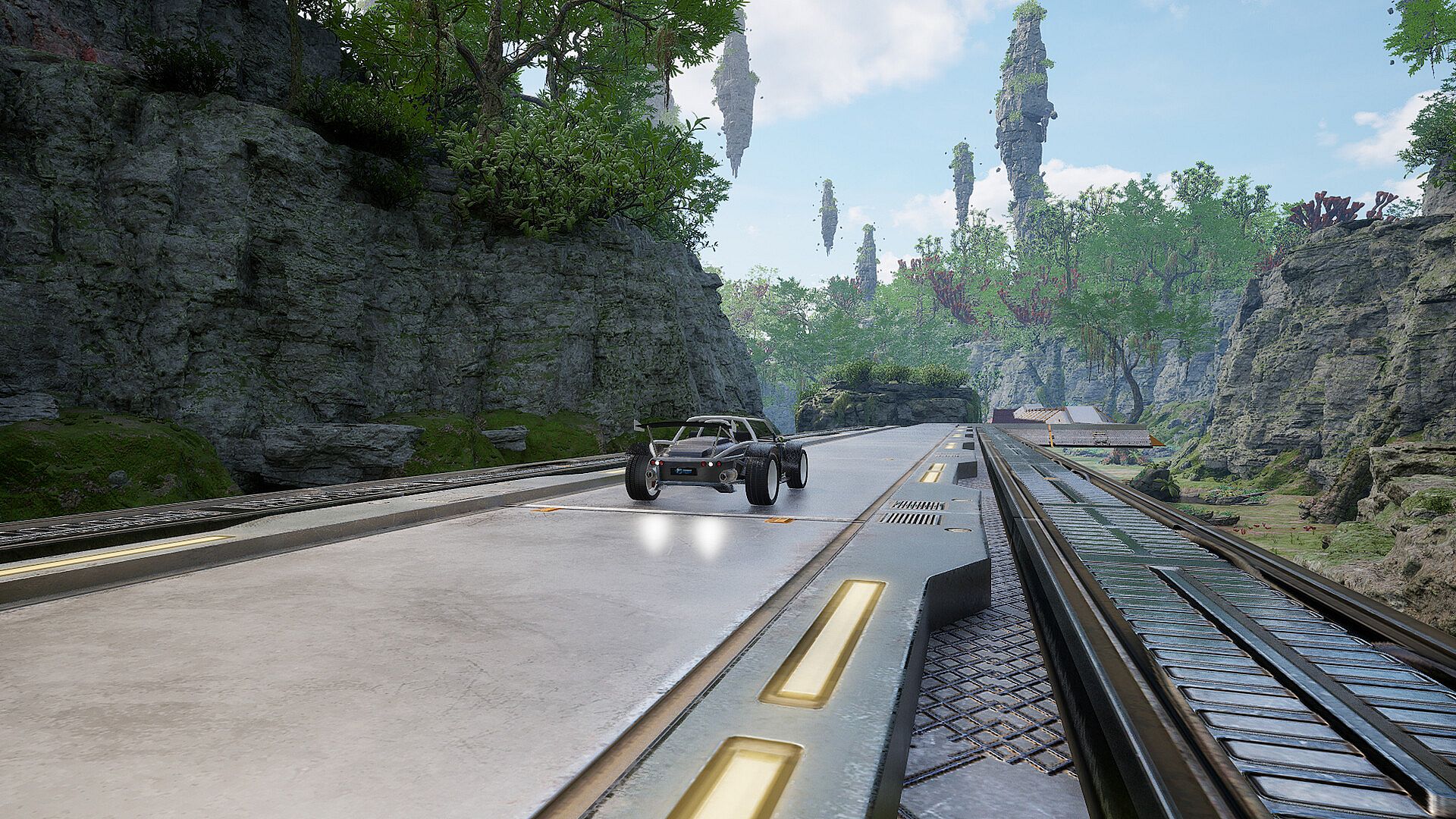
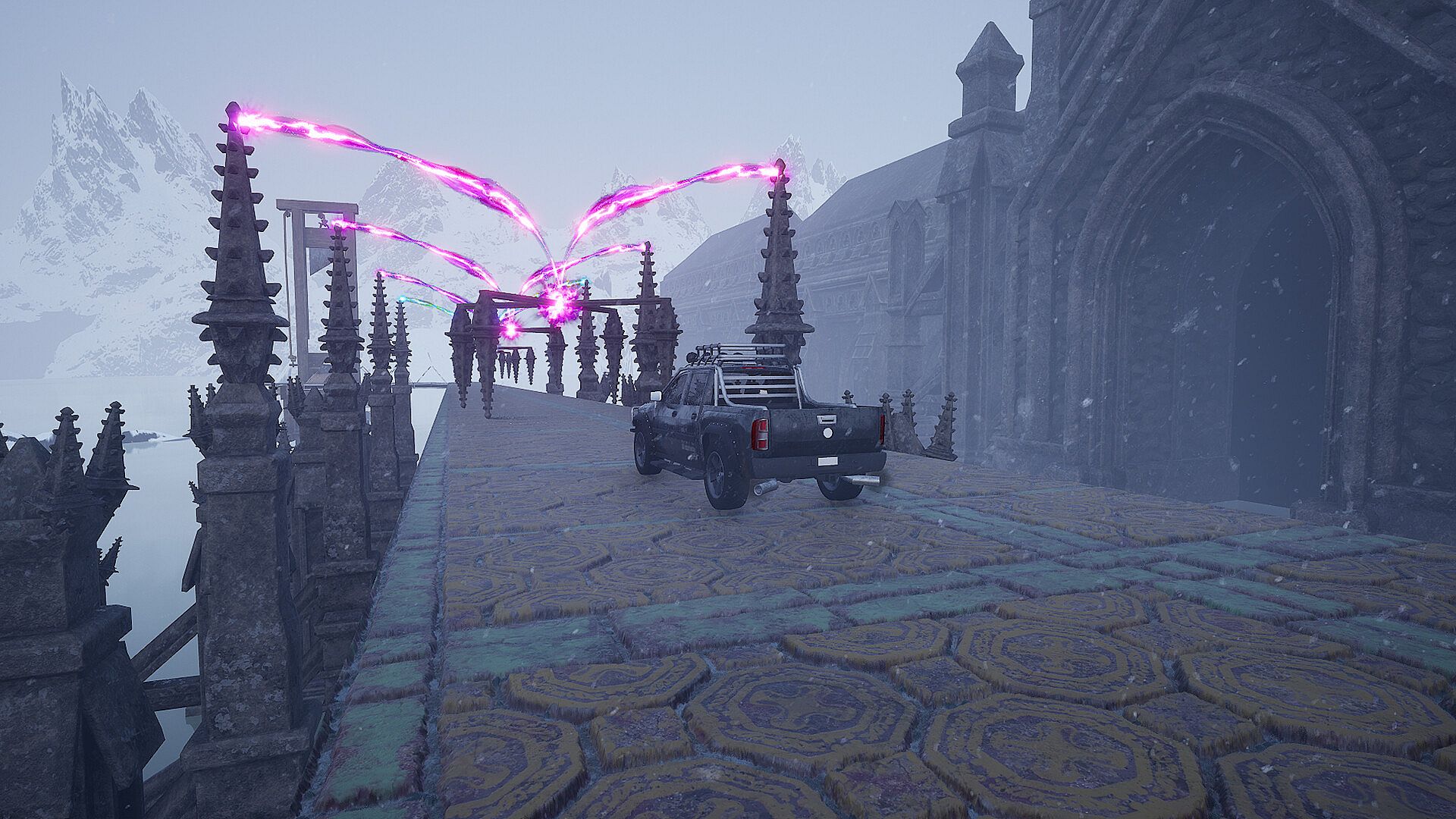
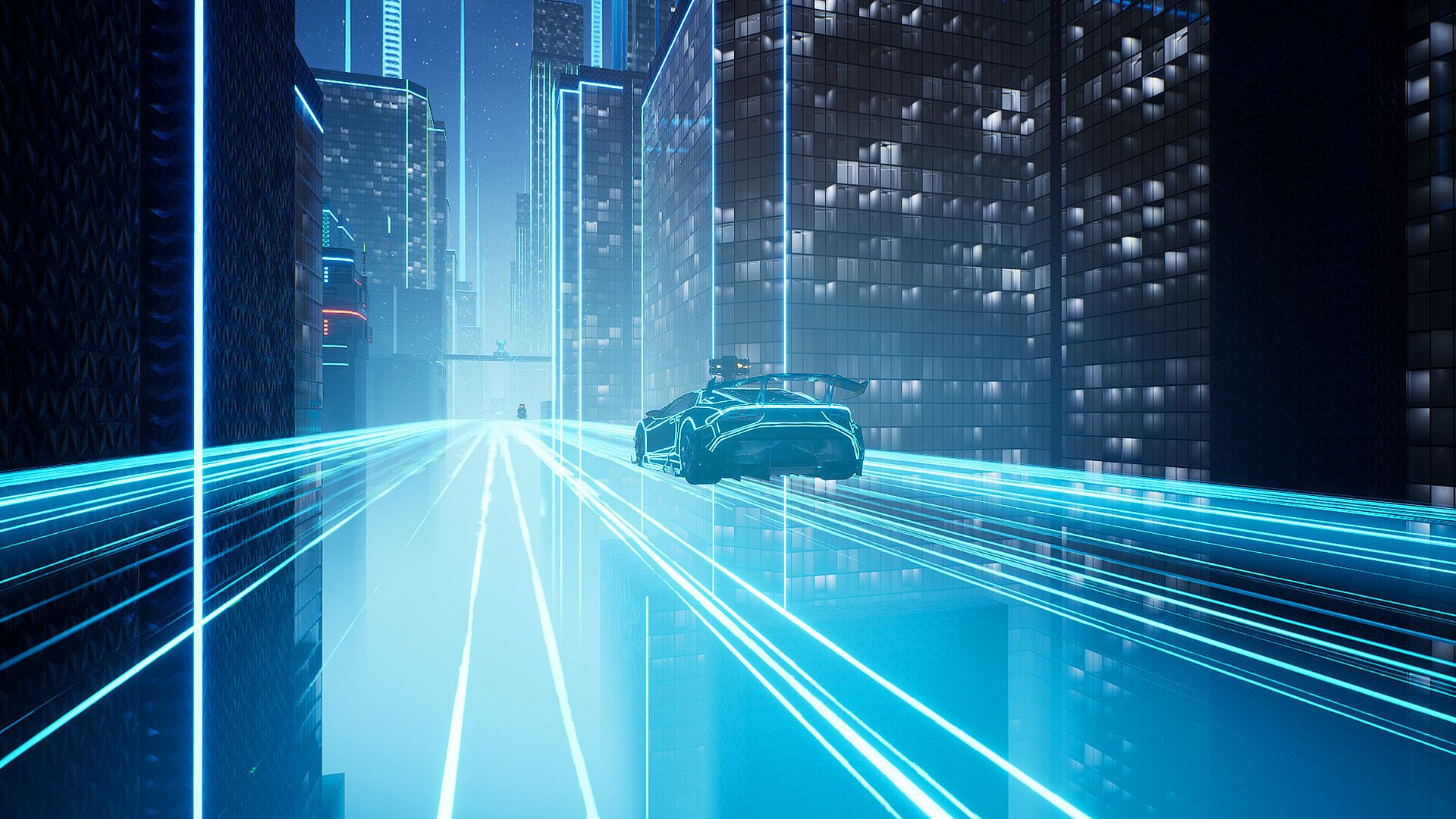
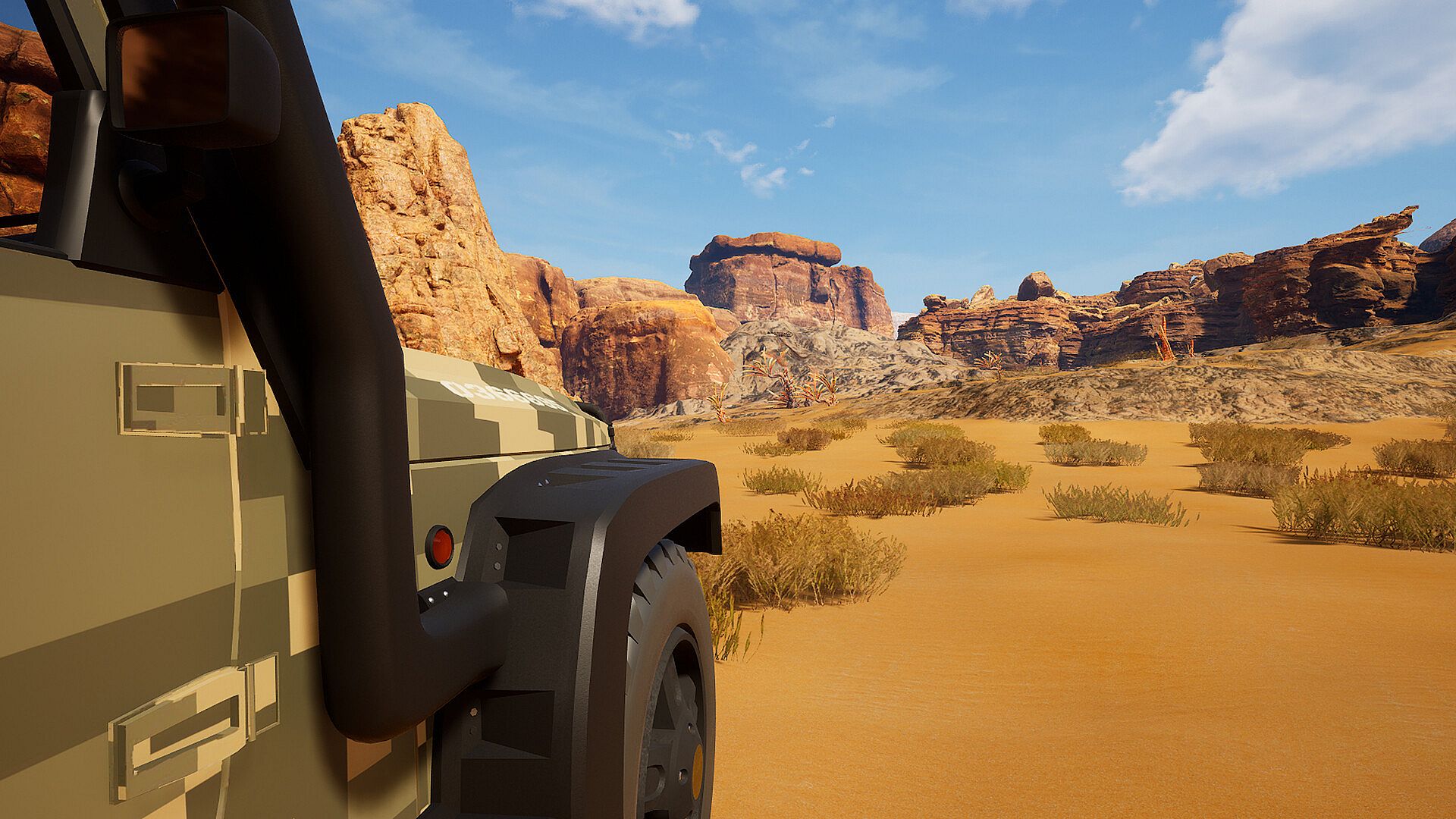
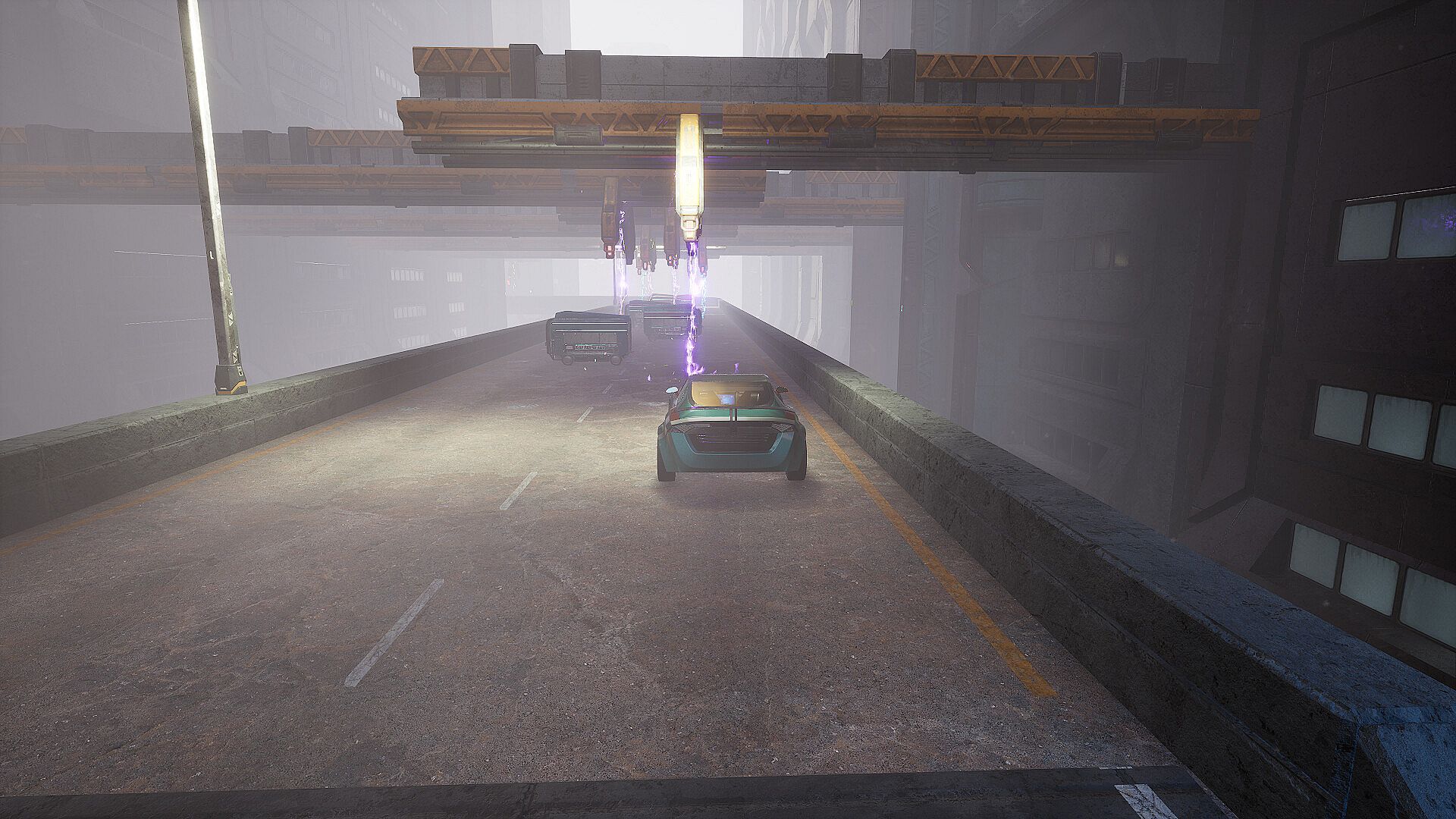
Los entornos modifican tanto el aspecto visual como la mecánica a lo largo de las quince etapas. Los cañones desérticos presentan grandes desniveles y dunas de arena; las islas flotantes exigen saltos verticales entre masas suspendidas; los paisajes volcánicos añaden peligros térmicos junto a corrientes de lava. Otros escenarios incluyen ciudades futuristas con carreteras elevadas iluminadas por neón, mundos alienígenas con efectos de gravedad inusuales, montañas nevadas de pendientes resbaladizas, bosques tormentosos con ráfagas de viento y instalaciones espaciales con tramos de gravedad cero y pasillos estrechos.
Modos de juego
El título solo incluye una campaña para un jugador. La progresión atraviesa quince niveles de dificultad creciente que incorporan nuevas mecánicas sobre las ya existentes. Las primeras etapas se centran en saltos básicos y alineación de plataformas, mientras que las últimas combinan varios tipos de obstáculos en una misma pasada y exigen cambios rápidos de vehículo o maniobras precisas en varias fases.
No existen modos competitivos ni cooperativos. Toda la experiencia se limita a que un solo jugador domine cada circuito a su ritmo, con puntos de control que permiten repetir intentos en las secciones difíciles sin reiniciar niveles completos.
Diseño de niveles y progresión
Las etapas se construyen con un ritmo deliberado. Los diseñadores colocan los obstáculos de modo que una conducción imprudente provoque contratiempos inmediatos, mientras que la observación paciente revela rutas seguras o ventanas de tiempo. Los elementos dinámicos, como plataformas móviles y peligros ambientales, siguen ciclos fijos y premian a quienes aprenden el ritmo de cada sección.
El manejo de cada vehículo se mantiene coherente dentro de un mismo modelo, pero varía lo suficiente entre las quince opciones como para incentivar la experimentación. Algunos circuitos favorecen modelos ligeros y ágiles para curvas cerradas, mientras que otros se adaptan mejor a vehículos pesados que conservan el impulso al cruzar huecos. Esta variedad mantiene el foco en el dominio del control en lugar de en el desbloqueo de contenido mediante repeticiones.
¿Merece la pena jugarlo?
El juego está dirigido a jugadores que buscan desafíos en solitario basados en la destreza, donde la precisión pesa más que los reflejos o la competición. Su énfasis en una conducción cuidadosa a través de entornos llenos de trampas atrae a quienes prefieren la mejora metódica frente a la acción frenética o las clasificaciones multijugador.
Con quince niveles y quince vehículos compatibles tanto con mando como con teclado, el conjunto ofrece una experiencia contenida centrada en un único bucle de juego. Dado que el título aún no ha salido, no existen datos de recepción de jugadores, por lo que las expectativas deben basarse en las mecánicas descritas y no en la opinión de la comunidad. Quienes valoren la precisión del plataformas dentro de un contexto de carreras encontrarán aquí su mayor atractivo.