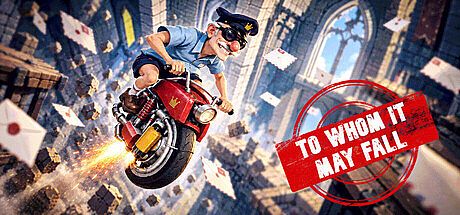


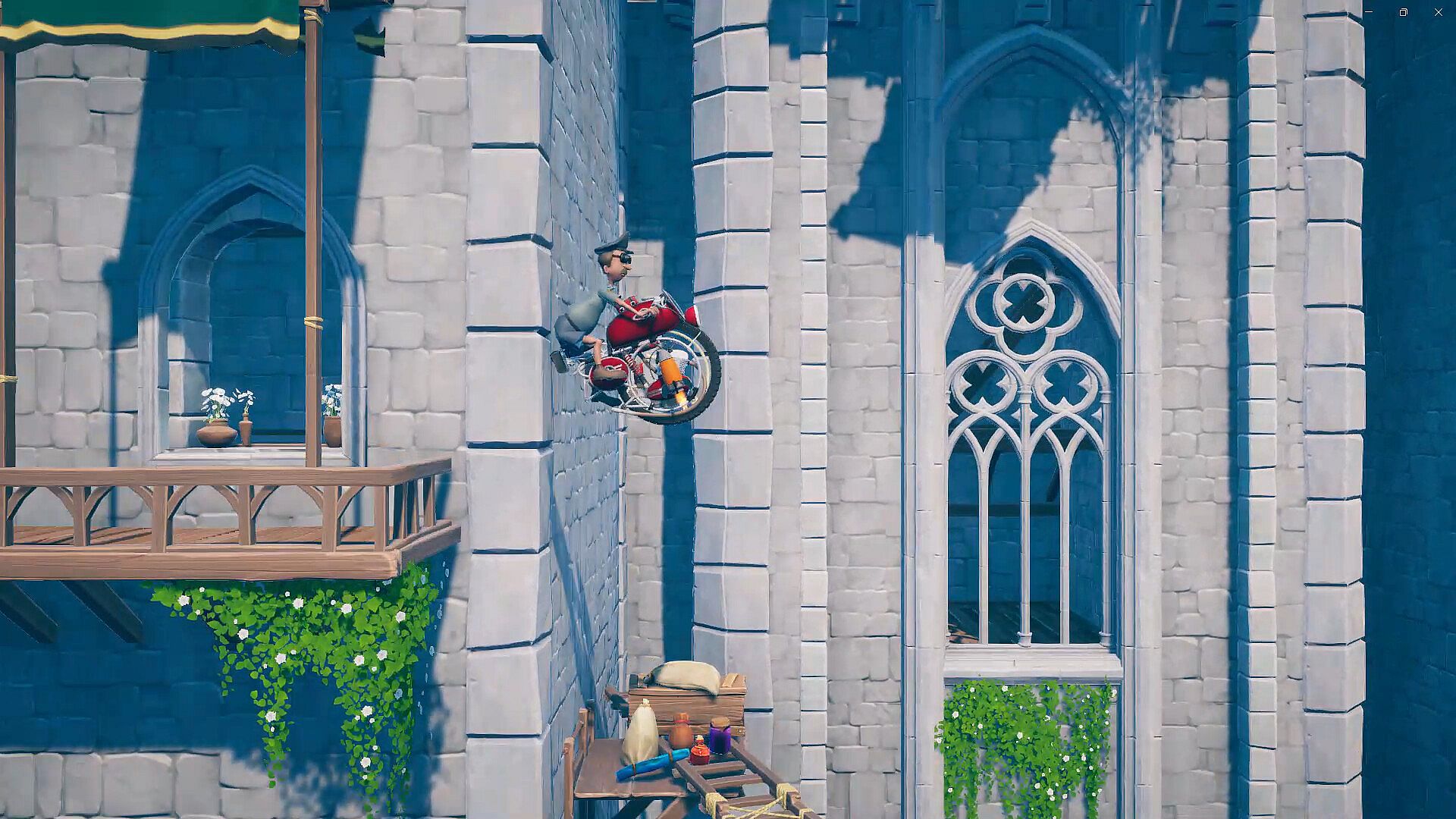
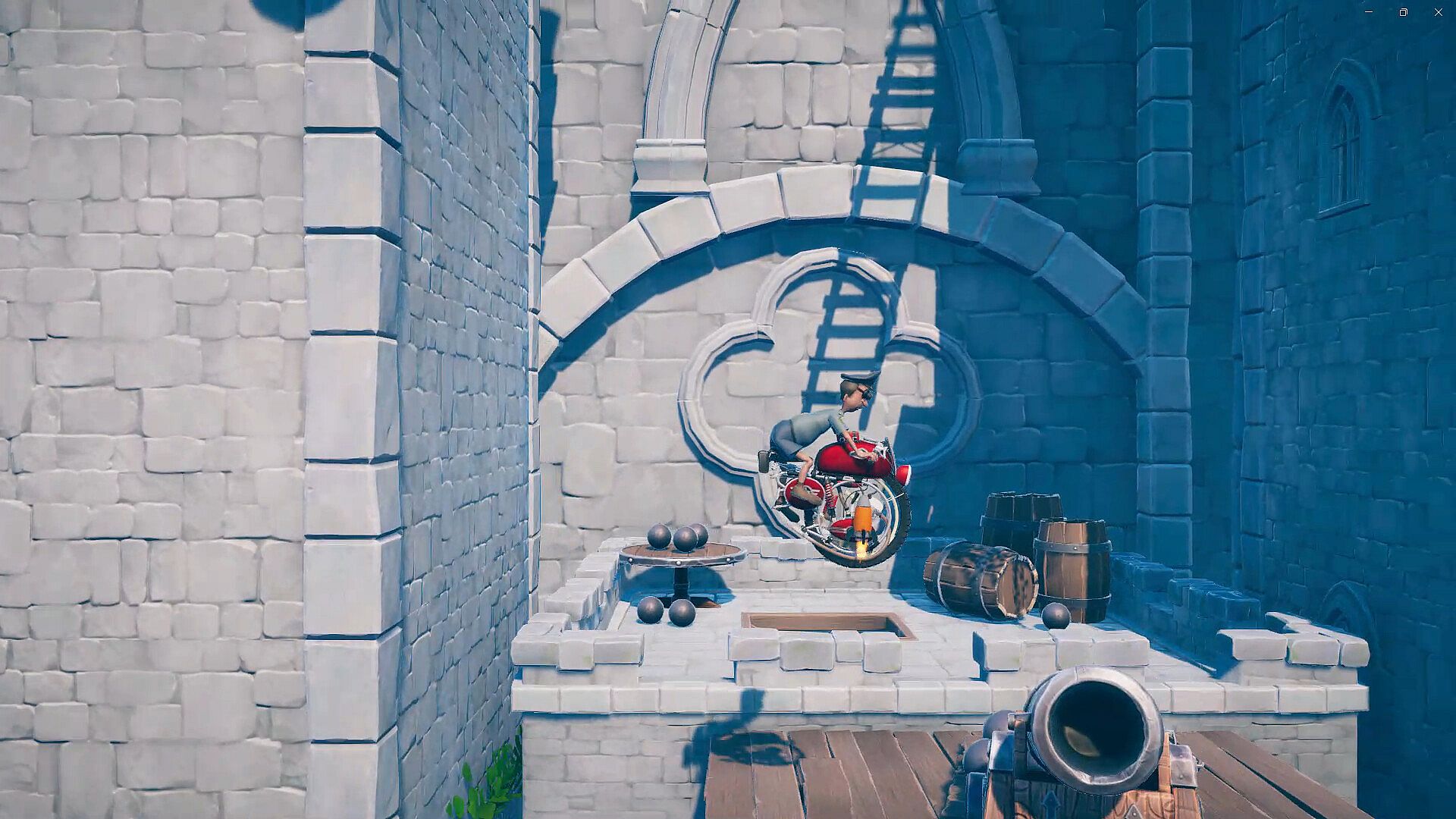
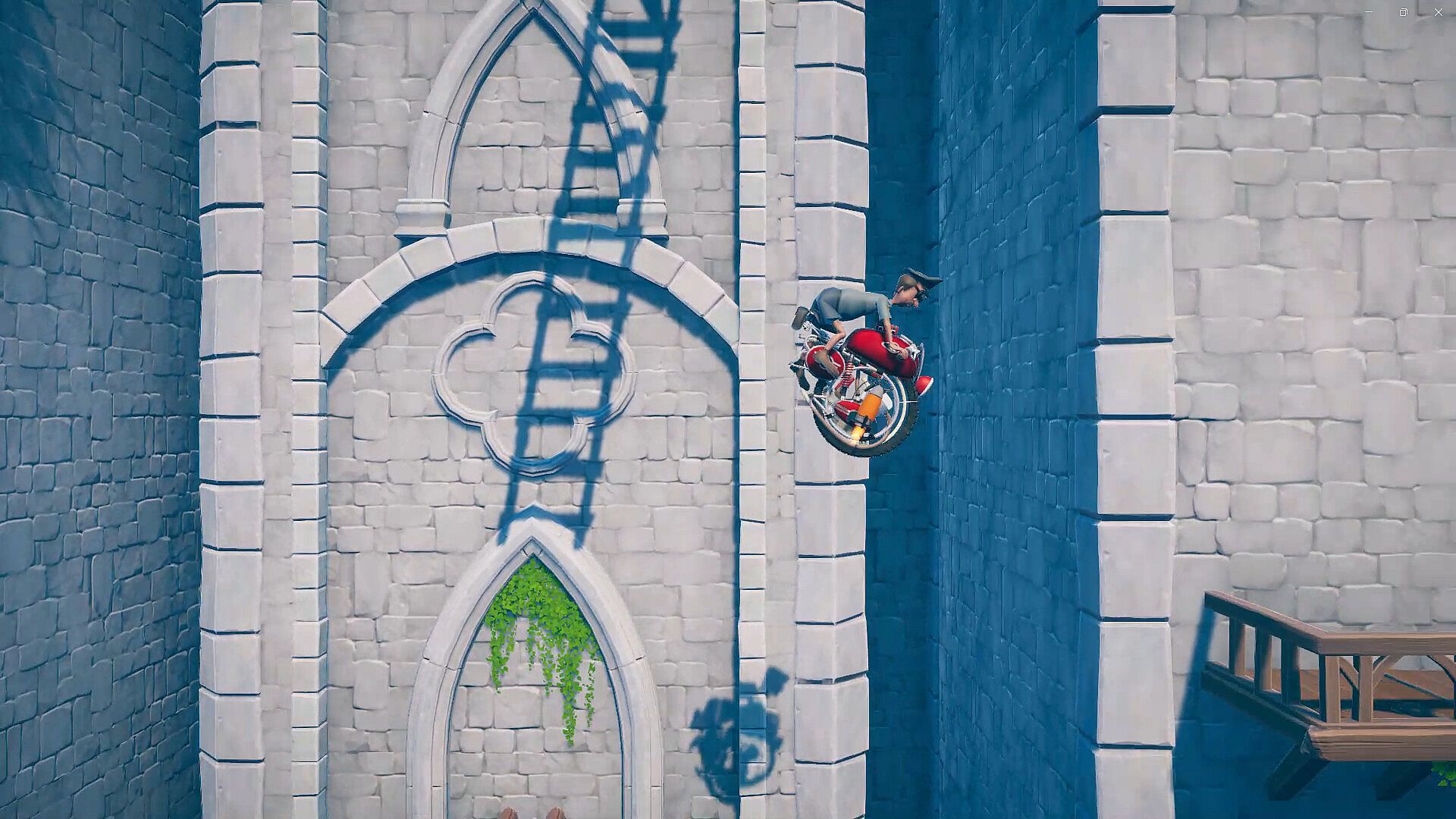
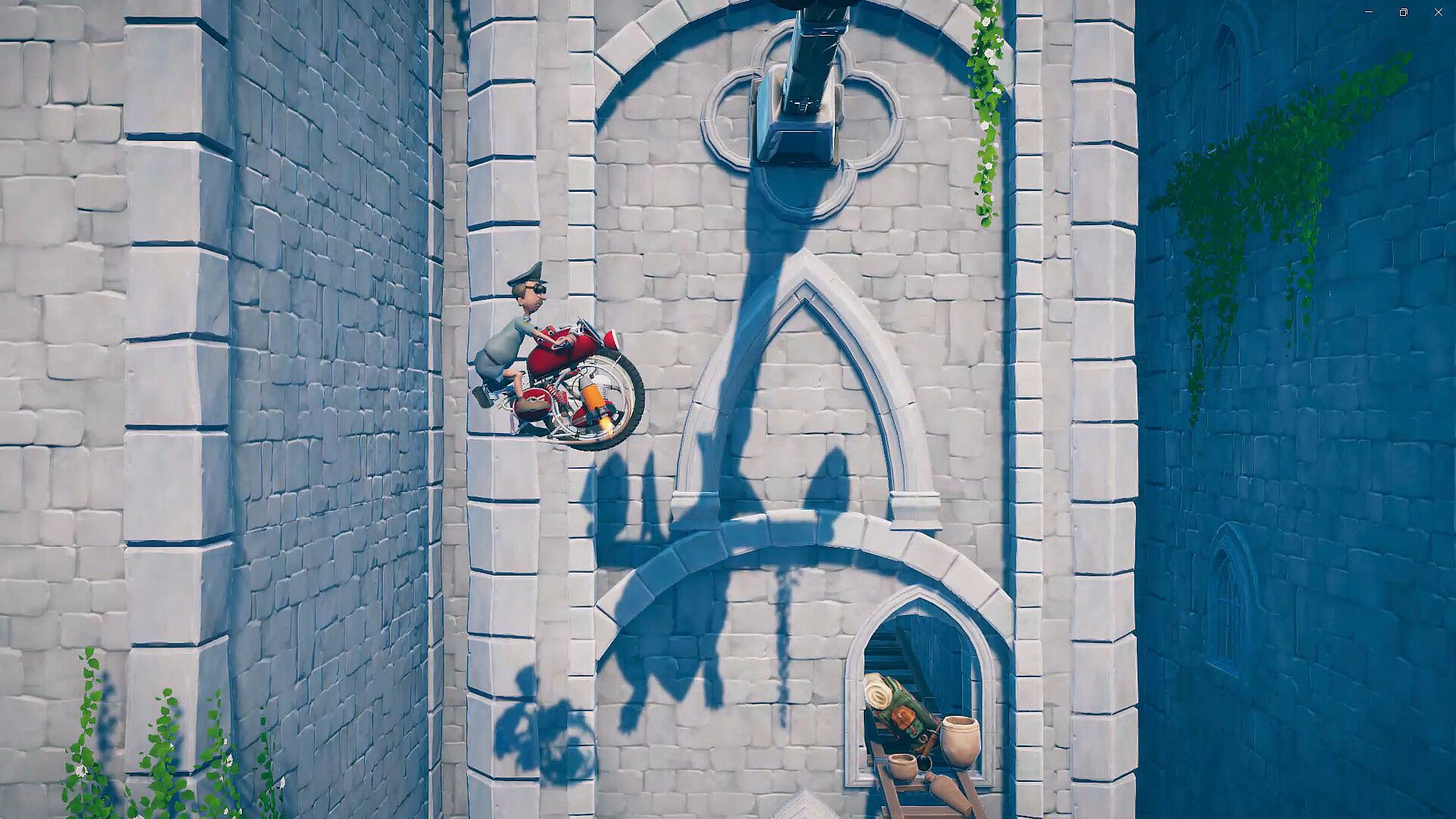
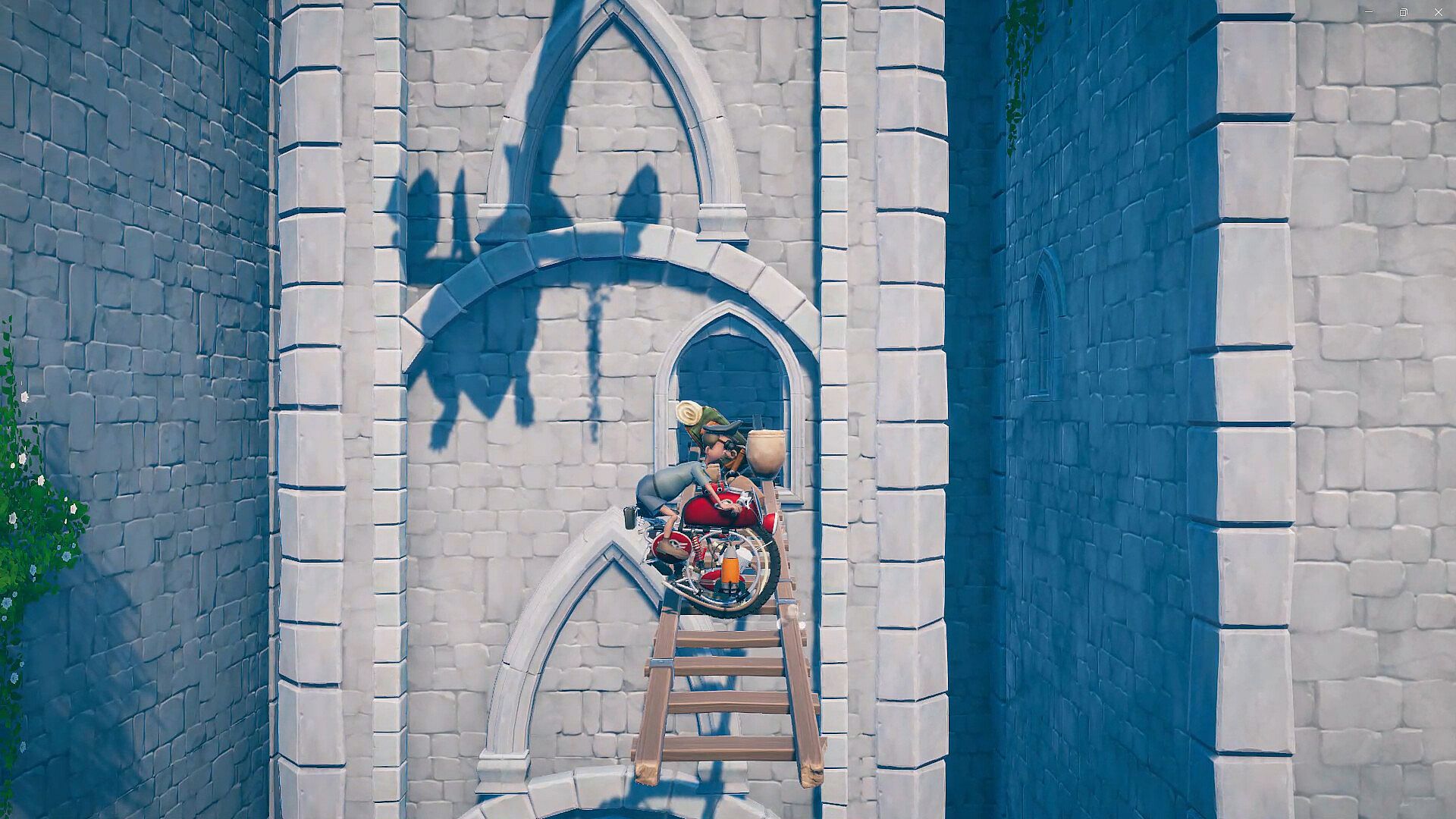
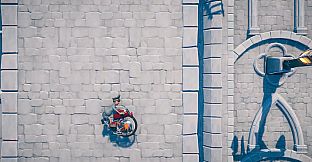
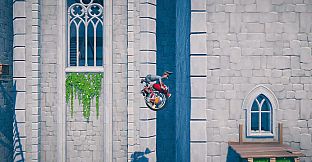
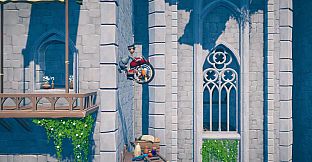
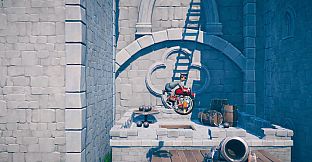
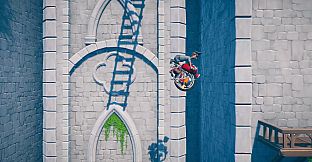
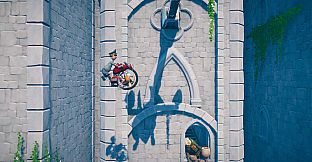
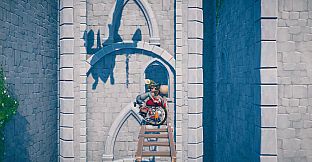
To Whom It May Fall is an action indie adventure platformer built around precise, momentum-driven movement on a rocket-powered monobike. Players take control of an old mailman tasked with delivering one important letter to the top of a towering castle filled with narrow ledges, wooden structures, and punishing drops. The experience emphasizes vertical progression where every jump and landing demands careful control of speed and balance, and a single error can send the rider tumbling back to lower sections.
Gameplay
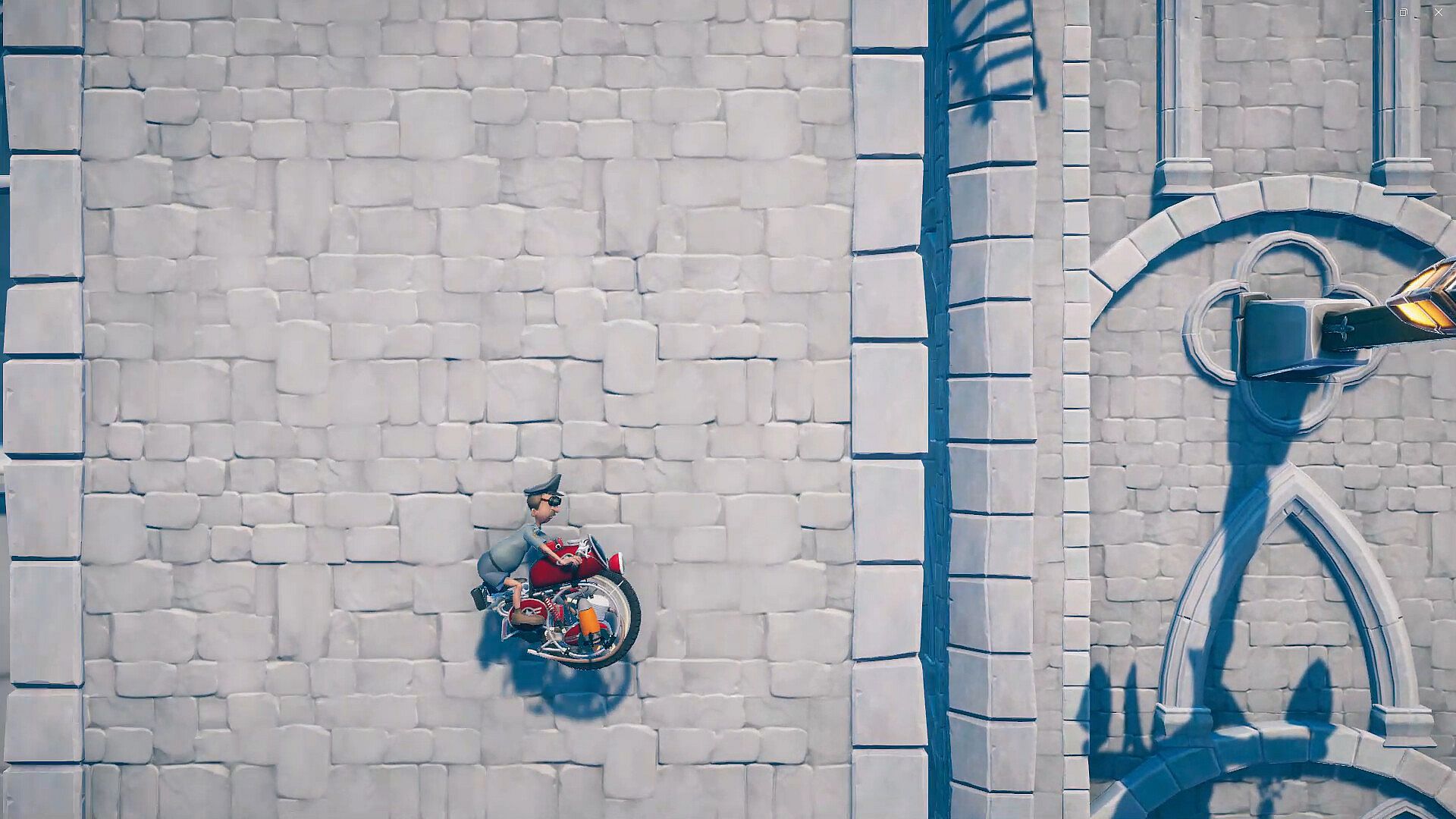
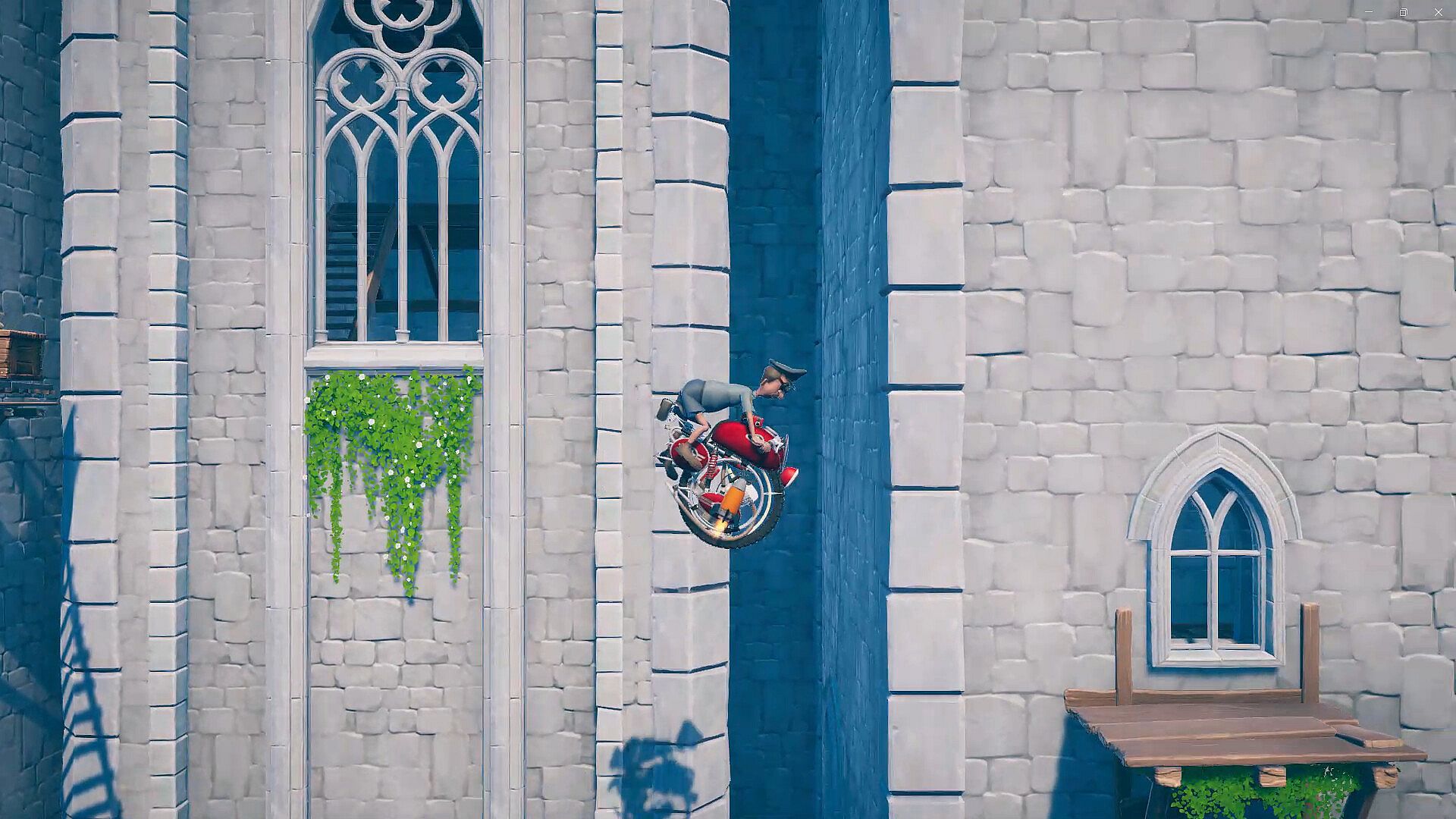
The core loop revolves around climbing through a vertical castle environment using physics-based controls on the monobike. Momentum plays a central role, as players must manage acceleration, braking, and turning to land on small platforms or navigate awkward ramps. Gravity constantly threatens progress, turning each ascent into a test of timing and recovery. Falls are frequent but quick restarts allow immediate retries, encouraging repeated attempts to refine routes and technique.
Mastery comes from learning how the monobike responds to inputs across different surfaces and angles. The old mailman character adds a layer of personality to the challenge, with the rocket propulsion creating unpredictable bursts of speed that require constant adjustment. The design rewards patience and observation, as players study platform layouts and experiment with approaches before committing to a full run upward.
Game Modes
The game operates as a single-player experience with no additional modes or multiplayer options. All play centers on the vertical climb through the castle, where the objective remains consistent: reach the top while delivering the letter. The structure supports repeated sessions focused on improvement, with fast restarts built into the core loop to facilitate practice and refinement of paths.
This focused format suits players who enjoy tackling the same challenging sections multiple times to achieve cleaner runs or push personal limits. There are no separate difficulty settings or alternate objectives confirmed, keeping the emphasis on the raw platforming challenge and the satisfaction of incremental progress.
Key Mechanics and Features
Physics-based movement forms the foundation, with the monobike's rocket power introducing variables in speed and trajectory that players must account for during jumps and landings. The vertical world design means height is both the goal and a source of risk, as descending too far resets significant progress. Short session lengths align with the demanding nature of the platforming, allowing focused practice without long commitments.
Elements like narrow platforms and wooden ramparts create varied obstacles that test different aspects of control. The overall package prioritizes precision over spectacle, building toward moments of mastery where a previously difficult sequence becomes fluid through repetition and adjustment.
Is It Worth Playing?
This title targets players who appreciate demanding precision platformers and the cycle of failure and improvement common in rage-style games. The emphasis on quick retries and momentum management creates an engaging loop for those who enjoy speedrunning or capturing highlight moments from tough attempts. With a planned release in November 2026 and no reviews available yet, the experience appears tailored for dedicated single-player platforming fans rather than casual audiences seeking varied content.
Its short, challenging structure and focus on one core activity make it suitable for sessions built around "one more try" attempts. Those drawn to indie action adventures with strong emphasis on physics and vertical navigation will find the most alignment with the described systems. Availability on PC positions it for players comfortable with keyboard and mouse or controller inputs suited to fine movement control.