

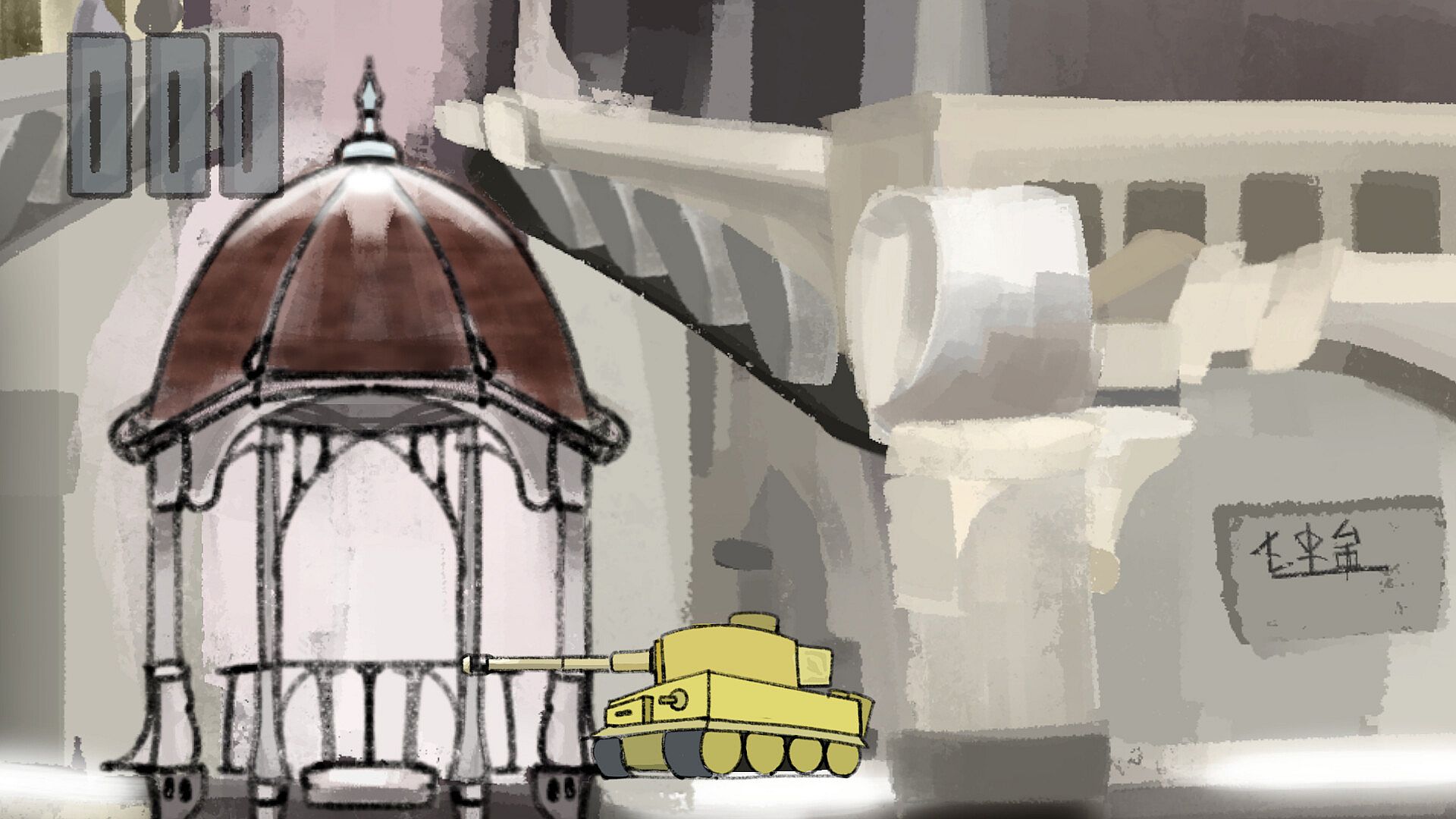
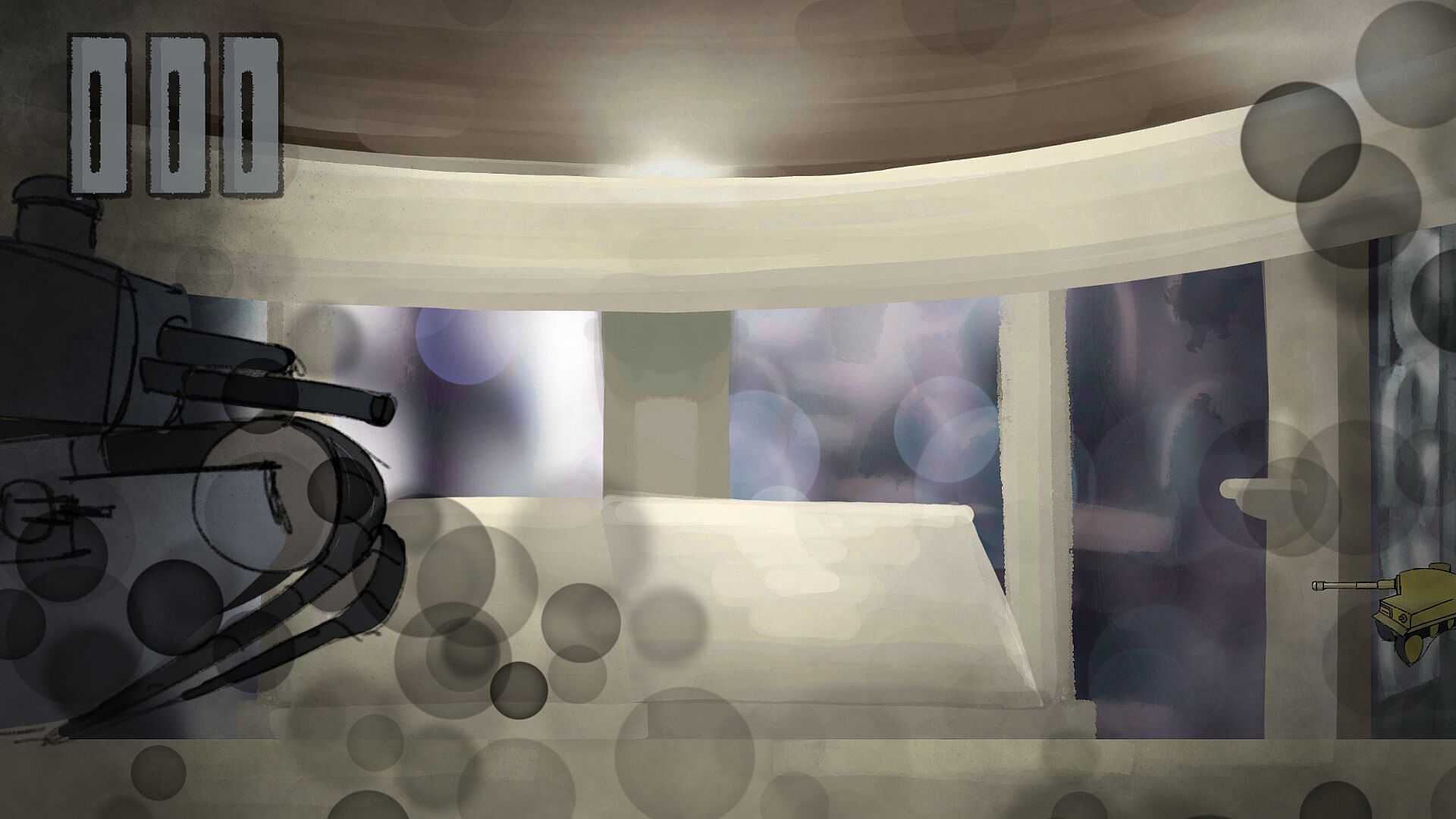
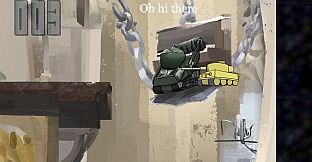
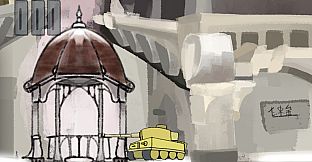
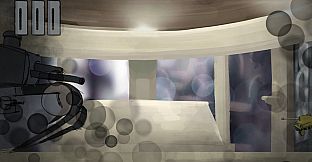
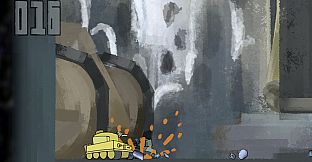
Tigersoul es un juego indie de acción y aventura que combina mecánicas de plataformas con elementos ligeros de rol en una experiencia para un solo jugador en PC. Los jugadores recorren un mundo marcado por la guerra, donde quedan restos de conflictos olvidados, y utilizan un movimiento fluido para explorar entornos dibujados a mano e interactuar con sus habitantes.
Gameplay
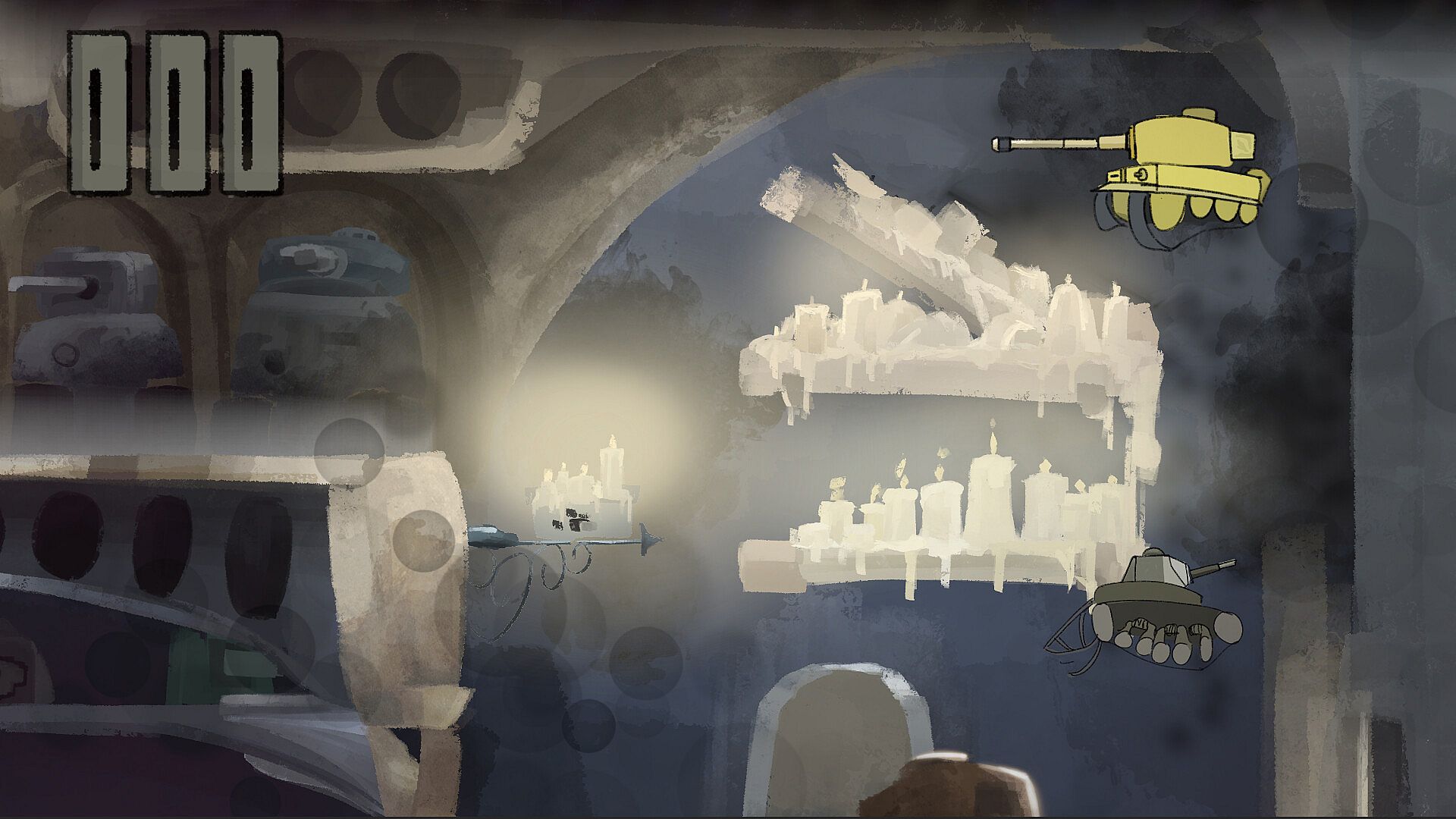
El ciclo principal se basa en una plataforma precisa y un combate que se integran directamente en la exploración. Las opciones de movimiento incluyen correr, saltar, doble salto, embestida, dash y salto en pared, permitiendo interactuar con casi cualquier superficie de los niveles. Estos sistemas fomentan caminos creativos a través de paisajes urbanos intrincados y multicapa, representados con arte dibujado a mano y efectos de paralaje que aportan profundidad.
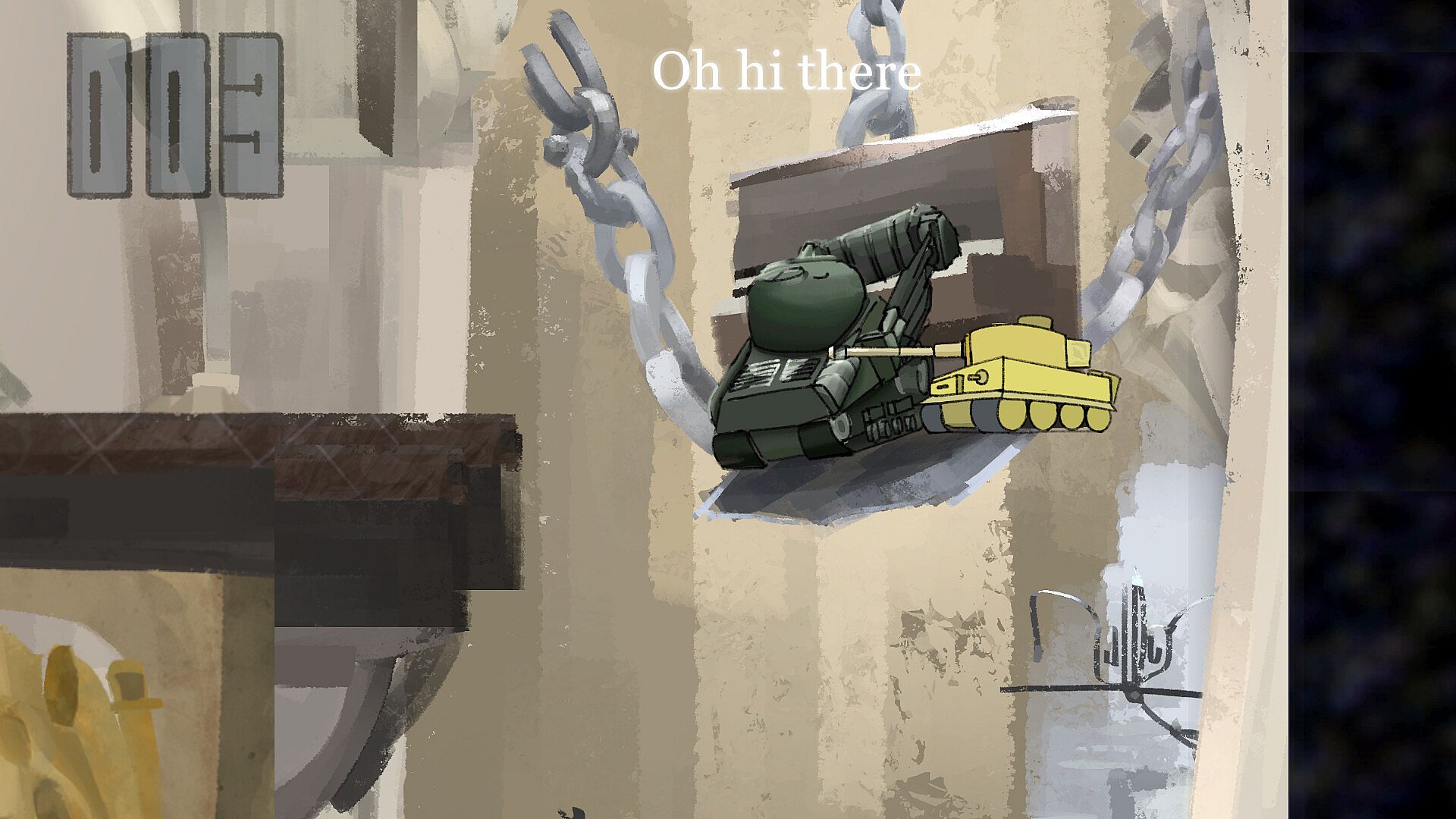
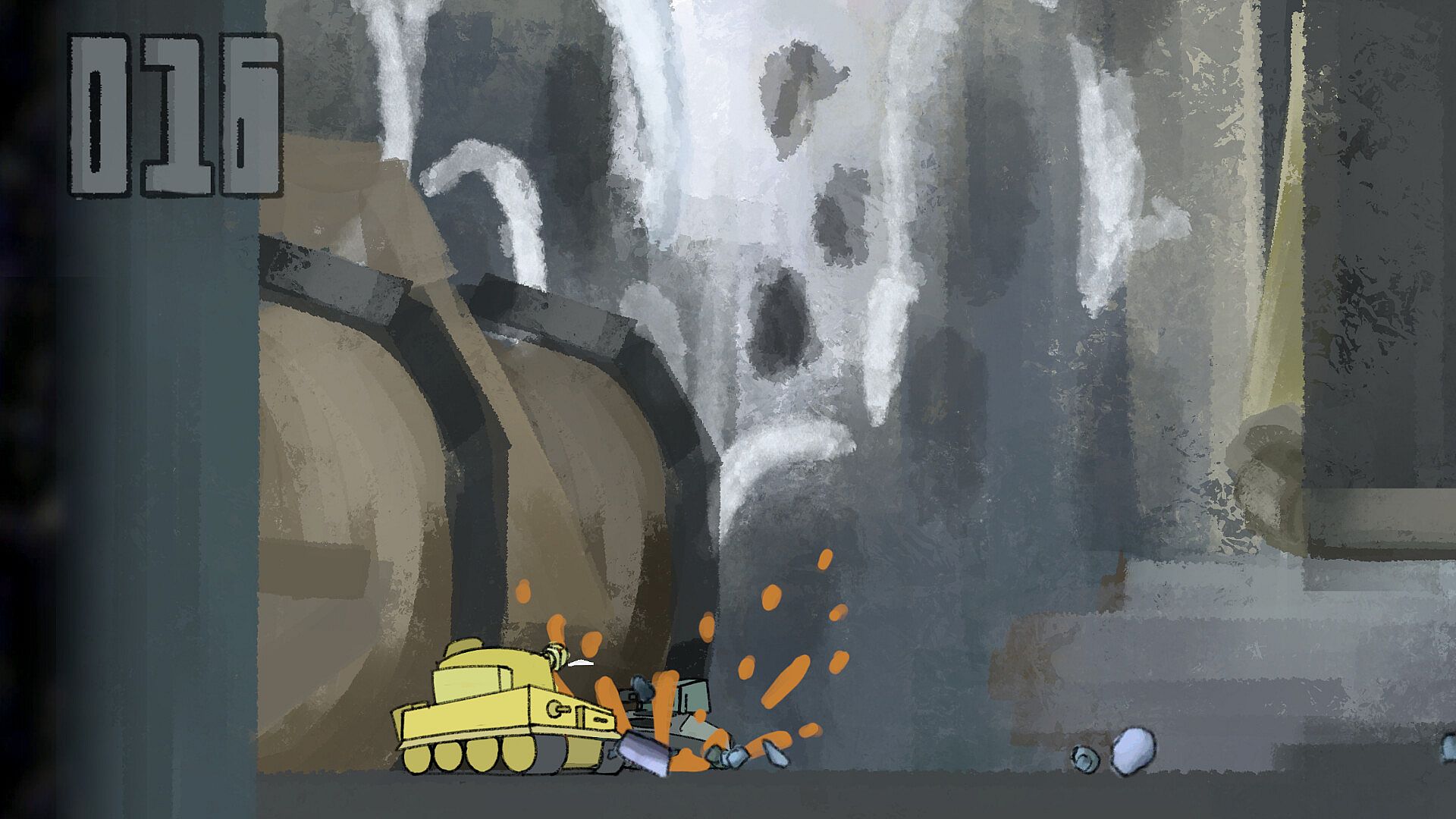
El combate se centra en enfrentamientos directos contra enemigos inspirados en tanques históricos que abarcan desde el periodo de entreguerras hasta los inicios de la Guerra Fría. Los modelos se basan en vehículos como el IS-3 y el ARL 44, junto con otros más conocidos como Panzers, Shermans y Churchills, incluyendo prototipos inusuales. Los encuentros priorizan el timing y el posicionamiento por encima de la simulación realista, y ofrecen la posibilidad de escuchar o conversar con personajes no jugables que comparten sus historias, aspiraciones y opiniones sobre un mundo en decadencia.
El progreso consiste en descubrir secretos en distintas salas y zonas, donde cada transición puede llevar a encuentros inesperados o nuevas vistas. La animación dibujada a mano permite comportamientos expresivos en los enemigos, como saltos o cargas, mientras que los controles precisos premian una ejecución cuidadosa tanto en la navegación como en los combates.
Modos de juego
La experiencia principal se centra en una campaña lineal pero exploratoria para un solo jugador a través de este mundo pintado. Los jugadores avanzan recorriendo extensas zonas urbanas, utilizando herramientas como cargas de pólvora e interactuando con el entorno y los personajes para reconstruir la historia de dos naciones desaparecidas y sus máquinas de guerra.
Existen modos adicionales de bonificación como funciones de prueba desarrolladas junto al contenido principal. Estos ofrecen formas alternativas de interactuar con los sistemas de movimiento y combate fuera de los niveles principales, aunque los detalles se limitan a las adiciones experimentales del desarrollador.
Mundo y atmósfera
El escenario muestra un paisaje marcado por ciudades devastadas y árboles retorcidos, donde la decadencia ha cubierto los restos de una antigua preparación bélica. Los colores vivos pero sombríos contrastan con el tono desolado, destacando personajes memorables que habitan estos espacios y ofrecen diálogo tanto si se les interpela como si no. La exploración recompensa apartarse del camino principal con nuevos paisajes bajo fragmentos de cielo, subrayando la persistencia silenciosa del mundo en medio de la entropía.
Enemigos y entornos combinan la estética histórica de los tanques con prototipos absurdos, creando encuentros que resultan a la vez anclados en la historia real del desarrollo militar y estilizados según el estilo animado a mano del juego. El tono general mezcla restos de advertencia y temor con oportunidades de interacción ligera y descubrimiento.
¿Merece la pena jugarlo?
Tigersoul está dirigido a jugadores que valoran los plataformas dibujados a mano con combate integrado e interacciones entre personajes en un formato compacto y exploratorio. Su movimiento y precisión de controles destacan como puntos fuertes, especialmente para quienes buscan títulos indie que prioricen la calidad de la animación y la narrativa ambiental por encima de grandes producciones.
El juego se encuentra en una fase temprana como primer proyecto del desarrollador en Unity, con un único encuentro contra jefe y la posibilidad de futuras actualizaciones. Su recepción se centra en su atractivo nicho para un público reducido interesado en enemigos únicos inspirados en tanques y una atmósfera bien construida. Quienes busquen una plataforma precisa en un escenario postconflicto melancólico pueden encontrar valor en probarlo durante una oferta, mientras que otros podrían preferir esperar más contenido o pulido.