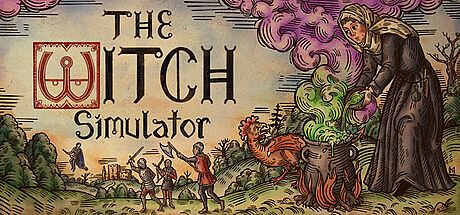


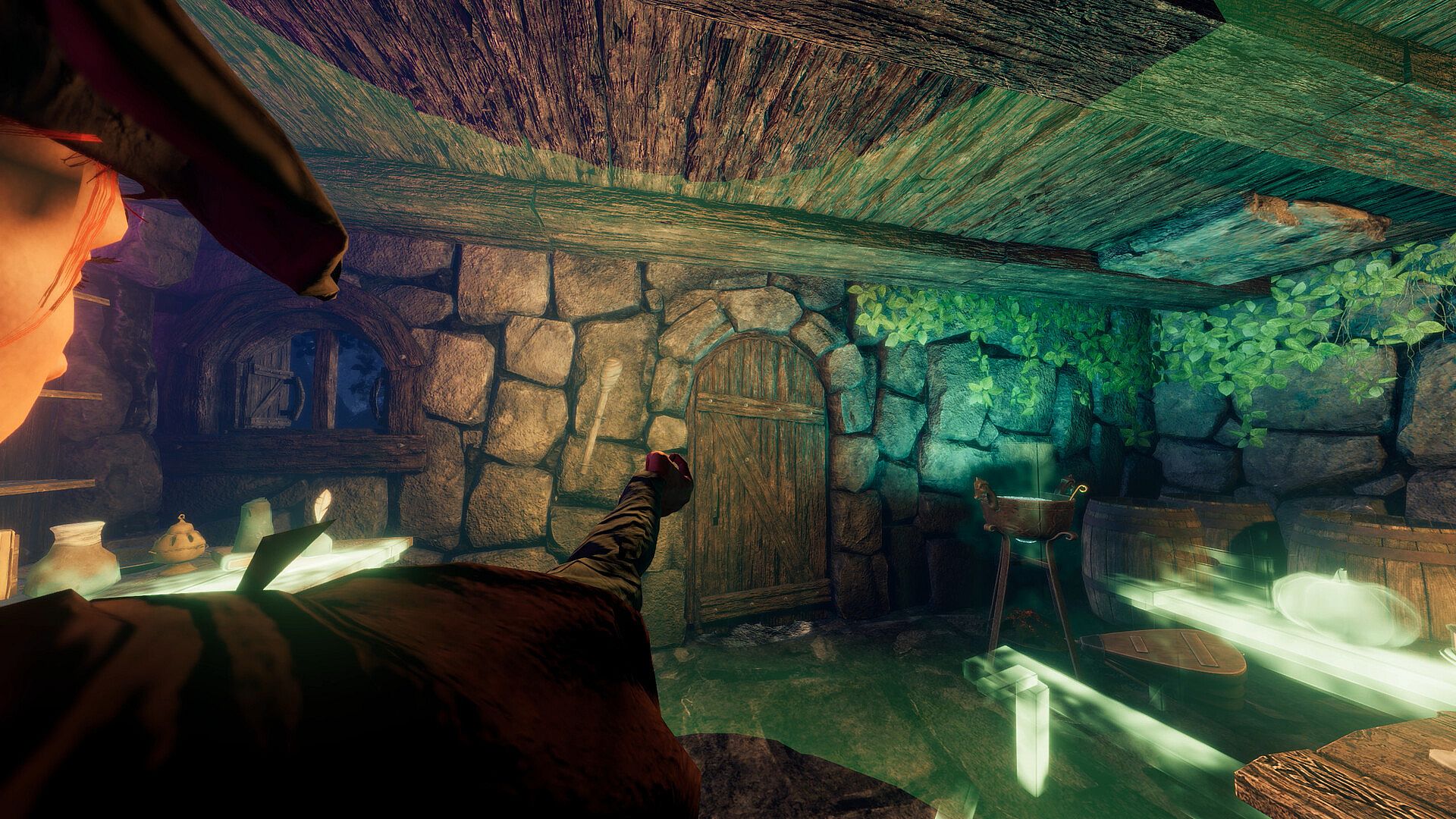
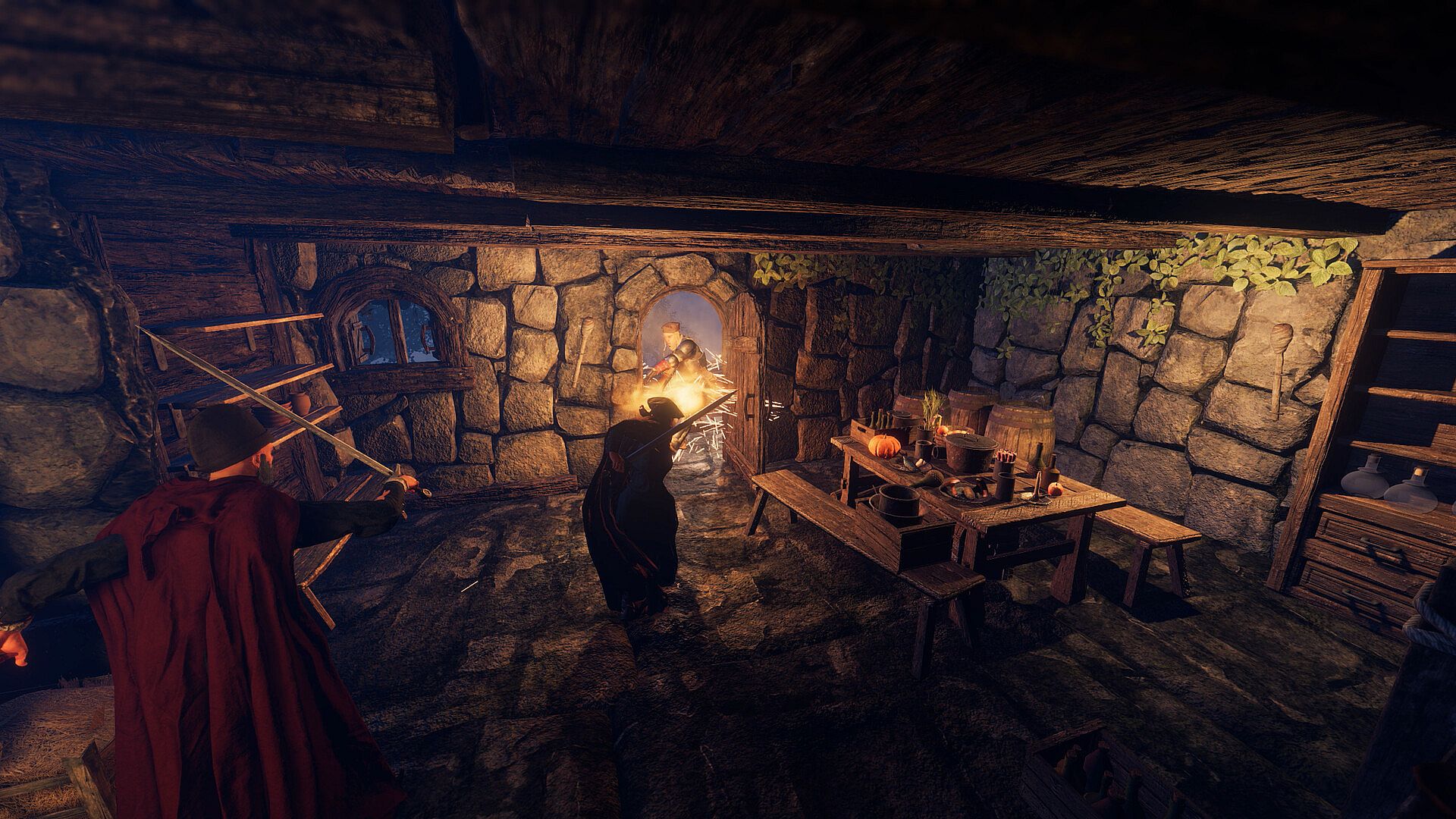

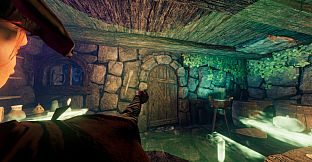
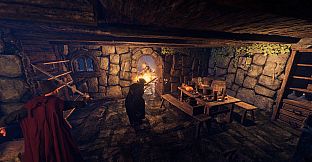
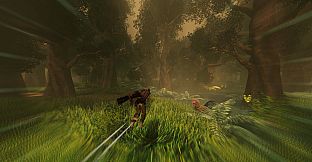
The Witch Simulator is an action RPG simulation adventure game set in a medieval fantasy world where players take on the role of a witch navigating daily life under the threat of the Inquisition. Available on PC, the title blends crafting, exploration, combat, and social mechanics into a cohesive experience centered on potion brewing, ingredient collection, and building reputation while concealing magical abilities.
Gameplay
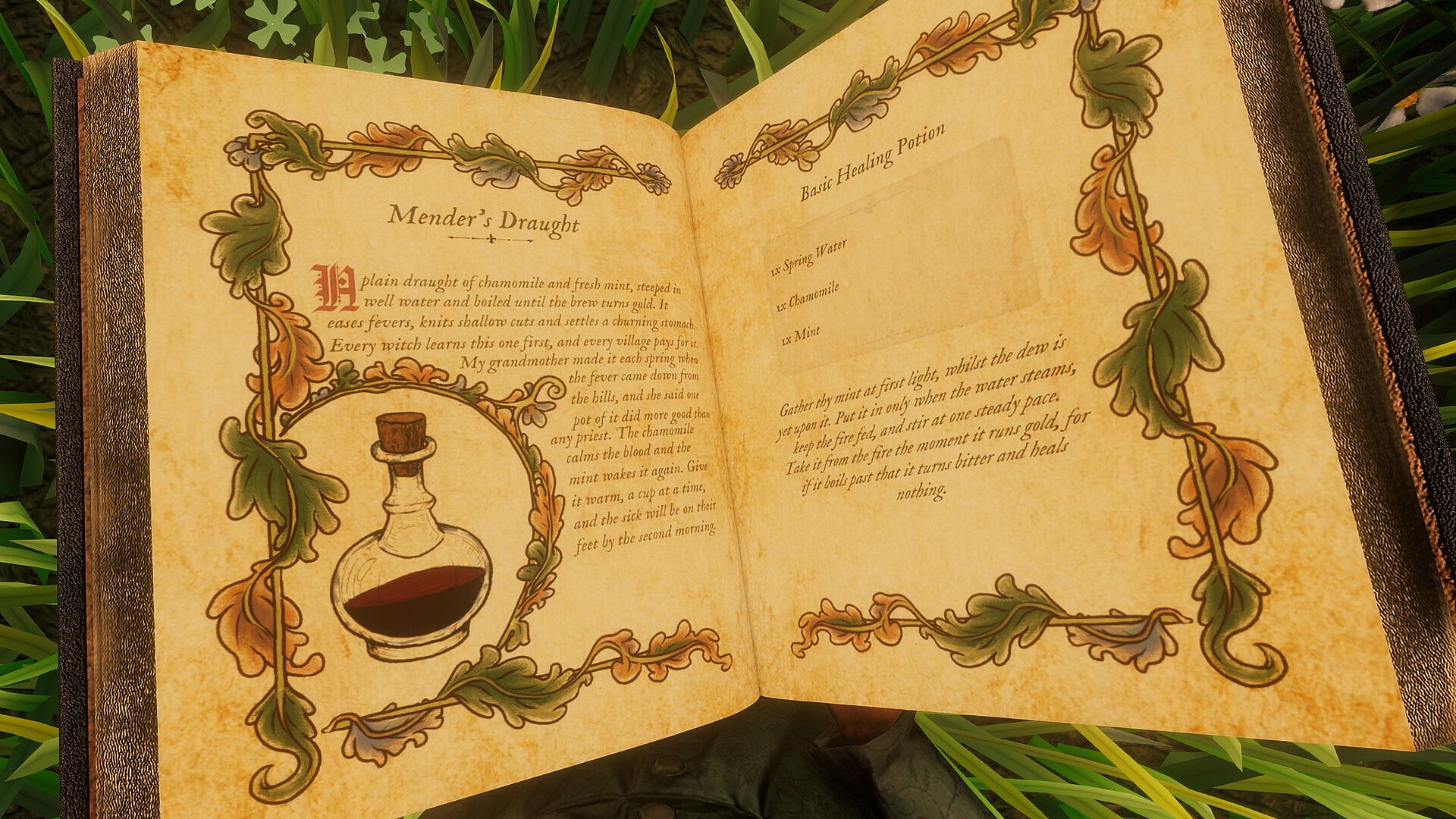
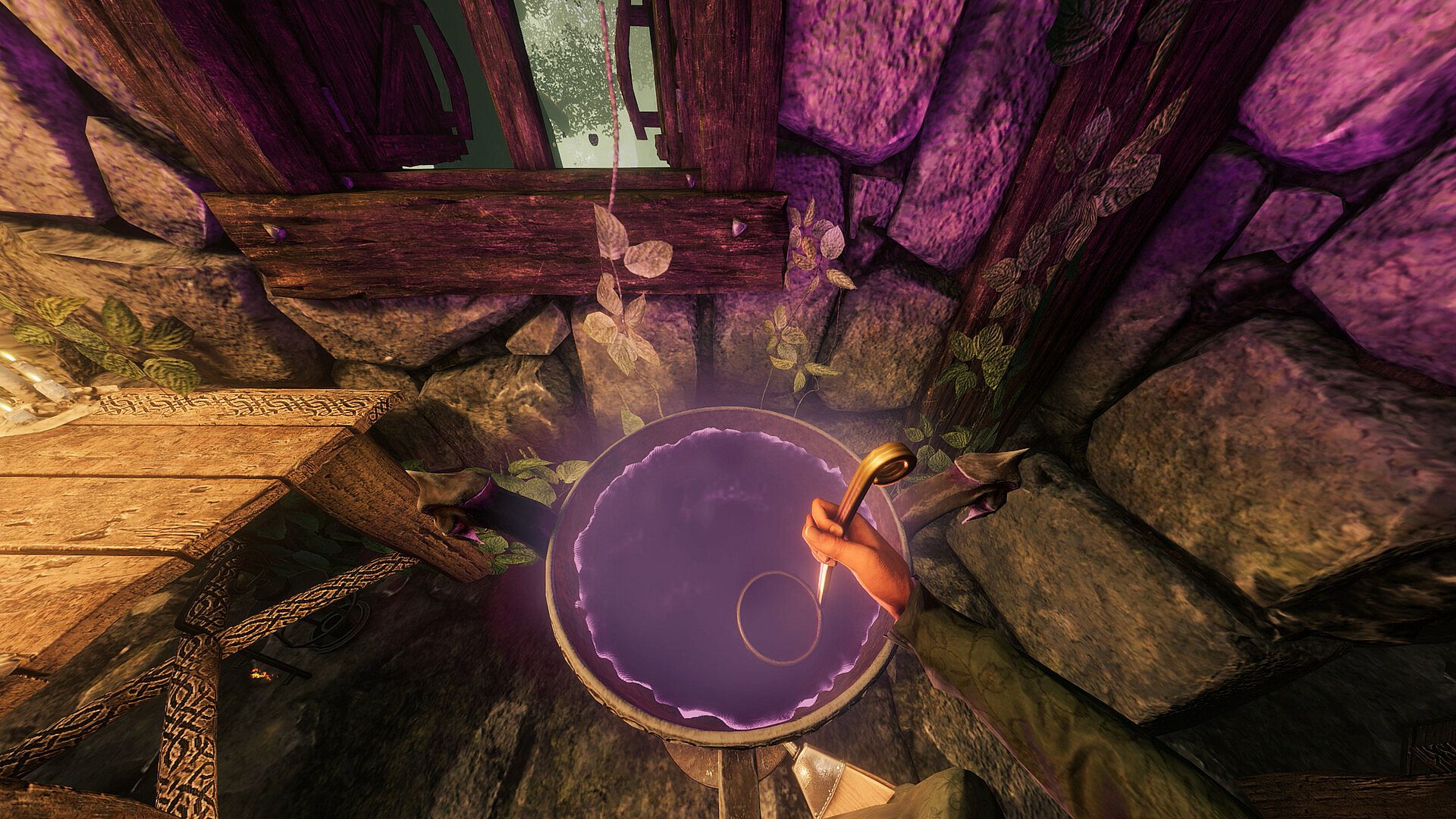
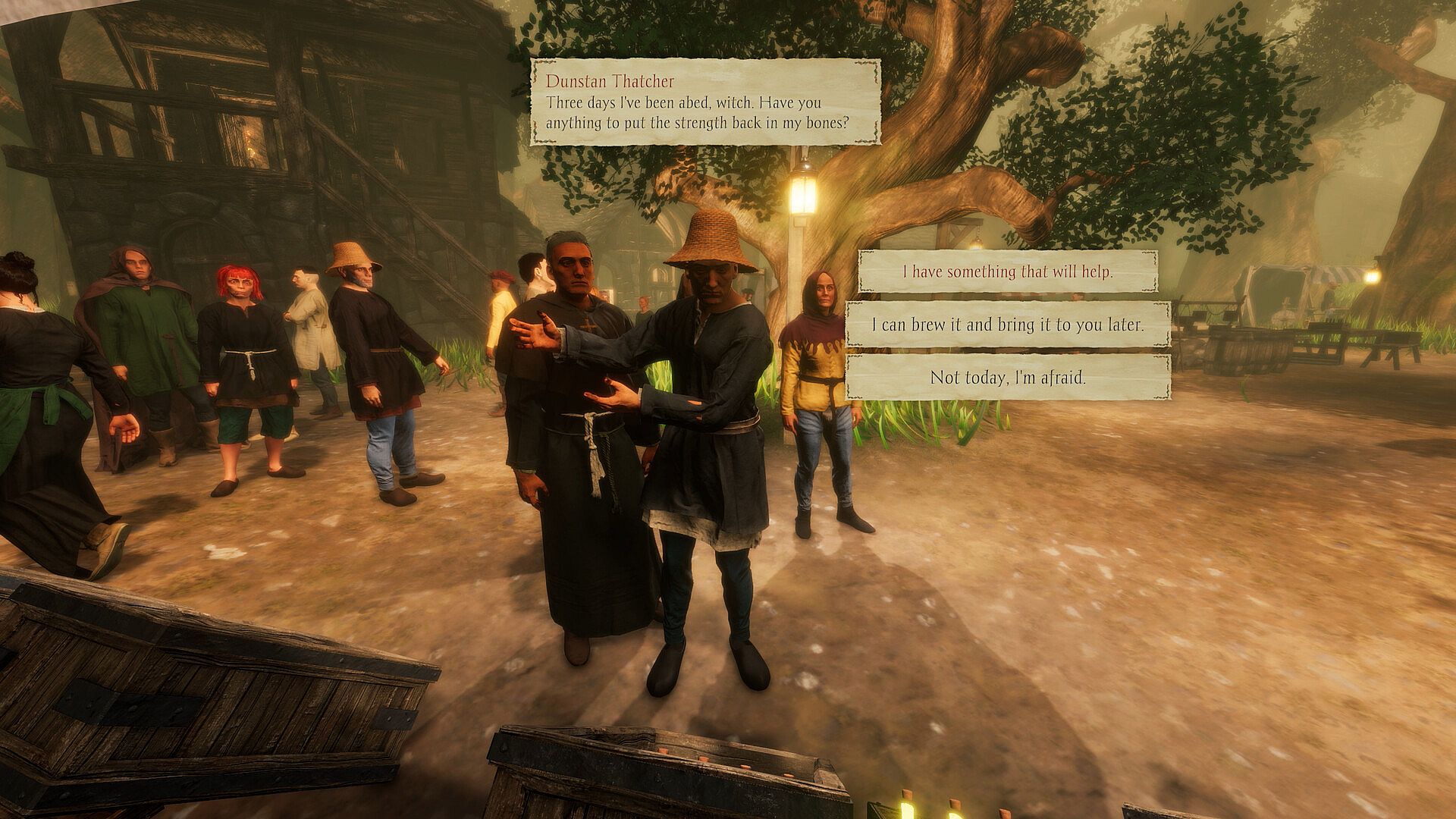
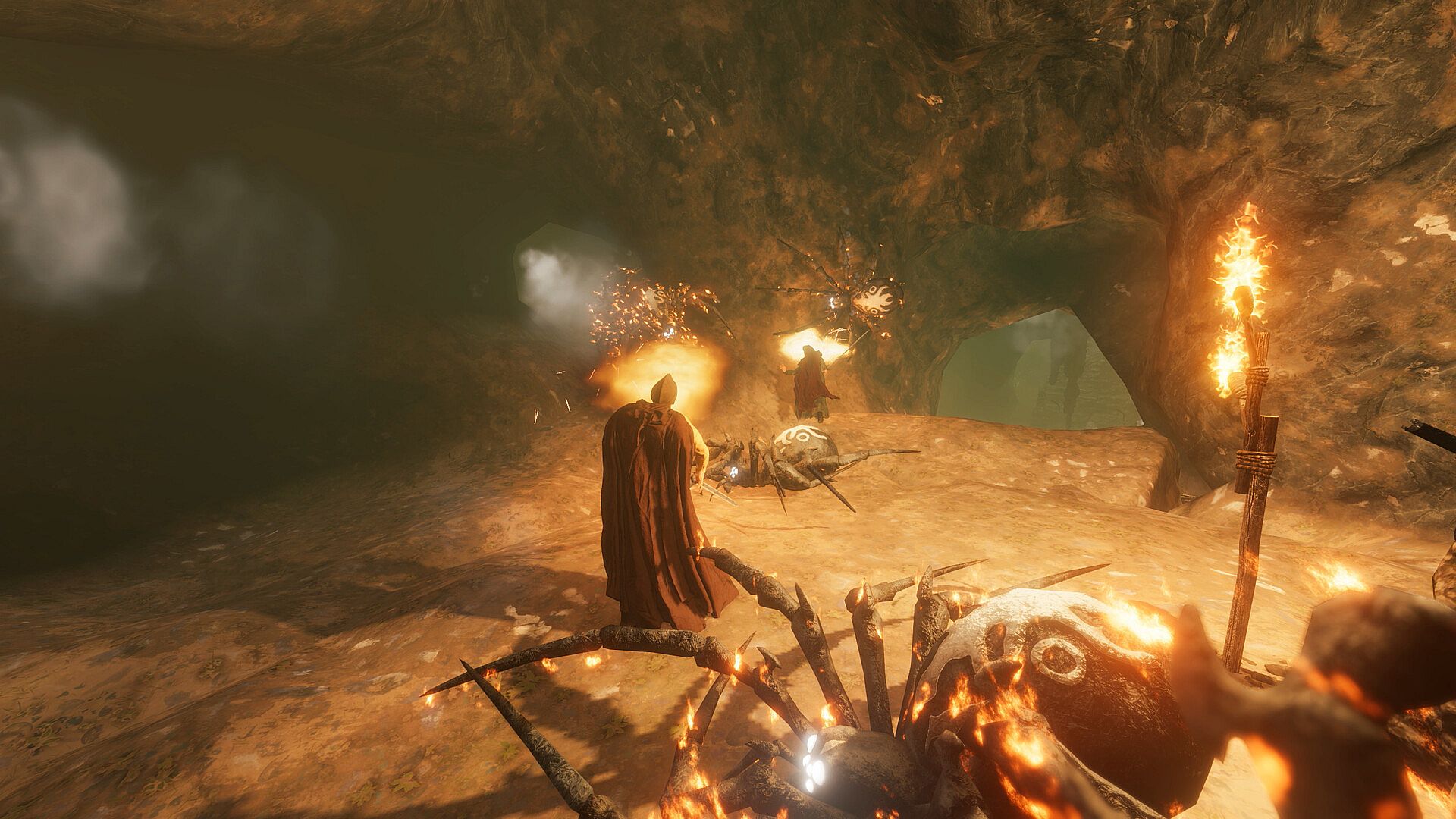
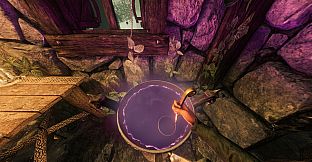
Core gameplay revolves around foraging across forests, caves, and mountains to gather plants and rare components from defeated monsters. These materials feed into a fluid-based elemental spell system that supports experimentation when brewing potions tailored to villagers' specific needs. Players can sell these creations at a stall, choosing between fair pricing to earn trust or deceptive tactics for higher profits.
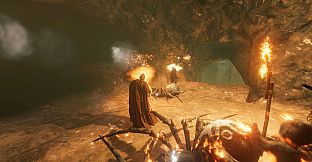
Quests extend beyond simple deliveries. Some require hunting specific creatures for unique parts, while others involve defending the village during threats. Reputation grows with each completed task, opening new opportunities and advancing the overarching goal of challenging the Inquisition's control. A day and night cycle influences visibility and patrol patterns, adding tension to movement through the world.
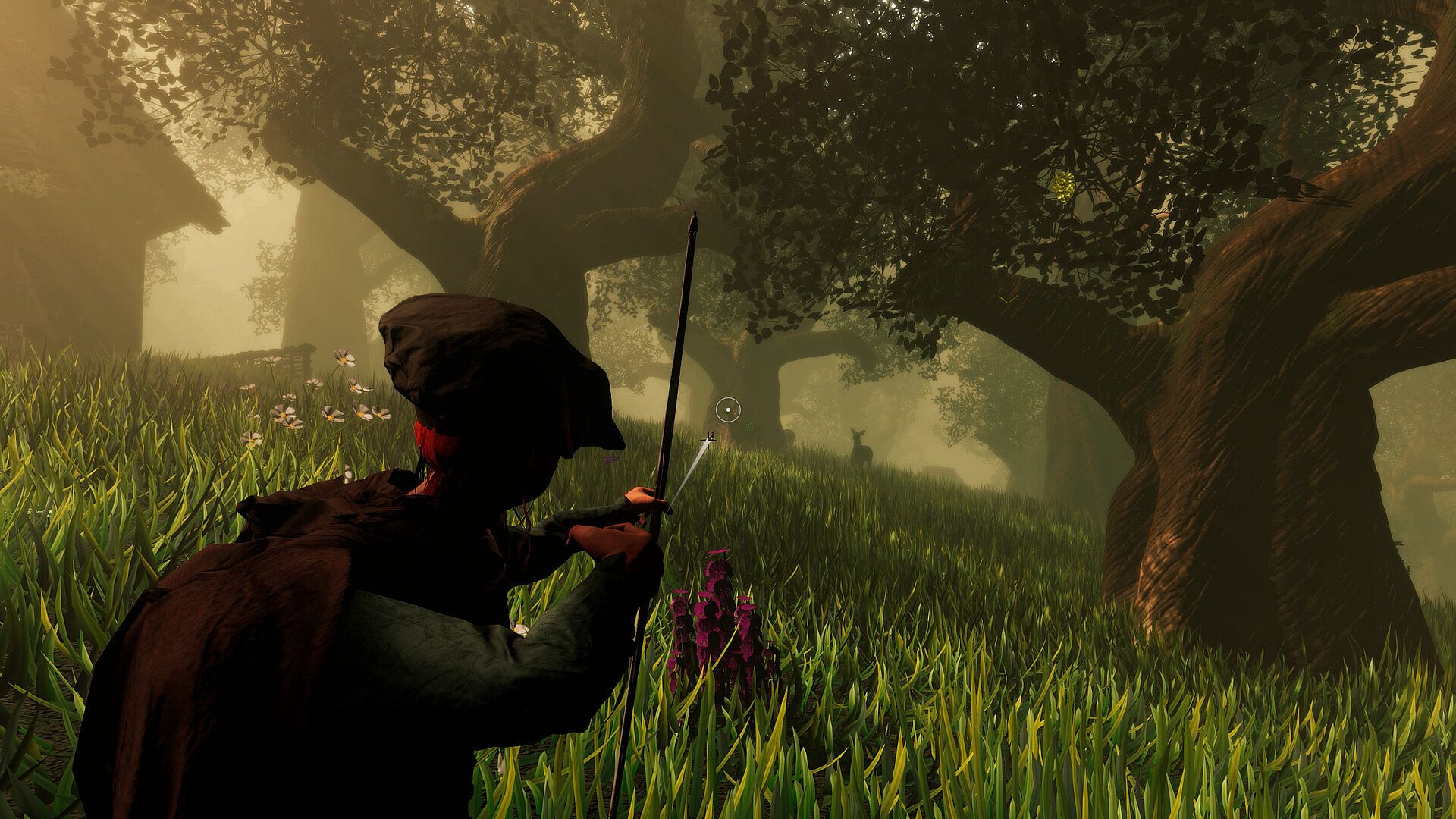
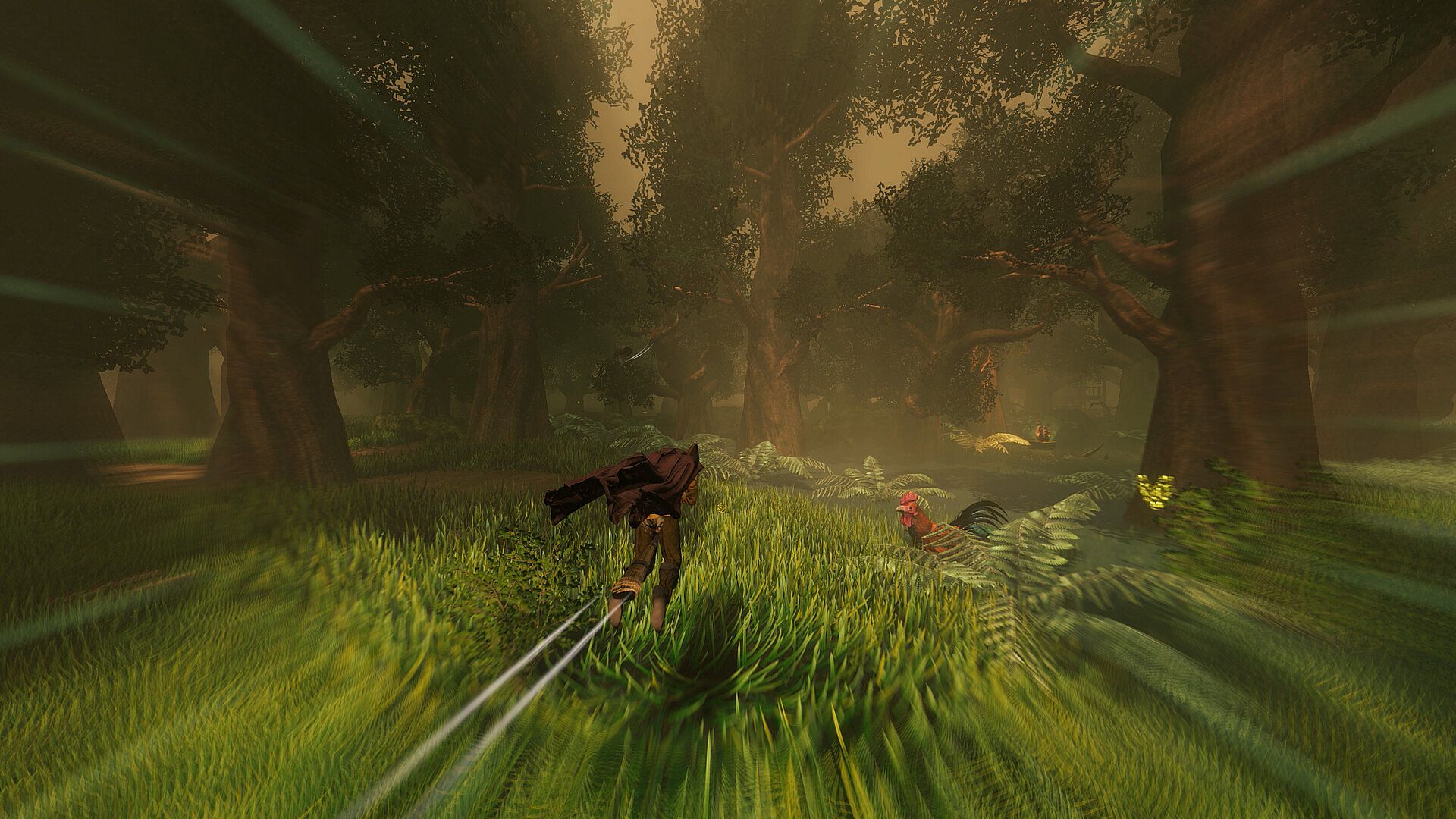
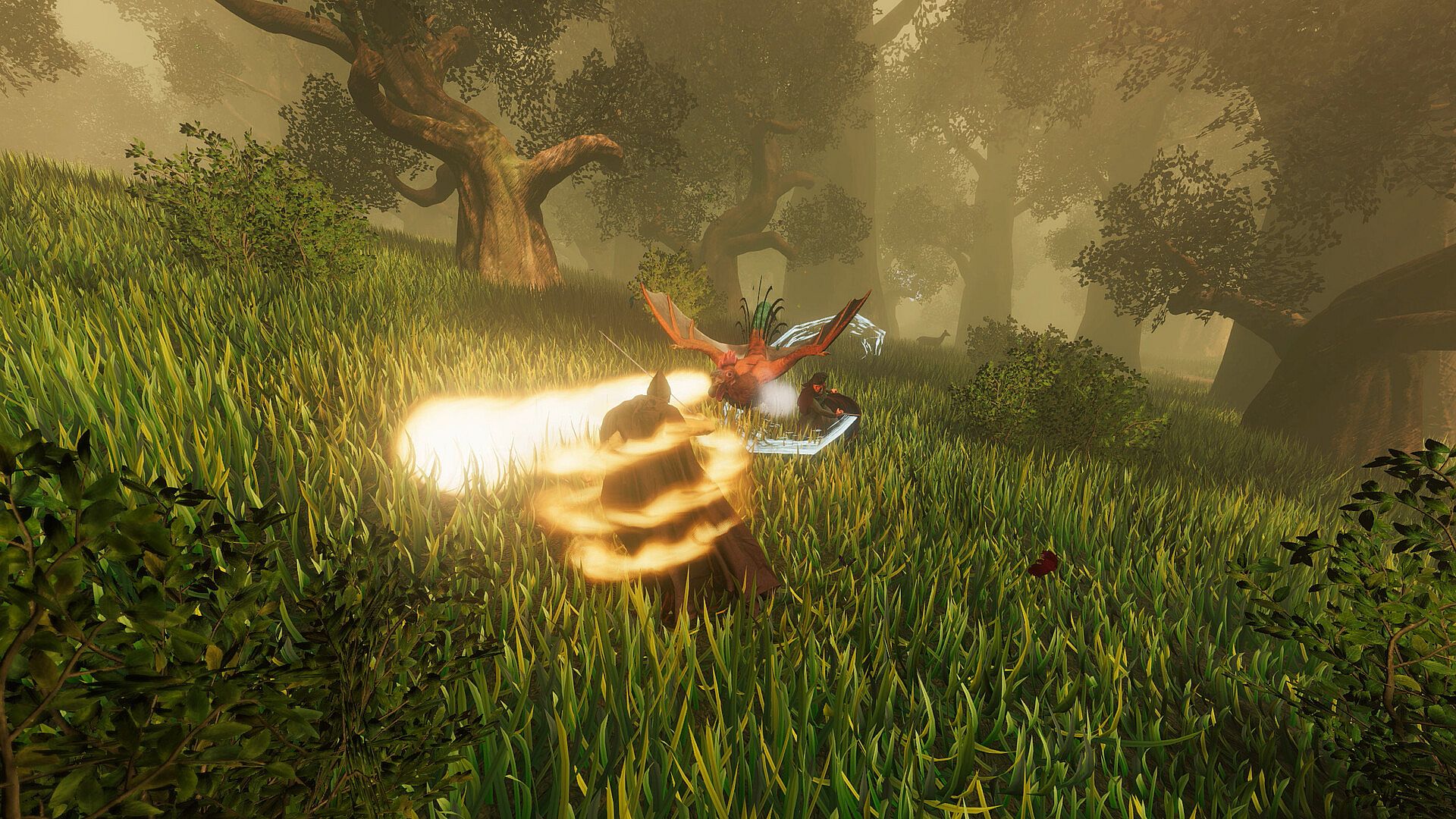
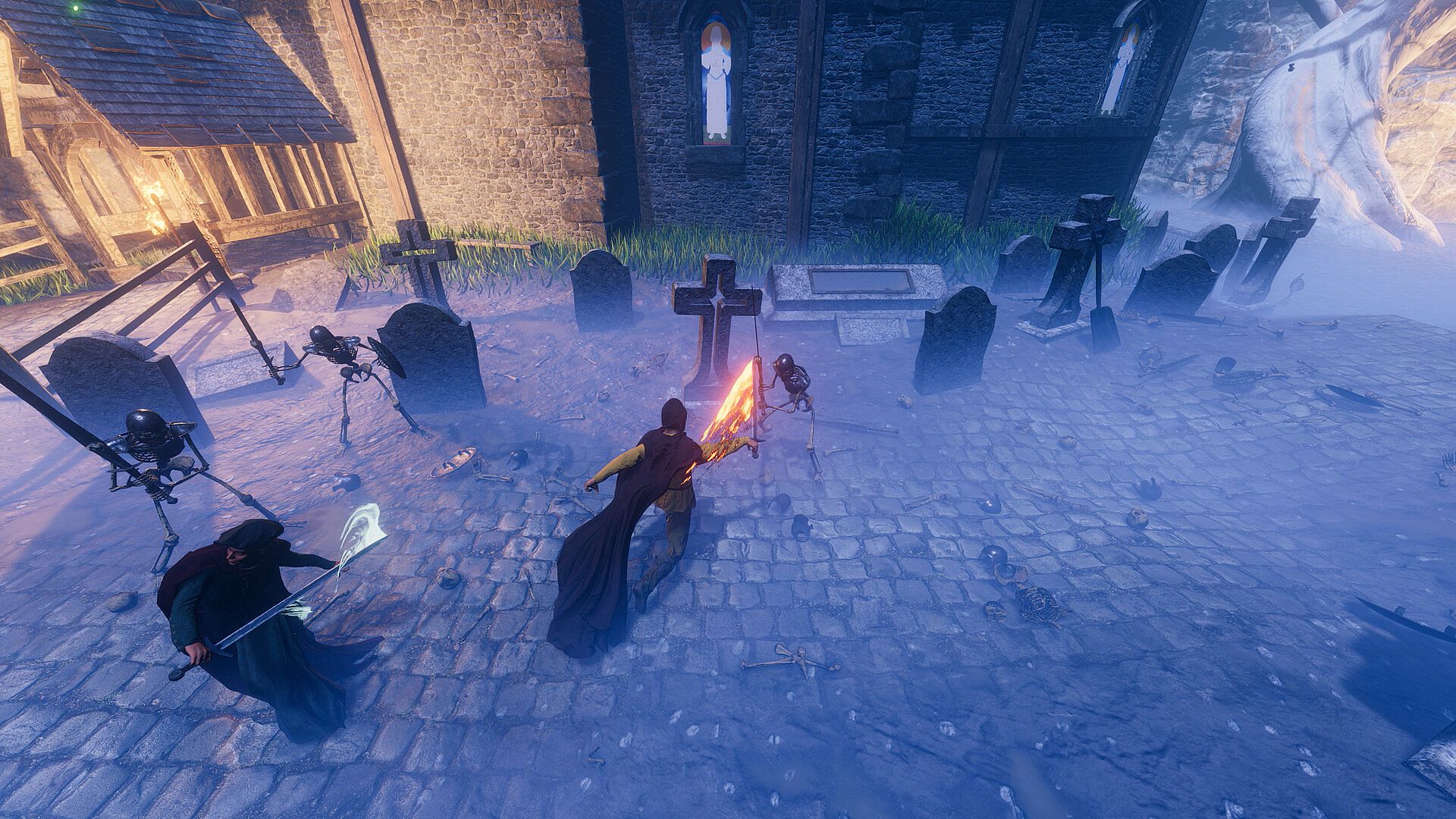
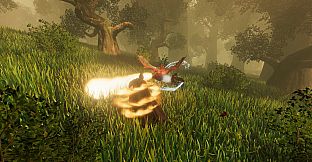
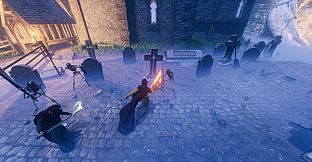
Combat options include hand-to-hand fighting, elemental magic, and aerial maneuvers on a broomstick. Exploration rewards hidden treasures and new recipes discovered in varied biomes. The Inquisition's patrols create constant risk, requiring quick reactions to hide magic with a simple gesture before raids occur at doors or in the open.
Game Modes
The game supports solo play for those preferring independent pacing through gathering, crafting, and story progression. Online co-op allows up to four players to share tasks such as ingredient hunts, potion creation, monster fights, and village defense, with built-in voice chat to coordinate efforts.
Co-op sessions maintain the same core systems as single-player, including reputation tracking and Inquisition encounters, but distribute responsibilities across the group. Multiple playstyles emerge naturally, whether focusing on alchemy mastery, combat prowess, or balanced participation in all activities.
Exploration and Progression
Players roam multiple biomes filled with monsters and bosses that yield valuable parts for advanced potions and quests. Reputation accumulation grants access to restricted areas like the castle, culminating in efforts to overturn the Inquisition and restore magic to the world. Controller support ensures accessible controls for flying, fighting, and managing the stall across different play sessions.
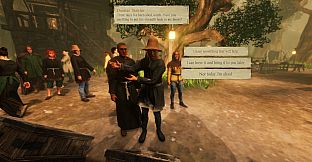
Day and night transitions affect both resource availability and the frequency of patrols, encouraging strategic timing for risky activities. Haggle mechanics at the stall add depth to interactions with villagers and travelers, influencing long-term relationships and earnings.
Is It Worth Playing?
The Witch Simulator targets players who enjoy simulation elements combined with action and light RPG progression in a fantasy setting. Its mix of peaceful crafting loops, cooperative monster hunting, and stealth mechanics against patrols offers variety for both solo and group sessions. With a planned release in Q2 2027 and a free demo scheduled for Steam Next Fest in February 2027, interested players can evaluate the systems firsthand before full launch.
Those drawn to life-sim experiences with meaningful choices in trading, combat flexibility on broomsticks, and reputation-driven narratives will find the described features align closely with that preference. The emphasis on hiding magic adds a layer of tension absent from purely cozy titles, appealing to fans of risk-reward gameplay. As an independent debut title, its success will depend on how well the integrated systems deliver during the demo period.