





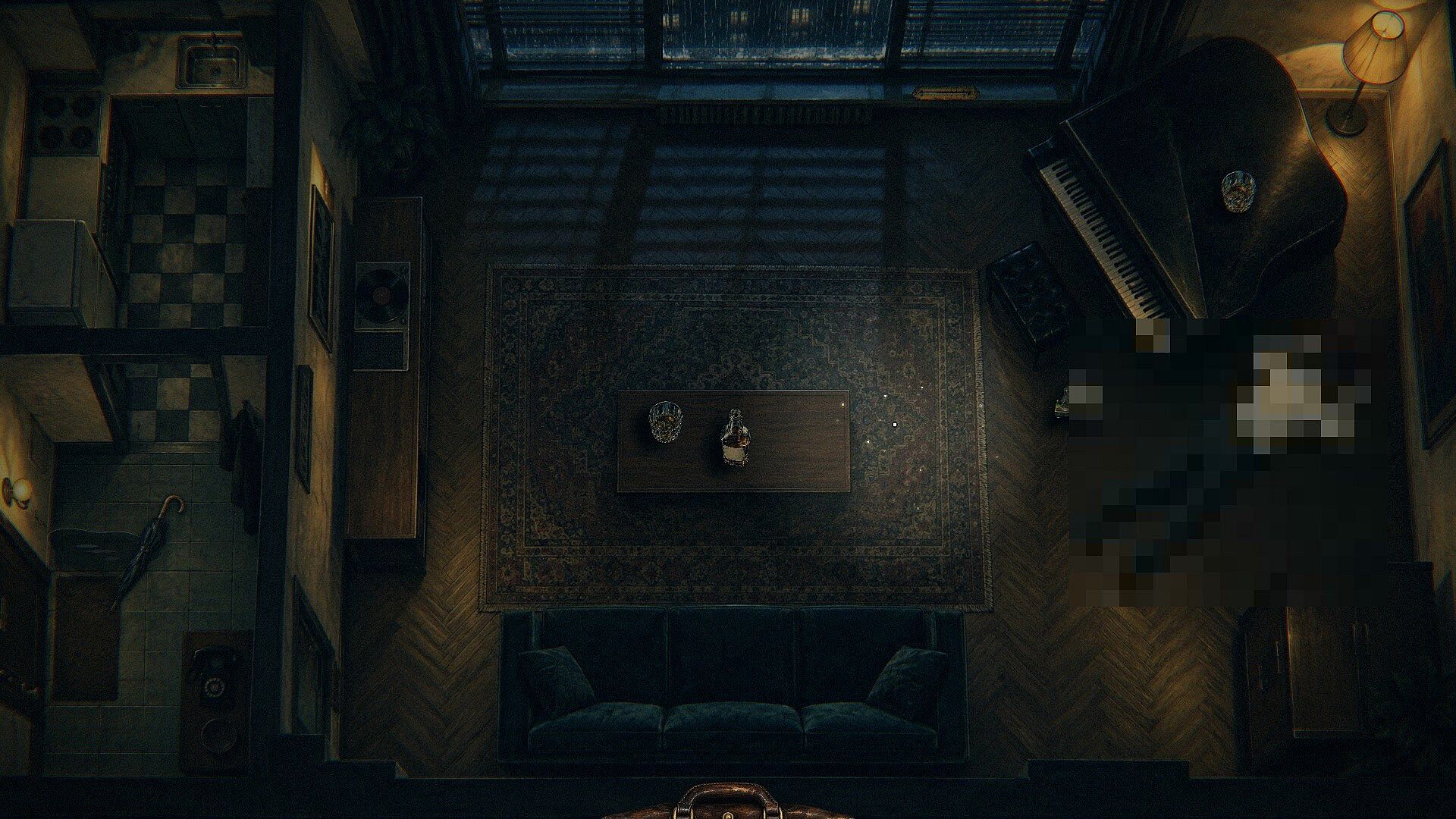
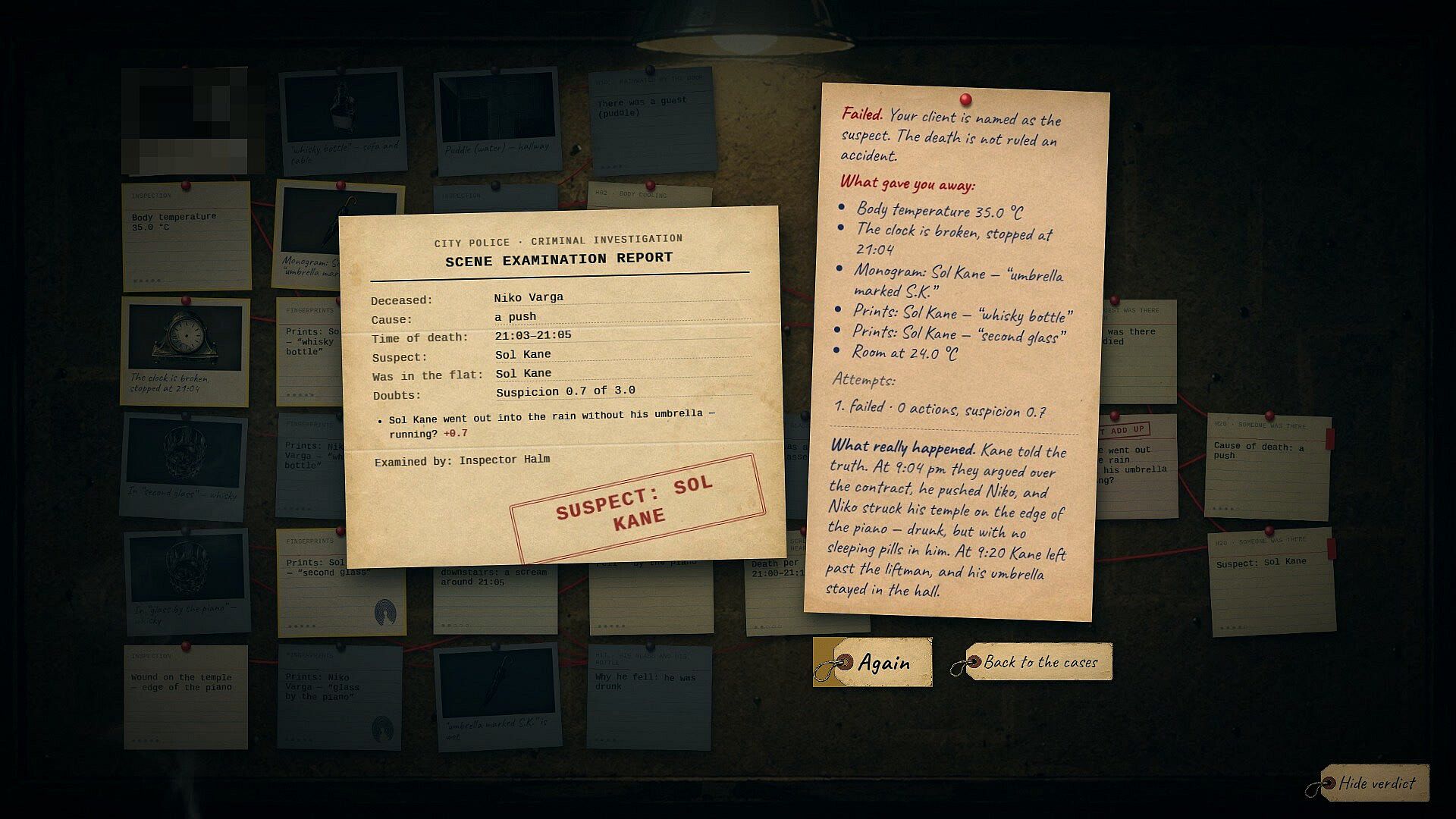
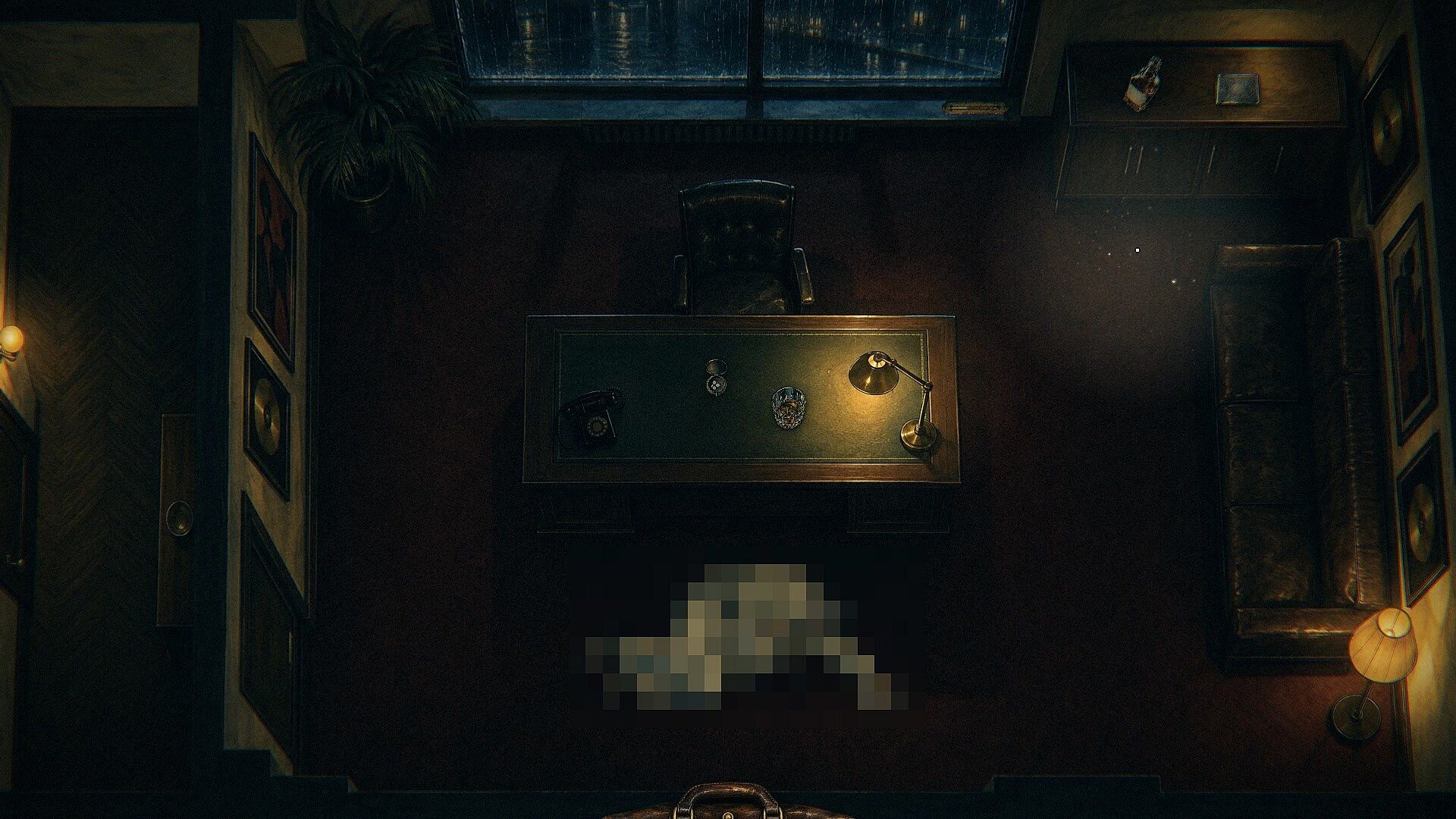
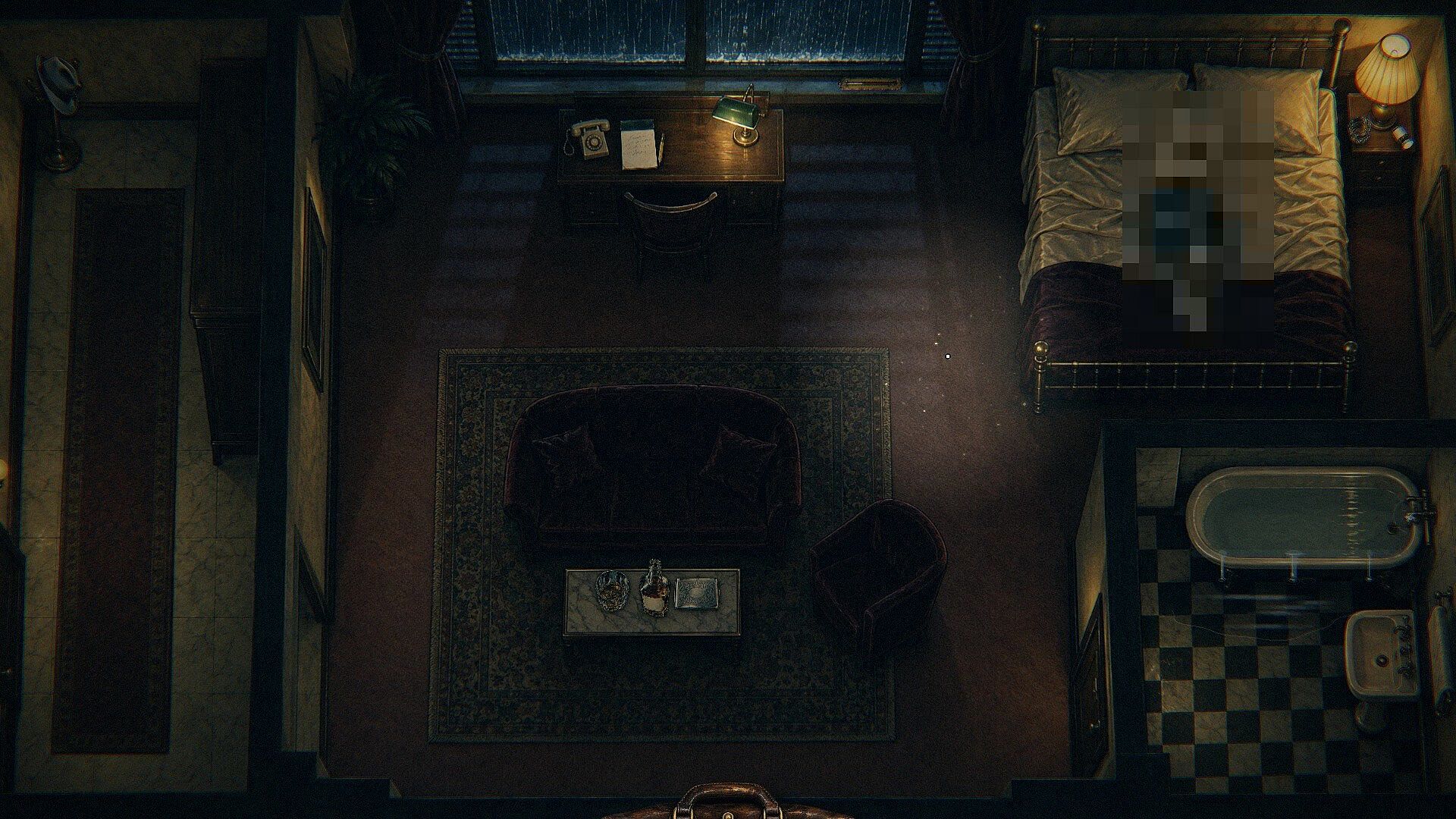
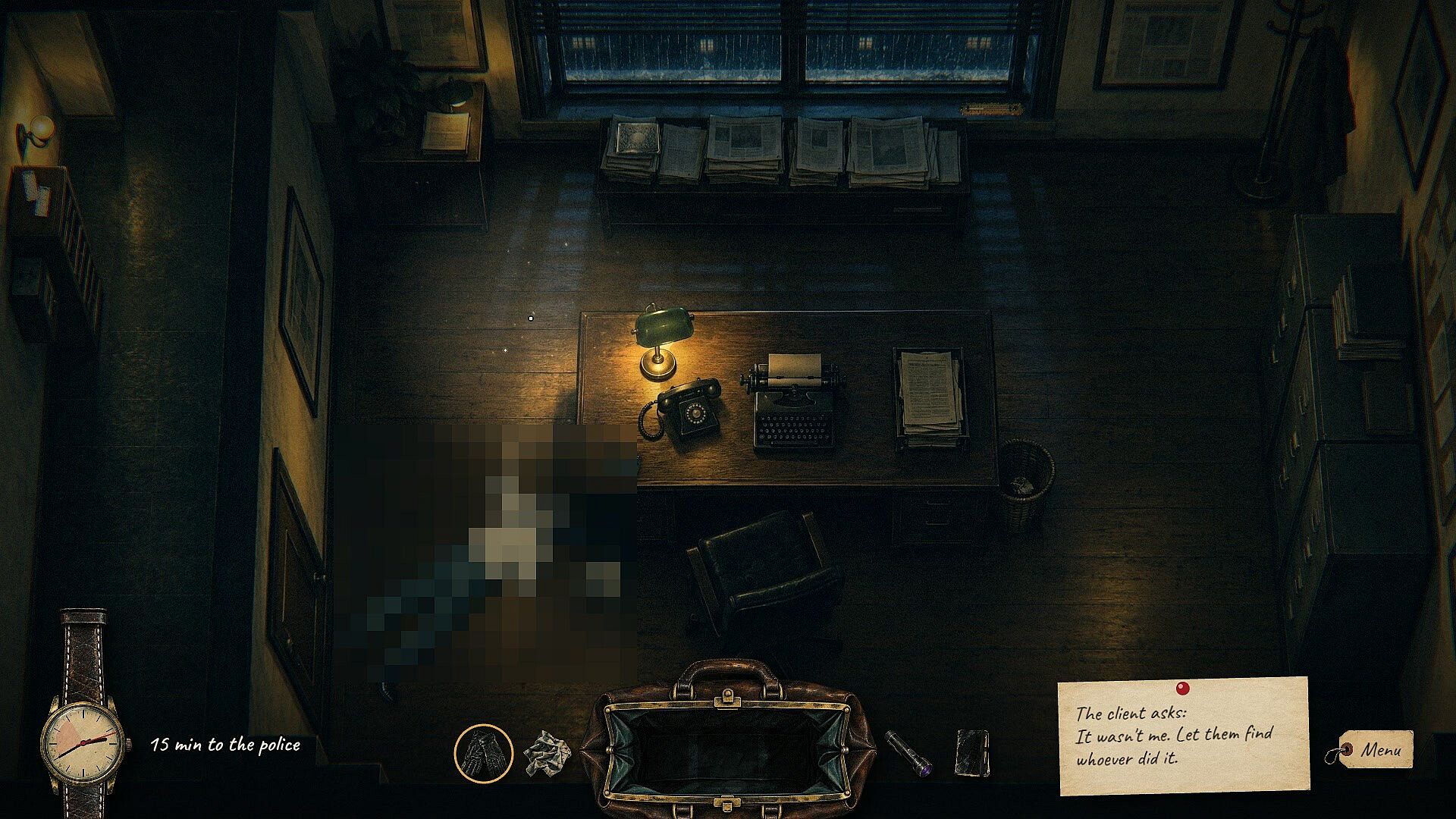
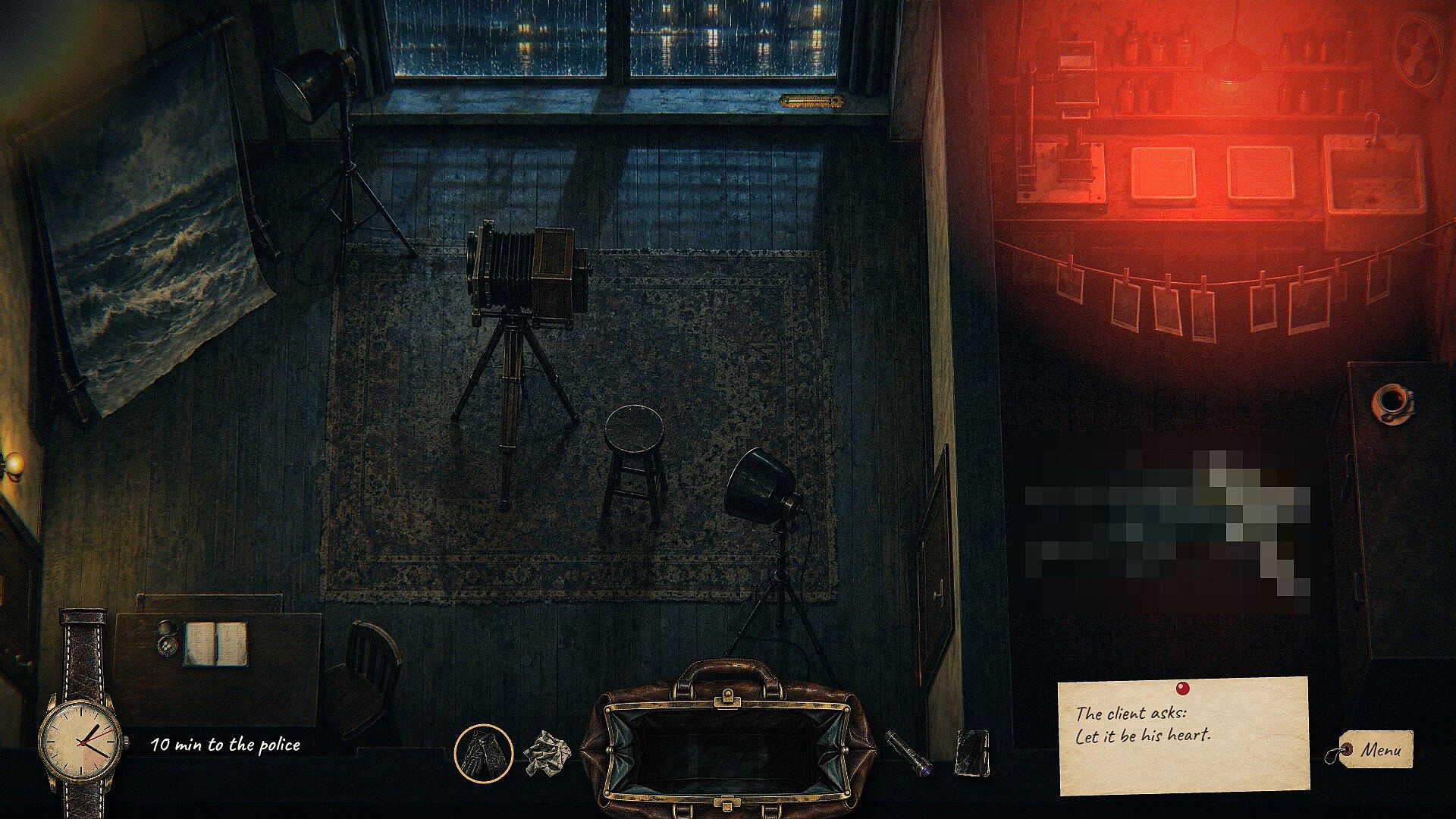
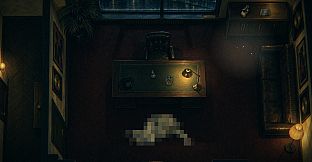
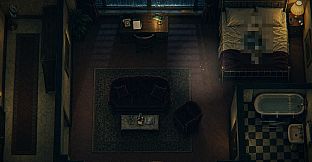
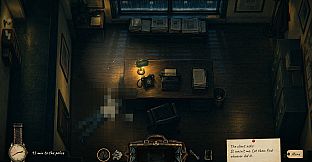
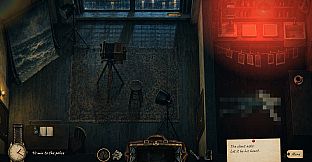
The Perfect Crime is a single-player strategy and adventure game centered on planning and executing murders while evading detection through careful alibi construction and evidence management. Players take on the role of someone attempting to commit what appears to be an unsolvable crime, then navigate the subsequent police investigation that tests the consistency of their actions against available facts and witness accounts.
Gameplay
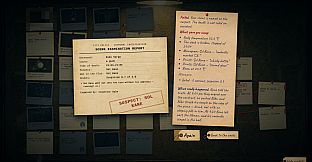
The core loop splits into two distinct phases that emphasize planning, timing, and logical consistency. In the first phase, players select locations such as apartments or offices, choose methods and tools, and arrange movements to create believable alibis for other characters. Actions leave traces that must be addressed within limited time windows, as every decision affects how the scene appears to investigators later. The second phase shifts to an investigation where police examine suspects in order of suspicion, verify statements against records and physical clues, and adjust suspicion levels based on inconsistencies. Success depends on ensuring the fabricated story aligns with unchangeable elements like weather, phone logs, or neighbor observations without introducing new contradictions.
Players manage props and environmental details to mislead forensic analysis, such as altering weapon marks or redirecting attention to other individuals. The game rewards foresight in how each choice influences the overall narrative presented to authorities. A built-in case editor allows creation of custom scenarios, extending the experience beyond the base content by letting users design their own crime setups and investigation parameters.
Game Modes
The game operates primarily as a single-player experience focused on sequential cases that build through repeated attempts and refinements. There are no separate multiplayer or competitive modes. Instead, the structure revolves around the crime commission phase followed immediately by the investigation phase within each scenario. This format encourages iterative play, where failures reveal the exact reasoning flaws and allow restarts with adjusted strategies. The case editor functions as an additional creative outlet rather than a distinct mode, enabling users to generate and share new content that follows the same two-phase logic.
Setting and Presentation
Events unfold in detailed indoor environments viewed from an overhead perspective, with attention to atmospheric elements like lighting and weather that play into the evidence system. The 1970s-inspired aesthetic supports the noir tone through muted colors and period-appropriate details in rooms and objects. Sound design highlights subtle cues such as rain or mechanical noises that can serve as timing references during planning.
Is It Worth Playing?
The game suits players who enjoy methodical deduction, resource management under constraints, and constructing coherent stories from limited information. Its mixed reception on Steam, with roughly 69 percent positive reviews from several hundred users, reflects appreciation for the logical depth alongside some criticism of pacing or interface elements. Average playtime hovers around eight to nine hours for the main content, with additional hours possible through the editor and repeated attempts at existing cases. Those drawn to strategy titles that simulate criminal investigation processes rather than action or exploration will find the most value here. The absence of ongoing seasonal updates or expansions means the experience remains static after purchase, which may appeal to those seeking a self-contained puzzle challenge without live-service elements.







