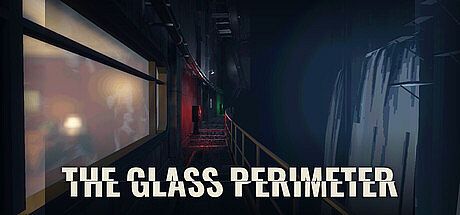


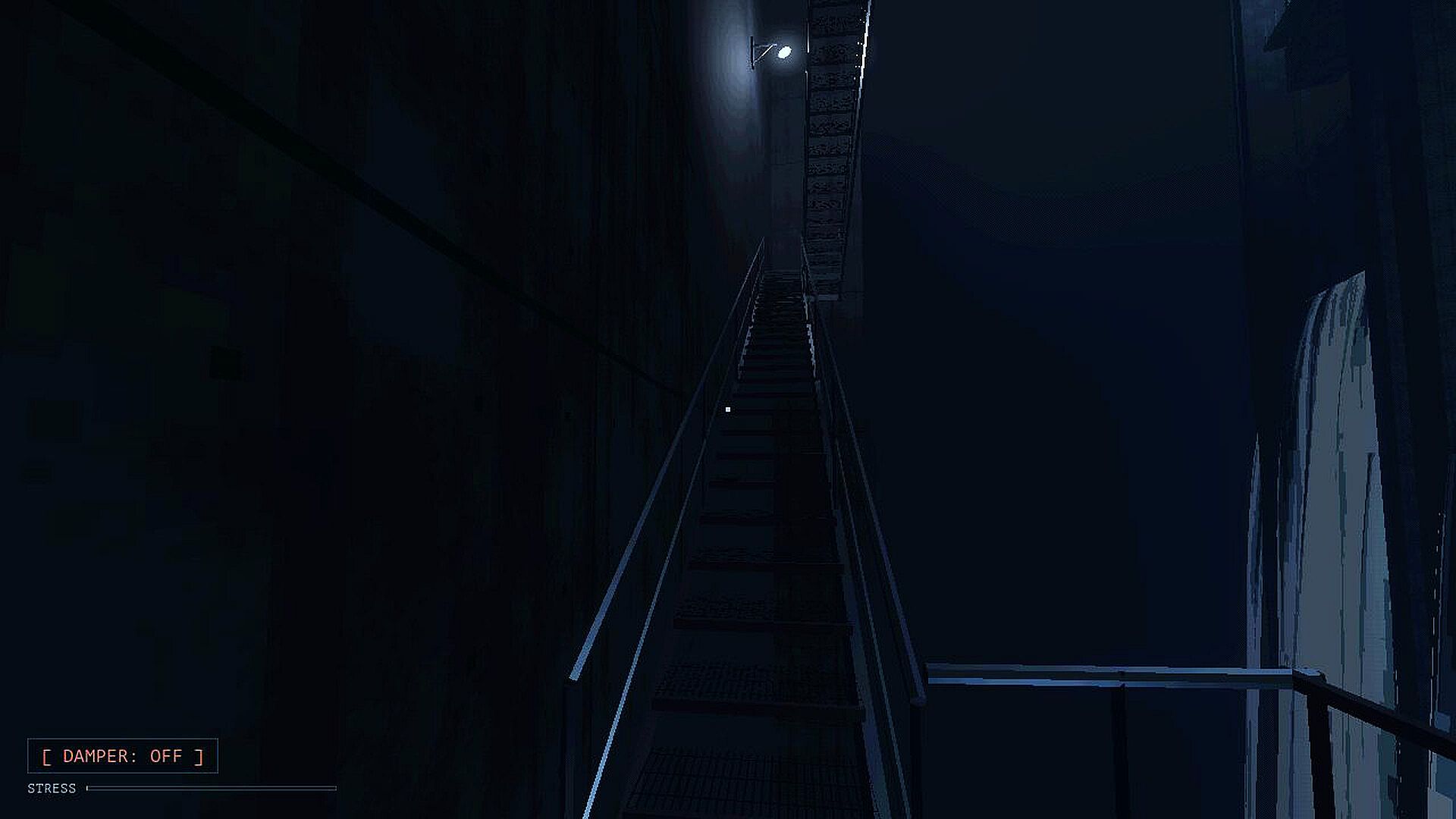
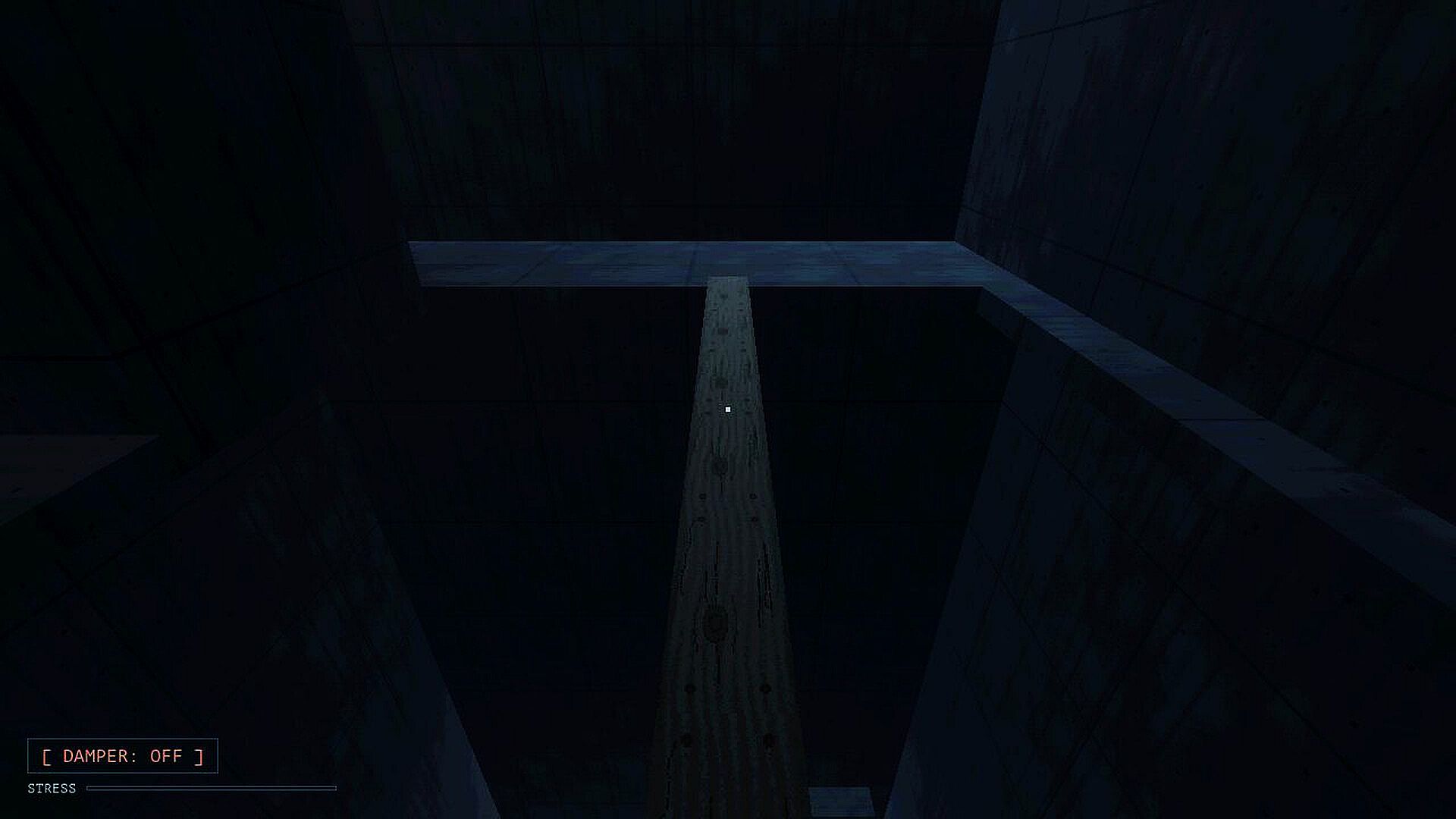
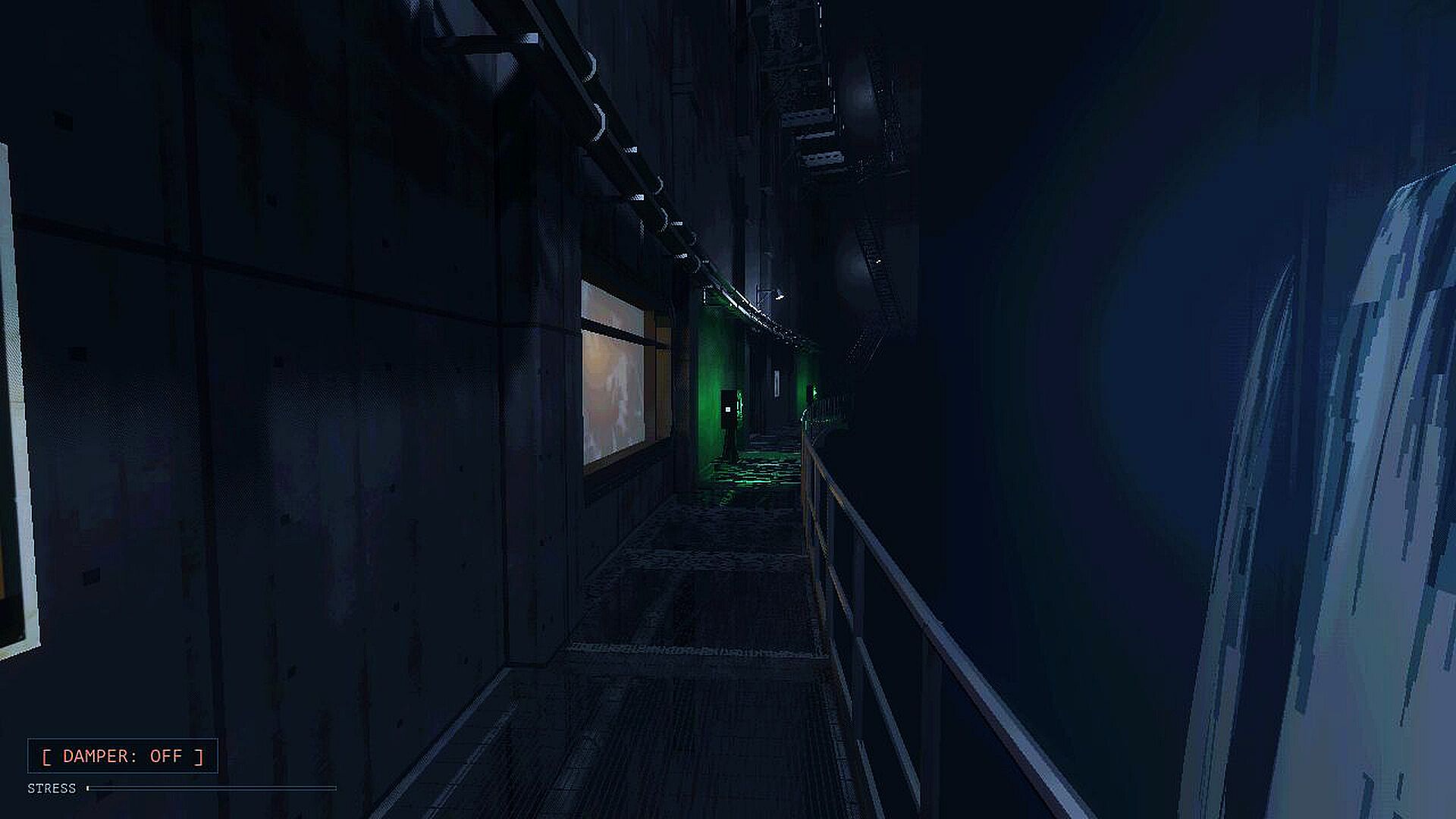
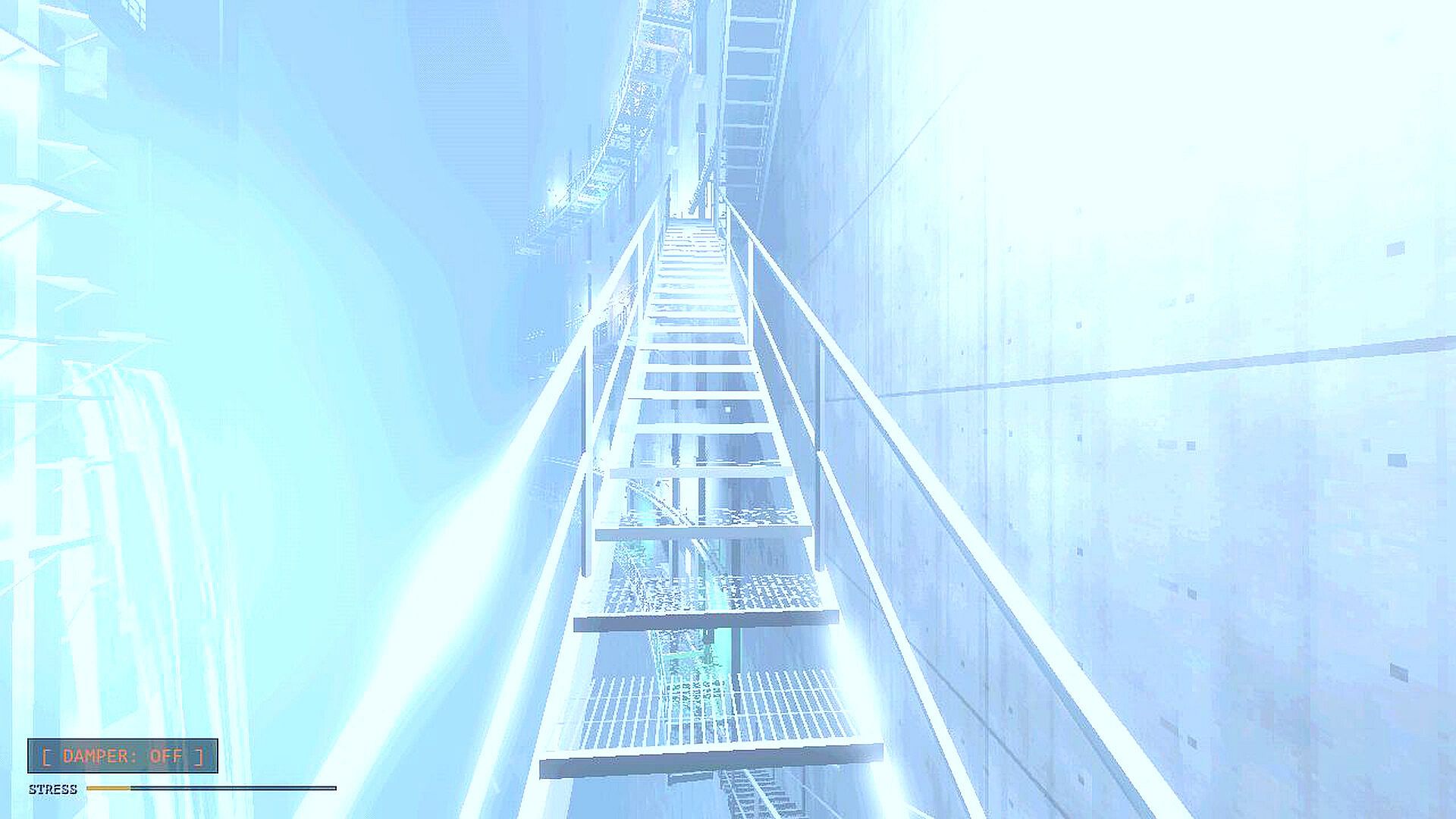
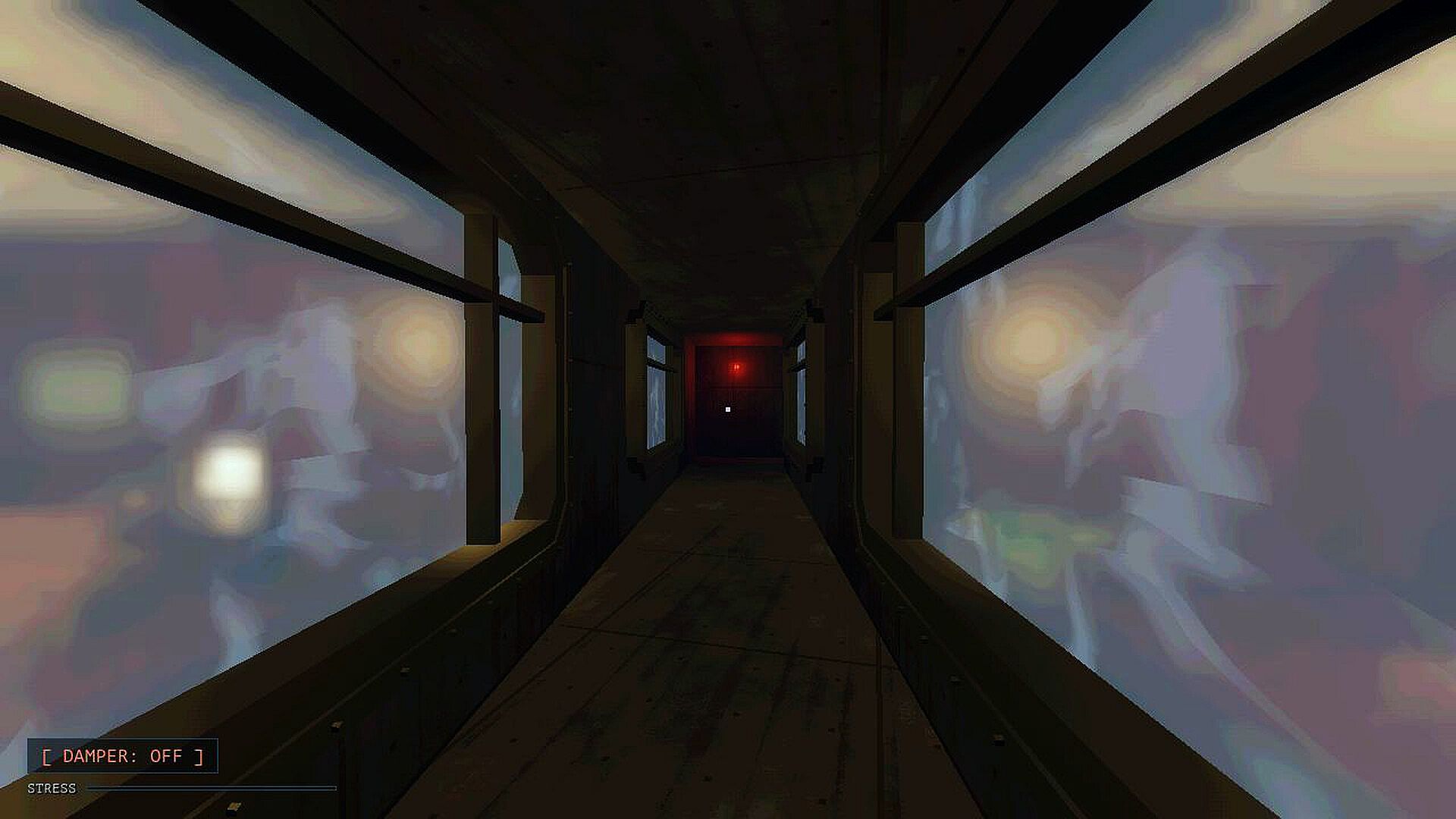
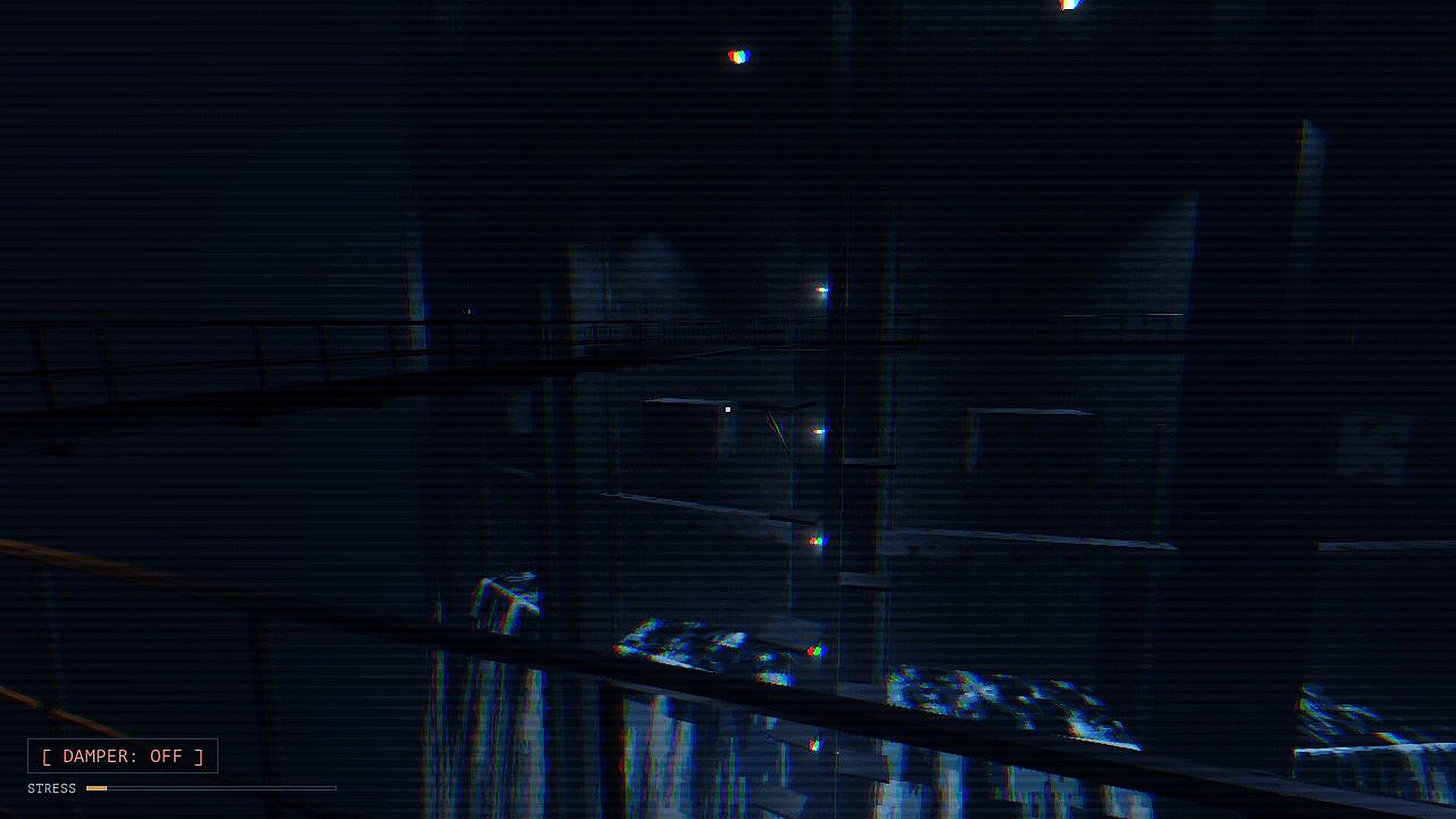
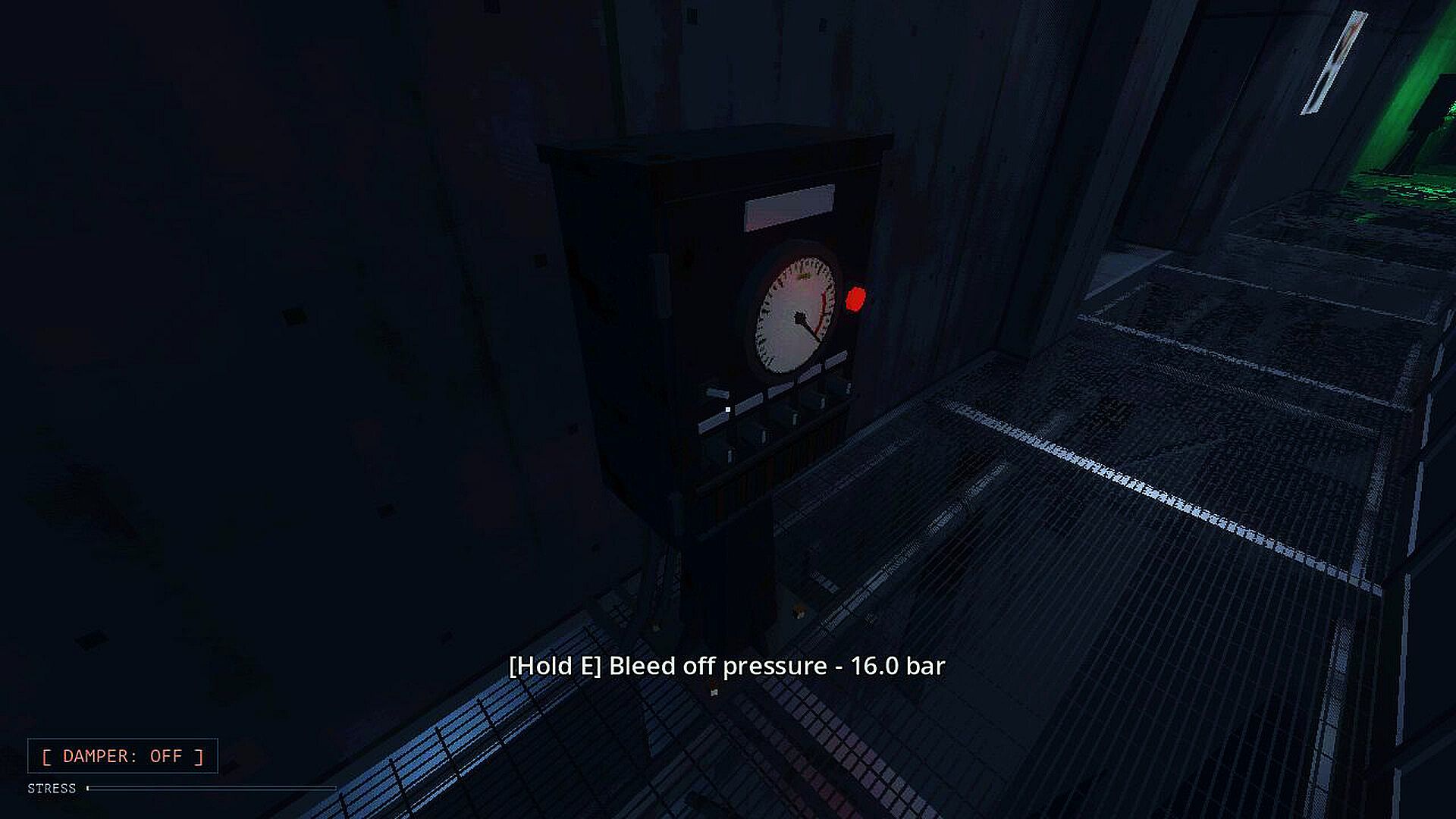
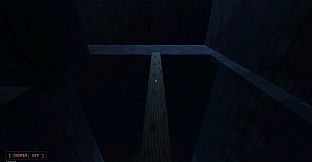
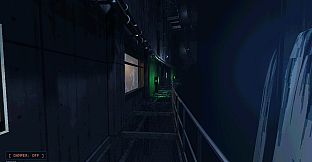
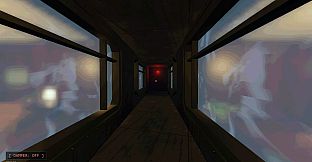
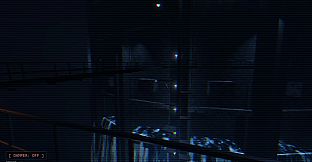
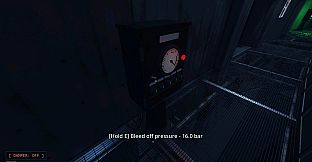
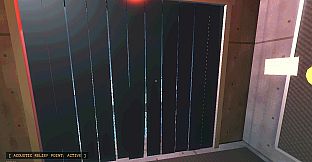
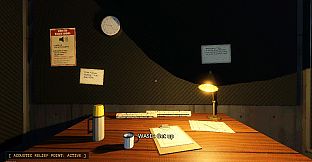
The Glass Perimeter is a short single-player indie adventure game set on a massive arch dam at night. Players take the role of a watchman whose routine involves monitoring pressure terminals and preventing valve failures amid the constant roar of the spillway and flickering lamps in the mist. The experience unfolds in first-person perspective across catwalks suspended over the gorge, switch rooms, and a solitary booth, with the core tension arising from sudden sensory overload that disrupts normal movement and focus.
Gameplay
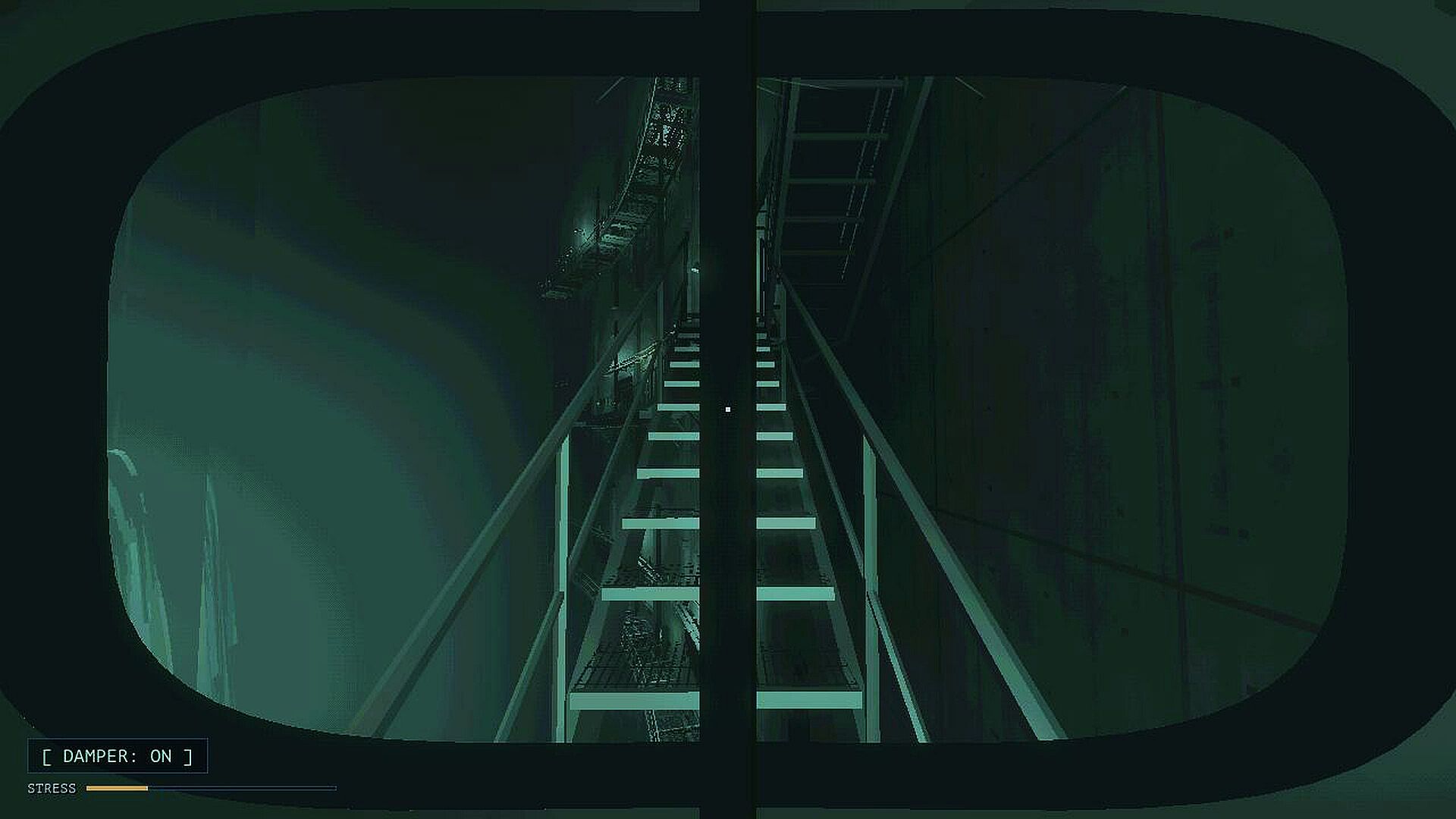
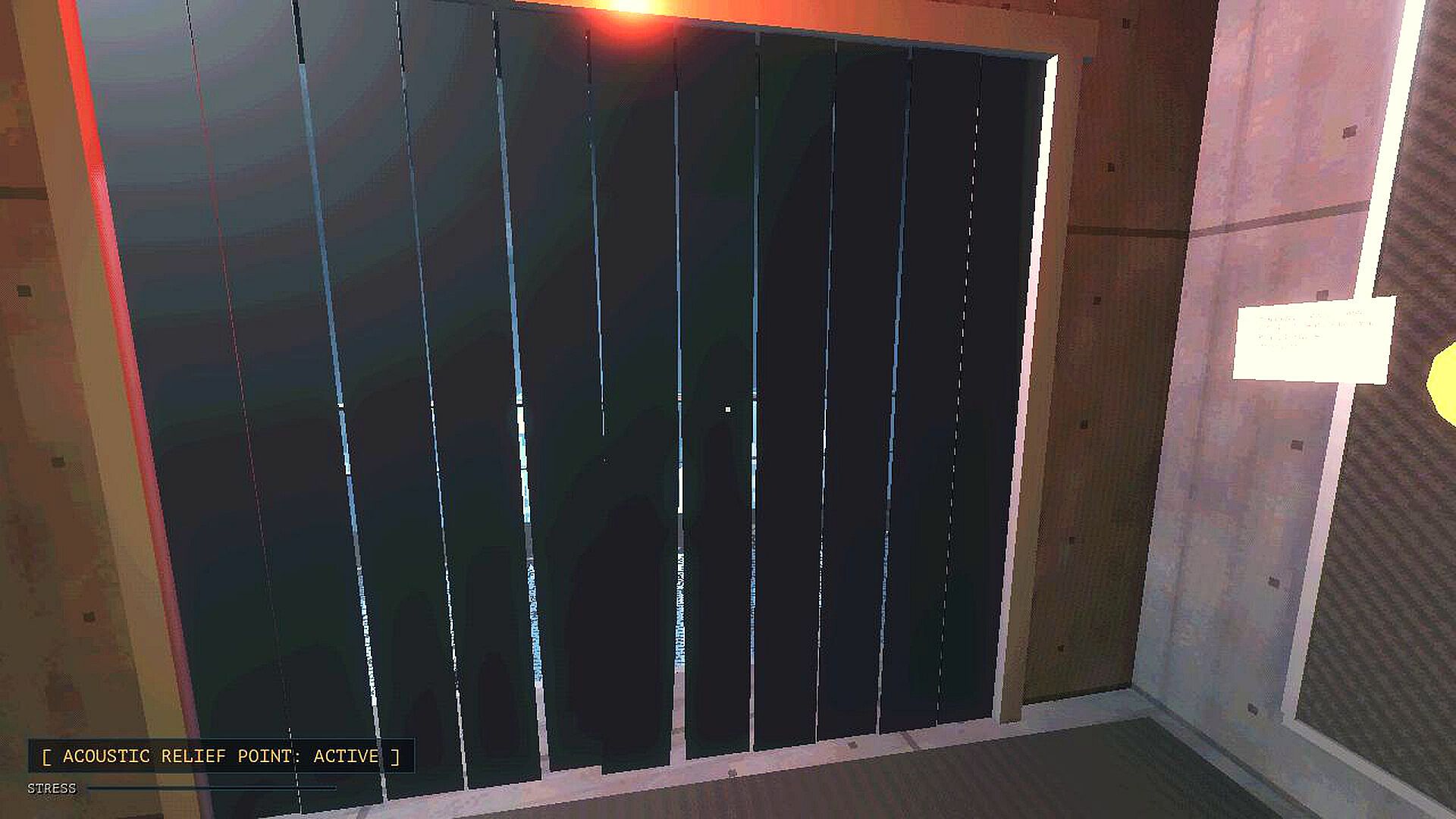
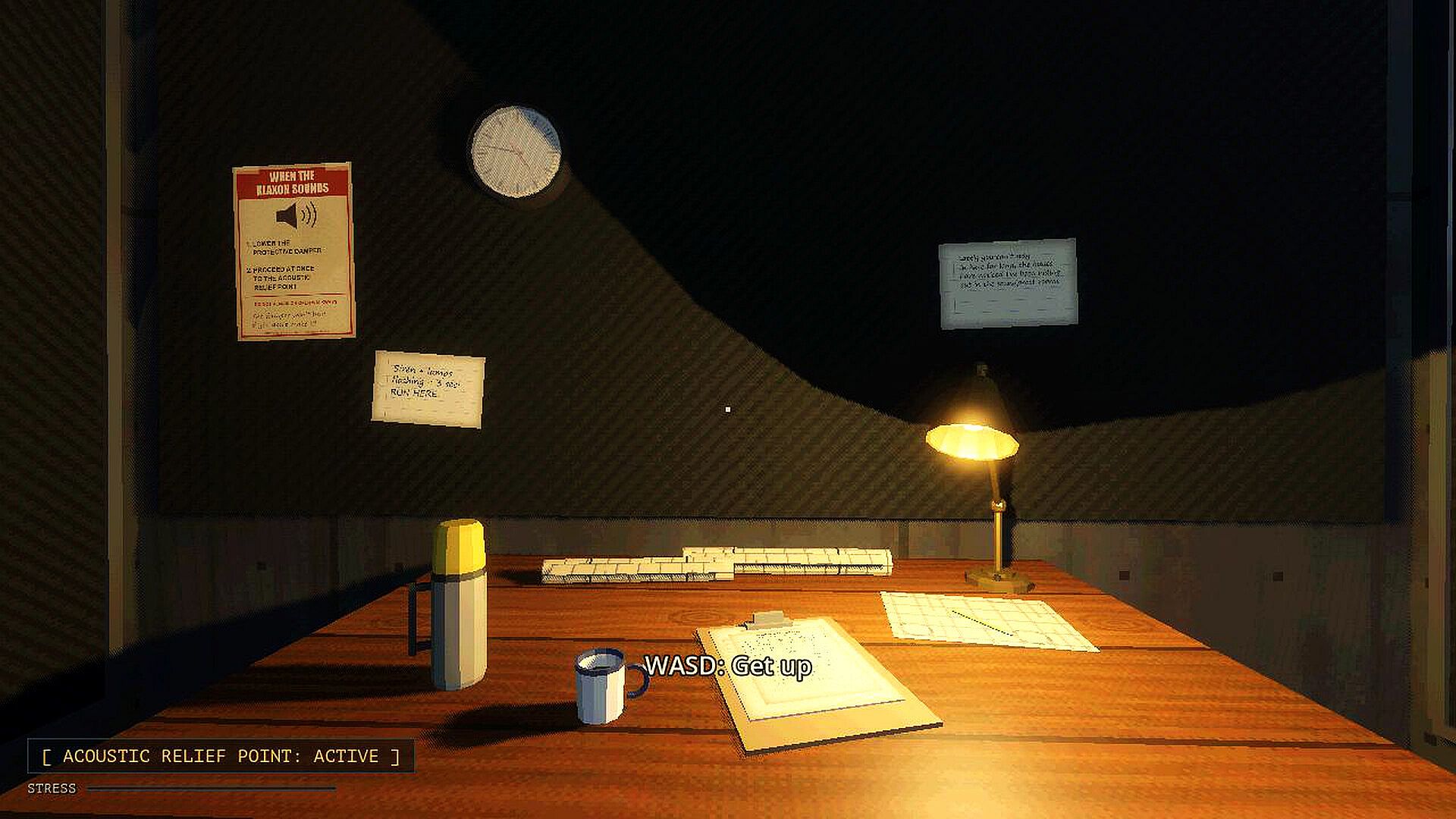
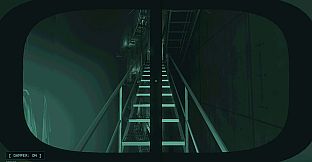
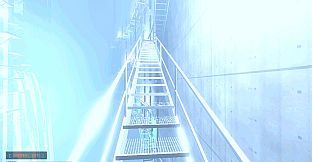
The central loop requires balancing observation duties with personal survival mechanics. A sudden loud noise or bright flash triggers a stress response that freezes the view and raises tension levels. The damper visor counters this by closing its shutters to mute the world and apply a green filter, yet prolonged use causes the lens to fog and depletes available air. Players must time visor use carefully or seek shelter in the watchman's booth, where oppressive silence creates its own pressure. Navigation through the switch room demands pausing between electrical arcs or relying on the visor despite its limited duration. A window overlooking a warm living room provides the only genuine moment of calm, though entry remains impossible. Collectible marble figurines scattered along the catwalks encourage exploration without altering the main path. Controls support keyboard and mouse or gamepad, with full Steam Deck compatibility noted in the listing. The entire session lasts 25 to 40 minutes and concludes after one complete playthrough.
Game Modes
The game offers a single narrative-driven experience with no additional modes or variations. Everything centers on the night shift sequence, progressing linearly through the dam's structures while managing the visor and stress system. There are no multiplayer options, alternate campaigns, or replay structures beyond locating the six figurines on a subsequent run if desired. Subtitles and interface support eight languages, allowing broad accessibility for the focused single-player session.
Atmosphere and Presentation
PS1-style retro graphics define the visual identity through low-poly models, pixelated textures, and dithering effects that emphasize the isolated, industrial setting. Sound design layers the constant water roar, infrasonic hum, heartbeat, and ringing ears to heighten the sense of sensory strain. The environment remains consistent across the short duration, with no seasonal changes or post-release updates confirmed at this stage. The presentation suits play in a dark room with headphones to fully register the audio cues and visual flickers.
Is It Worth Playing?
This title suits players seeking a compact atmospheric adventure that emphasizes psychological tension over extended exploration or combat. The verified mechanics around visor management and stress create a distinct loop that rewards careful timing within its brief runtime. Those who appreciate retro-inspired visuals, dense audio environments, and short complete stories will find the one-evening length a strength rather than a limitation. The content warning for sudden bright flashes and loud sounds should be considered beforehand, as these elements form core parts of the experience. With no current updates or additional content available, the game stands as a self-contained release aimed at fans of indie psychological thrillers on PC.