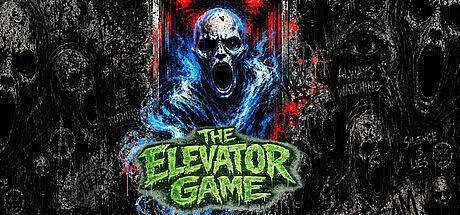












The Elevator Game is a first-person psychological horror title that places players in a confined, looping environment centered on observation and careful decision-making. Developed as a single-player experience for PC, it blends elements of action and casual gameplay with a focus on anomaly detection and elevator selection to progress toward escape.
Gameplay
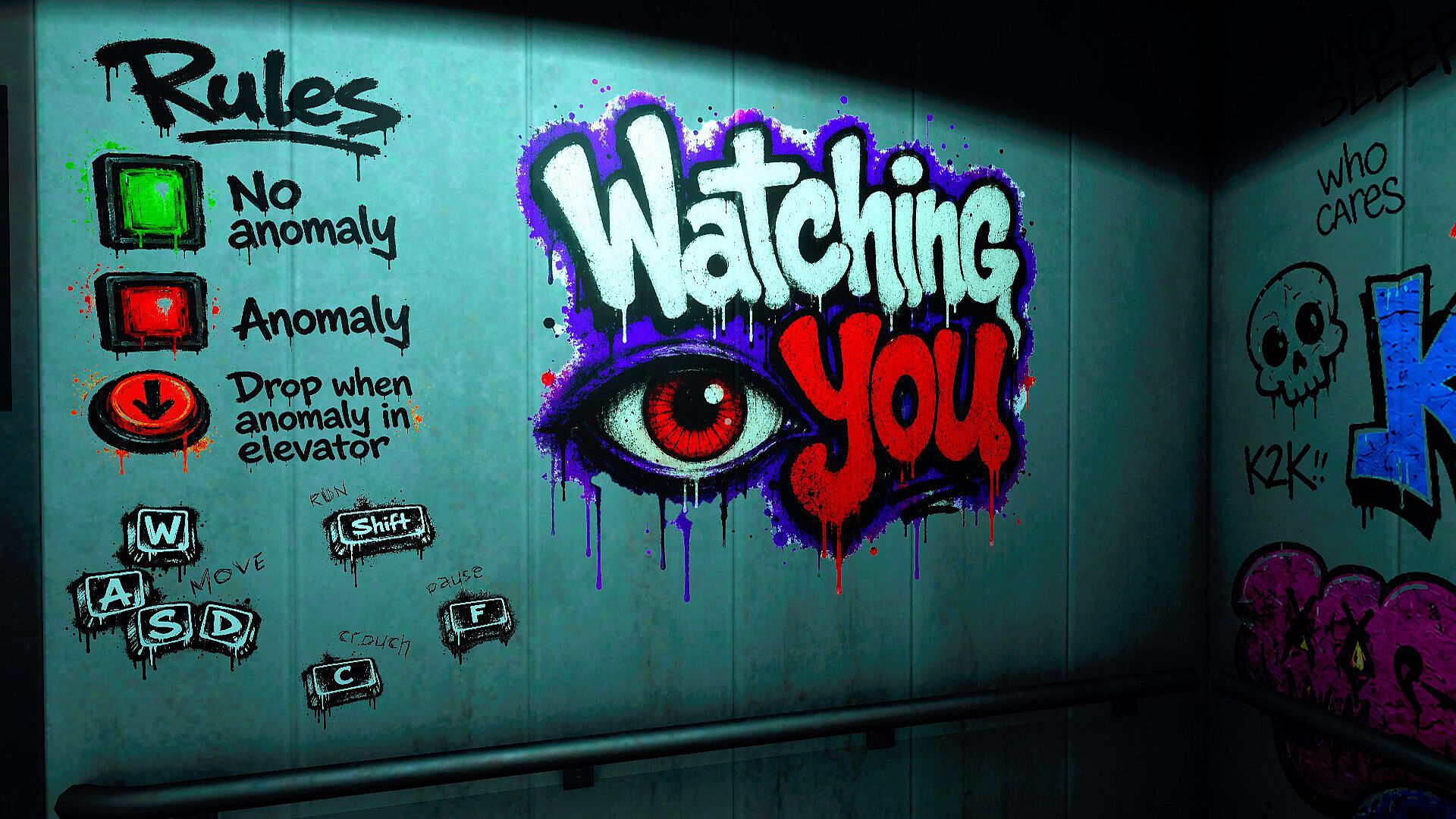
Players find themselves trapped in an endless hallway where forward movement depends entirely on selecting the right elevator. The core loop involves moving through the space, examining details in the surroundings, and identifying any changes or inconsistencies that signal an anomaly. Crouching allows for closer inspection of lower areas, while running provides quicker traversal when needed. Interaction with objects or buttons happens through direct clicks, and looking around relies on mouse movement to scan the environment thoroughly.
Each correct elevator choice advances the descent and brings the player closer to potential freedom. An incorrect selection resets progress, forcing a return to the starting point and requiring another careful pass through the hallway. This structure encourages repeated observation of the same areas to spot subtle differences that might appear between attempts. The experience typically lasts between 20 and 60 minutes, making it suitable for focused sessions where attention to visual cues drives the tension.
Headphones enhance the audio cues that accompany movement and environmental shifts, heightening the sense of isolation in the repeating space. Controls remain straightforward with standard keyboard inputs for movement and actions, keeping the emphasis on perception rather than complex mechanics.
Game Modes
The game operates exclusively in a single-player format with no additional modes or multiplayer options. The primary experience revolves around the anomaly-spotting loop described in the core gameplay, where each run builds on the previous attempts through trial and error. There are no separate campaigns, challenges, or variations beyond the central descent mechanic.
Progression stays linear in structure but branches based on player choices at each elevator, creating replay value through the need to refine observation skills. The absence of other modes keeps the focus narrow on the psychological pressure of repeated resets and the satisfaction of identifying the correct path forward.
Atmosphere and Tension
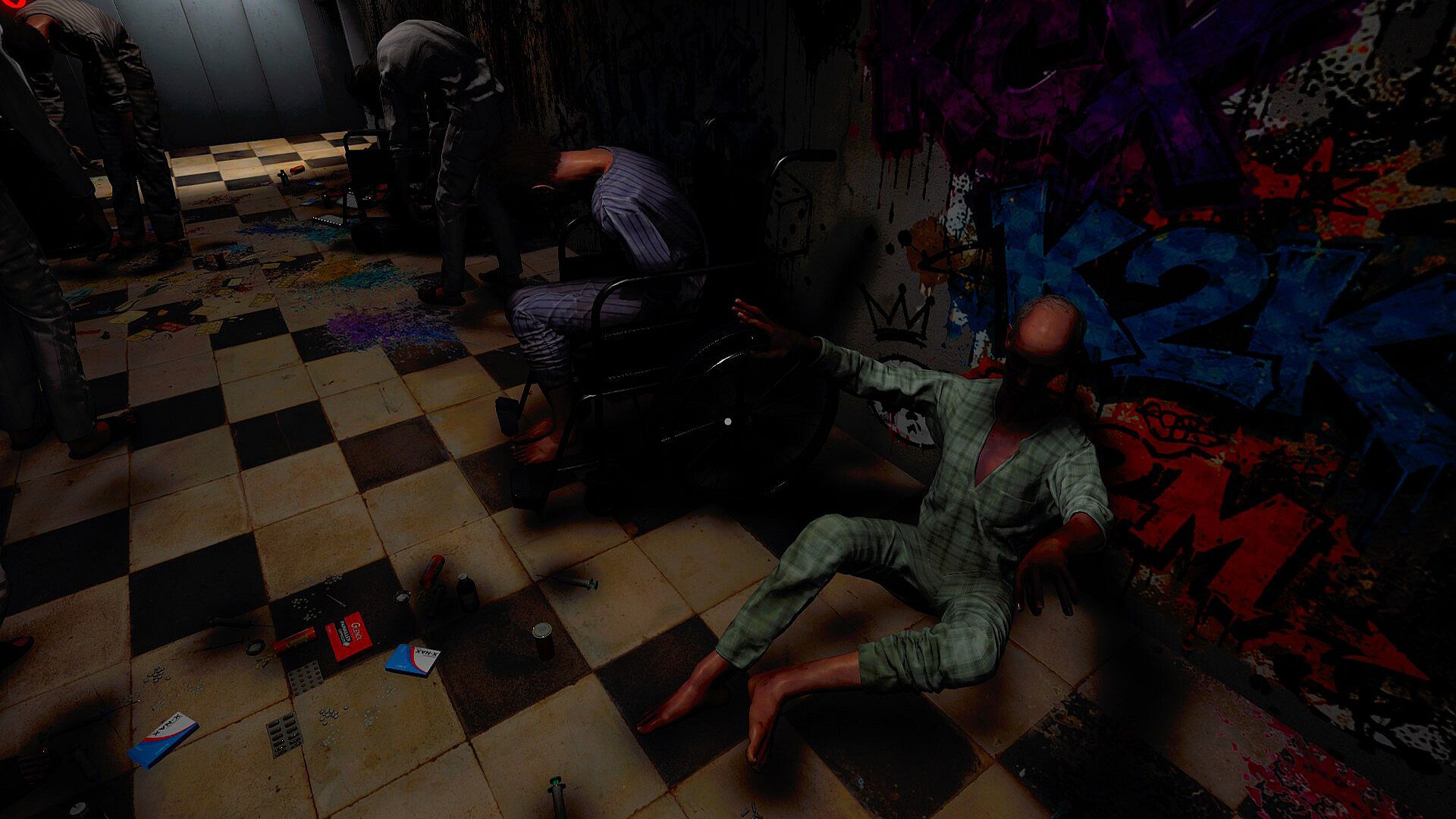
The setting relies on the repetition of the hallway and elevators to build unease, with anomalies serving as the main source of dread. Subtle visual alterations in the environment force players to stay vigilant, turning routine movement into a deliberate process of comparison. Sound design supports this by drawing attention to small details during exploration, though the exact audio elements remain tied to the first-person perspective.
Action elements appear through the need to react quickly when anomalies appear or when resetting after a wrong choice, while the casual pacing allows time for careful study without overwhelming speed requirements. The indie approach keeps the scope contained, emphasizing the horror derived from uncertainty over elaborate set pieces.
Is It Worth Playing?
The Elevator Game targets players who enjoy short, observation-driven horror experiences that reward patience and attention to detail. Its single-player structure and 20-60 minute length make it accessible for those seeking a self-contained session rather than extended campaigns. The mechanics of spotting anomalies and making elevator choices create a clear loop of tension and release that aligns with psychological horror preferences.
Since the title remains unreleased with no player reviews or updates available yet, any recommendation rests on the described systems of first-person exploration and decision-making. Fans of anomaly-focused games or brief indie horror titles may find the setup engaging, particularly if they appreciate mechanics that emphasize study over action or combat. Those preferring longer playtimes or multiplayer elements should consider the limited scope before committing.