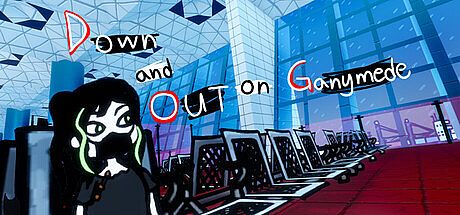


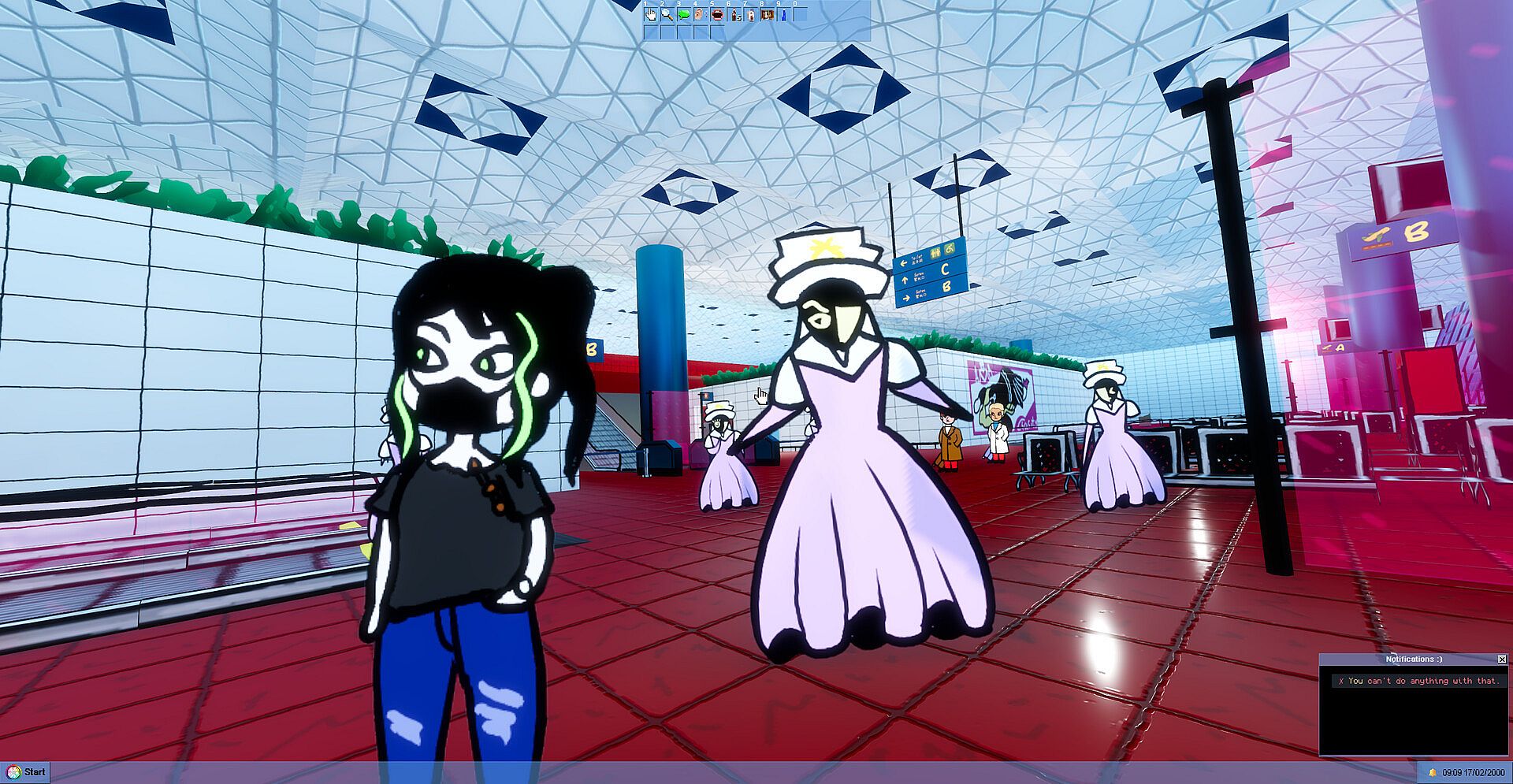
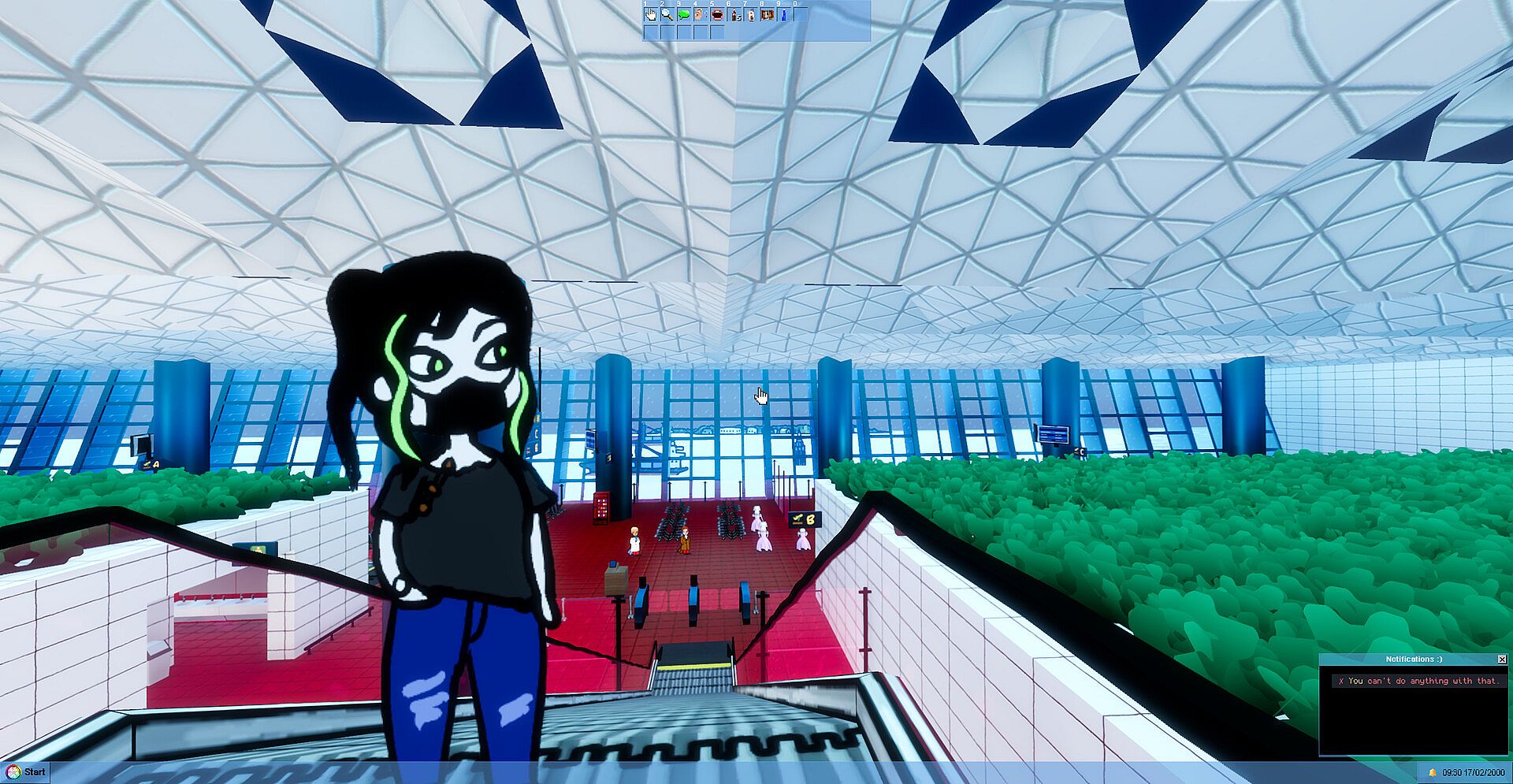
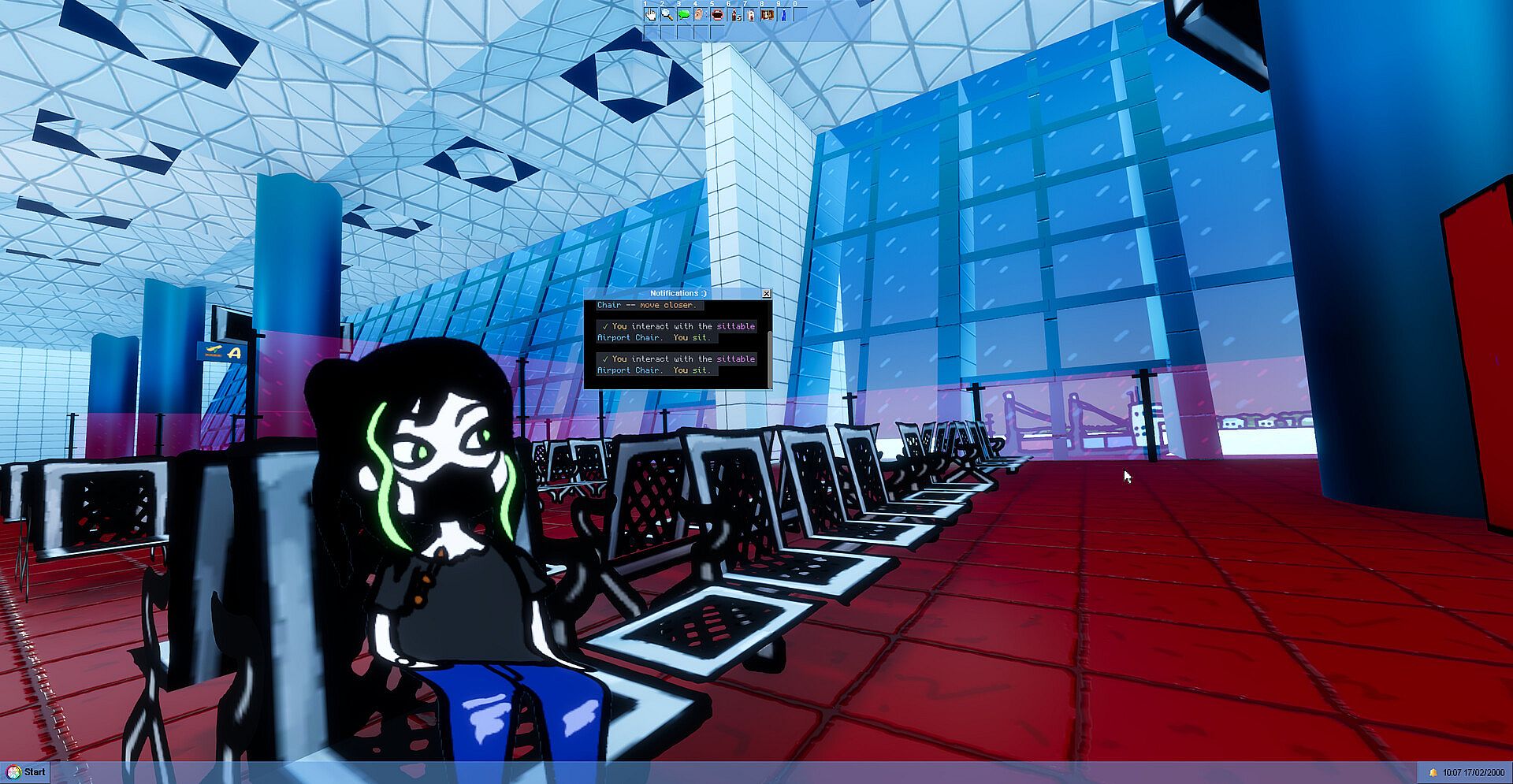
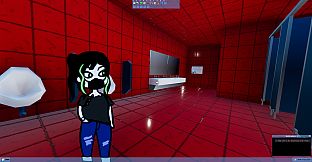
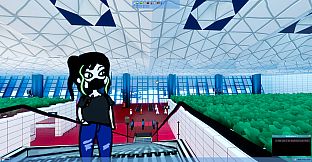
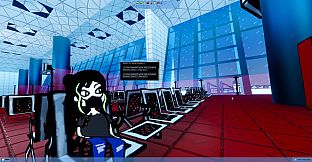
Technocene: Down and Out on Ganymede is a single-player action, indie, RPG, simulation, and adventure title built around survival on a distant moon. Players take on the role of someone who left behind a privileged life for an uncertain future in a city called Ganyee, where daily needs like food, warmth, and rest must be managed in real time while navigating an interactive world.
Gameplay
The core loop centers on managing basic survival needs that drain continuously. Nutrition, body temperature, and sleep require constant attention, and falling short brings direct physical consequences. Almost every object in the environment can be picked up, combined with others, or altered in state to craft tools, prepare food, fix items, or set off chain reactions. This tag-driven system rewards improvisation rather than selecting from preset options.
Skills develop through two paths. Passive learning occurs as information feeds into the character over time, while active practice builds abilities through repeated actions. As knowledge grows, more interactions become possible in the world. Money must be earned to secure housing, and relationships with residents influence access to help or create conflicts that require defense using whatever is at hand.
Residents follow independent routines, form connections, age, and face consequences from events whether the player is present or not. Actions toward one person ripple outward through their social circle, turning reputation into a network of responses instead of a single score. Some individuals can be lost permanently, and death alters those who return in lasting ways.
Game Modes
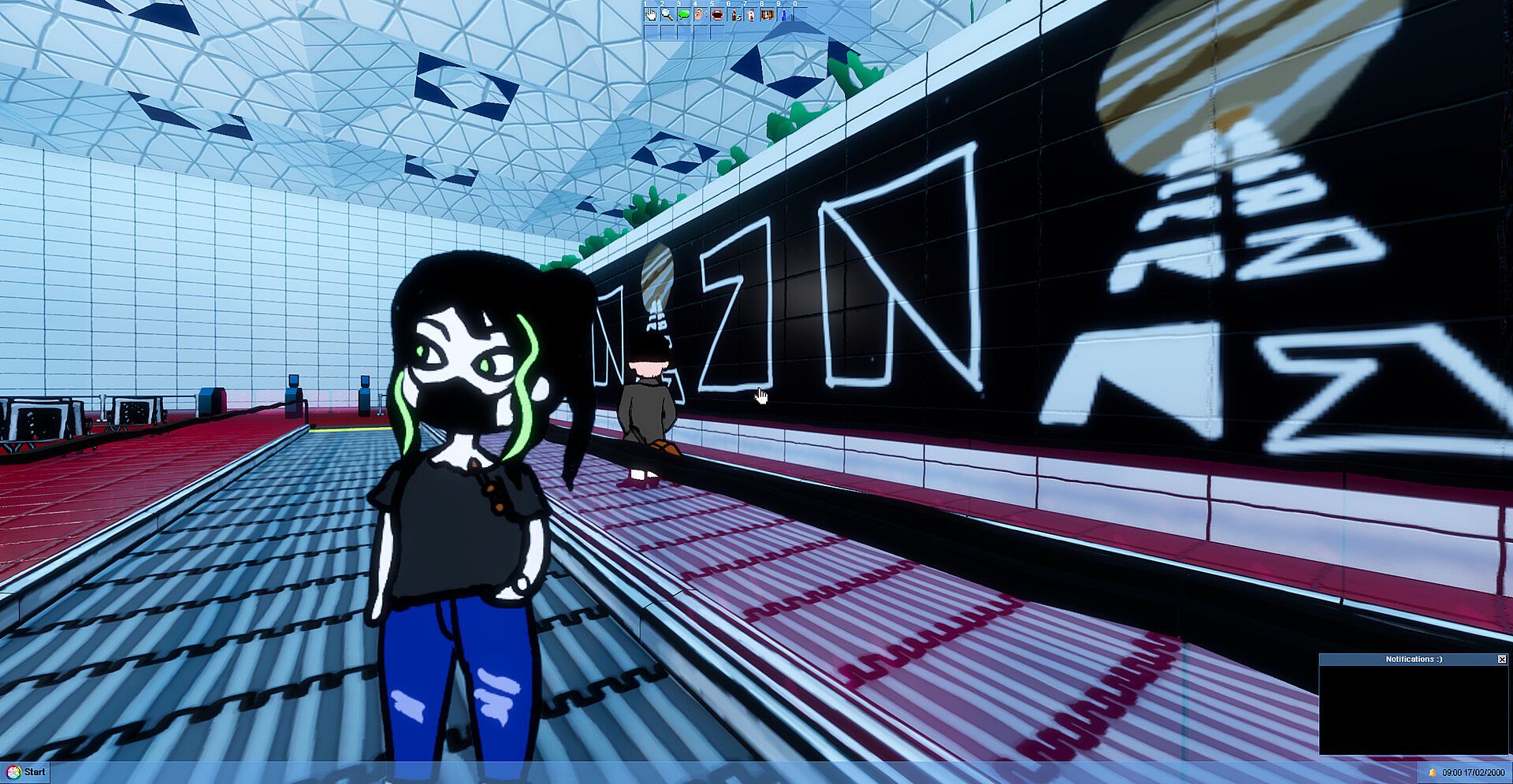
The experience unfolds through self-contained survival episodes. Each episode places the player in a new location with minimal resources and requires finding ways to endure its specific conditions and inhabitants. The first episode begins at an airport, with additional self-contained settings planned for later release.
Progression moves from immediate personal survival toward larger involvement in the city. Players uncover layers of the setting while shifting focus from keeping themselves alive to sustaining the community and eventually taking on leadership roles. Death functions as a recurring mechanic that returns the character rebuilt from memory but strips away trained skills, forcing ongoing choices about what to risk losing.
World and Systems
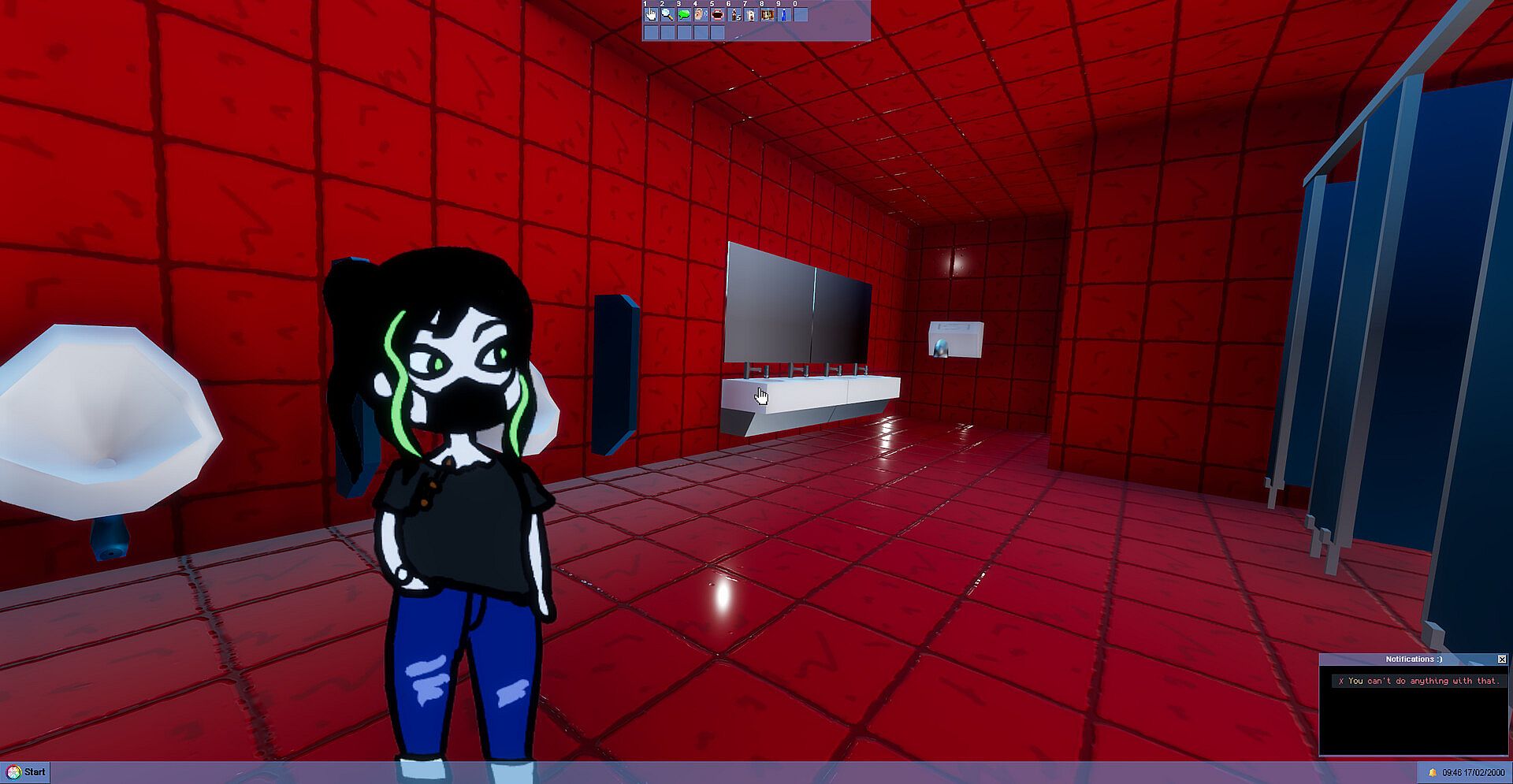
Ganyee operates as a living settlement with its own schedules, jobs, and interpersonal ties among simulated residents. The environment includes revolving doors and enclosed spaces designed to hold warmth against external cold, creating constant movement between sheltered and exposed areas. Objects and people respond dynamically to player attempts, supporting emergent solutions across crafting, cooking, repair, and social encounters.
A longer narrative thread runs beneath the daily mechanics. It explores themes of opportunity, control, and hidden structures that shape who receives better conditions. Players gradually piece together the true nature of the city and the forces behind its rules while balancing immediate needs with broader investigation.
Is It Worth Playing?
The game remains unreleased with a date listed as to be announced, so no player reviews or widespread feedback exist yet. Its systems emphasize detailed simulation of needs, object interactions, and persistent NPC lives that remember actions and carry independent consequences. Those drawn to single-player survival experiences with heavy focus on improvisation, skill progression through use, and social ripple effects may find the described mechanics engaging once available.
Co-op options appear in the feature list alongside the primary single-player structure, though the core narrative and systems center on individual play. The episodic format allows self-contained sessions within larger progression, and the permanent effects tied to death and relationships add weight to decisions without turning the game into a traditional failure state. Availability on PC is confirmed through its listing, with system requirements kept modest for broad accessibility once launched.