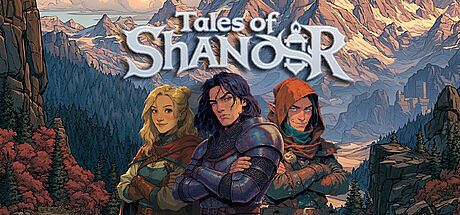




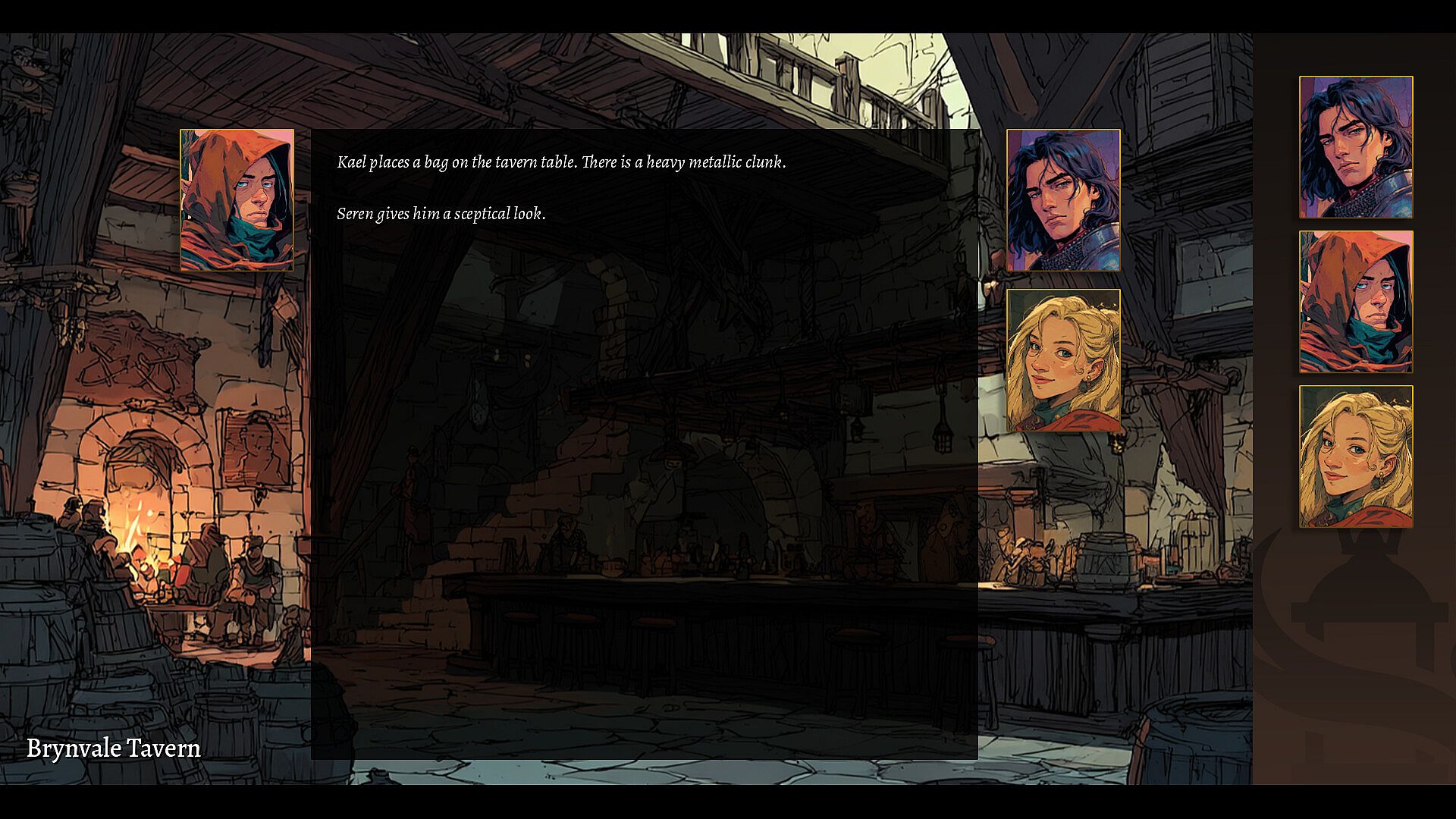
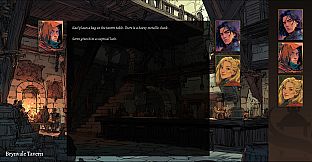
Tales of Shandar es un RPG narrativo para un solo jugador que combina una historia impulsada por las decisiones con mecánicas ligeras de juegos de mesa en PC. El jugador sigue a tres amigos que se adentran en un mundo de leyendas olvidadas, usando una linterna mágica para guiar su búsqueda de la perdida Tumba de Mithras. La experiencia se centra en la exploración, la toma de decisiones y una progresión gradual dentro de un escenario de fantasía lleno de misterio.
Gameplay
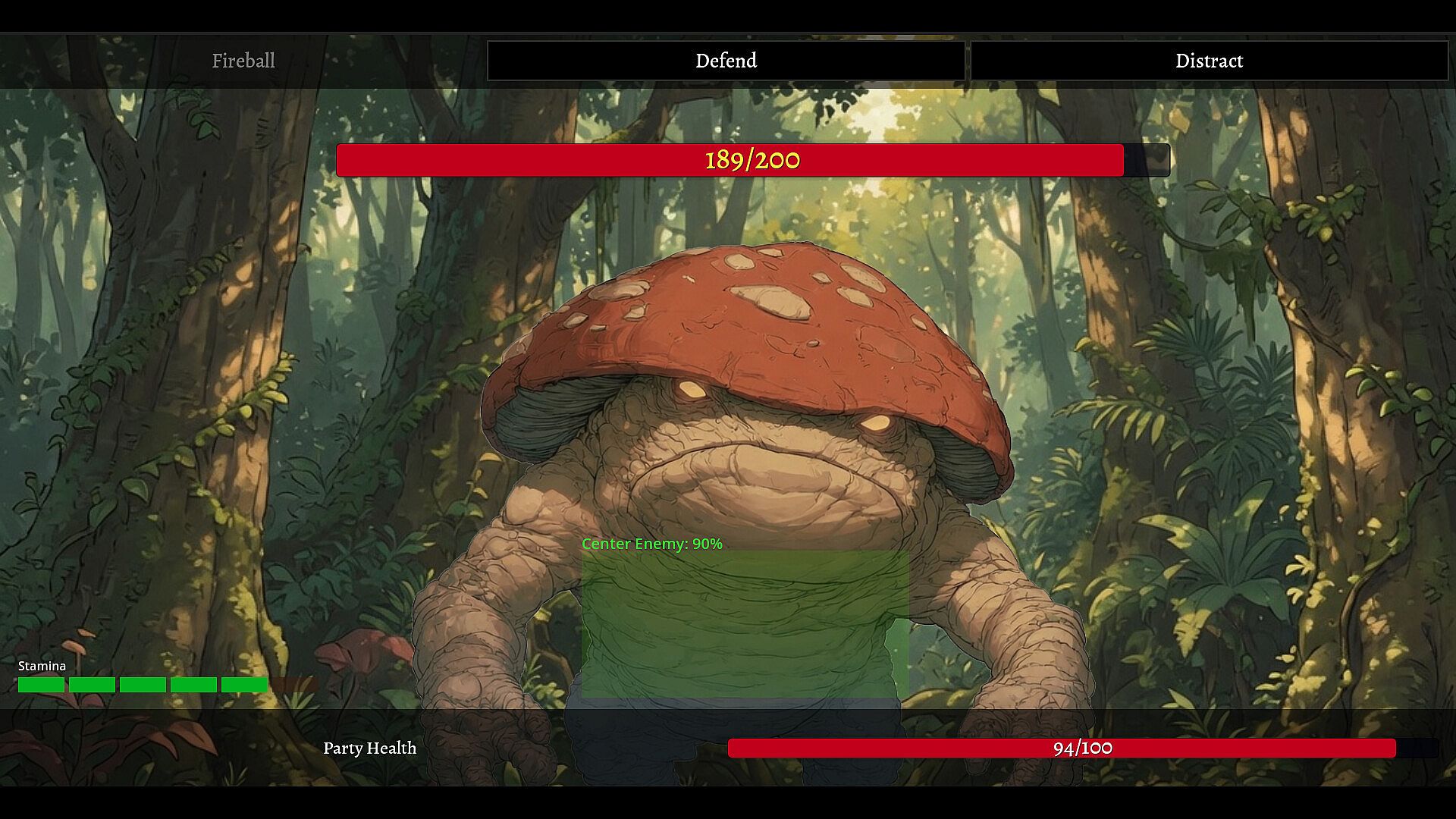
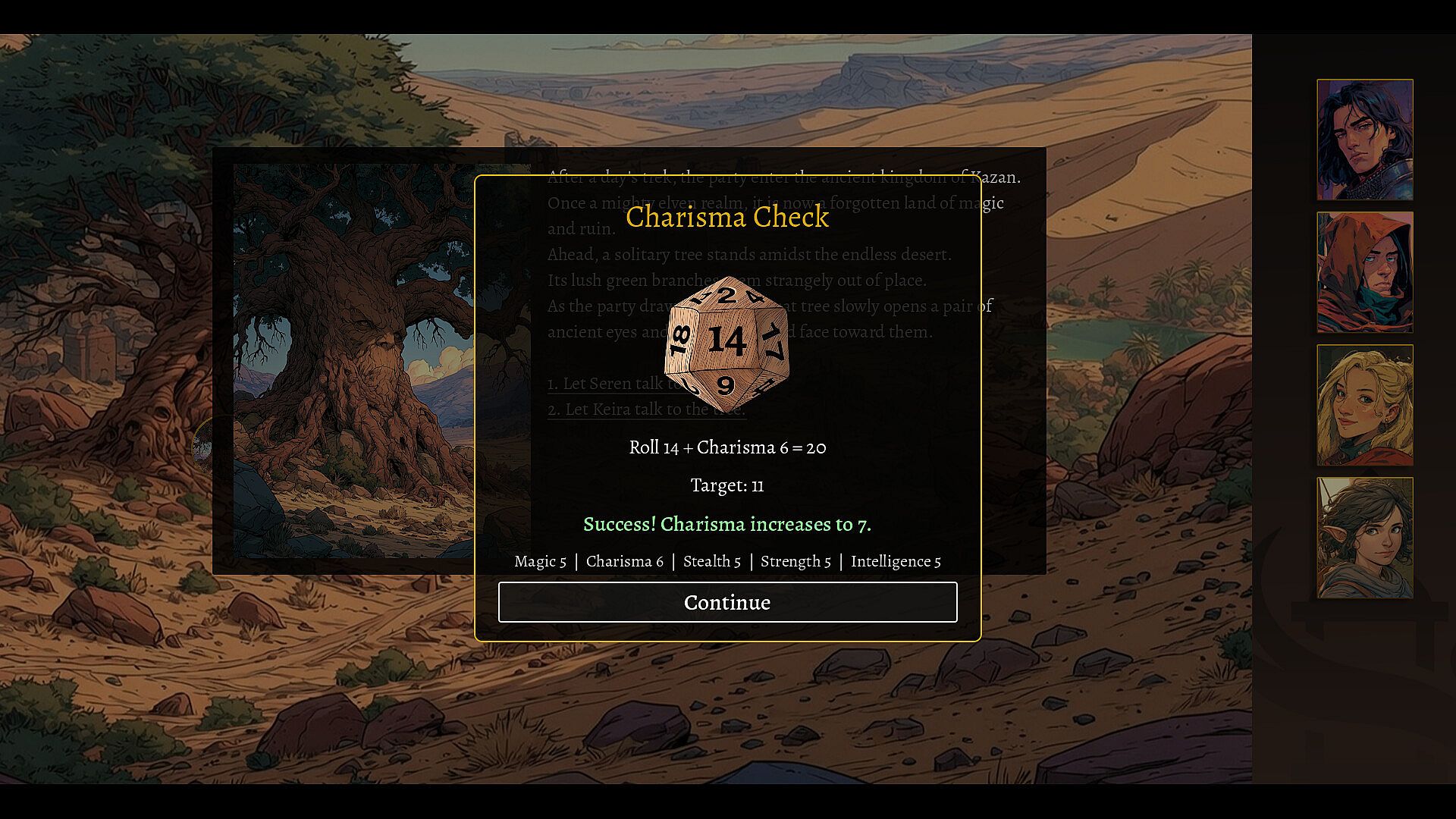
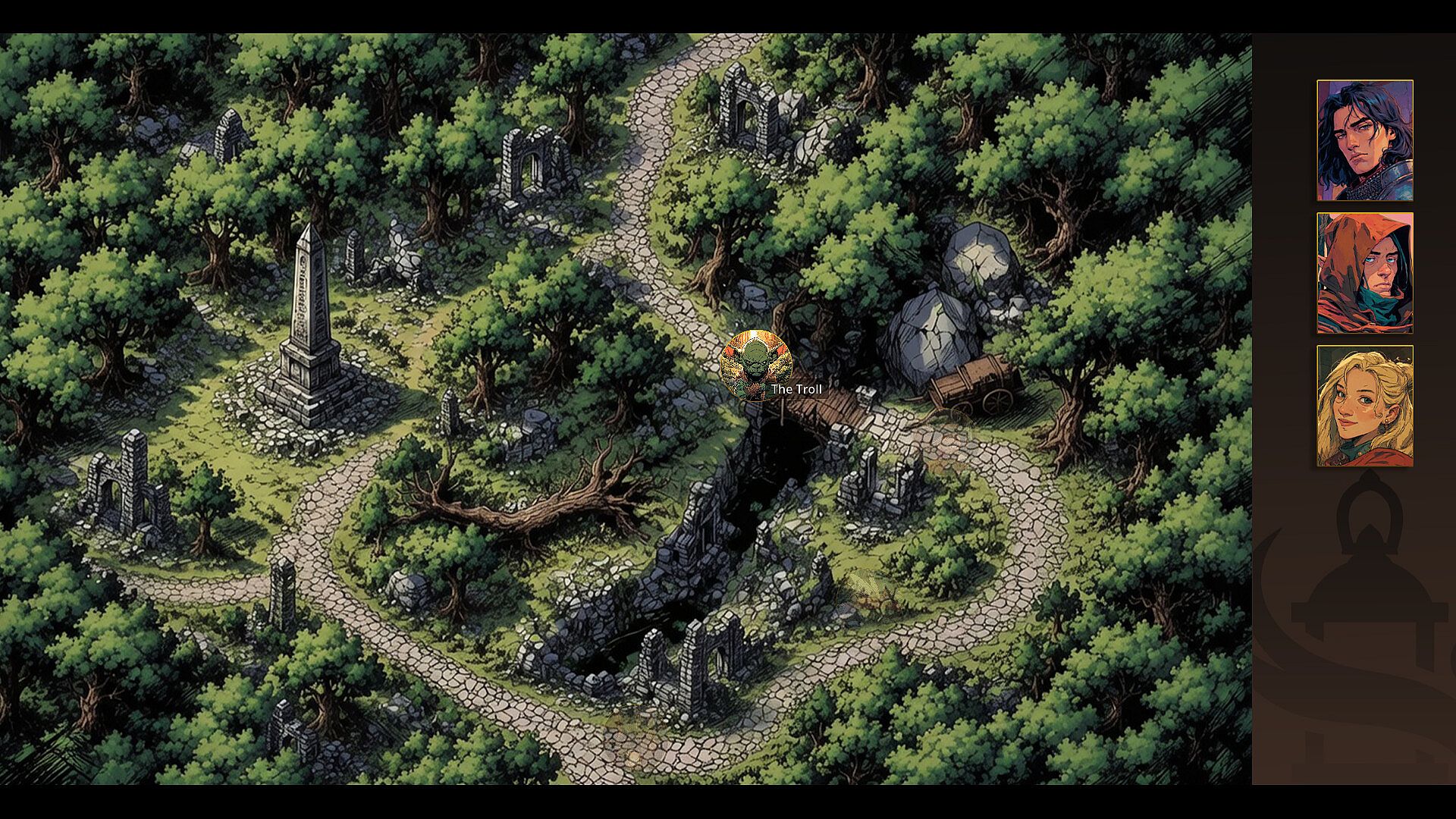
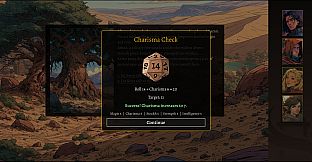
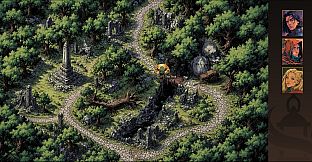
El ciclo principal consiste en viajar entre distintas regiones mientras se gestionan recursos y se resuelven encuentros. El combate por turnos forma parte clave de la progresión, permitiendo elegir acciones contra los oponentes en rondas estructuradas. Las pruebas de habilidad dependen de tiradas de dados para superar obstáculos, introduciendo un factor de azar que influye en los resultados. Las runas antiguas aparecen como acertijos que hay que interpretar para abrir caminos o descubrir información.
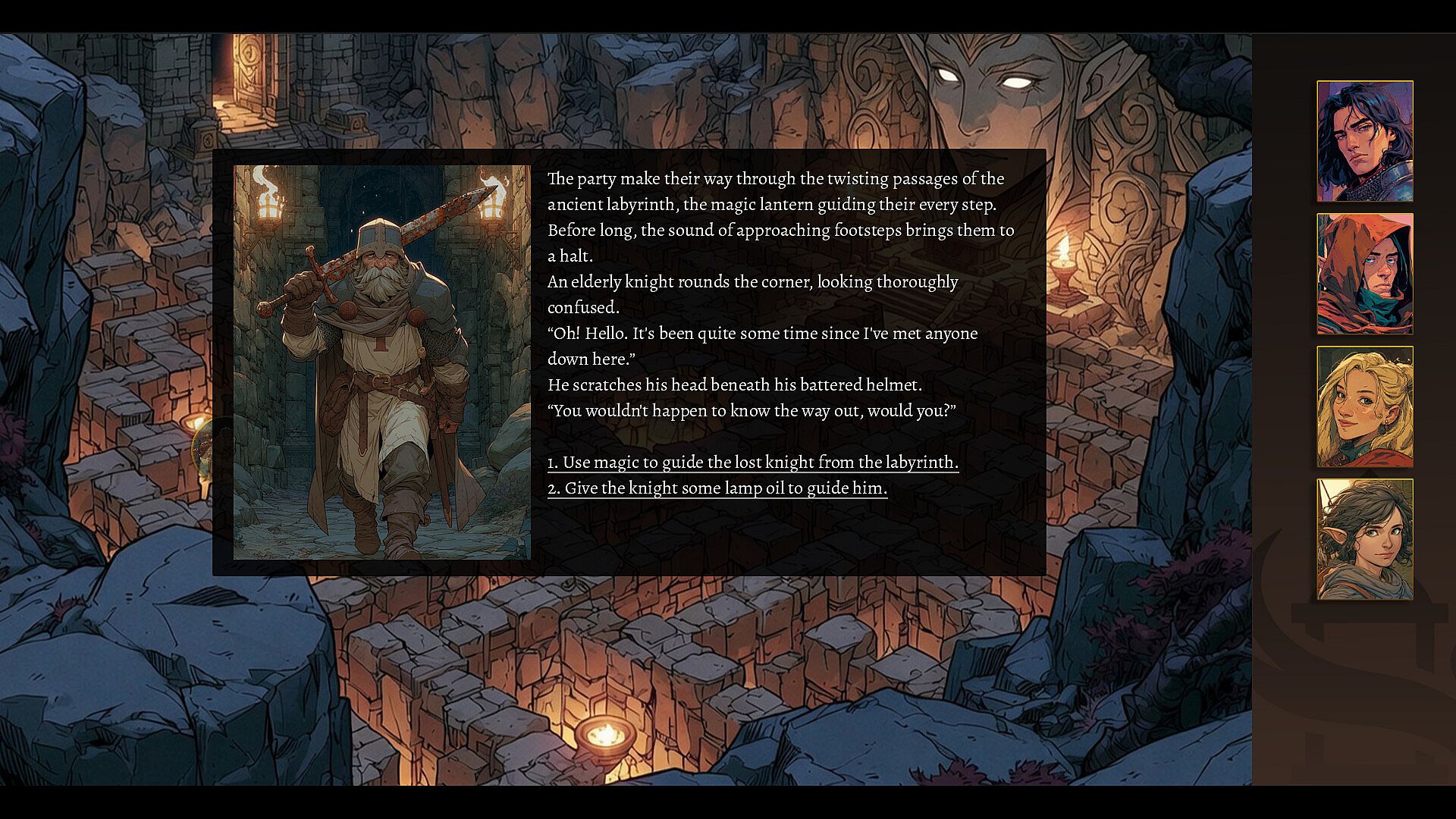
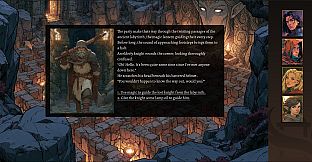
Cada decisión importante tiene consecuencias que moldean la historia y las opciones disponibles más adelante. La narrativa avanza a través de estas ramificaciones en lugar de depender de sistemas complejos de creación de personajes o de un extenso sistema de niveles. Lugares como bosques élficos encantados, desiertos de no-muertos, laberintos ancestrales y ruinas olvidadas ofrecen escenarios variados para estas actividades, cada uno con desafíos únicos ligados a la misión principal.
Game Modes
Tales of Shandar funciona exclusivamente como experiencia para un solo jugador sin componentes multijugador. La estructura sigue un camino narrativo lineal pero ramificado, donde el jugador avanza a su ritmo y puede revisar sus elecciones y resultados en varias partidas. La exploración y la resolución de acertijos se integran directamente en la campaña principal en lugar de existir como modos separados.
Los encuentros de combate forman parte del flujo de la aventura y se activan durante los viajes o en momentos clave de la historia. Las pruebas de habilidad basadas en dados se aplican tanto en combate como fuera de él, generando una tensión mecánica constante sin modos secundarios ni elementos competitivos.
Story and Setting
La trama sigue a tres compañeros equipados con una linterna mágica que ilumina la ruta correcta hacia la Tumba de Mithras. Sus viajes los llevan a través de entornos contrastantes que reflejan temas de civilizaciones perdidas y magia persistente. El escenario se inspira en las tradiciones de fantasía de los juegos de mesa, destacando el descubrimiento y el peso de las decisiones pasadas por encima de conflictos a gran escala o guerras entre facciones.
Las elecciones del jugador determinan cómo se desarrollan los eventos y qué caminos permanecen accesibles, reforzando el enfoque en las consecuencias. La historia se mantiene dentro de la campaña única, sin campañas adicionales ni contenido por temporadas confirmados hasta el momento.
Is It Worth Playing?
Tales of Shandar está dirigido a jugadores que prefieren aventuras centradas en las decisiones con mecánicas sencillas en lugar de simulaciones profundas o juego competitivo. Sus sistemas inspirados en juegos de mesa, basados en tiradas de dados y acertijos de runas, ofrecen una experiencia compacta orientada al desarrollo de la historia más que a un progresión prolongada o a la personalización. Al tratarse de un lanzamiento reciente todavía marcado como «próximamente», carece por ahora de opiniones acumuladas de jugadores o actualizaciones posteriores al lanzamiento.
Quienes buscan historias para un solo jugador que premien la toma de decisiones cuidadosa y un combate estratégico ligero encontrarán que los sistemas descritos se ajustan bien a esa preferencia. La ausencia de multijugador o modos adicionales mantiene el alcance limitado, algo que puede atraer a quienes buscan una experiencia autosuficiente sin compromisos continuos.