




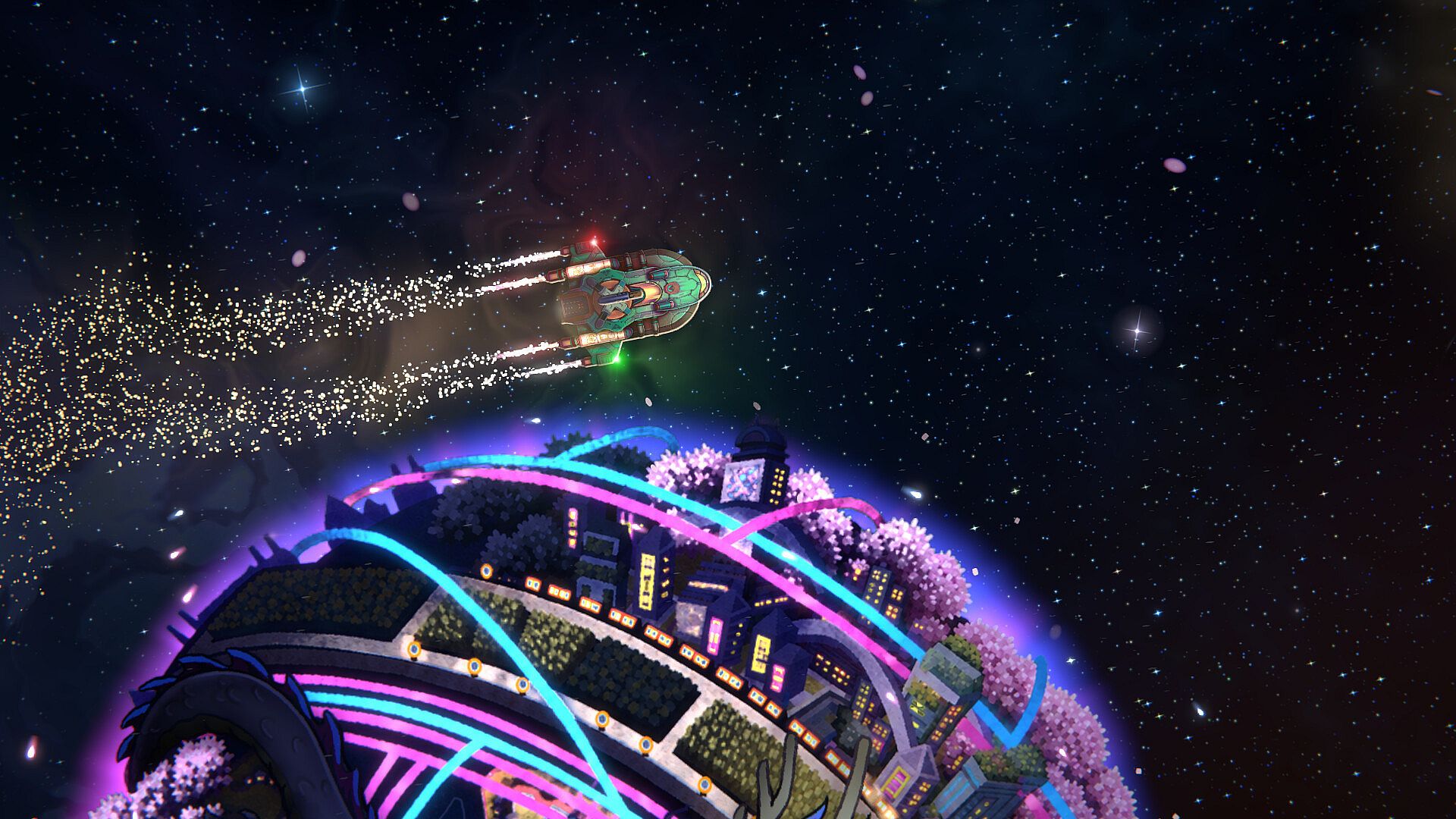
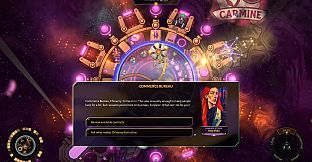
Sunfarers is a single-player space life sim that blends strategy, RPG, simulation, and action elements on PC. Players captain an interplanetary vessel and manage its crew across six isolated worlds in a solar system cut off from the rest of the galaxy for 688 years. The core loop centers on ship customization, crew oversight, economic decisions, and survival amid unpredictable phenomena known as entropy.
Gameplay
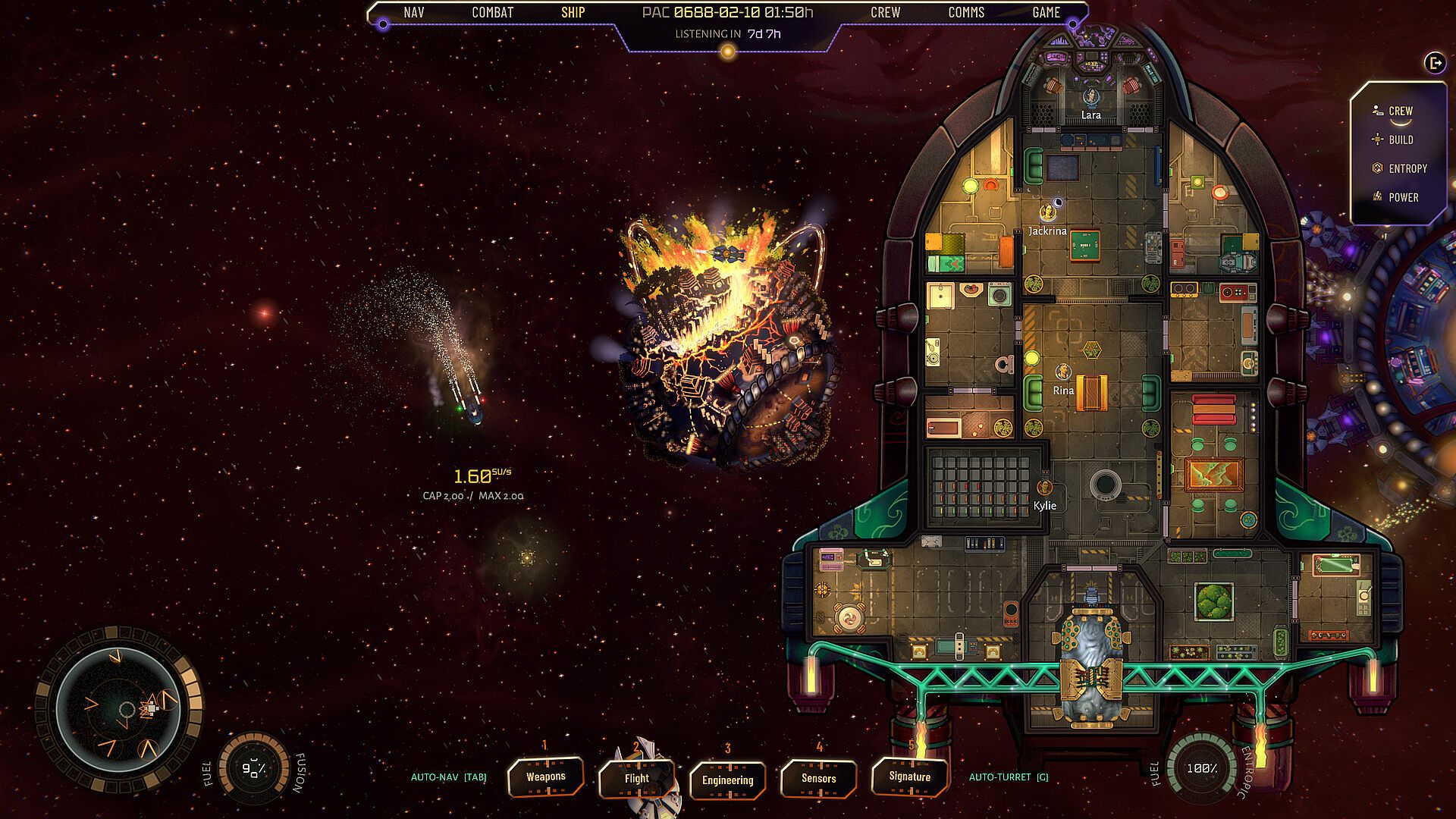
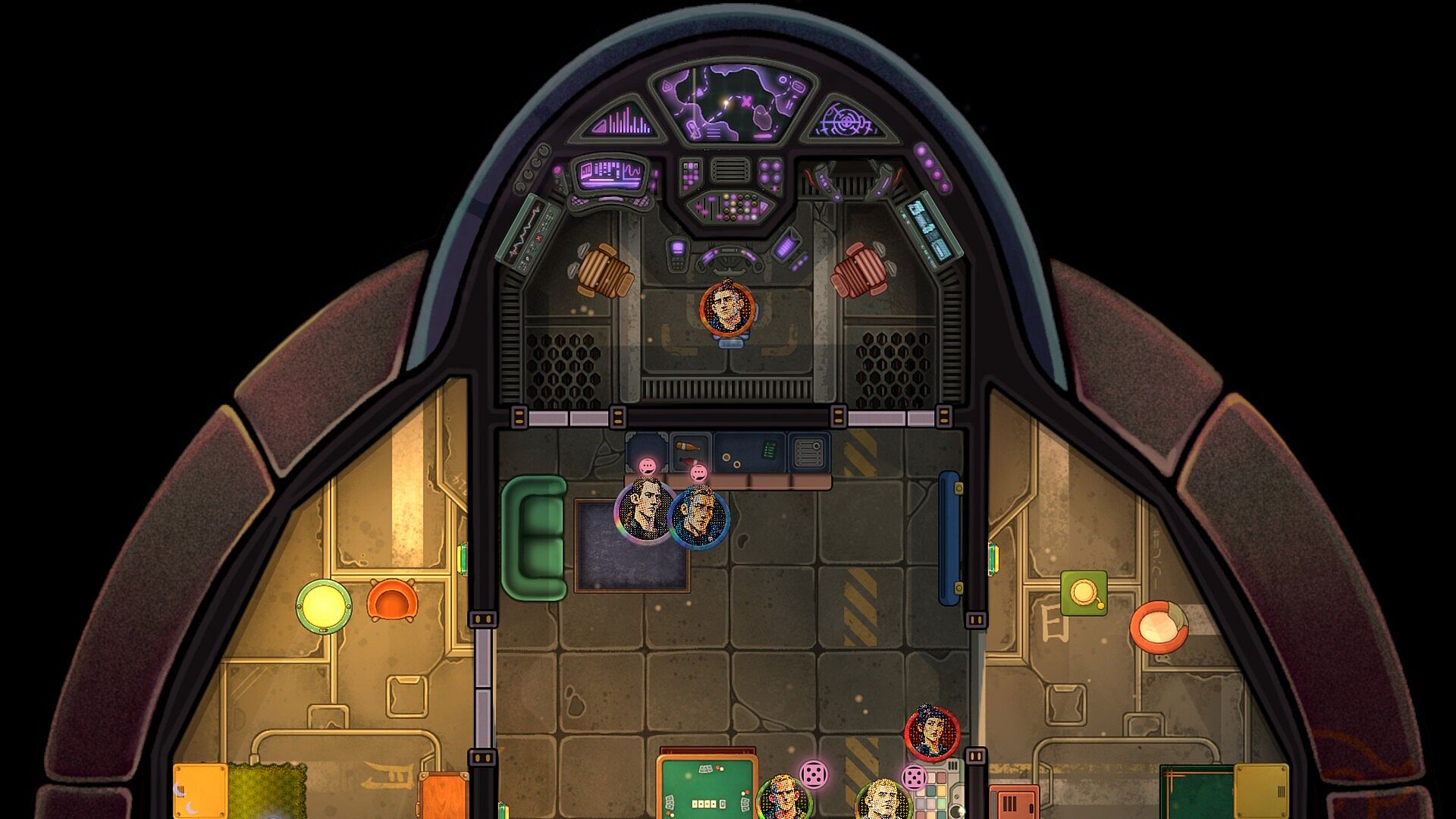
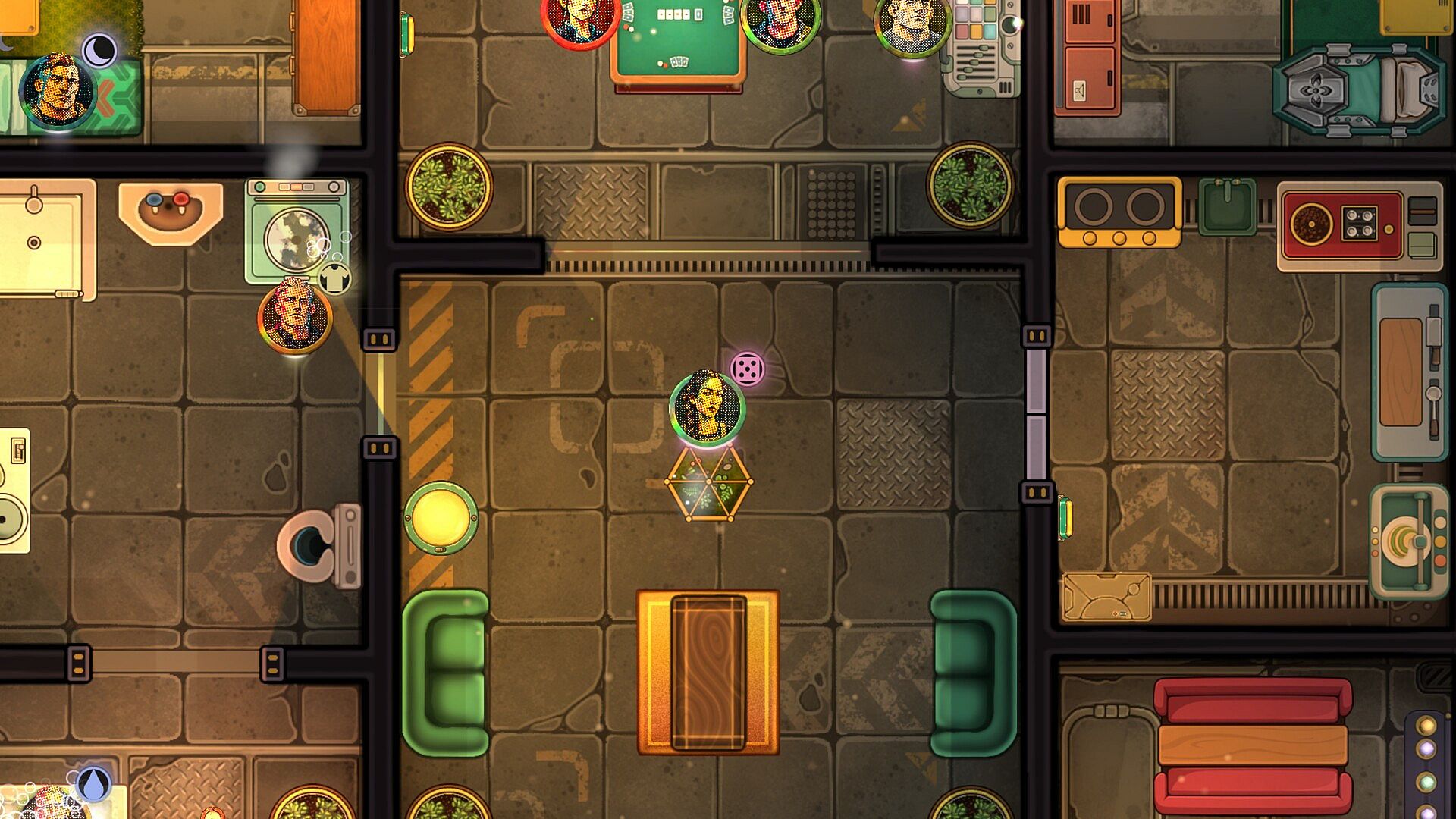
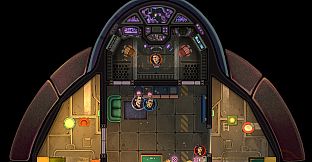
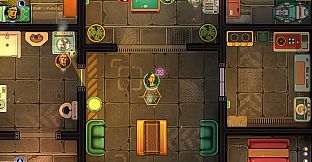
Players begin with an empty hull and arrange bunks, hygiene facilities, systems, and lighting to create livable quarters. Ship performance improves when crew morale stays high, which depends on furnishings that provide familiar comforts and spaces for interaction. Power from the reactor supports engines, weapons, shields, and life support, forcing choices during shortages about which systems to prioritize.
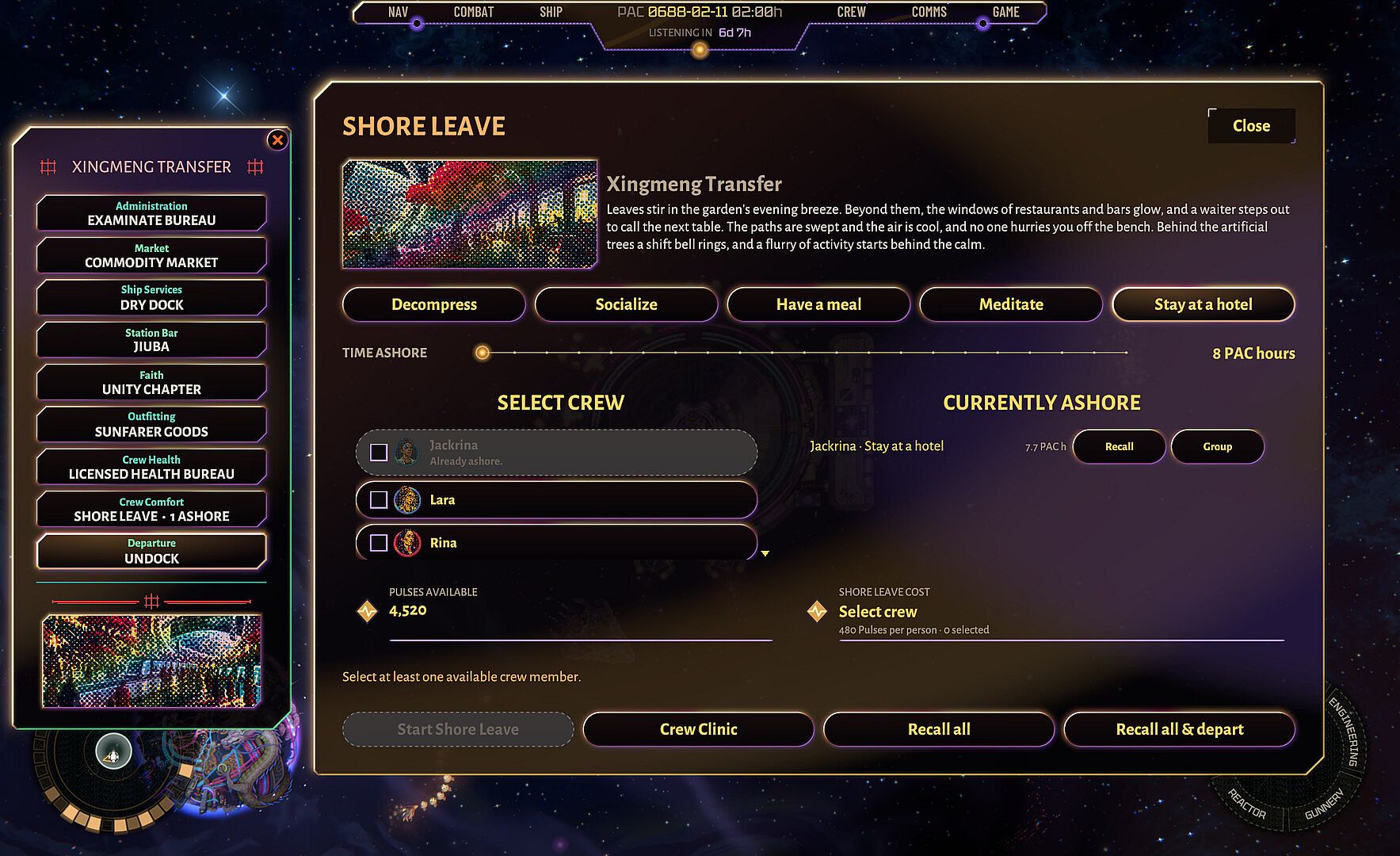
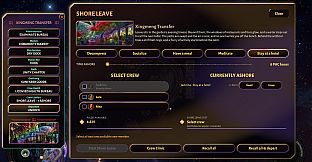
Crew members each carry a homeworld origin, career background, and personality traits. Hiring occurs at orbital stations or by rescuing survivors from wrecks. Skills develop through assigned tasks, while a player-set schedule governs work, rest, and leisure. Crew maintain diaries, form relationships, and experience conflicts or grief. Entropy exposure can trigger mental breaks or shifts in behavior, with some individuals adapting by embracing the phenomena.
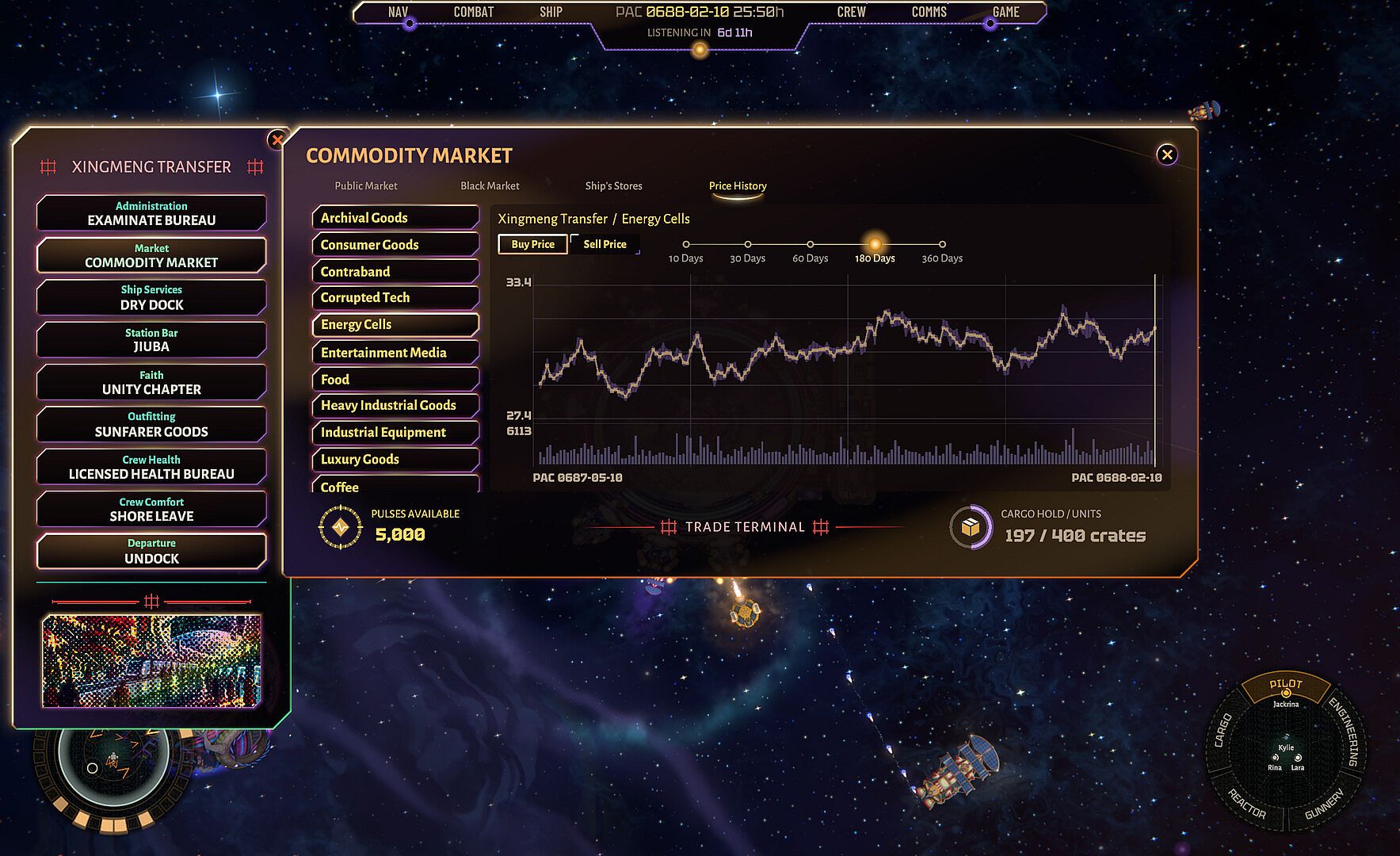
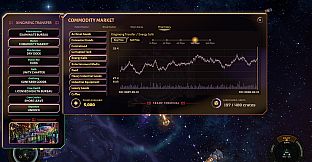
Trade forms a central activity through a simulated economy driven by actual NPC ship movements and planetary supply changes. Routes involve legal goods or black-market items, with price histories available at stations. Factions maintain distinct laws on contraband, and violations risk patrols or station defenses. Additional income comes from bounty hunting, piracy, salvaging wrecks during spacewalks, or harvesting crystals from entropy blooms despite opposition from groups like Sancturia's Purifier Fleets.
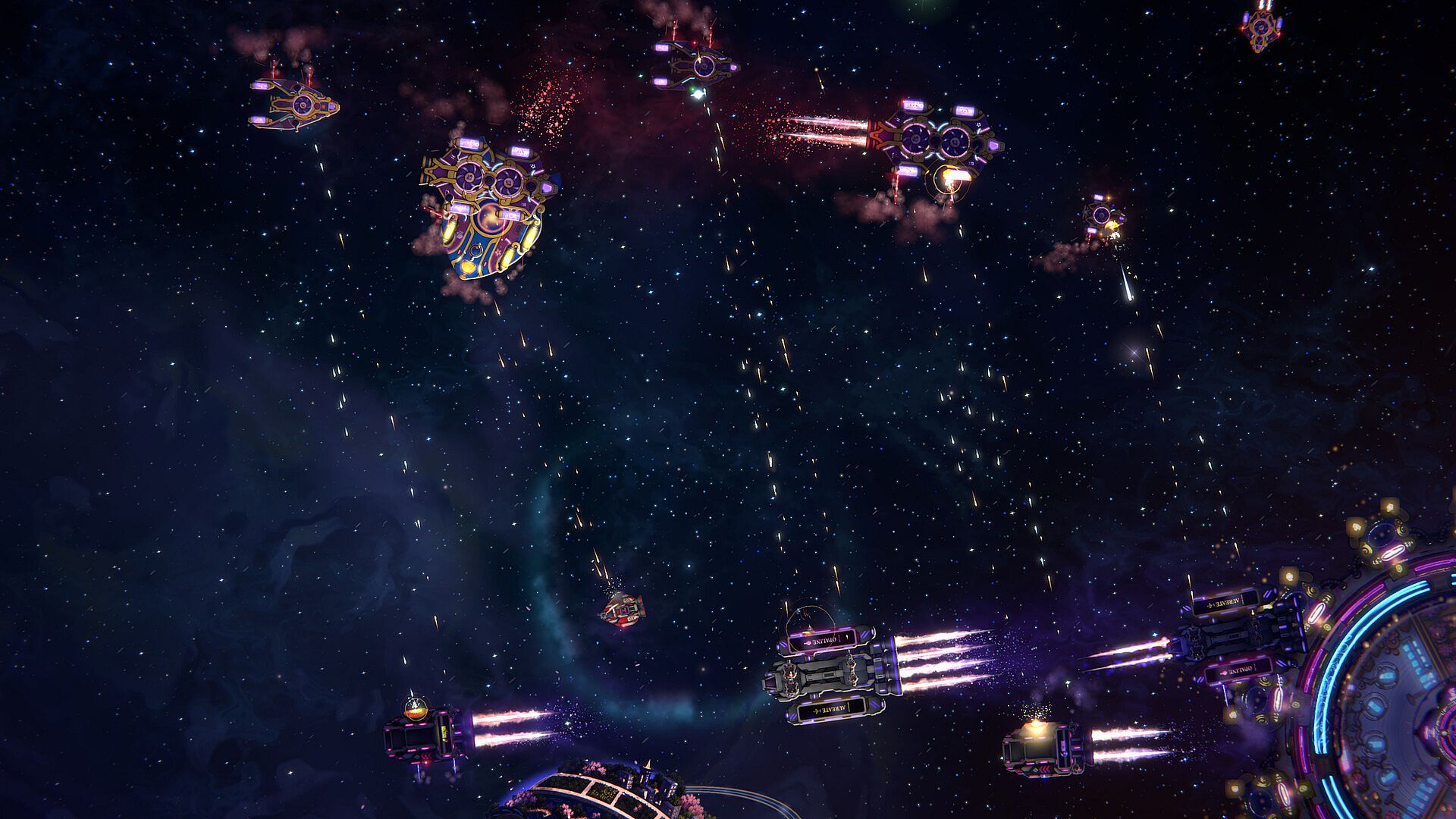
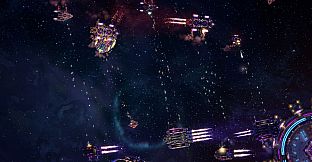
Combat requires crew to operate turrets, shields, and drones. Performance suffers if personnel lack rest or face breakdowns. Piloting can be manual or directed through specific maneuvers such as orbiting at distance or kiting. Certain advanced abilities tie to crew proficiency or metaphysical outlooks.
Game Modes
Sunfarers operates as an open-world sandbox. A single playthrough continues until the ship or crew fails, with no fixed campaign structure in the current build. Every journey across the system carries economic consequences, and players balance multiple survival pressures simultaneously without separate competitive or cooperative modes.
The Listening event recurs every 7.3 days and lasts up to two star days. Scanners register false contacts, voices appear in empty spaces, and reality becomes unreliable. Crew can attempt to distinguish illusion from genuine threats, with higher-severity instances offering greater rewards for those who remain in open space rather than docking.
World and Factions
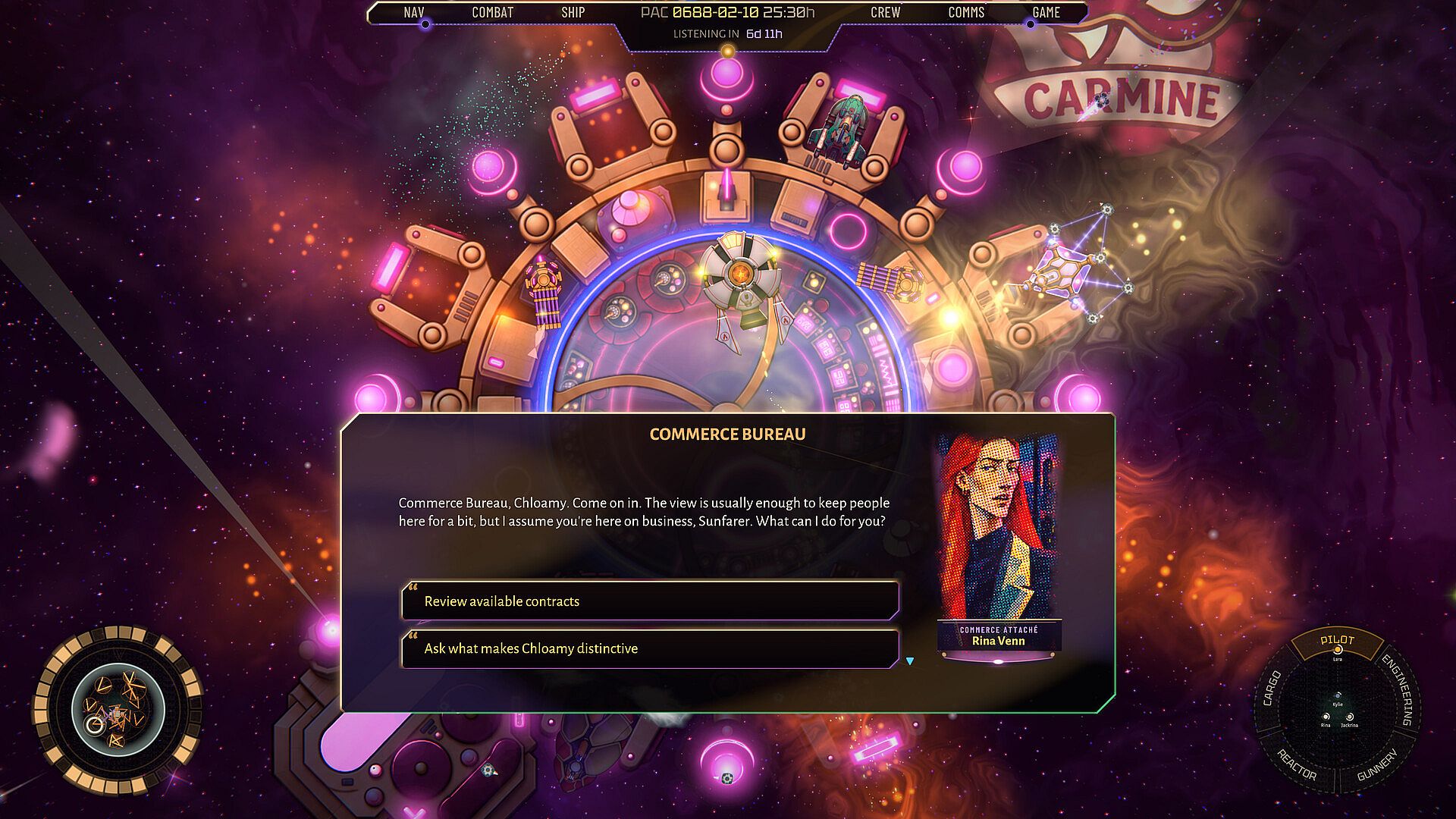
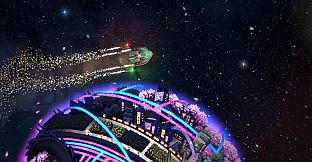
Six worlds plus one independent hub share the system under seven factions. Sancturia's Unity Church opposes entropy through ritual and force. Xingmeng selects leaders via examination scores. Chloamy emphasizes private wealth and reputation. Each group controls its own regulations, pricing, and shipyard inventory. Reputation with a faction affects docking rights and trade costs. Planetary crises alter local conditions, shifting prices, increasing patrols, or generating new contracts.
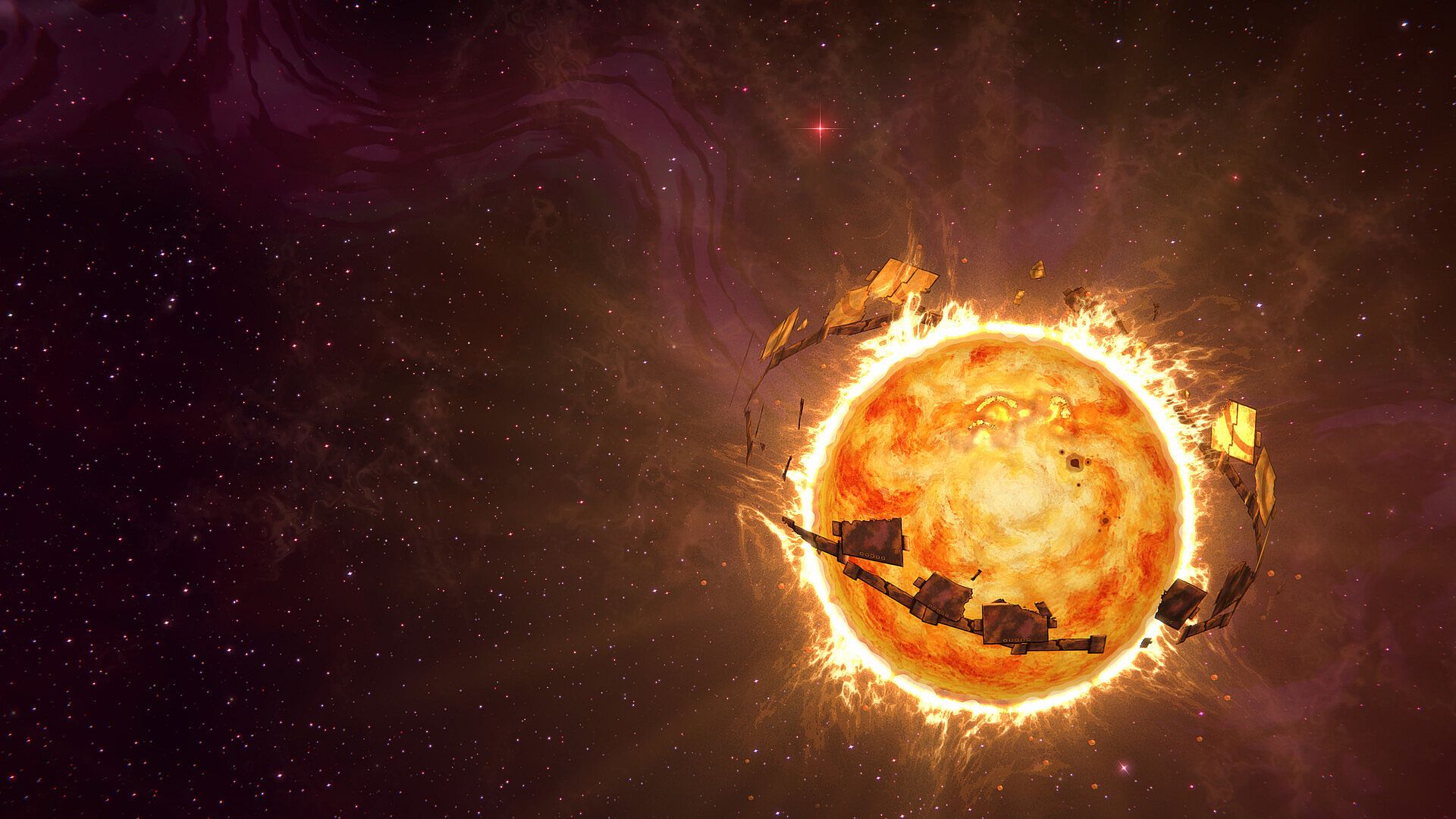
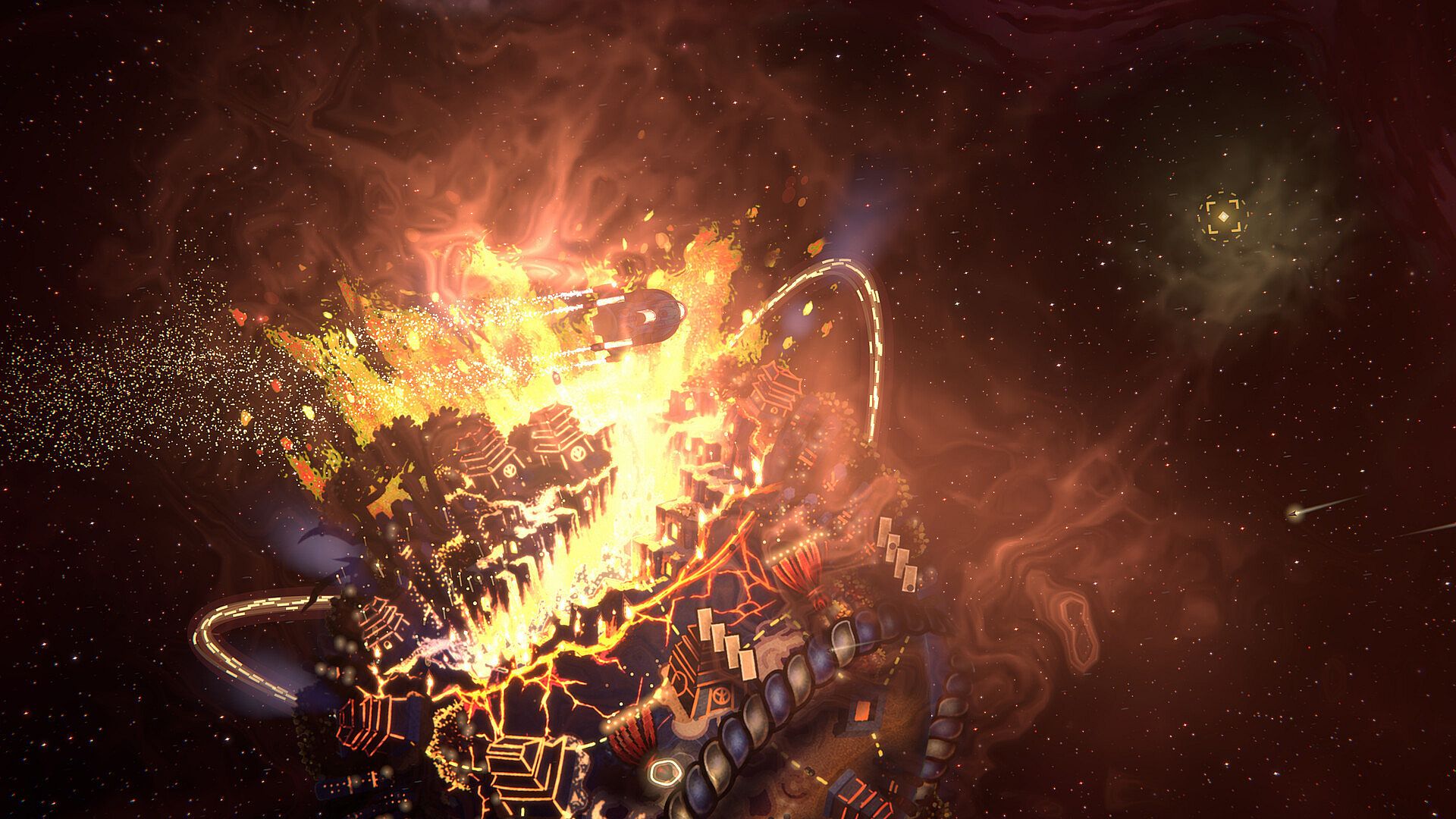
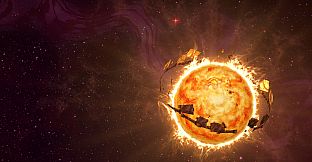
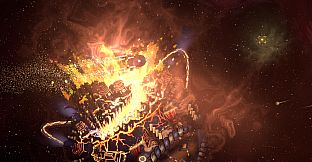
Entropy corruption intensifies farther from the inner system. It can cause equipment malfunctions aboard ship or influence crew toward worship of the phenomena. Certain ship functions require crew with specific ideological alignments, rewarding diverse hires despite added management challenges.
Is It Worth Playing?
The game remains in development ahead of its planned Early Access launch, with the current version providing dozens of hours of sandbox play focused on ship and crew management. No user reviews exist yet, and the full story content is scheduled for later updates. Players interested in detailed simulation of crew needs, dynamic trade, and reactive space travel will find the systems interconnected in ways that generate unexpected situations. Those seeking a complete narrative or polished release should monitor progress during Early Access, as the developer intends roughly two years of iteration based on feedback before the finished version.












