

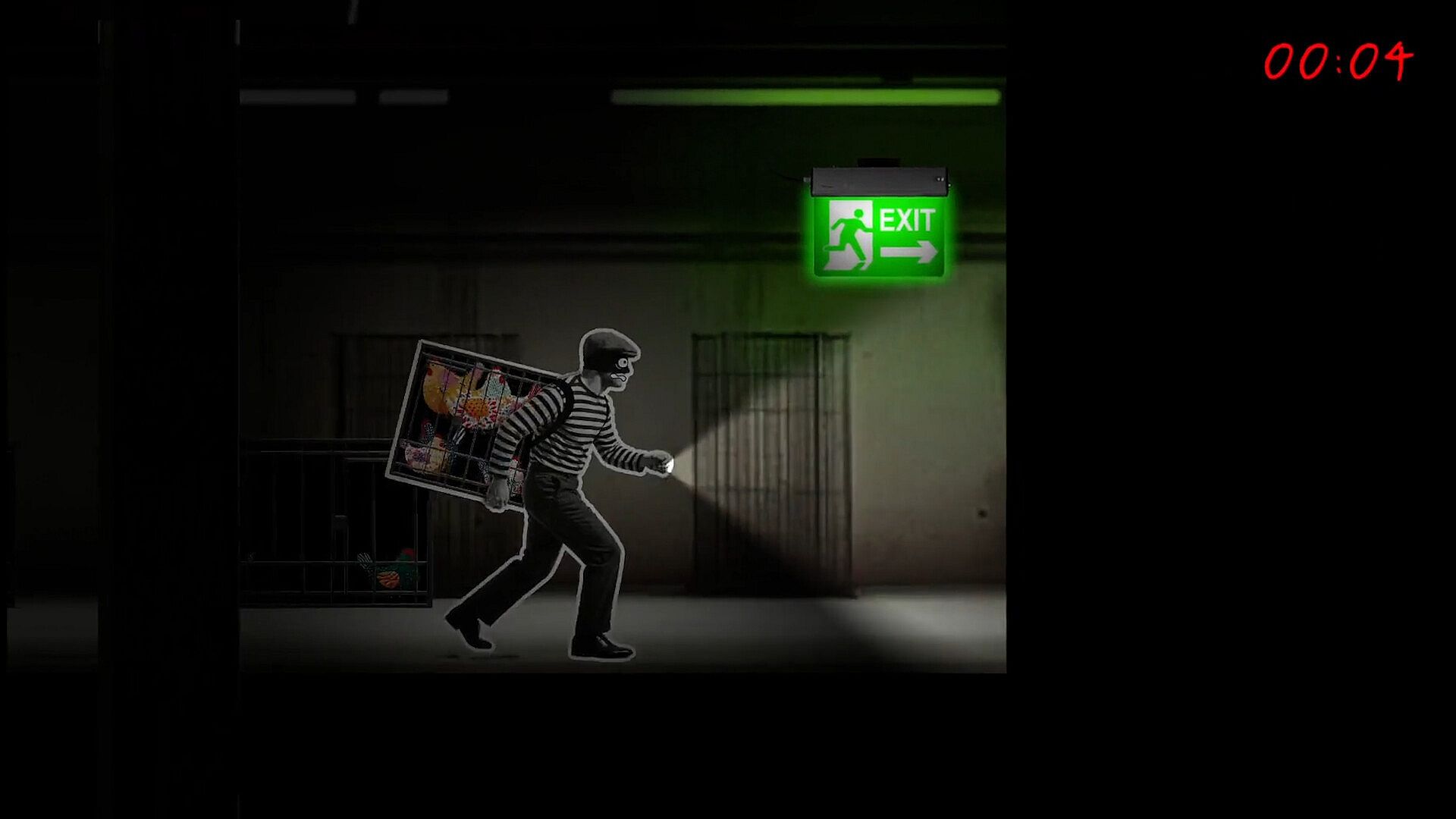
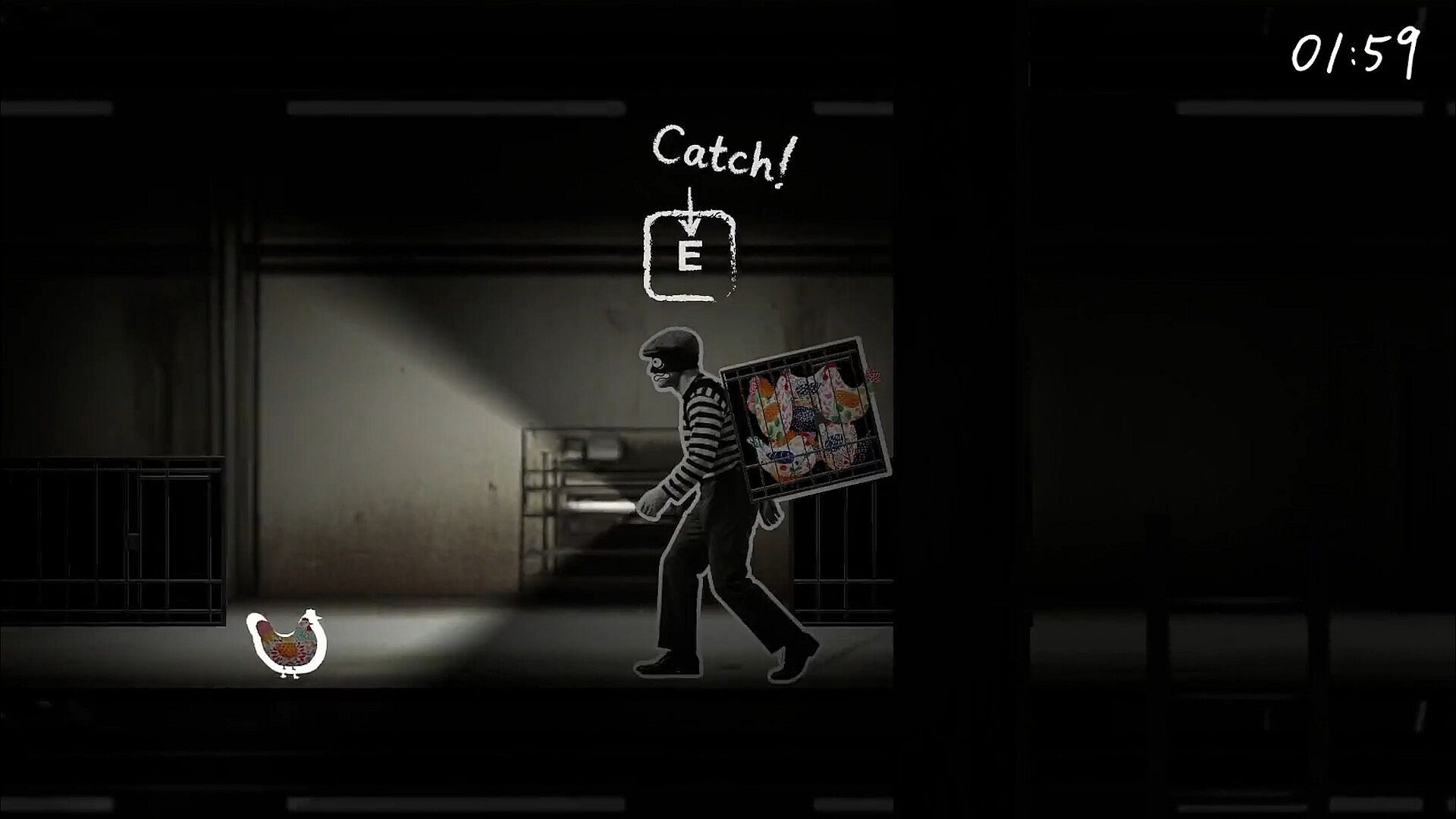

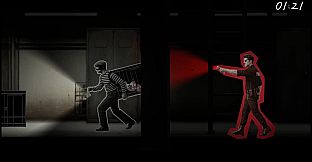
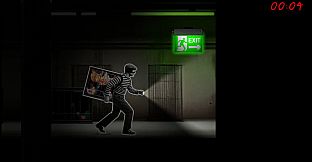
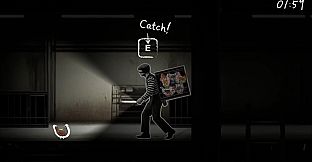
Steal the Chicken is a free to play 2D side-scrolling stealth action game on PC where players control a nimble thief on a mission to raid a heavily guarded chicken farm. The core objective centers on sneaking through the facility, opening cages, and escaping with as many chickens as possible while avoiding detection. This setup blends precise movement with tension built around sound and visibility, creating short sessions focused on improving personal performance.
Gameplay
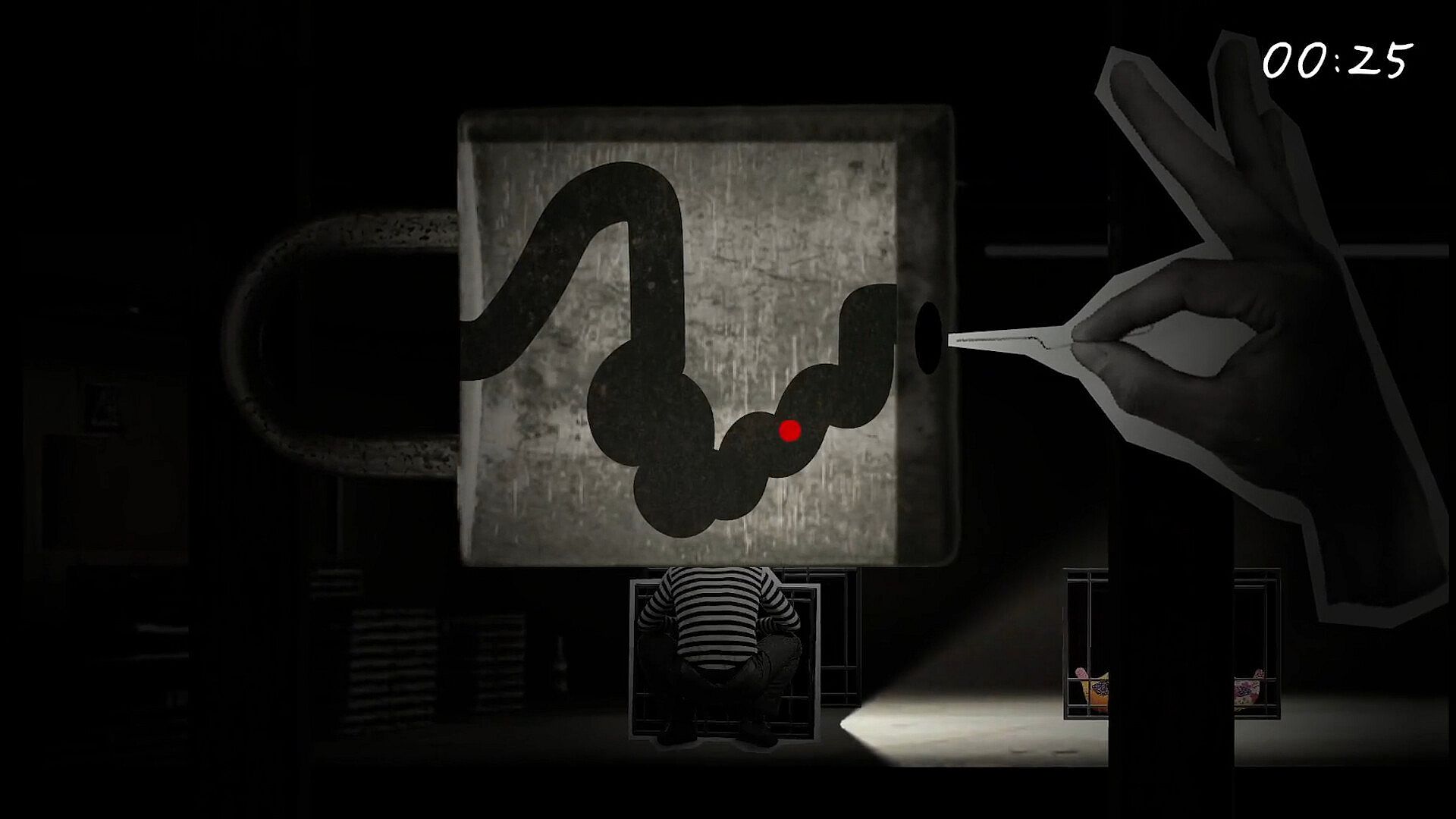
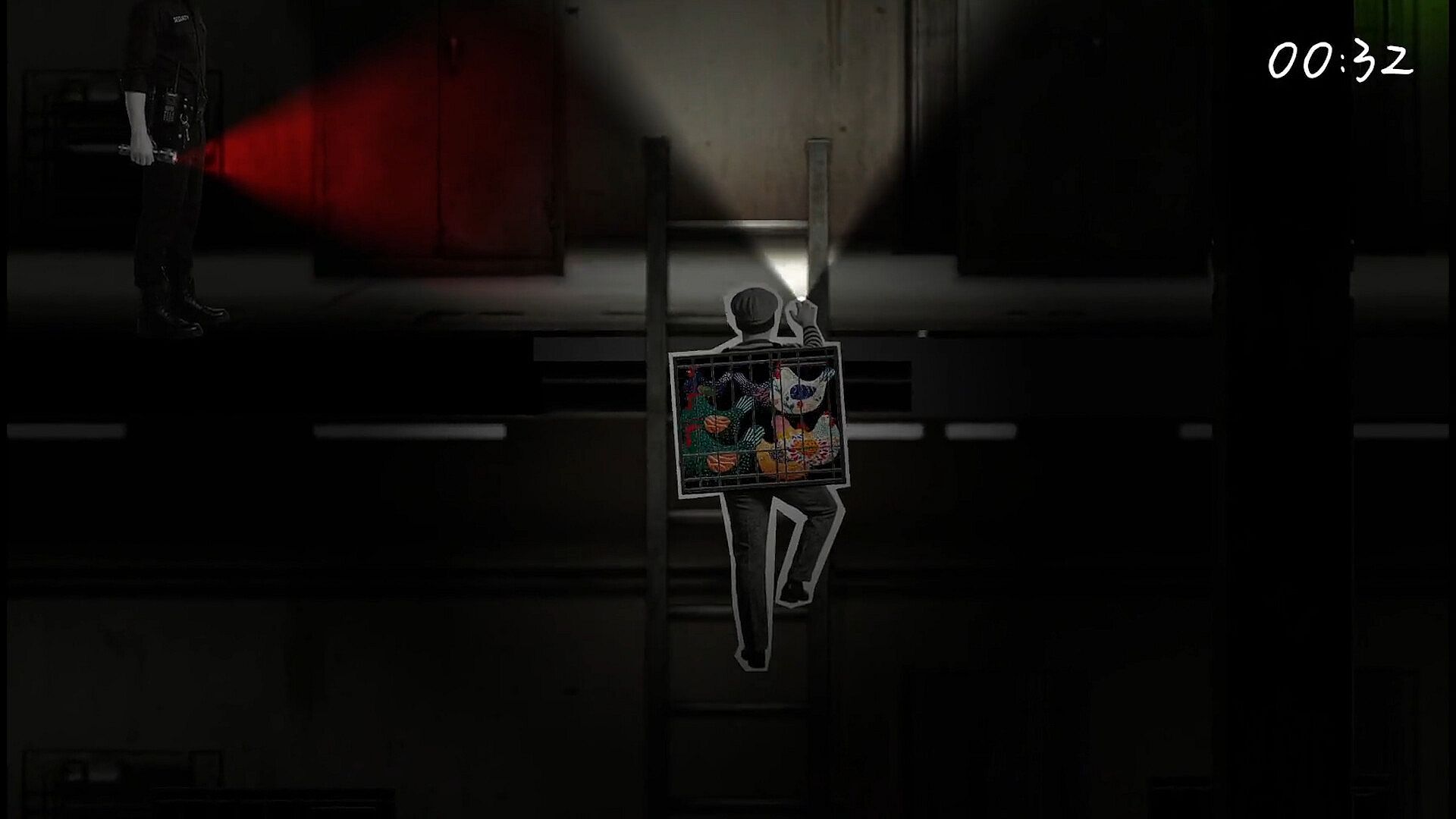
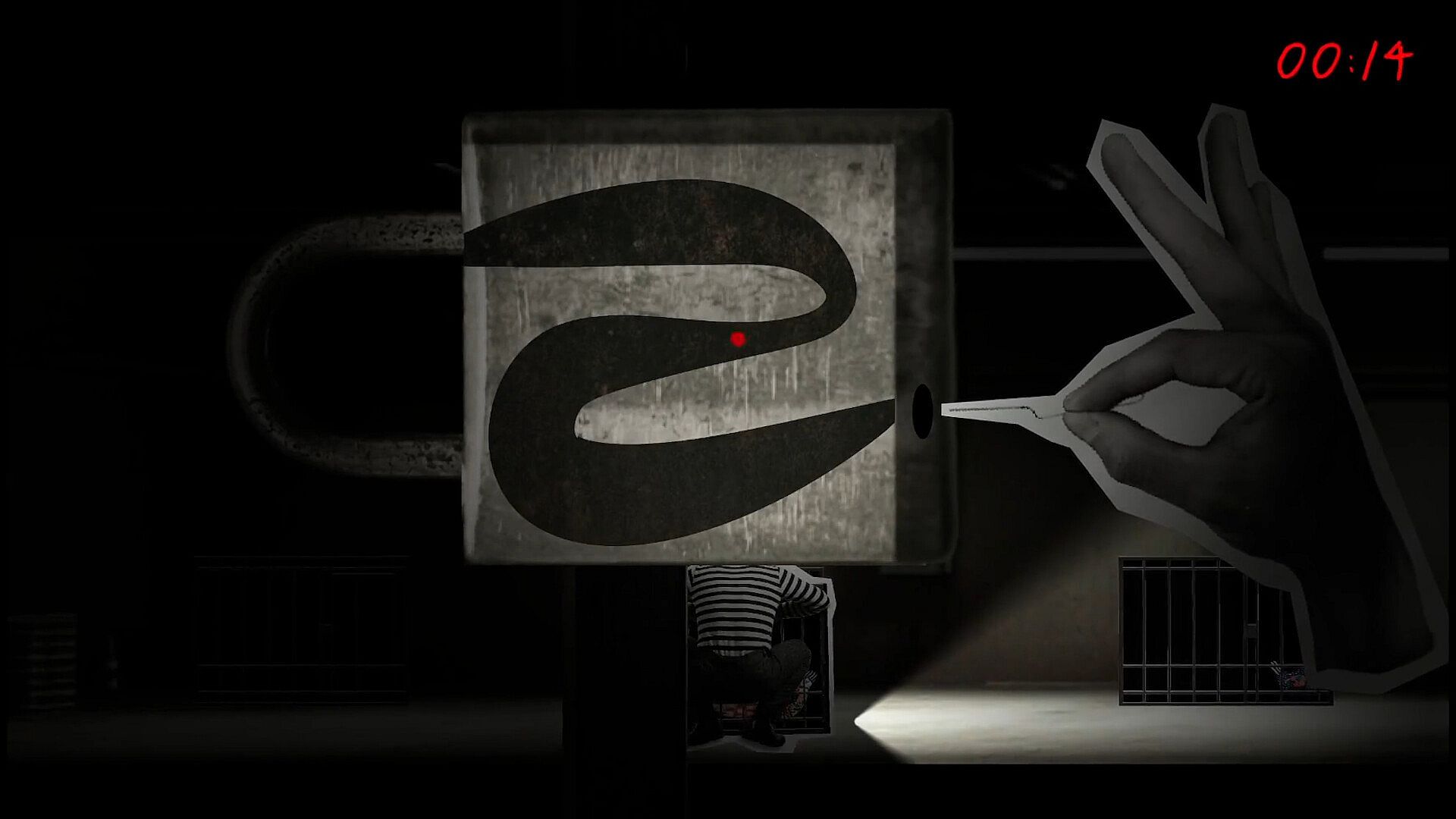
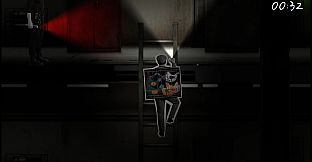
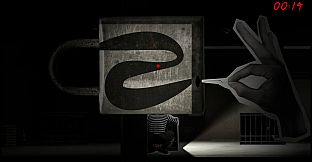
The gameplay loop revolves around careful navigation and lockpicking mechanics. Players move through the 2D farm environment, using ladders and lockers to hide from guard patrols and flashlights. Lockpicking requires steady input, as any slip creates noise that can alert nearby guards and risk breaking the tool. Too much disturbance draws reinforcements, forcing quick decisions on whether to continue the theft or retreat to safety.
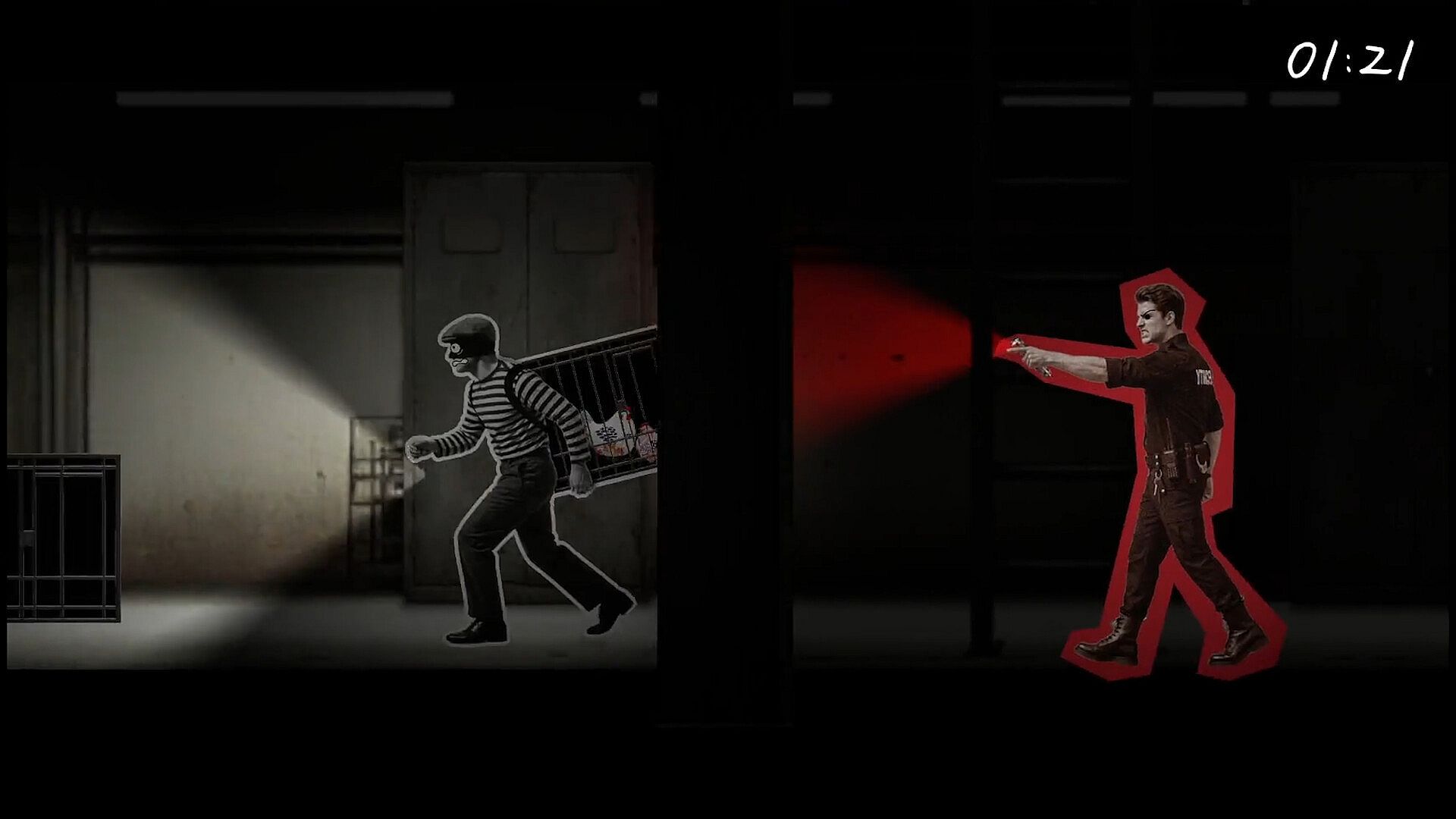
Stealth forms the foundation of every run. Players must watch patrol routes and time movements to stay out of sight. The side-scrolling perspective allows for vertical exploration within the farm buildings and outdoor areas, where positioning behind objects or on different levels helps break line of sight. Success depends on balancing speed with caution, as rushing often leads to failed attempts and lost progress.
Each attempt emphasizes repetition and refinement. Players learn guard patterns over multiple tries, adjusting routes to maximize chickens collected before extraction. The environment itself serves as both obstacle and tool, with interactive elements like cages that demand focused attention during the lockpicking phase.
Game Modes
Steal the Chicken operates primarily as a single-player experience centered on high-score challenges. There are no separate named modes such as cooperative or versus options. Instead, every session follows the same structure of infiltrating the farm, completing thefts, and aiming for better results on the leaderboard.
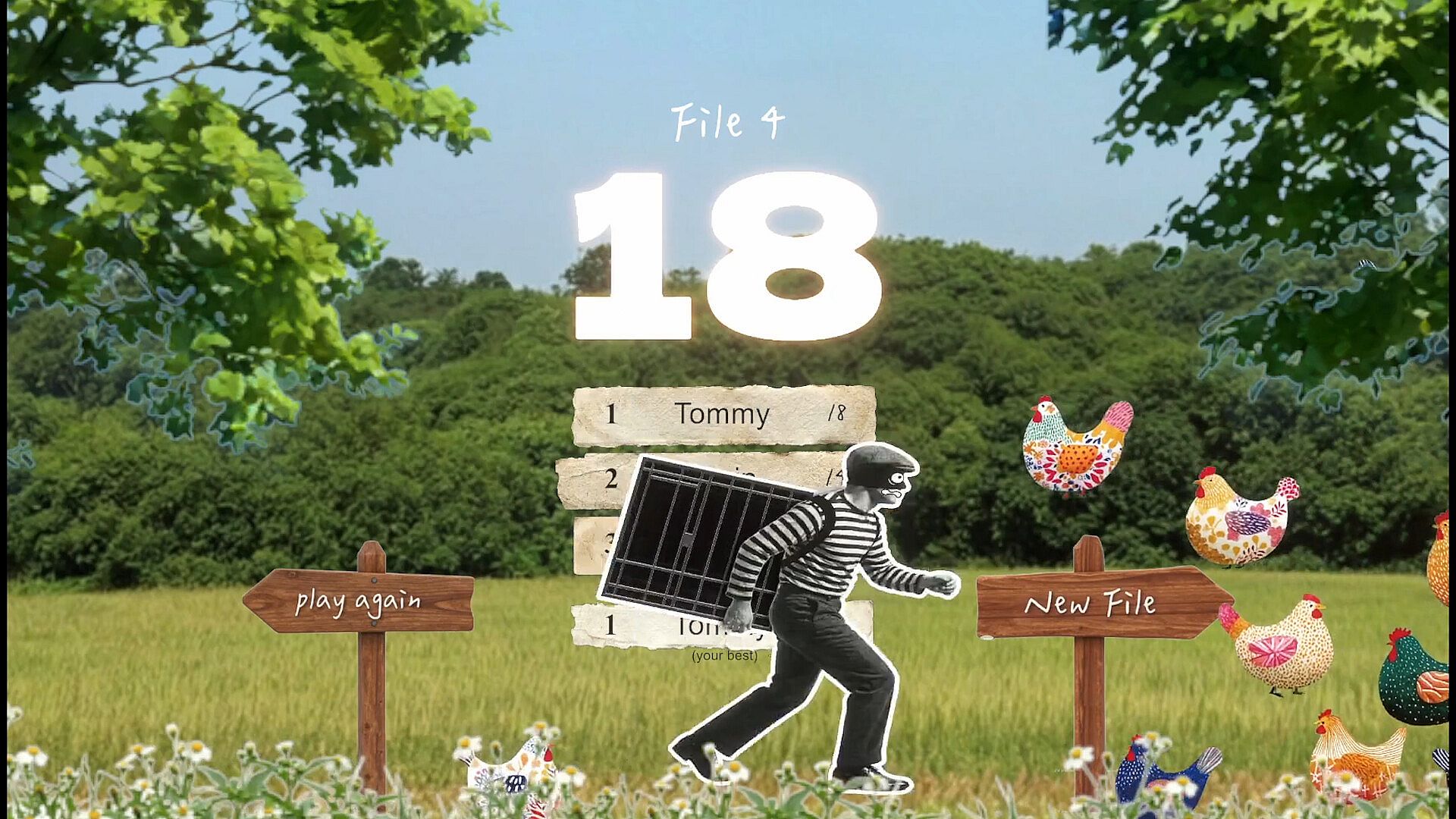
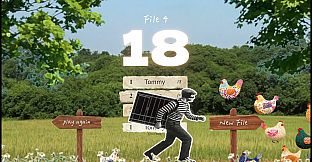
The leaderboard tracks performance across metrics like locks cracked and chickens rescued. Players compete indirectly by climbing global or personal rankings through repeated attempts. This setup encourages mastery of the stealth systems without introducing additional rulesets or team-based objectives.
Progression stays tied to individual skill. Each run builds on the last as players internalize timing and hiding spots, gradually increasing the number of chickens extracted per outing. The absence of varied modes keeps the focus narrow on perfecting the core heist loop.
Key Mechanics and Features
Precision lockpicking stands out as a defining system. The mechanic demands consistent control, where errors generate audible alerts that propagate through the farm. This creates a risk-reward dynamic, pushing players to weigh the value of one more cage against the growing threat of detection.
Guard behavior adds another layer of strategy. Patrols follow predictable yet challenging paths, and flashlights sweep key areas. Players counter these threats by leveraging the 2D layout for elevation changes and concealment spots. The combination keeps tension high even on familiar maps.
Additional systems support the main loop without complicating it. High-score tracking provides long-term motivation, while the free-to-play model removes barriers to entry. The racing genre tag may hint at the urgency of timed escapes, though the emphasis remains on stealth execution rather than outright speed.
Is It Worth Playing?
Steal the Chicken suits players who enjoy deliberate stealth gameplay in a compact package. The straightforward premise of chicken theft paired with responsive controls and clear failure states delivers focused sessions that reward observation and patience. Those drawn to 2D platforming with tension around sound and visibility will find the mechanics engaging from the first attempt.
Because the game is free to play on PC, it offers easy access for anyone curious about the heist concept. The leaderboard element provides ongoing incentive without requiring extensive time investment. Players who prefer short, repeatable challenges over expansive narratives or multiplayer coordination will likely appreciate the tight design.
Overall, the title stands as a niche option for stealth enthusiasts seeking something different from larger productions. Its strength lies in the direct feedback loop of noise management and environmental awareness, making each successful extraction feel earned through practice rather than luck.