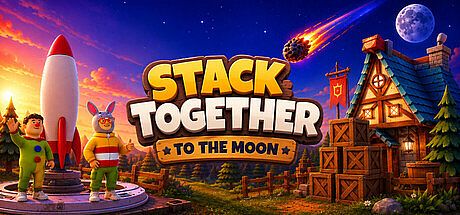


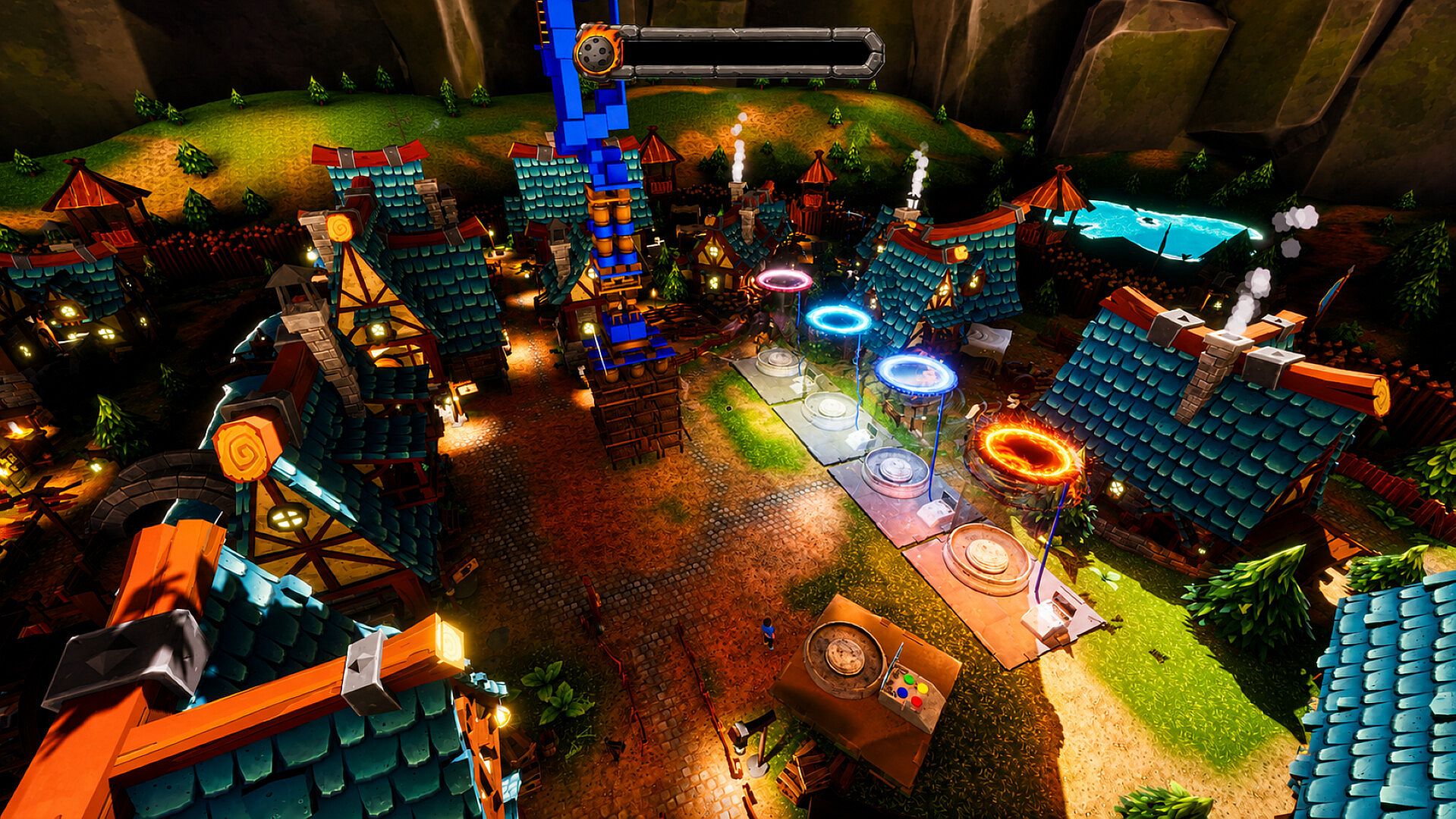
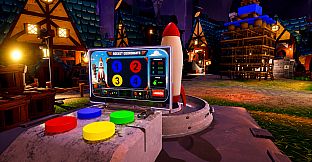
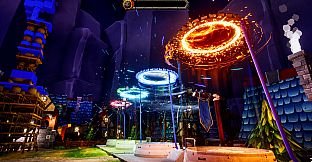
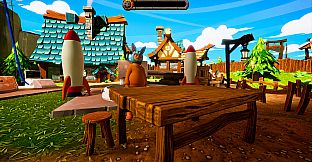
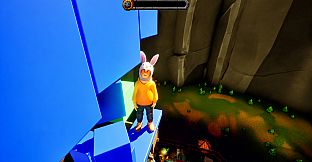
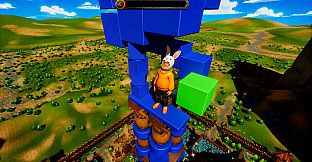
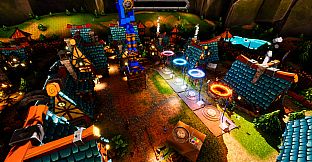
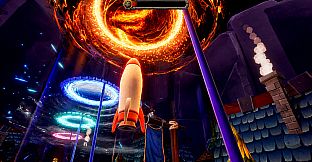
Stack Together: To the Moon - Stack, Build & Escape is a physics-based co-op action game in the indie and casual genres available on PC. Players work as a team to stack boxes arriving through portals into tall, stable structures while racing against an approaching meteor. The core loop combines careful building with quick reactions to anomalies and timed use of rockets to buy extra time before reaching the portal that leads to the Moon.
Gameplay
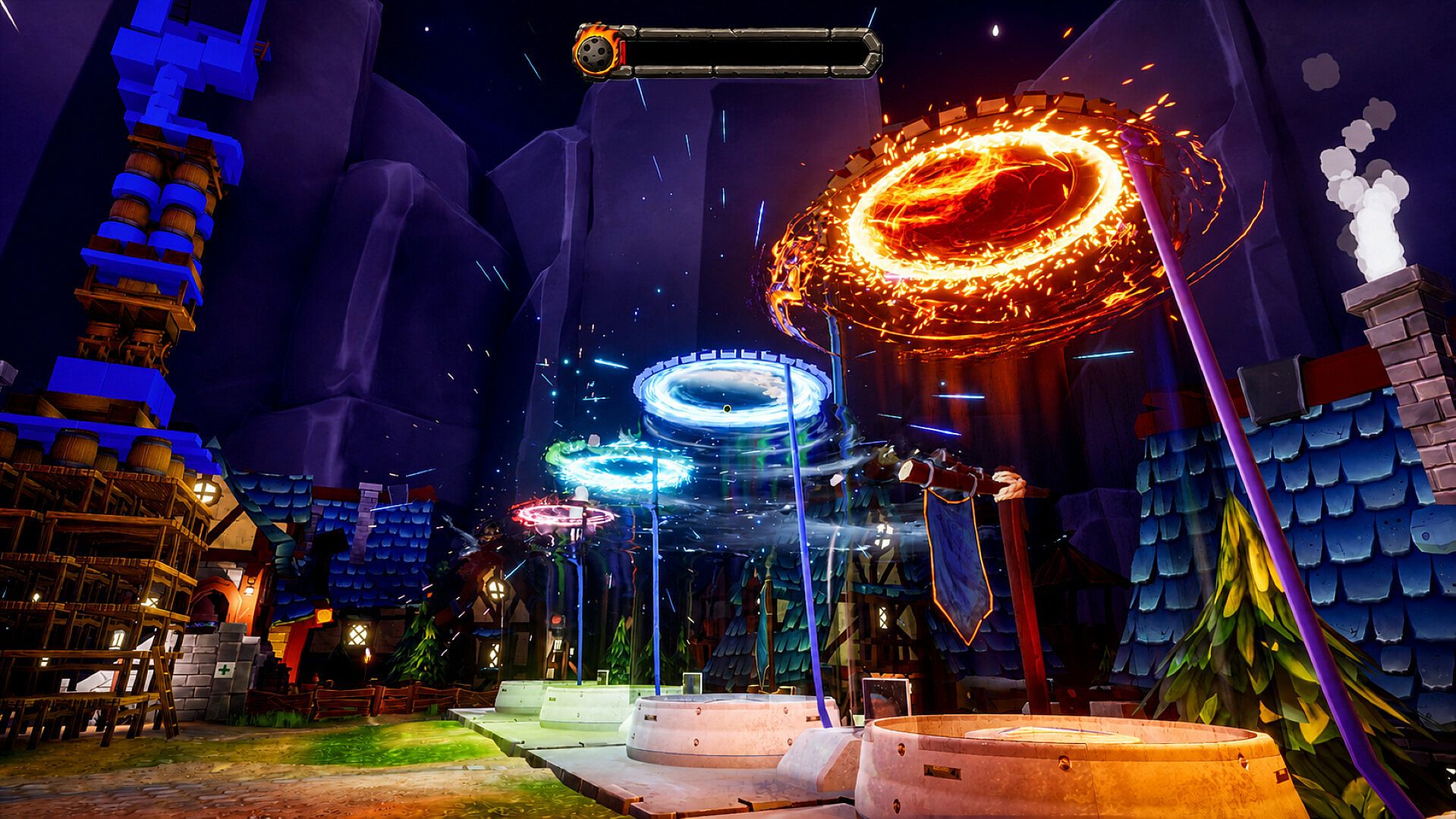
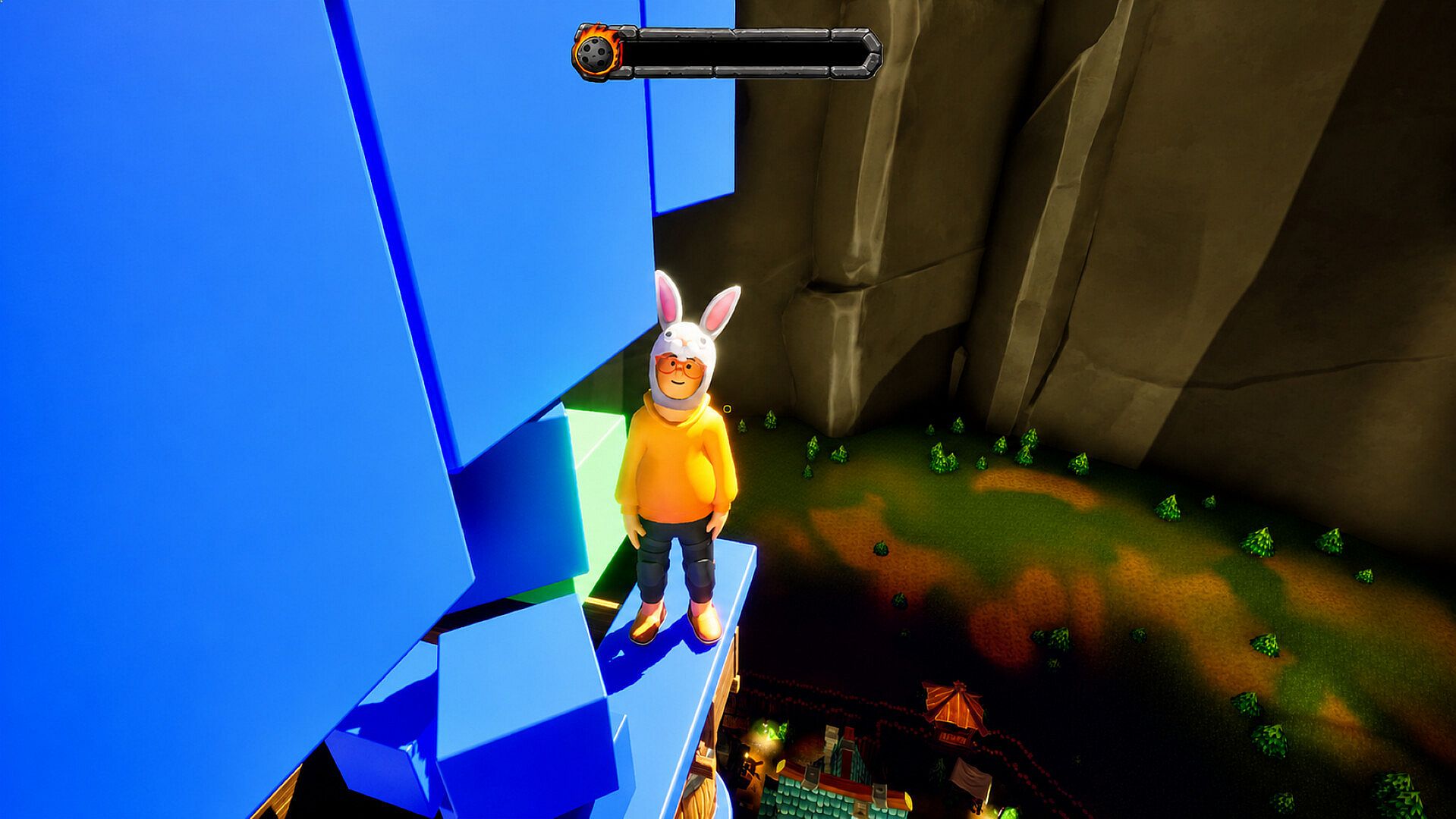
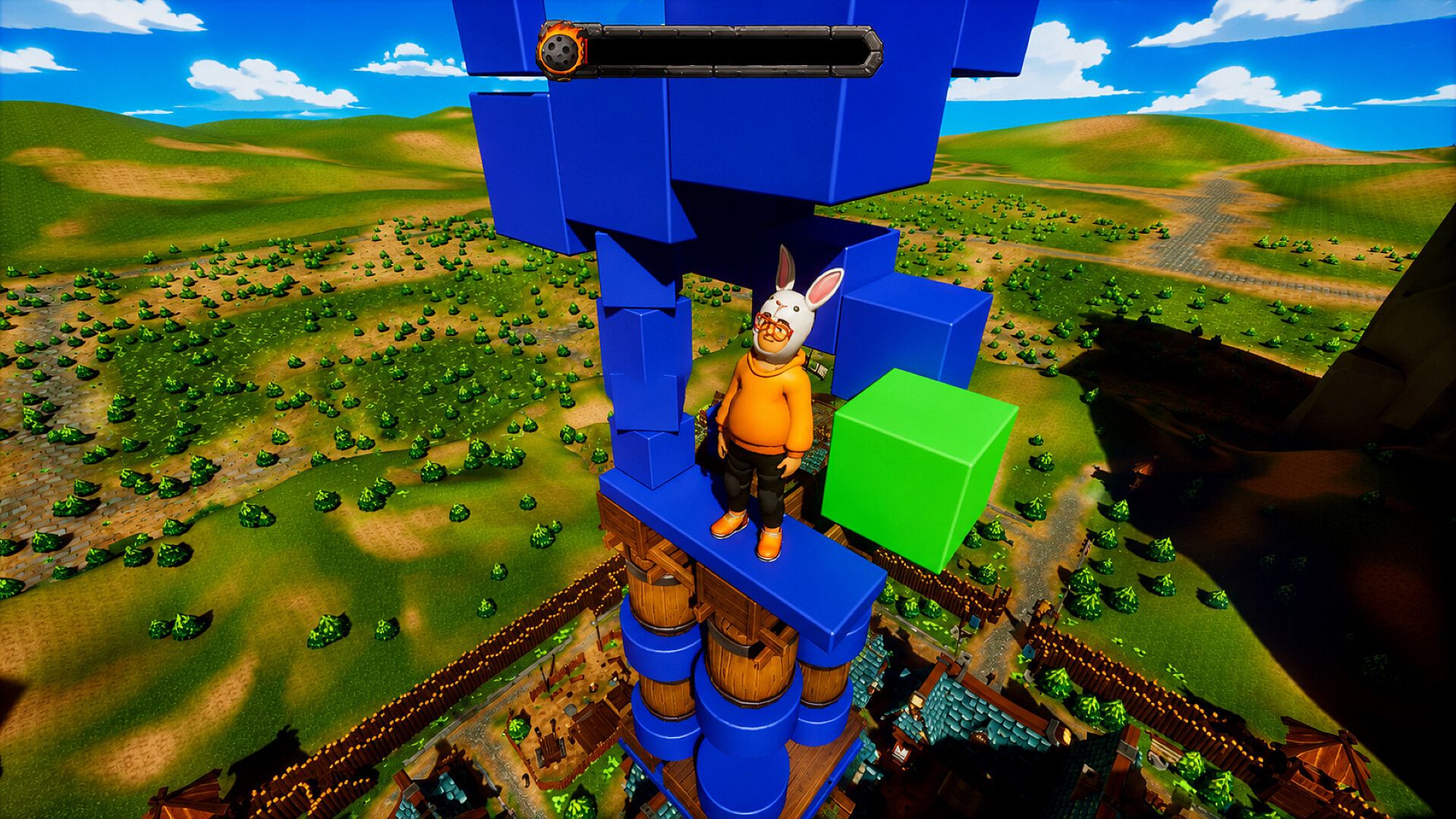
The central activity revolves around collecting boxes that emerge from portals and positioning them to create balanced towers. Physics simulation governs every placement, so uneven stacks can tilt or collapse under their own weight. Teams must communicate constantly to decide where each box fits and how to maintain overall stability during construction.
Some boxes carry anomalies that destabilize the growing structure. Players test incoming boxes and follow visual or environmental clues to identify the problematic ones before they cause a collapse. Removing or isolating these anomalies becomes a key part of the building process, adding layers of observation and decision-making to every round.
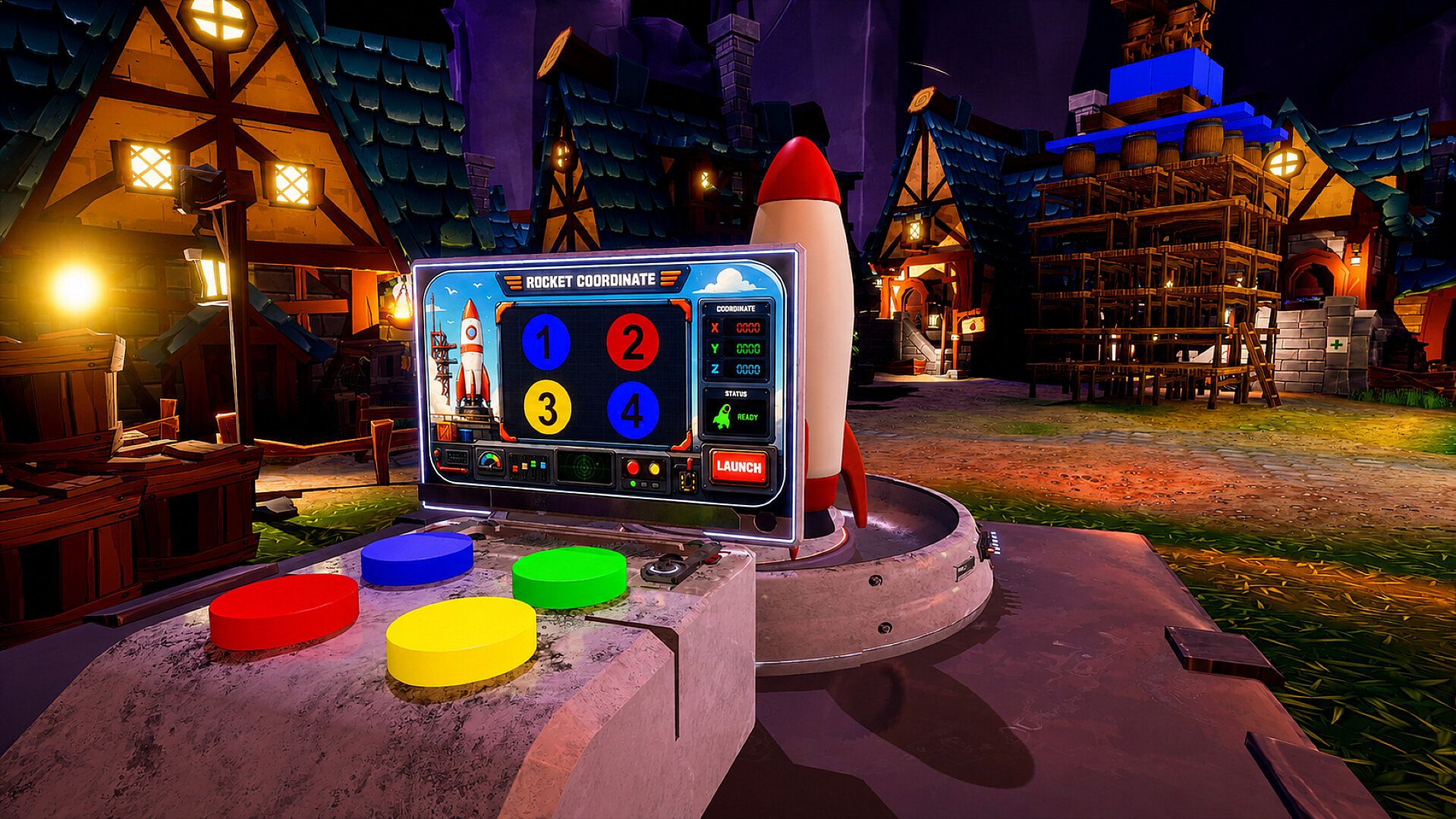
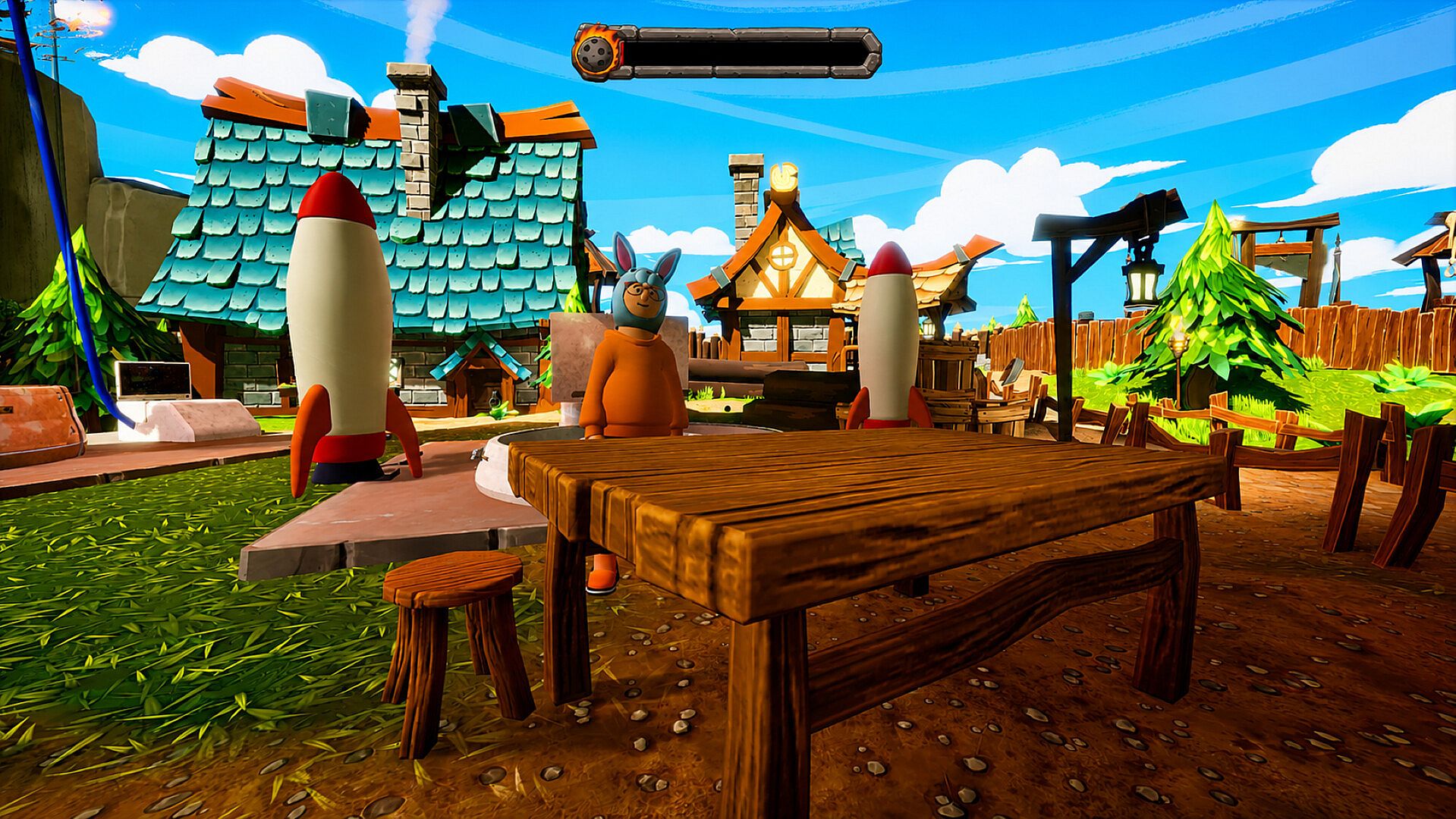
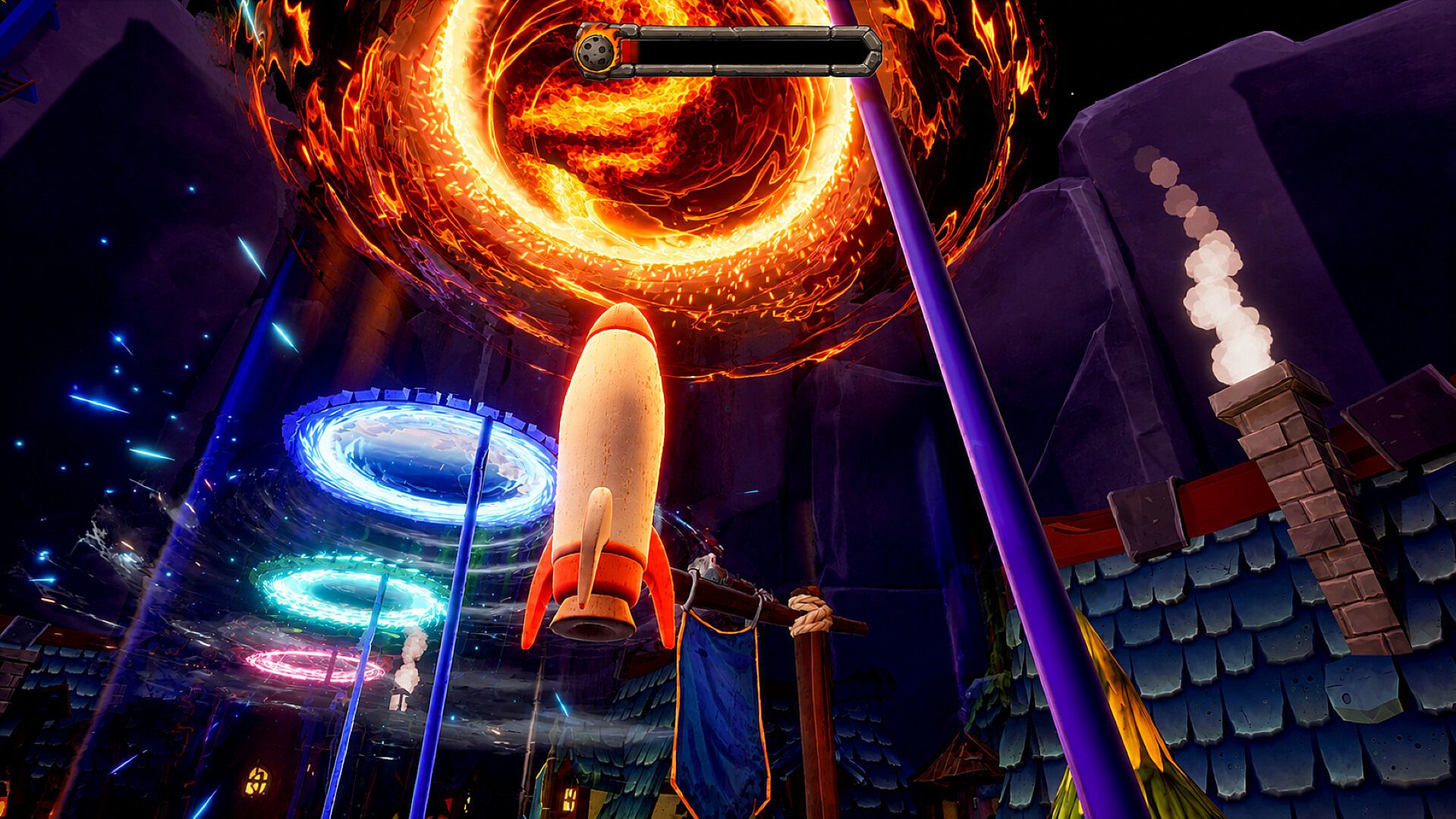
As the meteor draws closer, rockets appear that the group can deploy to slow its advance. Timing these interventions correctly gives the team more seconds or minutes to finish the structure and reach the exit portal. The combination of stacking precision, anomaly management, and rocket timing creates a loop that rewards planning while leaving room for sudden, physics-driven mishaps that force quick adjustments.
Game Modes
The game centers on cooperative sessions for up to four players. Everyone shares the same building space and works toward the shared goal of completing a tall enough structure before the meteor arrives. No competitive or versus modes exist; the focus stays on joint problem-solving and shared success or failure.
Within co-op play, sessions emphasize different phases of the same core challenge. Early stages involve rapid identification and placement of safe boxes, while later stages add pressure from the meteor and require coordinated rocket use. The physics engine ensures that every session can produce unique outcomes based on how the group manages balance and anomalies.
Core Mechanics and Team Dynamics
Communication stands out as an essential tool. Players call out box types, suggest placements, and warn about potential instability before problems grow. The absence of individual scoring keeps attention on collective progress rather than personal performance.
Unexpected physics interactions add variety and humor. A single misplaced box or overlooked anomaly can send an entire section tumbling, creating chaotic moments that the group must resolve together. These situations test both mechanical skill and the ability to stay calm under shifting conditions.
The casual side of the experience comes from approachable controls and clear visual feedback, while the action and indie elements appear in the real-time pressure and creative freedom allowed by the physics system. Solo play is possible but loses the coordination layer that defines the title, making it best suited for groups that enjoy working through shared challenges.
Is It Worth Playing?
Stack Together: To the Moon suits players who enjoy physics-driven co-op games that blend building, quick thinking, and light chaos. The emphasis on teamwork and communication makes it a strong choice for friends or family groups looking for sessions that feel collaborative rather than purely competitive. Those who appreciate indie titles with simple yet demanding mechanics will find the stacking and anomaly systems engaging over multiple attempts.
The game rewards groups that plan placements and react together to problems, while still allowing room for lighter, more experimental approaches. Because success depends on coordination rather than reflexes alone, it appeals to a range of skill levels within the same party. Players seeking a focused co-op experience built around one clear objective rather than multiple unrelated activities will likely enjoy the consistent loop of stacking, testing, and timing.
Overall, the title delivers a straightforward yet repeatable co-op adventure that highlights the fun of shared problem-solving in a physics sandbox. Groups comfortable with occasional setbacks and the need to restart after collapses will get the most out of its chaotic yet purposeful design.