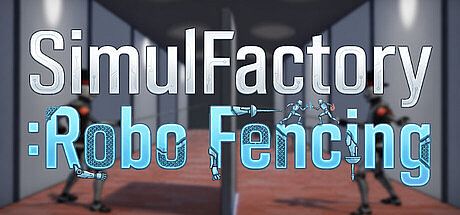



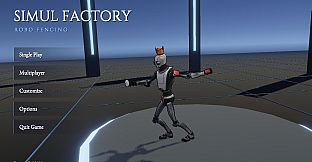
SimulFactory:Robo fencing es un simulador deportivo indie de acción para PC que enfrenta a los jugadores en duelos de esgrima robótica separados por un muro central. La experiencia se centra en la visibilidad limitada, la sincronización precisa y la adaptación a condiciones cambiantes entre asaltos. Los controles sencillos dejan espacio para la expresión técnica a través del posicionamiento y la lectura de patrones sutiles en el avance del rival.
Gameplay
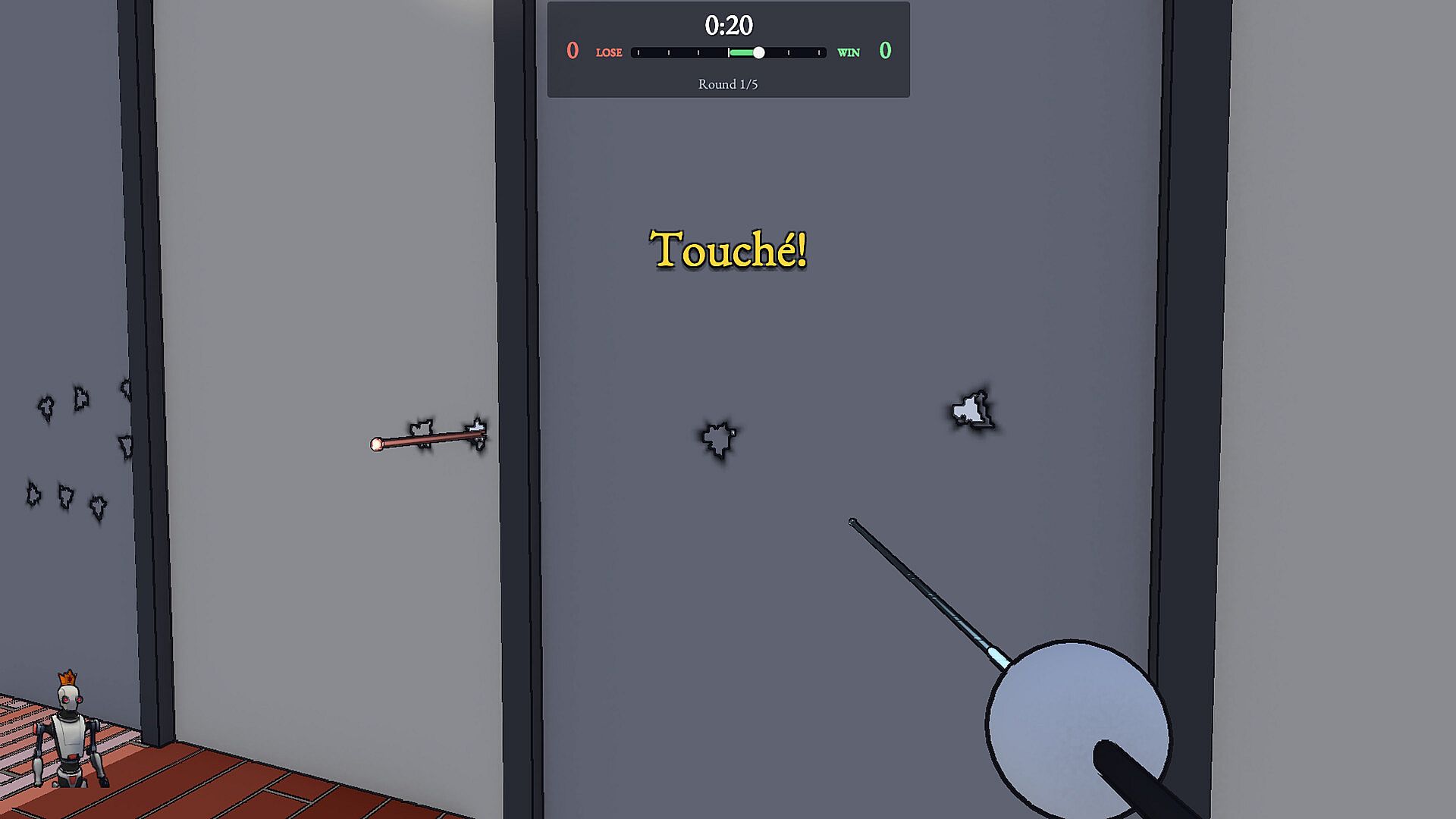
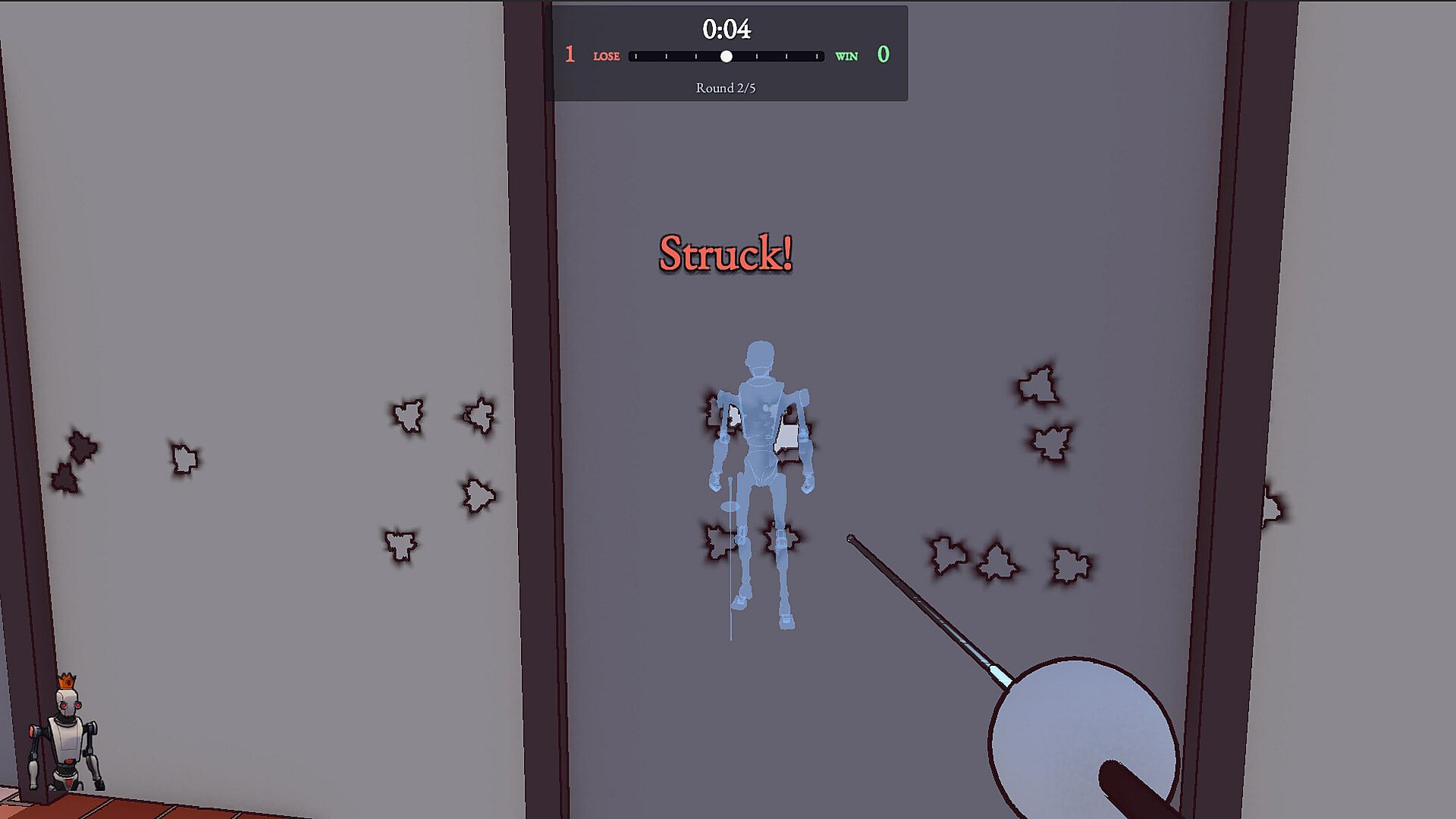
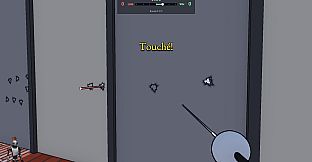
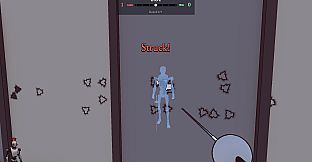
La arena cuenta con un muro que impide ver directamente al oponente. Solo la hoja que atraviesa la barrera ofrece información sobre su posición e intención. Ambos jugadores operan bajo la misma limitación, por lo que los ataques se ejecutan mediante predicción y reacción en lugar de confirmación visual. El movimiento se controla con WASD, la barra espaciadora permite un desplazamiento rápido y el clic izquierdo ejecuta el ataque. Estos comandos mantienen la atención en aspectos fundamentales como el control de distancia y el momento de compromiso.
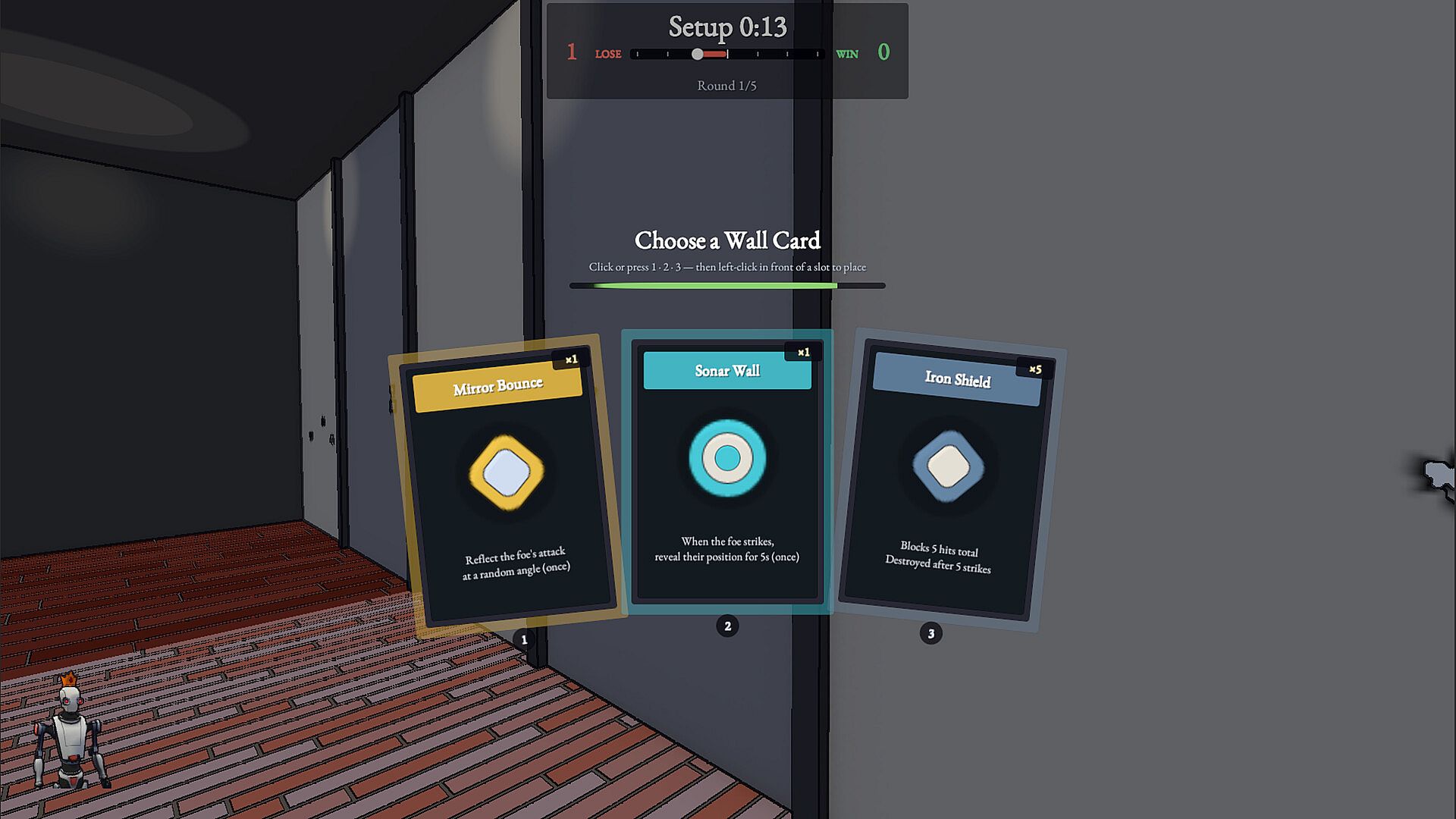
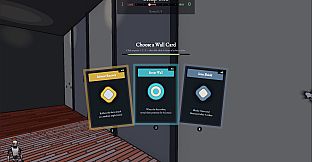
Entre asaltos, los jugadores eligen una carta para fijar en el muro compartido. Las opciones incluyen trampas y mejoras que modifican el siguiente intercambio. El muro evoluciona con cada selección, obligando a revisar constantemente hábitos y configuraciones. El éxito depende de observar cómo responde el rival a los nuevos elementos mientras se mantiene la presión a través del canal de información restringido.
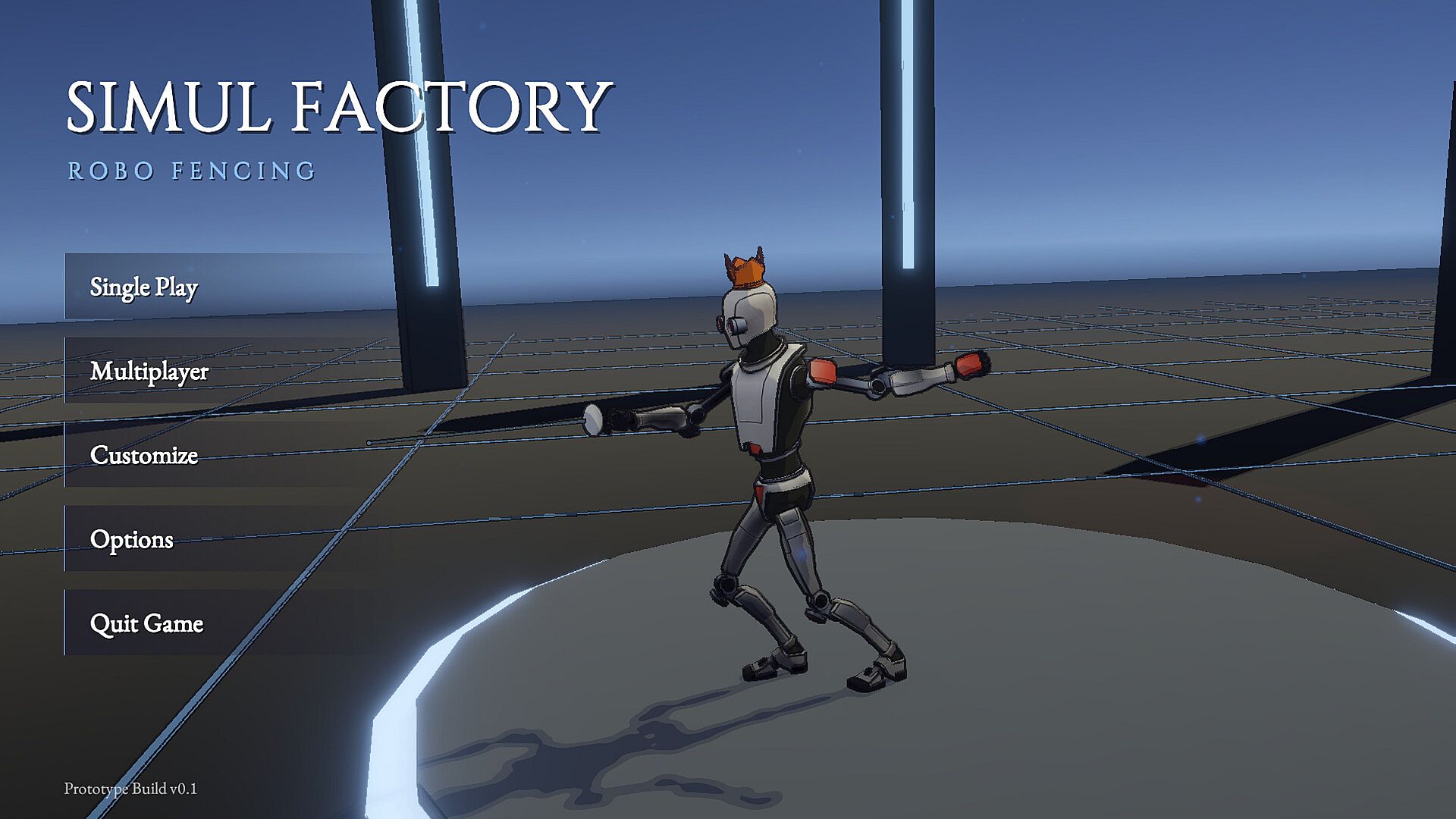
Los robots pueden personalizarse con sombreros y piezas adicionales. Estos cambios afectan únicamente la apariencia y no modifican el rendimiento. El enfoque se mantiene en la ejecución mecánica, sin ventajas derivadas del equipo.
Modos de juego
El modo un jugador permite realizar ejercicios repetidos para perfeccionar el posicionamiento y la sincronización contra una oposición constante. Sirve como preparación para encuentros más variables.
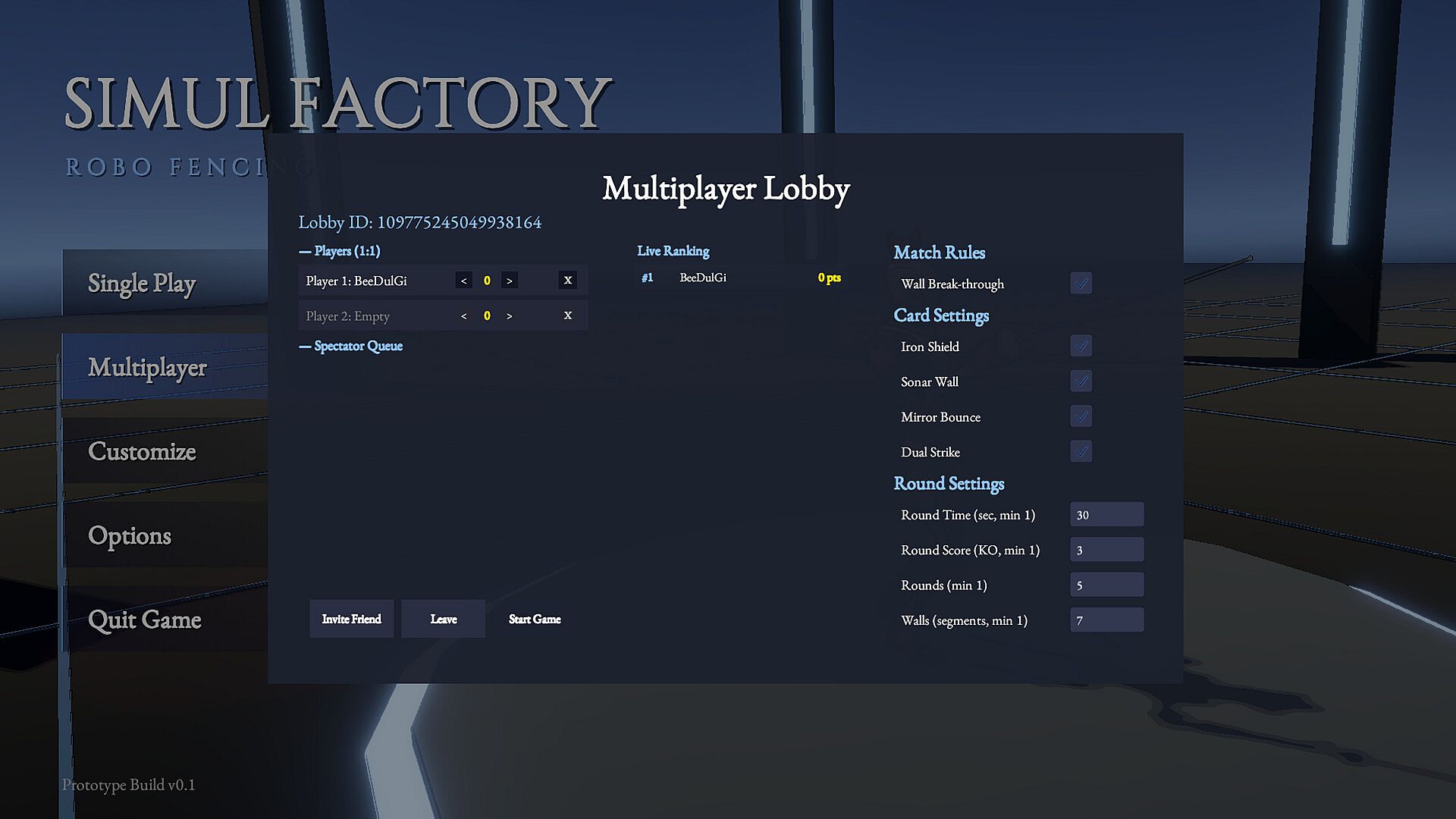
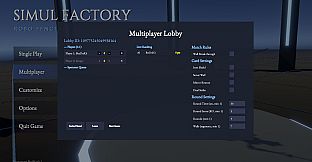
Los combates en línea 1v1 conectan a los jugadores en tiempo real para una competición directa. Cada duelo sigue las mismas mecánicas de visión limitada, con las selecciones de cartas que configuran el entorno compartido asalto tras asalto.
El modo espectador permite a los jugadores en espera observar partidas activas. Esto ofrece la posibilidad de identificar patrones en futuros oponentes sin participar directamente.
Personalización y progresión
Las opciones visuales para el esgrimista robótico incluyen distintos sombreros y piezas corporales. Estas elecciones se muestran durante los combates y aportan personalidad a cada robot sin influir en el alcance del ataque, la velocidad del desplazamiento ni los efectos de las cartas. El sistema fomenta el juego repetido a través de la expresión personal, sin necesidad de progresión por estadísticas.
Las elecciones de cartas se acumulan a lo largo de las sesiones a medida que los jugadores prueban distintas configuraciones del muro. No hay desbloqueos permanentes ni sistemas de clasificación en la descripción disponible, por lo que la atención se centra en la adaptación en cada partida individual.
¿Merece la pena jugarlo?
El juego está dirigido a jugadores que prefieren formatos competitivos simplificados donde el ritmo y la adaptación pesan más que secuencias de botones complejas. Su esquema de controles reducido reduce la barrera de entrada, mientras que el muro y las cartas generan profundidad estratégica constante. Quienes buscan deportes de estilo simulación con un enfoque indie encontrarán distintivo el concepto de duelo a ciegas.
Los ejercicios en un jugador ofrecen una forma relajada de familiarizarse antes de entrar en partidas en línea. La función de espectador facilita el aprendizaje mediante la observación. El título se centra en la tensión esencial de la esgrima sin capas adicionales que diluyan la experiencia. Los jugadores que buscan sesiones rápidas con alto valor de repetición a través de la variedad de oponentes probablemente valorarán su estructura.